Swedish Chefs Teach School Cooks in Daugavpils to Prepare Healthy, Varied Meals While Reducing Food Waste
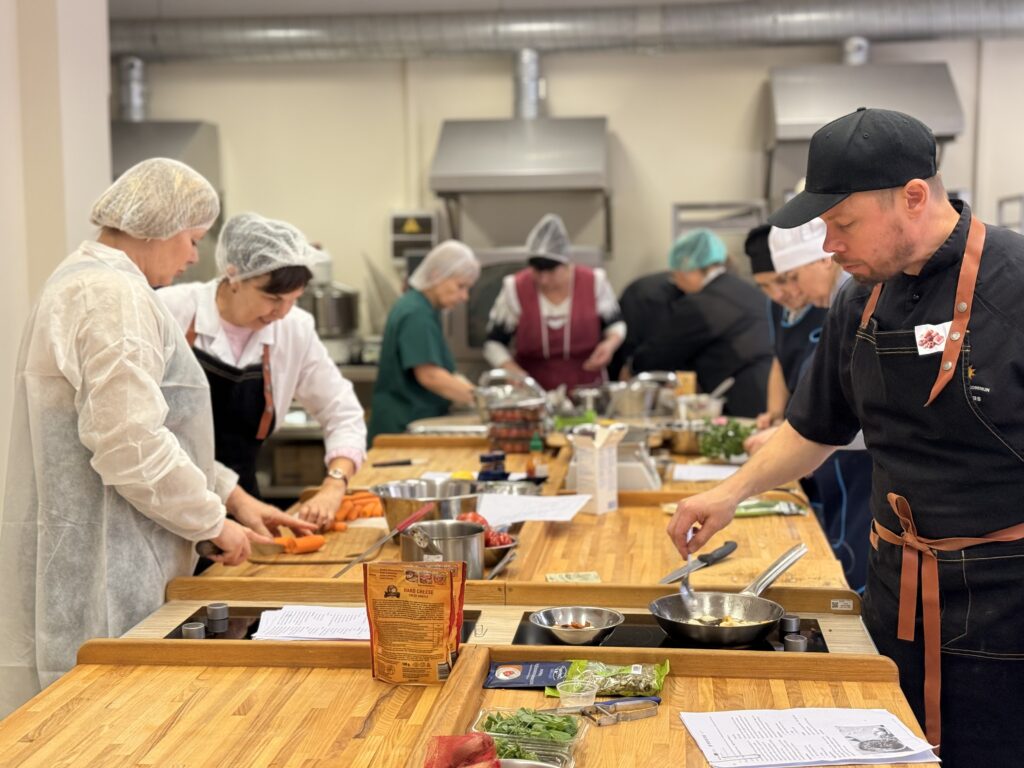
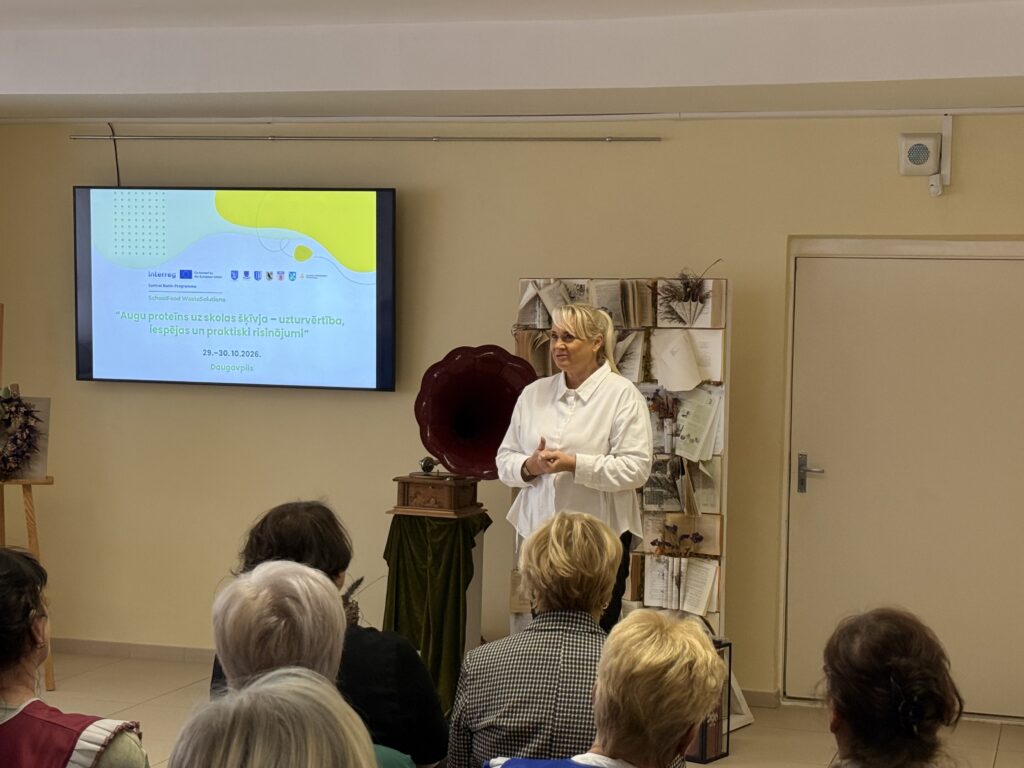
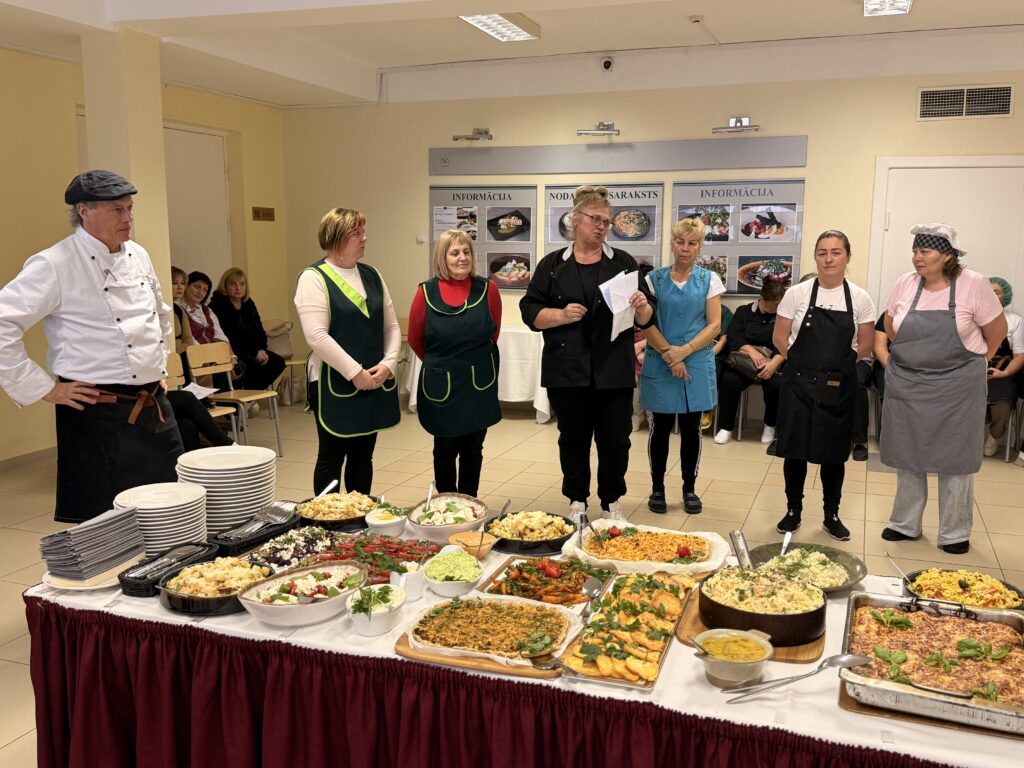
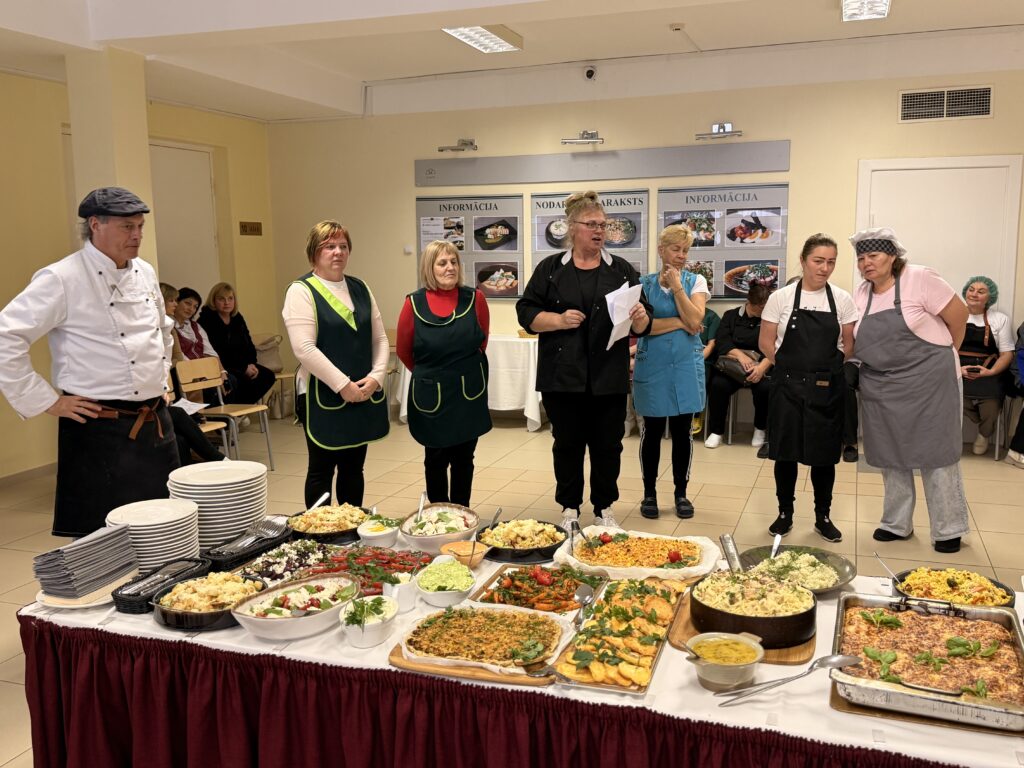
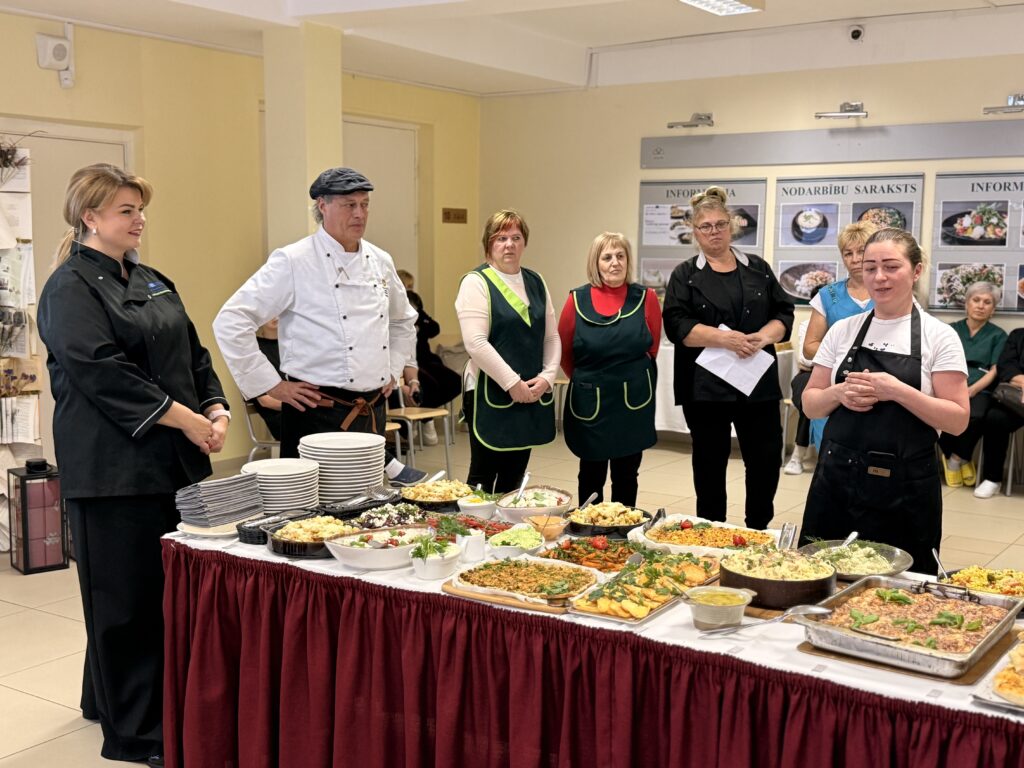
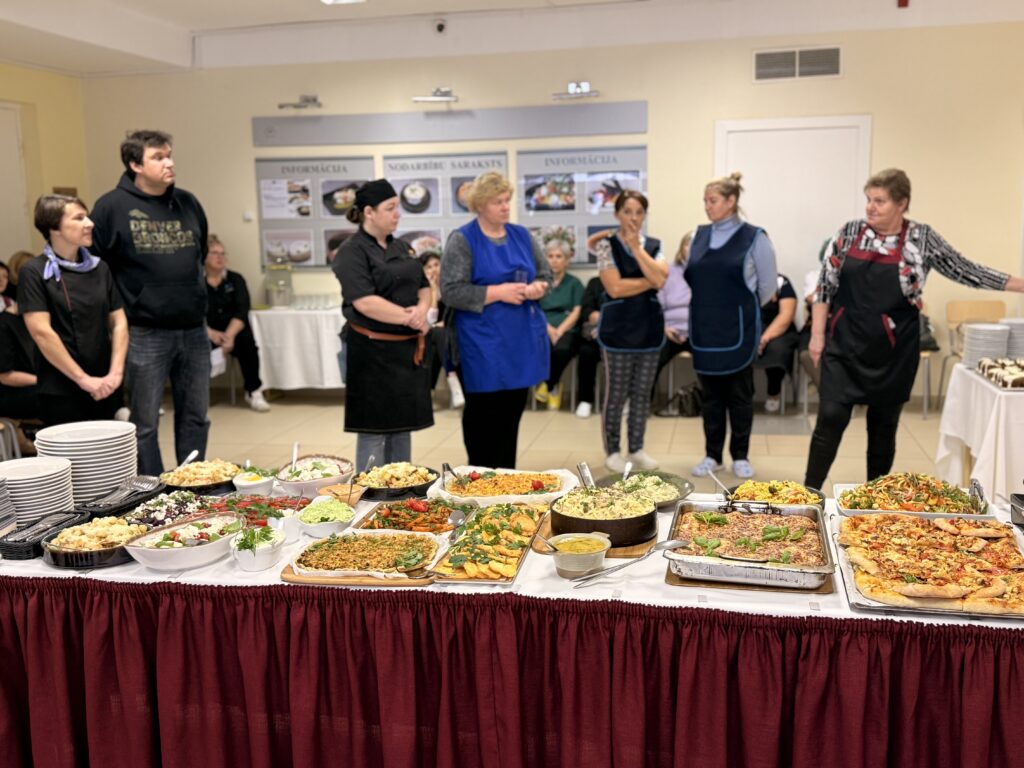
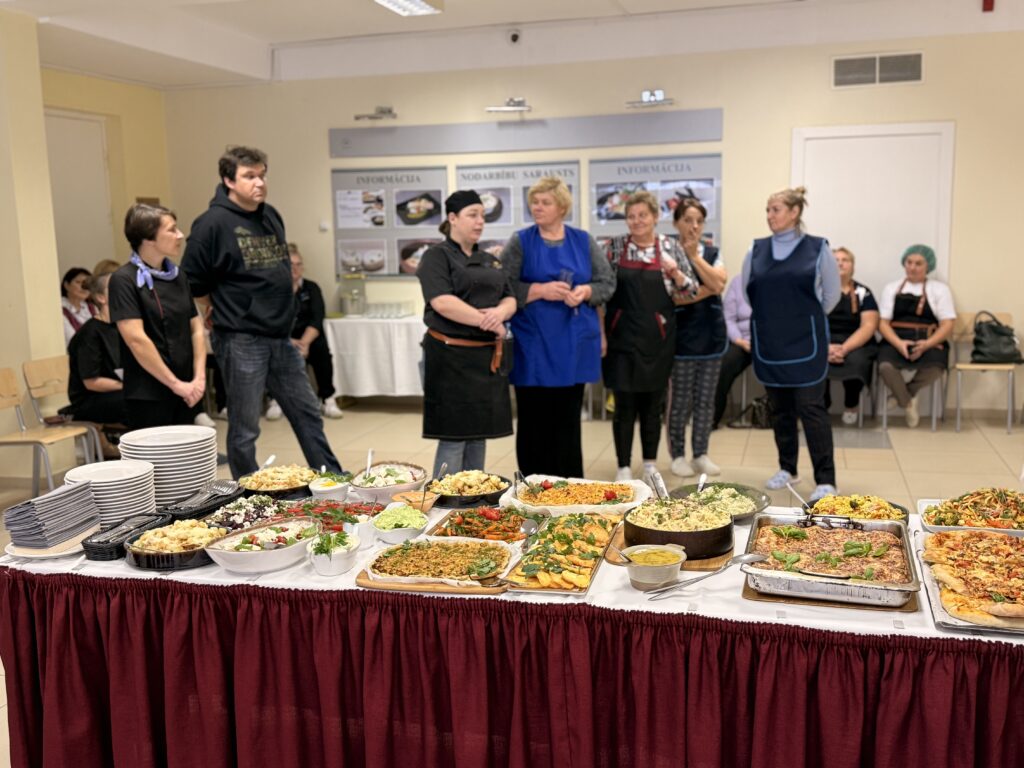
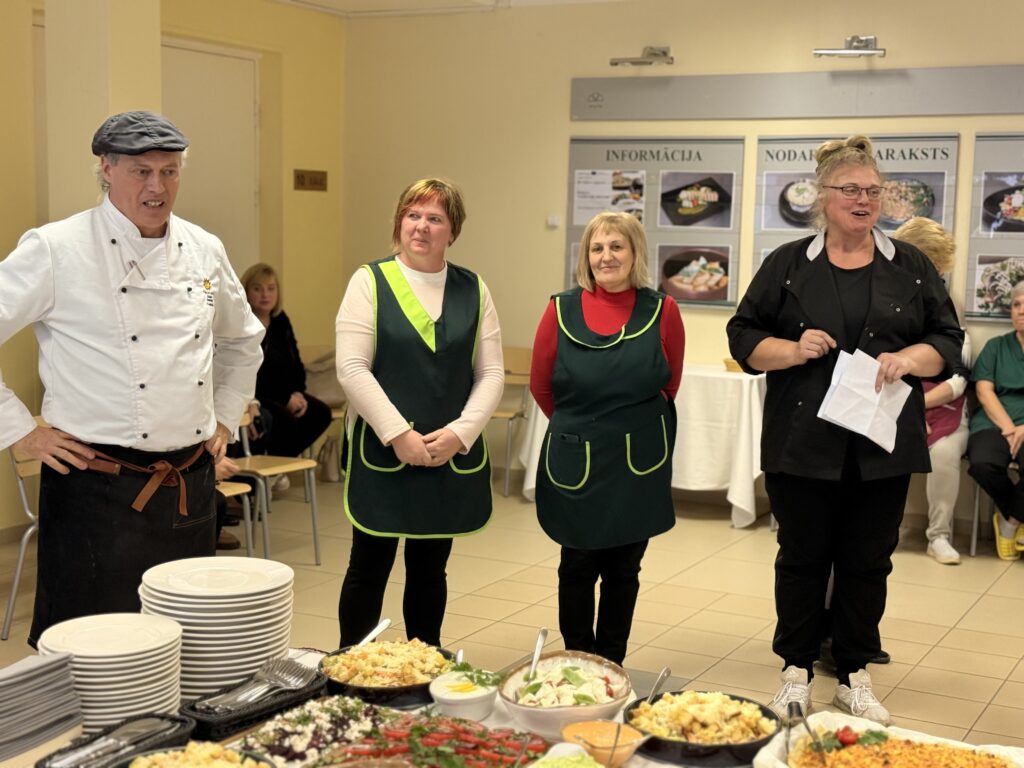
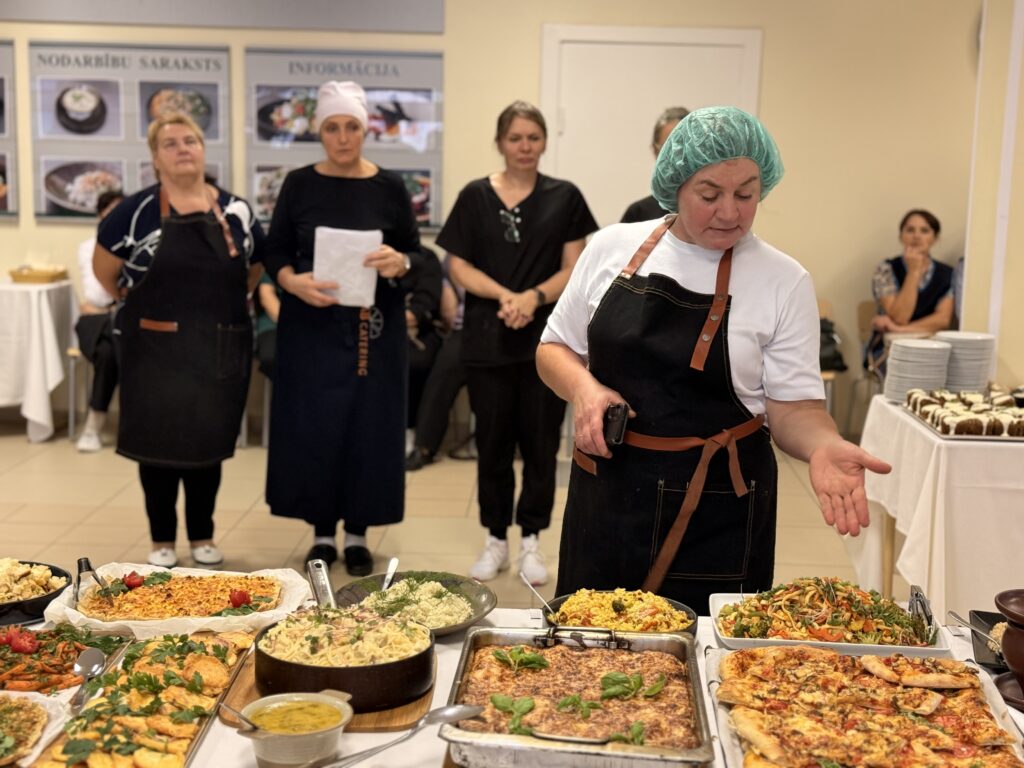
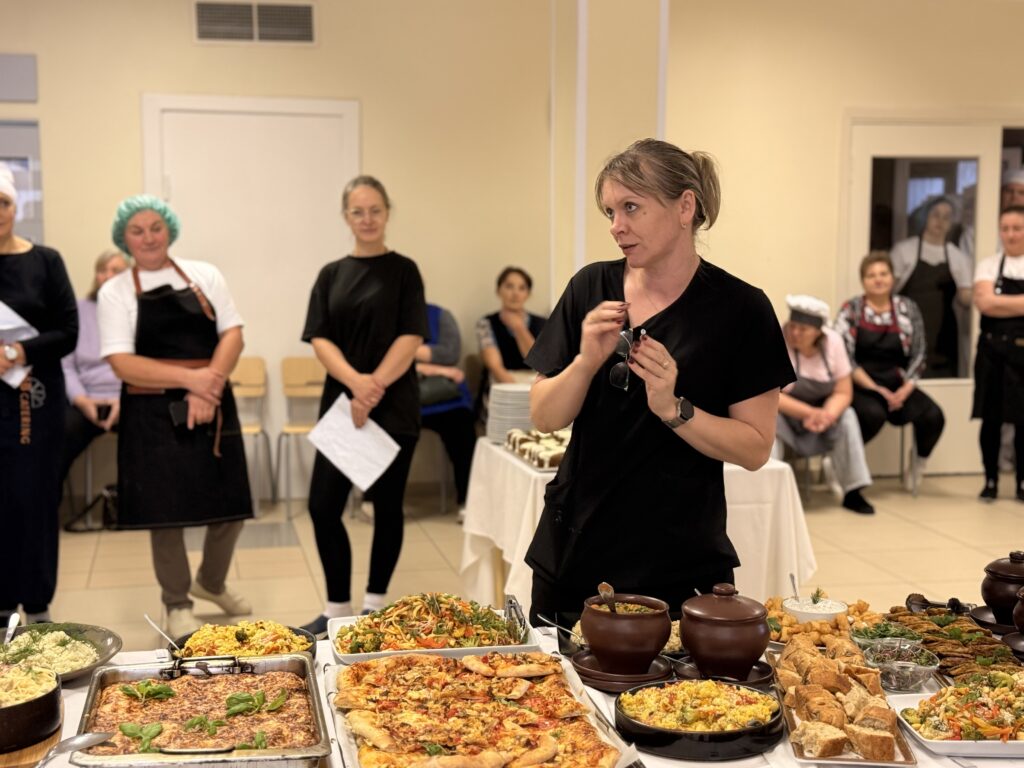
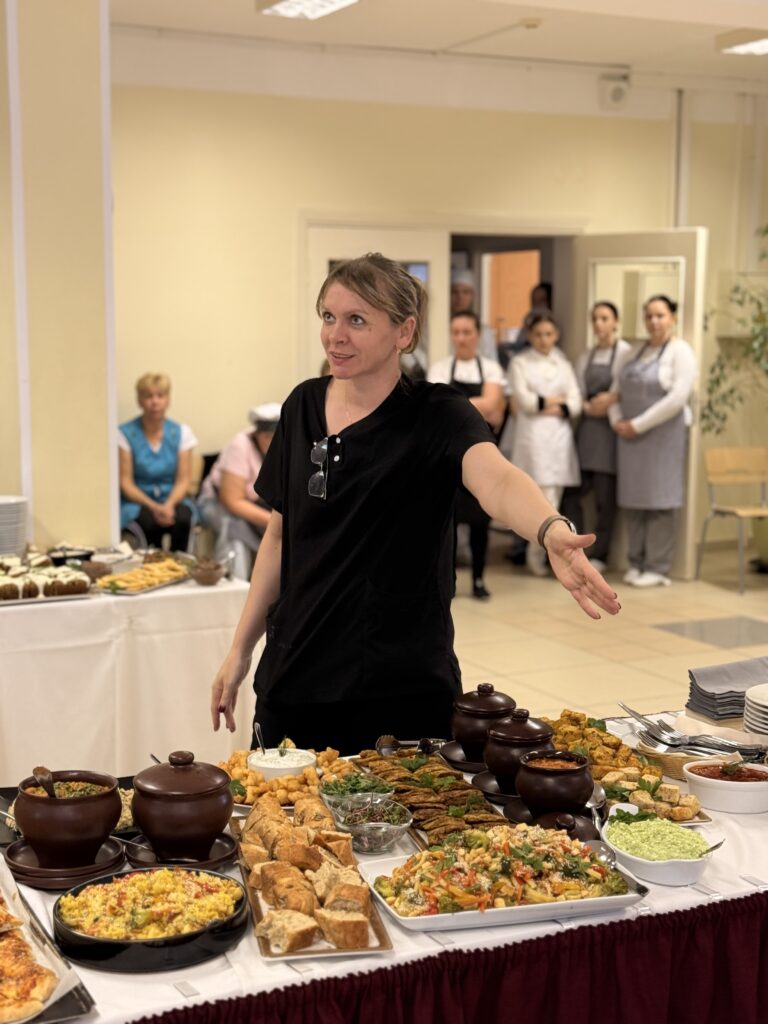
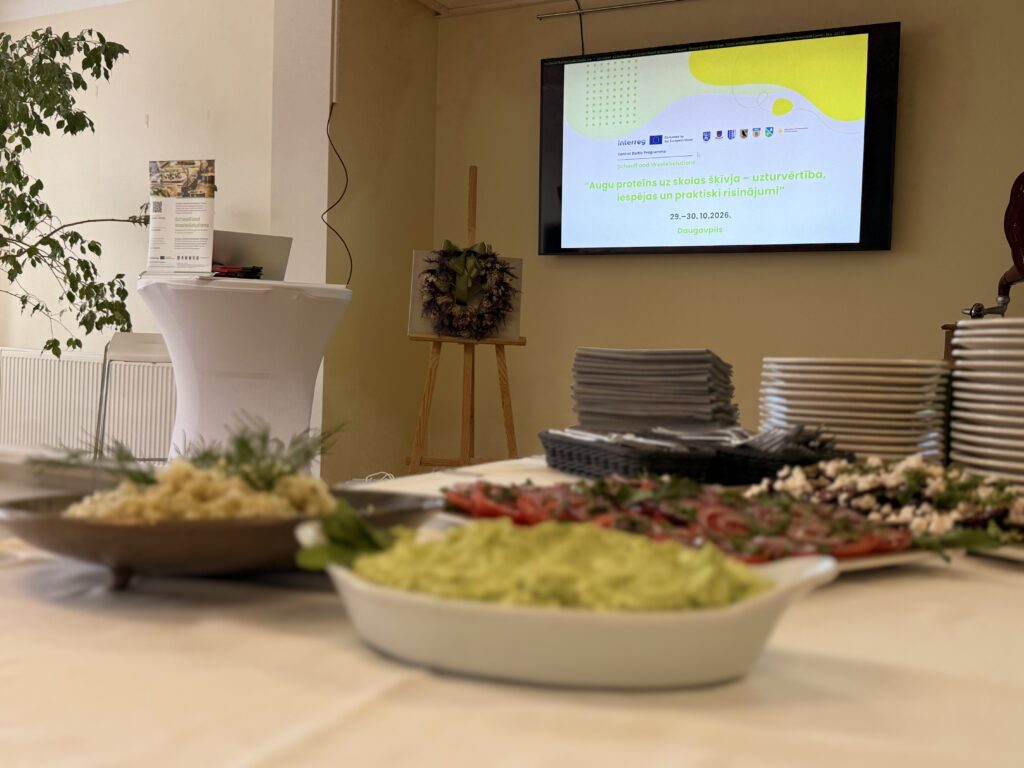
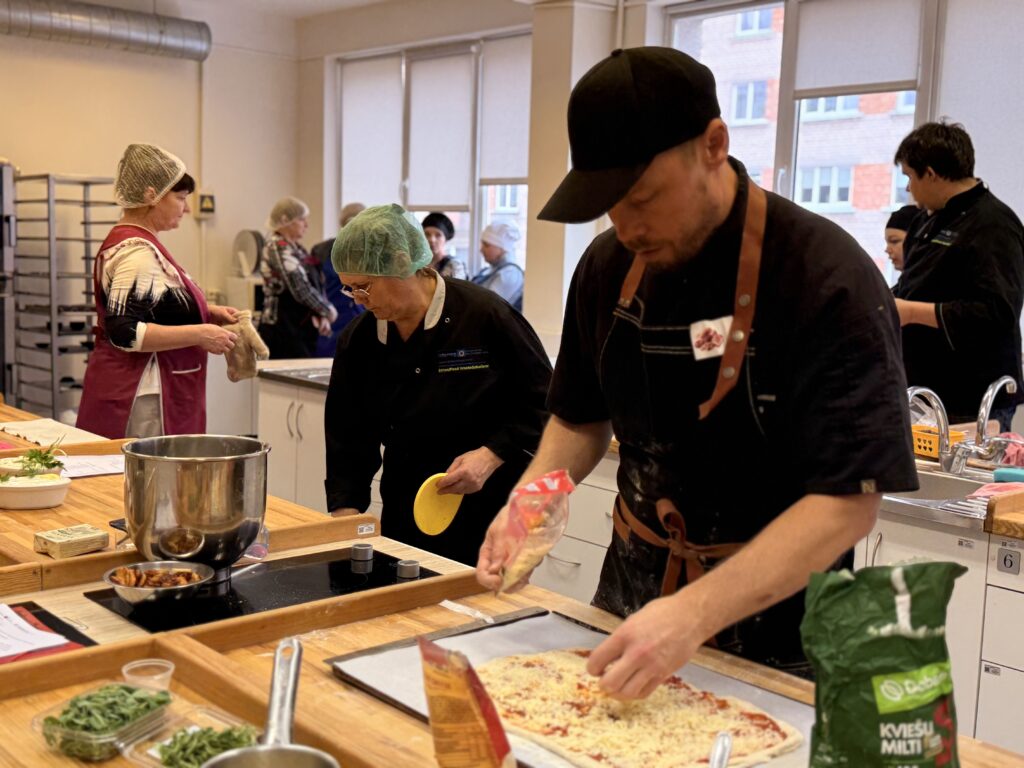
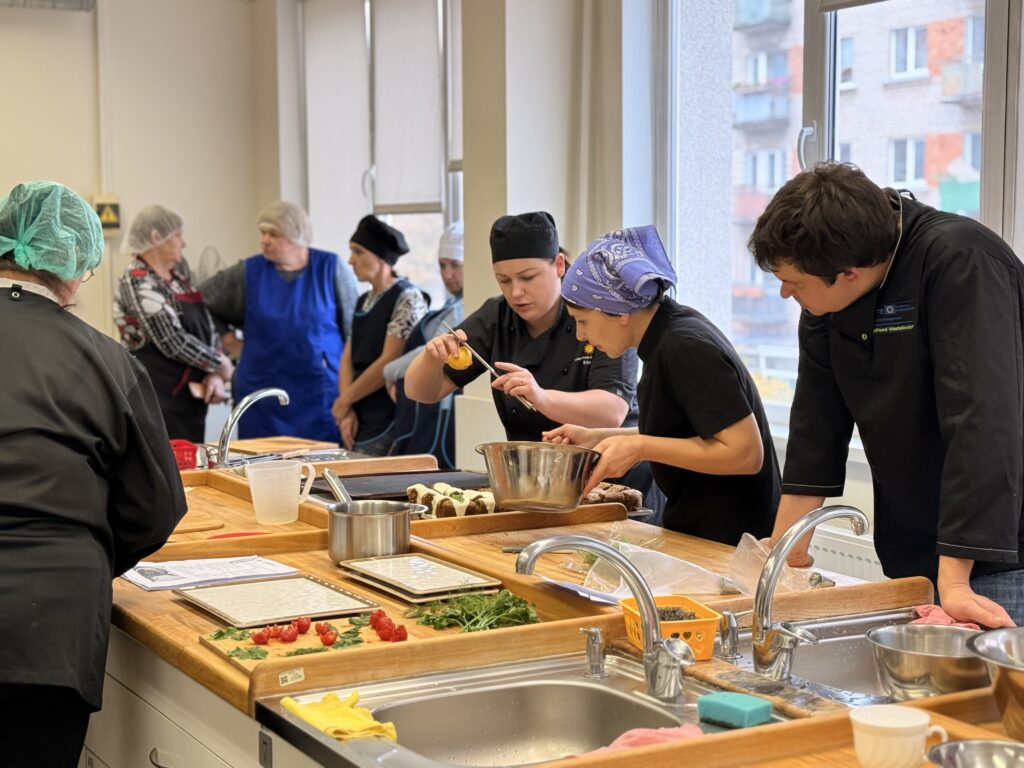
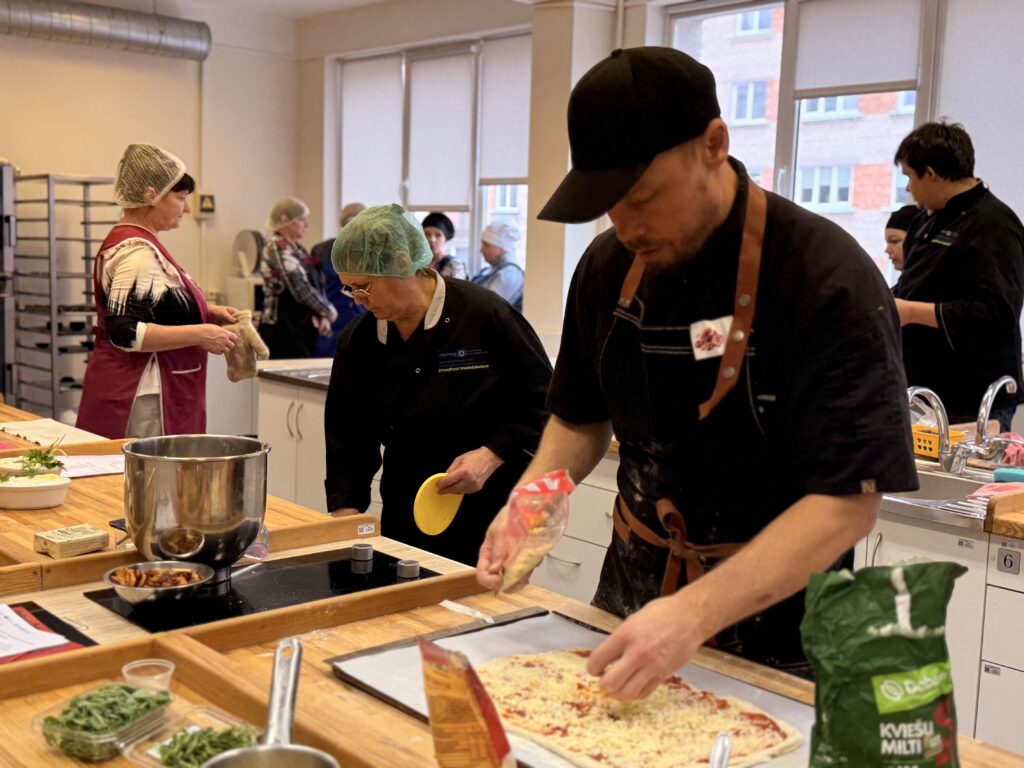
On 29–30 October 2026, Daugavpils Technical School of Tourism and Technology hosted international masterclasses for school cooks entitled “Plant-Based Proteins on the School Menu – Healthy, Delicious and Practical.” Organised as part of the Interreg Central Baltic Programme project “SchoolFood WasteSolutions”, the masterclasses brought together Swedish chefs and school cooks from Latgale to share professional expertise, test more than 40 recipes and explore practical ways to make school meals more varied, nutritious and appealing to children while reducing food waste.
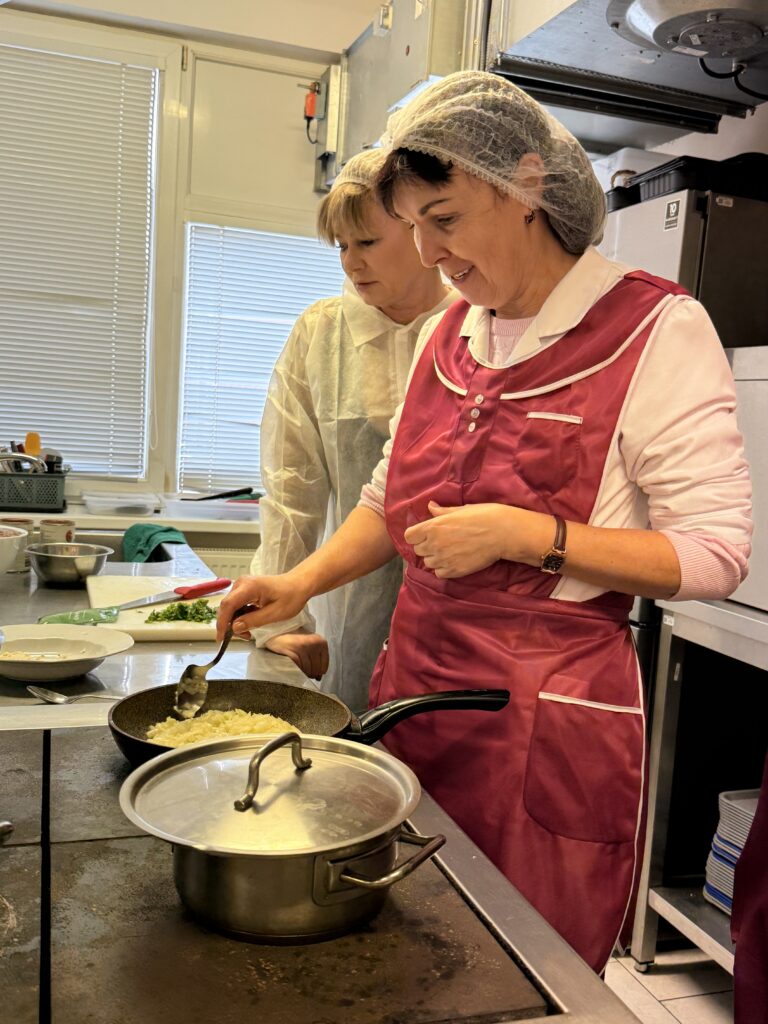
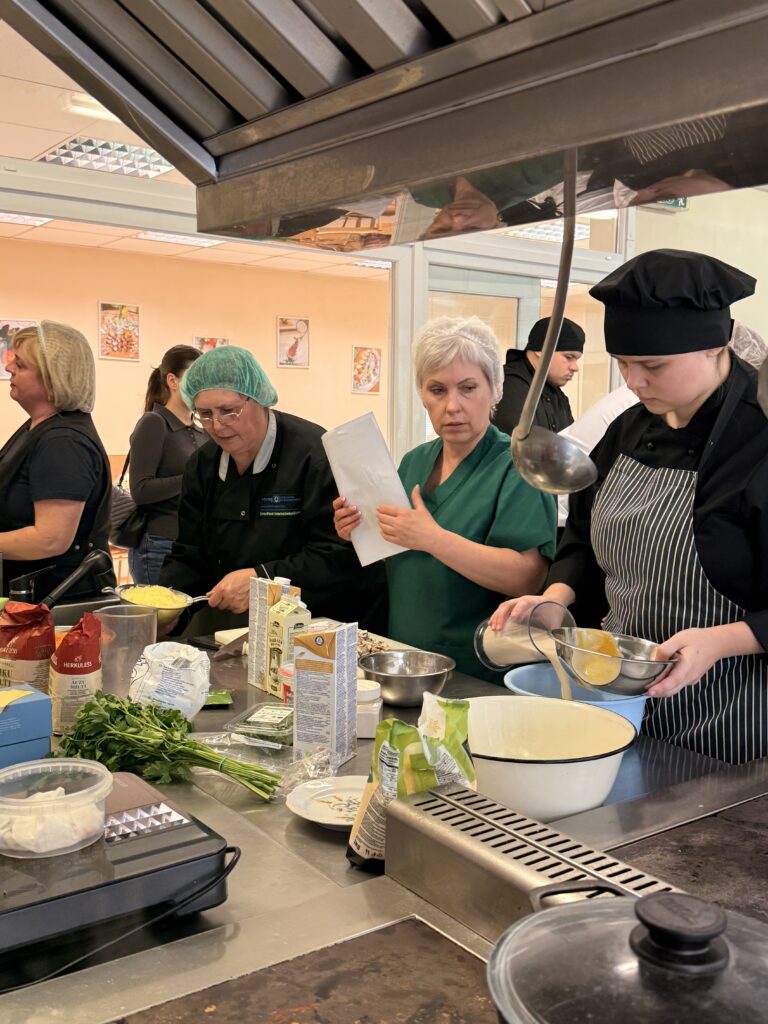
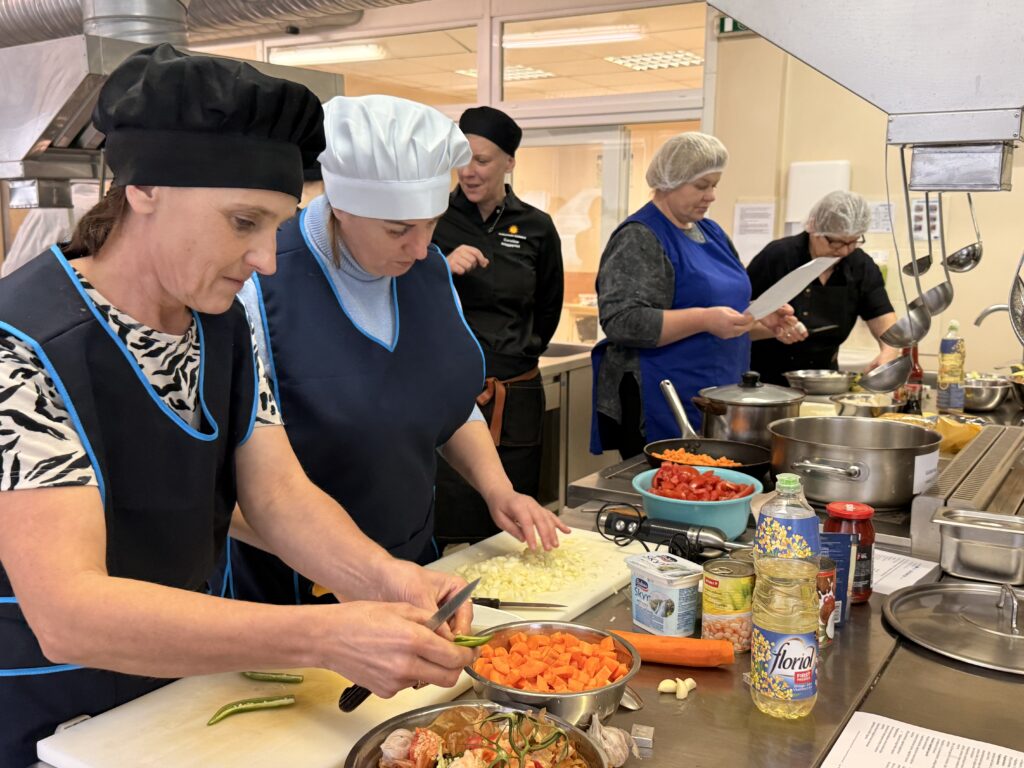
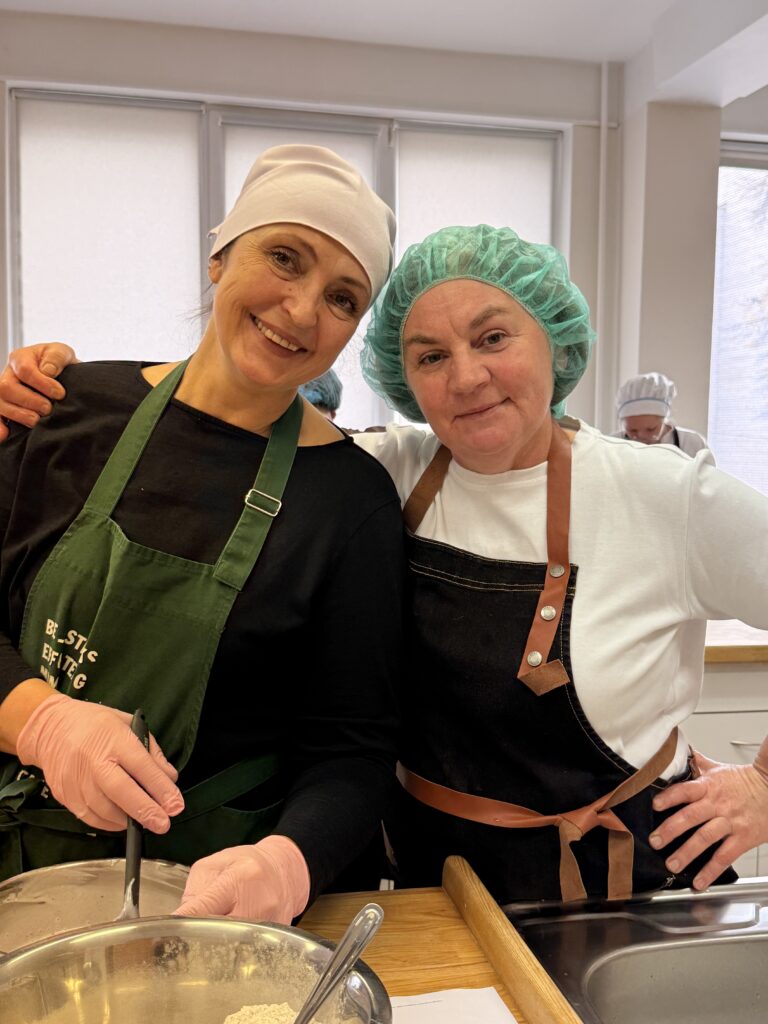
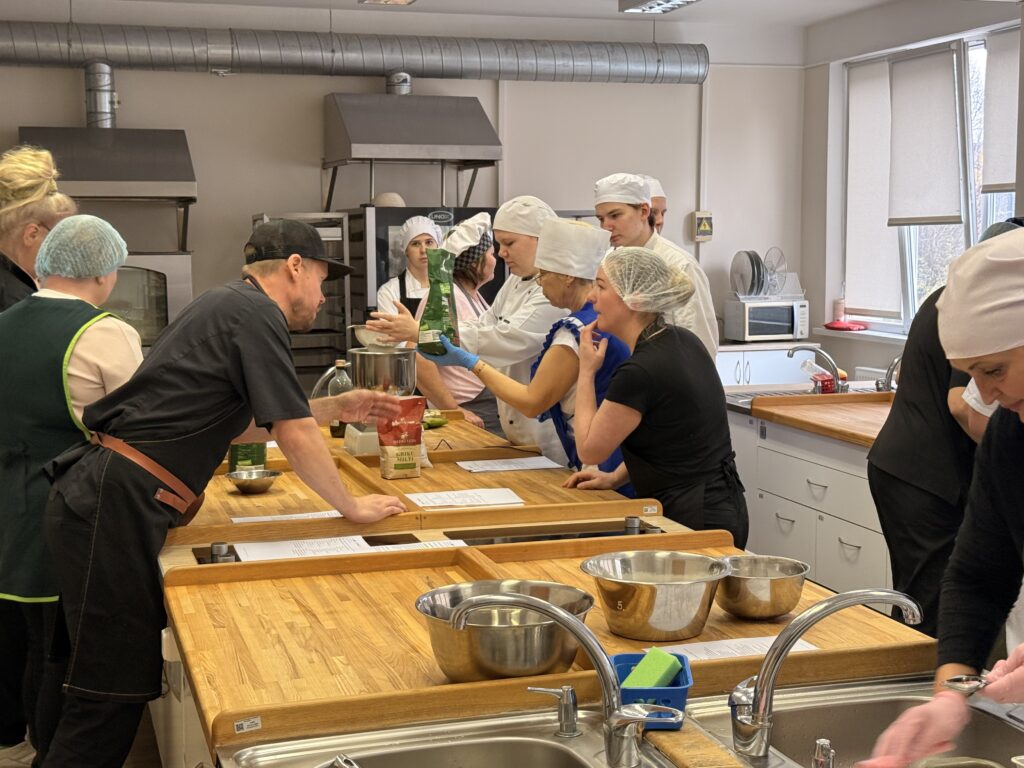
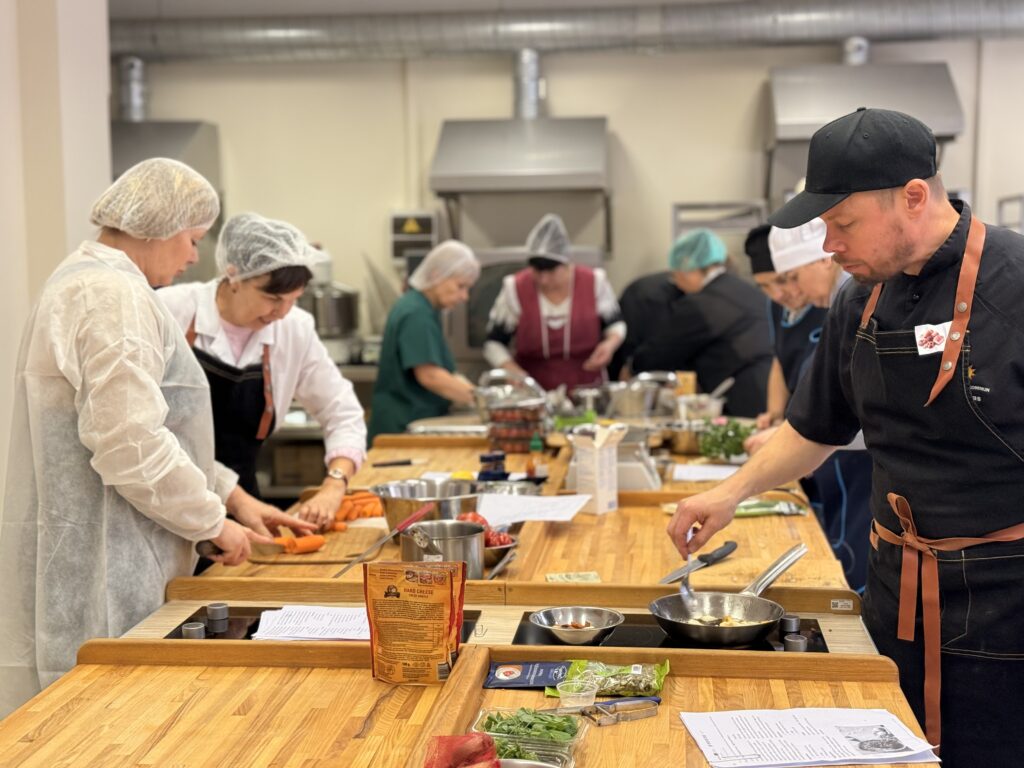
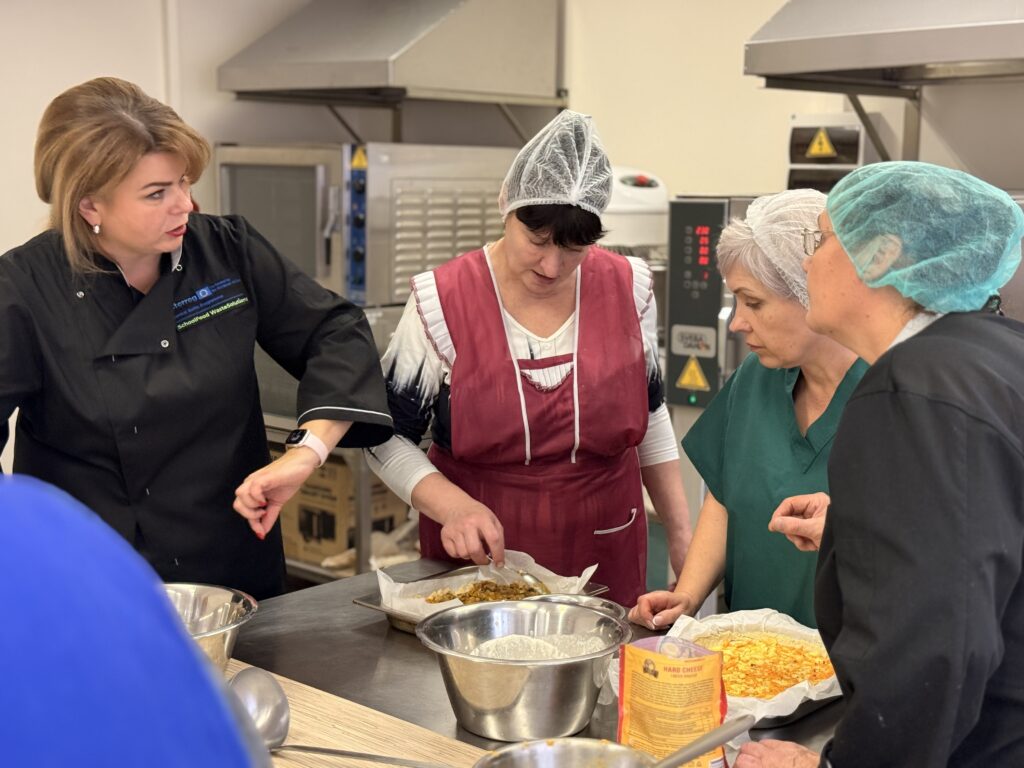
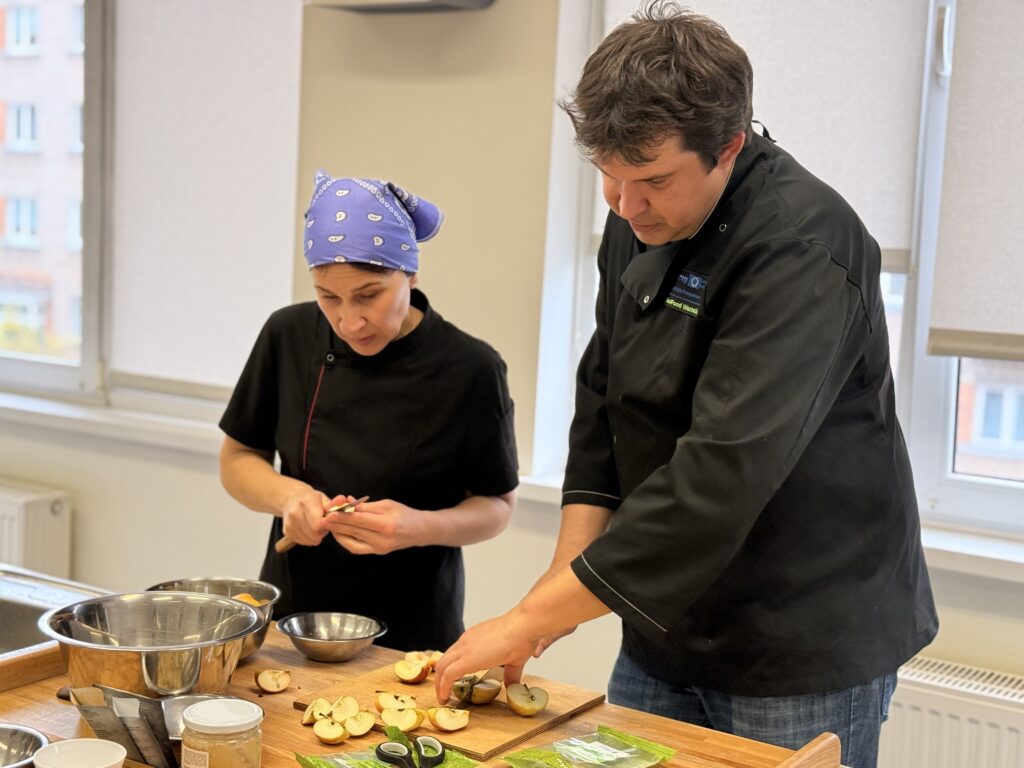
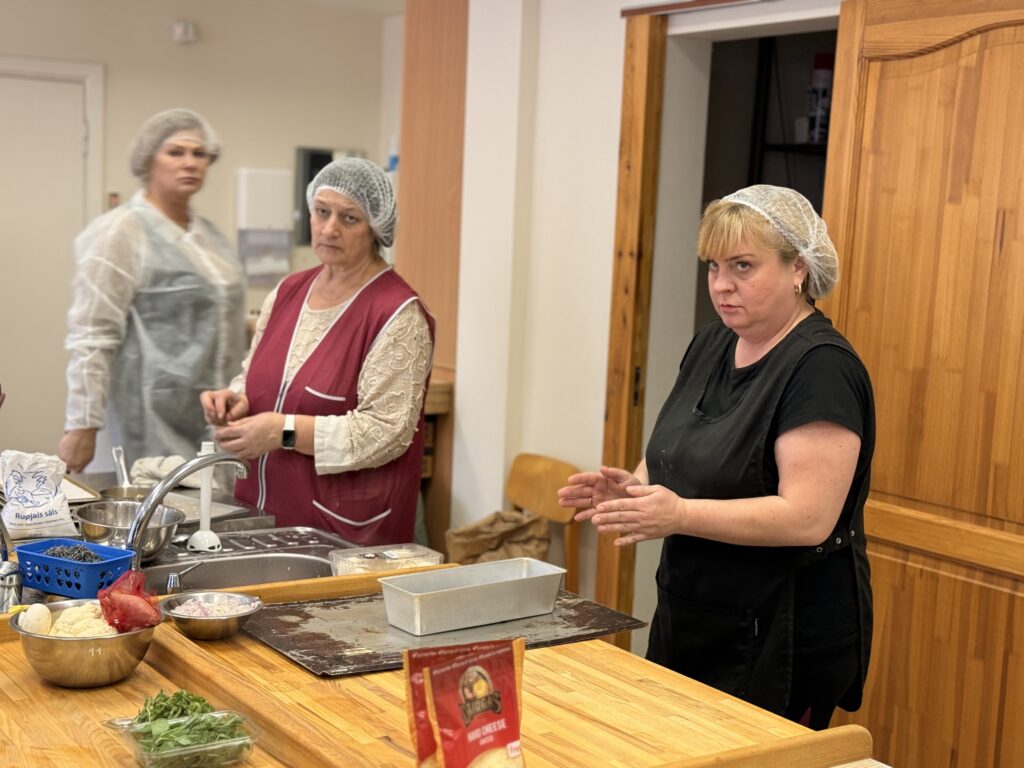
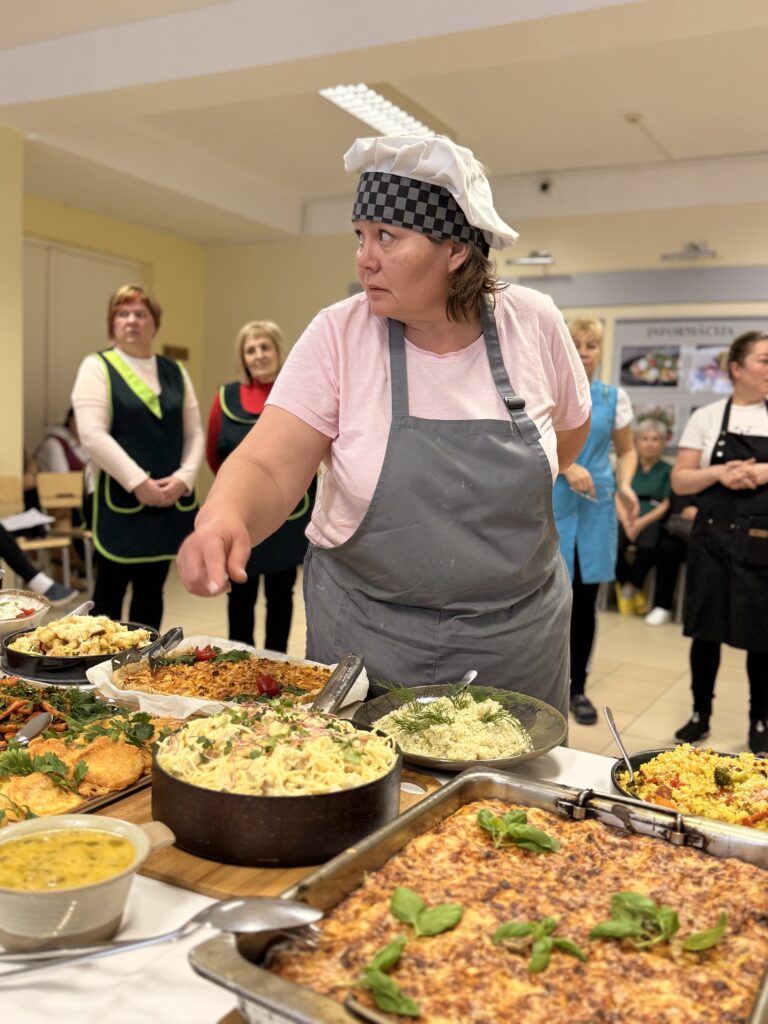
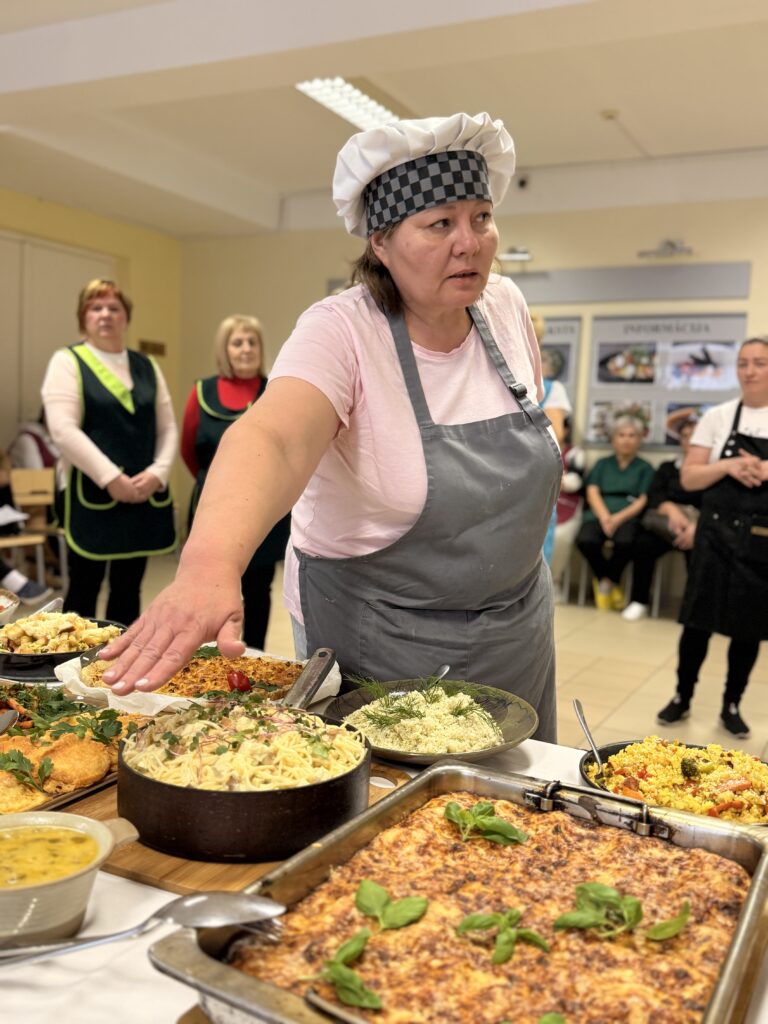
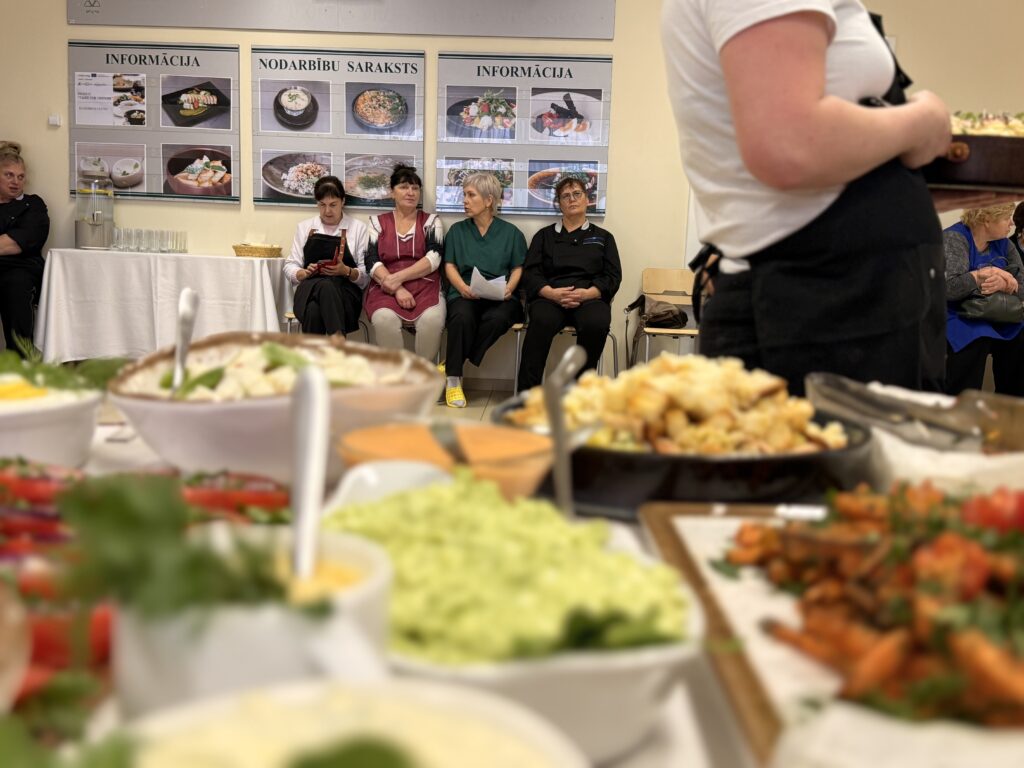
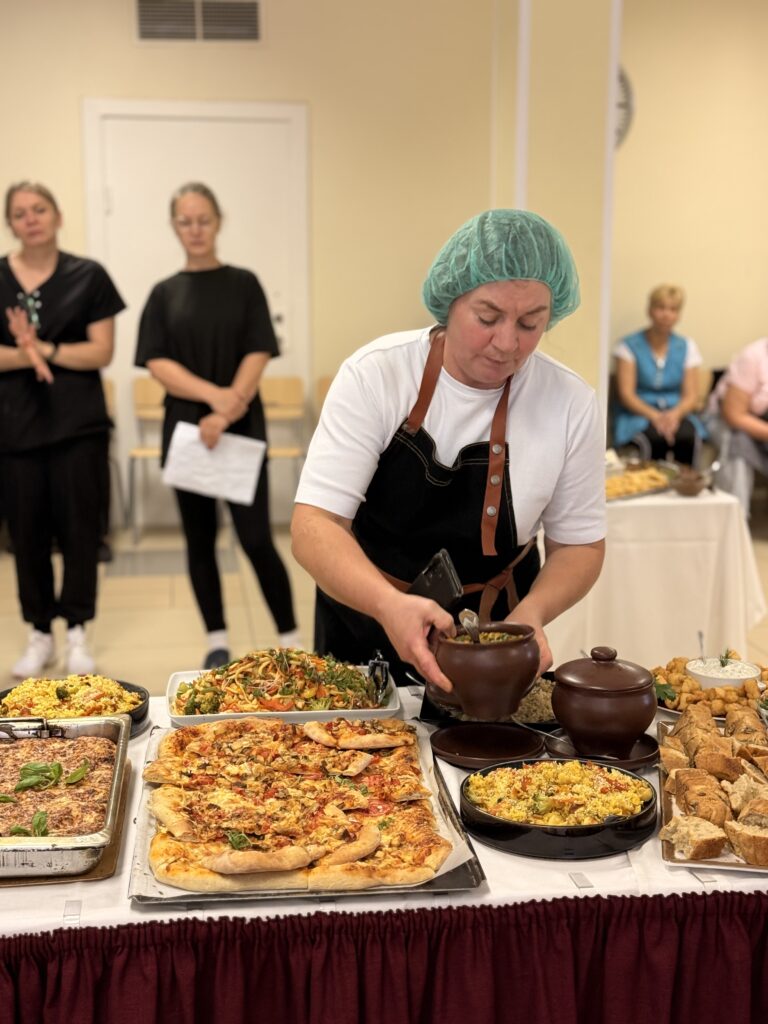
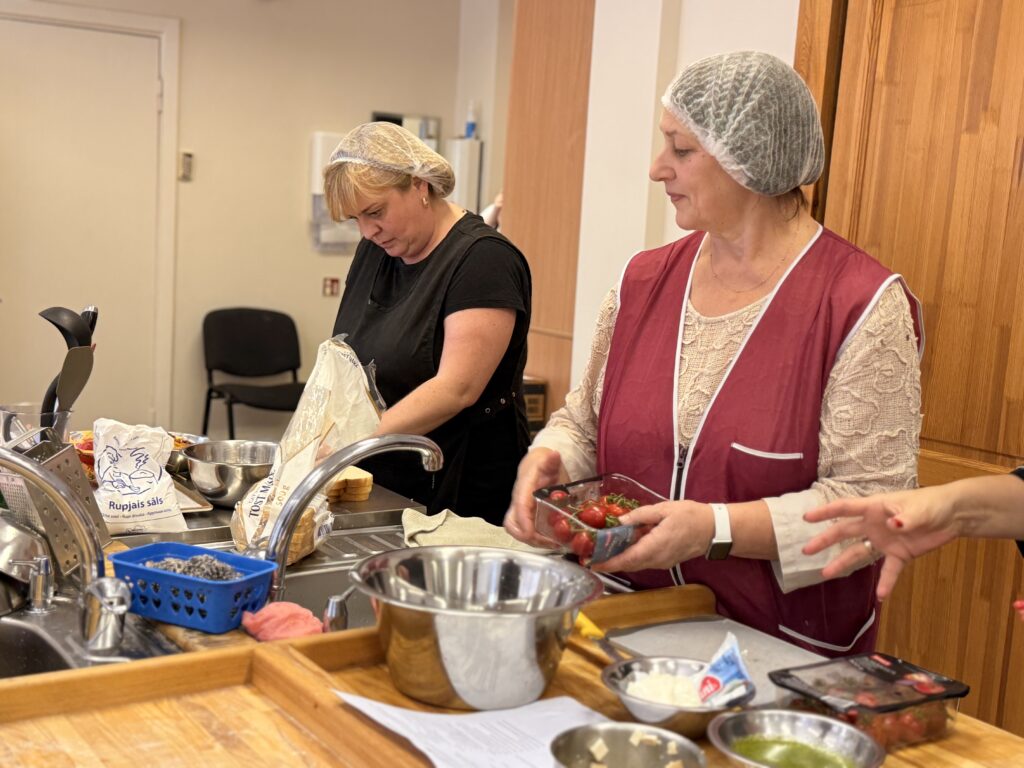
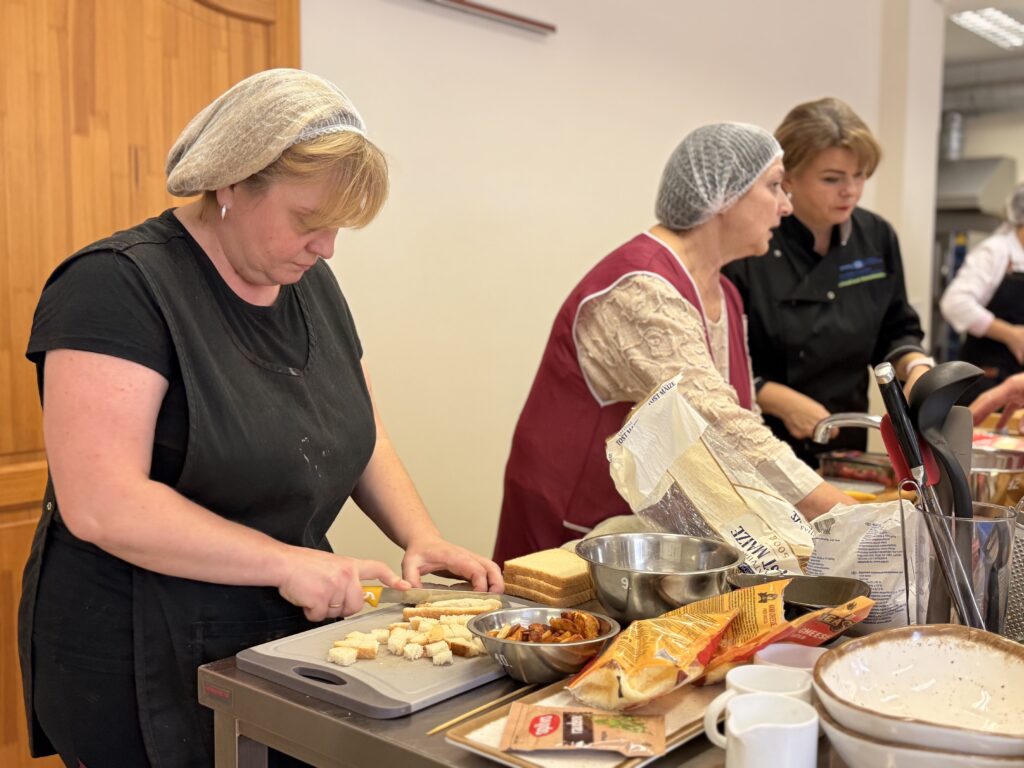
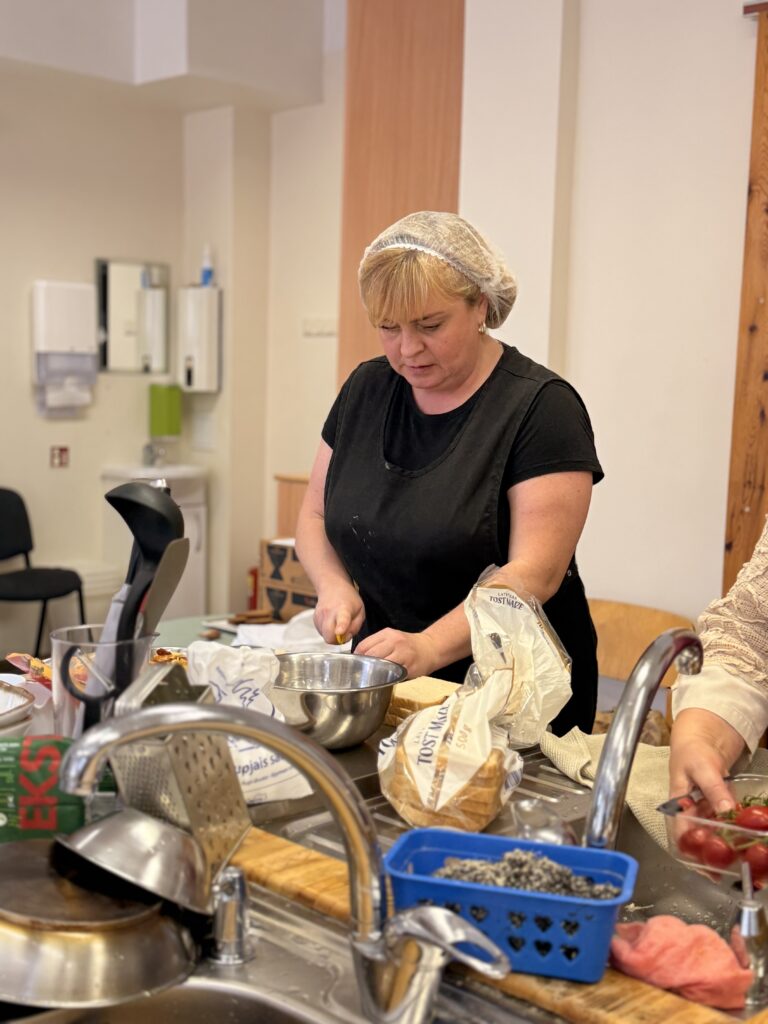
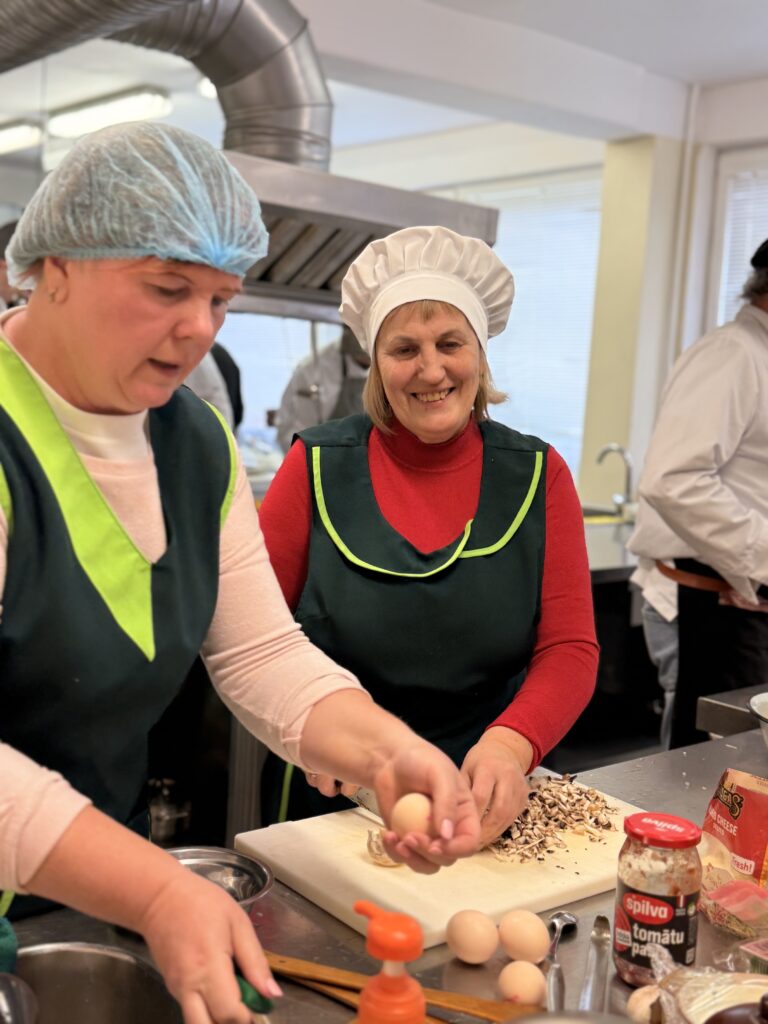
The masterclasses focused on plant-based proteins and their use in everyday school catering. Over two days, school cooks from Latgale worked under the guidance of Swedish professionals in culinary and pastry laboratories, learning new recipes, ingredient combinations and cooking techniques, while exchanging experience in organising school kitchen operations.
School Cooks – The People Who Shape Children’s Eating Habits Every Day
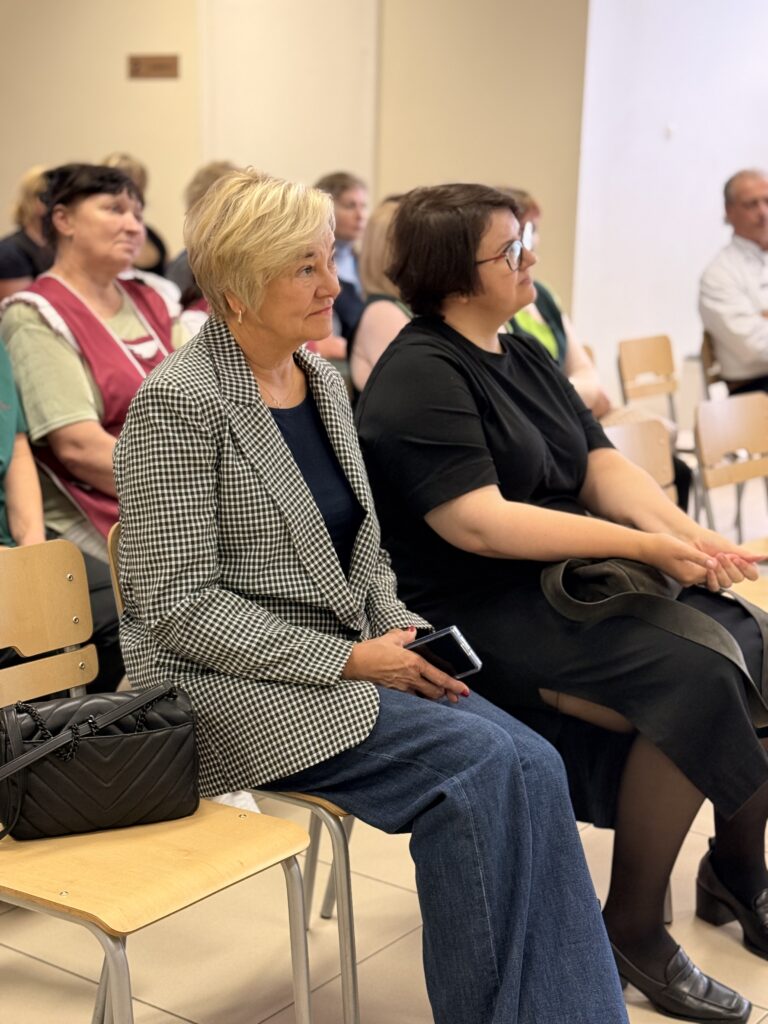
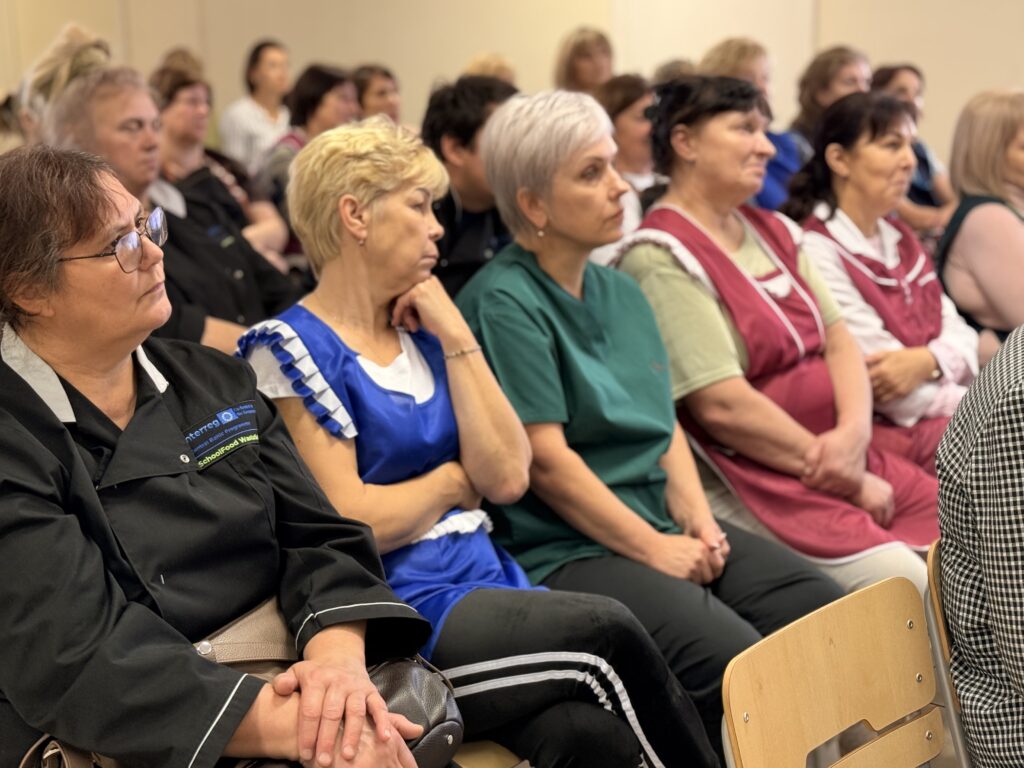
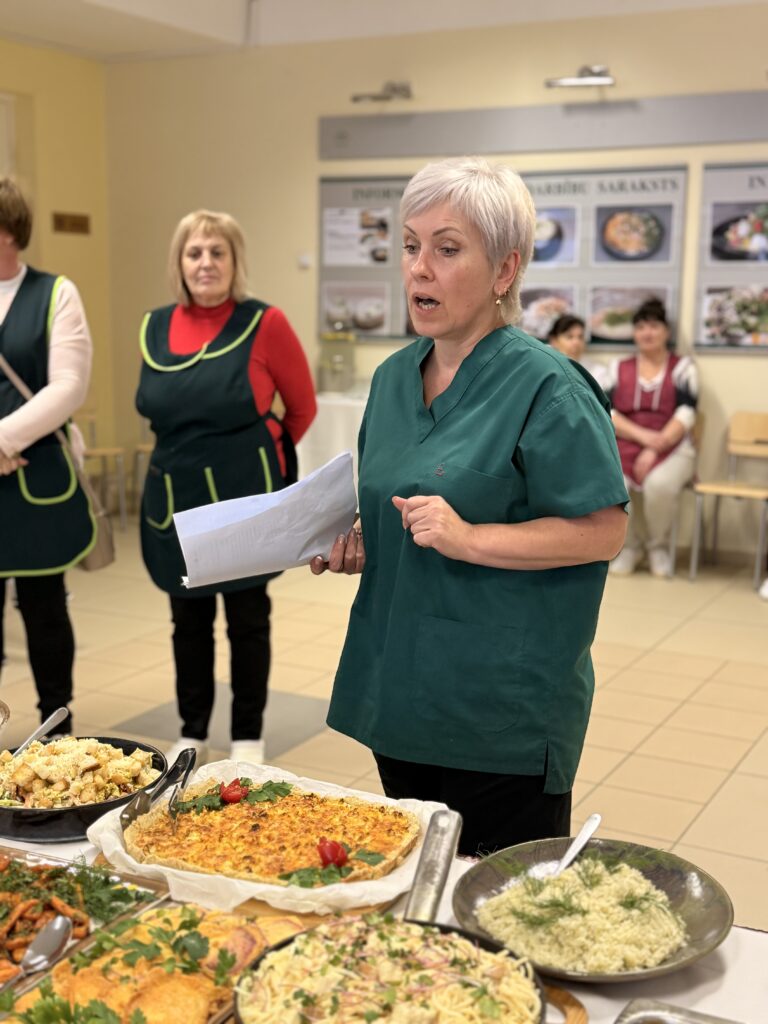
Opening the masterclasses, Iveta Maļina-Tabūne, Head of Administration of the Latgale Planning Region and Head of the Latgale Special Economic Zone Authority, highlighted the important role school cooks play in shaping children’s health and future. She emphasised that school cooks are much more than people who prepare meals. Through their daily work, they introduce children to new flavours, help establish healthy eating habits and teach them to appreciate high-quality food. Caring about healthy nutrition also means caring about the next generation, their health, development and quality of life. Iveta Maļina-Tabūne expressed her sincere gratitude to the Swedish chefs for their commitment, professionalism and willingness to generously share their knowledge and practical experience. She stressed that this cooperation is particularly valuable for school catering professionals from both Latgale and the Tartu region, as it provides an opportunity to learn from Swedish approaches to preparing varied, child-friendly meals.
Masterclasses That Also Build a Professional Community
Ruta Priede, Project Manager of “SchoolFood WasteSolutions” at the Latgale Planning Region, emphasised that the significance of such events goes far beyond learning individual recipes.
“It is extremely important for us to build a strong and mutually supportive community of school cooks. School cooks carry out highly responsible work every day, yet they do not always have opportunities to meet colleagues from other schools, exchange experiences, discuss challenges and find solutions together. These masterclasses are not only an opportunity to improve professional skills but also a recognition of the importance of the school cook profession. We want cooks to feel appreciated, inspired and proud of their work. School food is not simply a meal – it is part of shaping children’s health, well-being and attitudes towards food. If the cooperation and professional connections established here continue beyond the project, this will be one of our most significant achievements,” said Project Manager Ruta Priede.
The masterclasses also serve as an international knowledge-exchange platform, where Swedish school catering practices are adapted to the needs of schools in Latvia and Estonia, taking into account the availability of local ingredients, kitchen equipment and pupils’ eating habits.
Swedish Culinary Expertise – From Ideas to Practical Recipes
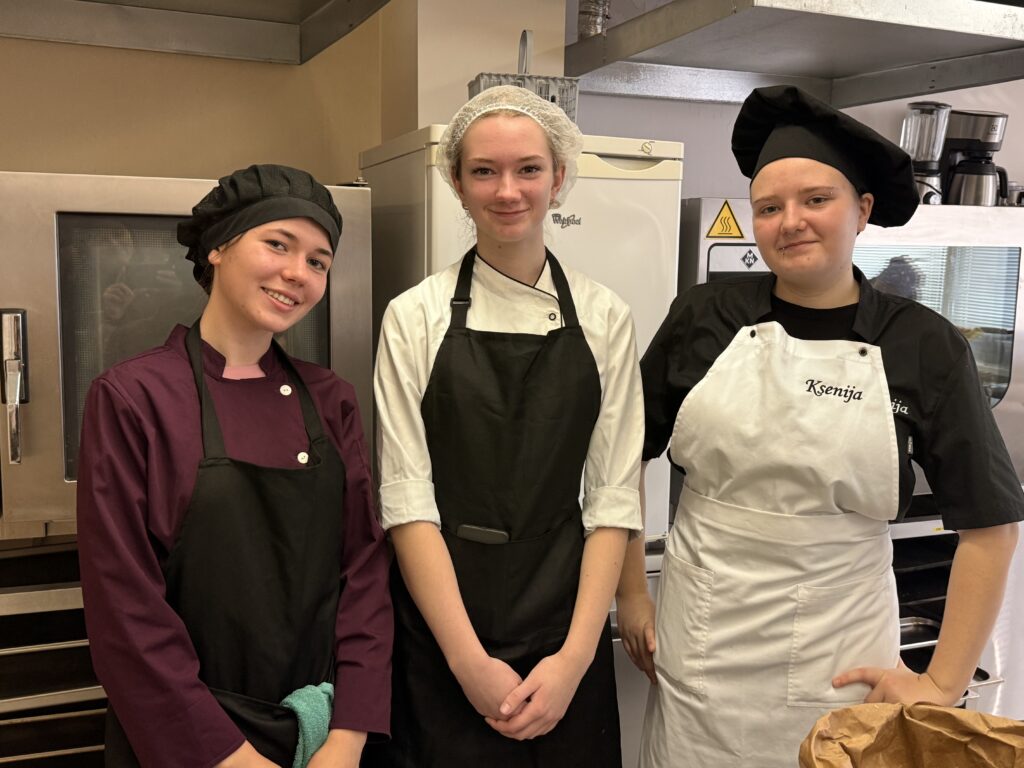
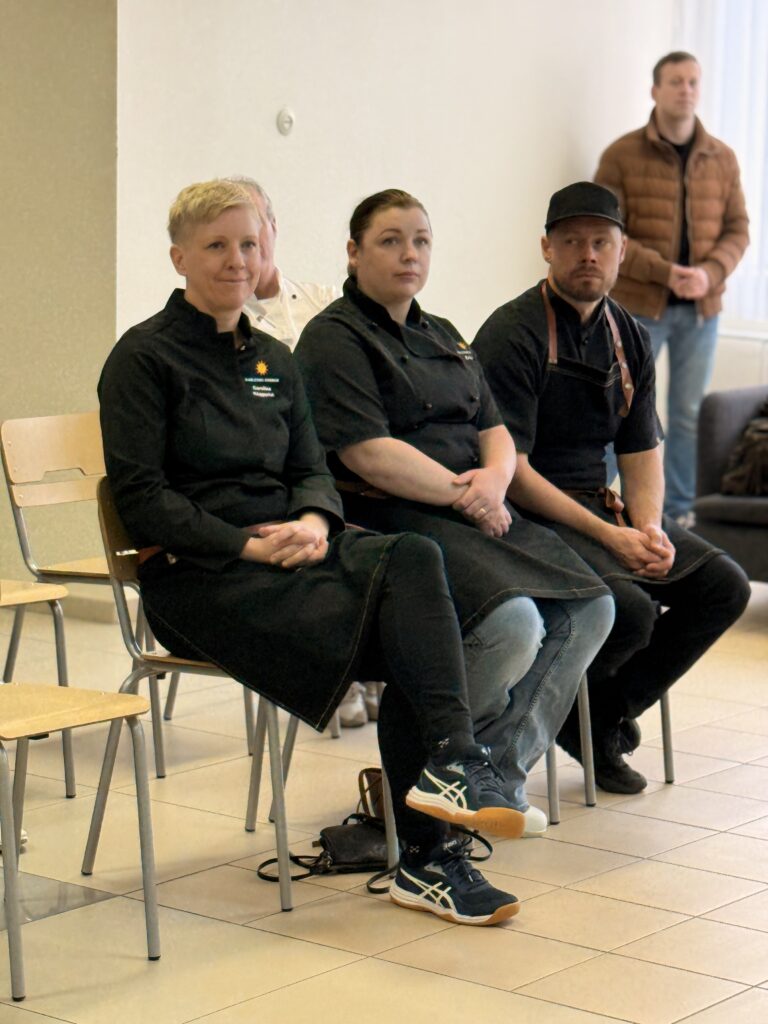
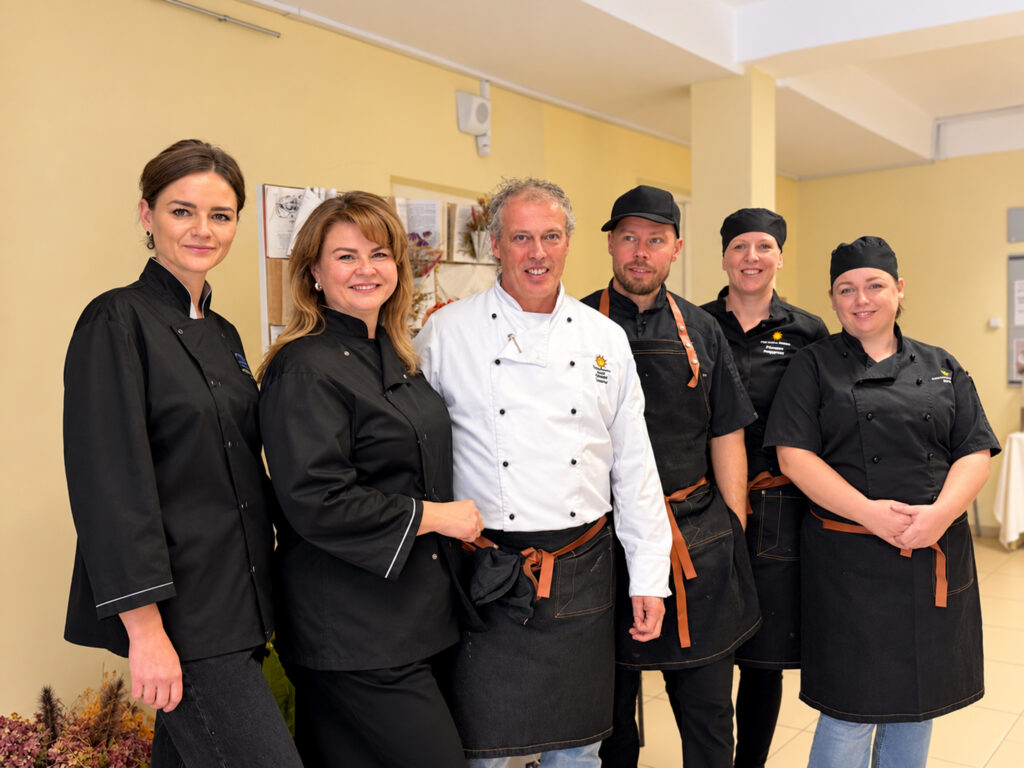
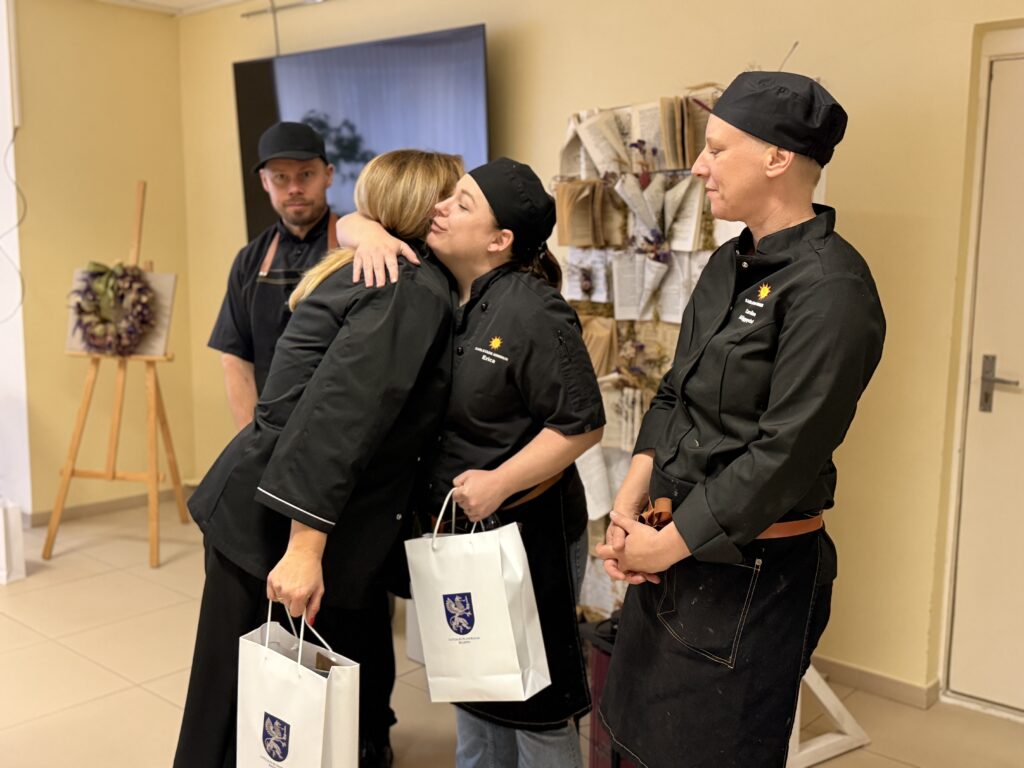
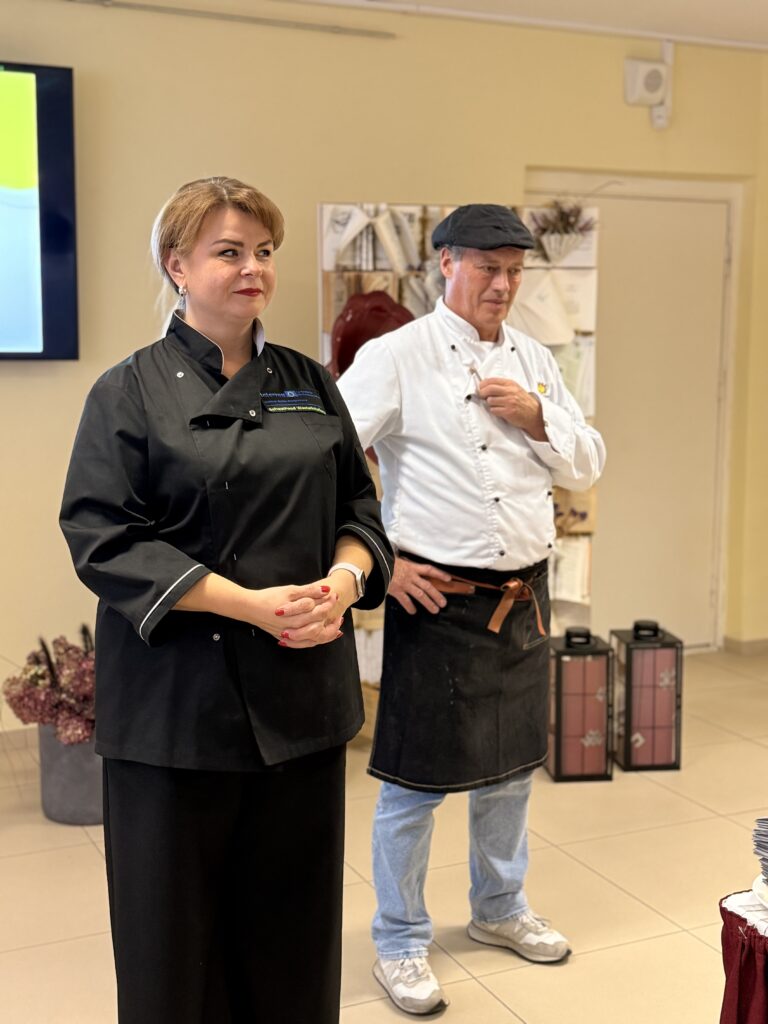
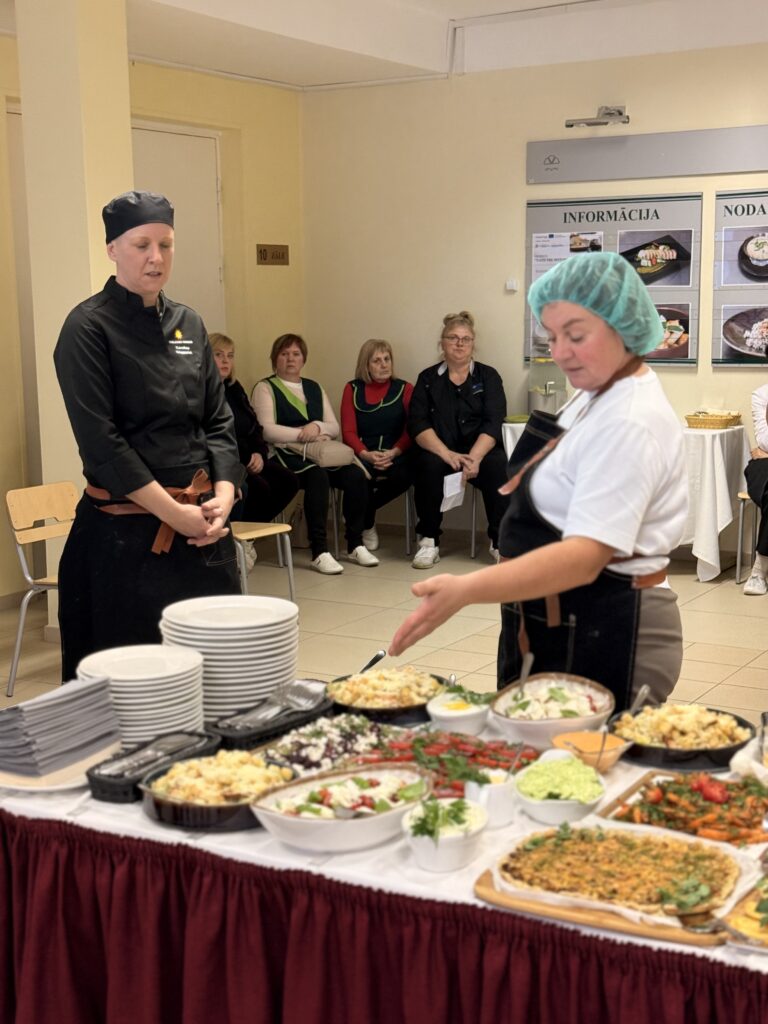
The masterclasses were led by a team of four Swedish school catering professionals from Karlstad Municipality:
– Alain Grenard – Head Chef and leader of the Swedish culinary team, responsible for coordinating the practical masterclass content and adapting recipes to school catering requirements.
– Caroline Häggqvist – School catering specialist with professional experience in preparing meals for younger pupils.
– Andreas Maninnerby – Chef participating once again in the project’s international knowledge exchange and practical training activities.
– Erica Hedman – Head Chef experienced in preparing meals suitable for younger children.
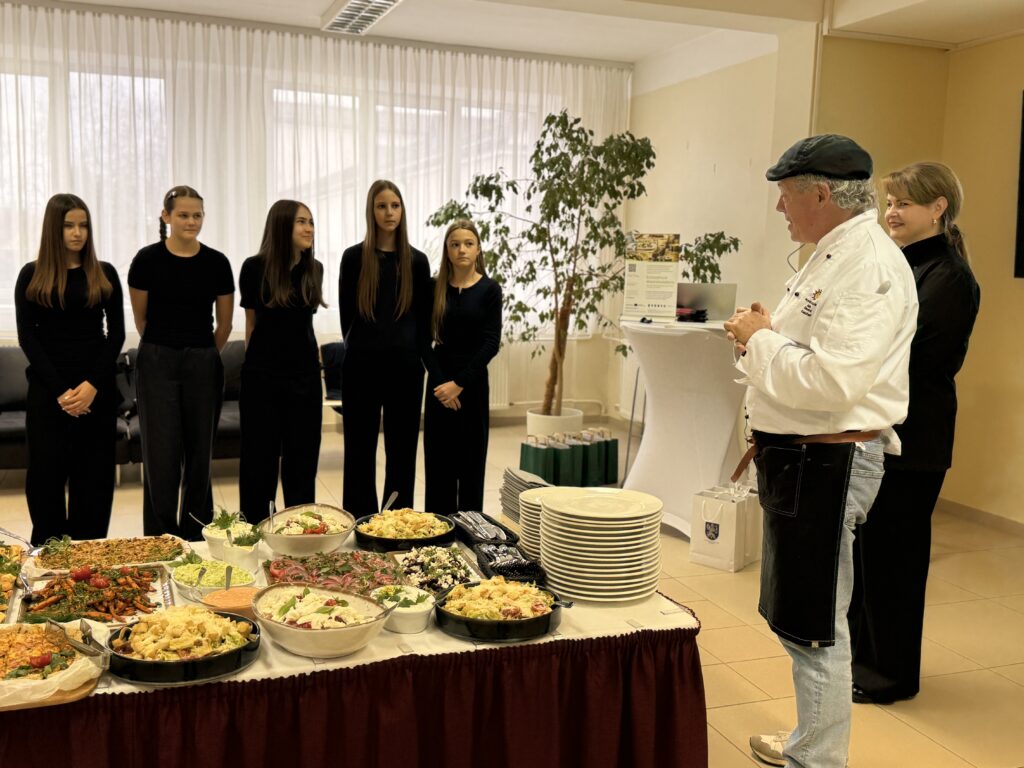
The Swedish specialists’ approach is based on the belief that healthy food should also be delicious, visually appealing and practical to prepare in large quantities. Therefore, the masterclasses demonstrated not only cooking techniques but also ingredient compatibility, the development of flavours and textures, efficient use of ingredients and food presentation.
More Than 40 Recipes – From Legume Lasagne to Chocolate Hummus
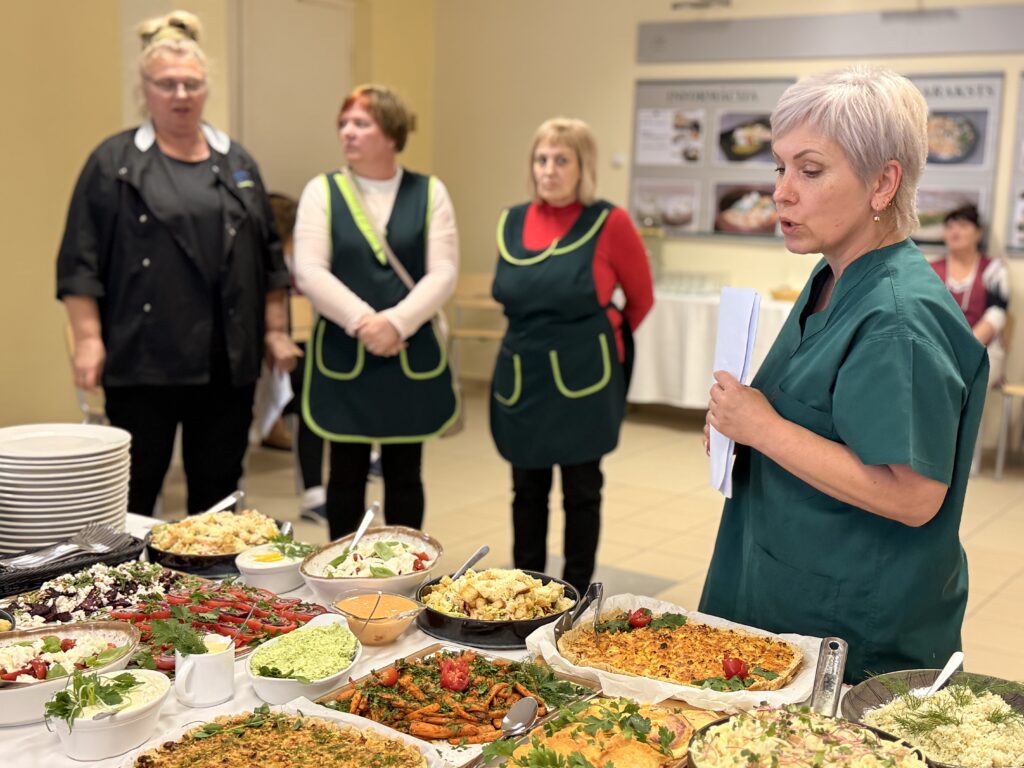
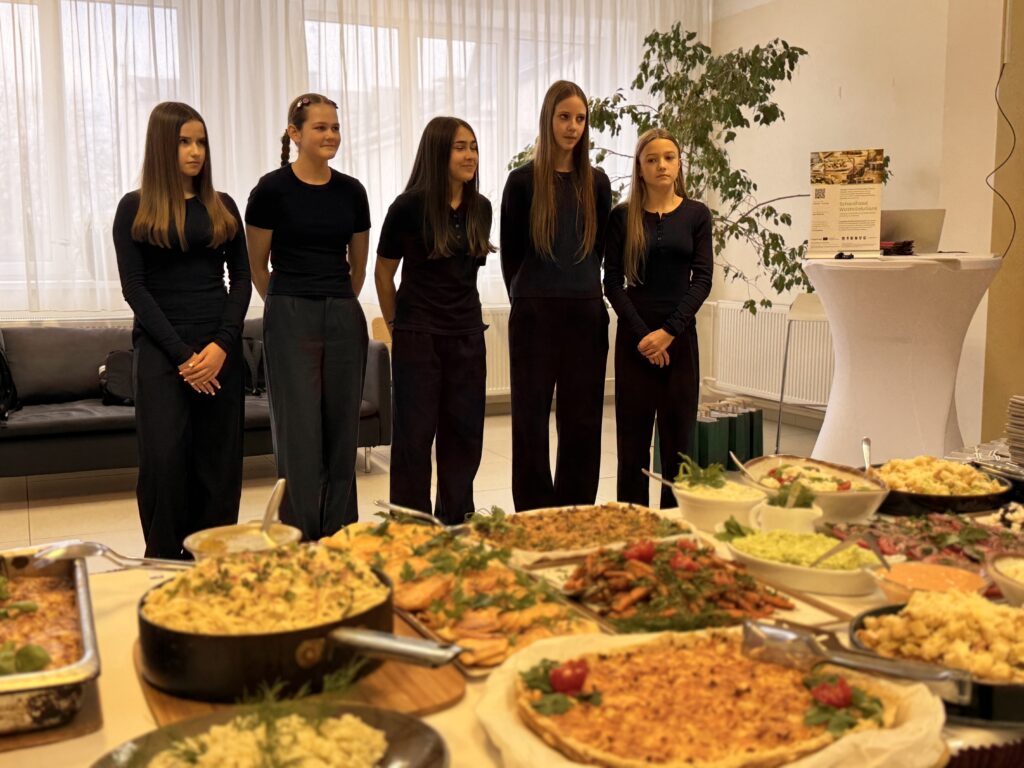
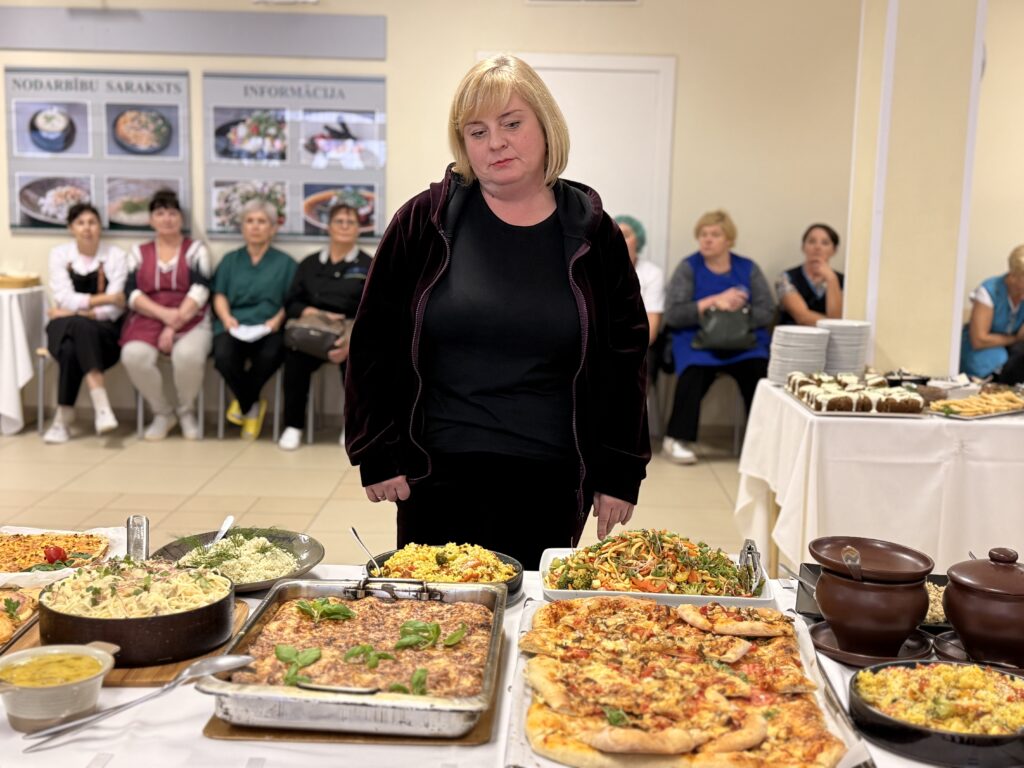
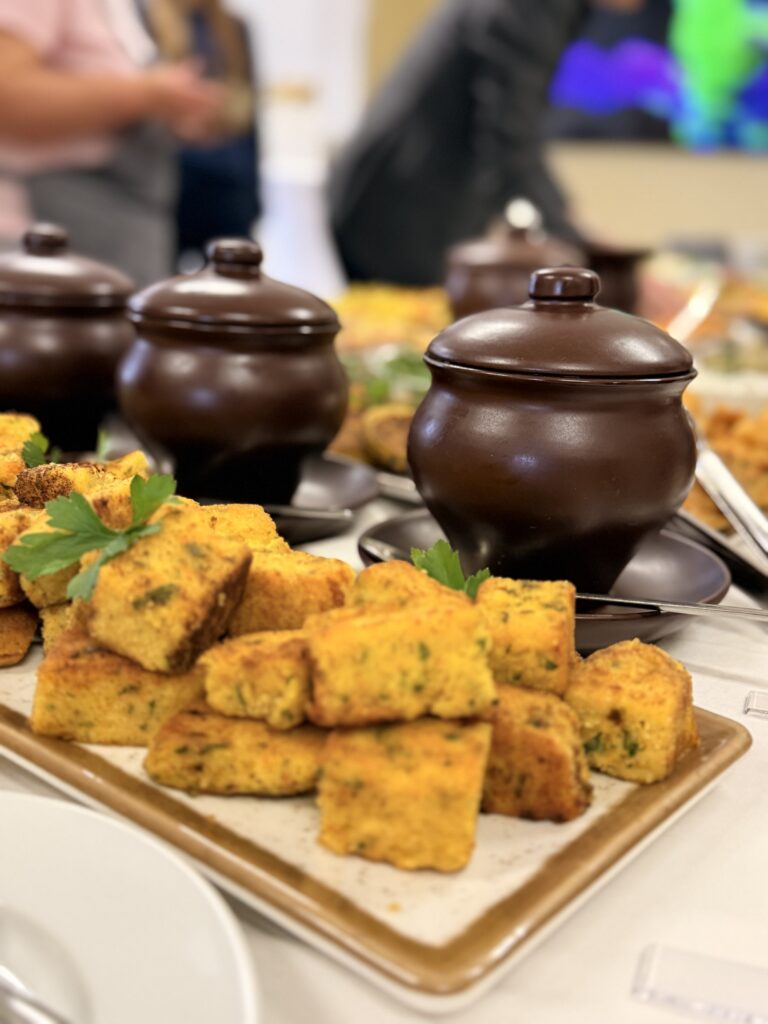
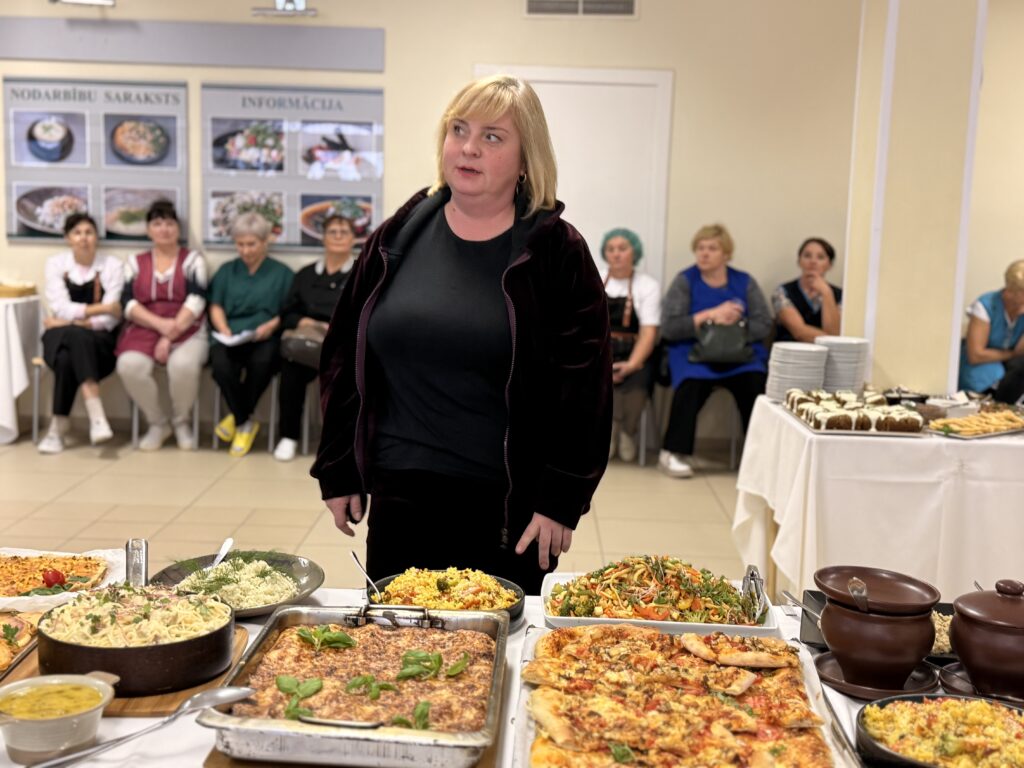
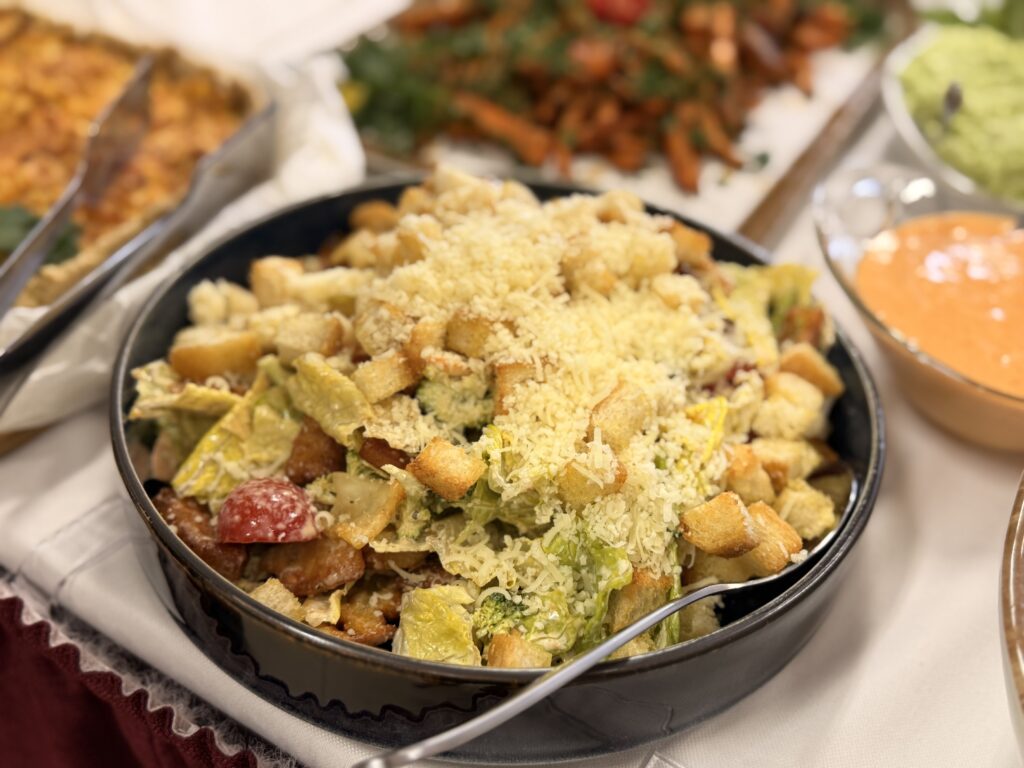
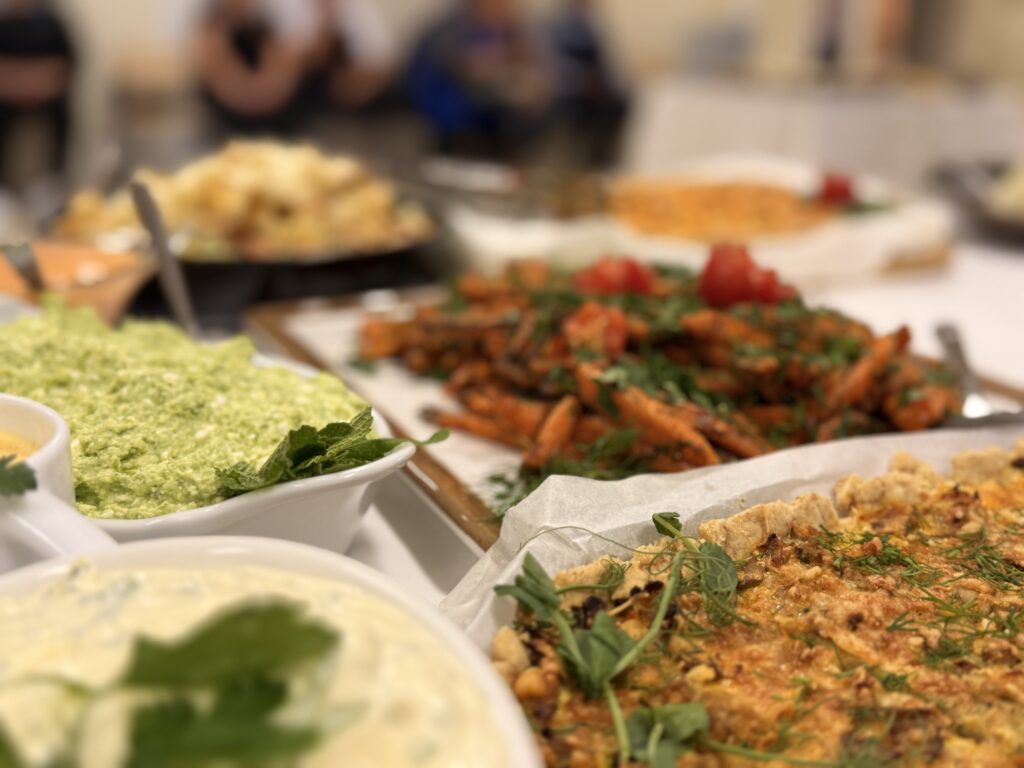
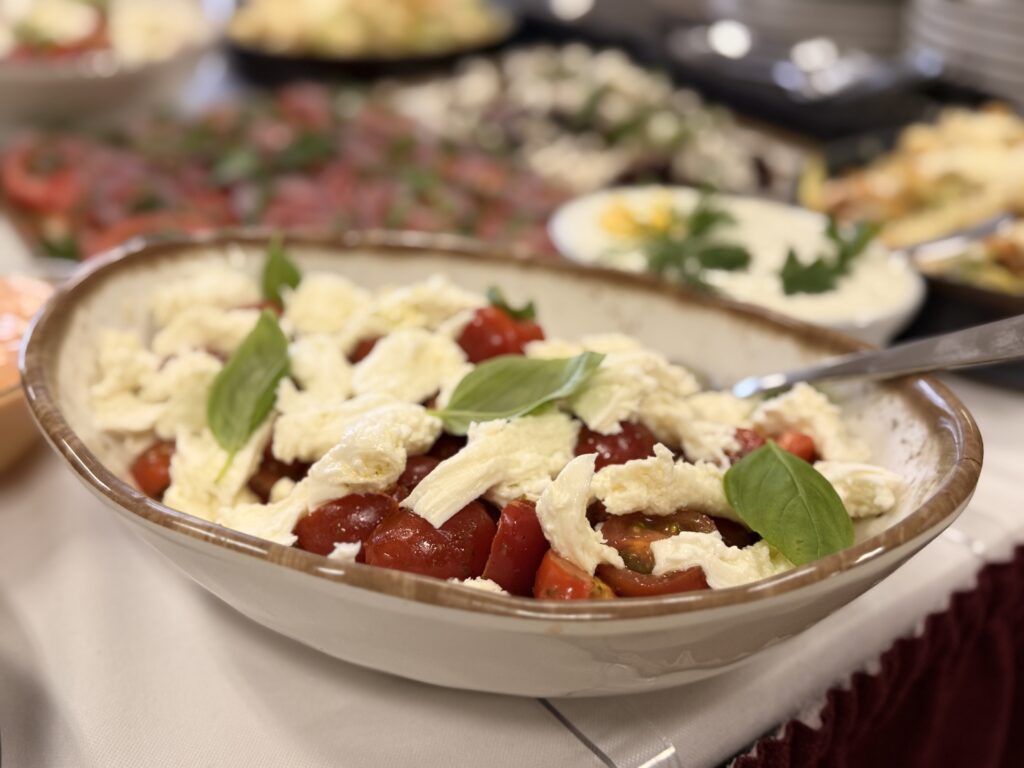
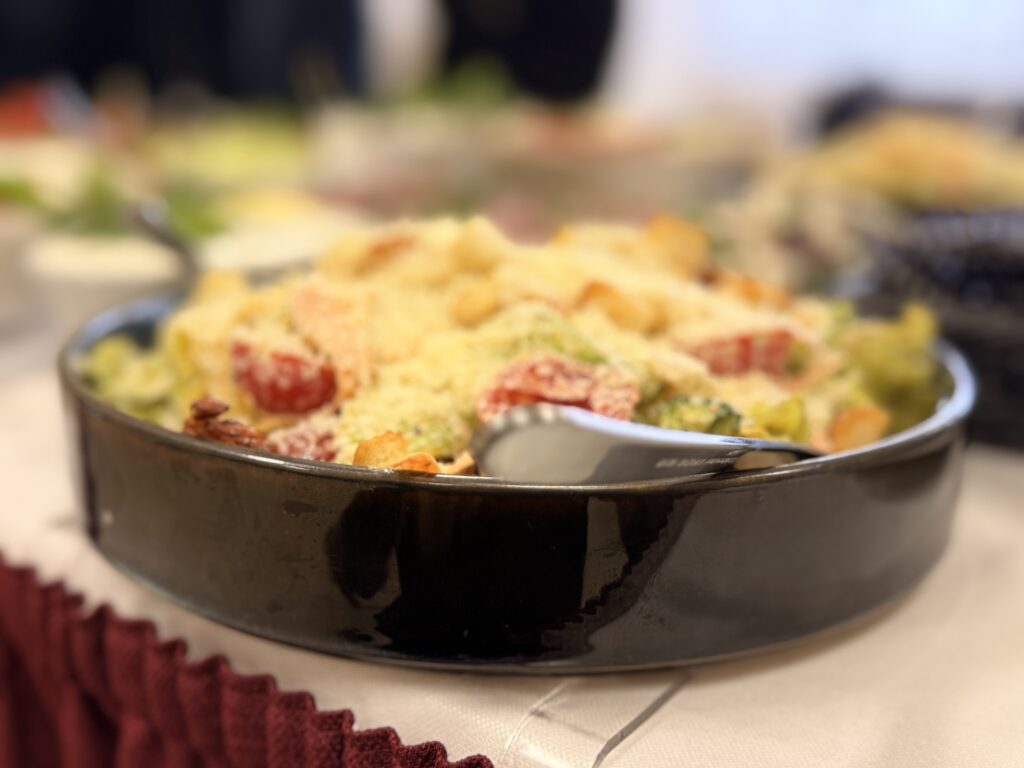
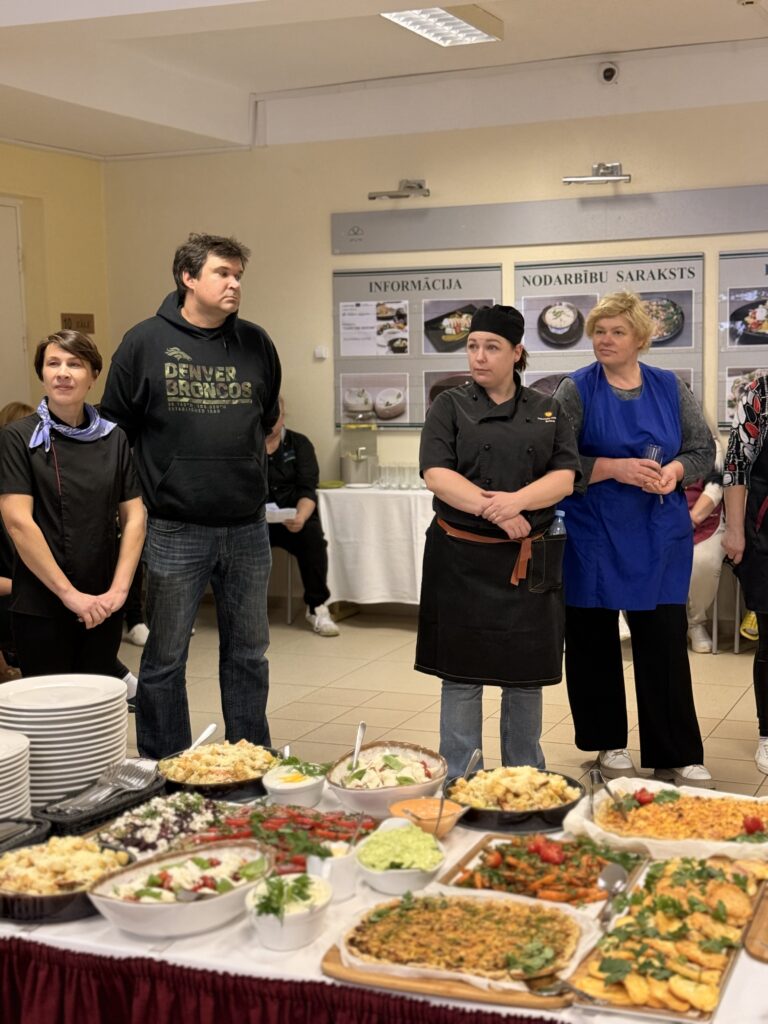
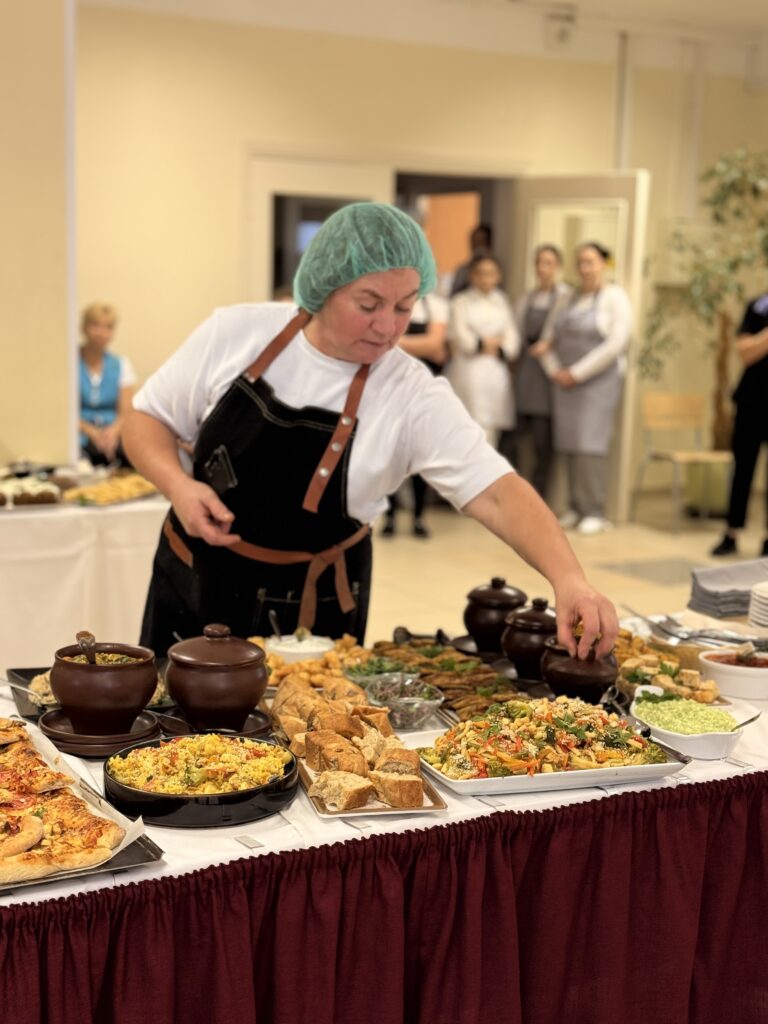
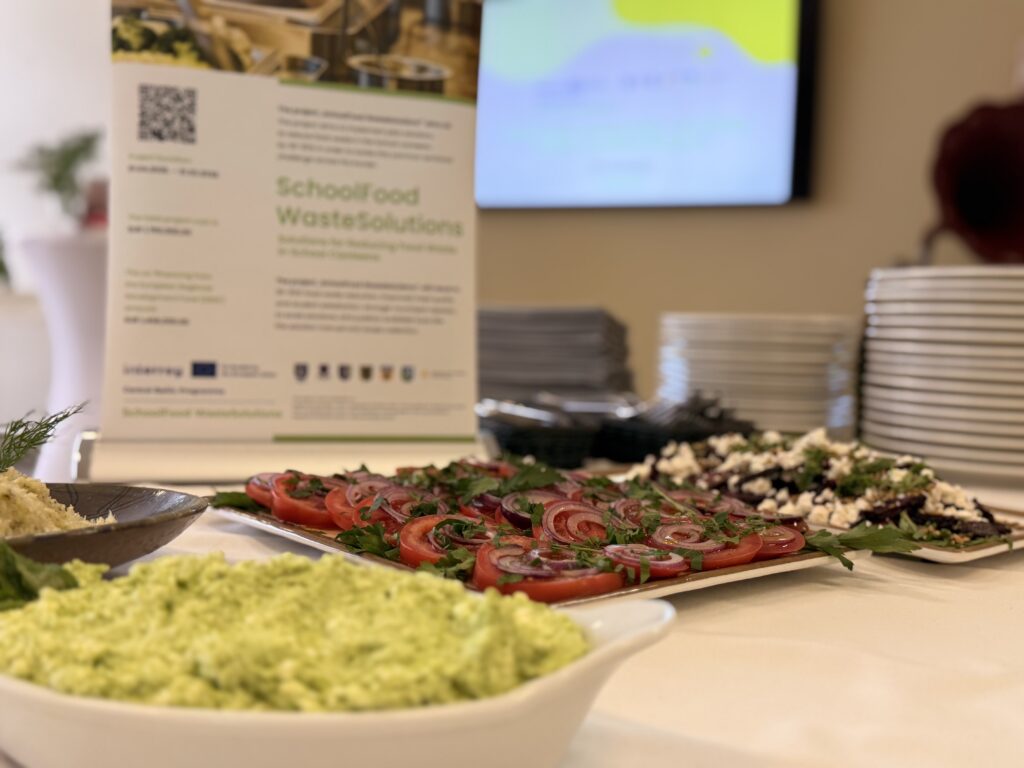
The recipe collection prepared for the masterclasses demonstrates that plant-based ingredients can be used far more widely than is customary in traditional school menus. During the practical sessions, participants tested a variety of main courses, side dishes, salads, baked goods and desserts. These included lasagne with legume Bolognese sauce, creamy tomato and lentil stew, chickpea and vegetable stew, vegetable stir-fry with tofu, root vegetable blinis, red lentil pancakes and grilled polenta with cheese and herbs. Unconventional pastries and desserts also attracted particular interest, including vegan white bean waffles, vegan chocolate hummus, oat pancakes with cardamom apples, carrot cake with cream cheese frosting and vegan chocolate chip cookies. The recipes featured both familiar Latvian ingredients, such as carrots, beetroot, cabbage, peas and grains, and products whose potential in school catering has not yet been fully explored, including tofu, quinoa and various legumes. Trying these dishes helps cooks broaden their professional horizons and discover that nutritious meals can also be prepared using simple, affordable ingredients.
Why Should Plant-Based Proteins Be Included in School Menus?
The theoretical part of the masterclasses was led by Dzintra Kokta, a nutrition specialist from Daugavpils University, who introduced participants to the topic “Plant-Based Protein on the School Plate – Nutritional Value, Opportunities and Practical Solutions.” Plant-based proteins are an important component of a varied and balanced diet. Legumes, grains, seeds and soy products provide not only protein but also fibre, vitamins and minerals. Research indicates that partially replacing animal-based protein sources with plant-based foods may be associated with improved cardiovascular health indicators, including lower levels of so-called “bad” cholesterol. At the same time, dietary variety remains essential. Different plant protein sources complement one another in terms of their amino acid profiles, while appropriate food preparation methods can improve the body’s ability to absorb certain minerals.
Dzintra Kokta emphasised that the most important consideration in children’s and adolescents’ diets is an adequate overall intake of nutrients and a balanced menu, rather than choosing one particular protein source. Including plant-based proteins does not mean completely eliminating animal products. Instead, it offers an opportunity to diversify meals and encourage healthier eating habits. In school catering, it is particularly important that new recipes meet children’s nutritional needs and comply with the nutritional standards currently in force in Latvia.
The Most Important Evaluators – The Pupils Themselves
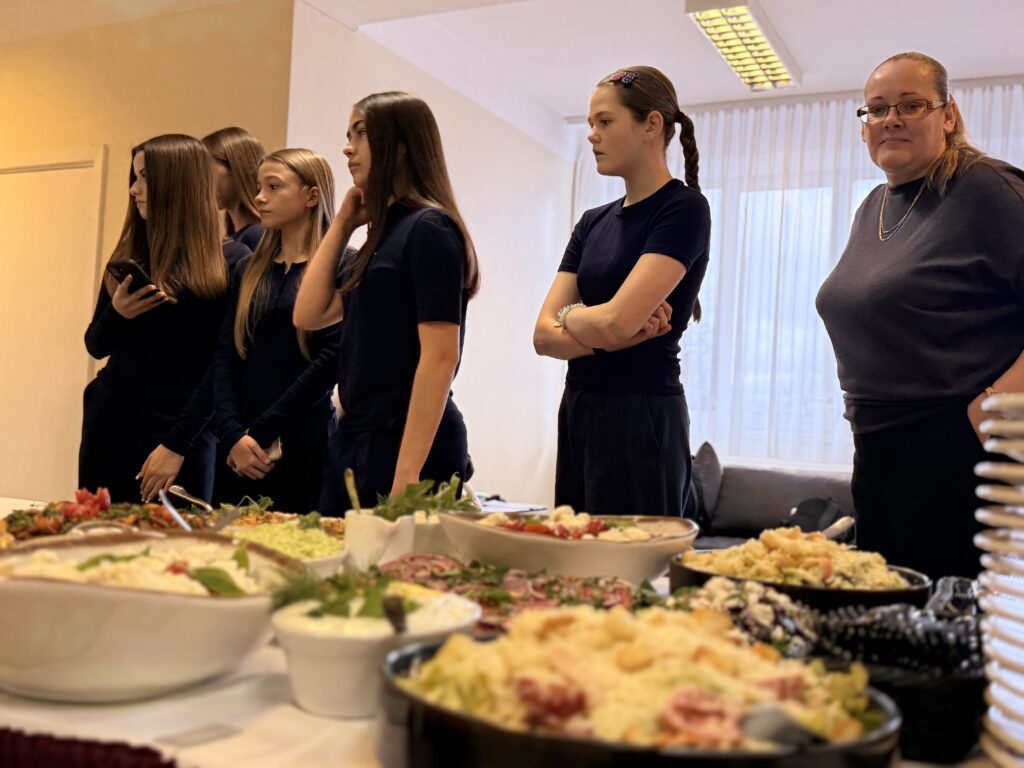
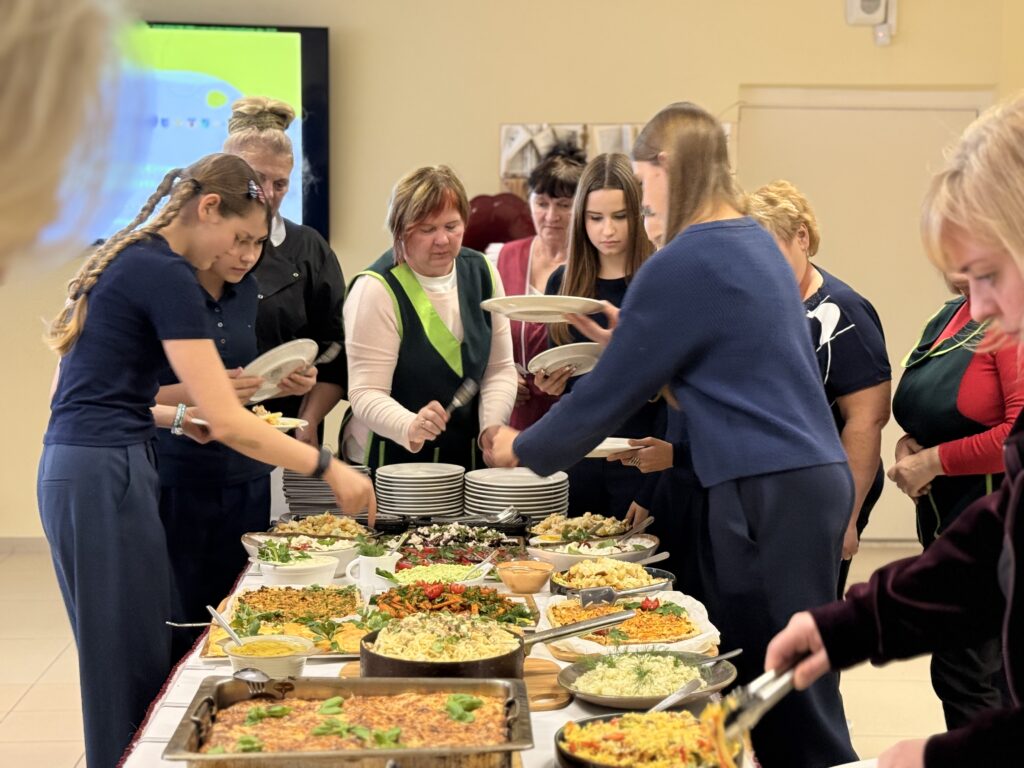
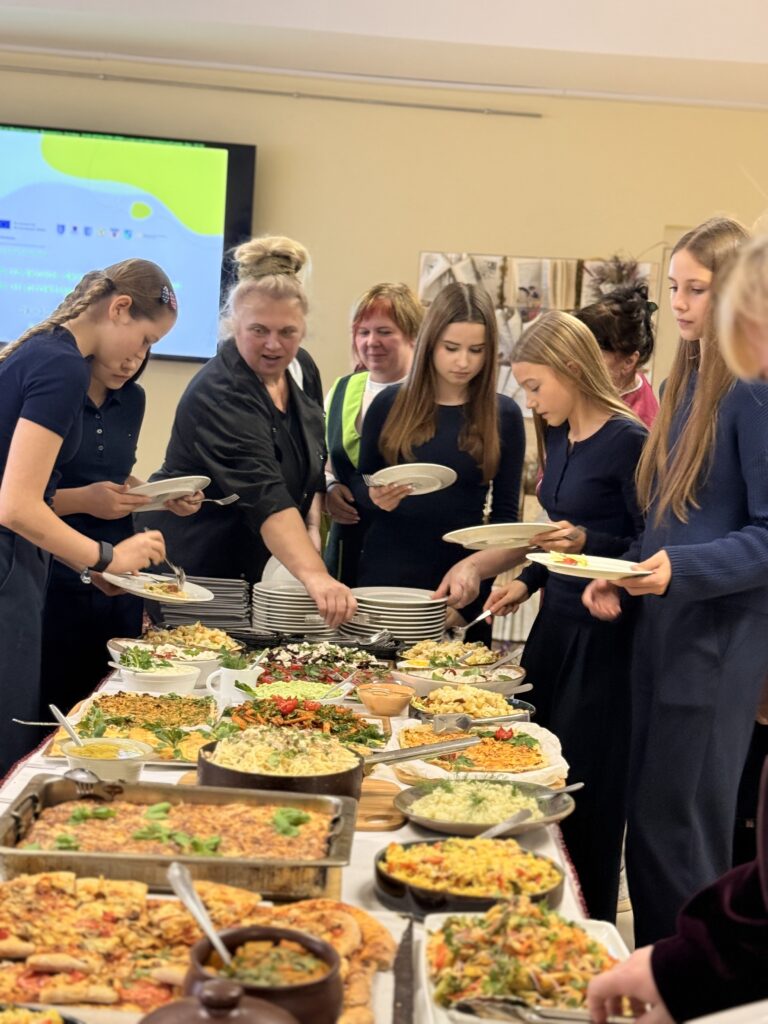
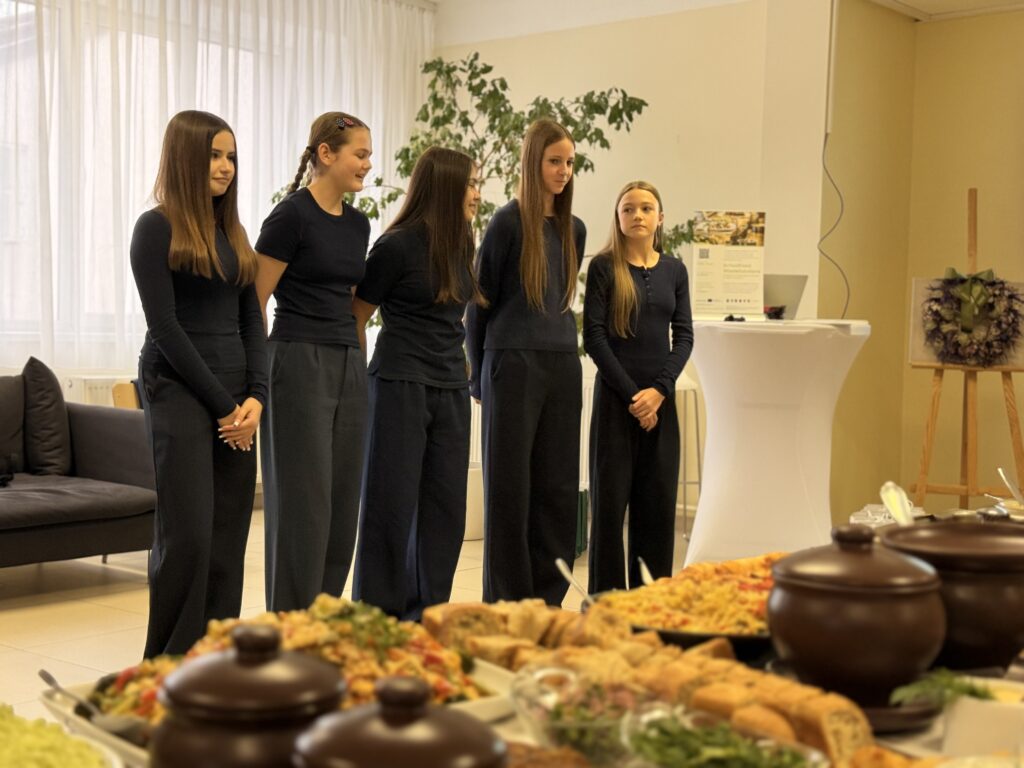
An essential part of the masterclasses was involving pupils in tasting and evaluating the new dishes. On 29 October, meals prepared during the masterclasses were tasted by pupils from Daugavpils State City Secondary School, while on 30 October, pupils from Daugavpils Technology Secondary School–Lyceum participated in the tasting. The young participants evaluated the taste, appearance, texture, portion sizes and presentation of the dishes, while also answering an important question: Would they choose this meal in their own school canteen?
Pupils’ opinions are particularly important because even a nutritionally excellent recipe will not achieve its purpose if children do not want to eat the food. The feedback collected will help cooks identify which recipes are ready to be introduced into school catering and which require further improvement. The most suitable recipes may subsequently be tested in the project’s pilot schools and used in developing the project’s six-week recipe book.
Less Food Waste – More Value in Every Meal
Special attention during the masterclasses was also devoted to reducing food waste – one of the main objectives of the “SchoolFood WasteSolutions” project. School cooks learned practical methods for carefully planning ingredient quantities, making full use of food products, reducing preparation waste and organising buffet-style meal service. Buffet-style catering allows pupils to choose appropriate portion sizes and food combinations according to their preferences and appetites. Combined with educational activities and food waste monitoring, this approach can help reduce the amount of uneaten food. The project’s objective is to reduce food waste in school catering by 30–50%. Achieving this goal requires not only new recipes but also changes in catering organisation, pupil involvement and close cooperation between cooks, school management and education professionals.
International Cooperation with Long-Term Benefits
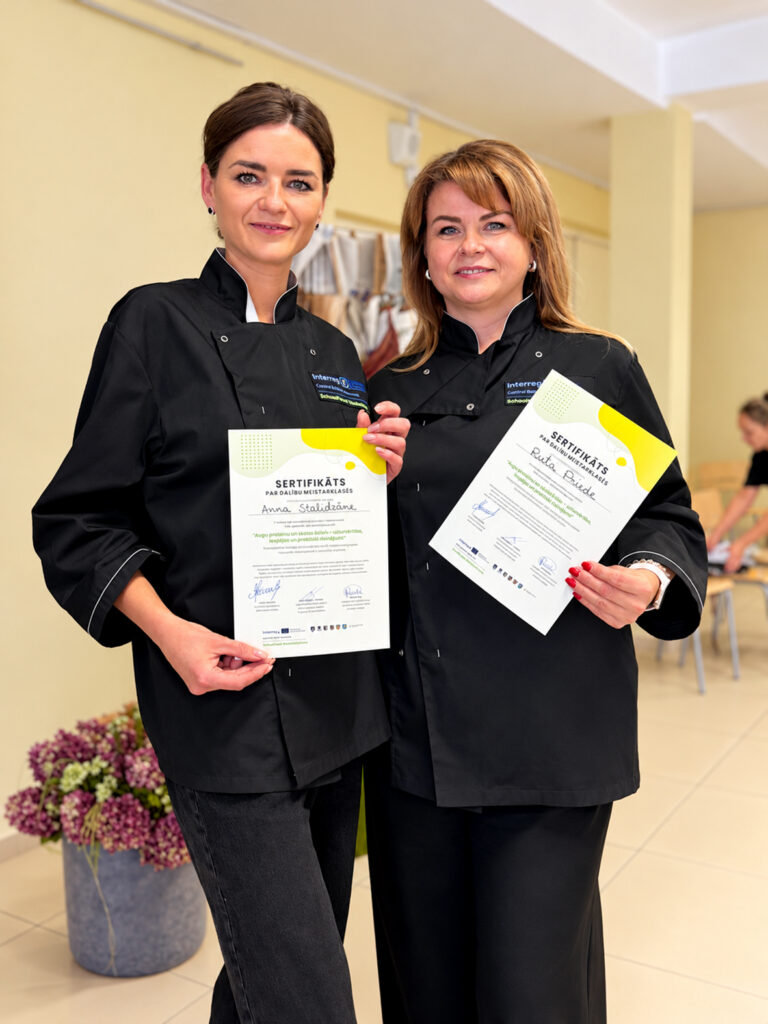
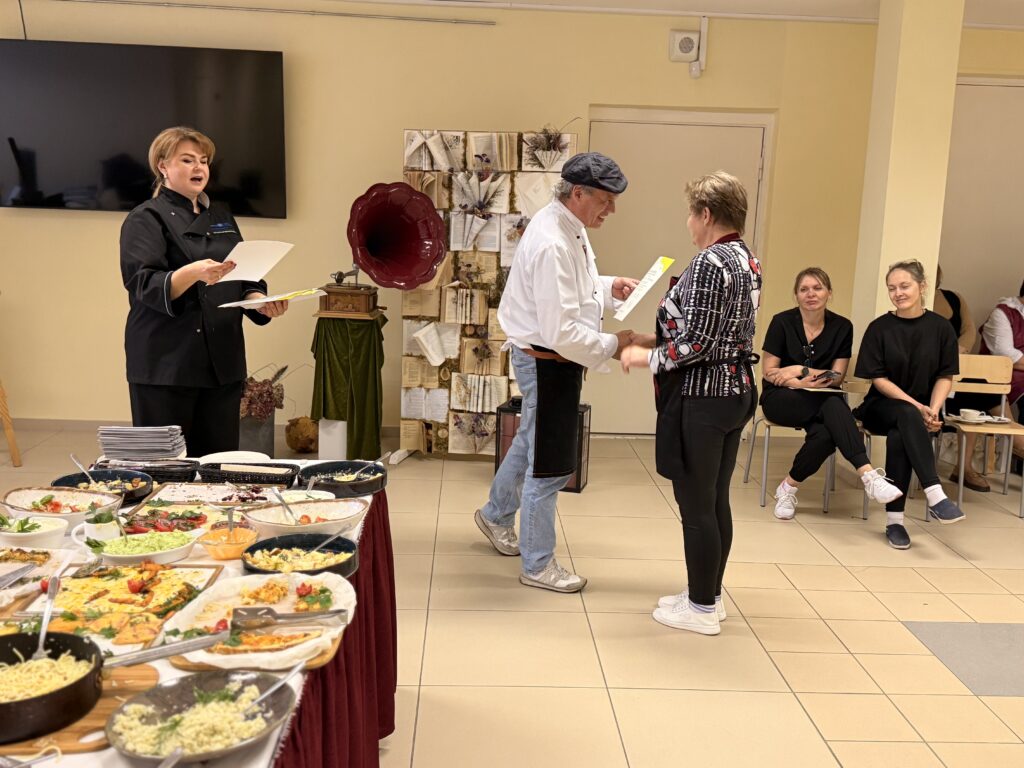
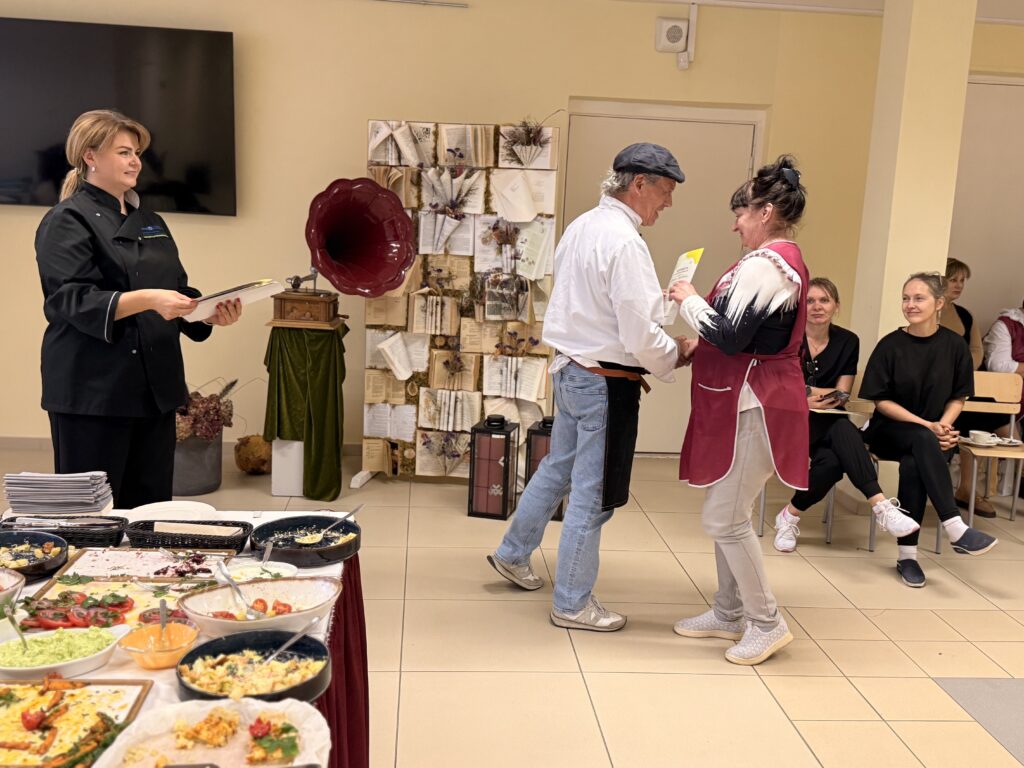
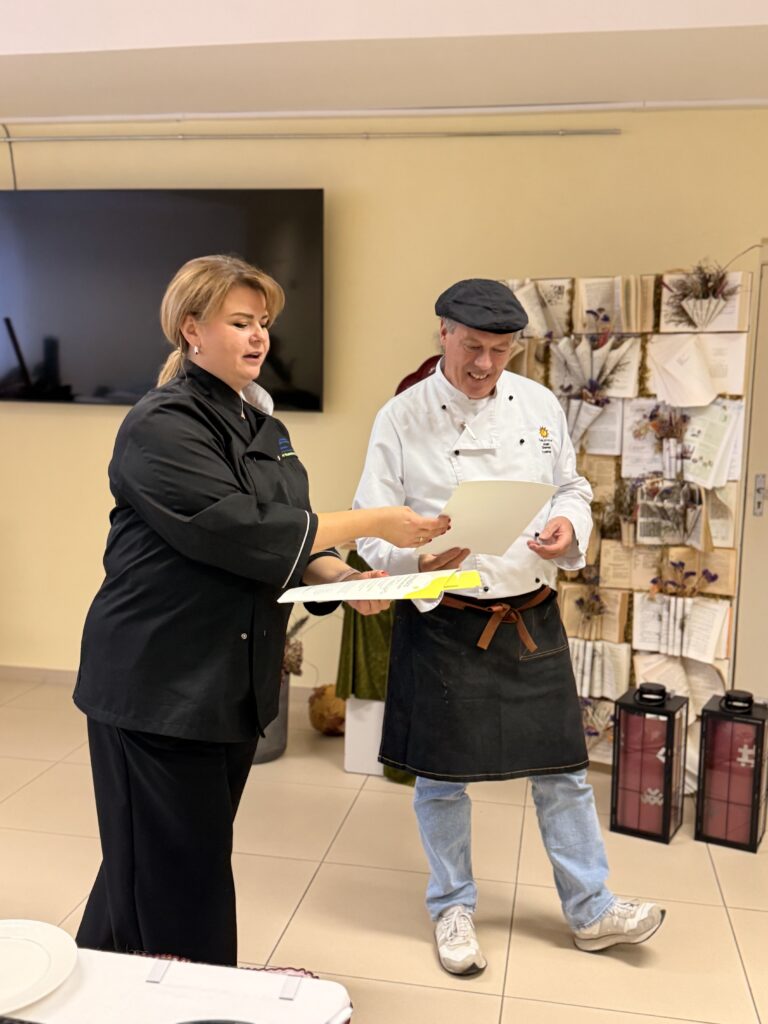
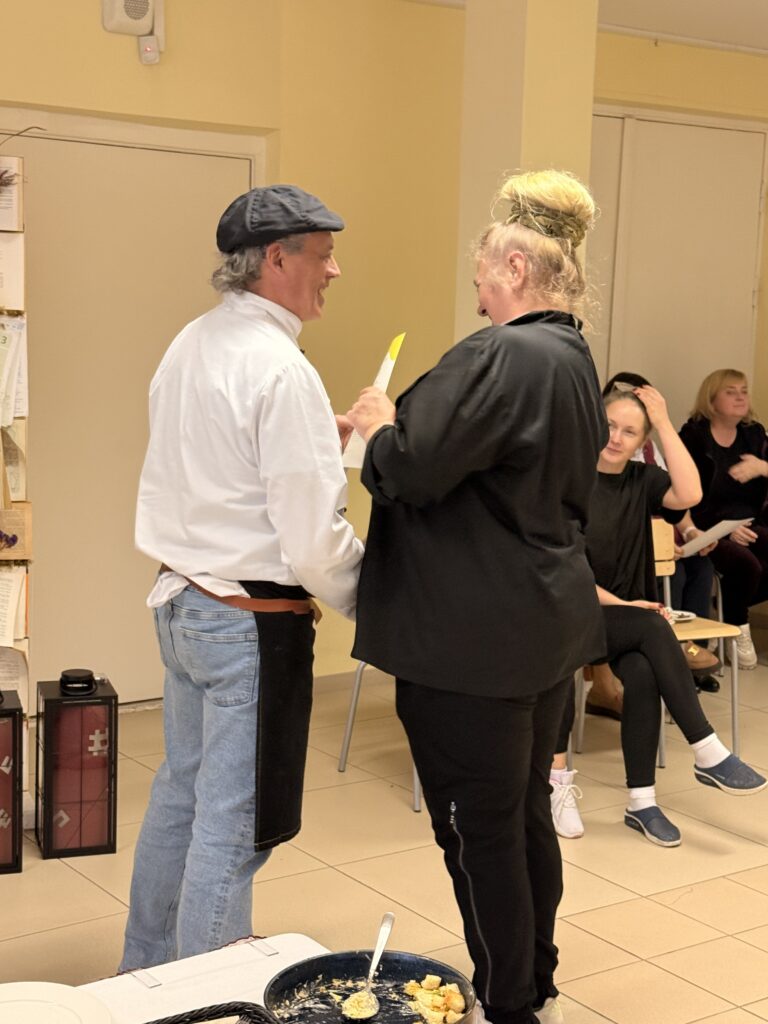
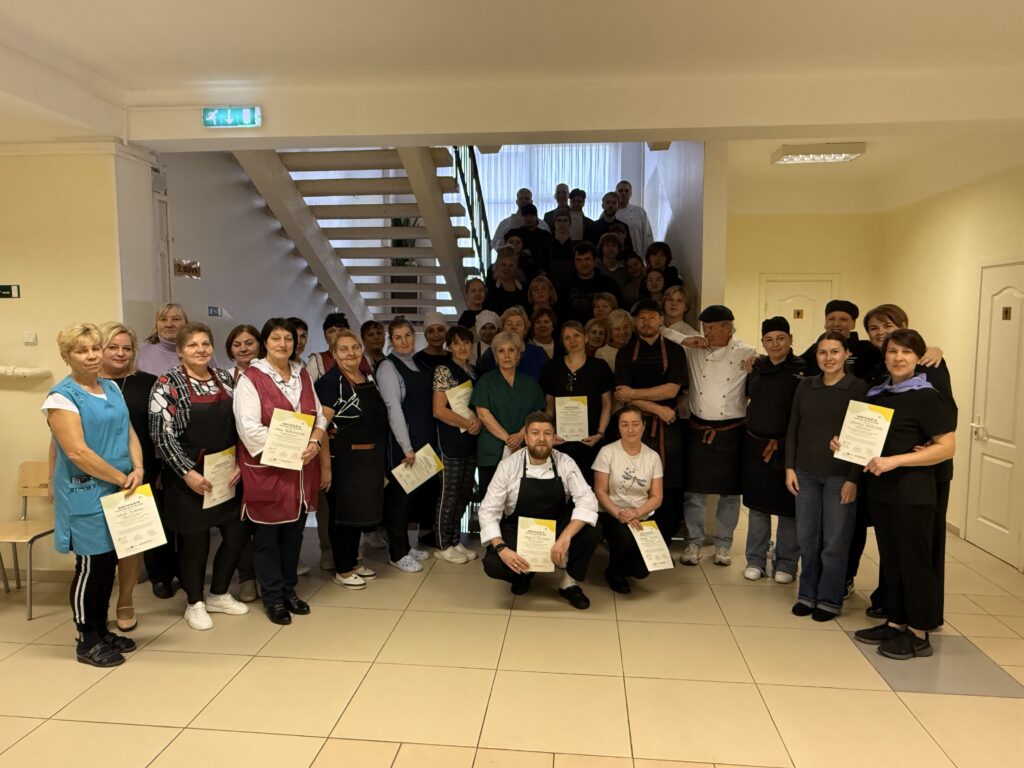
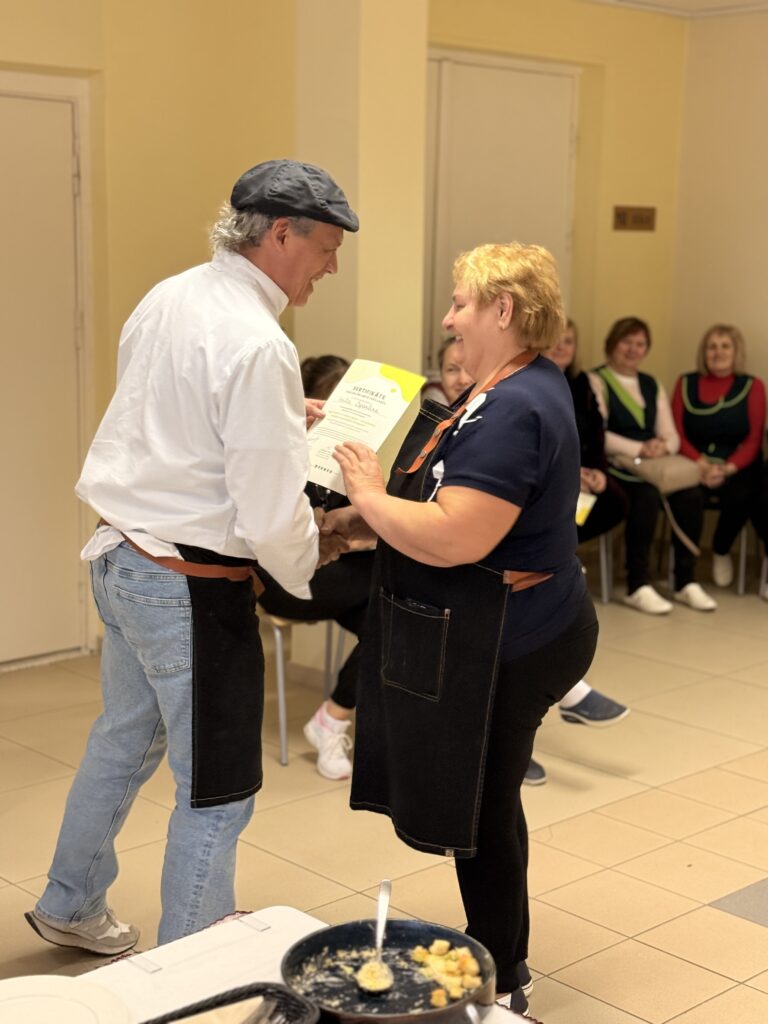
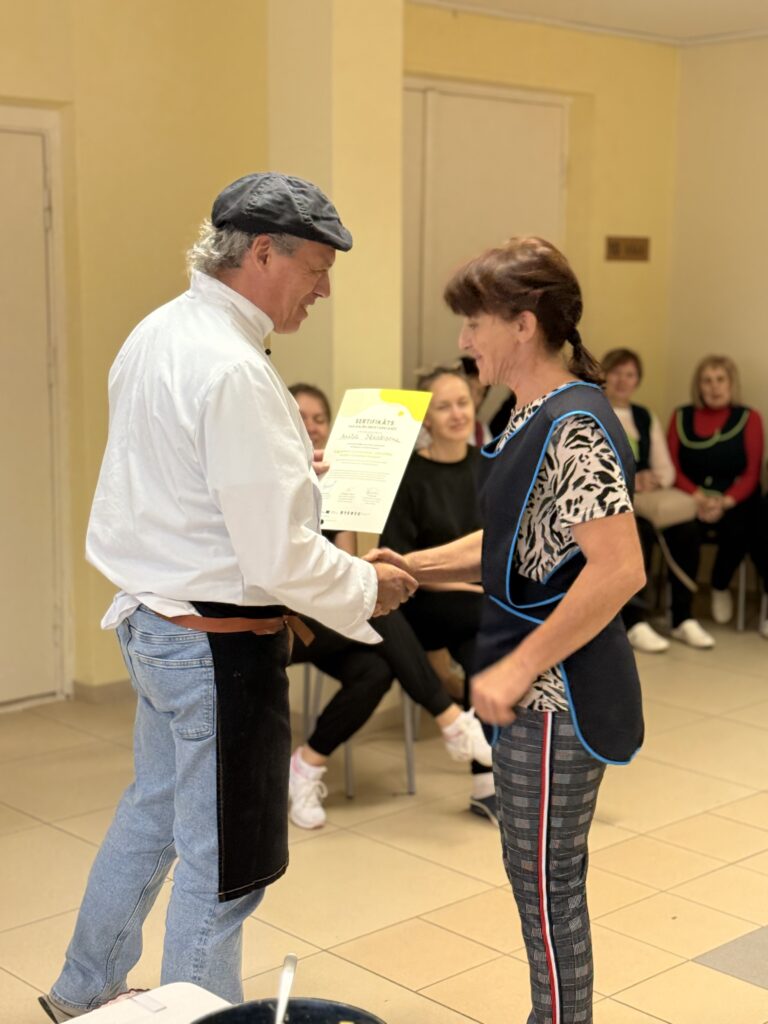
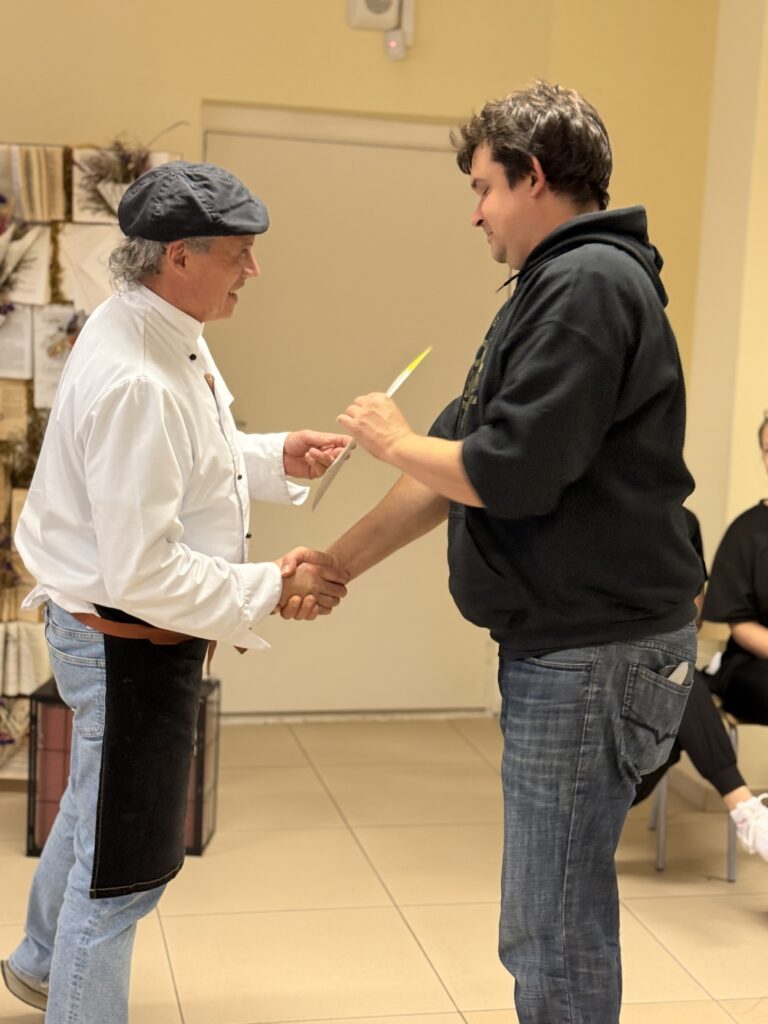
The masterclasses organised in Daugavpils are part of a broader international knowledge exchange connecting partners from Latvia, Estonia and Sweden within the project. Before visiting Latgale, the Swedish culinary team conducted similar masterclasses in the Tartu region of Estonia on 26–27 October. This cooperation provides an opportunity to compare school catering practices across different countries, test the suitability of recipes under varying conditions and jointly develop solutions that improve the quality of school meals while reducing food waste. At the conclusion of the masterclasses, participants received certificates recognising their professional development. However, the most significant benefits are the practical knowledge gained, new professional connections and inspiration to introduce positive changes in their own school kitchens.
About the Project
“SchoolFood WasteSolutions” (CB0600301) is implemented within the framework of the Interreg Central Baltic Programme 2021–2027, with co-financing from the European Union.
The Lead Partner of the project is the Latgale Planning Region. The project aims to improve school catering systems, promote healthier and more sustainable eating habits, and reduce food waste.
More information: https://lpr.gov.lv/lv/zinas/schoolfood-wastesolutions/