

WSM
ended
WSM
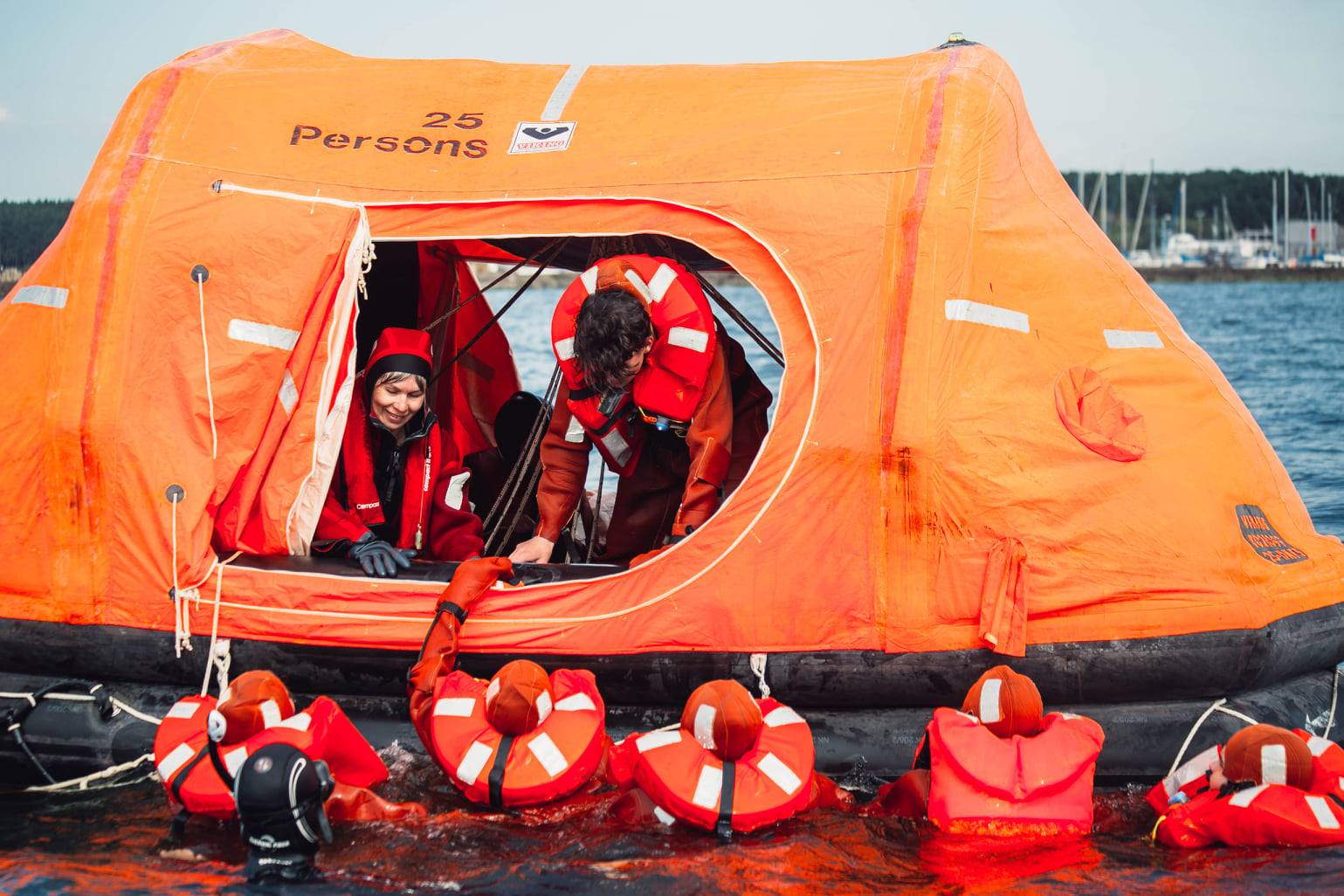
The project improved water safety education in Estonia and Latvia with the aim of reducing drownings and water-related accidents. It was implemented as a joint effort between Watergratt Pirita NGO (WG) and the Latvian Beach Lifeguard Association (LBLA).
The project addressed the low level of water safety awareness among young people and the lack of structured preventive education provided by local services. By strengthening practical and age-appropriate water safety education, the initiative contributed to creating a safer environment for young people near and on the water.
Results
As a result of the project, a joint and fully structured Water Safety Methodology for young people aged 14–18 was developed, tested and prepared for implementation in Estonia and Latvia. The methodology was created through close cross-border cooperation between the Estonian lead partner Watergratt Pirita NGO and the Latvian partner Latvian Beach Lifeguard Association, with active involvement of rescue services, youth organisations and public authorities in both countries.
The methodology was tested in real training environments, including schools, summer camps and non-formal education settings. In total, over 160 young people participated directly in pilot and testing activities across Estonia and Latvia. Pre- and post-training assessments demonstrated a measurable improvement of more than 40% in water safety knowledge and risk awareness among participants, confirming the effectiveness of the approach.
The project achieved concrete uptake of results. 10 organisations confirmed adoption of the methodology for use in their preventive education activities. In Estonia, dissemination and uptake were supported through the Estonian Rescue Union (Päästeliit), which shared the methodology with its network of over 120 member organisations, including volunteer sea rescue teams. The Estonian Police and Border Guard Board and the Estonian Rescue Department distributed the methodology among staff and volunteers involved in preventive and educational work.
In Latvia, the methodology was taken into use by organisations working with youth and preventive safety, including the Latvian Beach Lifeguard Association and Jaunsardzes centrs, which independently conducted a test lesson based on the methodology. Additional dissemination took place through the State Fire and Rescue Service of Latvia, the Fire Safety and Civil Protection College and the Maritime Rescue Coordination Centre (SAR Latvia), ensuring reach within professional and volunteer rescue networks.
The methodology was prepared in four language versions — Estonian, Latvian, Russian and English. The English version enables international use and supports further dissemination beyond the partner countries, including sharing through professional rescue and safety networks such as the International Maritime Rescue Federation.
Overall, the project delivered a concrete, tested and transferable solution that improved the quality and consistency of preventive water safety education services for young people and established a sustainable basis for continued use and scaling of results after the end of the project.
Water Safety Methodology for Youth (WSM)
The WSM project has developed a joint Water Safety Methodology aimed at improving preventive water safety education for young people aged 14–18 in Estonia and Latvia. The methodology provides a practical, structured tool for organisations and professionals working in the field of water safety and prevention, supporting safer behaviour around water in everyday life.
The methodology was developed and tested through close cross-border cooperation between Estonian and Latvian partners, with input from rescue services, certified water safety professionals and organisations involved in preventive education. It has been validated in real training environments such as schools, youth camps and non-formal education settings.
Expected results
The main result of the project is the creation of a practical solution to improve water safety education in Estonia and Latvia. The primary outcome is a unified, comprehensive preventive methodology for 14-18-year-olds, providing both theoretical and practical skills. This methodology is designed to be easily transferable, user-friendly, and adaptable to the specific needs of different end users, including those from fewer-opportunity groups.
The methodology will be used by partner organisations in their youth educational programs, such as extracurricular classes in schools and youth centres. It will also be promoted among national institutions in Estonia and Latvia, including the Estonian Rescue Department, Estonian Police and Border Guard, and other NGOs focused on water safety, to incorporate it into their programs.
Duration 01.07.2024 - 31.12.2025
Total budget
Programme priority
Improved public servicesProgramme objective
PO7 - Improved public services and solutions for the citizensLead partner
Watergratt Pirita NGOProject News


Project Events
Project Stories
Gallery

Managing Authority
Joint Secretariat
c/o Regional Council
of Southwest Finland
Visiting address: Linnankatu 52 B, Turku, Finland
Mailing address:
P.O. Box 273,
20101 Turku, Finland
E-mail: info@centralbaltic.eu
Phone: +358 40 550 8408
Find WSM on social media