

CircularRoad
ongoing
CircularRoad
CircularRoad was created to address a common challenge in the Central Baltic region: road construction is highly resource-intensive and depends heavily on virgin materials such as sand, gravel, and stone, while large amounts of construction and industrial waste remain underused or landfilled. Valuable materials such as demolition waste, ashes, and rubber from end-of-life tyres are rarely reused in infrastructure, despite their potential to replace natural resources.
The project’s purpose is to connect waste producers, municipalities, road construction companies, and research organisations to improve waste-to-road material chains and demonstrate that roads can be built using recycled and waste-derived materials. Through cross-border cooperation, CircularRoad aims to accelerate the transition toward more circular and resource-efficient road construction practices across the Central Baltic region.
Expected results
CircularRoad will improve waste-to-road material chains by identifying suitable waste streams, connecting key stakeholders, and demonstrating the use of recycled materials in real-life road construction projects. The project will build pilot pedestrian roads in Estonia and Latvia using high shares of recycled and waste-derived materials, supported by common technical requirements and quality assurance procedures.
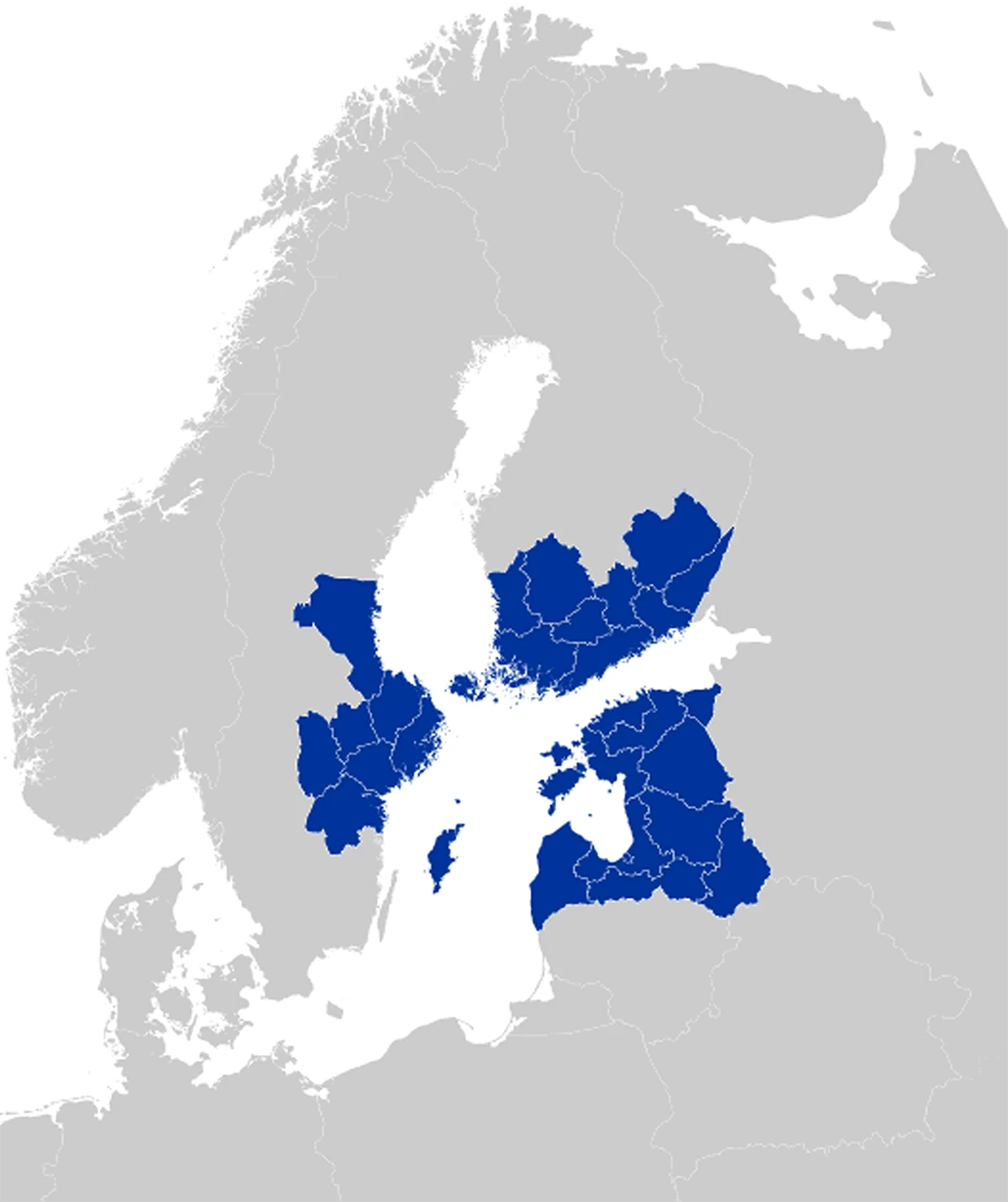
By proving that circular road construction is technically feasible and transferable, the project will increase confidence among municipalities, road construction companies, and public authorities in using recycled materials instead of virgin resources. The cross-border cooperation between Estonia, Latvia, Finland, and Sweden will strengthen regional knowledge exchange and create practical models that can be replicated across the Central Baltic region, helping reduce waste, lower environmental impacts, and support a more circular economy in infrastructure development.
Expected results
CircularRoad will improve waste-to-road material chains by identifying suitable waste streams, connecting key stakeholders, and demonstrating the use of recycled materials in real-life road construction projects. The project will build pilot pedestrian roads in Estonia and Latvia using high shares of recycled and waste-derived materials, supported by common technical requirements and quality assurance procedures.
By proving that circular road construction is technically feasible and transferable, the project will increase confidence among municipalities, road construction companies, and public authorities in using recycled materials instead of virgin resources. The cross-border cooperation between Estonia, Latvia, Finland, and Sweden will strengthen regional knowledge exchange and create practical models that can be replicated across the Central Baltic region, helping reduce waste, lower environmental impacts, and support a more circular economy in infrastructure development.
Duration 01.05.2026 - 30.04.2029
Total budget
Programme priority
Improved environment and resource useProgramme objective
PO3 - Joint circular economy solutionsLead partner
Viimsi MunicipalityProject News
Project Events
Project Stories
Gallery

Managing Authority
Joint Secretariat
c/o Regional Council
of Southwest Finland
Visiting address: Linnankatu 52 B, Turku, Finland
Mailing address:
P.O. Box 273,
20101 Turku, Finland
E-mail: info@centralbaltic.eu
Phone: +358 40 550 8408
Find CircularRoad on social media