

FoRestCoast
ongoing
FoRestCoast
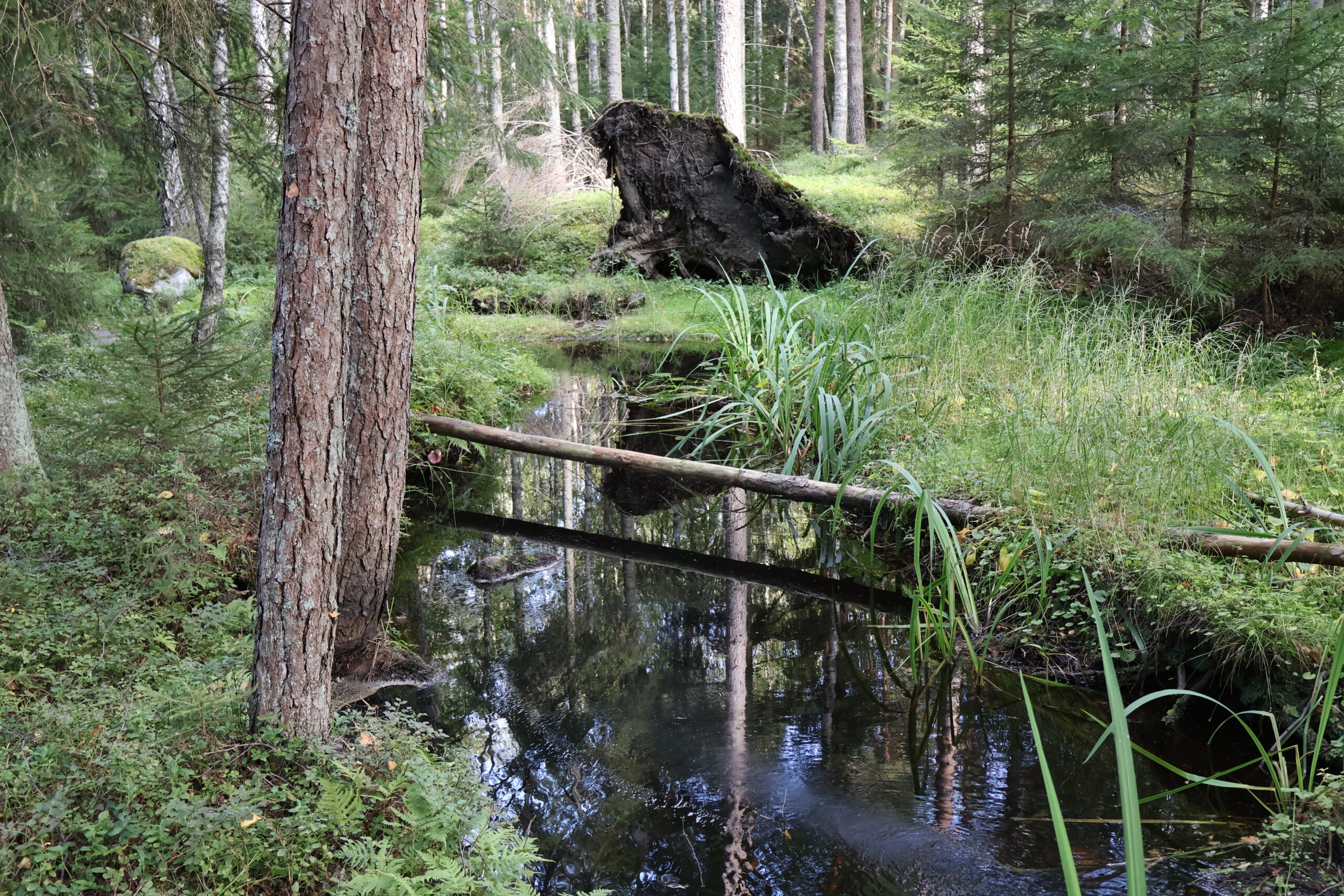
Forestry is an important economic sector in the Baltic Sea region, but it is also a major contributor to declining water quality in coastal and marine environments. In forestry-dominated countries such as Finland and Sweden, there is a growing need for cross-border cooperation and wider use of restoration methods and best management practices.
FoRestCoast addresses the problem of forestry-related pollution affecting coastal waterbodies and the Baltic Sea. The project brings together experts and stakeholders from Finland and Sweden to exchange knowledge and collaborate on restoring forestry-impacted small waterbodies.
The project will plan, implement, and monitor restoration activities in six coastal waterbodies across Finland and Sweden. By monitoring water quality throughout the entire drainage system, the project will provide a broader understanding of restoration impacts and support more effective, long-term water protection measures across borders.
Expected results
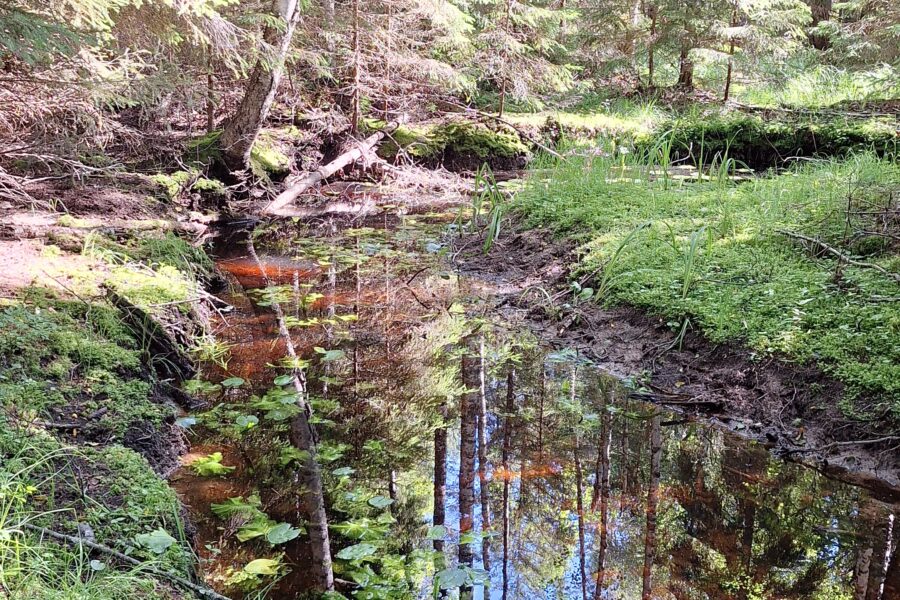
The project will reduce nutrient, carbon, and sediment loads from forestry-impacted catchments flowing into the Baltic Sea through targeted restoration measures of small water bodies. Short-term effects will be monitored through pre- and post-restoration measurements, while long-term improvements are expected to emerge gradually over the years following the project. The initiative will also strengthen biodiversity, improve water quality and retention, and support more resilient forest ecosystems.
The project will contribute to healthier Baltic Sea coastal waters and generate positive environmental benefits across borders by addressing shared regional water challenges. It will also support human health and well-being by restoring degraded ecosystems and increasing public awareness of sustainable forestry methods and restoration practices. The project’s findings, recommendations, and documented outcomes will be widely shared through stakeholder engagement activities and a practical handbook to encourage broader adoption of effective restoration measures.
Expected results
The project will reduce nutrient, carbon, and sediment loads from forestry-impacted catchments flowing into the Baltic Sea through targeted restoration measures of small water bodies. Short-term effects will be monitored through pre- and post-restoration measurements, while long-term improvements are expected to emerge gradually over the years following the project. The initiative will also strengthen biodiversity, improve water quality and retention, and support more resilient forest ecosystems.
The project will contribute to healthier Baltic Sea coastal waters and generate positive environmental benefits across borders by addressing shared regional water challenges. It will also support human health and well-being by restoring degraded ecosystems and increasing public awareness of sustainable forestry methods and restoration practices. The project’s findings, recommendations, and documented outcomes will be widely shared through stakeholder engagement activities and a practical handbook to encourage broader adoption of effective restoration measures.
Duration 01.05.2026 - 30.04.2029
Total budget
Programme priority
Improved environment and resource useProgramme objective
PO4 - Improved coastal and marine environmentLead partner
Natur och Miljö rf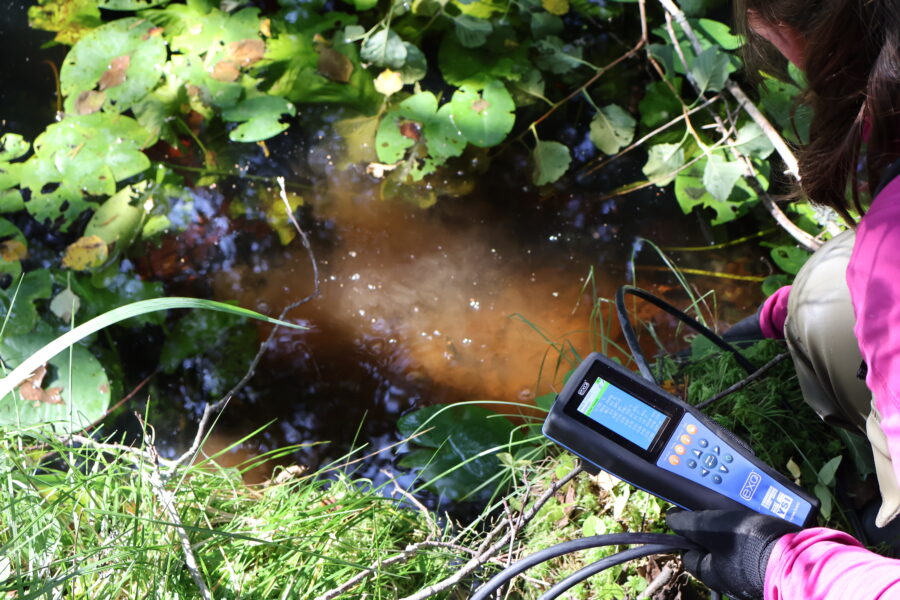
Project Stories
Gallery

Managing Authority
Joint Secretariat
c/o Regional Council
of Southwest Finland
Visiting address: Linnankatu 52 B, Turku, Finland
Mailing address:
P.O. Box 273,
20101 Turku, Finland
E-mail: info@centralbaltic.eu
Phone: +358 40 550 8408
Find FoRestCoast on social media