Enhanced ERA Local Training in Lahemaa: Strengthening Heritage Interpretation
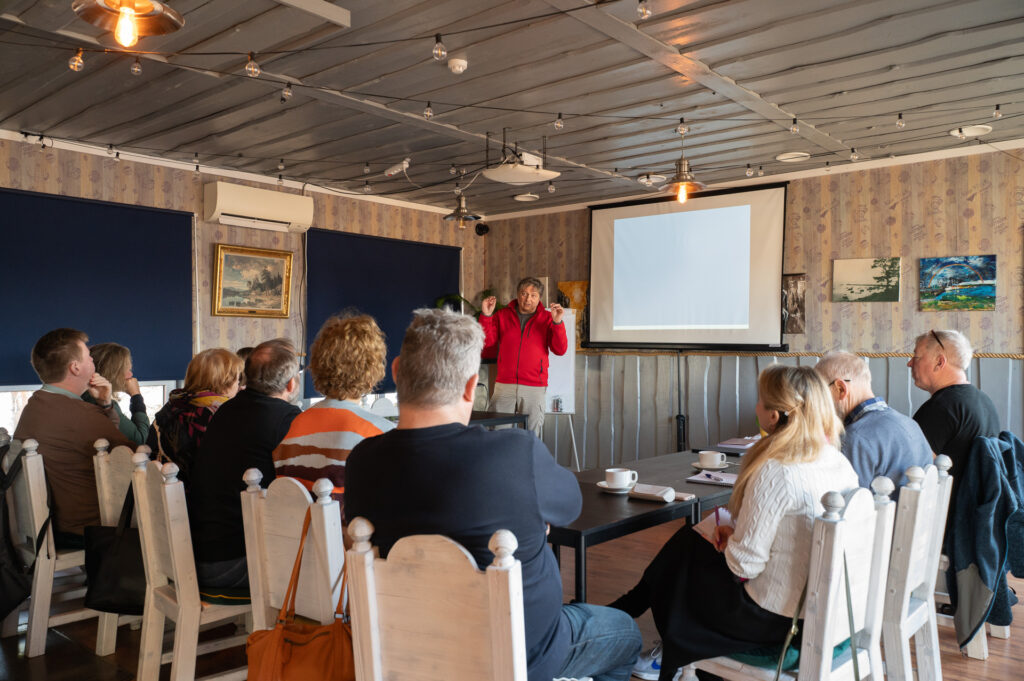
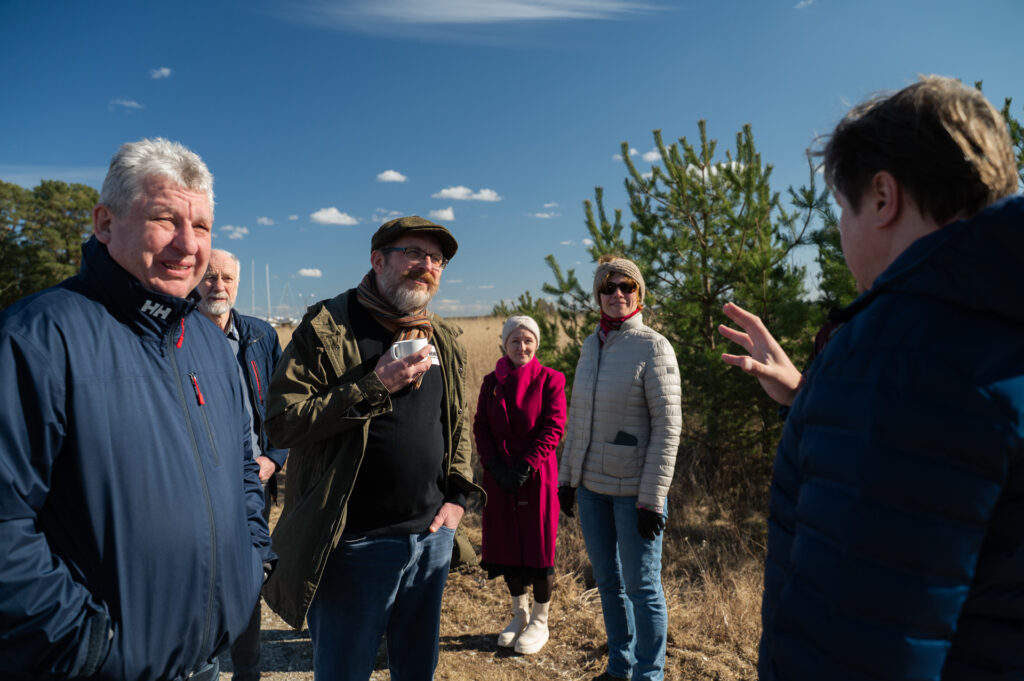
As part of the Interreg Central Baltic project Enhanced ERA, a three-day local training on heritage interpretation was held on 24–26 March in Vergi Harbour, Lahemaa National Park, Estonia. The training formed part of the project’s capacity-building activities aimed at improving employment opportunities and entrepreneurial skills among vulnerable groups in rural areas.
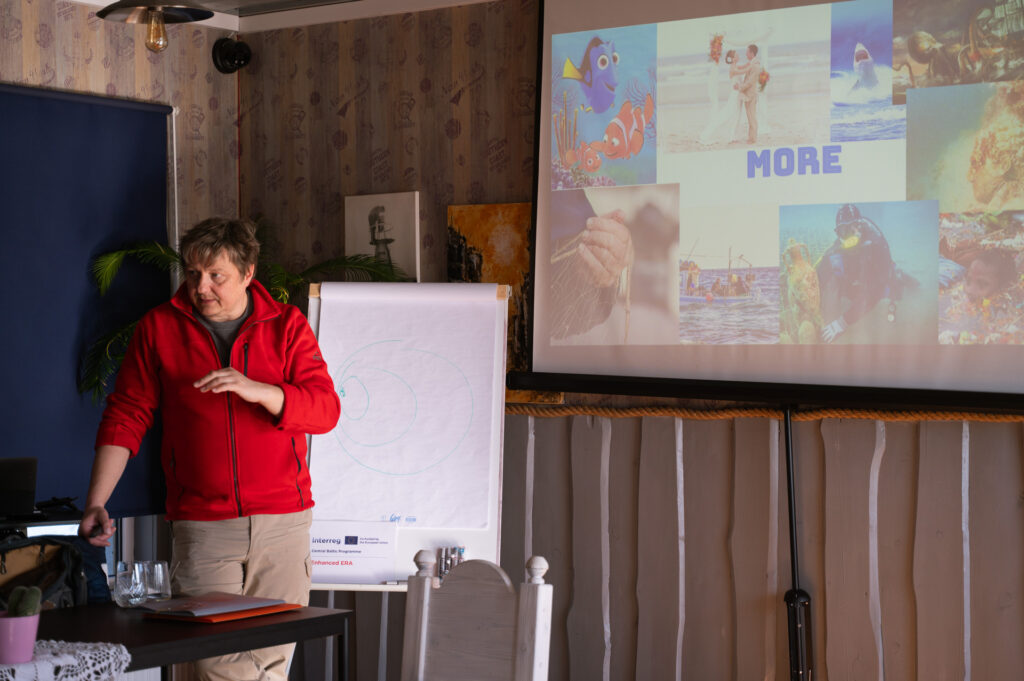
In Lahemaa, the local training programme focuses on tour guide training, helping participants develop the knowledge, skills, and confidence needed to create tourism-related services and explore new employment opportunities in the region. As part of this programme, ten participants took part in the heritage interpretation training, working closely with experienced trainer Max Dubravko Fijacko from Croatia.
The programme introduced a value-based interpretive approach, focusing on how to create deeper connections between people and heritage through guided experiences.
From Knowledge to Meaningful Experience
The training followed a clear progression from understanding interpretation principles to applying them in practice. Participants explored how to move beyond simply presenting information, instead designing experiences that connect visitor perspectives, personal values, and the unique character of a place.
On the first day, the focus was on recognising what makes heritage meaningful and how landscapes can be understood as layered stories of nature and human interaction. Participants practised transforming descriptions into engaging interpretive moments that resonate with visitors.
Creating Engagement and Dialogue
The second day centred on participation and resonance. Through practical exercises, participants learned how to provoke curiosity, ask open-ended questions, and facilitate shared experiences rather than one-way communication. Special attention was given to inclusivity, considering whose stories are told in heritage interpretation and whose voices may be missing.
From Insight to Responsibility
On the final day, participants developed short interpretive formats designed to leave a lasting impact. The focus was on how interpretation can influence attitudes and encourage care for heritage, supporting a shift from passive observation to active understanding and responsibility.
Building Capacity for Rural Tourism
The training reflects the core objectives of the Enhanced ERA project by:
- strengthening practical skills in heritage interpretation and visitor engagement;
- promoting innovative, experience-based tourism approaches;
- encouraging participatory and inclusive storytelling;
- supporting the sustainable use and appreciation of cultural and natural heritage; and
- improving the employability and entrepreneurial potential of people living in rural areas.
Rather than focusing on theoretical learning or formal evaluation, the training emphasised hands-on practice, peer feedback, and real-life application. Participants left with concrete tools to create meaningful visitor experiences and to foster deeper connections between people and the places they visit.
This local training in Lahemaa demonstrates how Enhanced ERA contributes to building long-term capacity in rural regions by empowering local people with practical skills that can be applied in tourism, guiding, and heritage-related entrepreneurship. Through initiatives such as the tour guide training programme, the project helps participants turn local cultural and natural heritage into engaging, relevant, and economically viable experiences.