

RARE-G
ongoing
RARE-G
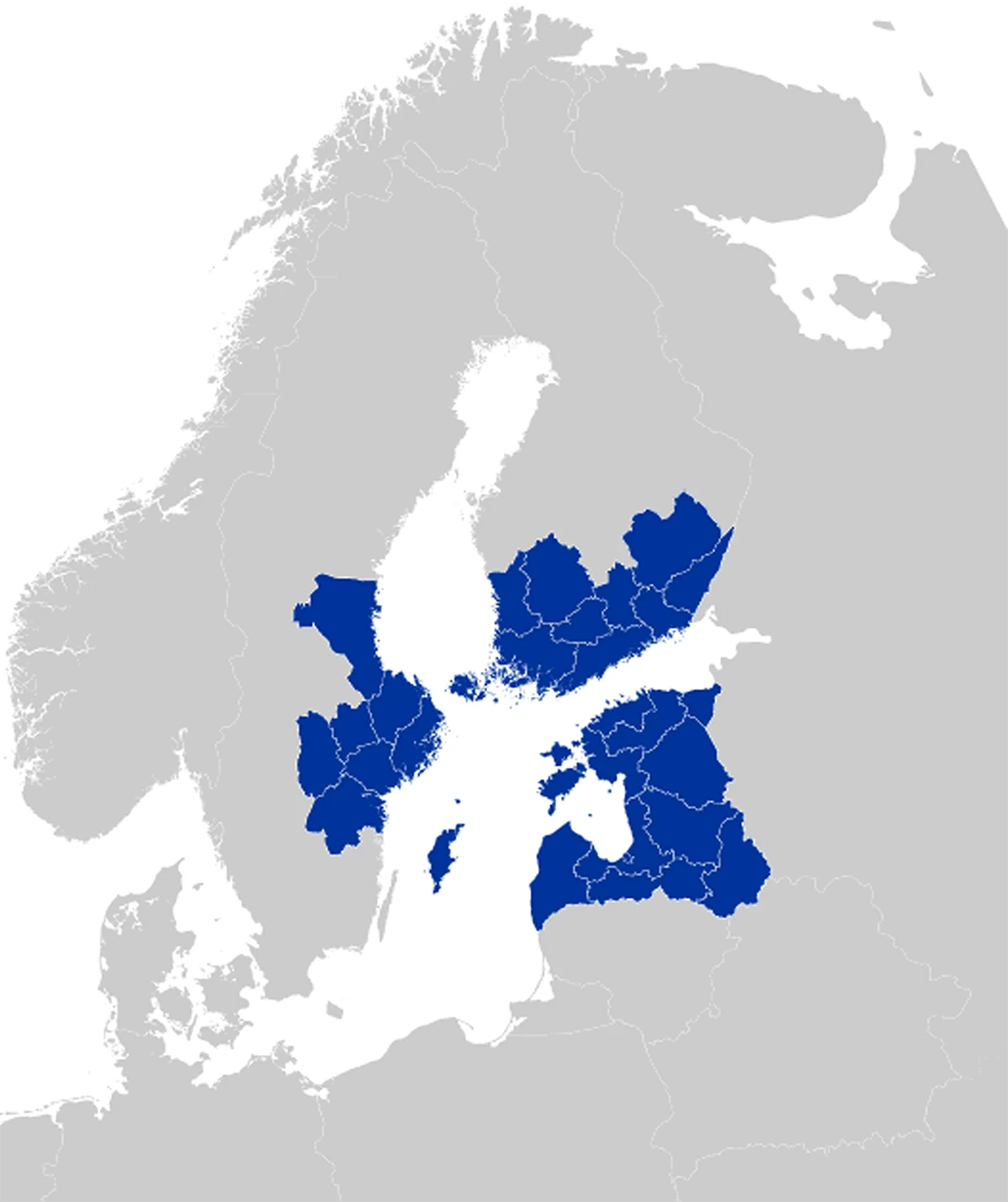
RARE-G addresses the growing risk of pollution from urban wastewater and stormwater systems in the Central Baltic region. Ageing drainage infrastructure, hydraulic overloads, extreme weather events, and limited digital maturity increase the risk of sewer overflows, stormwater discharges, and diffuse pollution reaching coastal and marine waters.
The project brings together municipalities, water utilities, and research partners from Latvia, Estonia, and Finland to reduce pollutant and hydraulic loads from urban drainage systems. RARE-G combines the design, construction, and monitoring of nature-based solutions at pilot sites in Jūrmala, Viimsi, and Kaarina with the development of a transferable GIS-based risk assessment framework. This will help municipalities and utilities move from reactive, experience-based infrastructure planning towards proactive, data-driven decisions that improve water quality, climate resilience, and the coastal environment.
Expected results
RARE-G will deliver operational nature-based solutions in three Central Baltic countries: a rain garden in Jurmala (LV), a stormwater treatment system with a man-made waterfall and retention pond in Viimsi (EST), and two nature-based stormwater management pilot sites in Kaarina (FI). These pilots will reduce pollutant and hydraulic loads entering local water bodies and, ultimately, the Baltic Sea.
The project will also develop and test a GIS-based risk assessment framework, supported by digital maturity assessments, spatial data, monitoring data, technical guidance, and maintenance manuals. The framework will help municipalities and utilities identify high-risk drainage system segments, prioritise interventions, and plan future investments more effectively.
As a result, RARE-G will improve four urban load sources and provide practical, transferable tools and good practices for wider use by municipalities, water utilities, sectoral agencies, and research organisations across and beyond the Central Baltic region. The project will strengthen evidence-based urban water management, support replication of nature-based solutions, and contribute to a cleaner, more resilient Baltic Sea.
Expected results
RARE-G will deliver operational nature-based solutions in three Central Baltic countries: a rain garden in Jurmala (LV), a stormwater treatment system with a man-made waterfall and retention pond in Viimsi (EST), and two nature-based stormwater management pilot sites in Kaarina (FI). These pilots will reduce pollutant and hydraulic loads entering local water bodies and, ultimately, the Baltic Sea.
The project will also develop and test a GIS-based risk assessment framework, supported by digital maturity assessments, spatial data, monitoring data, technical guidance, and maintenance manuals. The framework will help municipalities and utilities identify high-risk drainage system segments, prioritise interventions, and plan future investments more effectively.
As a result, RARE-G will improve four urban load sources and provide practical, transferable tools and good practices for wider use by municipalities, water utilities, sectoral agencies, and research organisations across and beyond the Central Baltic region. The project will strengthen evidence-based urban water management, support replication of nature-based solutions, and contribute to a cleaner, more resilient Baltic Sea.
Duration 01.06.2026 - 31.05.2029
Total budget
Programme priority
Improved environment and resource useProgramme objective
PO4 - Improved coastal and marine environmentLead partner
Jūrmala Water
Project Stories
Gallery

Managing Authority
Joint Secretariat
c/o Regional Council
of Southwest Finland
Visiting address: Linnankatu 52 B, Turku, Finland
Mailing address:
P.O. Box 273,
20101 Turku, Finland
E-mail: info@centralbaltic.eu
Phone: +358 40 550 8408
Find RARE-G on social media