
PILOTech partnership launches journey for greener pilotage in the Central Baltic
On 4 June 2026, the partners of the Interreg Central Baltic project PILOTech gathered at TalTech Estonian Maritime Academy in Tallinn for the project’s kick-off meeting.
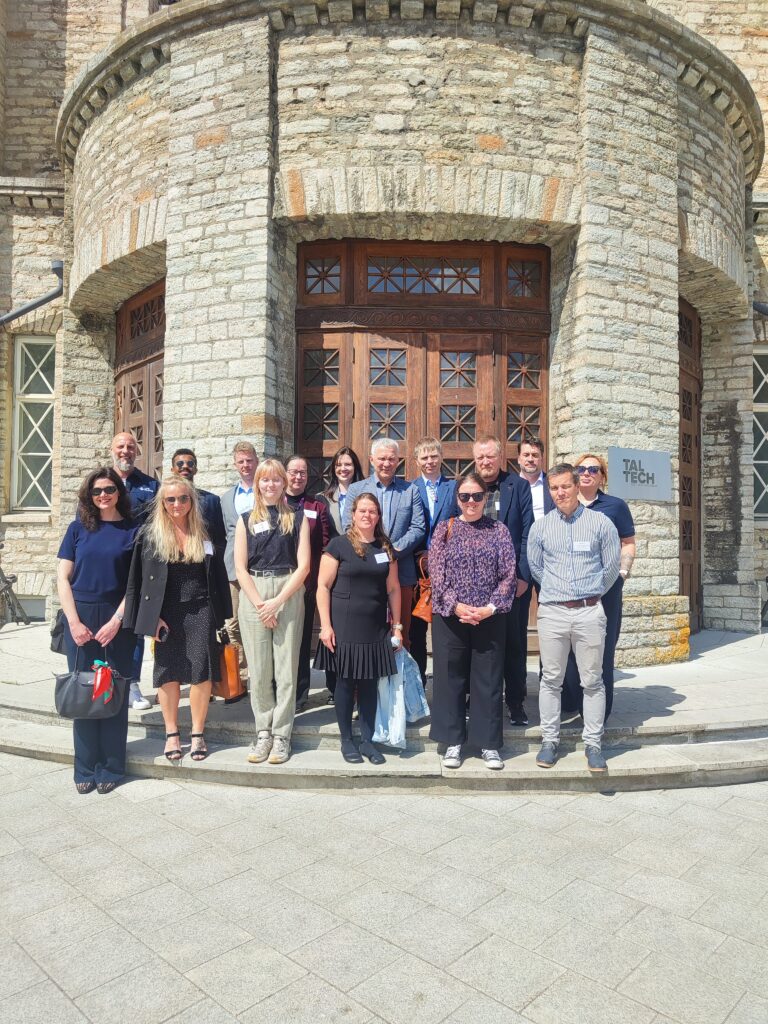
This first face-to-face meeting brought together representatives from Tallinn University of Technology, Swedish Maritime Administration, LVR Fleet, The Estonian State Fleet, Finnpilot Pilotage Ltd, and Novia University of Applied Sciences to officially launch the three-year cooperation. During the event, partners discussed the project work plan, communication and reporting procedures, upcoming activities, and the first steps towards establishing a common baseline for pilot boat CO₂ emissions across the participating countries.
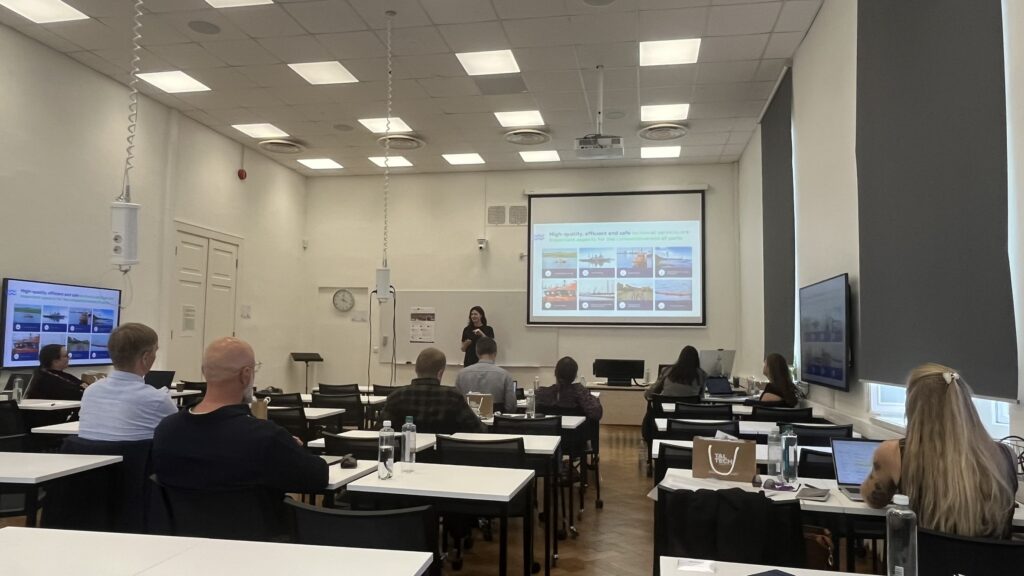
PILOTech addresses one of the emerging challenges in maritime transport: reducing the environmental footprint of pilotage services while maintaining safe and efficient navigation.
Although pilotage plays a vital role in supporting safe shipping and contributes to more efficient vessel operations, pilot boats themselves generate emissions in busy coastal and port areas. Through cross-border cooperation, the project will test and evaluate innovative technologies and operational solutions to support the transition towards lower-emission pilotage services. At the same time, the partnership will strengthen knowledge exchange and develop practical recommendations that can support the wider adoption of sustainable solutions across the Central Baltic region.
Throughout the kick-off meeting, partners introduced their organisations and shared their planned pilot activities, ranging from hybrid propulsion and energy-efficient heating solutions to digital monitoring systems, propulsion improvements, and simulation-based optimisation. The diversity of expertise within the consortium provides a strong foundation for developing practical, transferable solutions that can benefit pilotage organisations across the Central Baltic region.
PILOTech aims to strengthen cooperation between Estonia, Finland, Latvia and Sweden, promote knowledge exchange, and generate evidence-based recommendations to support the wider transition towards more sustainable maritime transport.
The partnership now looks forward to working together over the next three years and sharing the project’s progress and results with stakeholders across the Baltic Sea region.