Awareness raising in Estonia during CLEAN Beach project
As part of the CLEAN Beach project, Tallinn University of Technology (TalTech) has been involving stakeholders, citizens, students and other interested groups in practical activities to increase awareness on microplastic pollution and to demonstrate how microplastics can be monitored on Baltic Sea beaches.
Awareness-raising activities have taken place both on the beach and in the laboratory, giving participants an opportunity to follow the process from collecting a beach sample to examining the material and identifying possible plastic particles.
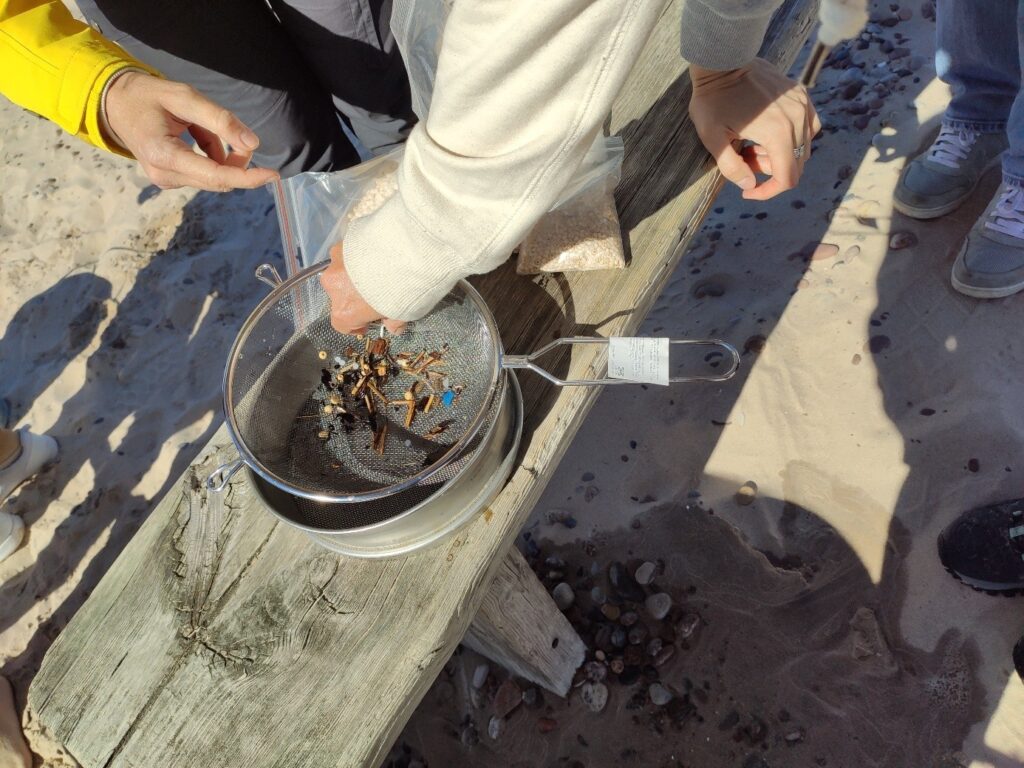
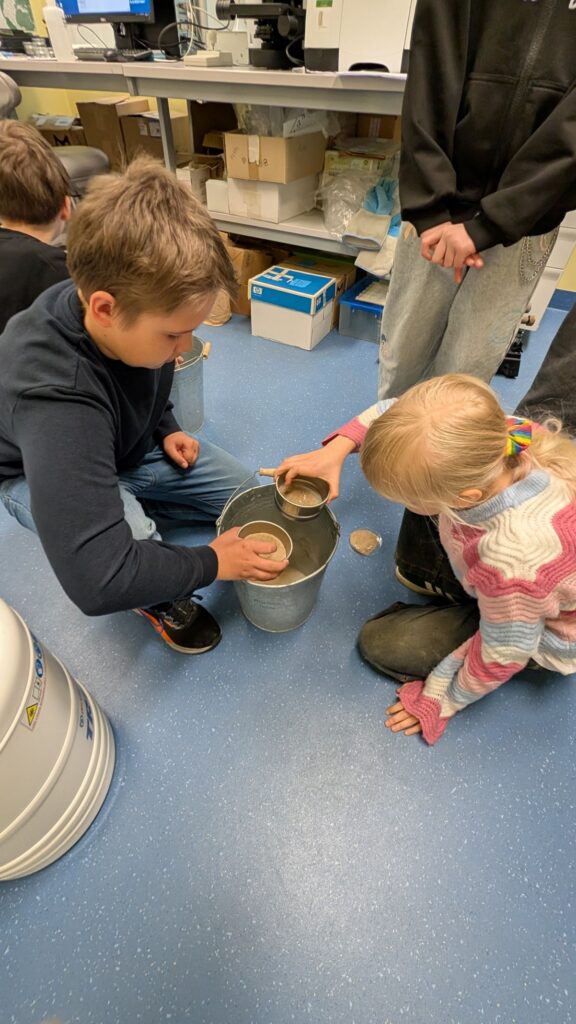
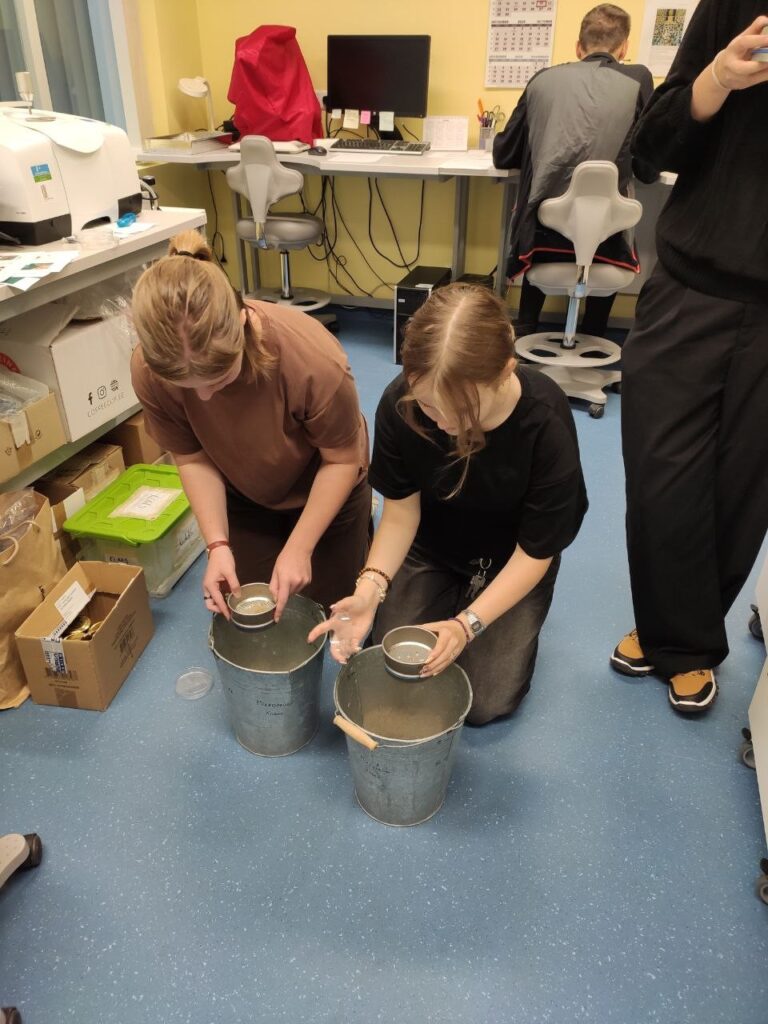
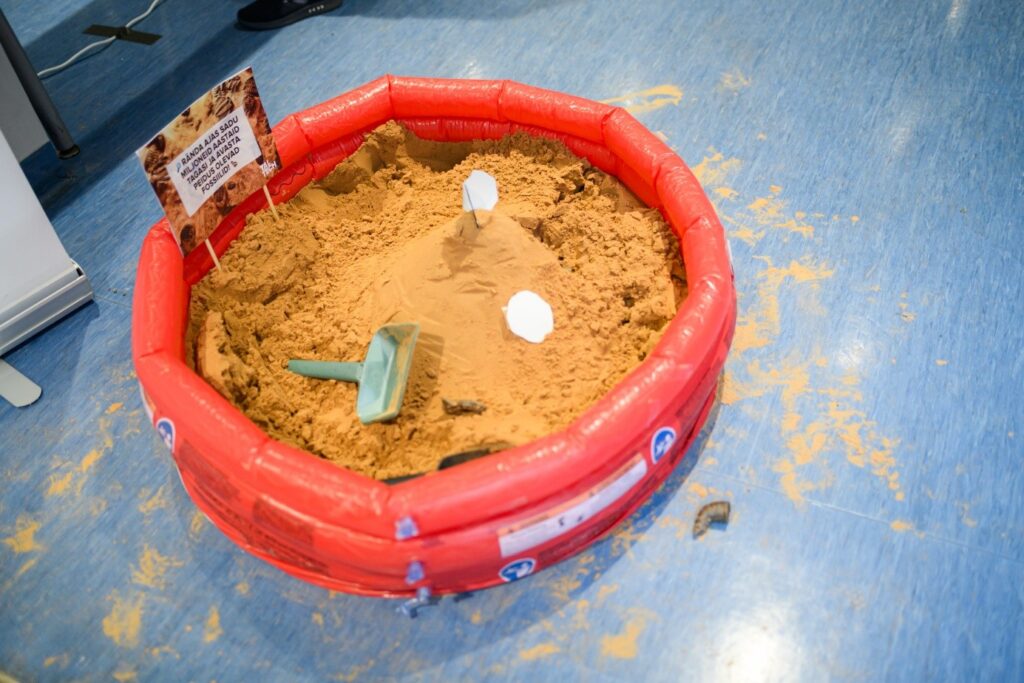
During practical beach activities, participants were introduced to the problem of microplastic and other small plastic litter on sandy beaches and were invited to try the sampling methods themselves. Under the guidance of TalTech researchers, participants learned how a sampling area is selected, how sand samples are collected and sieved, and what kinds of plastic particles may be found among natural material such as sand, algae and other beach debris.
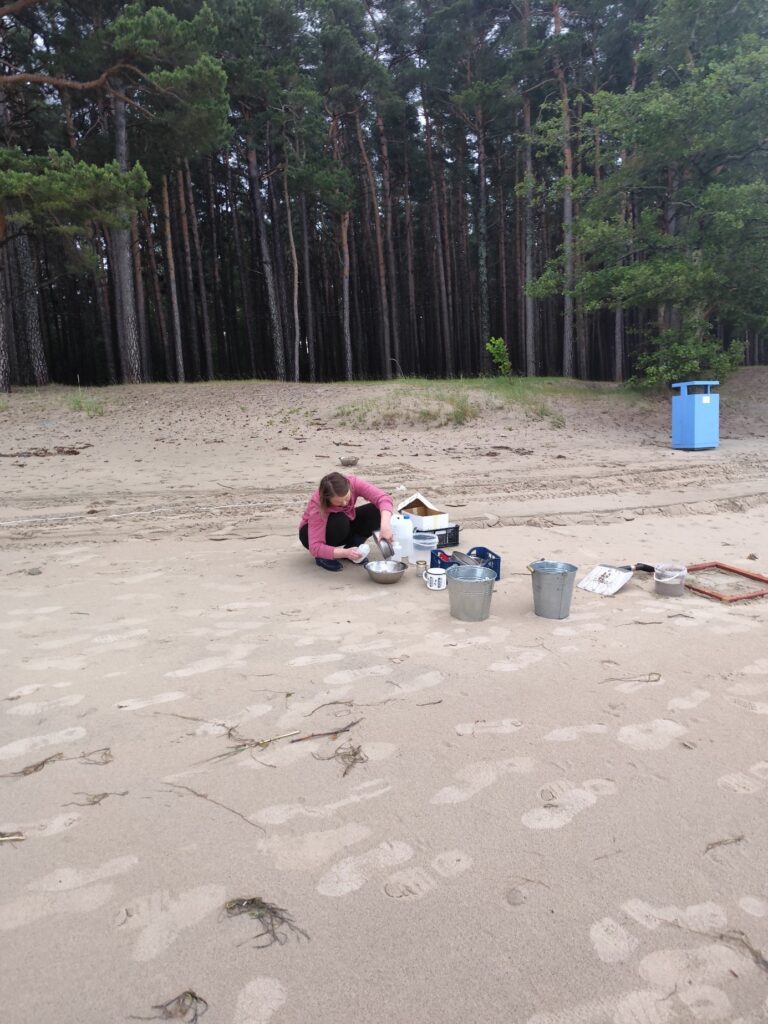
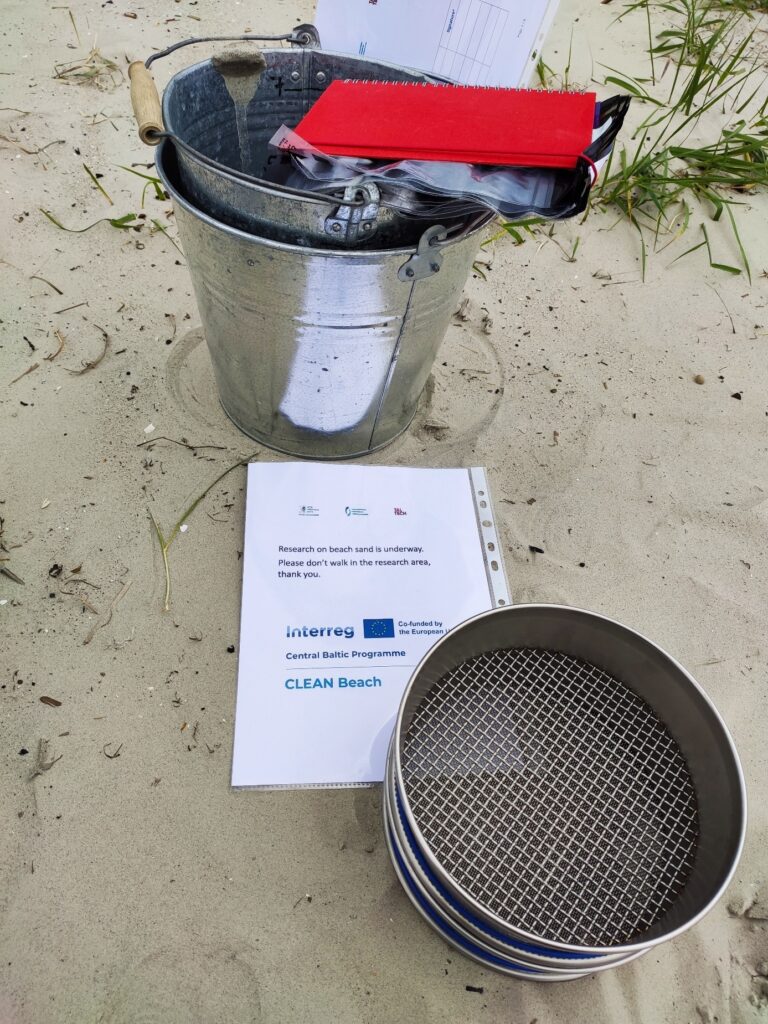
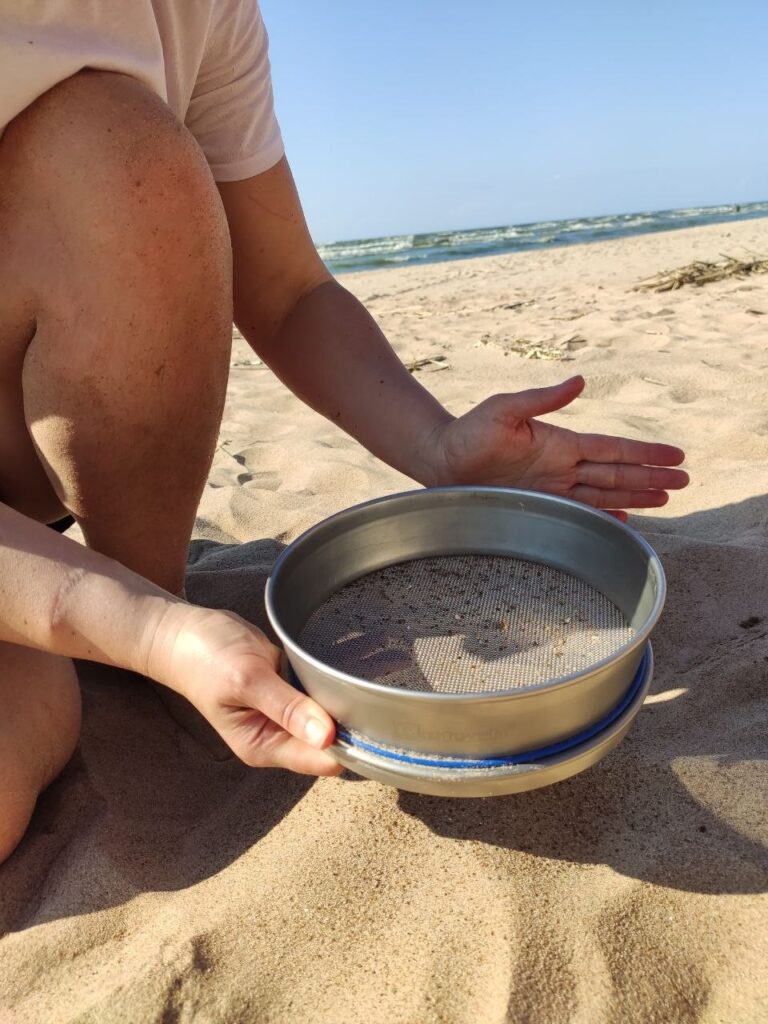
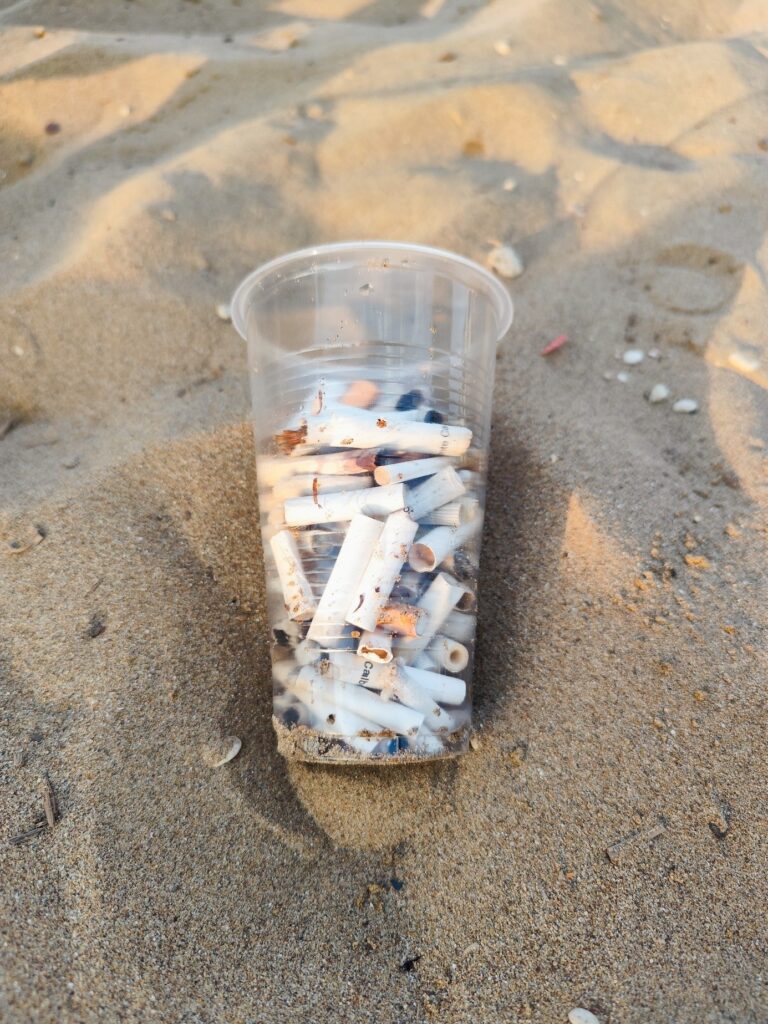
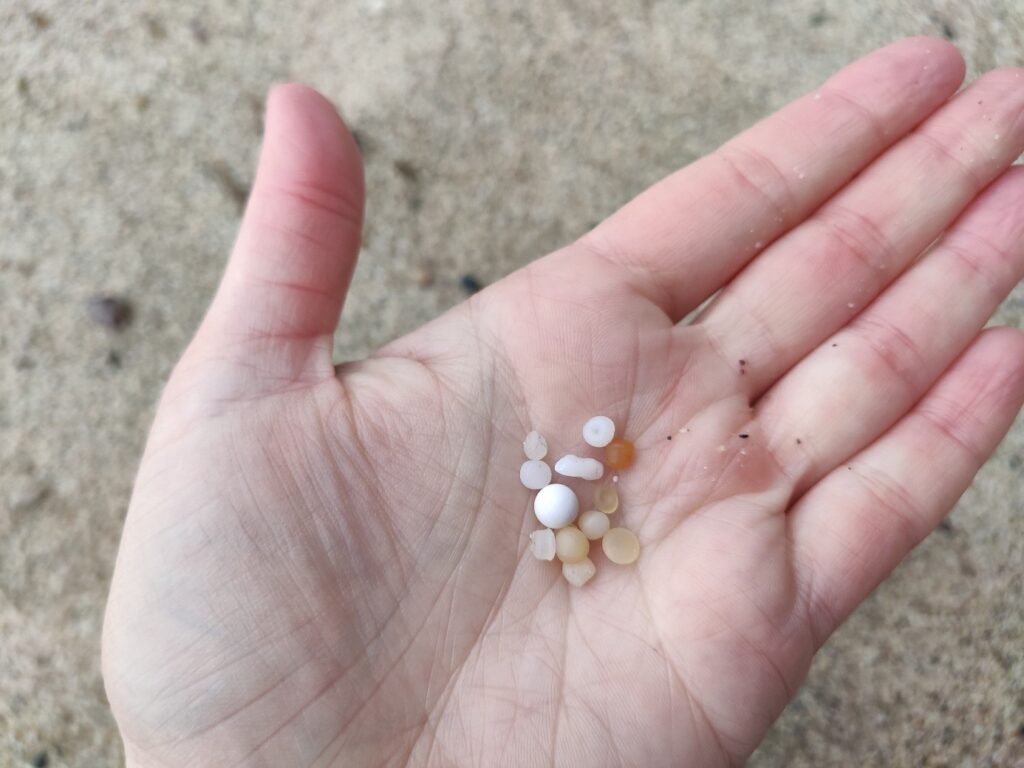
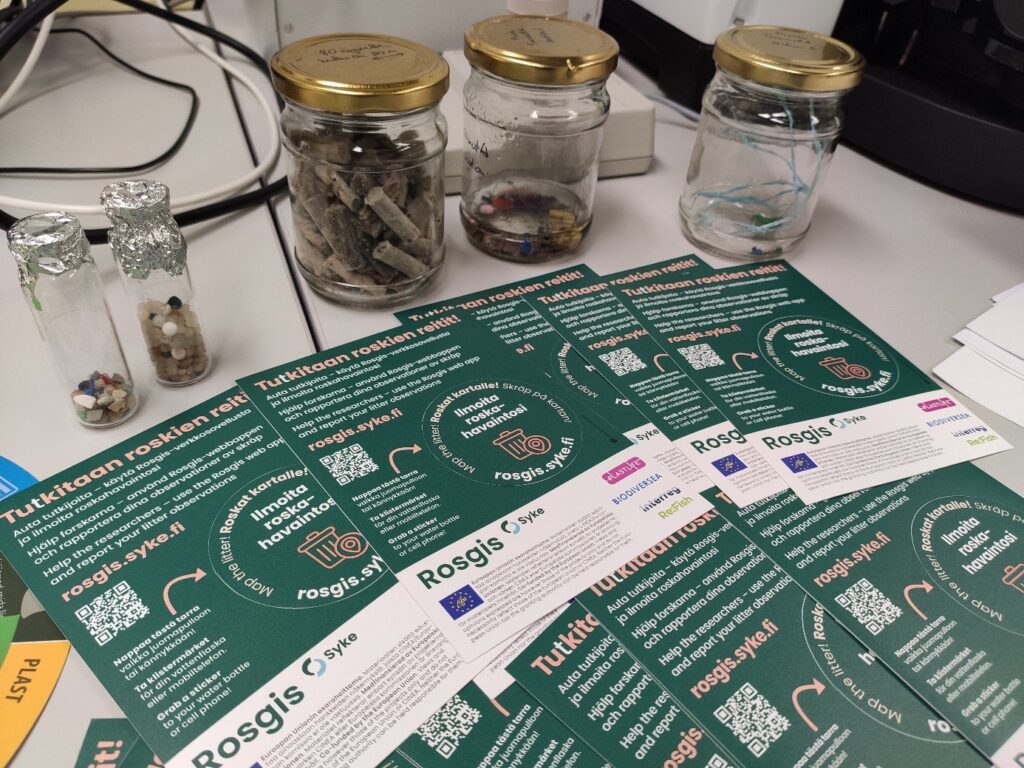
The practical approach is an important part of the CLEAN Beach project. Microplastic pollution is often difficult to notice with the naked eye, and taking part in sampling helps people understand that plastic pollution does not consist only of bottles, packaging and other clearly visible litter. Smaller plastic fragments can remain in beach sand and become part of the coastal environment.
The activities also help the project team evaluate how understandable and practical the sampling methods are for people who are not professional researchers. This experience is valuable for developing monitoring approaches that can potentially involve citizens, schools, environmental organizations and other interested groups.
What happens to a sample after it leaves the beach?
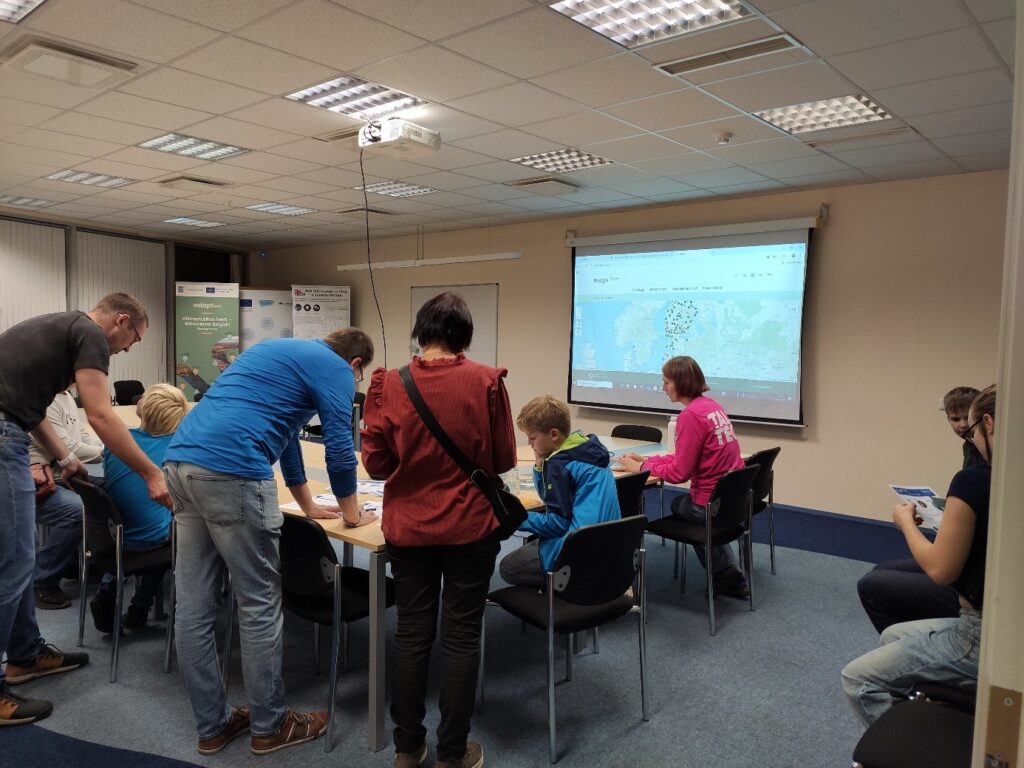
TalTech has also organized laboratory workshops and demonstrations where citizens, students and stakeholders could learn what happens to samples after collection. Participants had an opportunity to work with real beach material, separate potential microplastic particles and examine samples using microscopes.
These activities demonstrate that collecting a sample is only one part of microplastic monitoring. Samples must also be processed, suspected particles examined and, where necessary, further analyzed to determine whether they are actually plastic.
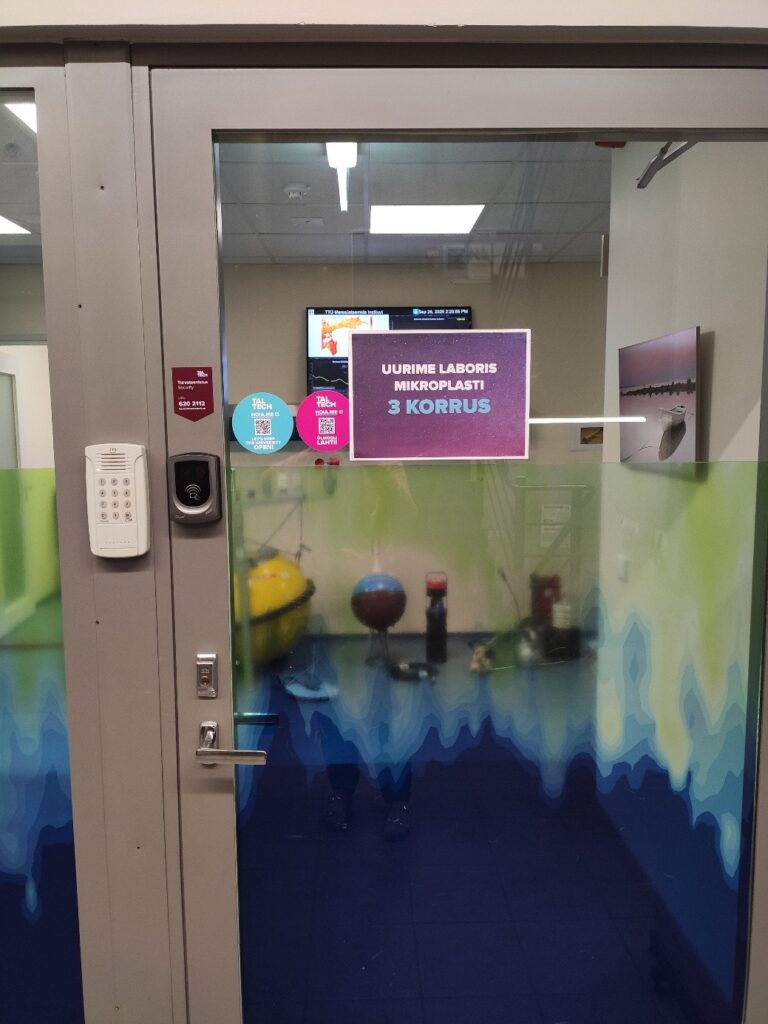
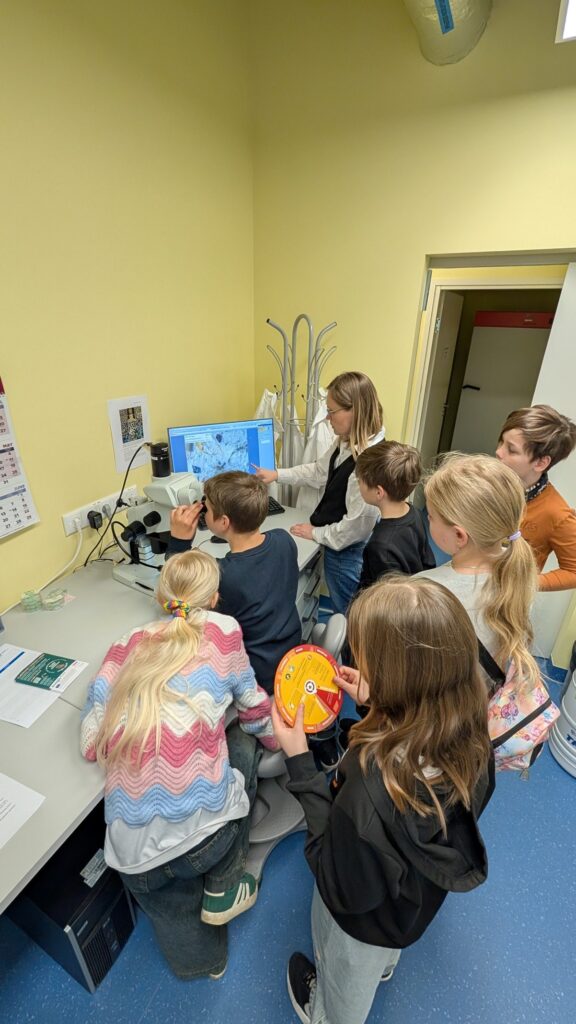
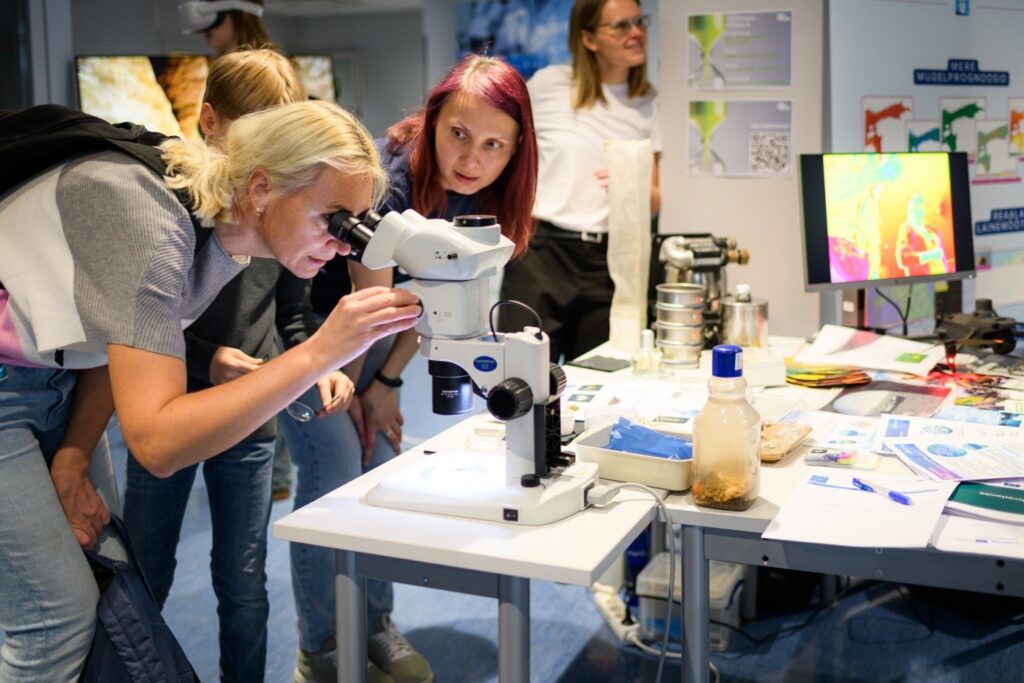
By allowing participants to experience both field sampling and laboratory work, the CLEAN Beach project aims to make microplastic research more understandable and transparent. Participants can see first-hand why reliable monitoring requires clear sampling instructions, suitable analytical methods and cooperation between scientists and the wider community.
The Estonian awareness-raising activities complement similar CLEAN Beach actions organized by project partners in Latvia and Finland. Together, these activities support the project’s broader objective of improving microplastic monitoring as a public service and increasing awareness of beach litter and microplastic pollution across the Central Baltic region.