From Baltic Sea to São Paulo: international exchange strengthens microplastics research
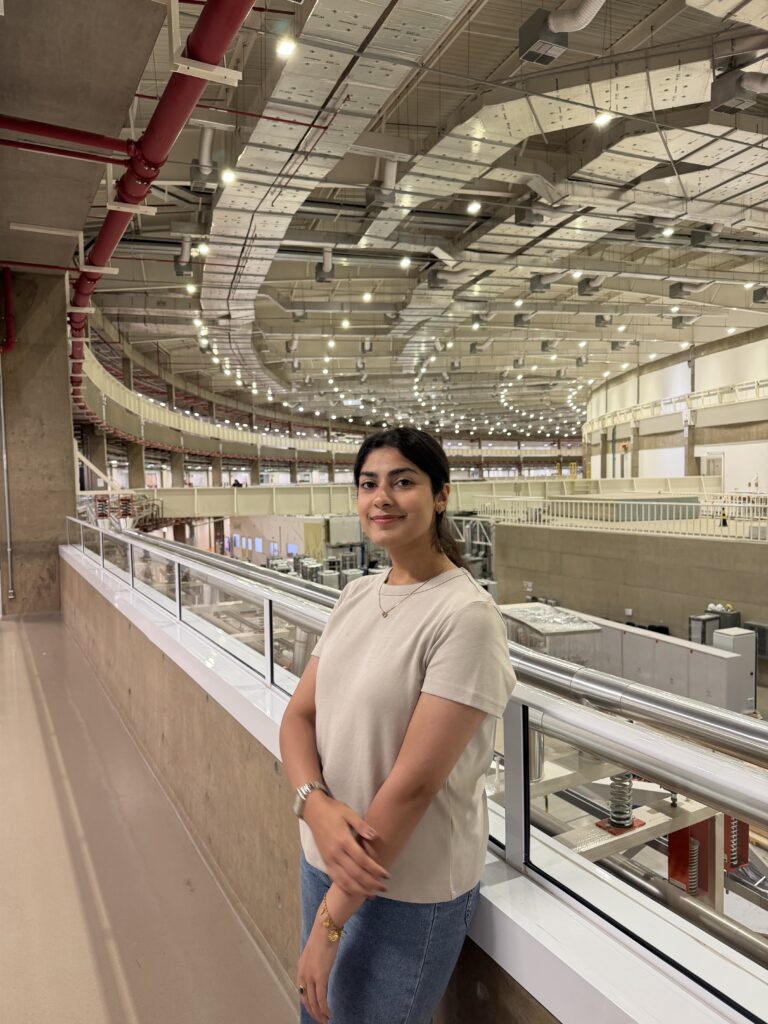
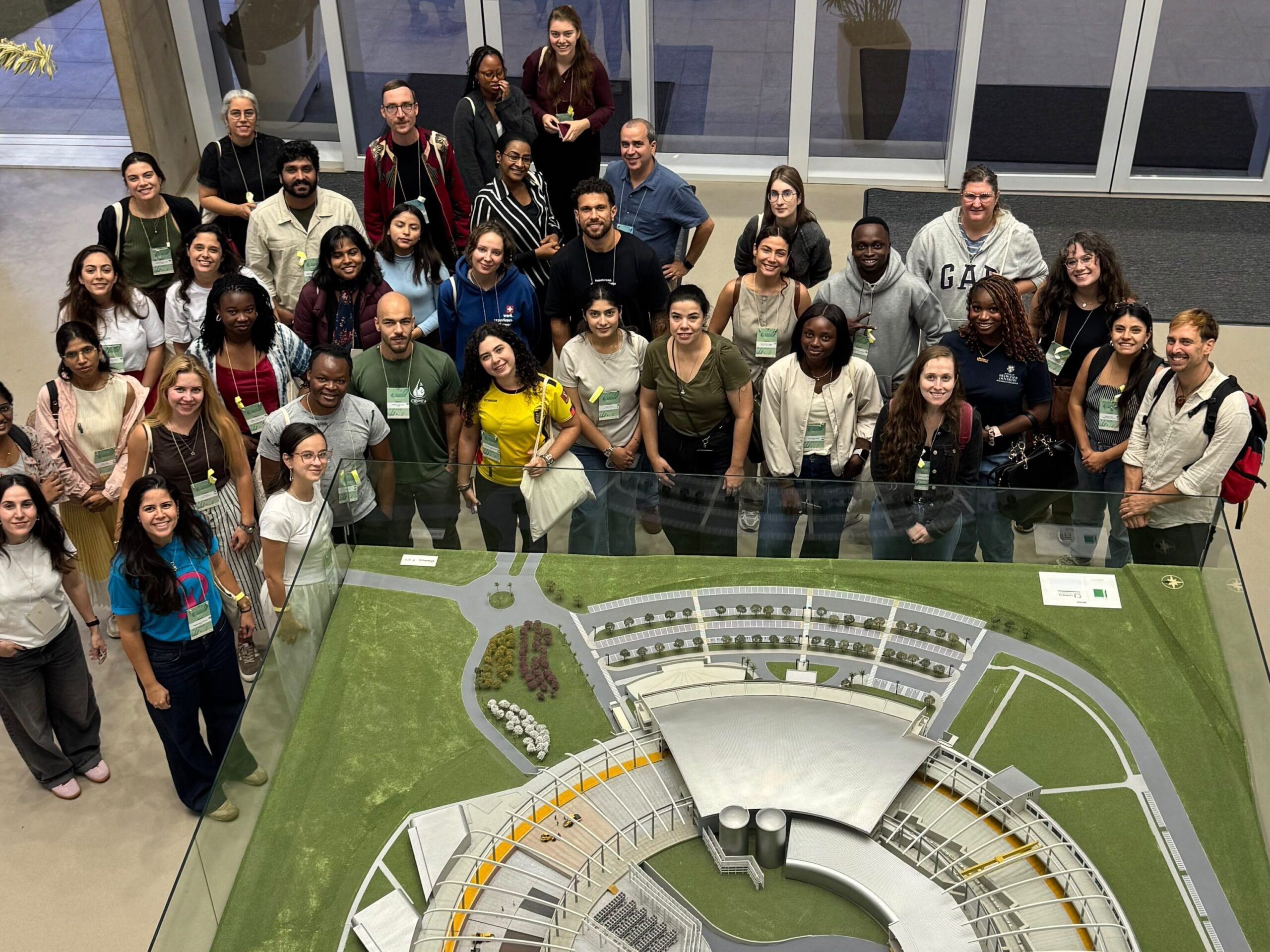
In September, Balt-Plast-Free researcher Aamna Naeem from LUT University travelled to Campinas, Brazil, to take part in the São Paulo School of Advanced Science on Microplastics. The international school brought together early-career researchers and established experts such as Richard Thompson, Martin Wagener, Amy L. Lusher, and others working on different aspects of micro- and nanoplastics, from environmental monitoring and analytical methods to human health, policy and regulation.
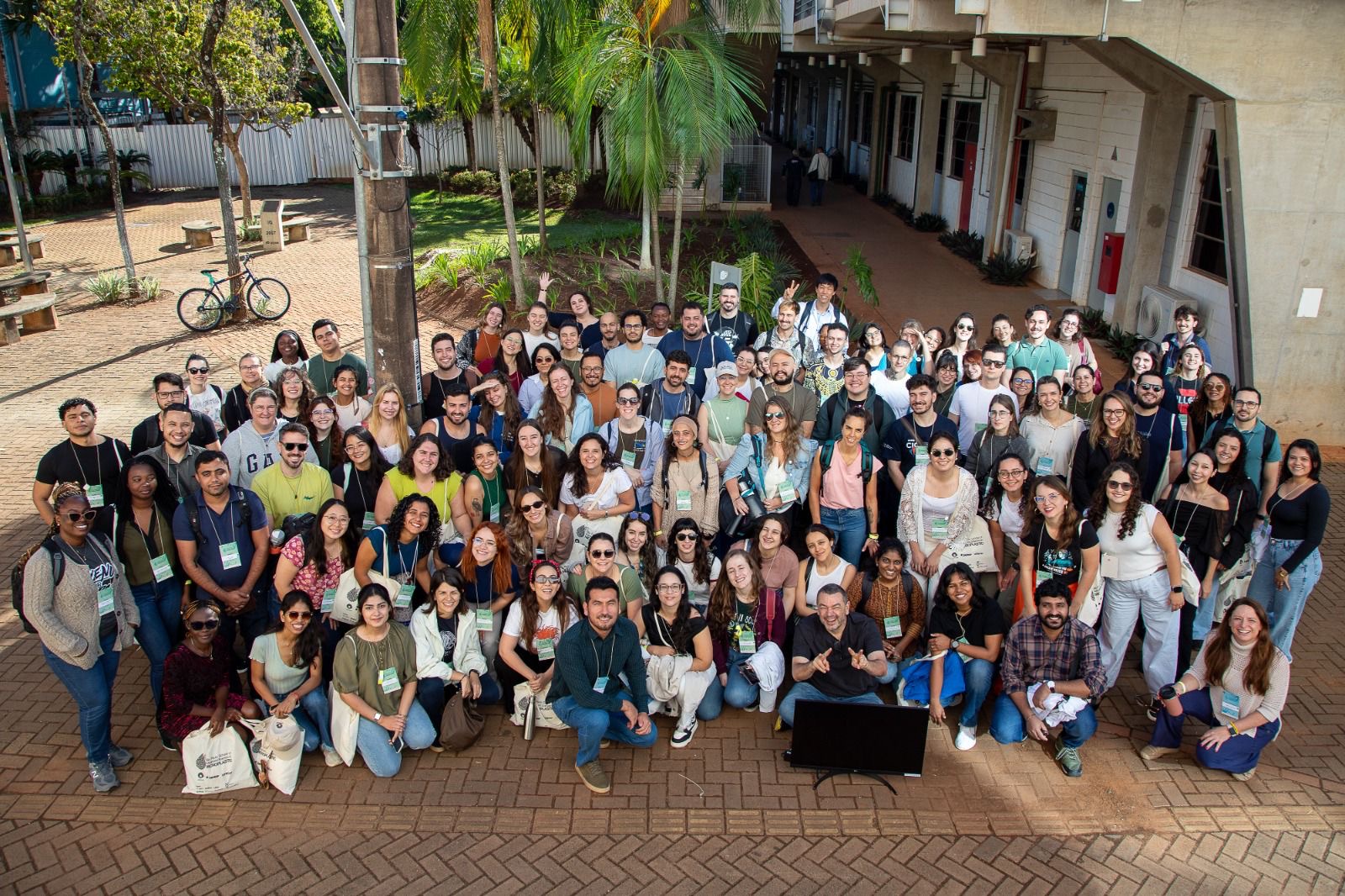
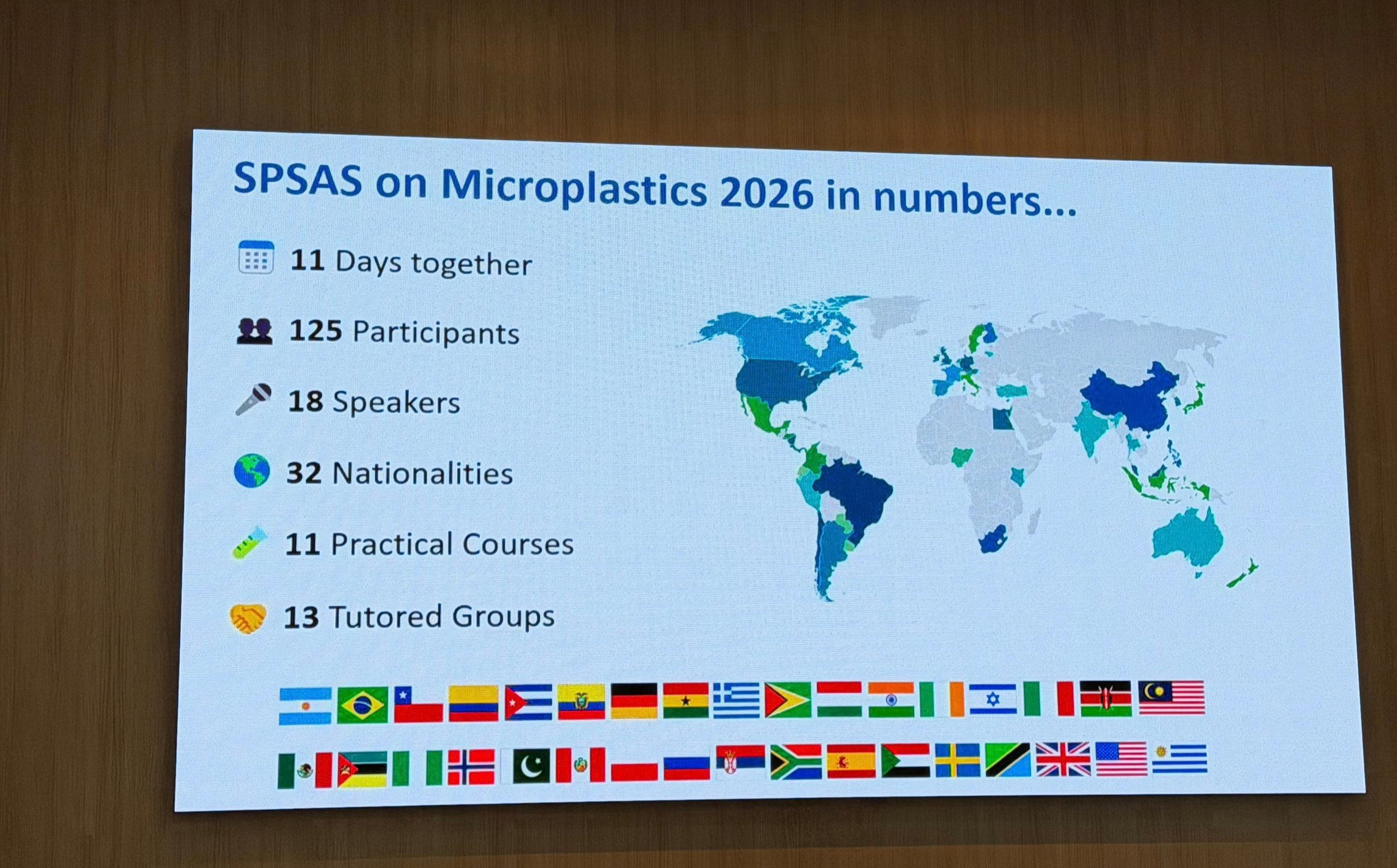
Getting there was already an achievement. The school received 1,103 applications and selected 125 participants, including 50 international participants from 32 countries. Aamna was the only participant from Finland and the only Pakistani woman. The two-week school offered an opportunity to bring the project’s work into an international research setting and bring new ideas and perspectives back to the Finnish-Estonian project team.
Different approaches to the same challenge
The programme covered a wide range of microplastics research. Participants encountered work on topics such as monitoring, protocol harmonisation, photodegradation, interactions between microplastics and marine organic matter, detection and chemical characterization of micro- and nanoplastics, eco-toxicology, AI and real-world microplastics, as well as research into microplastics in human tissues.
This diversity was particularly relevant to Balt-Plast-Free. One of the project’s central tasks is to develop harmonised approaches for sampling, pretreatment, detection and characterisation of microplastics in wastewater treatment plants in Finland and Estonia. Discussions with other researchers therefore provided useful outside perspectives on the project’s work.
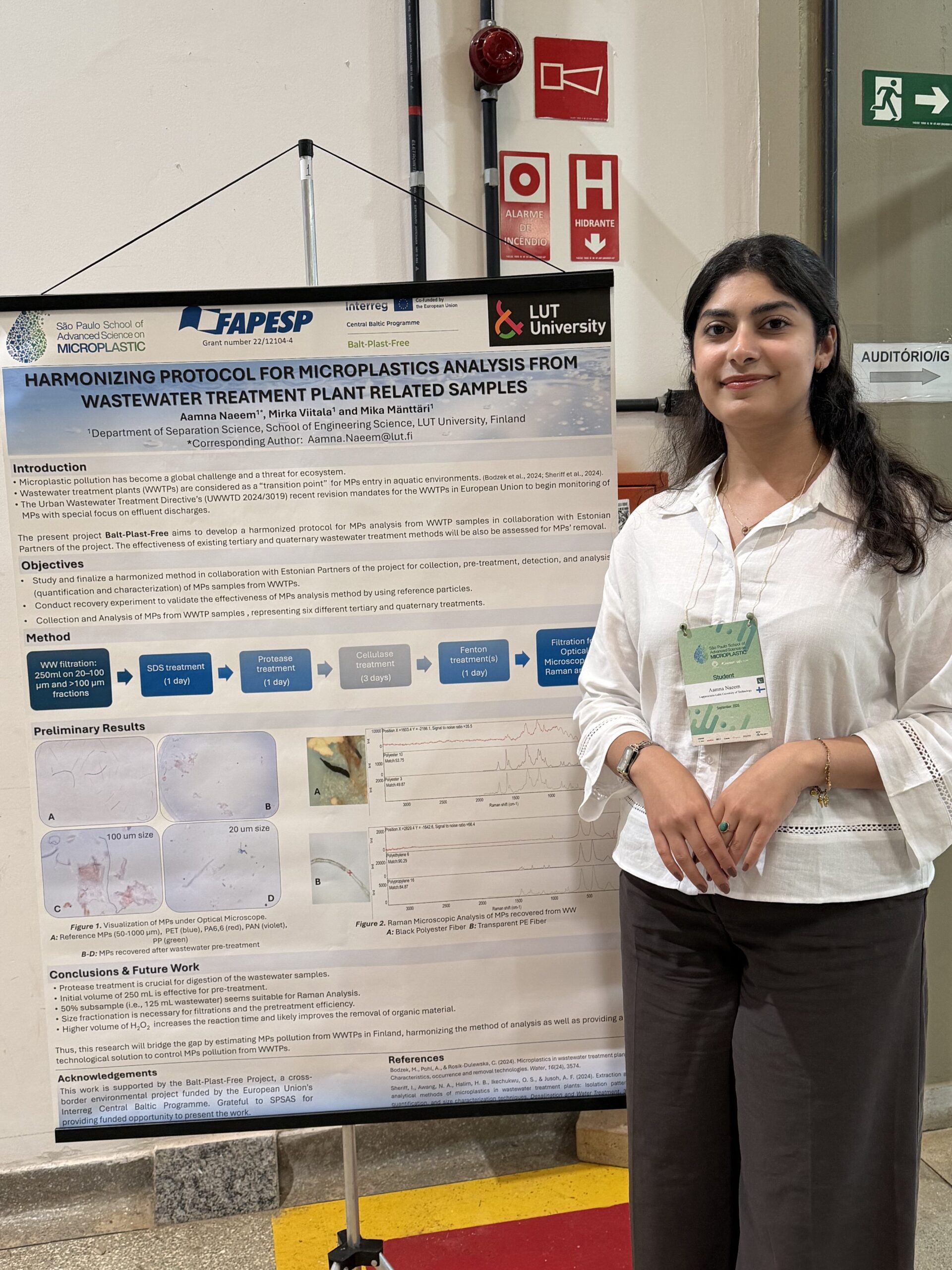
“People were very interested in what we mean by harmonising methods in Balt-Plast-Free. The discussions made me think about what a harmonised method needs to achieve in practice and what kinds of approaches can work across different wastewater treatment plants and laboratories. Getting questions and feedback from researchers working with microplastics in very different ways gave me new perspectives to bring back to our researchers and project team.”
The experience also showed how broad the international microplastics research community has become.
“Before the school, I didn’t realise how much collaborative microplastics research is taking place internationally. Seeing how others approach similar questions, discussing our own work and getting feedback was very useful. There are many ideas we can reflect on in Balt-Plast-Free, especially in our work on protocol harmonisation.”
From environmental problems to systems thinking
The school was not limited to lectures. Participants worked together in smaller groups and explored new ways of approaching environmental challenges. Aamna’s group worked with the DPSIR framework (Drivers, Pressures, State, Impact and Response), using single-use plastic bottles as a starting point. The exercise looked at how different factors behind an environmental problem can be mapped and connected.
She also attended short lab courses and trainings on various research topics such as Machine learning assisted Raman spectroscopy of microplastics, Qualitative assessment of microplastics using Py-GC-TOFMS, Micro-FTIR analysis of microplastics and many more. This research being conducted in the world of microplastics, opened new horizons for Balt-Plast-Free, to utilize the advanced tools and equipments, and incorporate the knowledge from around the world into the practical research being done under this project.
Another important theme of the two weeks was the connection between science and decision-making. Discussions explored how researchers can make scientific knowledge more accessible to policymakers, including through concise research summaries and other forms of science communication.
An unexpected research opportunity at CNPEM
One of Aamna’s discoveries during the visit was the Brazilian Center for Research in Energy and Materials (CNPEM) and the possibilities it offers to researchers.
CNPEM operates advanced research infrastructure in Campinas and makes many of its high-technology facilities available to external academic researchers. Researchers can submit proposals to use specialised facilities and equipment, with access organised through regular application cycles. For Aamna, discovering that researchers from outside Brazil can apply to carry out experiments in such an advanced research environment was an unexpected and exciting part of the trip.
The visit opened up a new possibility to keep in mind as Balt-Plast-Free develops its research and international networks: specialised infrastructure and expertise elsewhere in the world may provide opportunities for future experiments, methodological development or research cooperation.