
SOSREW Kick Off – May 2026
LAB organised and hosted the two-day SOSREW kick-off event, Collaborative Onboarding, on 26–27 May 2026 in Lahti, Finland. The event brought together project partners and stakeholders to establish a shared understanding of the project’s objectives, partner responsibilities and long-term ambitions, while creating a foundation for cross-border cooperation and circular service model development.
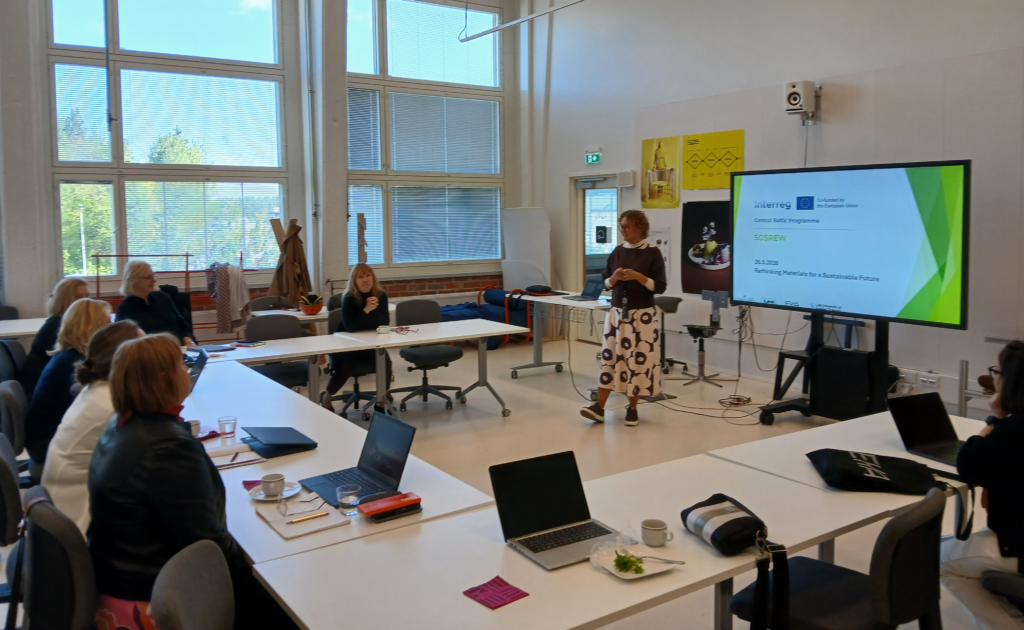
The programme began with introductions to the partner organisations and their complementary expertise in design, wool production, material innovation, oil spill response, logistics and circular economy. LAB presented the overall project objectives and the design-led approach to developing two circular service models for waste wool and recycled wool textiles. The inspiration seminar, “Rethinking Materials for a Sustainable Future”, provided perspectives from European wool value chains and practical examples of sustainable material development.
Johan Sidenmark from Axfoundation introduced the Swedish Wool Initiative as an example of cross-sector collaboration and system innovation. His presentation highlighted the importance of connecting actors across farming, industry, research and design to strengthen wool value chains and create new opportunities for industrial utilisation of wool. These experiences provided a relevant reference for SOSREW’s ambition to develop collaborative, circular service chains.
Satu Kumpulainen from Isokummun Kehräämö examined the future of wool within the European circular bioeconomy. Her presentation addressed wool as an undervalued renewable resource, its potential in new industrial applications and the economic and structural challenges facing the sector. Particular attention was given to fragmented markets, insufficient collection and processing infrastructure, and the need for stronger cooperation across the wool value chain. She also introduced the work of the EU CAP Network Focus Group on revitalising European wool value chains, including initiatives related to wool collection, sorting, processing, education and innovative applications.
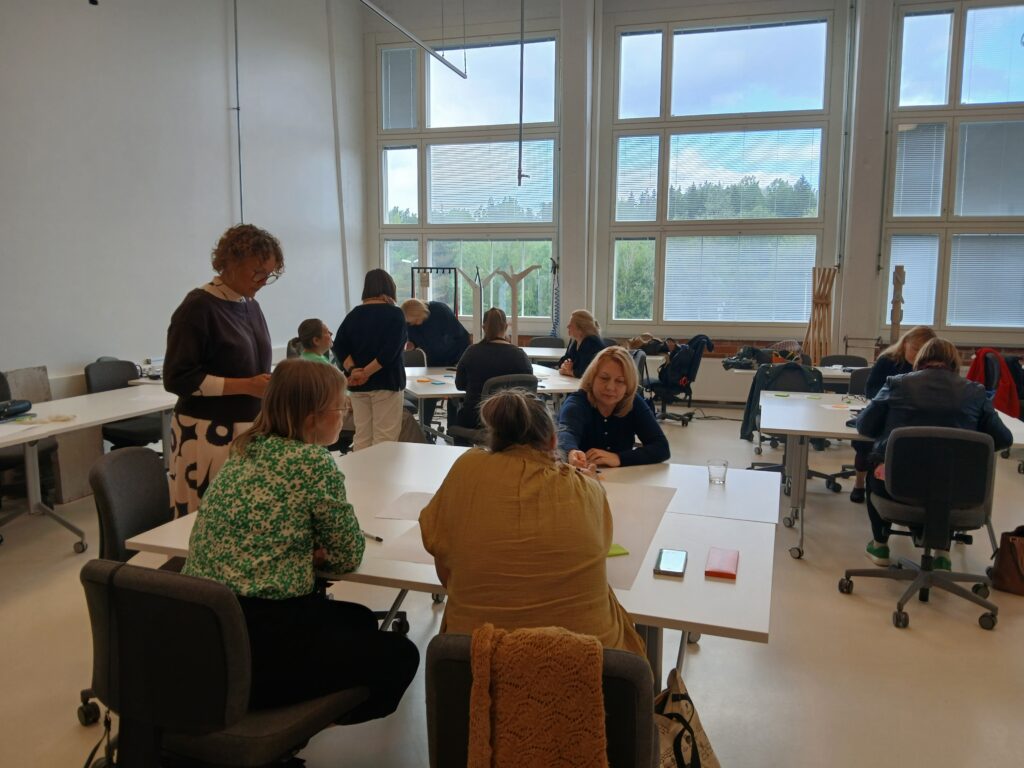
Two participatory workshops, planned and facilitated by LAB, complemented the presentations. The first workshop focused on stakeholder and ecosystem mapping for the emerging circular service chains. Participants explored the current operating environment, relevant actors and their roles, and opportunities for connecting wool resources, processing activities, product development and potential end users. The discussions also considered opportunities for replacing plastic-based oil spill response products with wool-based alternatives.
The second workshop focused on developing a shared vision of the project’s future impact. Participants reflected on the current situation and explored what changes could be achieved during the project and what should remain after its completion. The discussions considered desired developments within individual organisations, joint project activities, wool value chains and cross-border cooperation. The workshop encouraged participants to look beyond immediate project outputs and consider the longer-term systemic changes needed to support sustainable wool utilisation.
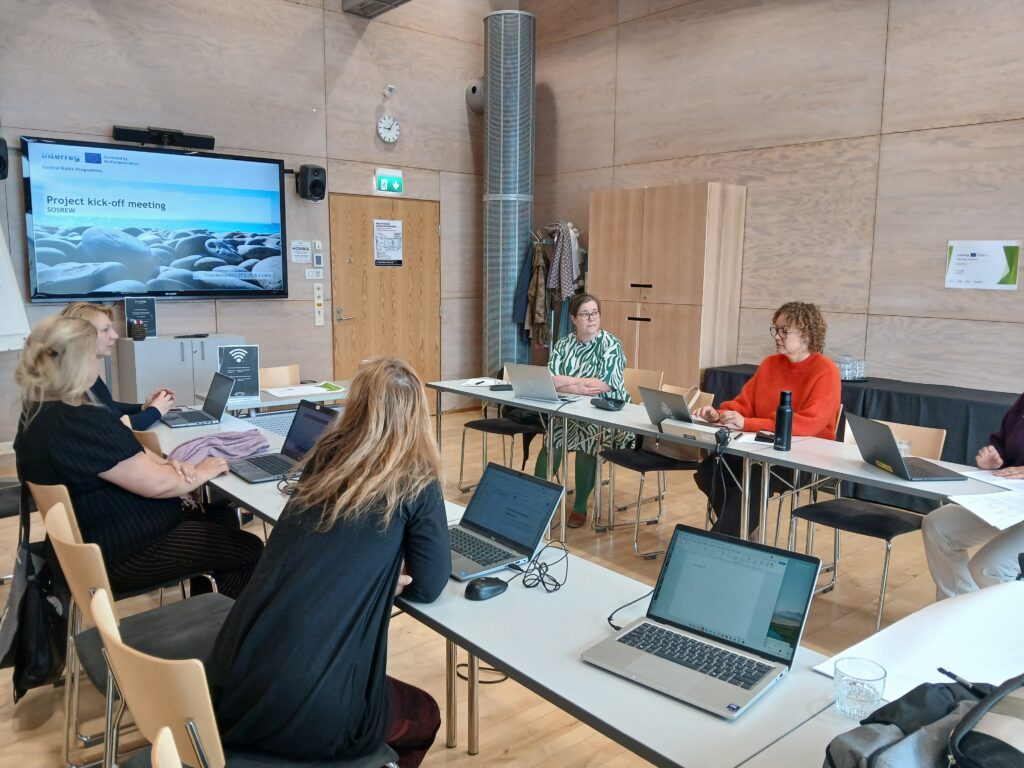
The event also included guidance from the Interreg Central Baltic Programme on project implementation, followed by discussions on responsibilities, timelines, communication and collaboration practices. Together, the presentations, workshops and partner discussions established a common foundation for the project’s subsequent activities and the development of sustainable, practically applicable circular service models.