
REISFER study explores passenger views on emission reduction in island ferry transport in the Central Baltic Region
While research on ferry decarbonisation has largely focused on technology, operations and economics, the views of passengers as end-users have received much less attention. Yet, public acceptance is a key factor in the successful implementation of emission reduction measures.
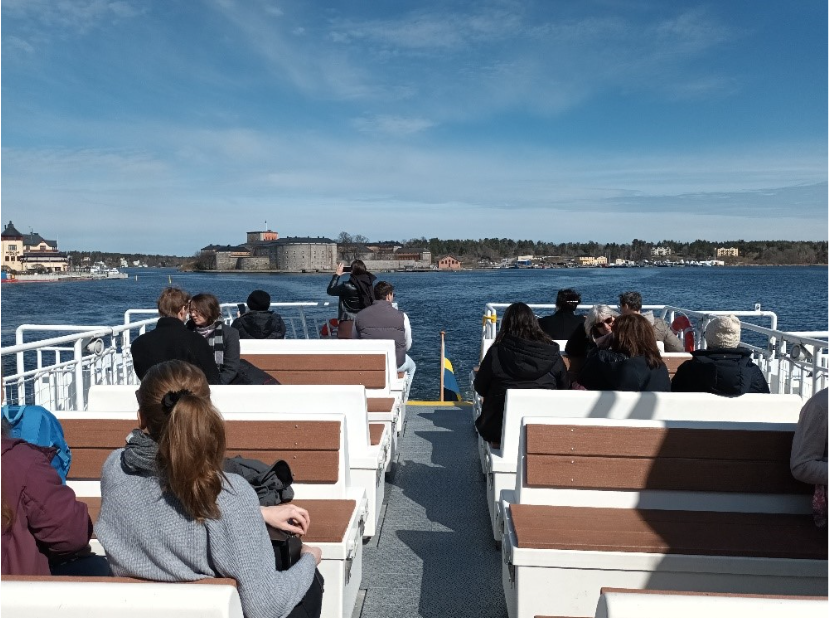
To help address this knowledge gap, the REISFER project conducted a survey among island ferry passengers in Estonia, Finland and Sweden to explore how travellers view emission reduction in island ferry transport and its potential impacts on their journeys.
The study collected responses from 202 passengers through surveys distributed onboard ferries and online. Although the sample size remained relatively small and the findings should be interpreted as indicative, the results provide valuable insights into passenger views on ferry decarbonisation and identify areas for future research.
One of the most notable findings is the broad willingness among respondents to accept longer travel times in exchange for lower ferry emissions. This is particularly noteworthy, as even modest reductions in vessel speed can significantly reduce energy consumption and greenhouse gas emissions.
In contrast, reducing departure frequency received very little support. Frequent services were constantly seen as one of the most important aspects of ferry transport, especially for residents, commuters and other regular users who depend on reliable connections in their daily lives.
The results also revealed differences between passenger groups. Tourists and occasional users generally showed greater flexibility towards operational changes, while permanent and seasonal residents and people travelling to archipelago for work places greater emphasis on maintaining or improving current service levels.
Overall, the findings suggest that passengers support the transition towards low-emission island ferry transport, provided that accessibility, reliability and affordability are maintained. The study highlights the importance of incorporating passengers perspectives into ferry planning and policymaking to ensure that emission-reduction measures are both environmentally effective and socially acceptable.
The REISFER project sincerely thanks all survey participants who participated in the study!
To know more about the differences between the countries, read the full report or the Key Findings!