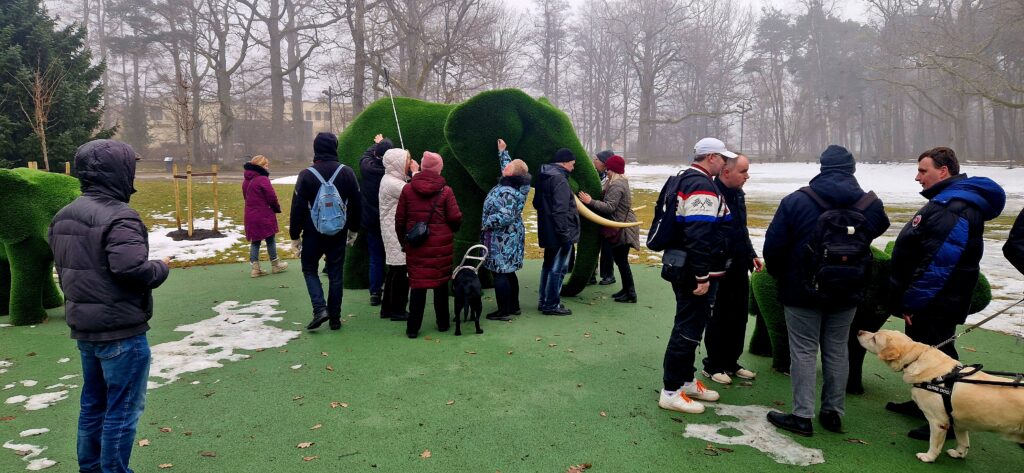
Digital Skills and 3D Training Session in Pärnu
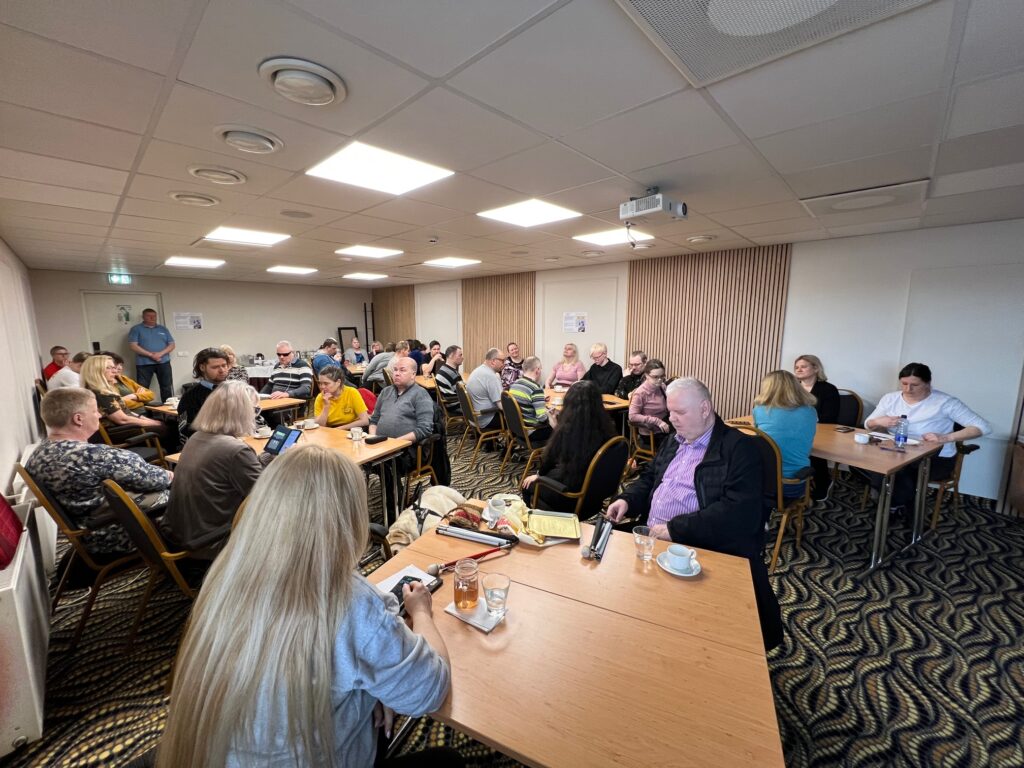
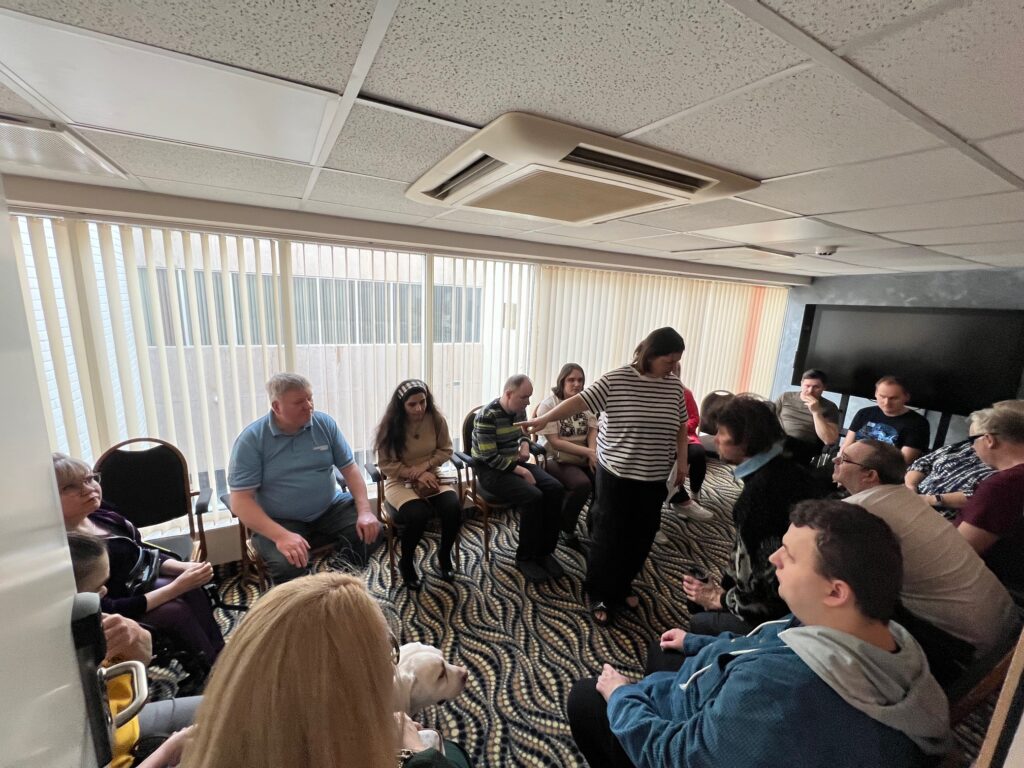
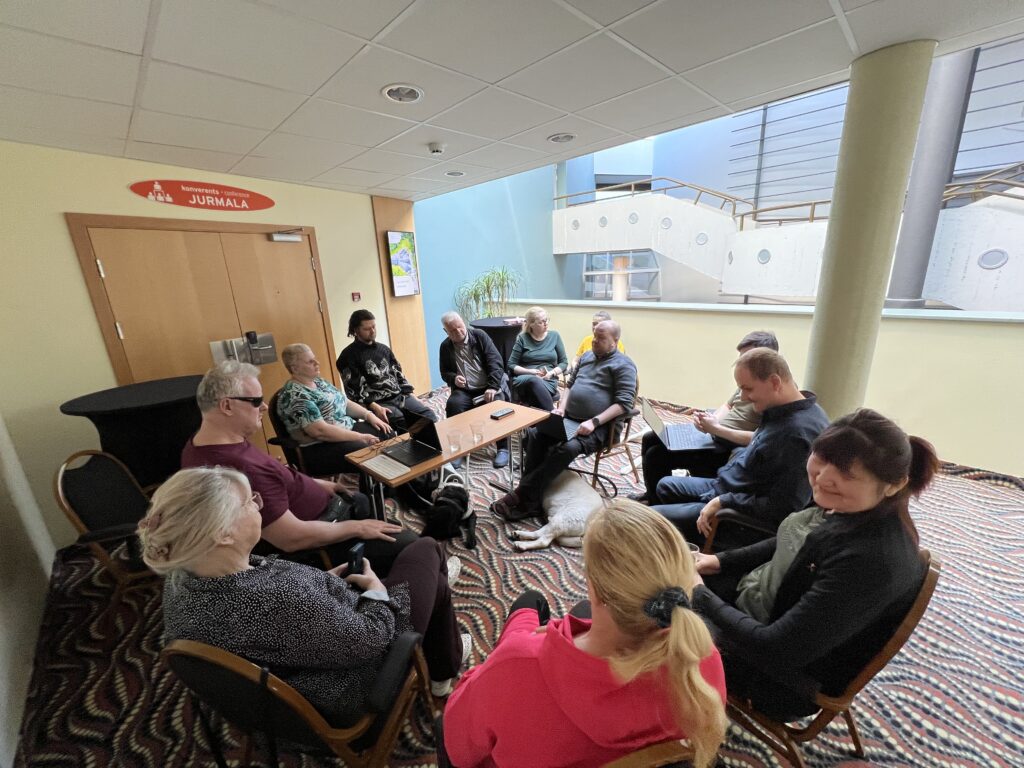
More than 25 visually impaired learners from Estonia and Latvia gathered in Pärnu as part of the Ancient and Innovative project to develop new digital skills that support their employment opportunities, creativity and independence. While most of the training takes place online in participants’ native languages, the joint learning week in Pärnu enabled them to apply what they had learned, solve practical tasks together and practice collaboration across languages.
Group assignments offered plenty of space for creativity and experimentation with new digital tools. According to Silver Pulk from the Pärnu Blind Association, courses such as programming can follow the same curriculum as mainstream trainings, but require adjustments in scheduling and teaching methods so participants have time to use screen readers and share essential keyboard shortcuts.
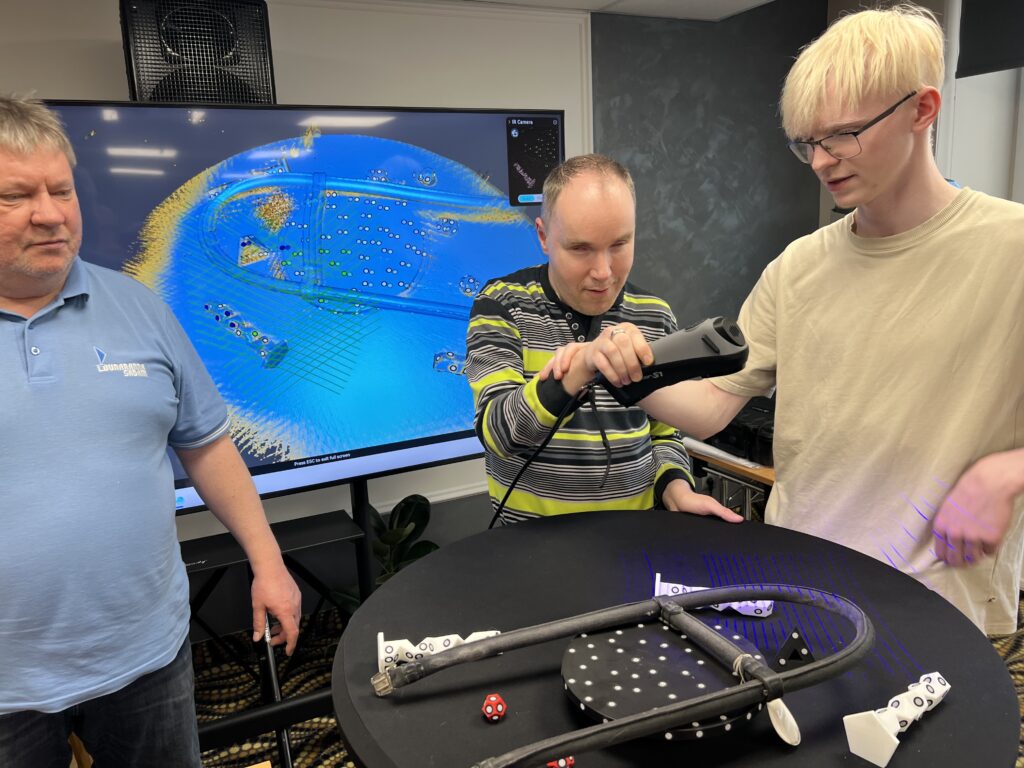
AI and 3D printing, increasingly relevant in recent years, have become valuable everyday tools for visually impaired people. AI assists with translation, idea development and situations where sighted people typically rely on visual cues. In Pärnu, participants created playful objects with 3D printers, but the technology has many practical uses—from tactile maps to scaled models—helping visually impaired people navigate and understand their surroundings more independently.
The training also highlighted the importance of accessible environments. Volunteer Katrin noted how much planning goes into ensuring building accessibility and accommodating guide dogs. Turkish accessibility expert Sevda Bozbey Yilmas encouraged participants with her story of perseverance, reminding them that obstacles often become the very reason to learn and find new ways forward.
The project demonstrates that digital tools are not just buzzwords but essential supports for independence and professional growth. Collaboration between Estonia and Latvia allows organizations to exchange experiences—both successes and difficulties—and strengthens accessibility across the region. As project lead Eero Kiipli noted, even though labour markets differ, many needs are shared in an increasingly global world.
Autor: Liisa Liivamets, Eesti riiklik kontaktpunkt