BaLiSEdu Project Kicks Off in Helsinki, Finland
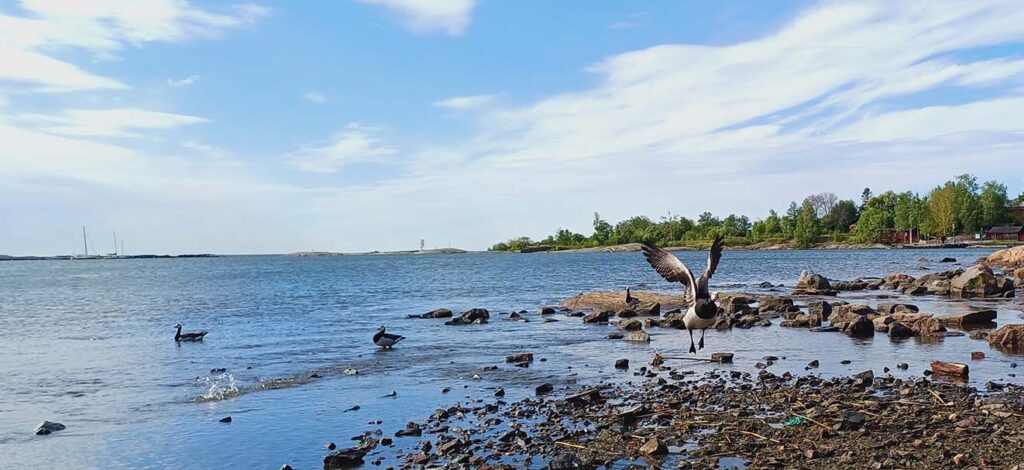
Project partners from Finland, Estonia and Latvia met in Helsinki, Finland, on 27–28 May 2026 to launch the Interreg Central Baltic project BaLiSEdu – Towards Baltic Sea Literacy via Science-Education Interaction. The hybrid kick-off meeting brought together participants both on site and online. During the two-day meeting, the consortium laid the foundation for developing new educational tools that will help Nature Education Centres bring the Baltic Sea closer to learners of all ages.
Building a Common Vision
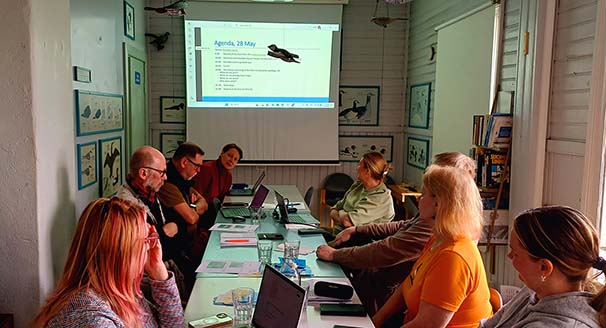
The first day of the meeting took place in mainland Helsinki. Partners introduced their organisations, reviewed the project’s objectives and became familiar with the Interreg Central Baltic Programme and project reporting requirements. Despite the rainy weather outside, the atmosphere indoors was enthusiastic as partners discussed the work plan and the activities planned for the coming years.
The afternoon workshop focused on preparing a survey for Environmental and Nature Education Centres. The survey will help identify their needs for marine literacy materials and gather examples of existing educational resources and successful practices that can support the development of the Marine Educational Package (MEP).
Inspiration from Harakka Island
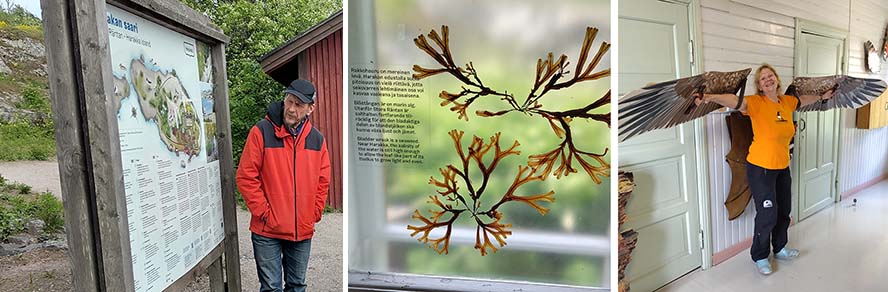
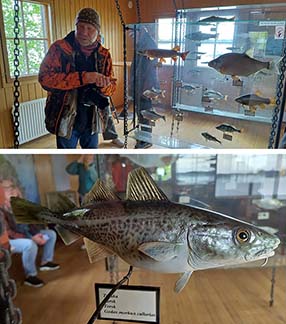
The second day took participants to Harakka Nature Centre, a unique environmental education site on the island just off the coast of Helsinki. In contrast to the previous day’s rain, participants enjoyed warm sunshine while exploring the island’s nature and learning about its educational activities. Following a guided tour, partners worked together in an interactive workshop to plan the future Marine Educational Package. They discussed what educational materials already exist, what new resources are needed, how scientific knowledge can best be transformed into practical learning experiences, and how responsibilities will be shared among the partners.
Looking Ahead
The kick-off meeting established a strong foundation for the project and strengthened cooperation between environmental educators and marine researchers across the three participating countries. In the coming months, the partnership will conduct surveys, gather user needs and begin developing the first testing version of the MEP.