BaltCOP parnters gather in Sweden: sharing lessons from the field
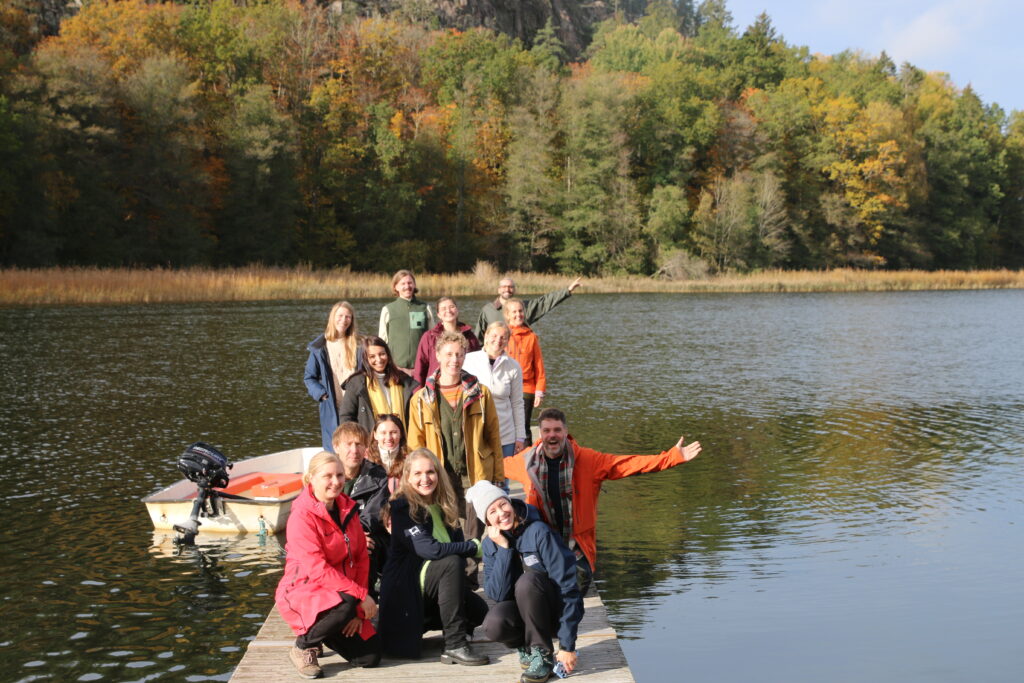
Earlier this month BaltCOP partners gathered in Stockholm, Sweden to share project updates and ideate on next steps for continued collaboration on the Catchment Officer Approach.
A Guidebook for the Wetlands of the Future
One of the workshop’s key focus areas was launching the Catchment Officer Guidebook – a handbook intended to become a practical support tool for building wetlands, intended to be used by catchment officers, landowners and decision-makers throughout the region. During session, participants discussed how to make the guide even more user-friendly, with clear guidance on everything from permit processes to motivating landowners to engage in restoration projects.
“The guide is more than just a manual – it is a tool for scaling up wetland restoration across the Baltic Sea region,” said John Lund, Water Strategist at Nyköpingsåarnas Vattenvårdsförbund. “By sharing experiences from different countries, we can avoid mistakes and achieve results faster.”
Lessons from the field
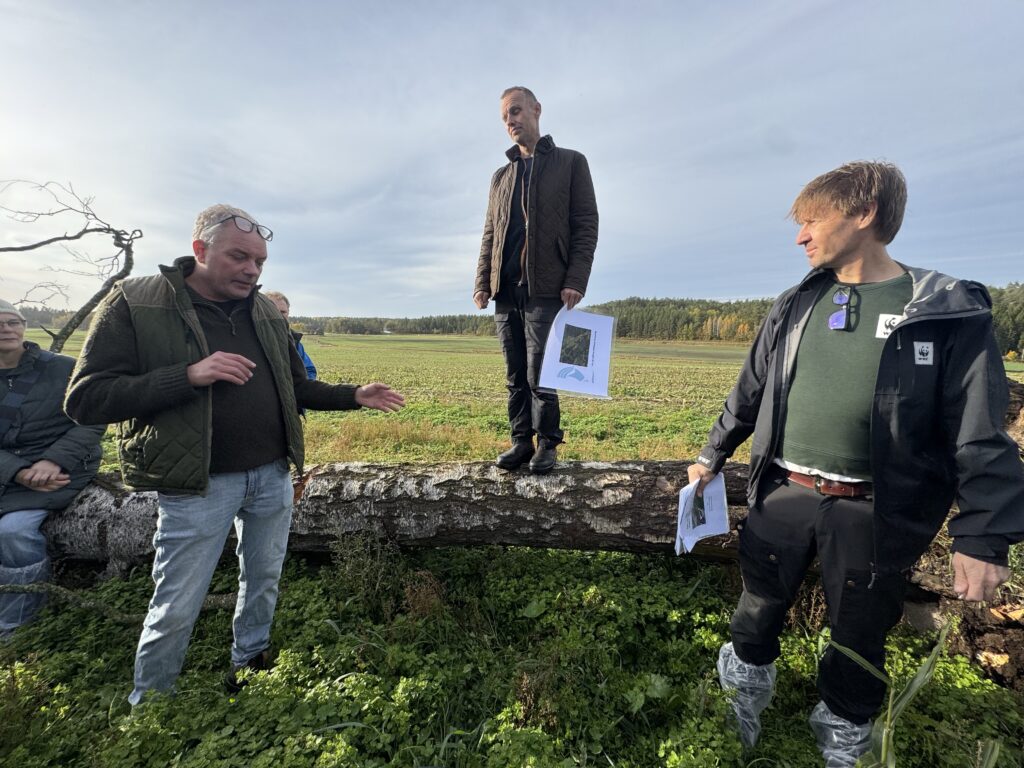
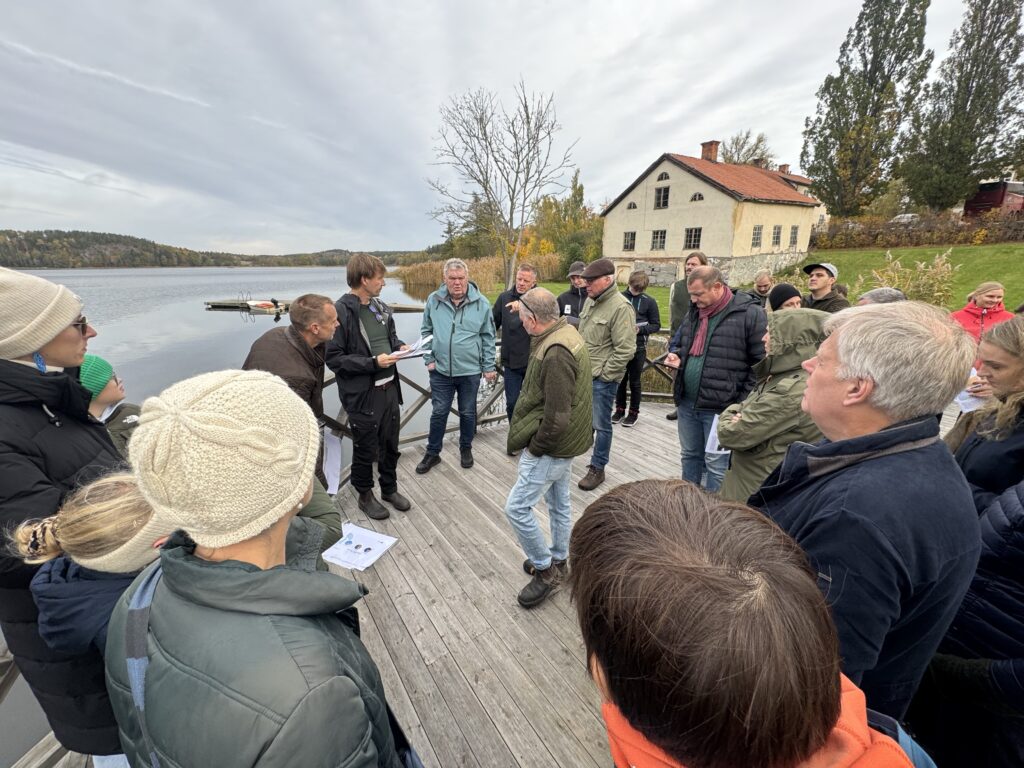
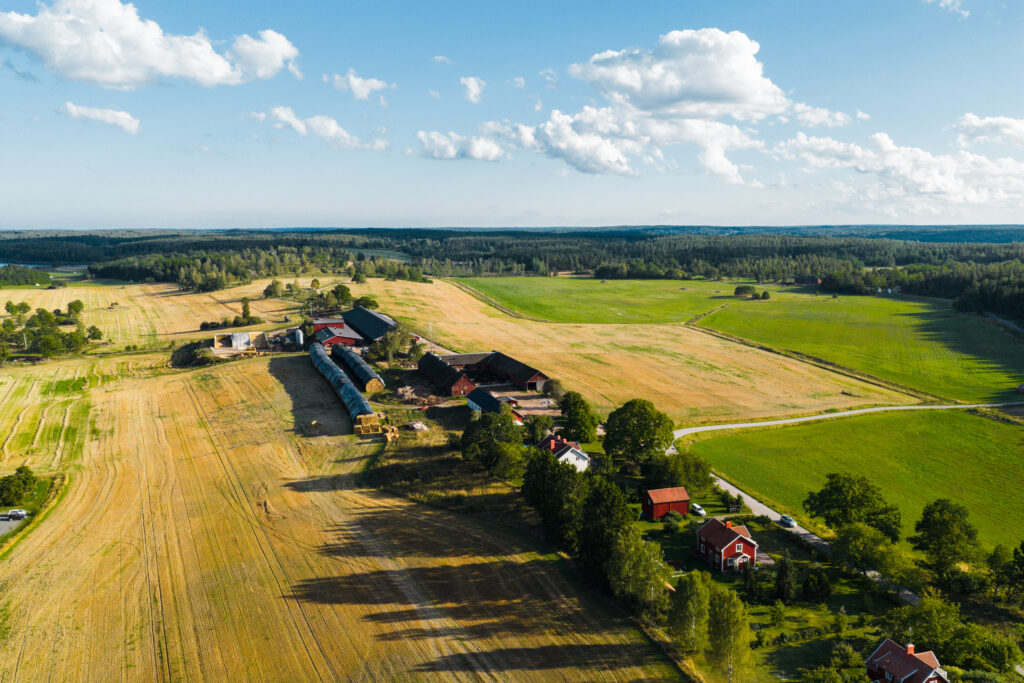
Partners had a chance to the farms of the national (Sweden) and regional winners of the 2025 Baltic Sea Farmer Award, Mathias, Henrik, and Gabriel Jonsson. The Jonsson brothers, who own and operate the Ogestad Estate and Hyllela Farm near Västervik, have a well-established relationship with a municipal ‘catchment officer’ and have invested in exploring different measures for keeping water in the landscape to reduce nutrient loading into the local bay. They are shared their experience cooperating with their local agricultural high school, which is responsible for training the next generation of farmers. The gathering cumulated in Jönköping with the participants engaging at Elmia Agriculture, Sweden’s leading national trade fair for farming.
Building connections and looking to the future
The workshop also provided an opportunity to strengthen ties between BaltCOP partners and share lessons learned from the restoration work. Discussions also explored how the BaltCOP model of catchment officers can be further strengthened. By building trust and long-term relationships with landowners and authorities, the project can scale up its efforts – something that is essential to achieving the goal of a healthier Baltic Sea. One session at the workshop was dedicated to exploring future fundraising opportunities for future collaboration after the project end in 2027.
“Field visits and bringing partners together in workshops are essential because they turn abstract plans into shared understanding. Seeing challenges firsthand and collaborating face-to-face builds trust, sparks innovation, and ensures our solutions are grounded in reality—not just theory,” Mats Johansson, Project Manager for BaltCOP, WWF Baltic Sea Programme.