
Myths and facts about microplastic pollution
What are common misconceptions about plastic litter and microplastic pollution? Let’s look at some myths and facts:
Myth: Microplastics only originate from littering
Fact: Litter is only one of the sources. Significant amounts of microplastics come from car tires, synthetic textiles, various types of paints and other materials
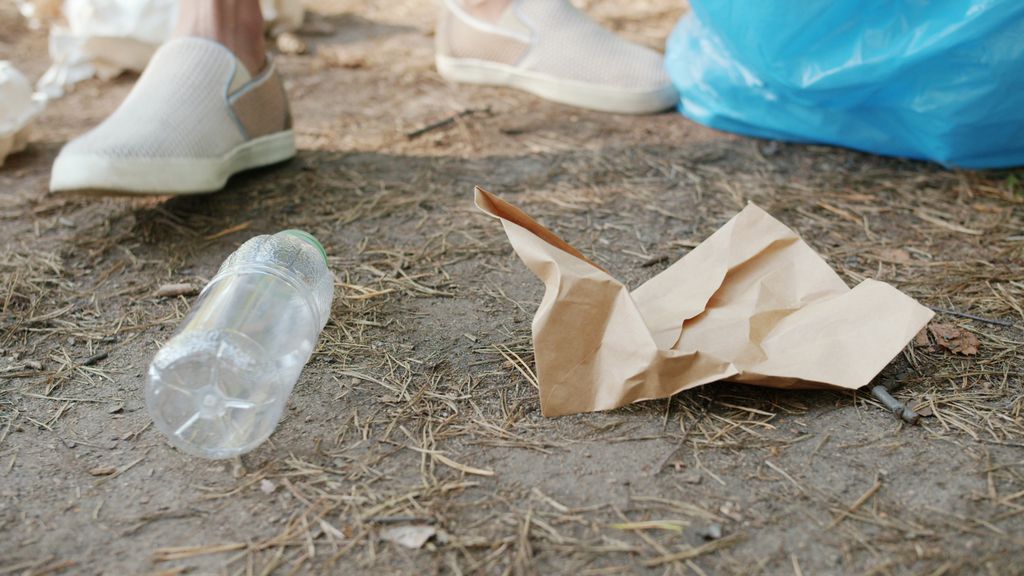
Myth: Recycling will solve the microplastics problem
Fact: Recycling reduces waste volumes, but it does not prevent plastics from fragmenting due to UV exposure, mechanical stress and environmental wear

Myth: Microplastics are only a marine issue
Fact: Microplastics are found across terrestrial, freshwater and atmospheric systems, including soils, rivers, air, food and indoor environments. Coastal zones are observation points for a broader environmental challenge
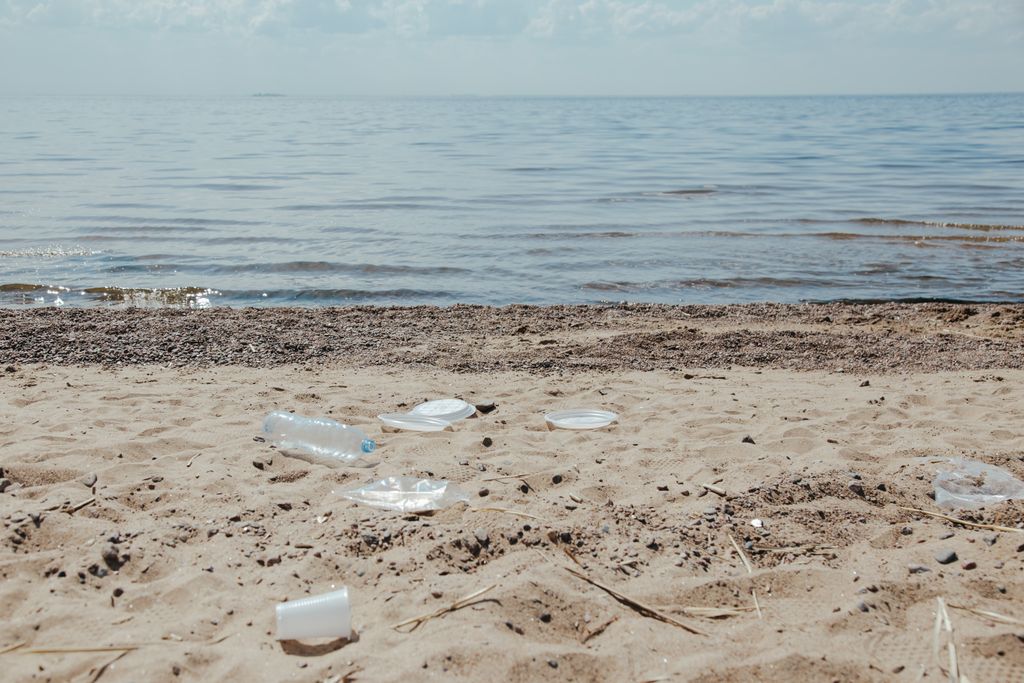
Additional fact: Prevention is more effective than clean-up measures! Once plastics degrade into microplastics, removal becomes technically and economically unfeasible. Source prevention and systemic change remain the most effective strategies.
Through CLEAN Beach project we combine field sampling, laboratory analysis, and citizen science to improve understanding of microplastic pollution and support prevention-focused solutions.