Connecting Youth with Nature Across Estonia and Latvia
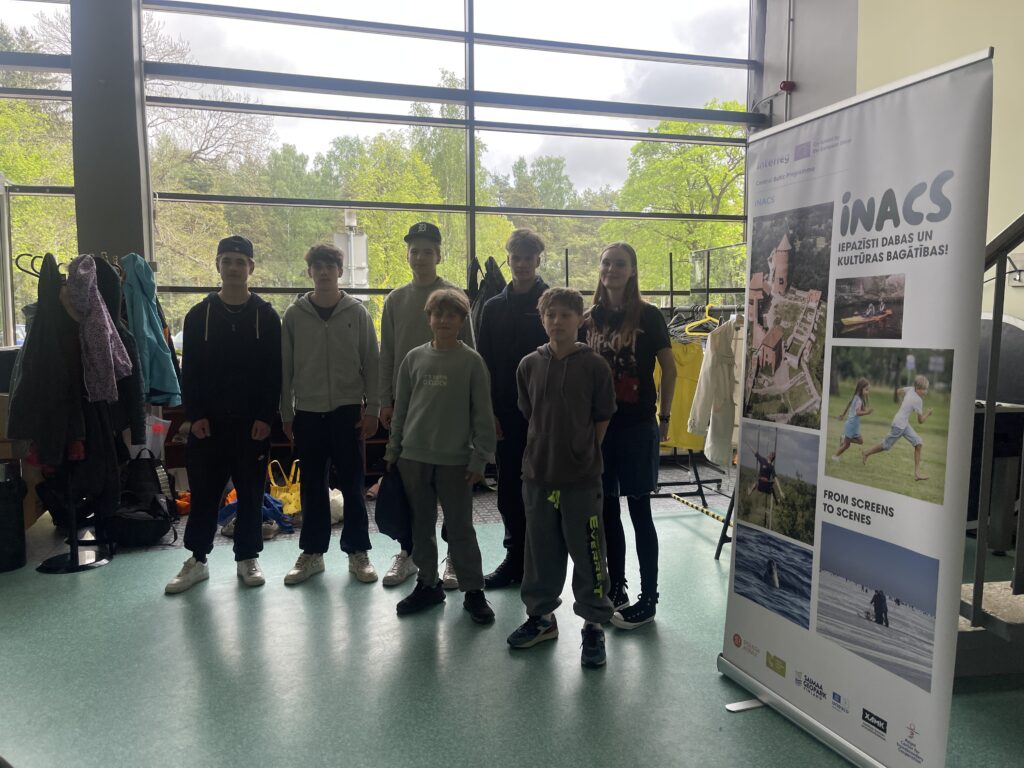
What happens when young people from three countries explore nature and cultural heritage together? During the INACS study trip in May 2026, participants from Finland, Estonia and Latvia shared experiences, built new connections and developed ideas on how natural and cultural sites could better engage young people.
The study trip supported the goals of the INACS project by helping participants explore local heritage sites while gathering valuable insights into what makes these destinations meaningful and attractive to youth. Through shared activities and international collaboration, the trip also encouraged cross-border understanding and cooperation among young people.
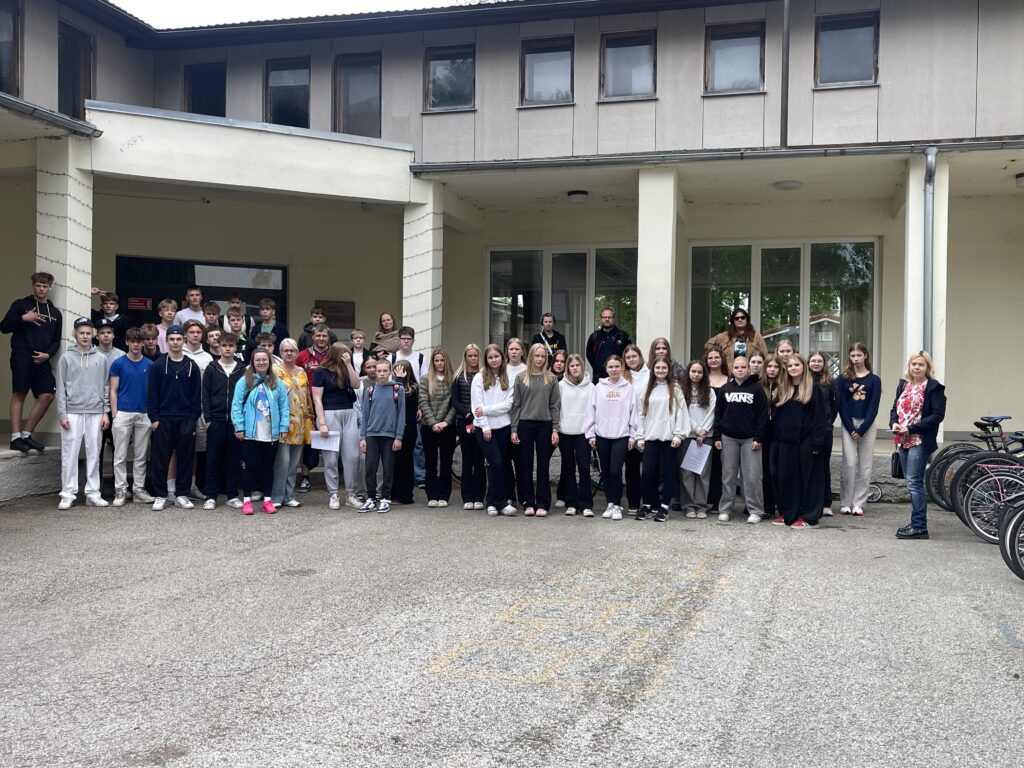
The journey began in Tartu, Estonia, where participants visited the Science Centre AHHAA and explored the city together with local youth from Räpina. The evening provided the first opportunity for young people from different countries to interact in English, discover science through hands-on exhibits and get to know one another in an informal setting.
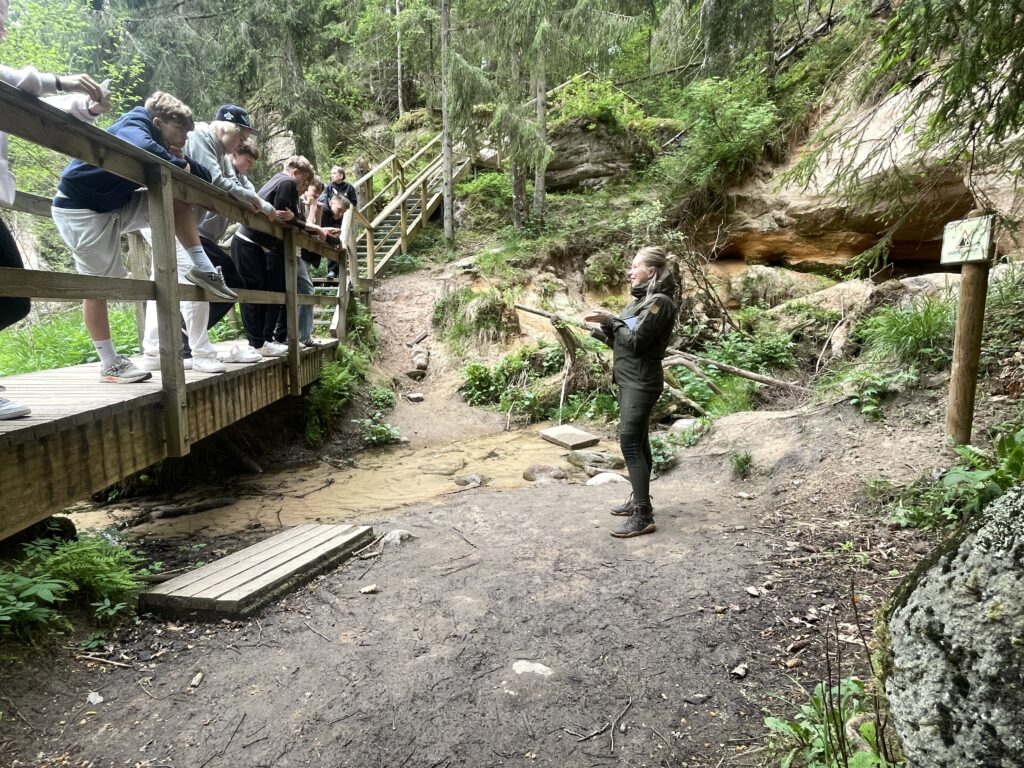
The following day, the group travelled to Räpina and visited the students they had met the previous evening. The programme included getting known to Räpina as well as visits to local natural and cultural heritage sites. In the afternoon, participants explored the Taevaskoja nature trail, experiencing the landscape through sight, sound and touch while learning about the area’s unique natural environment.
On the third day, the group continued to Sigulda, Latvia. Finnish and Latvian participants were divided into mixed teams and tasked with exploring various sites around the region. These included historical castles, cultural attractions and activity destinations. Along the way, the young people photographed and filmed the sites, documenting them from their own perspective and reflecting on what would make the destinations more appealing to their peers.
In the afternoon, participants watched the three most popular INACS Nature Vision videos, which had been created before the trip as part of a project workshops and assignment. The videos showcased local nature sites from the perspectives of young people and highlighted the creativity and enthusiasm of the participants.
The day concluded in Līgatne, where the group followed a scenic trail along the Gauja River and explored the area’s sandstone caves and surrounding nature. Then it was time to start the travel back to Finland.
One of the key lessons from the study trip was that young people value experiences designed with their interests in mind. Natural and cultural sites become more relevant and engaging when they include interactive elements. The trip also highlighted that meaningful cross-border interaction requires time and facilitation, but when done well, it helps build connections and increases understanding of different cultures and environments.
The study trip demonstrated that when young people are actively involved in exploring and interpreting natural and cultural heritage, these places become more meaningful, engaging and visible. By combining exploration, creativity and international collaboration, the INACS project continues to develop new ways of connecting young people with nature and heritage across the Central Baltic region.