Energy Within Me! – Preiļi Municipality Students Explore the Secrets of a Healthy Lifestyle and Emotional Well-being During Career Week
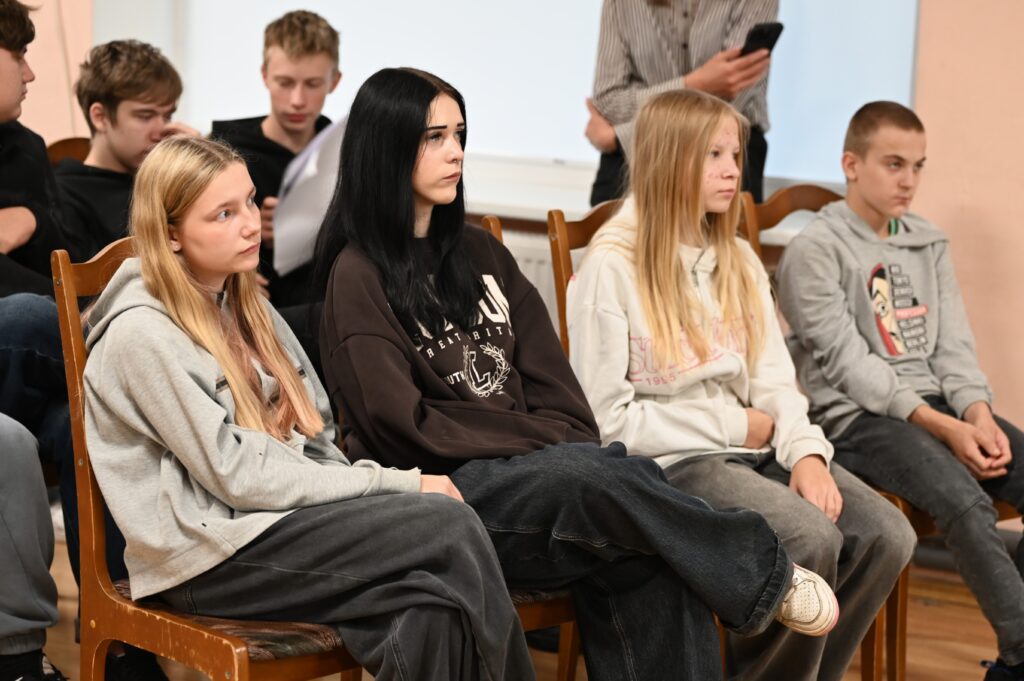
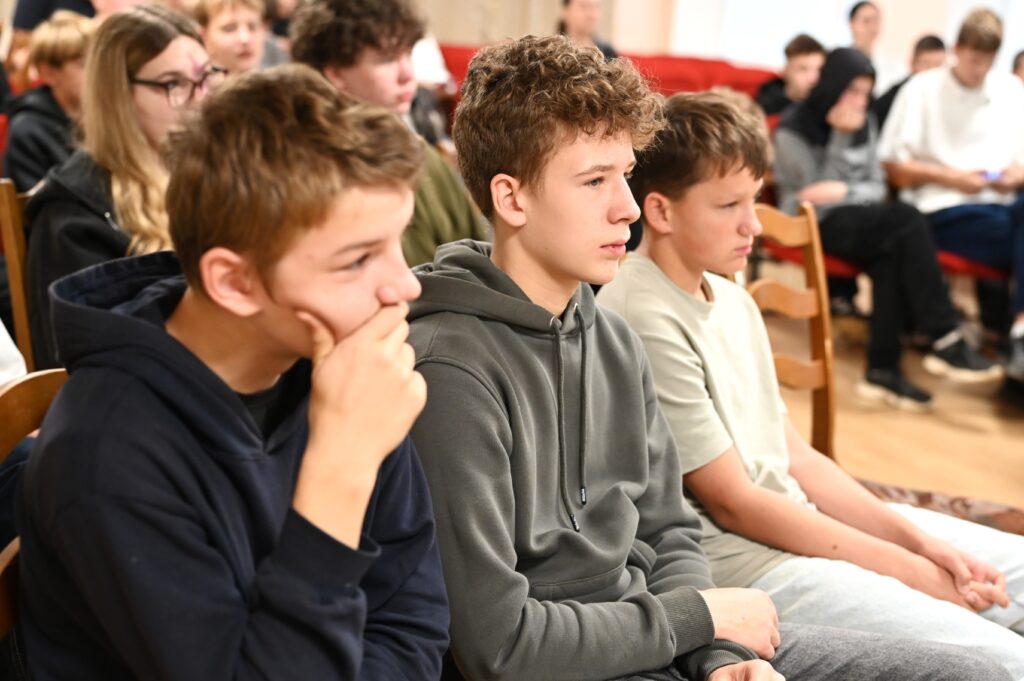
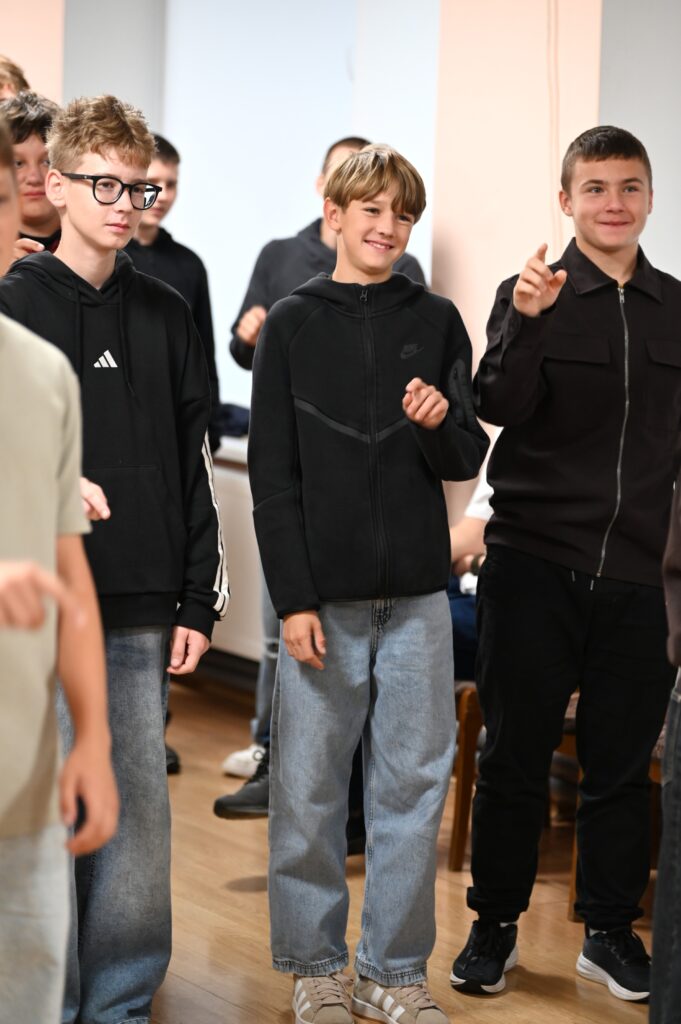
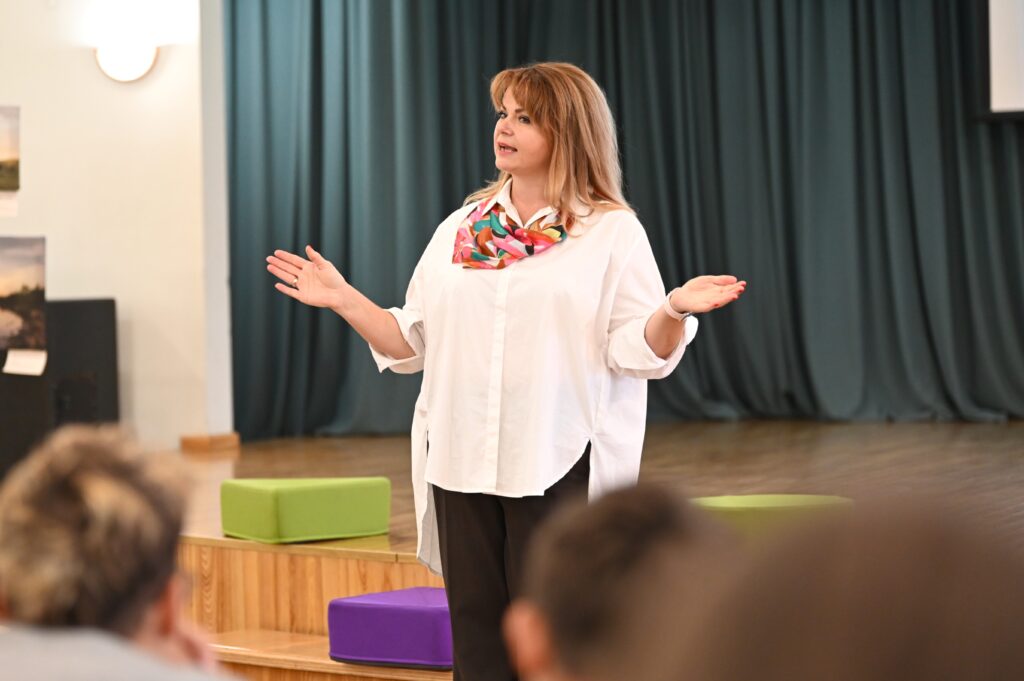
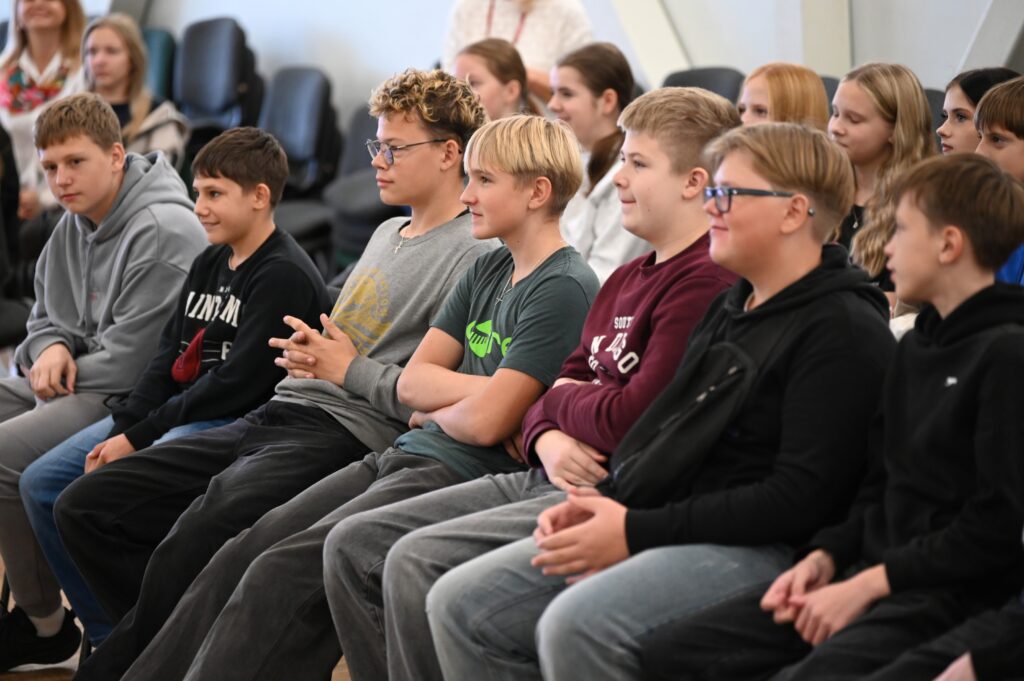
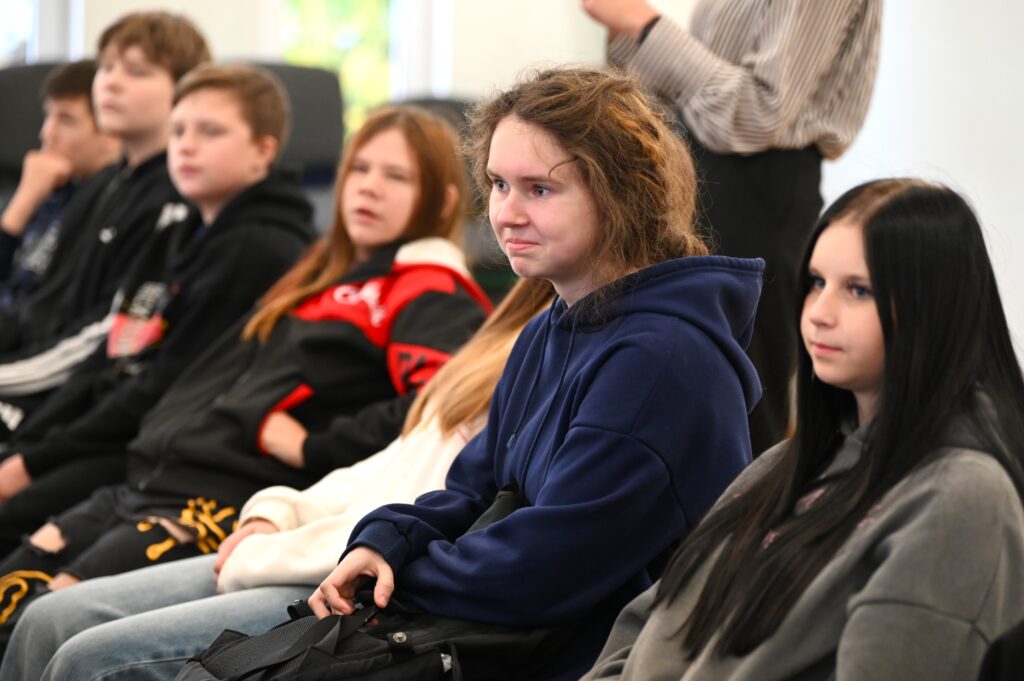
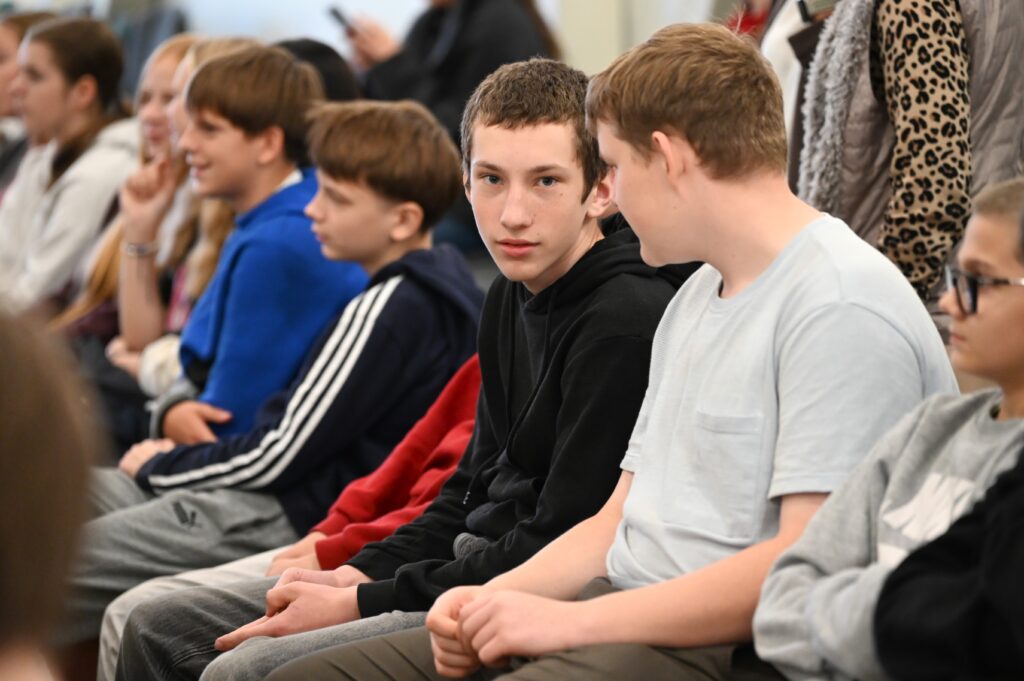
Is food the only source of energy? Why do we sometimes feel tired even when we have spent the entire day sitting down? How can physical activity help reduce stress, and why is rest not a sign of laziness? On 9 October, students from Riebiņi Primary School and Preiļi Primary School No. 1 explored these and many other questions by taking part in an educational and practical event entitled “Energy Within Me!”
The event was organised as part of Career Week 2026 through cooperation between Latgale Planning Region, Preiļi Municipality and Daugavpils University (DU). The activity took place within the framework of the Interreg Central Baltic Programme project “SchoolFood WasteSolutions”, focusing on healthy eating, physical activity, emotional well-being and the development of responsible everyday habits.
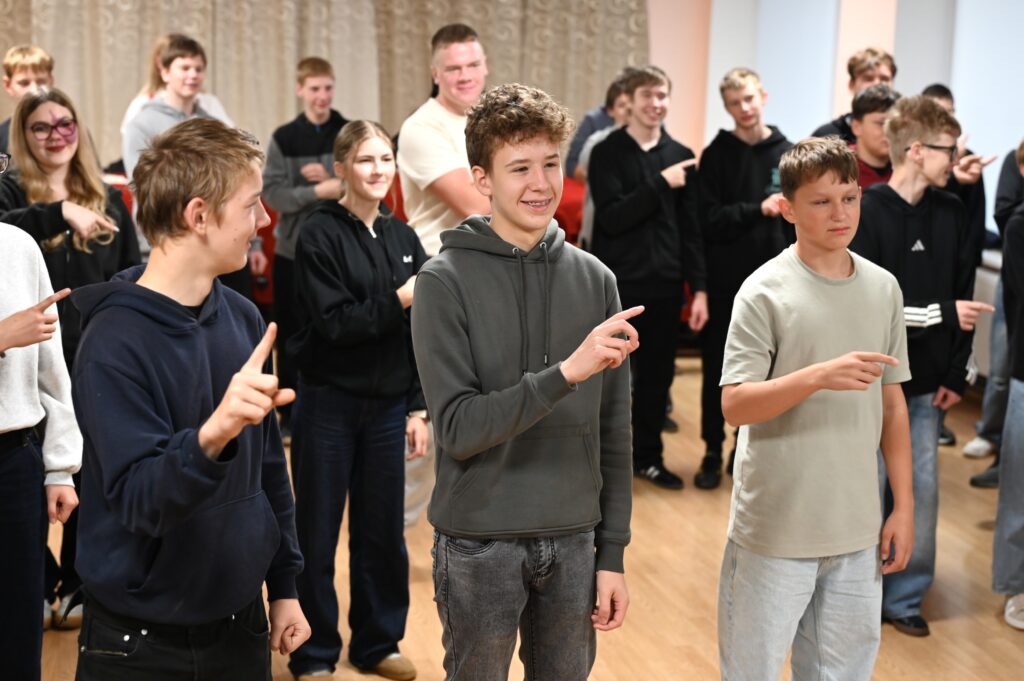
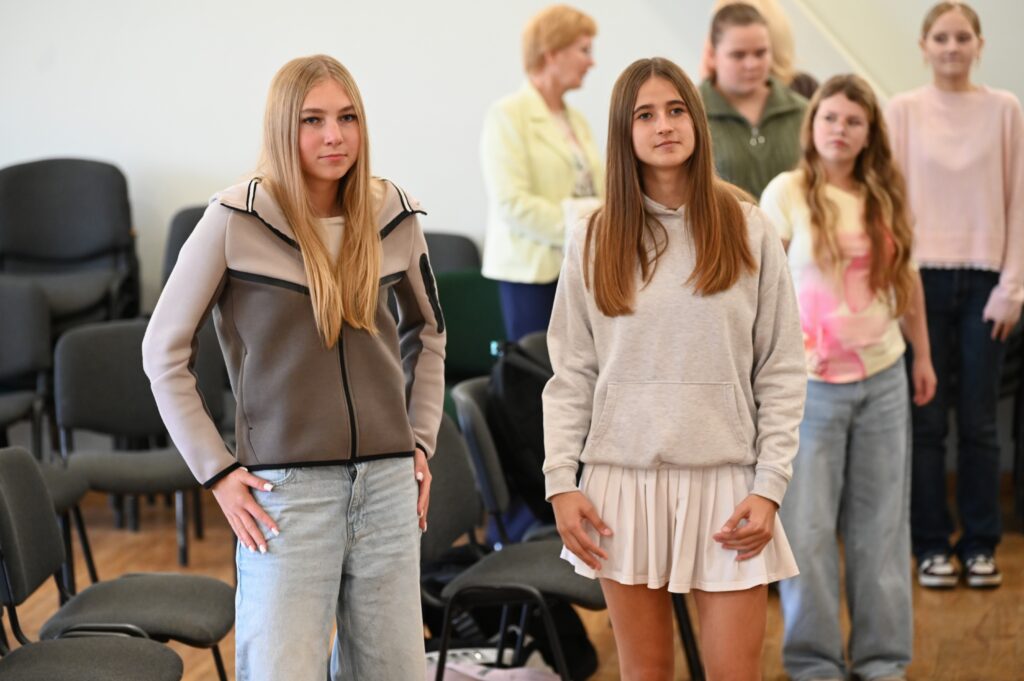
The event brought together students in Grades 8–9 from Riebiņi Primary School and Grade 8 students from Preiļi Primary School No. 1. They had the opportunity not only to gain new knowledge but also to try out various exercises and develop a better understanding of how their bodies function.
Food Is the Fuel That Powers Our Bodies
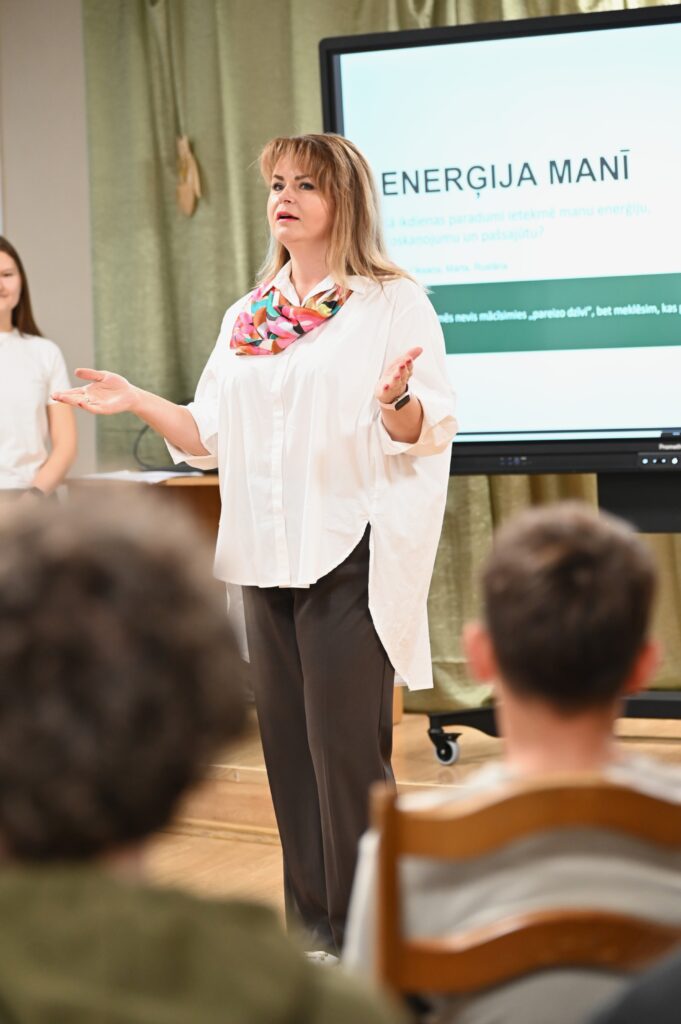
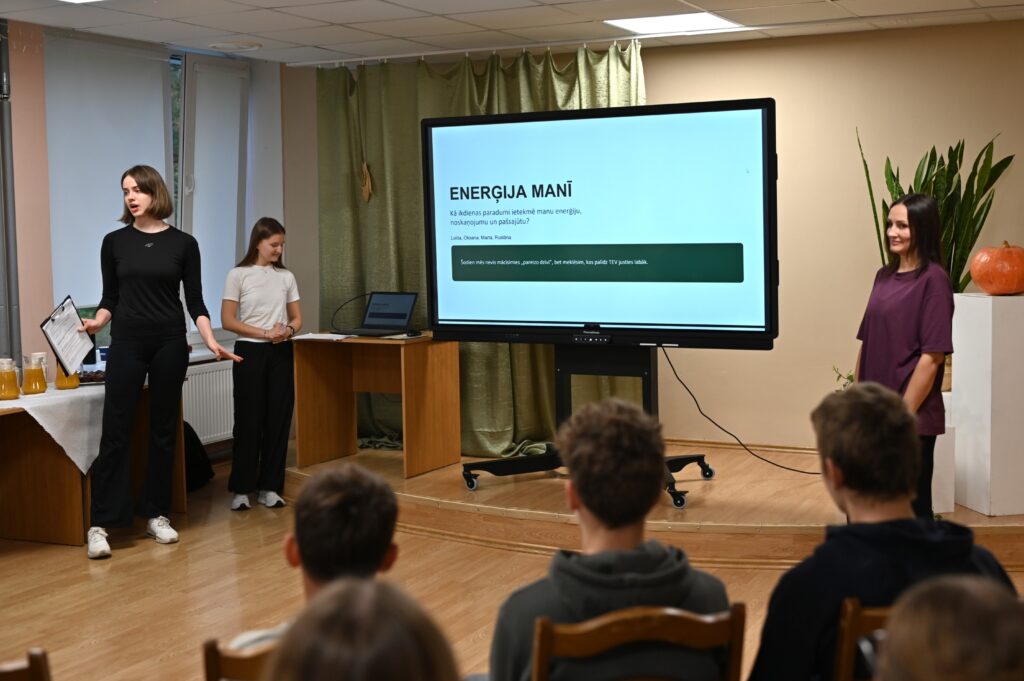
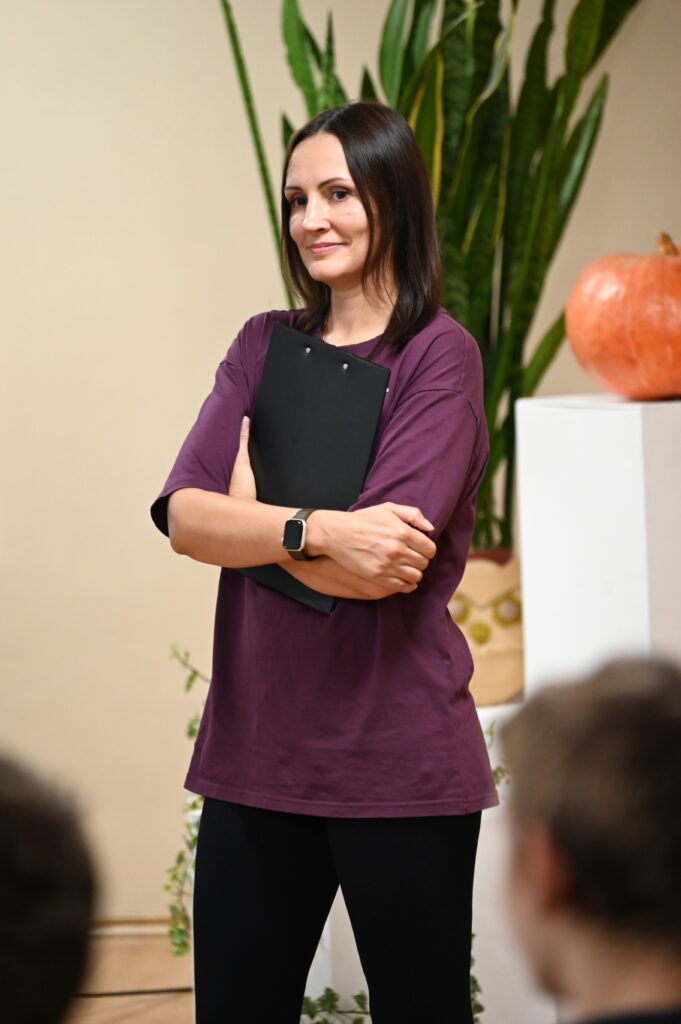
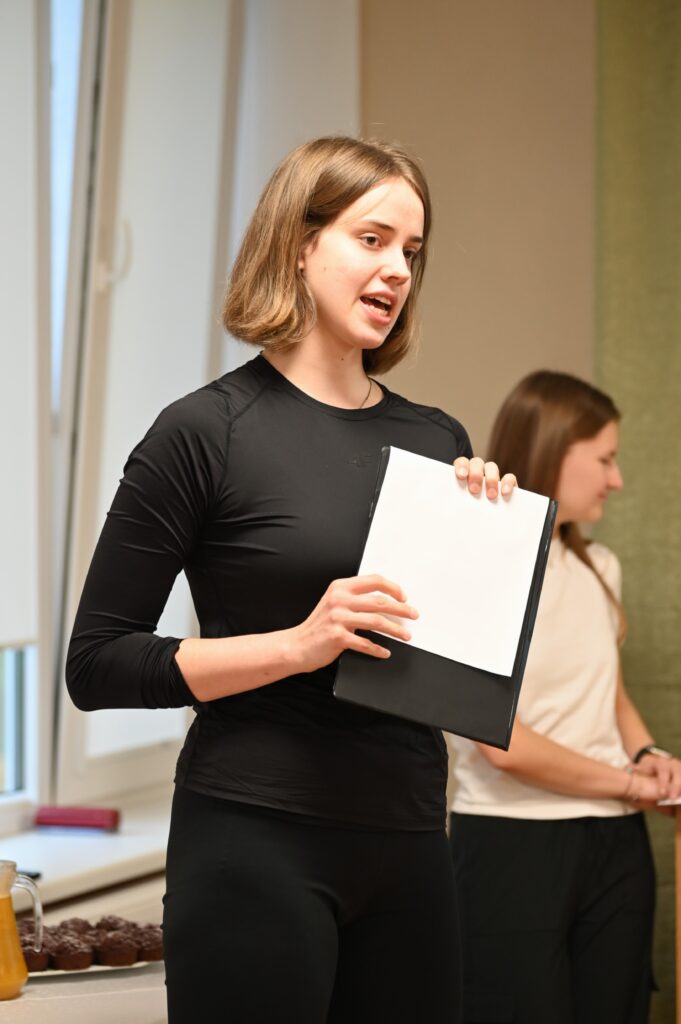
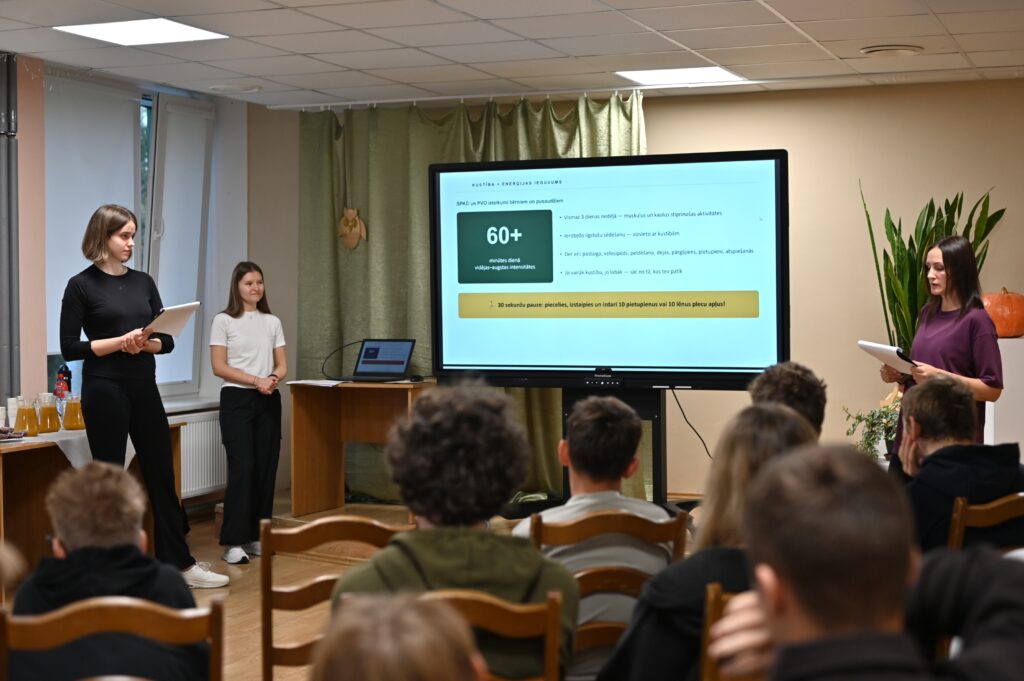
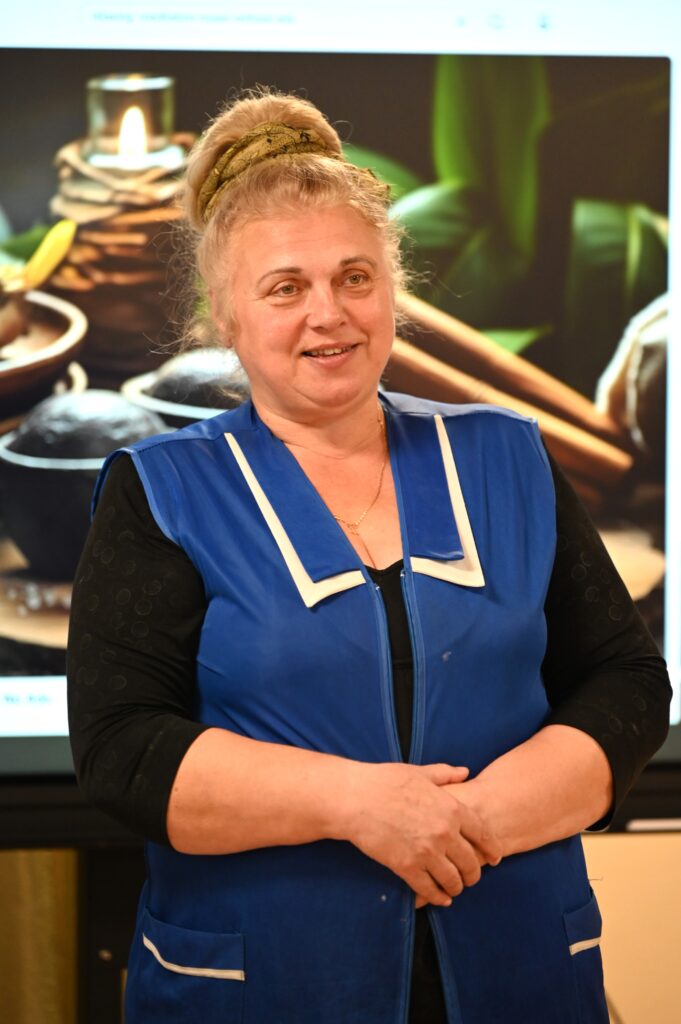
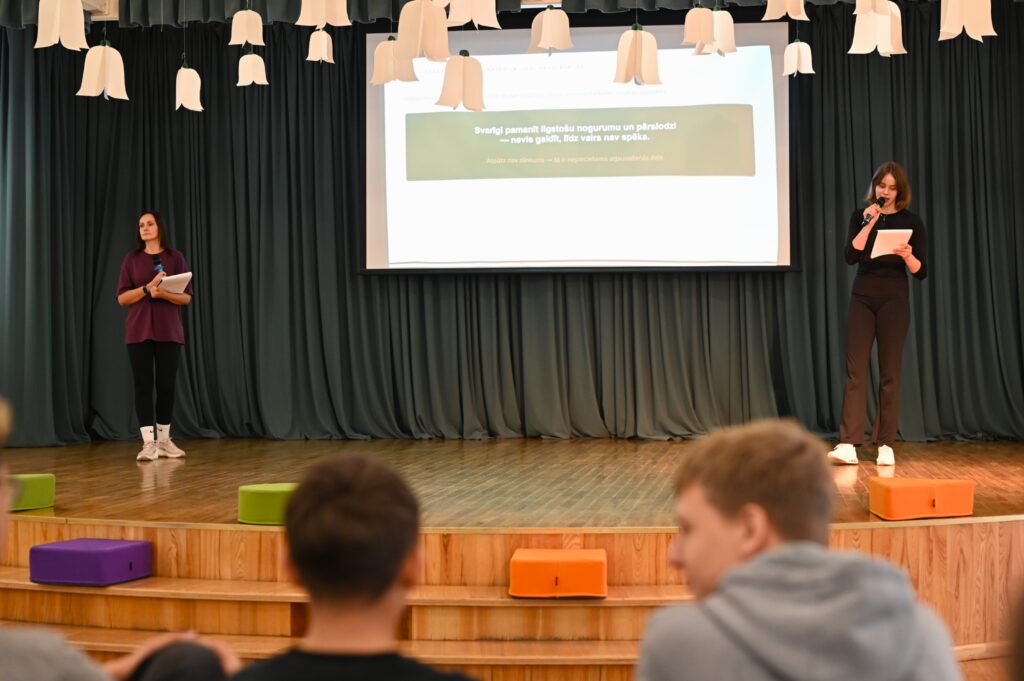
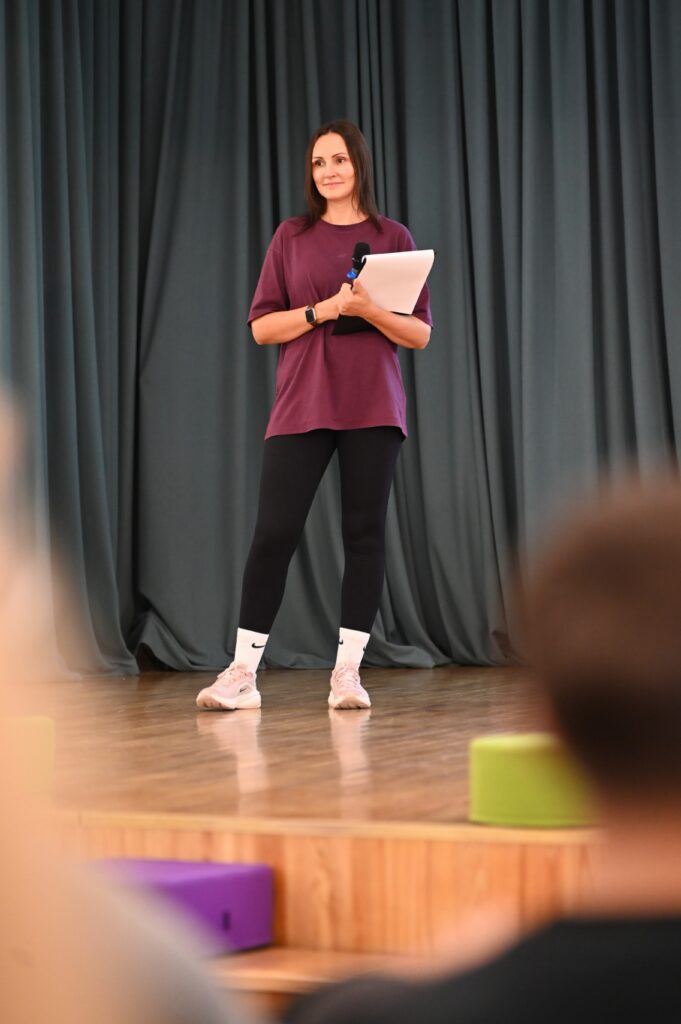
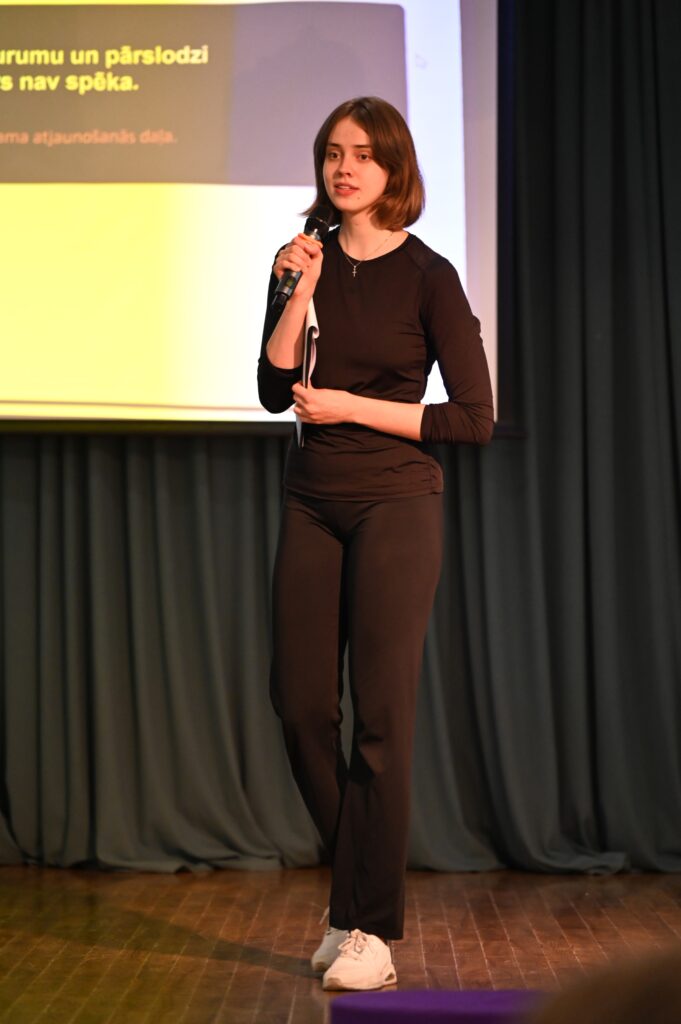
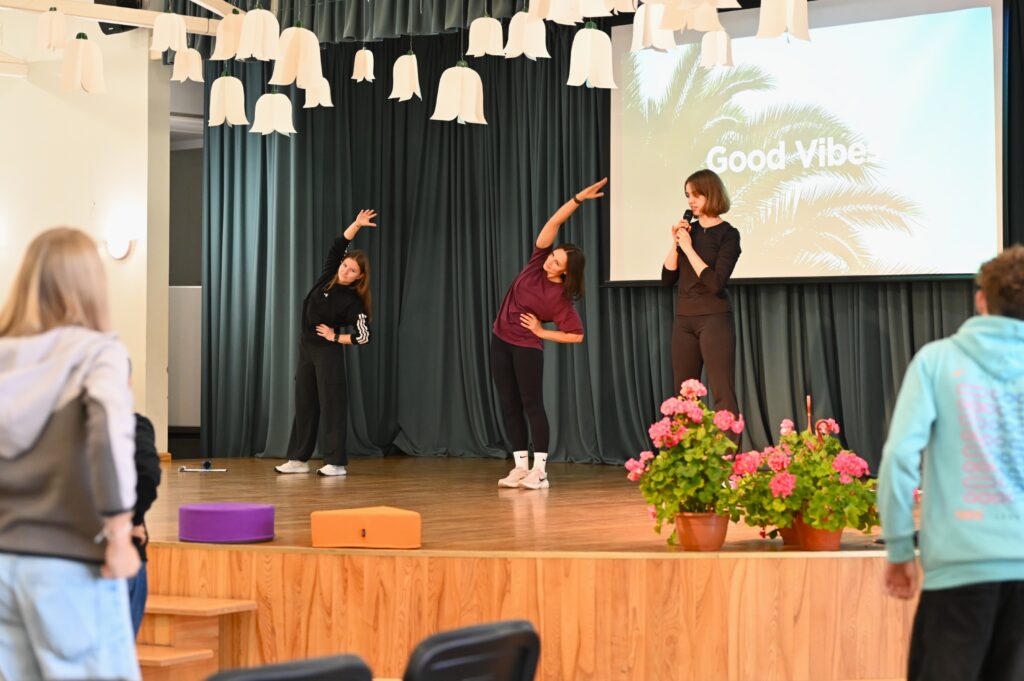
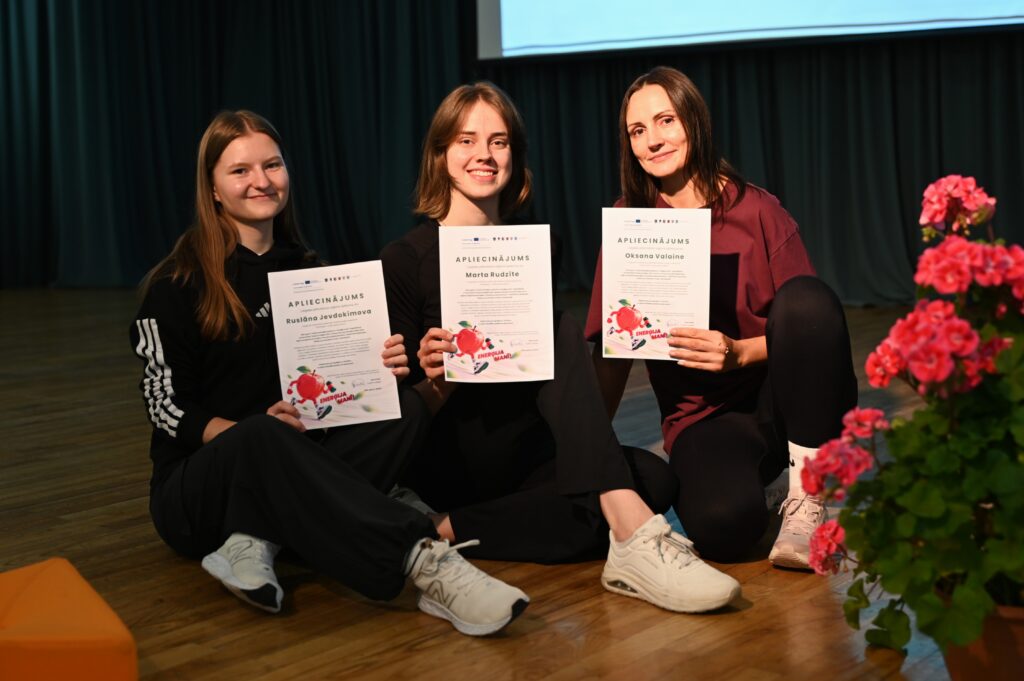
The session was led by Oksana Valaine, Marta Rudzīte and Ruslāna Jevdokimova, third-year students in the Physiotherapy study programme at Daugavpils University. They explained in an engaging and accessible way how the human body produces energy and how it can be maintained throughout the day.
One of the key takeaways was that nutrients are the fuel that powers our bodies. Just as a car needs fuel, the human body requires a nutritious and balanced diet to support both physical and mental performance.
Students discussed the importance of different nutrients, the need for regular meals and the role of water in the body’s functioning. They learned that drinking enough water is essential not only for physical well-being but also for concentration and learning.
The young people were also introduced to the principles of calculating the Body Mass Index (BMI), while emphasising that health and physical fitness cannot be assessed on the basis of a single numerical indicator alone.
Movement – An Investment in Physical and Emotional Health
Special attention was given to the importance of physical activity in adolescents’ daily lives. Students learned that children and adolescents are recommended to engage in an average of at least 60 minutes of moderate- to vigorous-intensity physical activity per day, assessed over the course of a week.
Physical activity does not necessarily mean an intensive sports training session. It can include walking, swimming, cycling, dancing, active games or any other enjoyable activities that help keep the body fit.
The students were introduced to different types of physical activity, including aerobic exercise and muscle-strengthening exercises, as well as the importance of incorporating a variety of movements into everyday life.
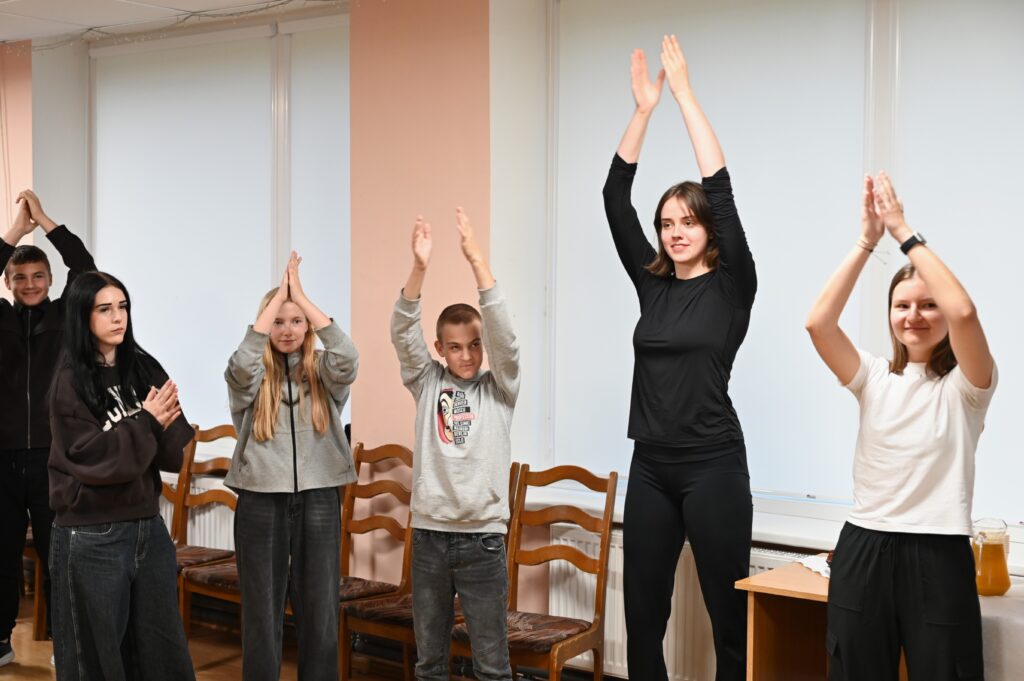
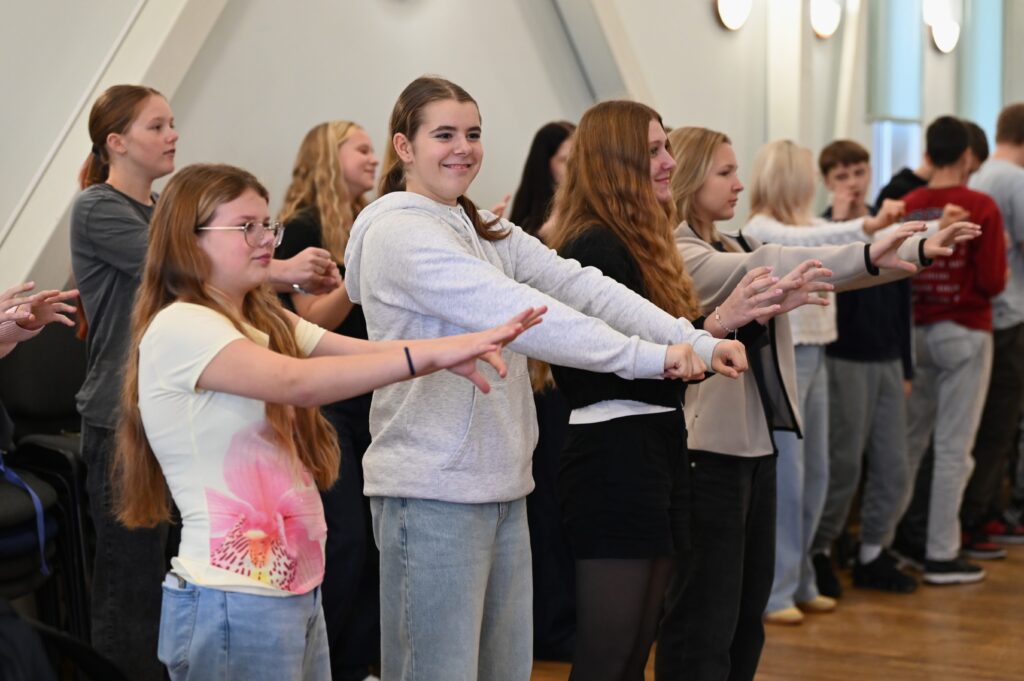
Theoretical knowledge was combined with practical activities, allowing students to try the exercises themselves and discover how even a short period of movement can help them feel more alert and improve their ability to concentrate.
Stress Is Not Always Bad, and Rest Is Not Laziness!
Another important part of the event focused on psychological well-being and stress management. Students learned that stress is the body’s response to change, challenges and various demands. Moreover, stress is not always negative.
Eustress, or positive stress, can help us mobilise our resources, concentrate and achieve better results, for example, before a test, a sports competition or a public presentation. Distress, or negative stress, on the other hand, can cause fear, tension and anxiety, making everyday tasks more difficult to manage.
One of the key messages students took away from the session was simple: rest is not laziness, but a necessary opportunity for the body and mind to restore their energy.
Under the guidance of the physiotherapy students, participants also learned simple breathing and relaxation exercises that can be used in everyday life to reduce tension, calm down and regain emotional balance – for example, before tests, exams or presentations.
During the practical sessions, the young people learned to recognise their bodies’ signals and explored the question: “What can I do myself to feel better when I am tired, worried or stressed?”
The impact of the digital environment on well-being was also discussed, including excessive digital stimulation, screen time and the risks of digital addiction. Students were encouraged to reflect on the importance of finding a balance between digital activities, physical movement, sleep and face-to-face interaction.
Healthy Energy on the Plate, Too
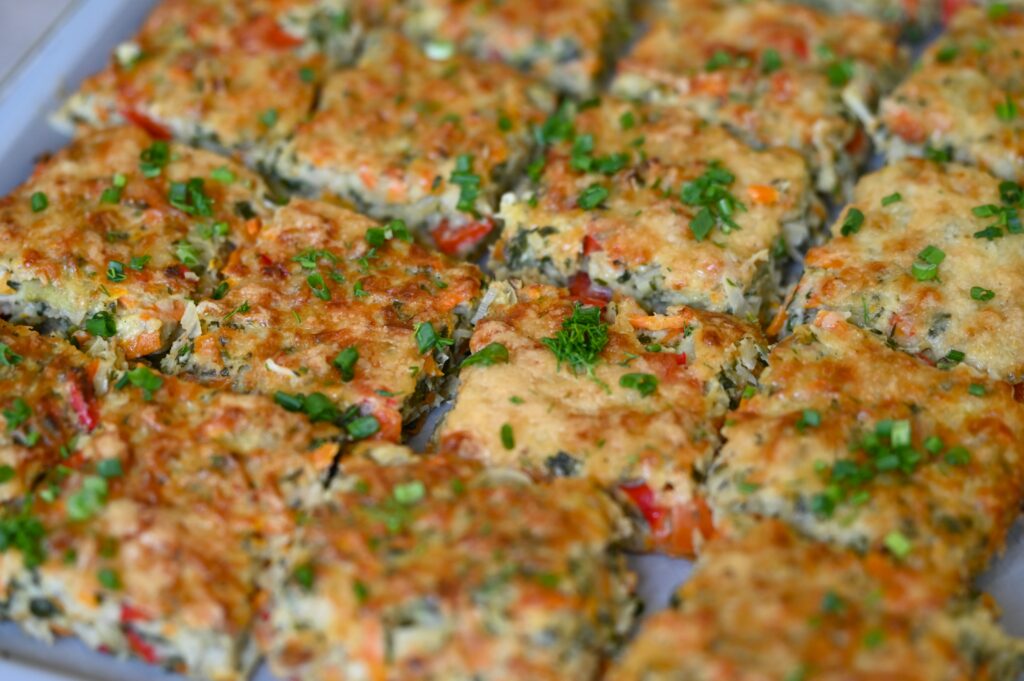
At the end of the event, students had the opportunity to taste healthy snacks prepared by school cooks, connecting the knowledge gained during the sessions with practical experience of healthy eating.
At Riebiņi Primary School, students were served freshly squeezed pumpkin and apple juice, as well as a muffin containing hidden beetroot. At Preiļi Primary School No. 1, they sampled a vegetable pizza made without dough but topped with cheese.
This activity directly supports the objectives of the “SchoolFood WasteSolutions” project: promoting healthier and more sustainable eating habits in schools, improving school catering practices and reducing food waste.
The project team emphasises that children’s and young people’s understanding of nutrition is essential for achieving long-term change. When students understand why their bodies need different nutrients and how food affects their energy levels and well-being, they can make more informed everyday choices – from selecting what to eat and determining appropriate portion sizes to treating food responsibly.
Cooperation That Creates Added Value
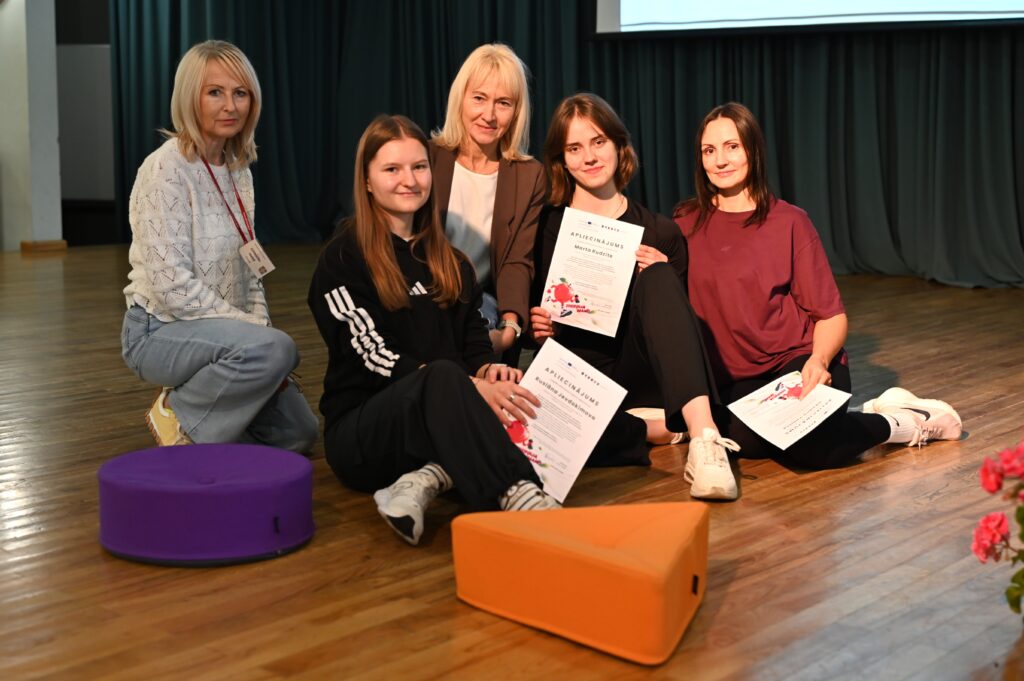
Special thanks go to Liene Lukjaņenko, Acting Head of the Department of Health Care at the Faculty of Natural Sciences and Healthcare of Daugavpils University and lecturer, for her contribution to the development and delivery of the educational content. Together with the students, she helped prepare the learning sessions.
Heartfelt thanks also go to third-year physiotherapy students Oksana Valaine, Marta Rudzīte and Ruslāna Jevdokimova for their enthusiasm, professionalism, ability to engage young people and skill in transforming theoretical knowledge into interesting, hands-on activities.
Thanks are also extended to Preiļi Municipality, the management and teachers of Riebiņi Primary School and Preiļi Primary School No. 1, the school cooks and the students for their cooperation, involvement and active participation.
Latgale Planning Region particularly values the initiative and enthusiasm of the “SchoolFood WasteSolutions” project team, which enables project activities to extend well beyond the tasks originally planned, creating new opportunities for cooperation between educational institutions, universities, municipalities and specialists from different fields.
Events like this also offer students an insight into healthcare professions, giving them an opportunity to learn more about physiotherapy and the work of its specialists. In this way, Career Week activities help young people not only learn more about themselves but also broaden their understanding of future educational and career opportunities.
The main message of the event was that energy is not just the strength to run, exercise or perform physical tasks. It is also the ability to learn, concentrate, cooperate, overcome challenges and feel good about ourselves. And sometimes, meaningful change begins with small everyday habits – a glass of water, a healthy meal, a walk in the fresh air, a few deep breaths or taking time to rest when needed.
About the Project
“SchoolFood WasteSolutions” is a project funded by the Interreg Central Baltic Programme 2021–2027, with co-financing from the European Union. Its aim is to promote sustainable school catering, improve food preparation and serving practices, encourage healthy eating habits among students and reduce food waste in school canteens.
More information about the project: https://centralbaltic.eu/project/schoolfood-wastesolutions/
This activity was implemented with the support of the “SchoolFood WasteSolutions” project under the Interreg Central Baltic Programme 2021–2027 and with co-financing from the European Union.