Flavours Unite: School Chefs from Latgale and the Tartu Region Meet at “The School Kitchen Lab II”
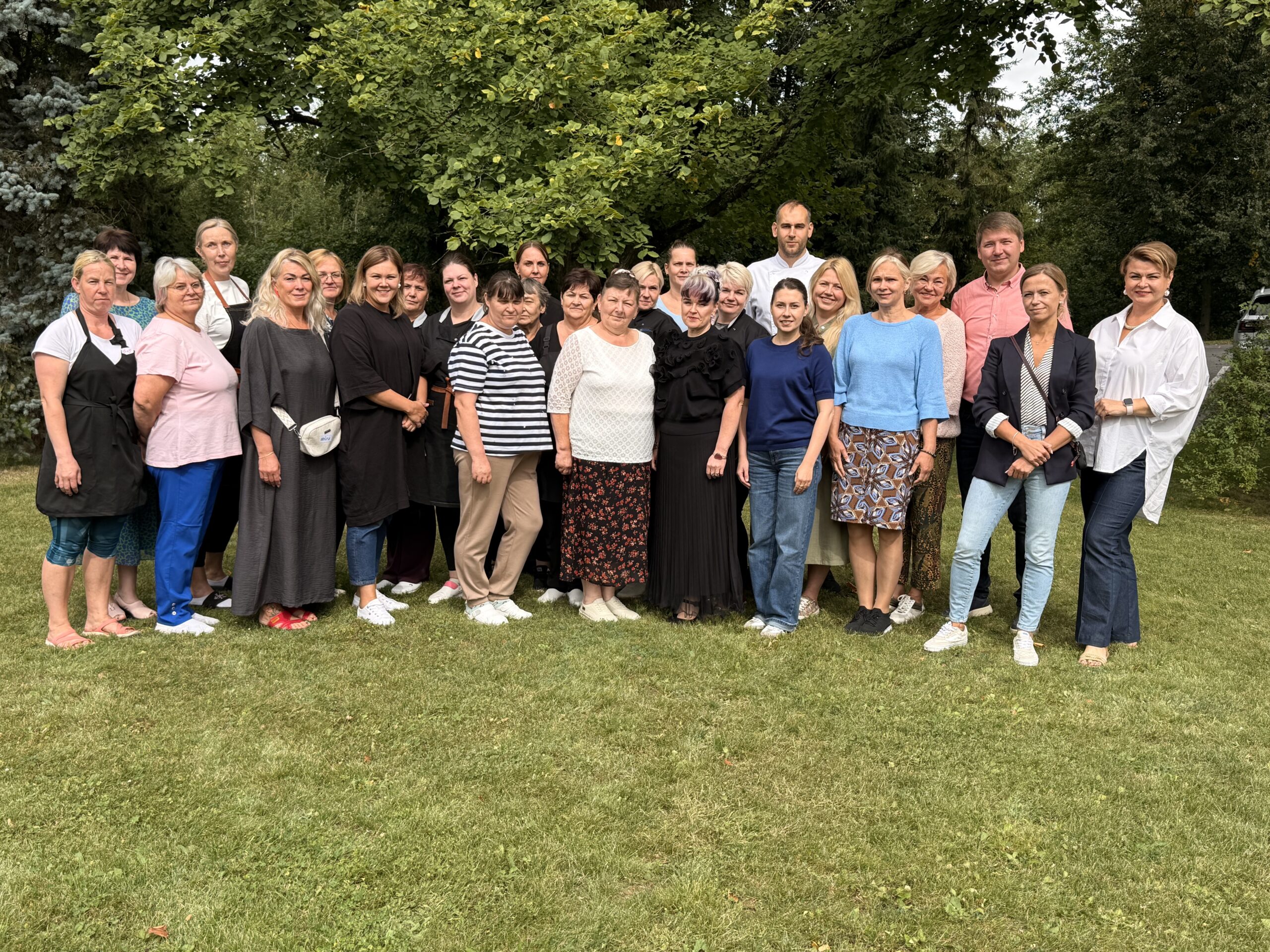
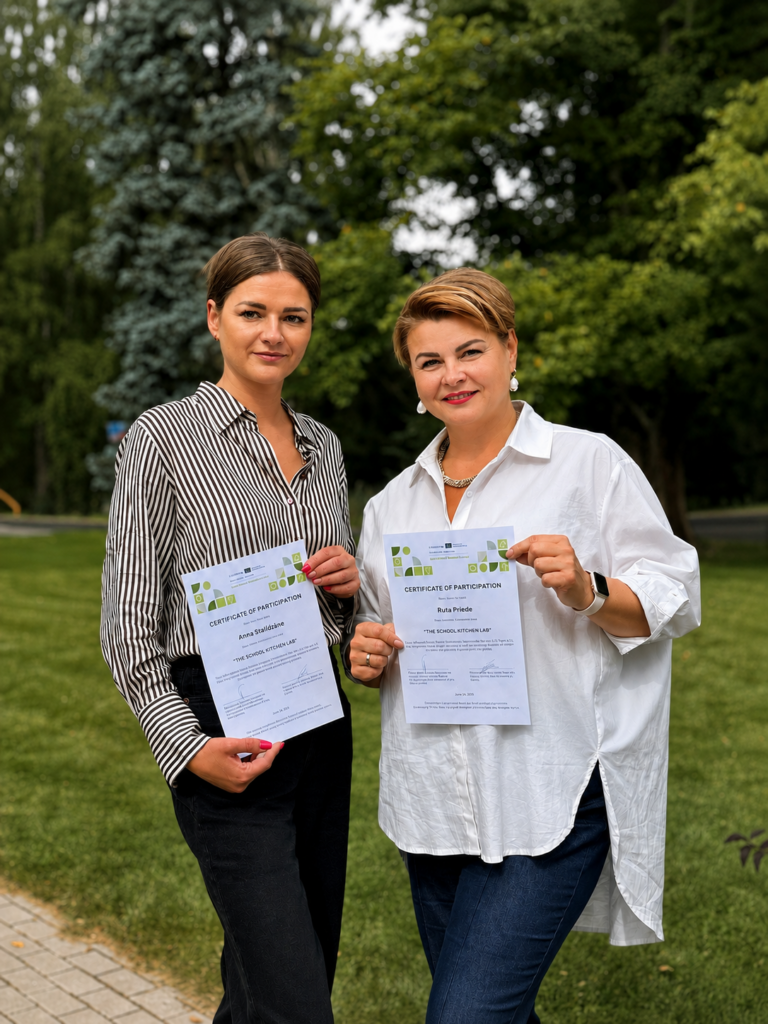
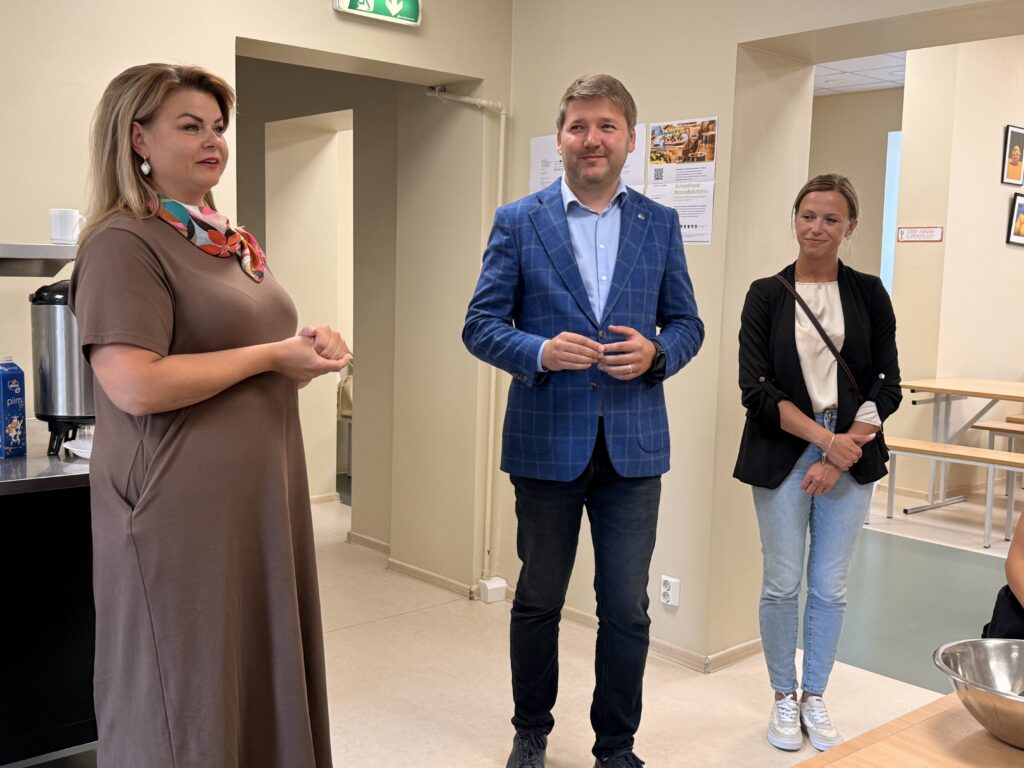
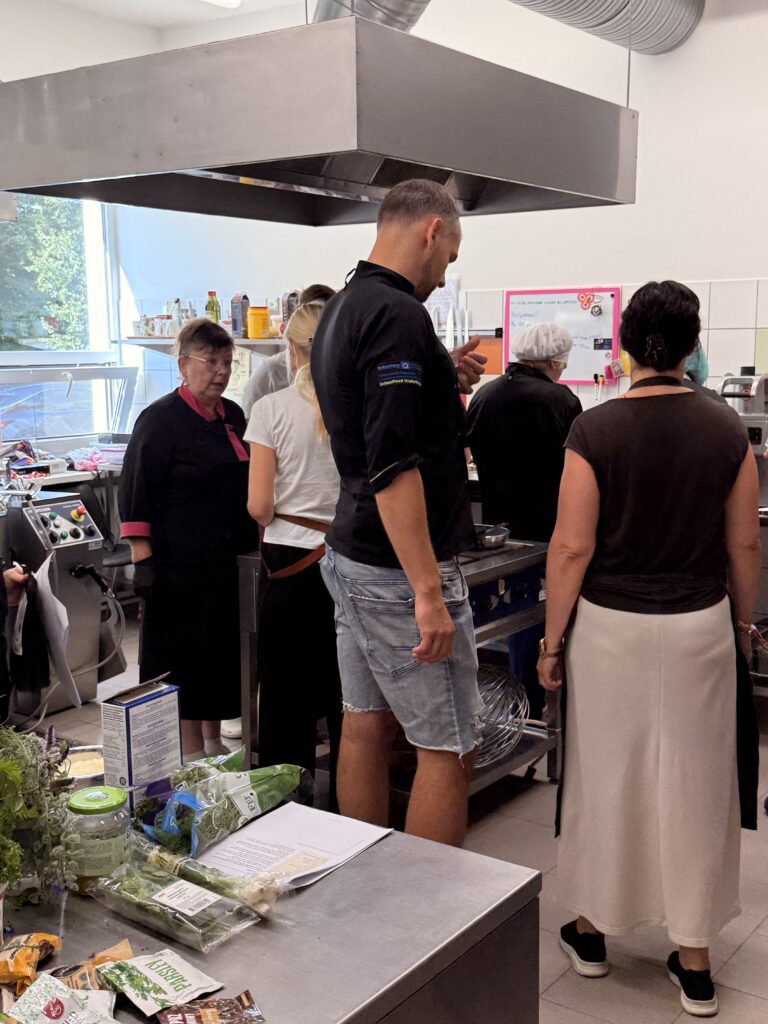
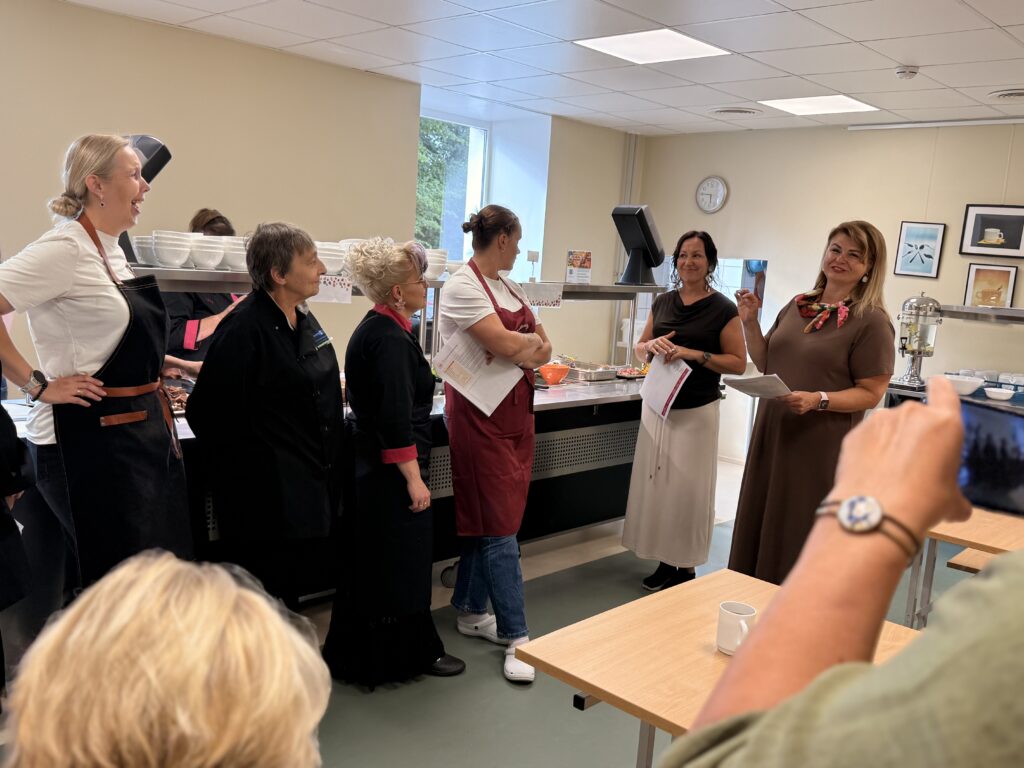
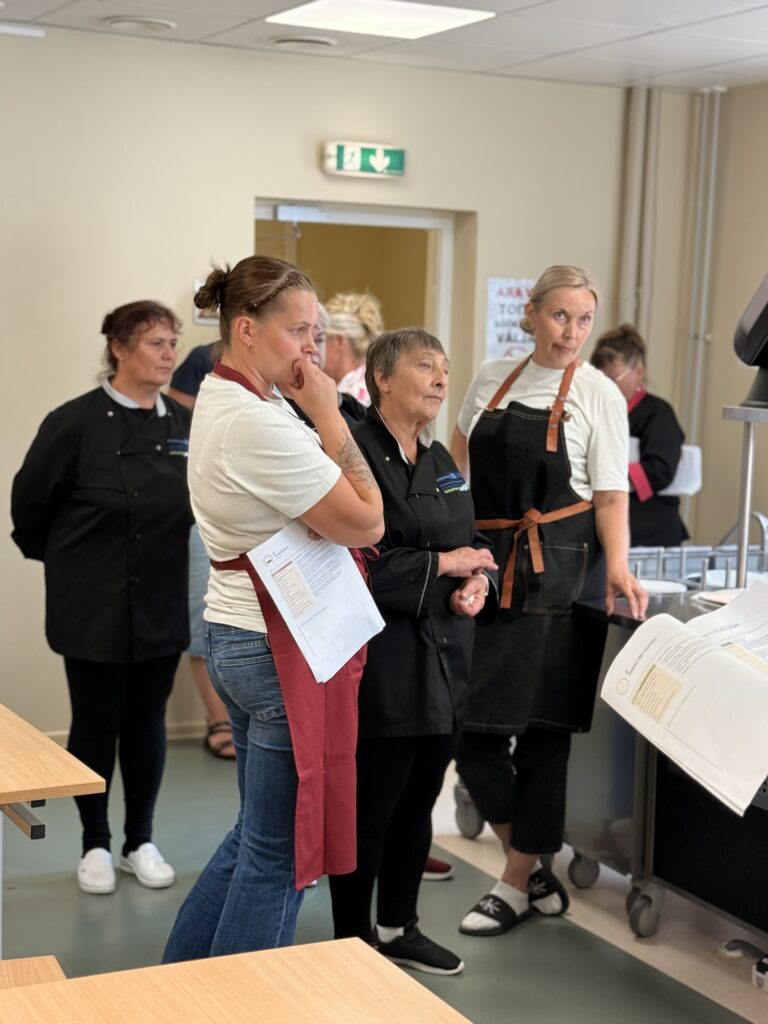
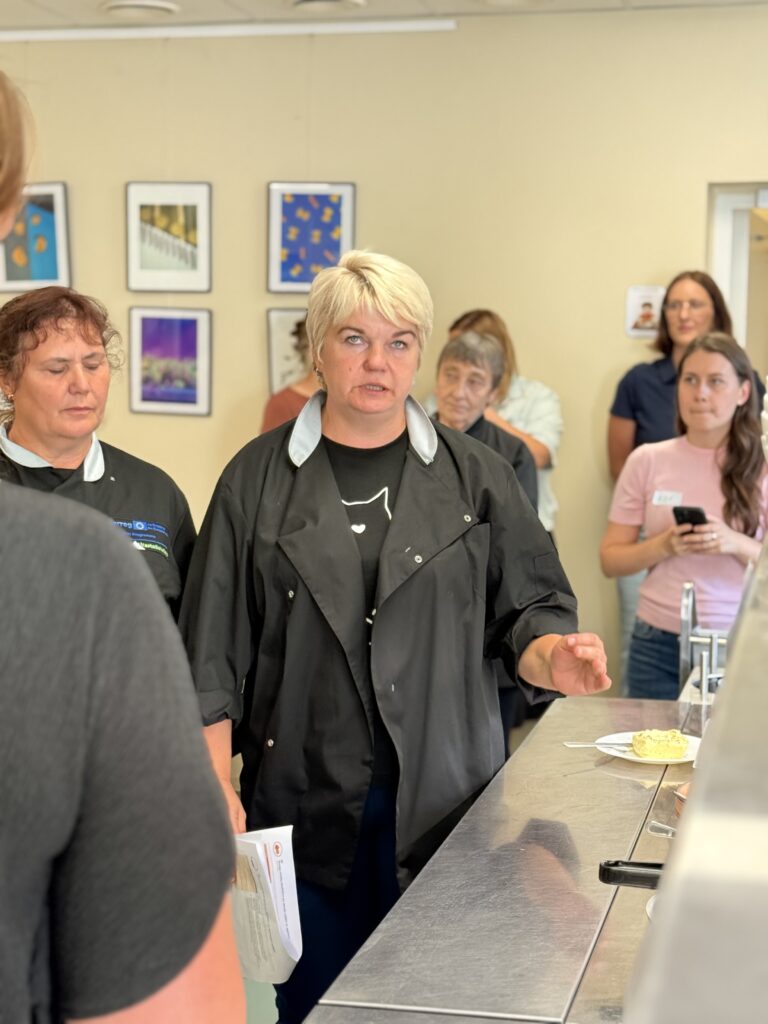
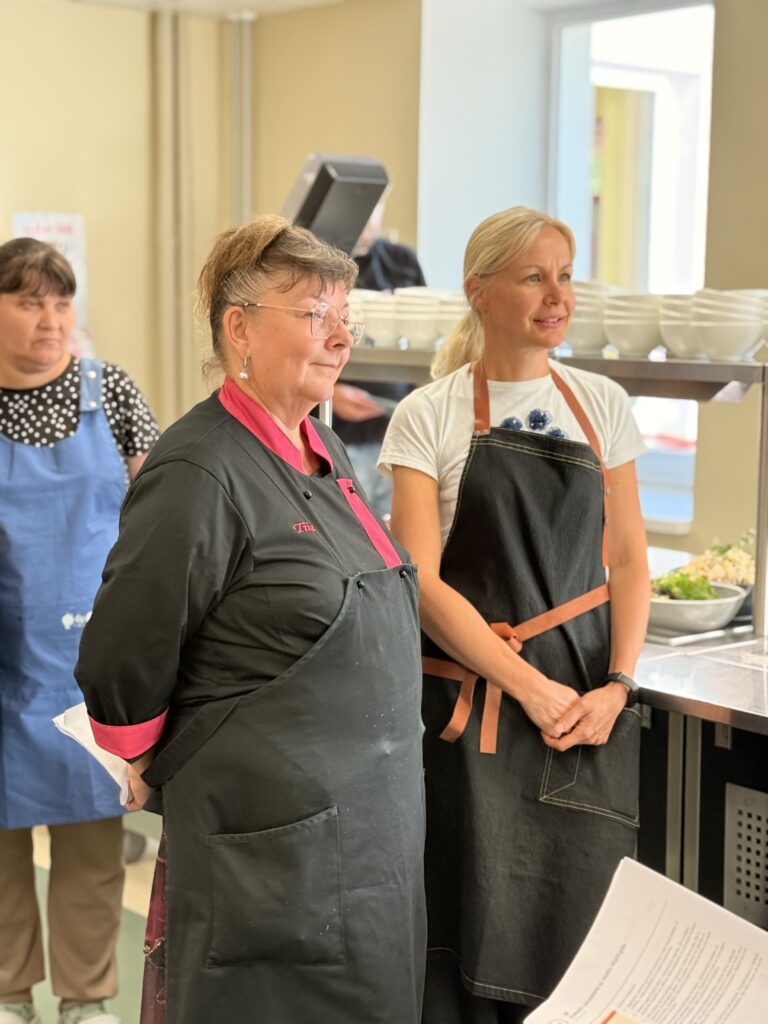
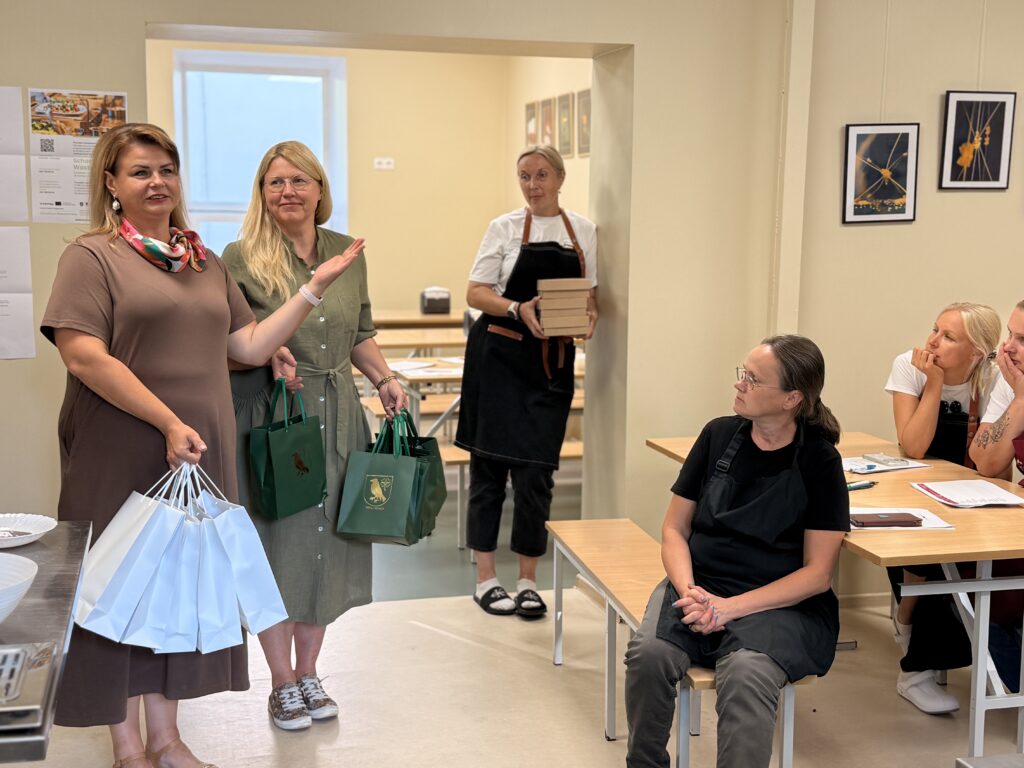
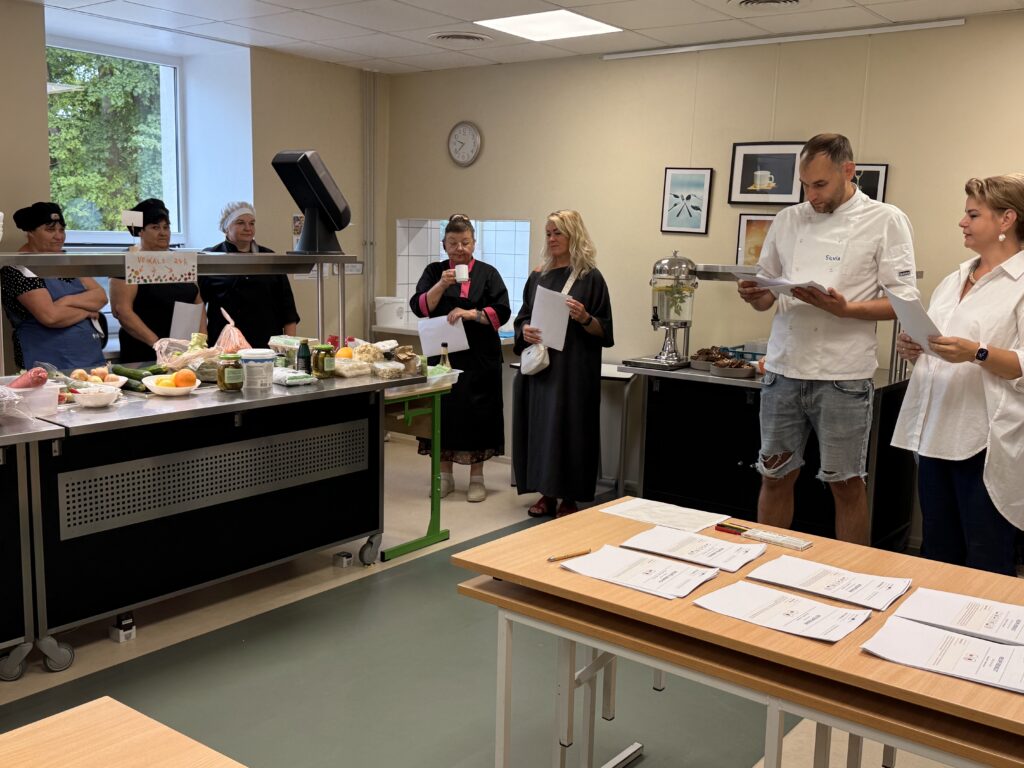
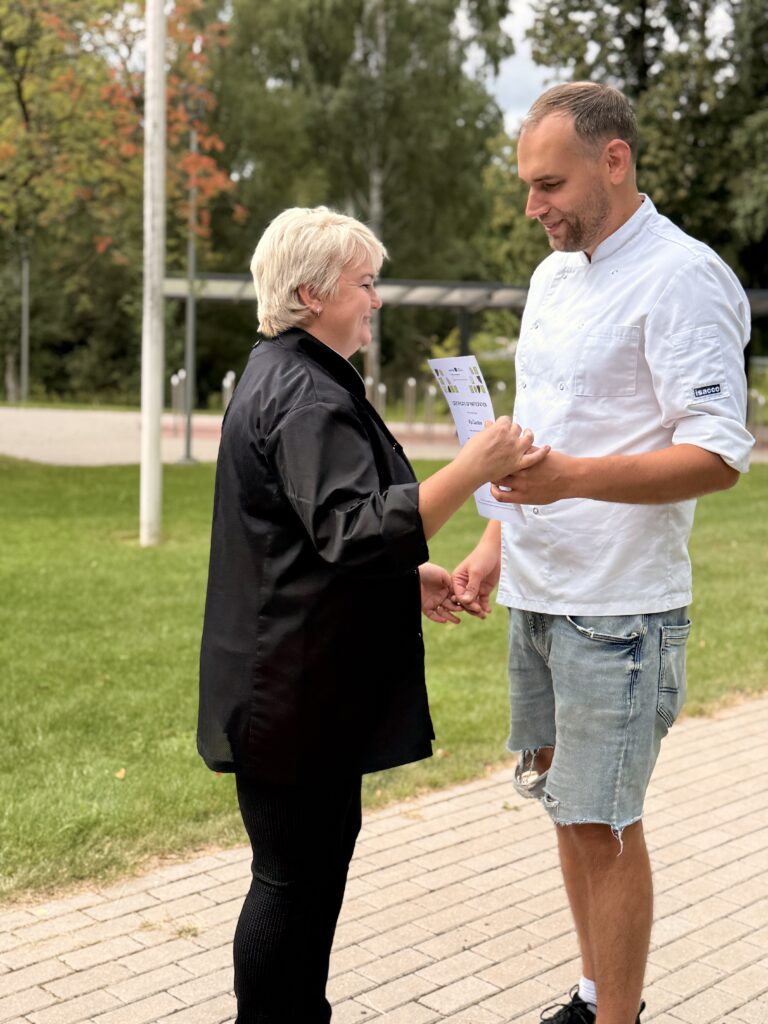
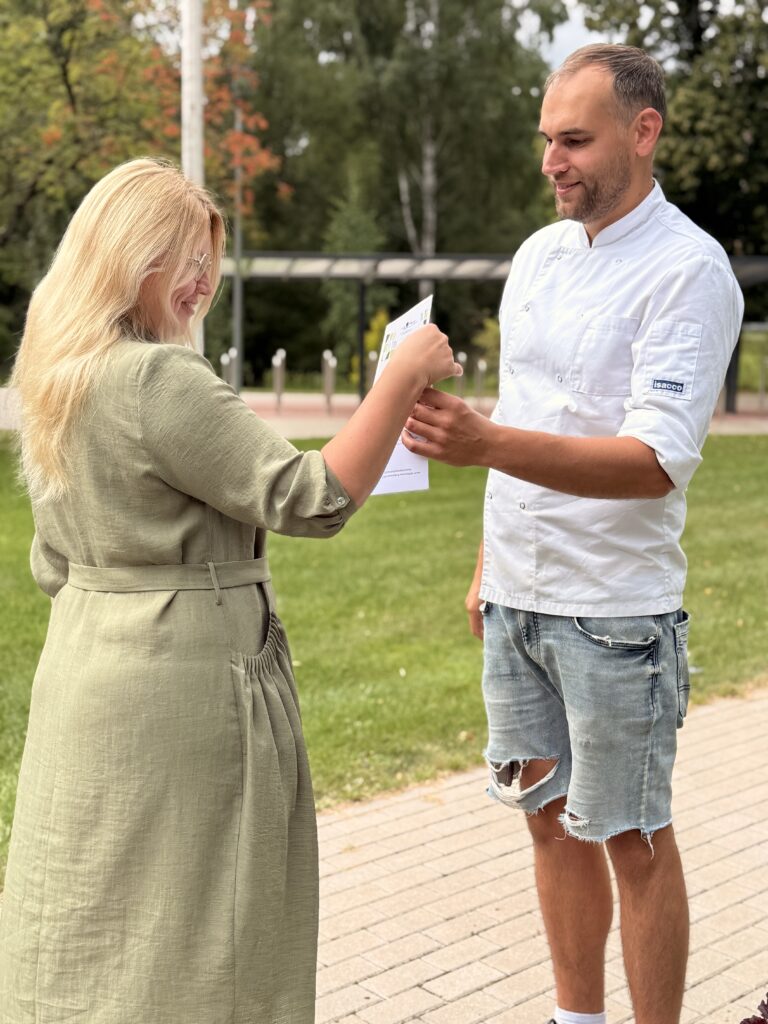
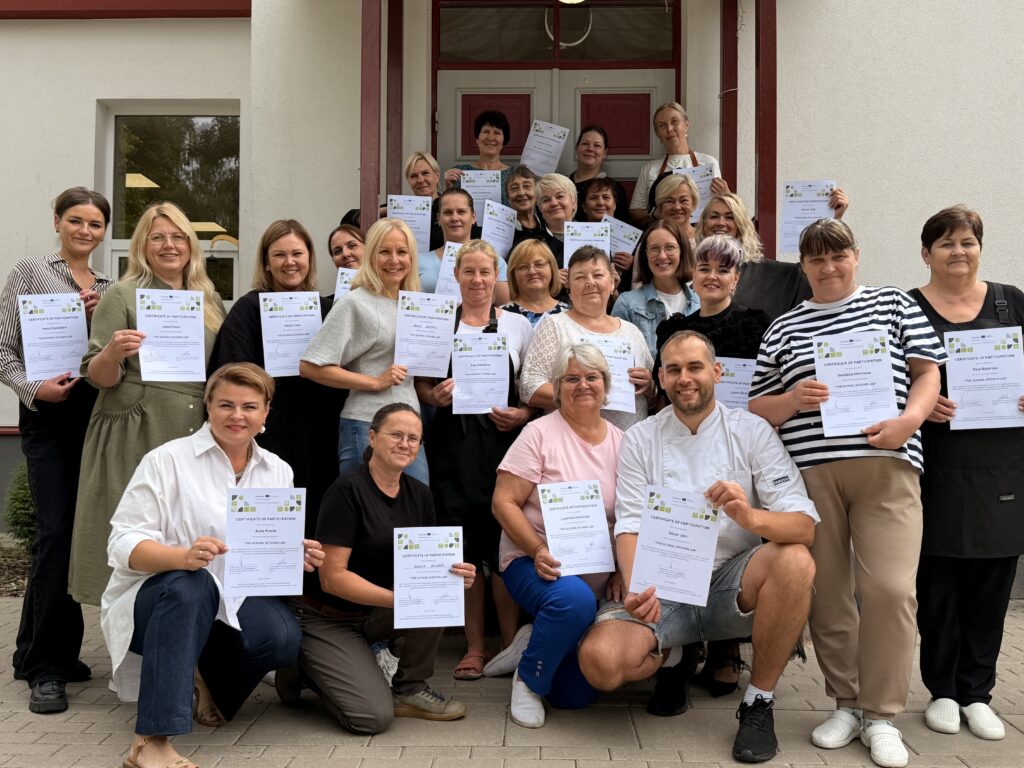
On 17–18 August 2026, the international practical workshop “The School Kitchen Lab II” took place at Sillaotsa School in the Tartu region of Estonia. Organised within the “SchoolFood WasteSolutions” project (CB0600301), the event brought together project partners, chefs from pilot schools and experts from Latvia and Estonia.
The two-day event aimed to practically test and improve recipes suitable for school catering, exchange professional experience and seek solutions for healthier, more sustainable and more appealing school meals, while simultaneously reducing the amount of food waste in school canteens.
From the Latvian side, the event was attended by representatives of the Latgale Planning Region, Ludza Municipality, Preiļi Municipality and Daugavpils University, including chefs from the project’s pilot schools, as well as a representative of the Food and Veterinary Service of North Latgale. From the Estonian side, representatives of the Association of Municipalities of Tartu County, Sillaotsa School and Pala School were involved in organising and participating in the event.
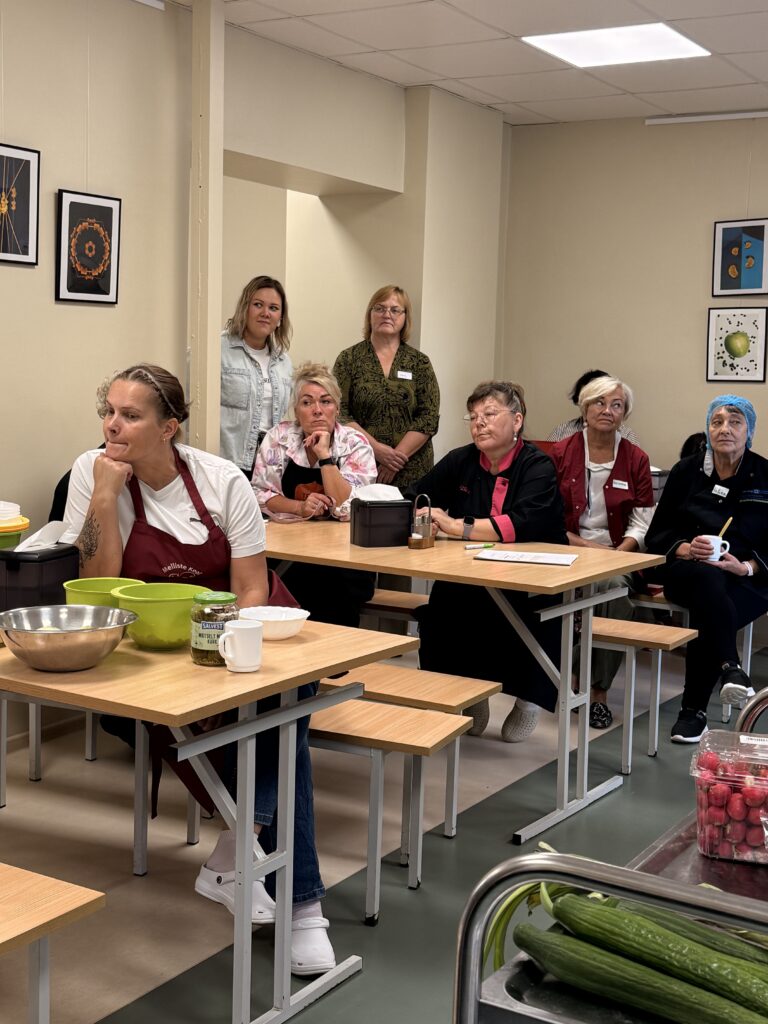
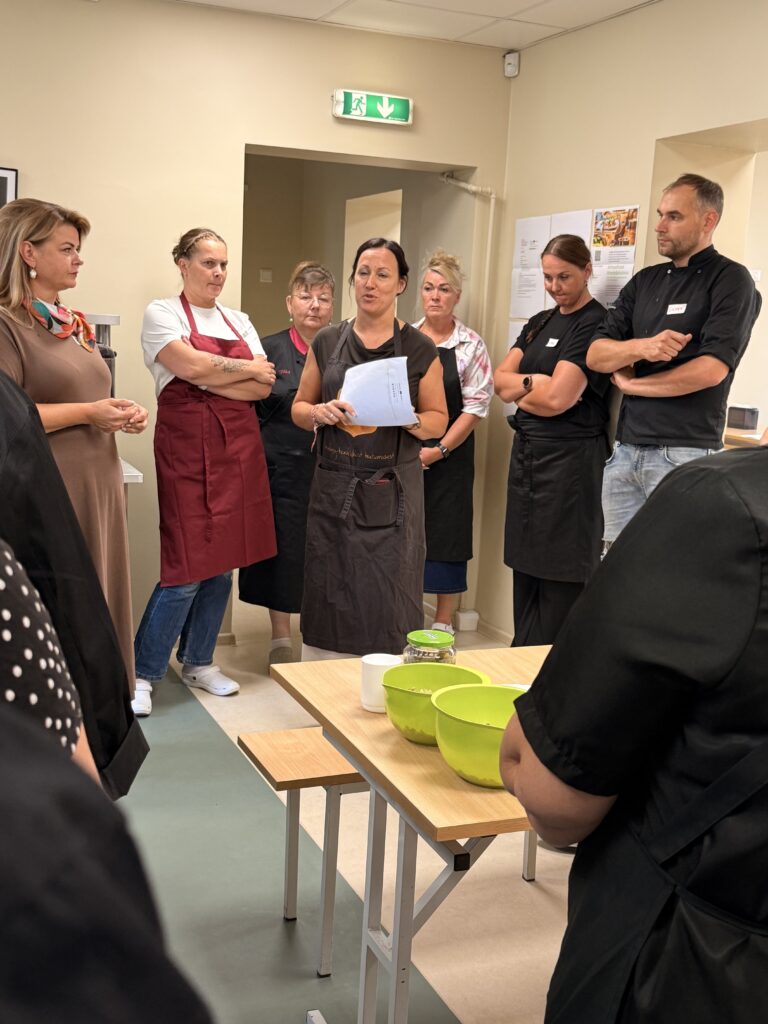
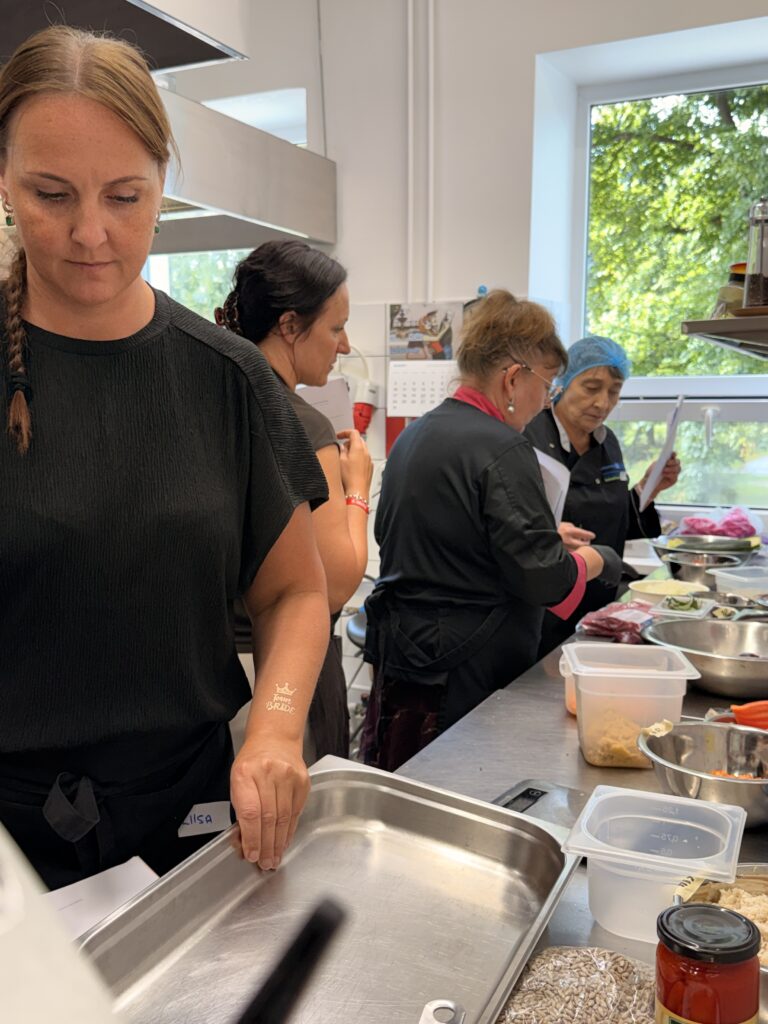
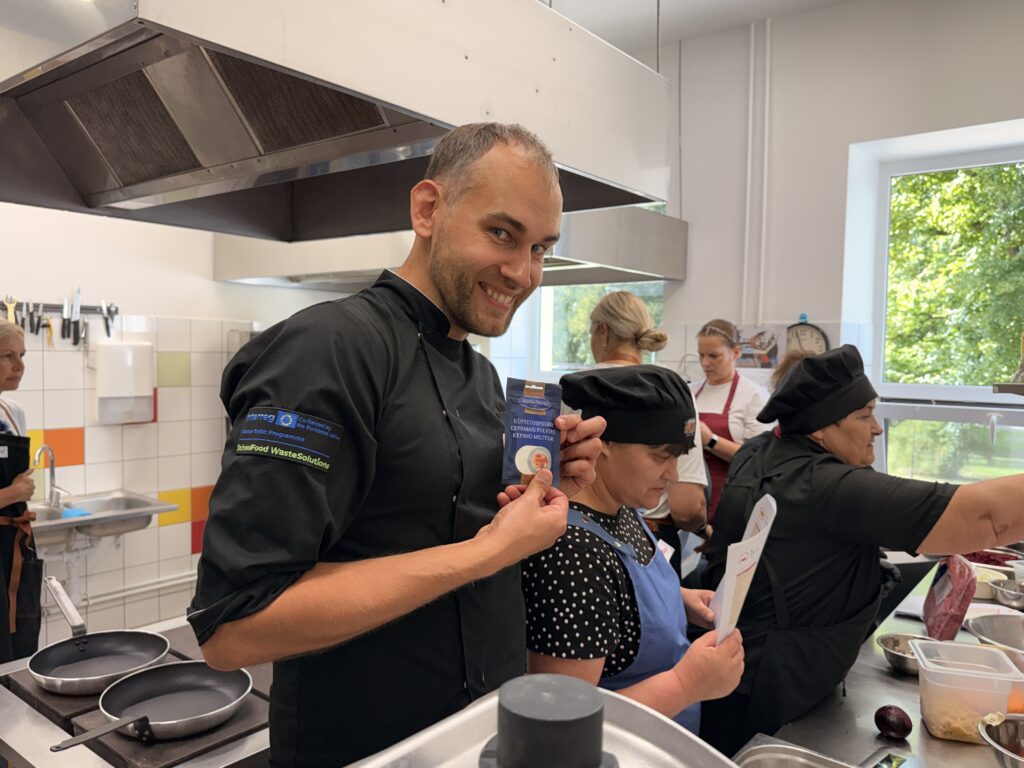
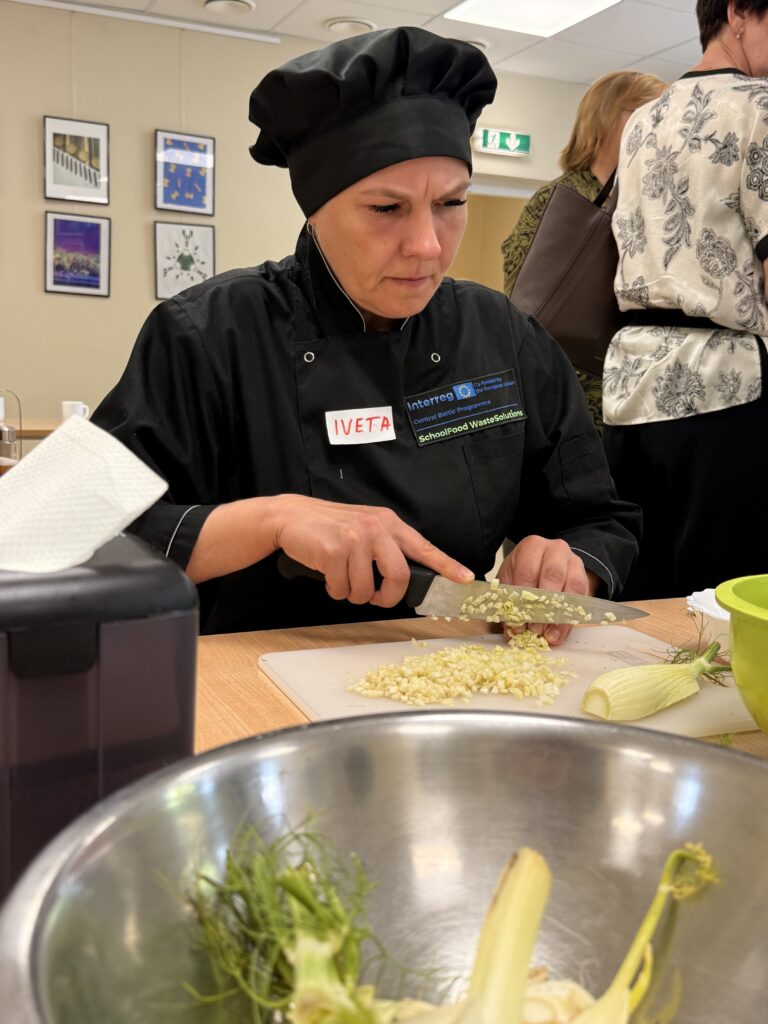
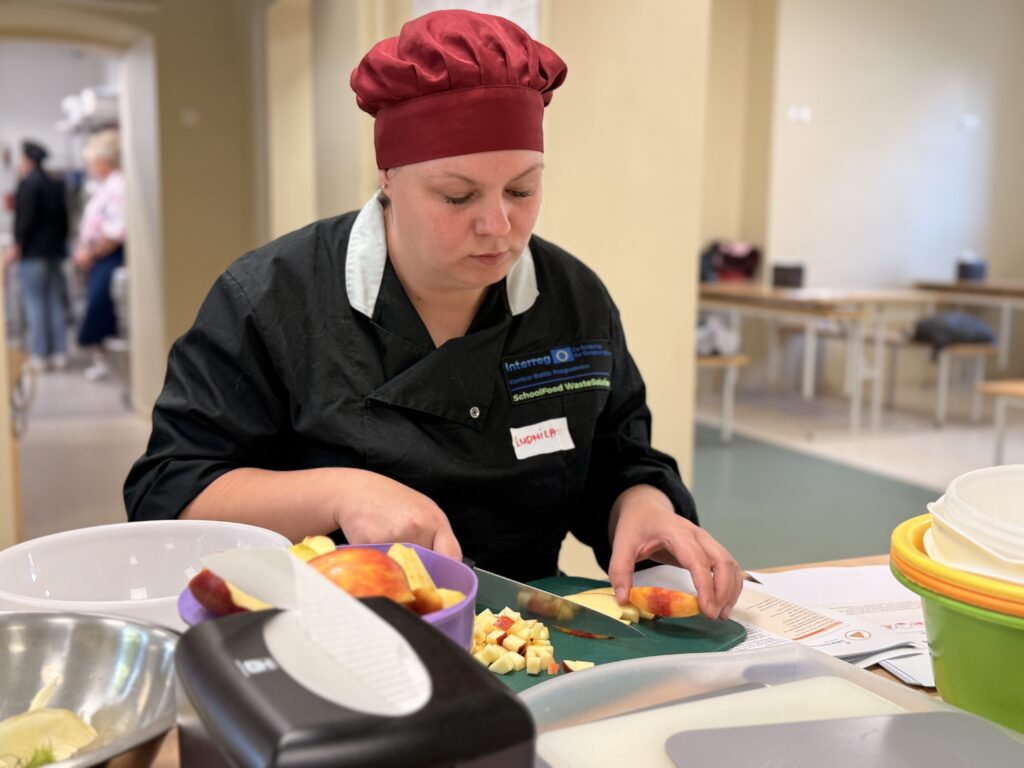
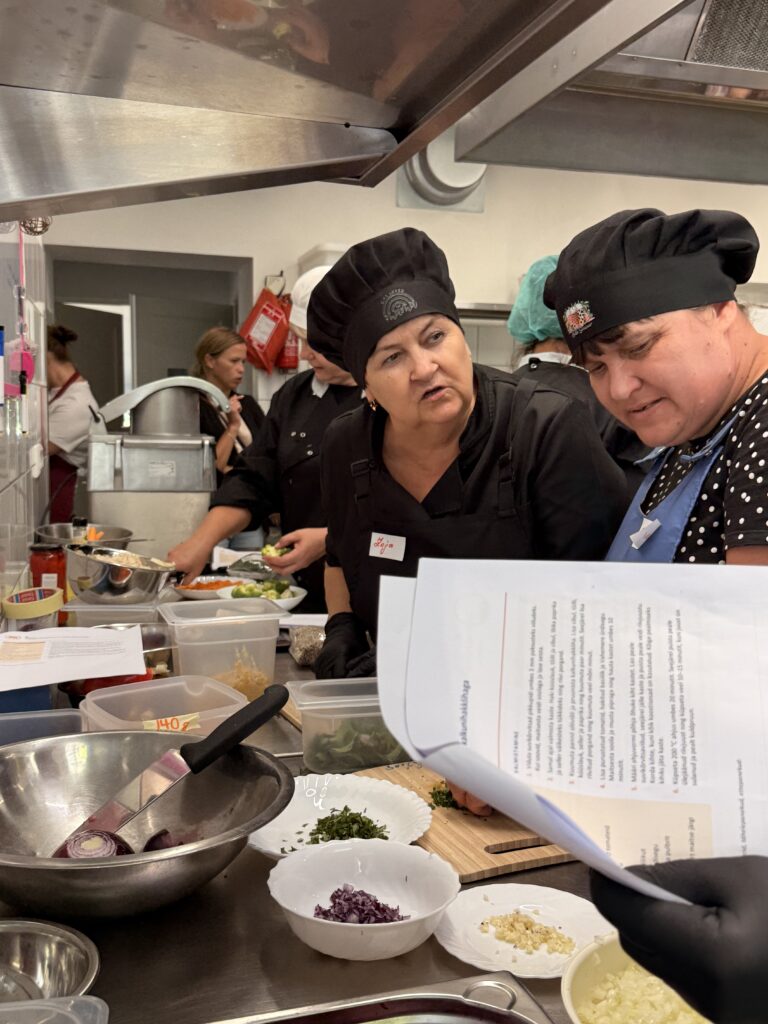
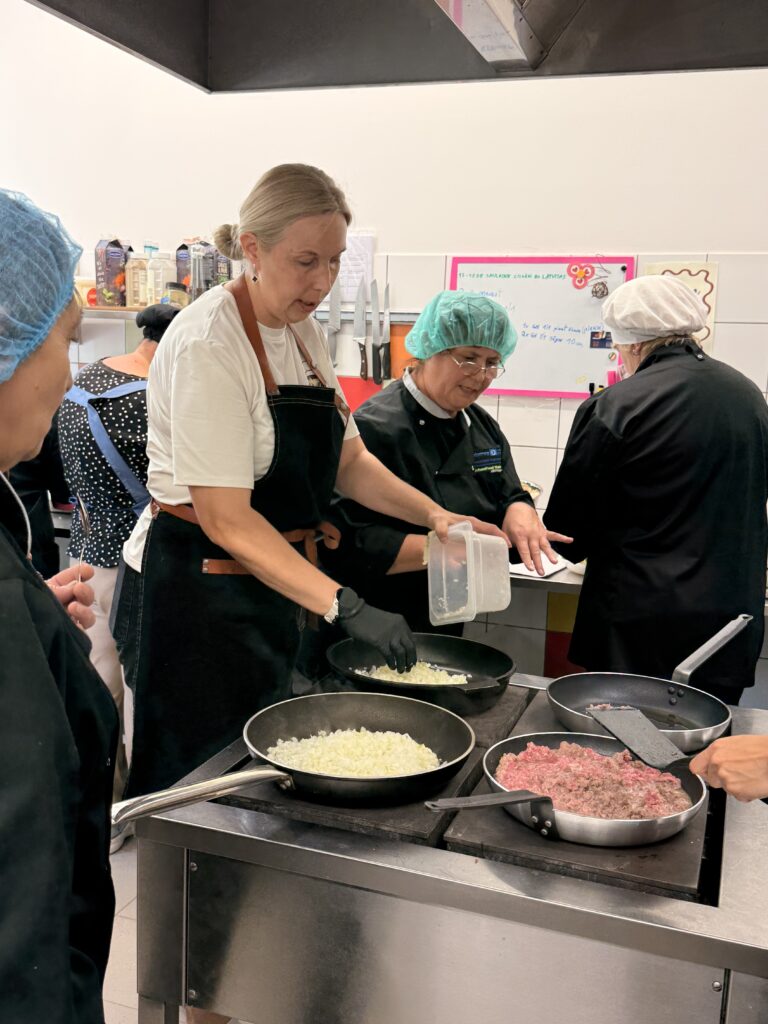
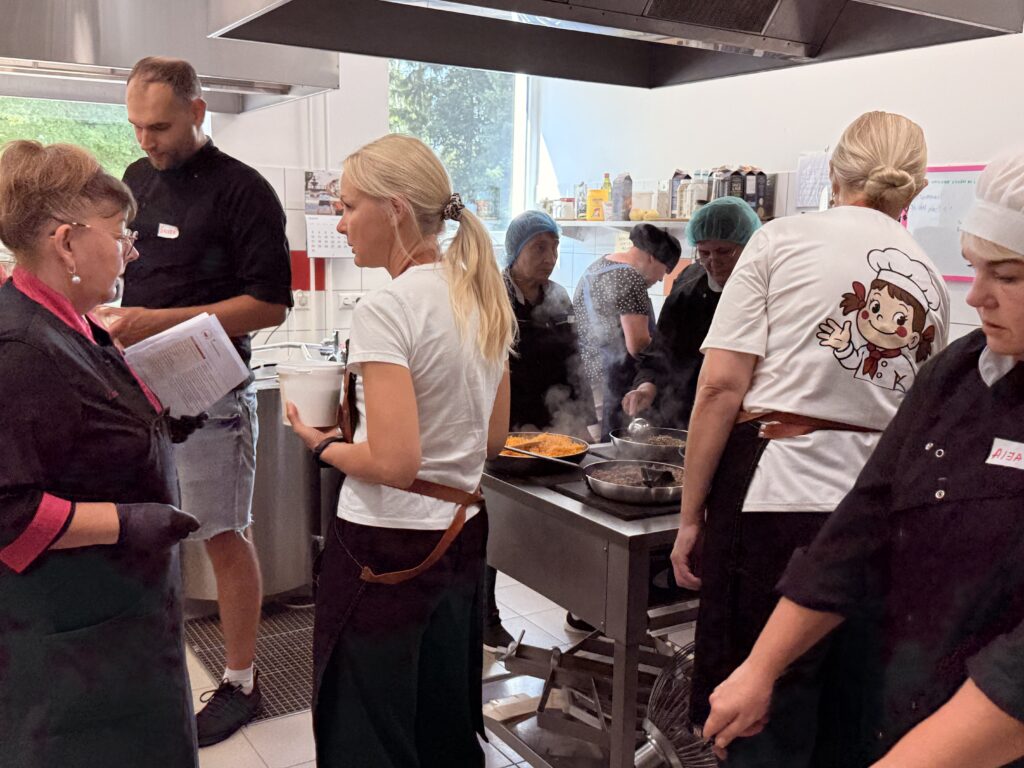
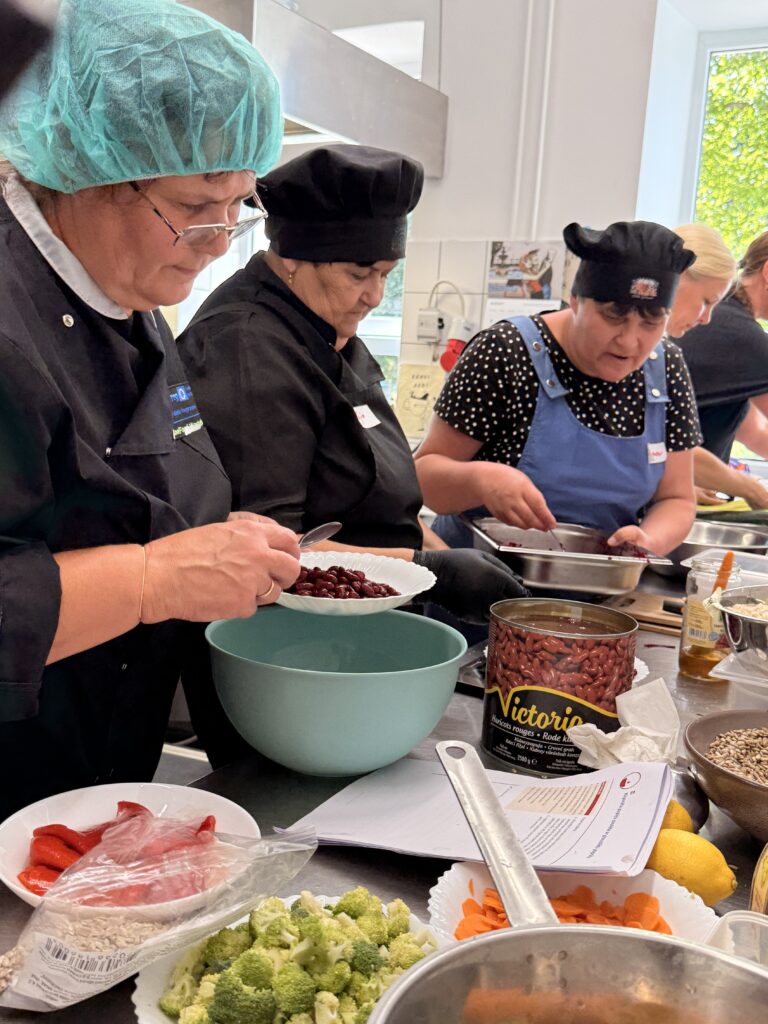
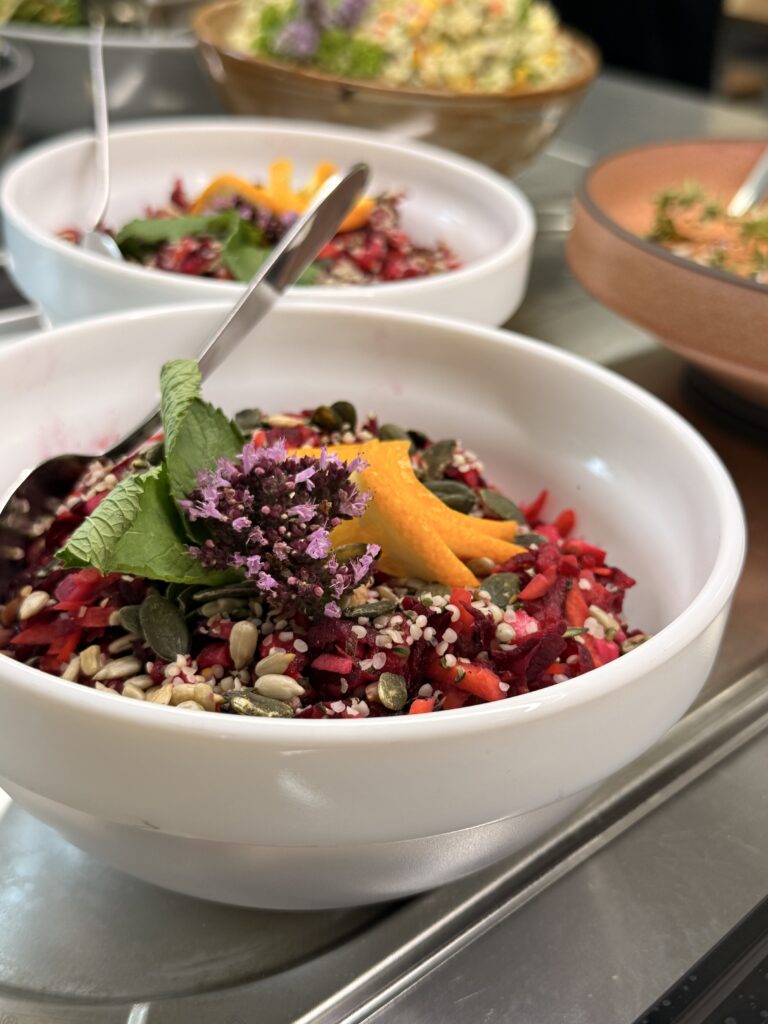
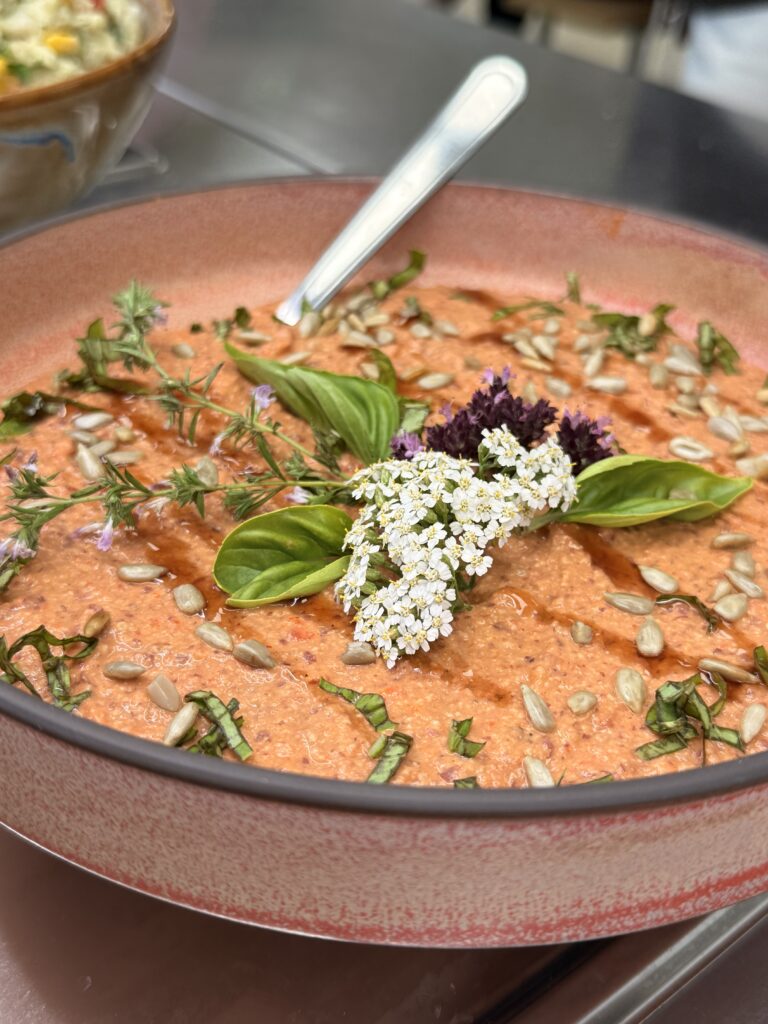
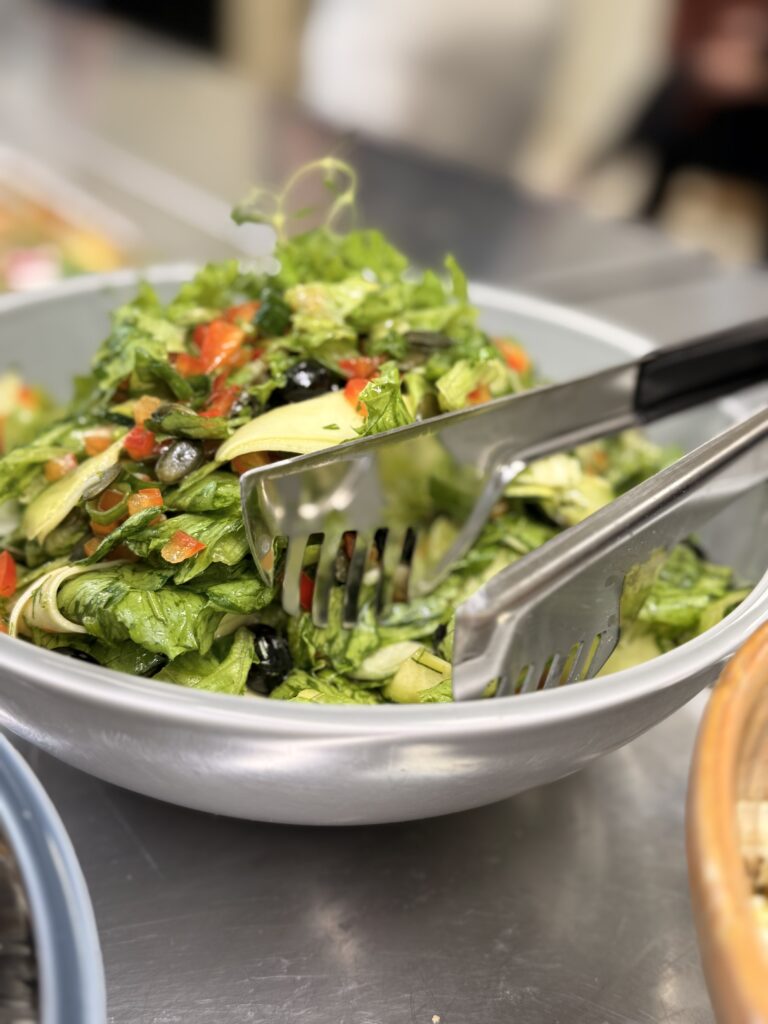
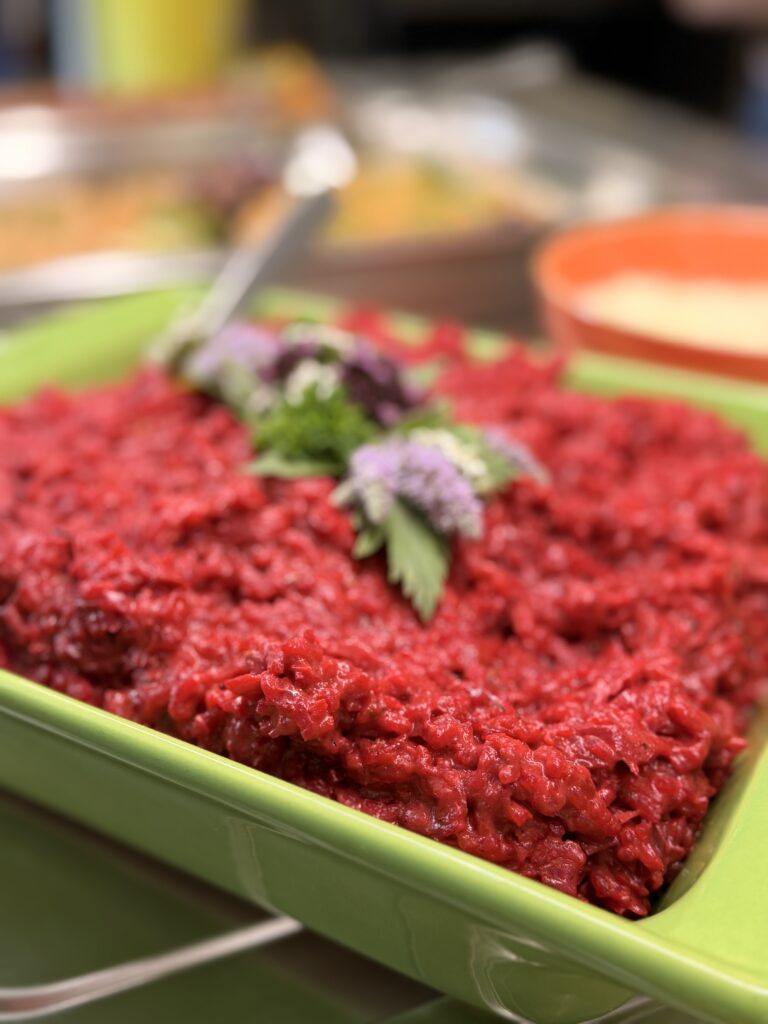
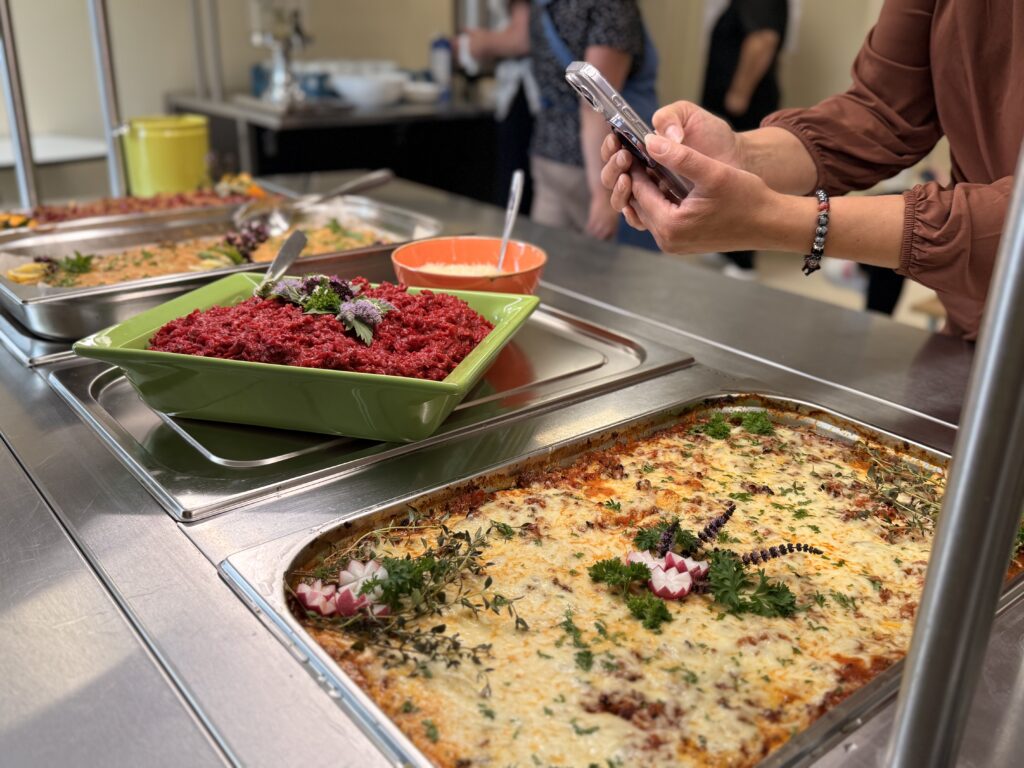
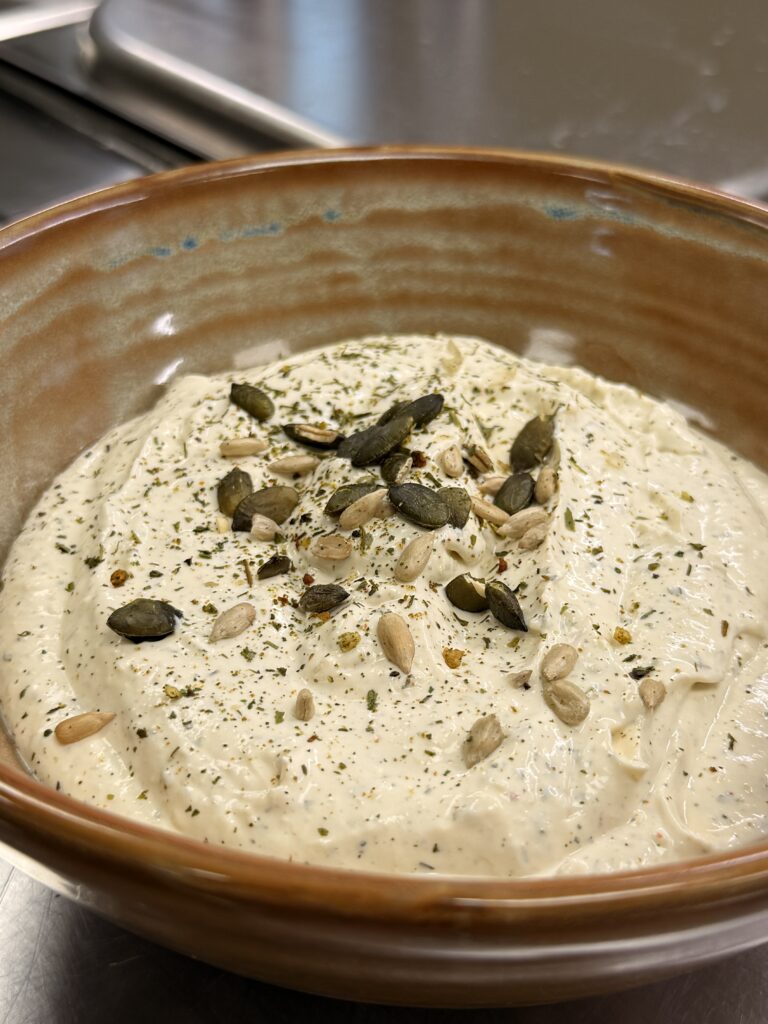
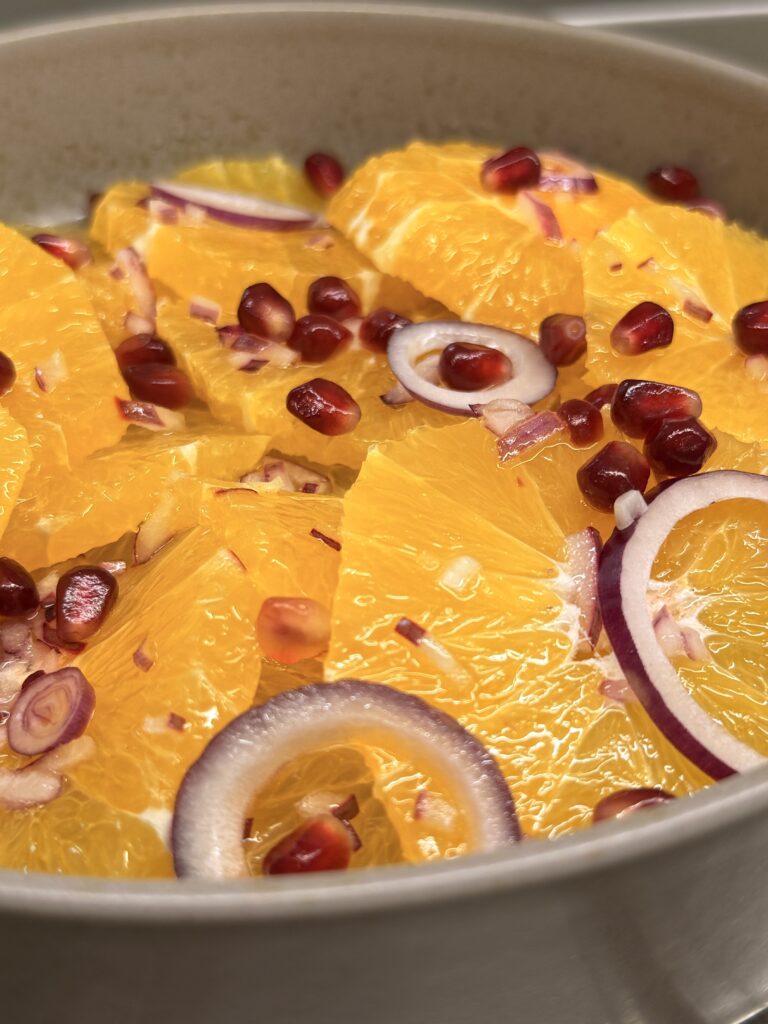
On the first day, the workshop “New Favourites for School Menus – Smart Ideas and Underused Ingredients” was led by nutrition expert and chef Triin Muiste. The participants prepared main courses, side dishes, salads, spreads and desserts together, paying particular attention to ingredients that are less commonly used in school kitchens but can help diversify menus and improve their nutritional value. Various vegetables, legumes and whole-grain products were used, along with creative approaches to herbs and spices. The result was a range of unusual but genuinely delicious dishes, such as bean and smoked paprika pâté and beetroot risotto.
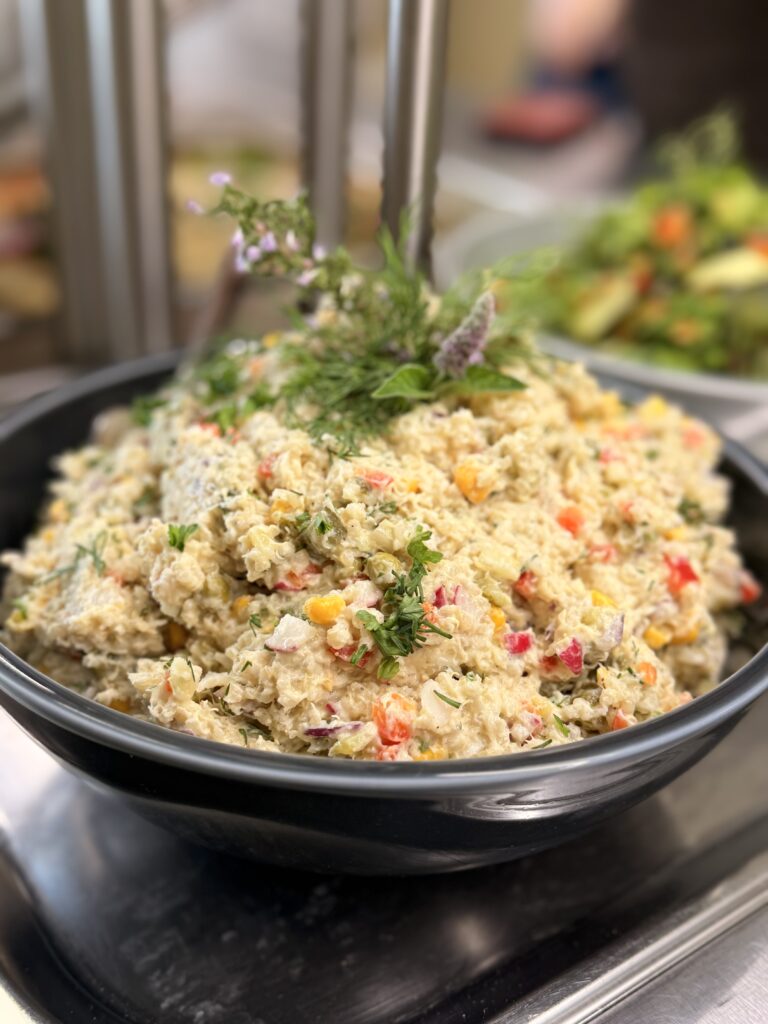
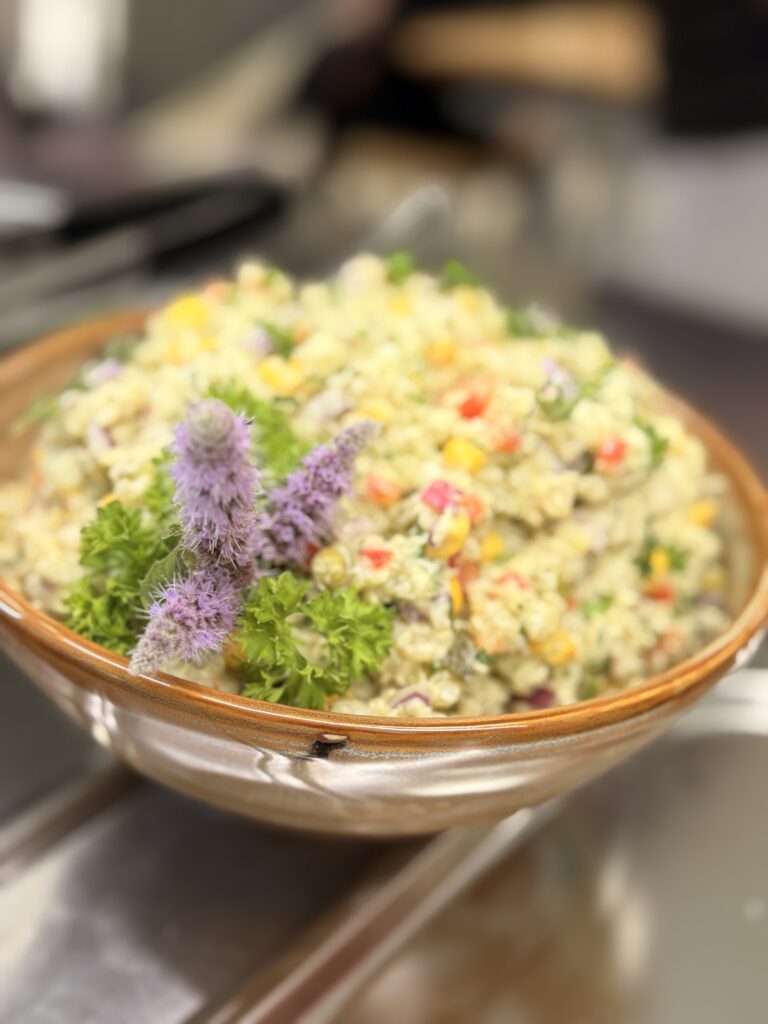
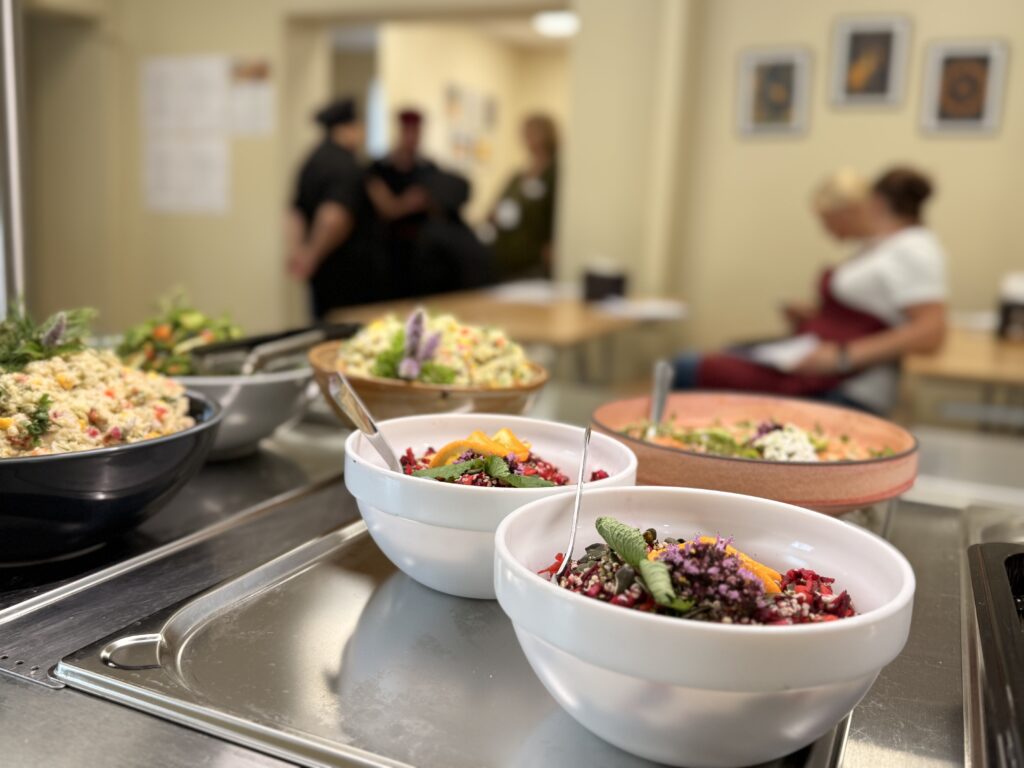
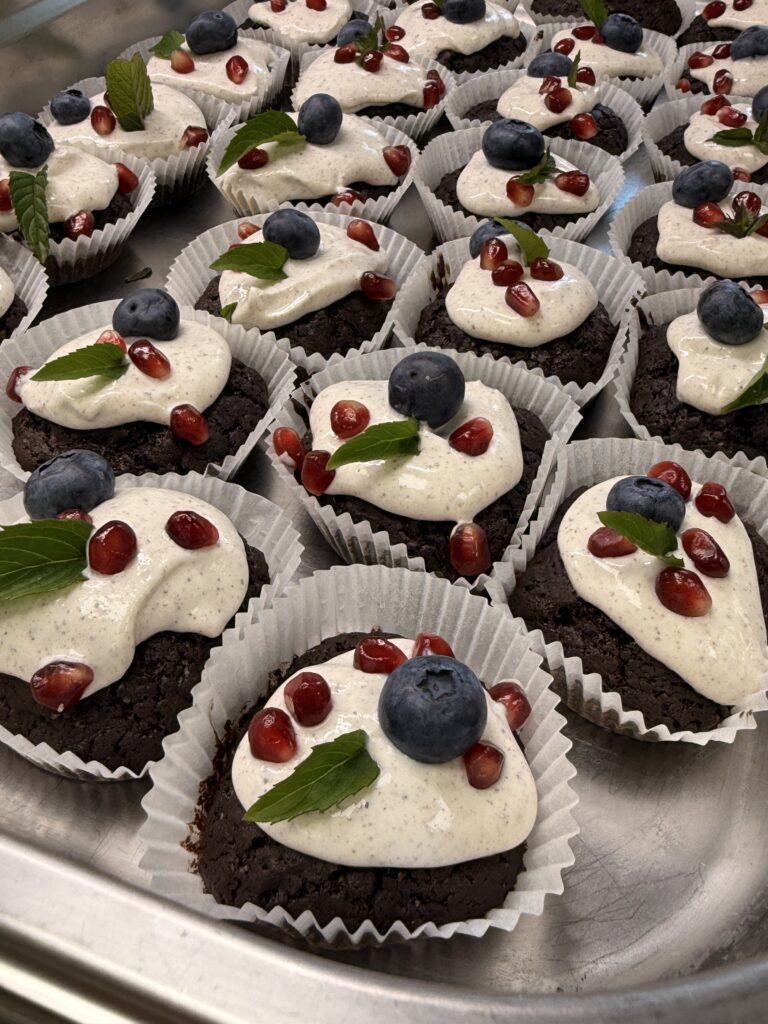
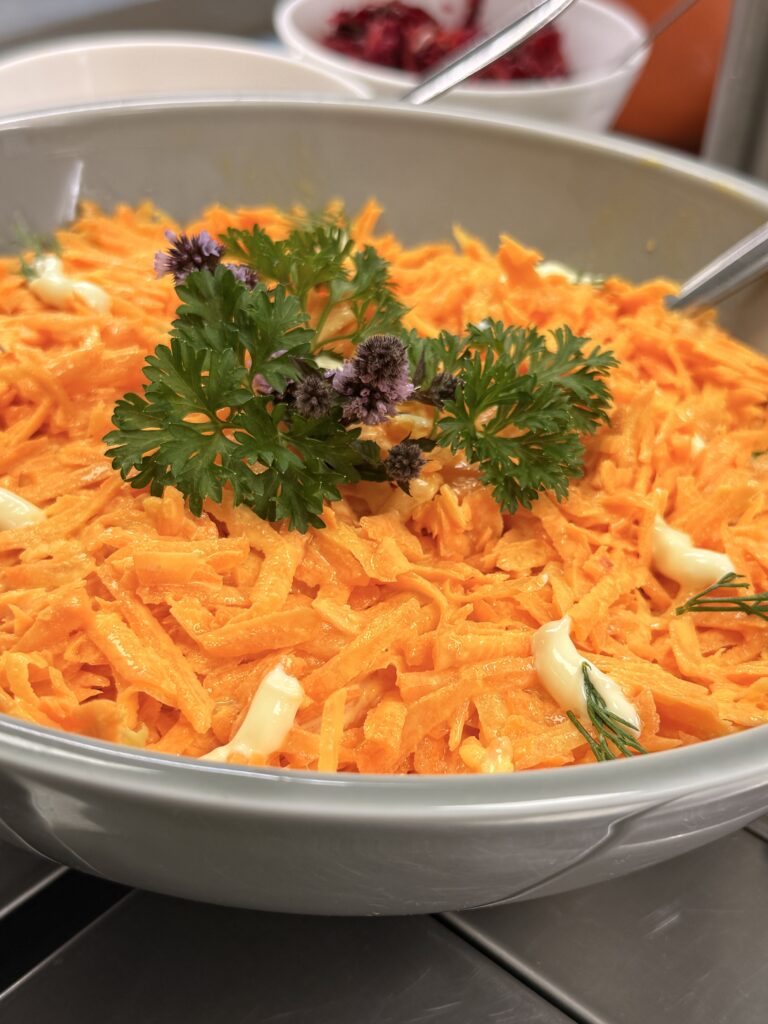
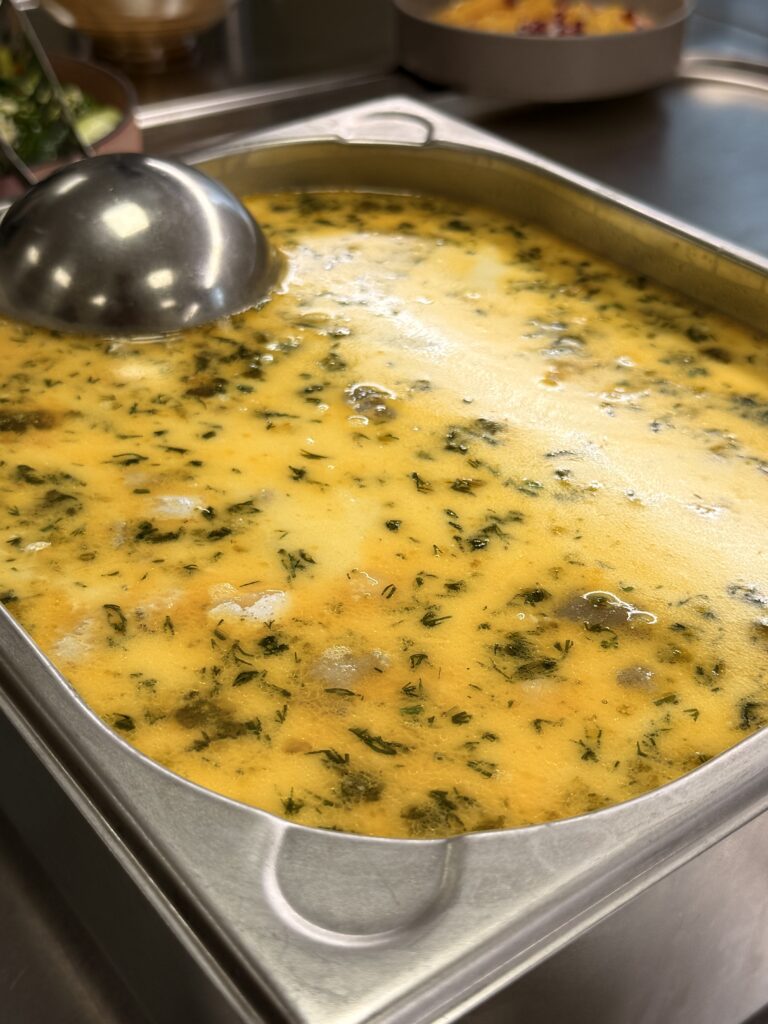
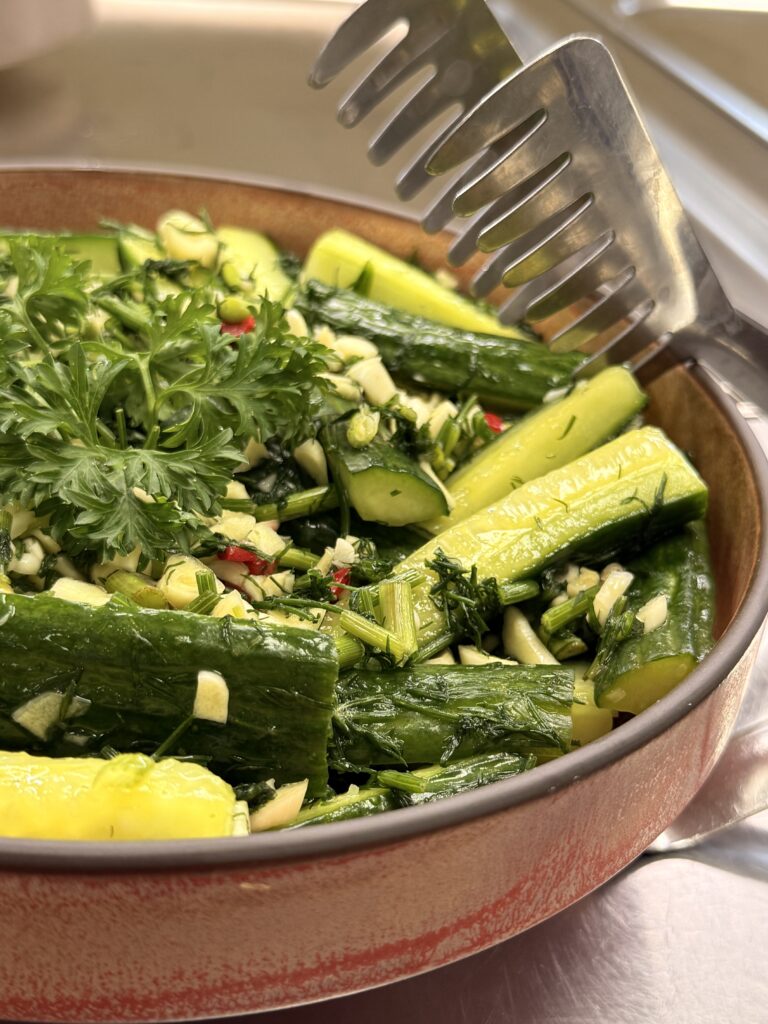
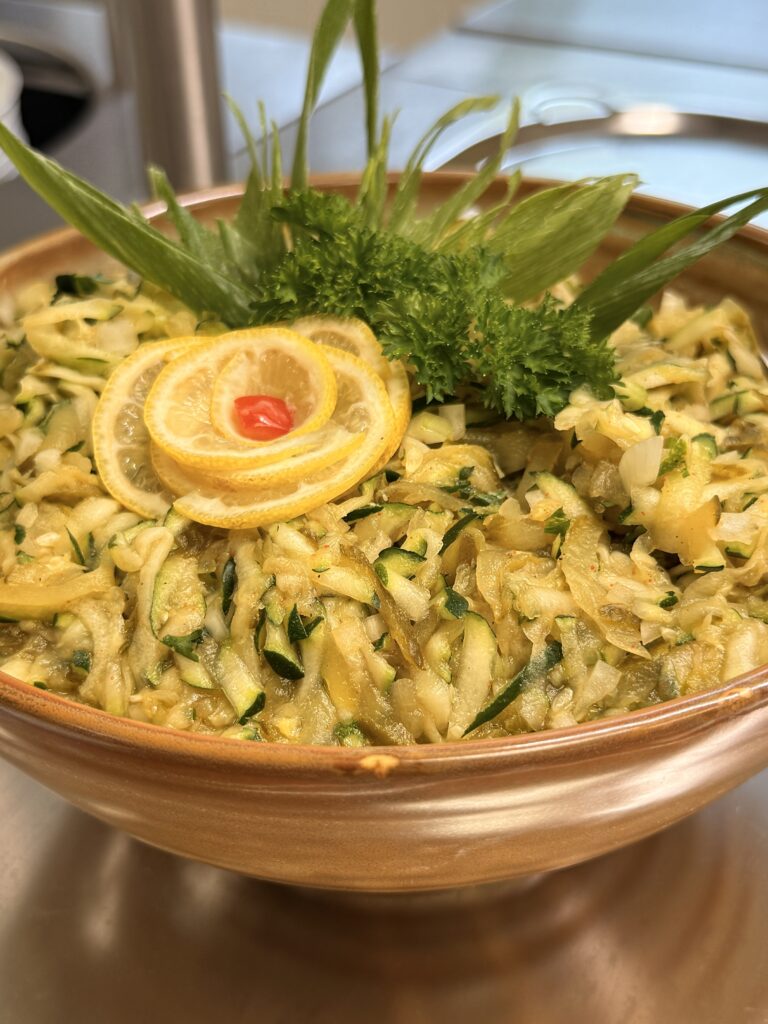
On the second day, the workshop “School Lunch with a Playful Touch” was led by Silver Ulm, head chef at Sillaotsa School. This time, the focus was on fish dishes, including the fish soup popular among Sillaotsa School students and a dish prepared with locally sourced fish, as well as colourful salads suitable for buffet-style school lunches. For dessert, the participants prepared cocoa and potato muffins.
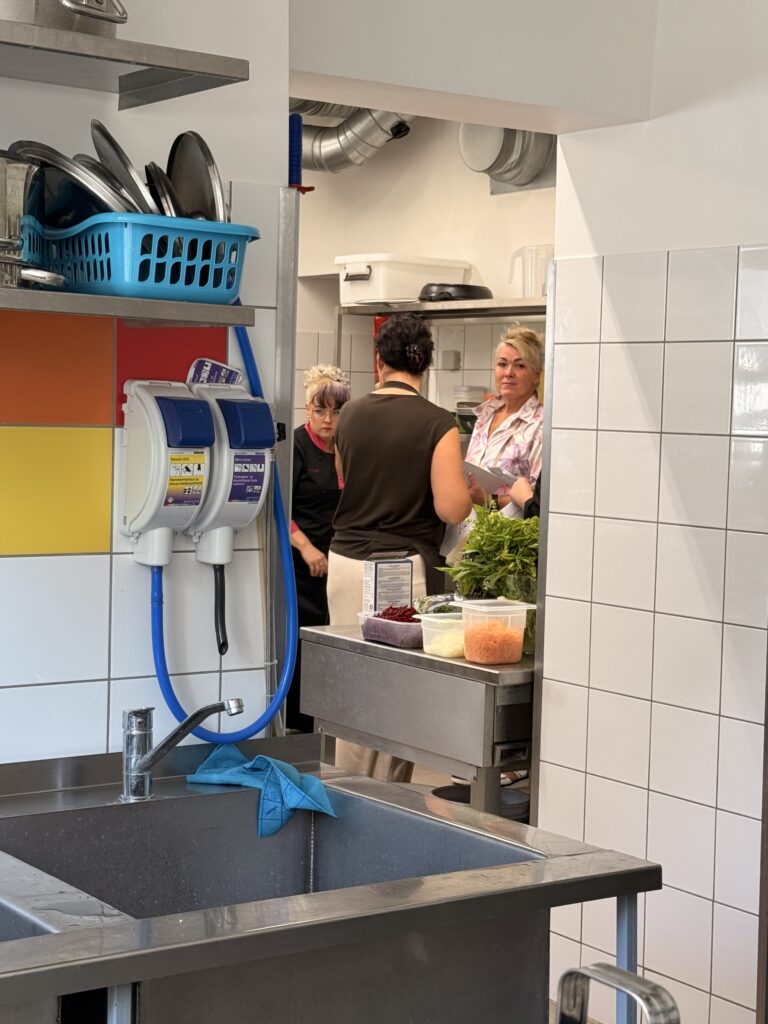
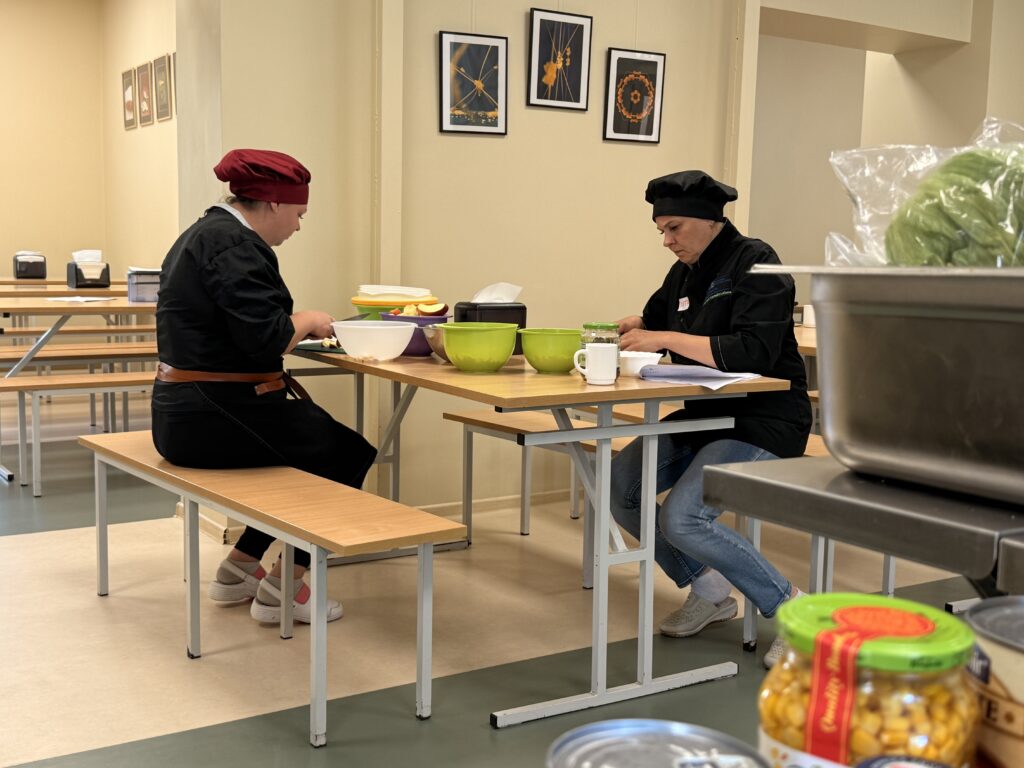
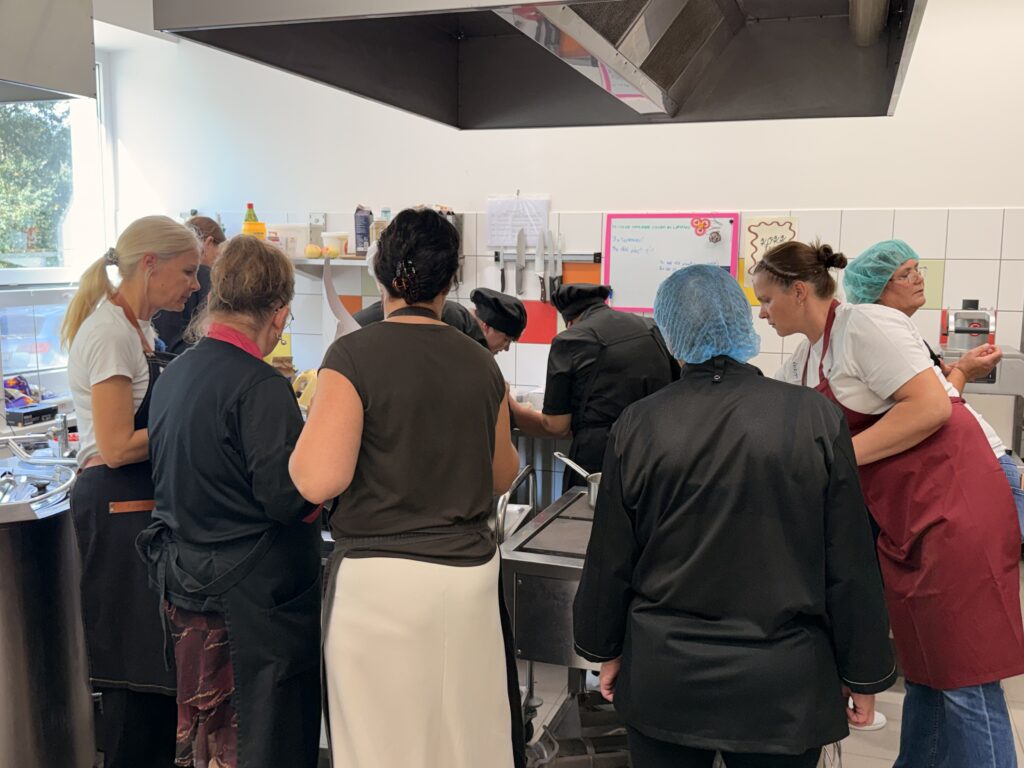
The hands-on approach allowed the chefs not only to discover new ideas but also to immediately assess how the recipes could be adapted to their schools’ everyday needs — by changing spice proportions, ingredients, preparation techniques and presentation methods.
“This trip was a great opportunity not only to discover the recipes offered by our Estonian partners, but also to prepare and test them together in practice, while experiencing the benefits of cross-border cooperation and gaining new professional knowledge. It is precisely while cooking that we understand where more or less seasoning is needed, which ingredient should be replaced and how a recipe can be adapted to our school menus. Once again, we were convinced that language is not a barrier — in the kitchen, there is a completely different way of communicating: through teamwork, flavours and professional experience. Many thanks to our Estonian partners for the excellent organisation and hospitality! ‘The School Kitchen Lab II’ is a great continuation of the tradition we have established of bringing together chefs from the project’s pilot schools to learn from one another, test recipes and develop solutions that can be used in practice,” emphasises Ruta Priede, Head of the “SchoolFood WasteSolutions” project at the Latgale Planning Region.
An important part of the workshops was the tasting of the dishes prepared together, followed by professional discussions and feedback. Participants were able to immediately discuss which solutions could be successfully used in school canteens, how they could be adapted to students’ preferences, and how greater variety and improved presentation of meals could encourage healthier eating habits and help reduce the amount of uneaten food.
“The School Kitchen Lab II” continues the tradition of practical knowledge exchange established within the project, giving chefs from the pilot schools the opportunity to learn from one another not only theoretically, but primarily by working together in the kitchen. This approach also strengthens cross-border cooperation between Latvian and Estonian partners and makes it easier to implement solutions that have already been tested in practice.
The aim of the “SchoolFood WasteSolutions” project is to reduce food waste in school canteens while improving the quality of students’ diets and promoting healthy eating habits. One of the project’s planned outcomes is a six-week recipe book for buffet-style school lunches, which is being carefully and thoroughly developed by the Daugavpils University project team. The recipe book will be publicly available to everyone interested.
The activity was implemented within the “SchoolFood WasteSolutions” project. The project is implemented under the Interreg Central Baltic Programme 2021–2027 and is co-financed by the European Union.