Greenhouse hopping in Estonia and Latvia: CIRRIWATER partners meet in person
By Riika Mäkinen and Kaisa Haukka, Satakunta University of Applied Sciences
In September 2026, we, the CIRRIWATER team from the lead partner Satakunta University of Applied Sciences (SAMK), packed our bags for the Baltic partners. I, project manager and coordinator Riika Mäkinen, with my colleague researcher Kaisa Haukka visited project partners Polli Horticultural Research Centre of Estonian University of Life Sciences (EMU, Eesti Maaülikool) and Latvian Institute of Horticulture (LatHort, Dārzkopības institūts). The aim of our visit was to get to know our project partners better, and to see how irrigation works in real greenhouses. The project is still young, having started in May 2026, so meeting face to face with team members of the partners was a great way to put names to faces.
The aim of CIRRIWATER is to make irrigation water reuse and nutrient recovery practical and cost efficient for greenhouse growers in Finland, Estonia, Latvia and even beyond. Solutions need to be simple, affordable and scalable to different kinds of greenhouses, and that is so much easier to plan and realize when one has seen the present irrigation setups, and their pros and cons.
Partners
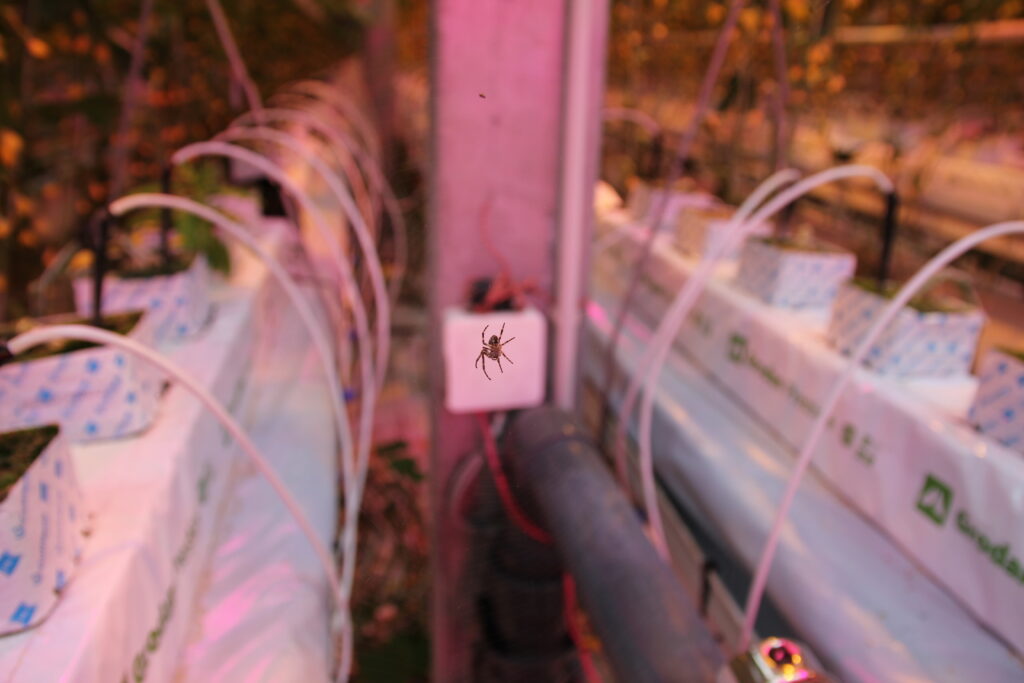
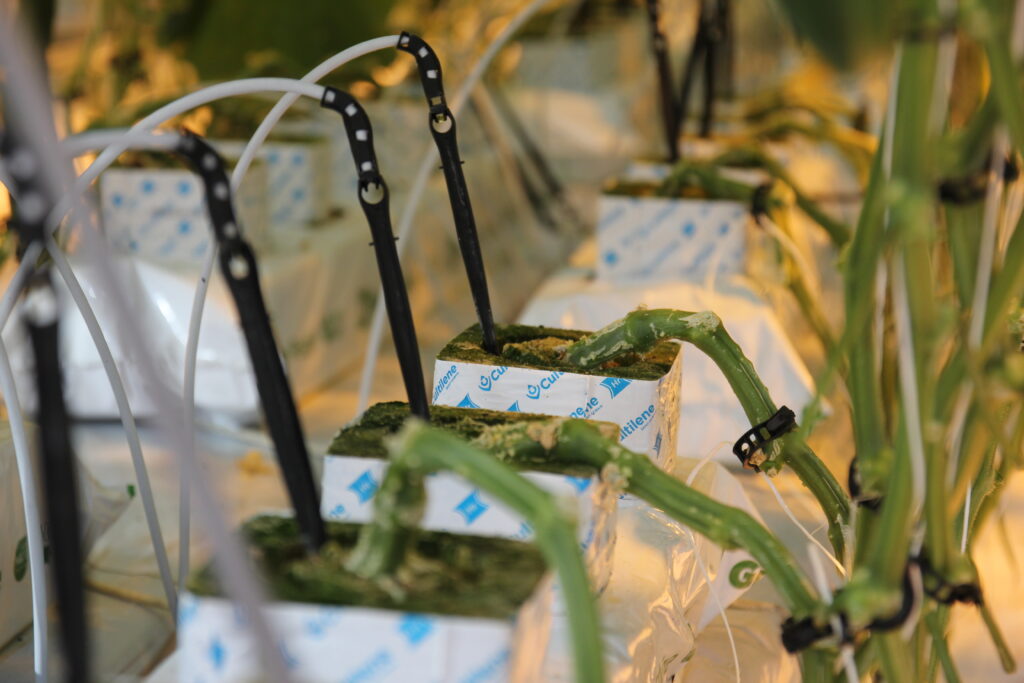
We visited the greenhouses of the project partners Polli Horticultural Research Centre and Latvian Institute of Horticulture to compare different irrigation systems, and to mull over the early-stage piloting possibilities that might not be directly suitable to implement in commercial greenhouses.
Also, seeing several irrigation setups side by side showed us how much systems differ between crops, and why flexible, low-barrier solutions matter.
Seeing the real thing
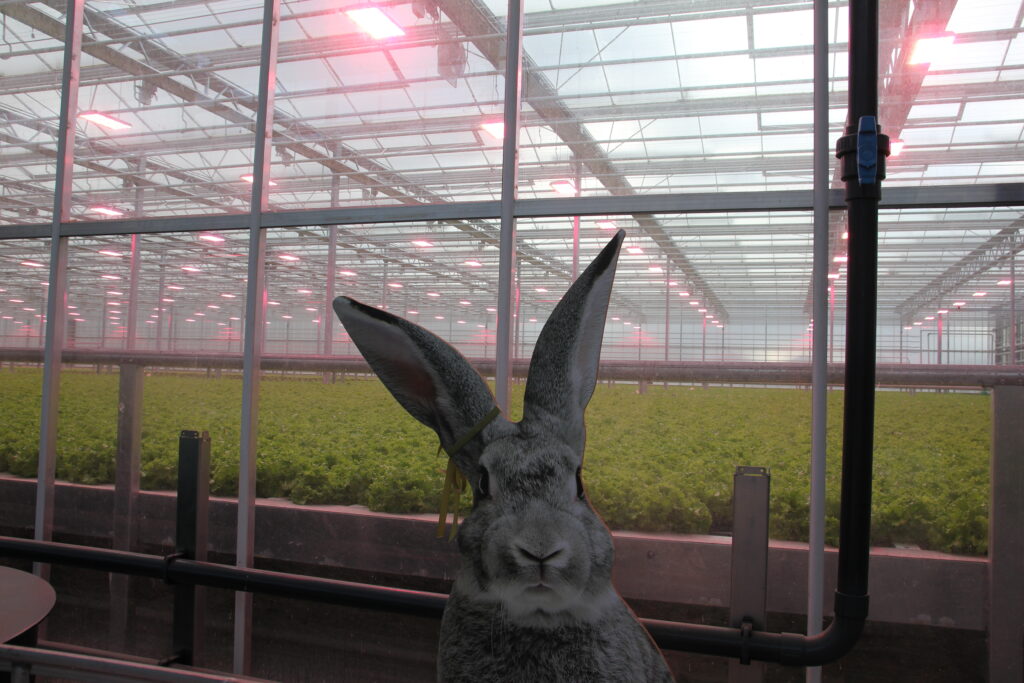
The highlight of our trip was the possibility to visit Mārupes Siltumnīcas, the biggest commercial greenhouse in Latvia (marupessiltumnicas.lv). Walking through a production site of that scale gave the whole CIRRIWATER team a good look at how irrigation is handled in practice, and plenty to talk about afterwards.
The same, or not the same, that is the question
During the trip we had lively discussions about different size and type of greenhouses, crop plants, irrigation systems, plant pathogens, over-irrigation reuse, legislation, habits, attitudes, and white stork (Ciconia ciconia), among many other things. It became clear that although we have in many aspect similar greenhouse processes, we do have differences as well, between our countries.
What’s next?
The visit gave us, the CIRRIWATER partners, useful ideas and a stronger working relationship for the work ahead. Many thanks to Polli and LatHort for organising the visit, and to our hosts at Mārupes Siltumnīcas for the warm welcome! Follow CIRRIWATER on the Central Baltic website for more news as the project moves forward.