
Inside the GSAI Stockholm sprint: AI Sweden brings startups and experts together
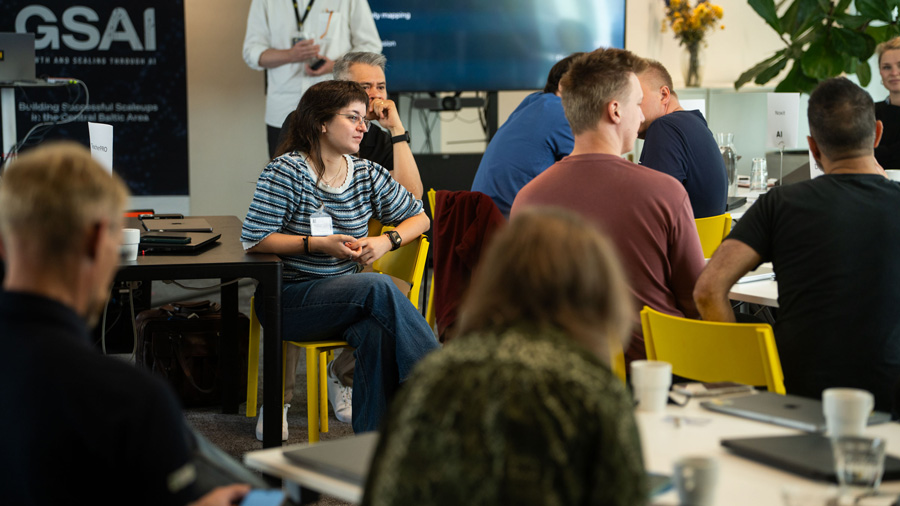
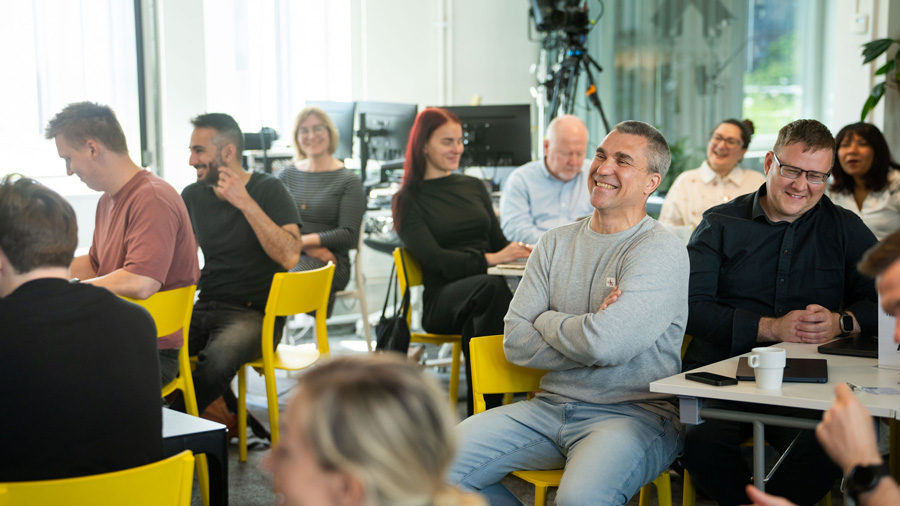
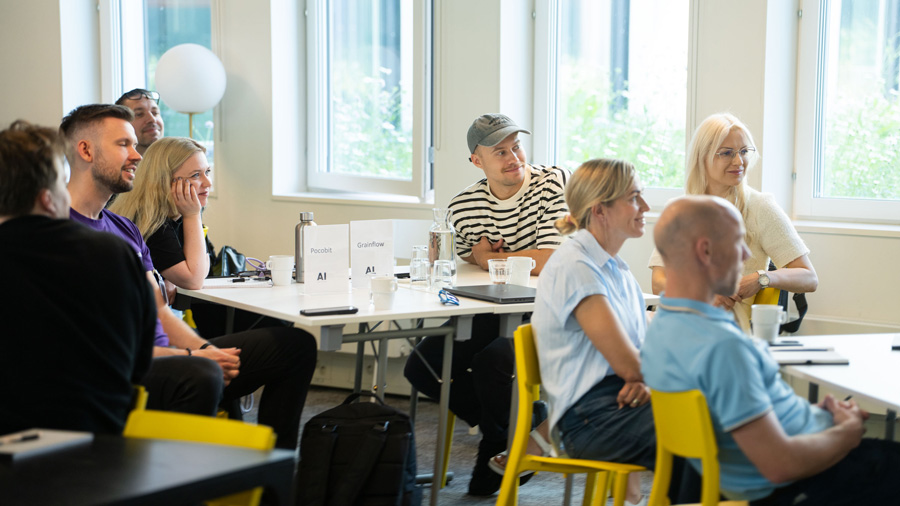
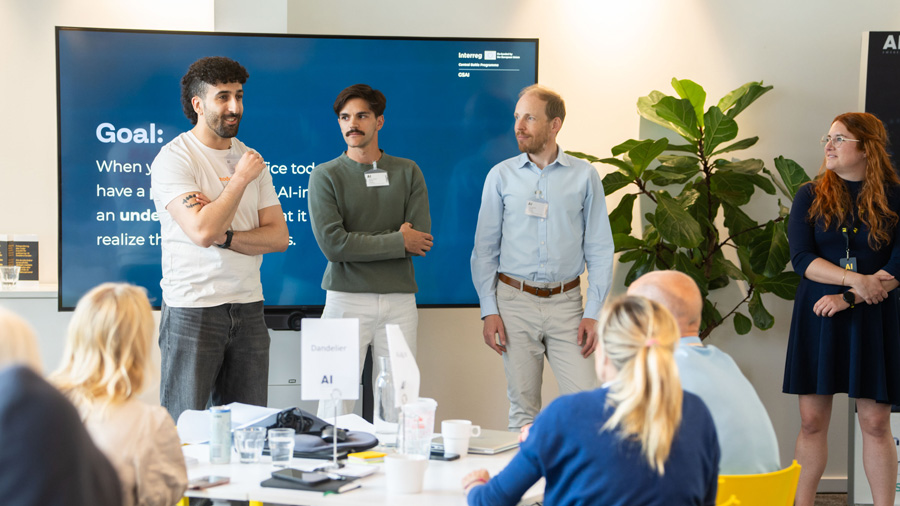
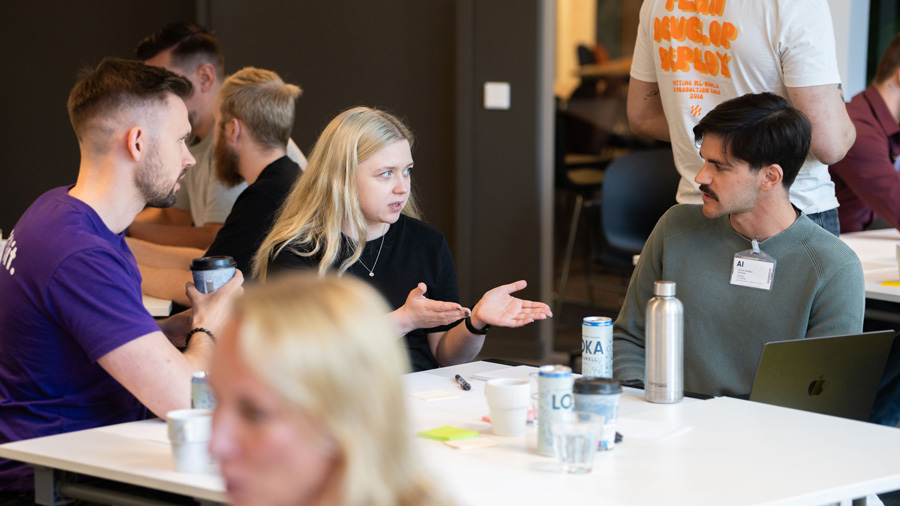
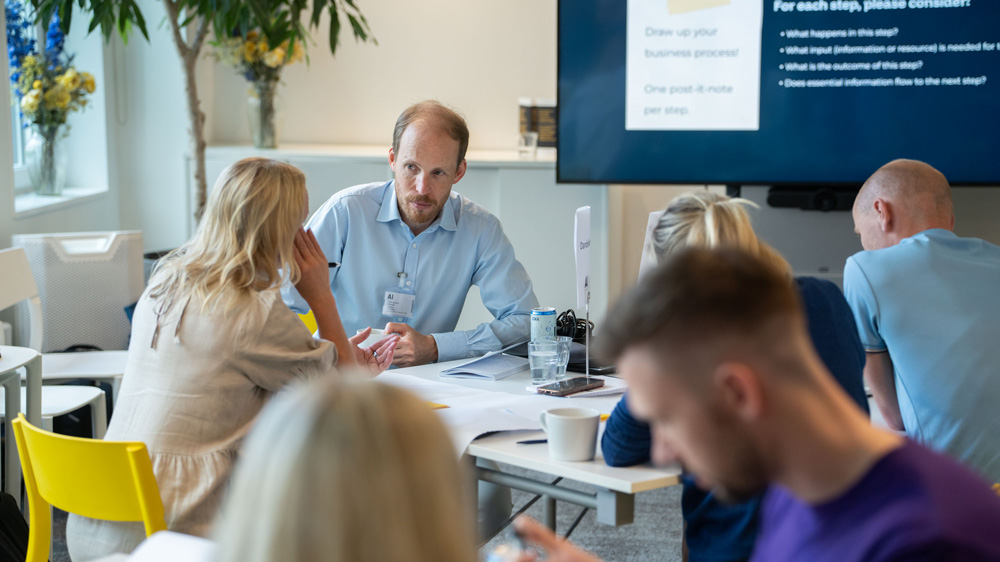
AI Sweden recently hosted 14 Central Baltic startups for the ‘Growth and Scaling Through AI’ program, a cross-border initiative focused on practical workshops and business scaling. Highlighting the sprint, senior experts and investors shared growth strategies for scaling businesses, offering insights on everything from securing immediate AI “quick wins” to the discipline of building a truly AI-native team.
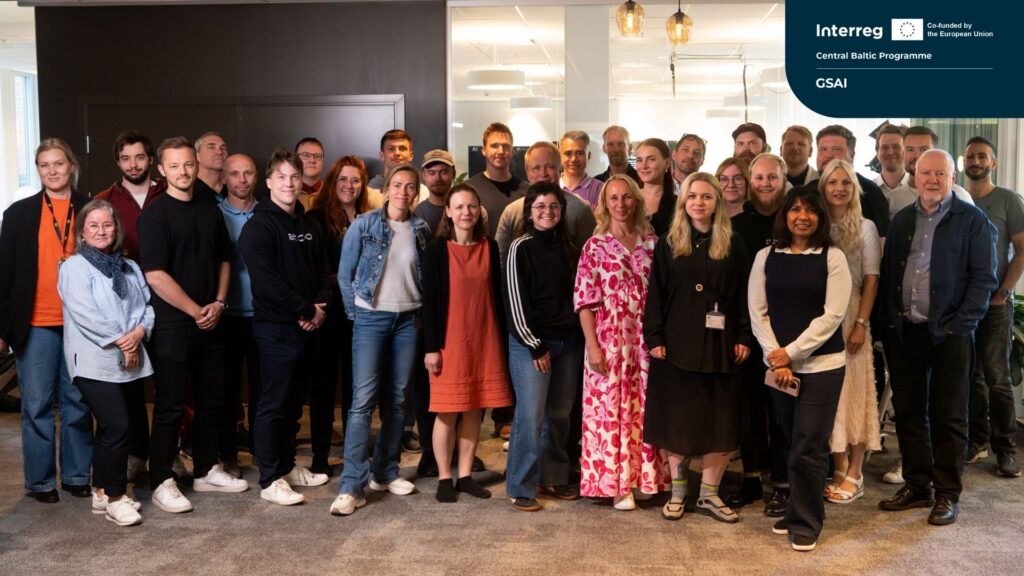
For startups originating from relatively small home markets such as Sweden, Finland, and Estonia, internationalization is often not a future option – but an early necessity. The GSAI program is designed to help founders navigate that journey with greater precision, founder-to-founder learning, stronger networks, and focused strategies.
“In this sprint, we combine hands-on strategic planning with inspiration and knowledge shared by speakers to ultimately help these companies expand into new EU markets,” says Alexander Brunner, project leader at AI Sweden.
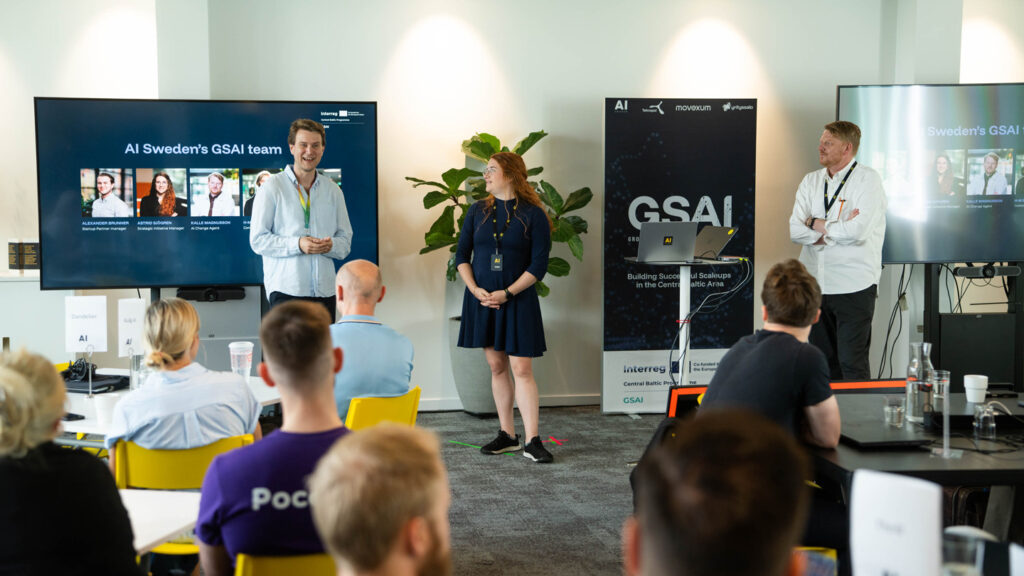
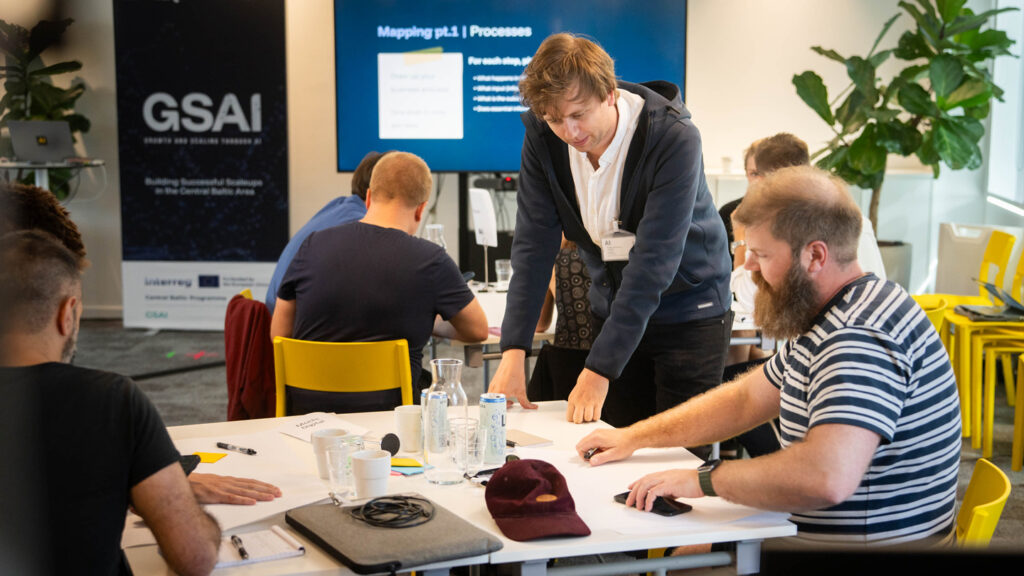
“We used practical methods like AI Opportunity Mapping and Project Scoping to identify and prioritize use cases, and turn ideas into technically viable, scalable projects. These startups are all using AI to varying degrees, and what we provided was a systematic and structured approach to help them get an overview of their processes and focus on the most valuable actions,” says Astrid Sjögren, Sector Initiative Manager at AI Sweden, who facilitated together with Kalle Magnusson.
The previous cohort of GSAI delivered strong results across the region. Nearly all participating companies established themselves in new European markets, and several startups successfully secured new investment capital during or after the program.
Lessons from senior experts: Overlooked AI opportunities and scaling strategies
We caught up with several of the senior experts and guest speakers who took the stage to share their knowledge and inspire the startups. Here are some of their key learnings and insights for early-stage companies navigating the AI space.
The power of quick wins
Among them was Liv Kåreborn, an alum of AI Sweden’s natural language understanding team who now works as an AI Engineer at Voi Technologies. Voi has experienced a massive internal AI boom over the past year, a shift Kåreborn attributes not just to advanced tech, but to the crucial step of getting the entire organization onboard.
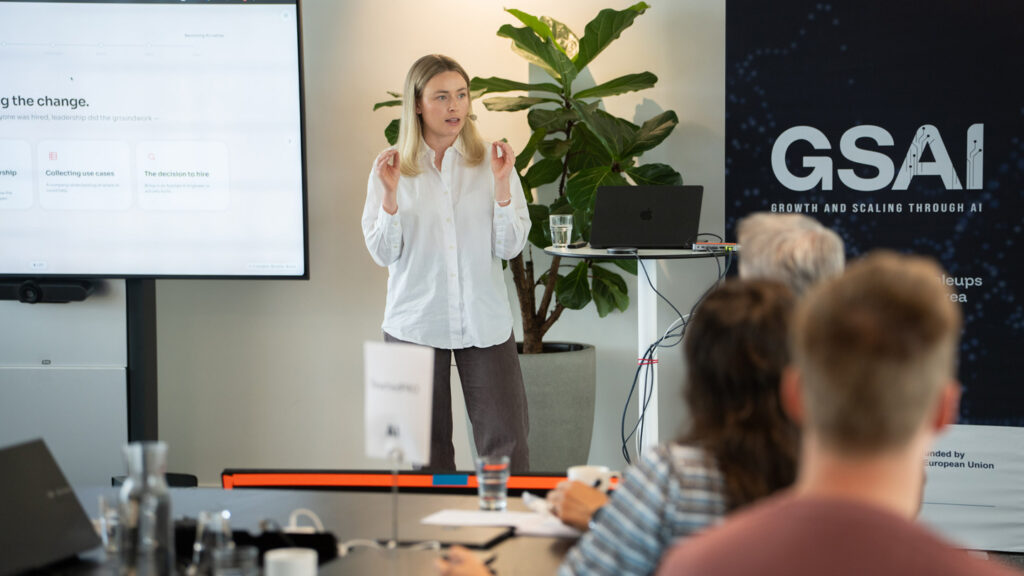
When asked which AI opportunities are currently being overlooked, she emphasized simplicity and momentum.
“I think that one AI opportunity that is being overlooked right now is just the quick wins,” Kåreborn says. “It feels like a lot of companies want to build very complex things to show that they can create cool, advanced solutions.”
Instead, she highlights the importance of securing early, tangible results to build internal trust. She practices what she preaches. When joining Voi, her first project was to automate the processing of parking fines, which was a tedious task that took around ten minutes per fine. Within a few weeks, she developed an AI solution that cut the processing time to just 45 seconds, saving the company approximately €100,000 in late fees and freeing up two full-time employees (FTEs).
“In reality, capturing those quick wins and showing the immediate value of building with AI is incredibly valuable. It gets the company onboard and gives you the room and trust to do more once people start seeing the tangible impact.”
Liv Kåreborn, AI Engineer at Voi Technologies
Niclas Johansson, AI Architect at Tenfifty, shared his perspective on overlooked opportunities, pointing to the value of proven technical foundations.
“One overlooked AI opportunity right now is traditional machine learning,” Niclas says. “Everyone is looking at the new flashy AI tools and cloud solutions, and they are amazing. But they are forgetting about the last 50 years of AI development before this boom. Some companies would really benefit from looking back at those foundations.”
Putting people at the center
This focus on the internal organization reflects a broader theme shared by many experts at the Stockholm event: technology is only as good as the people driving it, and building a sustainable culture is half the battle.
This human-centric foundation is especially critical for new businesses looking to find their footing. When we asked Ola Wassvik, co-founder of startup Lightbringer, what his top recommendation would be for a new business starting out, he emphasized that the organization itself must be designed around this mindset from the ground up.
“The first thing you need to do when you set up a new business is to make sure that you’re actually building it AI-native,” Wassvik explains.
“It’s very easy to say that you’re going to be native, but if you don’t set up your organization in an AI-native way and hire people that can support an AI-native function, you’re not going to be able to build it, no matter how much you want to.”
Ola Wassvik, Co-founder, Lightbringer
Wassvik notes that this structural requirement makes talent acquisition a zero-compromise zone, sharing his thoughts on where founders should never cut corners.
“A founder should never, ever cut corners when it comes to hiring. Getting in one person that doesn’t fit in the company, and with the native strategy that you’re going for, you are going to suffer massively. You need to make sure that every single person that you hire has the right qualities, the right personality to fit in your team,” he continues. “I think this is where a lot of founders, they just want to get someone in to get a little less to do themselves. And it’s easy to forget that the people that you need to get into an AI-native organization are much more important than they used to be before, because you’re going to have fewer of them.”
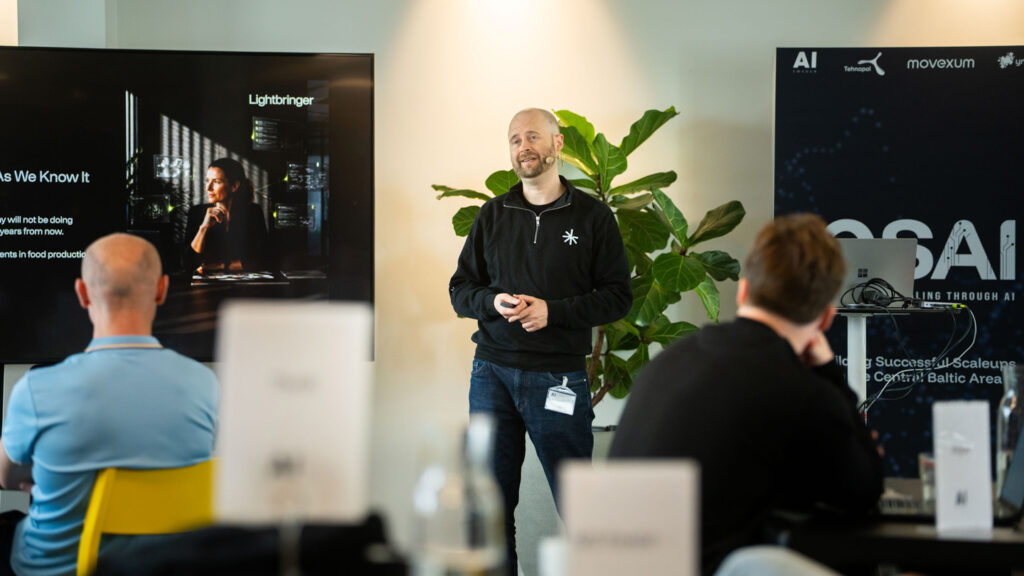
Per Clingweld, AI Change Agent at AI Sweden, highlights a common trap early-stage companies fall into: prioritizing flashy marketing over hard sales. “Campaigns and branding are fun, but they don’t move you over the threshold to actually close deals,” Clingweld says. “Start in sales instead, and treat those initial client interactions not as mere transactions, but as vital learning and value-creation opportunities.”
Navigating safety and future infrastructure
Beyond team dynamics and quick wins, the sprint also dove into the larger geopolitical and technical frameworks shaping the European ecosystem.
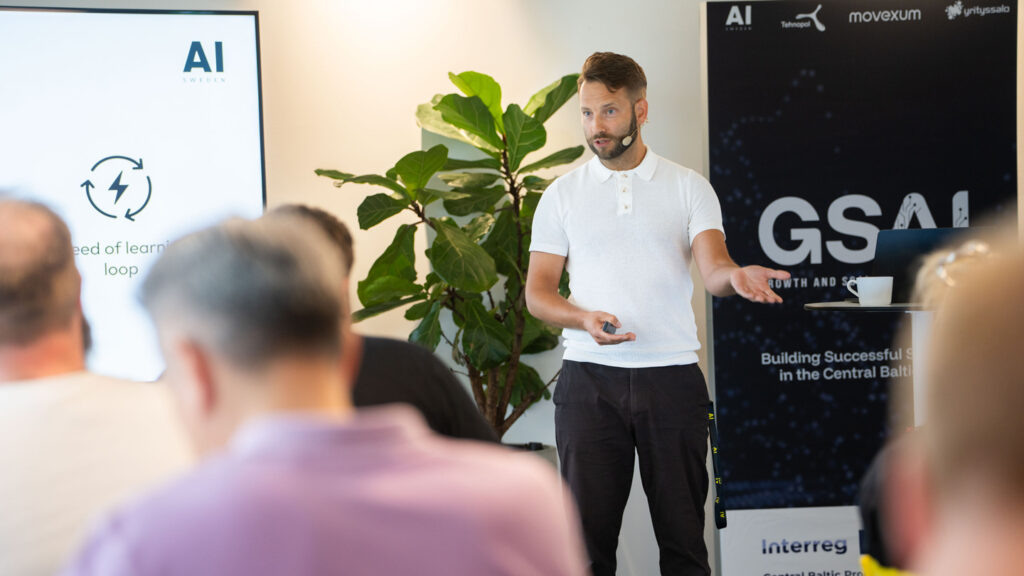
Thor Wikfeldt, Deputy Director of the Mimer AI Factory, project leader at RISE, explained how the establishment of AI factories across Europe directly addresses the pressing question of European sovereignty.
“We are in a geopolitical context where it’s important for Europe to accelerate innovation and become more self-sustained in many areas, including AI,” Wikfeldt says. “And one pillar in that effort sort of is the establishment of AI factories across Europe,” he continues.
During his presentation, Robert “Bobby” Bridges, Mathematician and Innovation Leader at AI Sweden, focused on the rapidly evolving intersection of AI and security, organizing the subject into two main areas: the security of AI systems (making them resilient and trustworthy) and security against AI-driven threats (such as advanced cyber attacks).
Capital and execution: What investors look for
As highlighted earlier in our conversations, the human element remains a central theme. Several of the investors we spoke with emphasize that the people behind the idea represent one of the most critical factors for a startup. Without the right individuals in place, finding success becomes significantly harder.
This human-first approach is also essential for attracting larger capital. Anders Nygren, Founding Partner at Foundry Ventures, notes that modern venture capitalists look for speed and customer intimacy as primary differentiators against legacy competitors.
“The single most important thing as a founder is to show how your team and product organization are moving really fast,” Nygren explains.
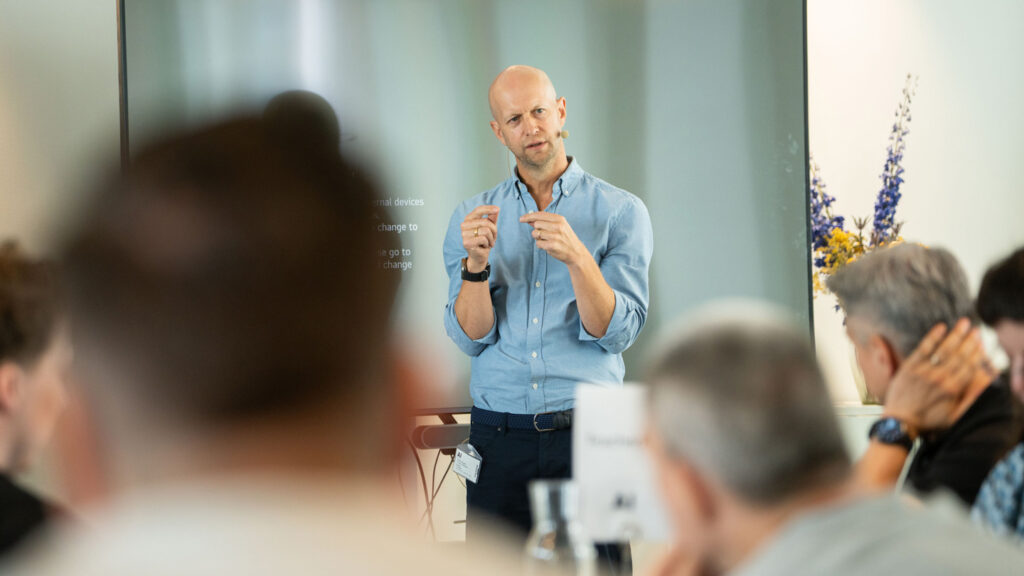
“VCs also want to see an idea of how your data flywheel is set up. You need a clear strategy for how you get customer data, use it to improve the product, and leverage that improvement to boost your go-to-market motion. You don’t need to have proven it yet, but you must have a solid idea of how it works.
Anders Nygren, Founding Partner at Foundry Ventures
As the participating startups from Sweden, Finland, and Estonia return to their daily operations, they can look forward to the continuation of the program, with upcoming sprints scheduled in Estonia and Finland. In addition to these regional events, the teams will gain access to expert coaching tailored to refining their growth strategies and accelerating AI adoption.
Looking ahead, the final batch of the GSAI program is scheduled to begin in 2027. For founders eager to join the next cohort, the application period will open toward the end of 2026 and early 2027.

About GSAI
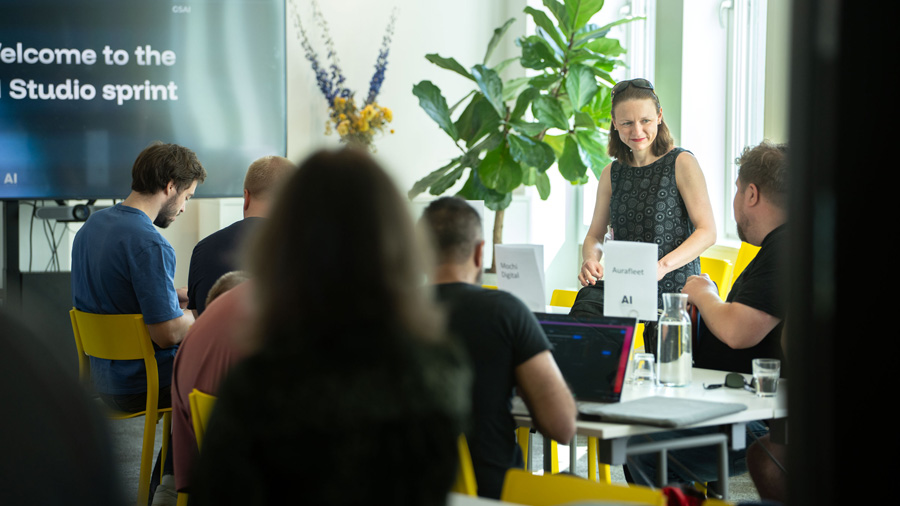
Growth and Scaling Through AI (GSAI) is a collaboration between Movexum, AI Sweden, Tehnopol in Estonia and Yrityssalo in Finland, and is financed by the Interreg Central Baltic Programme.
Startups participating in 2026/2027
Estonia: Beyondcode, Grainflow, KULG, MS Forest and PocoBit
Finland: Aurafleet, Dandelier, Dokport, TeachersPRO and Sportribe
Sweden: Atjoo, Careifai, Mochi Digital and Noxit