New Latvian–Estonian cooperation project “BorderLink” launched in Rēzekne
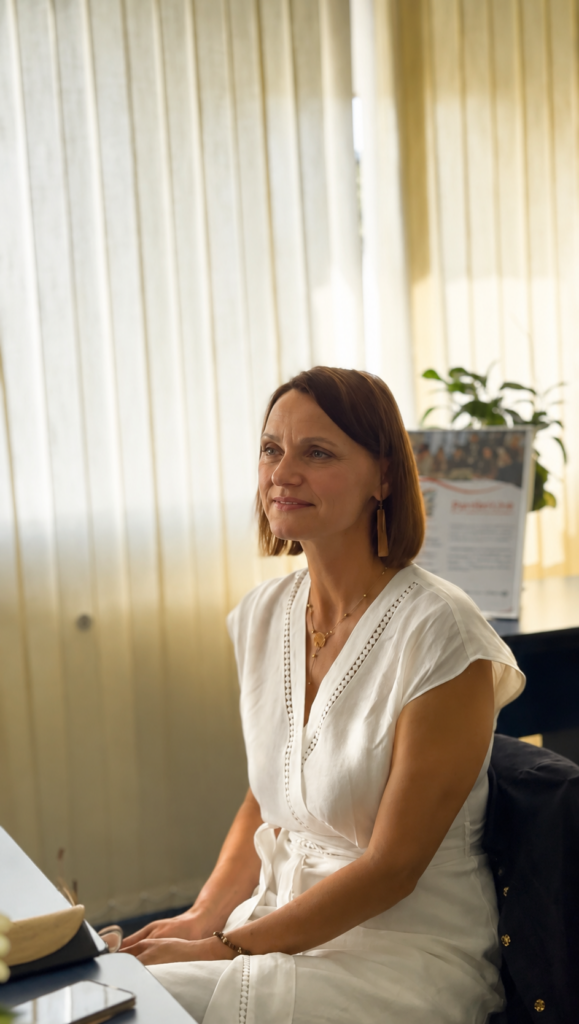
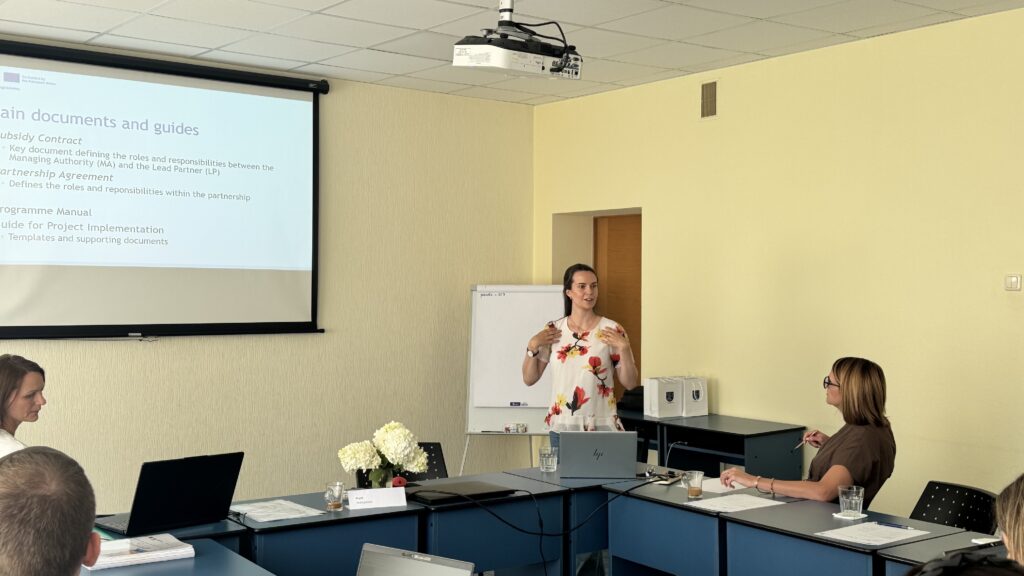
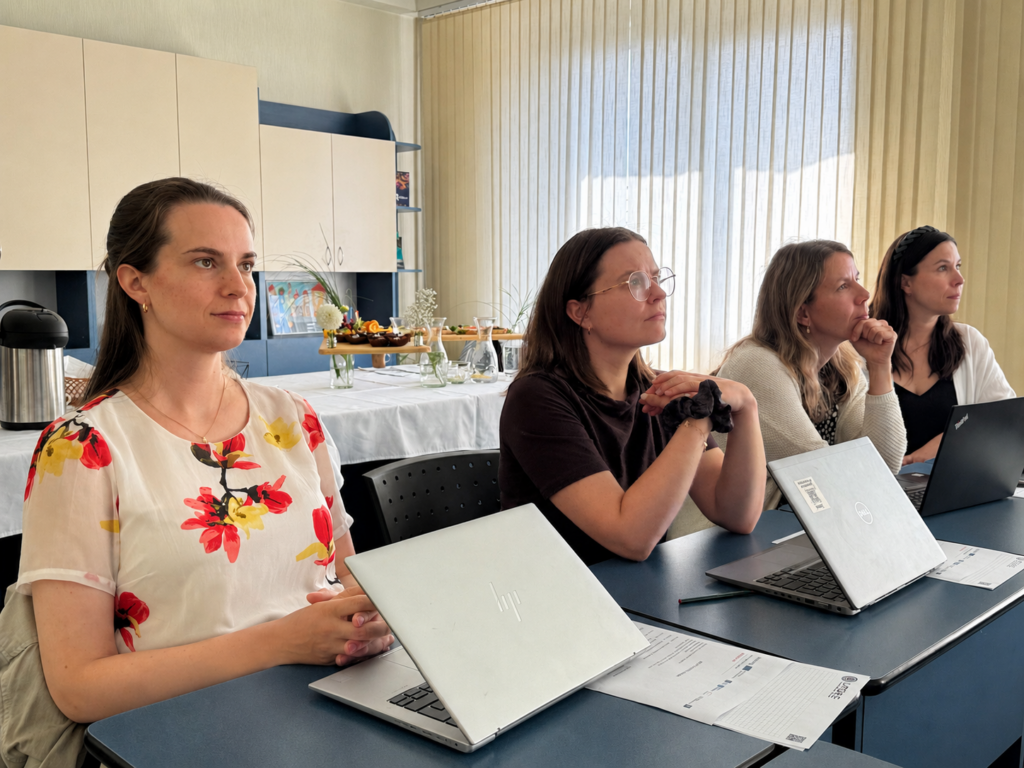
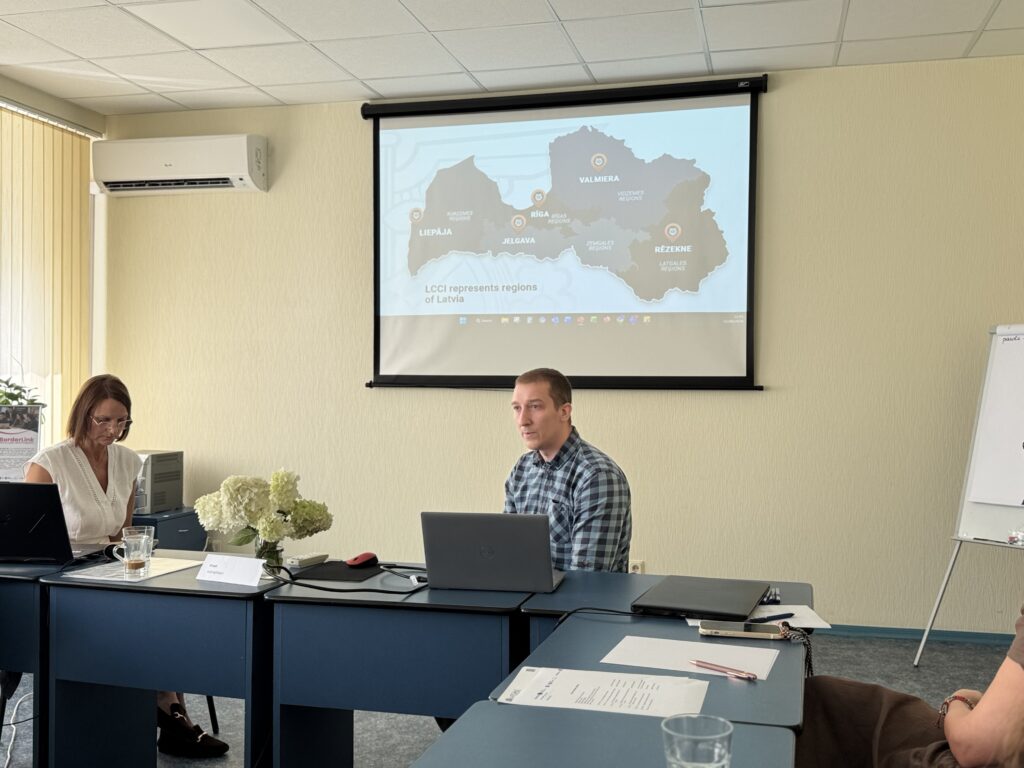
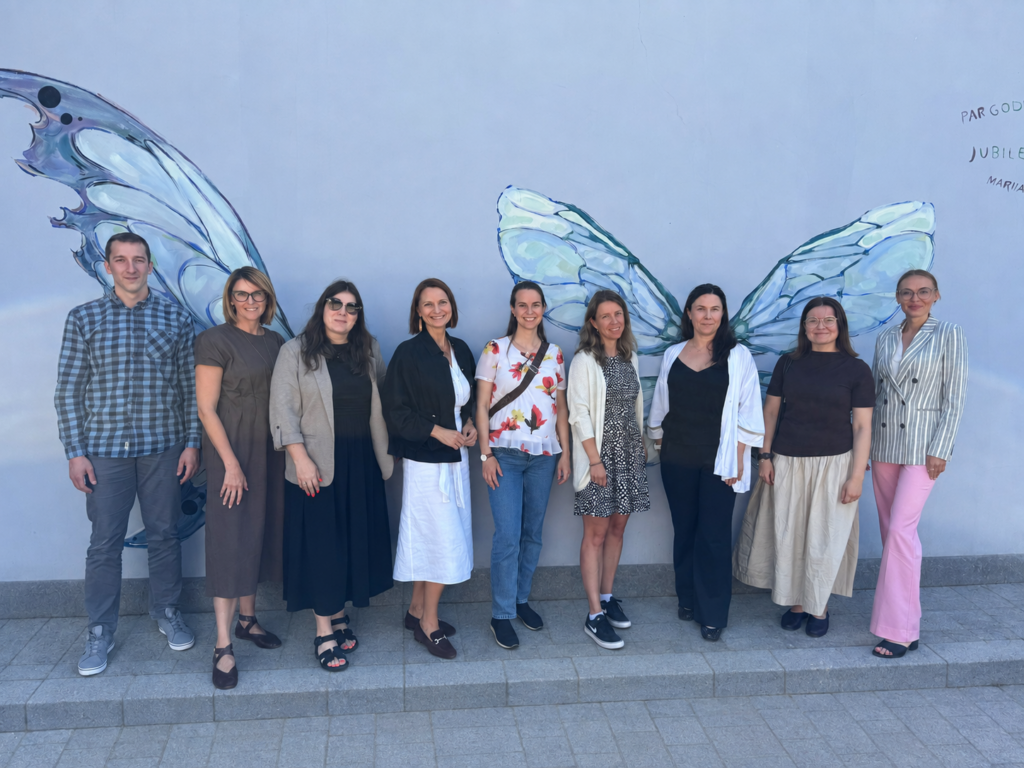
On 11 August, the kick-off meeting of the “Skills for Labour Market Integration” (BorderLink) project, funded by the Interreg Central Baltic Programme 2021–2027, was held at the Latgale Planning Region in Rēzekne. The meeting brought together project partners from Latvia and Estonia to agree on the next steps and launch two years of cooperation aimed at strengthening the employability and entrepreneurial skills of young people in border regions.
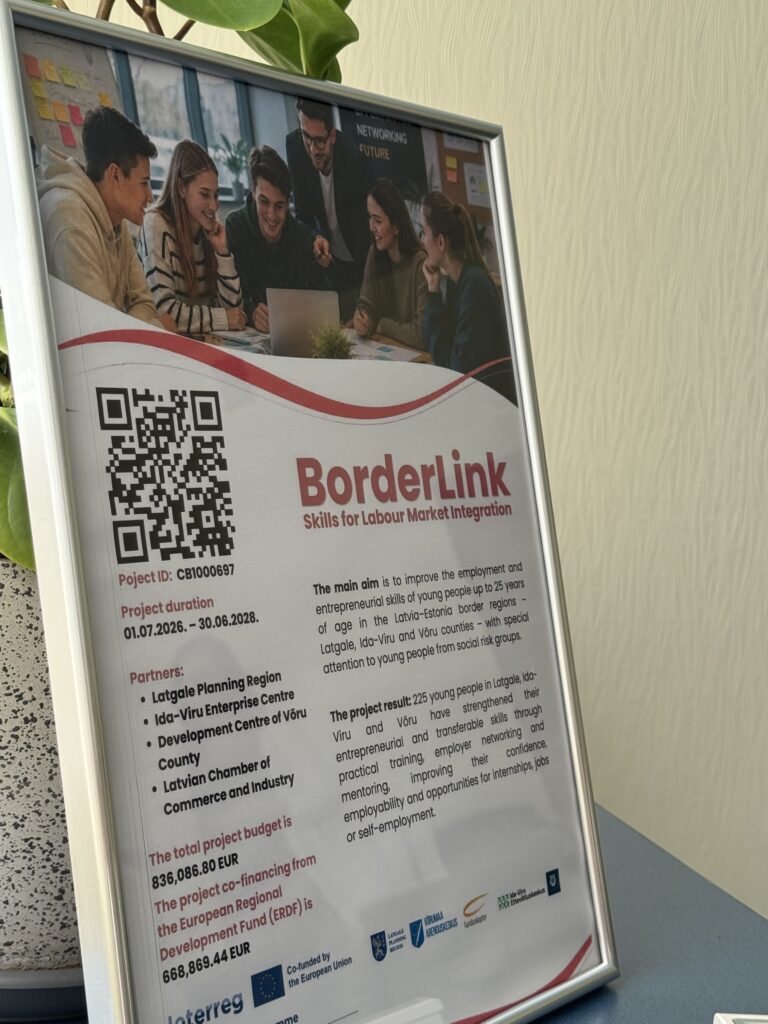
The main objective of BorderLink is to improve the employability, entrepreneurial, digital and other labour market-relevant skills of young people under the age of 25 in Latgale, Ida-Viru County and Võru County. Particular attention will be given to young people from vulnerable groups and those living in remote border areas.
Learning from partners’ experience and finding joint solutions
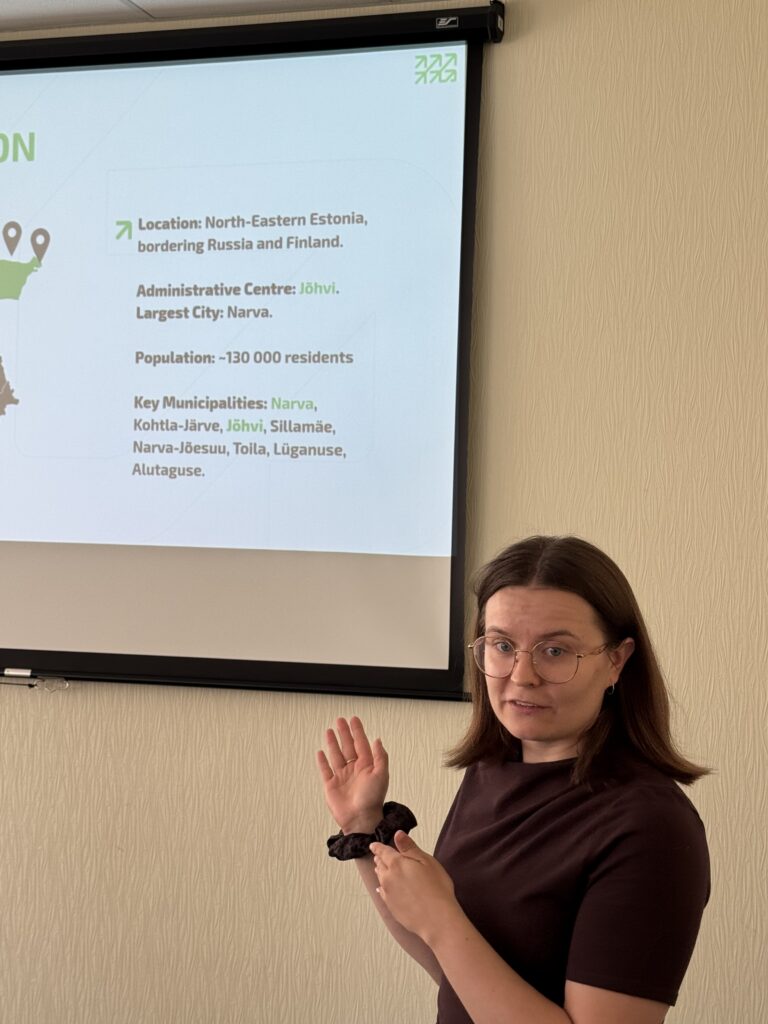
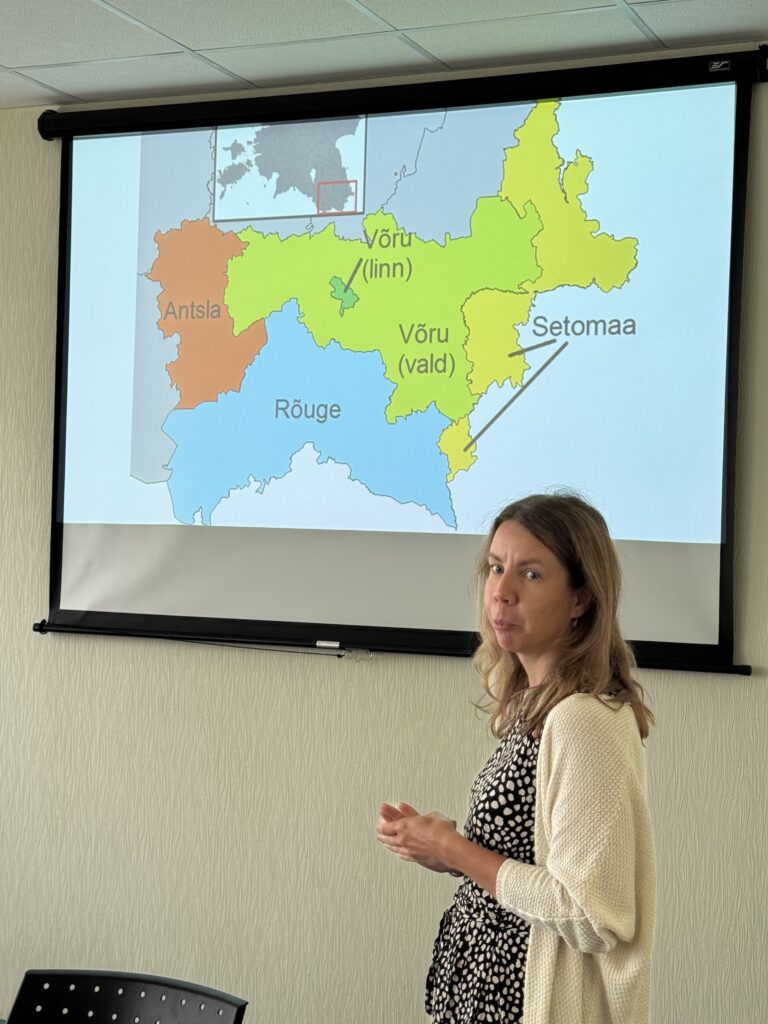
The kick-off meeting began with introductions from the project partners. Each organisation presented its region, previous experience of working with young people, educational institutions and businesses, as well as the challenges young people face when entering the labour market or developing their business ideas.
During the discussions, the partners explored several key questions: Which skills do young people currently need most to successfully enter the labour market? How can businesses be involved in the learning process and provide young people with opportunities to experience real working environments? How can young people in remote rural and border areas be reached? And how can Latvian and Estonian experience be combined into a single practical training programme?
The partners highlighted that young people in Latgale, Ida-Viru County and Võru County face many similar challenges, including limited employment and traineeship opportunities close to home, insufficient practical experience, difficulties in recognising the opportunities available in their regions, and often a lack of confidence in their abilities. At the same time, each partner brings its own experience and methods, which will be combined during the project to create a joint cross-border cooperation model.
The meeting covered the project work plan, key activities, expected results, partner responsibilities, funding requirements and reporting procedures. Miranda Sundholm, a representative of the Interreg Central Baltic Programme, introduced the partners to the main requirements concerning project implementation, financial management and reporting. At the end of the meeting, the partners agreed on the immediate tasks and the next steps in their cooperation.
From training to real-life experience in companies
During the project, a joint 40-academic-hour training programme will be developed to strengthen young people’s entrepreneurial and transferable skills. Before the programme is delivered, teachers, trainers and other professionals who will work with young people in all three project regions will also receive training.
The training programme is expected to involve 240 young people, including approximately 50 participants from vulnerable groups. As a result of the project, at least 225 young people will improve their entrepreneurial and labour market-relevant skills.
Young people will have the opportunity to:
- participate in practical training in entrepreneurship, digital and transferable skills;
- develop and pitch their business ideas;
- take part in Latvian–Estonian cross-border workshops;
- meet entrepreneurs and potential employers at networking events;
- experience the day-to-day operations of companies through short-term traineeships;
- receive individual mentoring support from local entrepreneurs;
- build connections with young people, educators and businesses in Latvia and Estonia.
Following networking events for young people and entrepreneurs, some participants will have the opportunity to undertake one- to two-week introductory traineeships in companies. These placements will allow young people to observe everyday business operations, take part in practical tasks and gain a better understanding of a particular profession or sector. Through the mentoring programme, local entrepreneurs will help young people develop their ideas, explore different industries and strengthen their practical skills.
At the end of the project, a large entrepreneurship fair and idea showcase will be held in Rēzekne, bringing together approximately 200 participants from Latvia and Estonia. Young people will have the opportunity to present their business ideas, products and newly acquired skills, receive feedback from professionals, and establish contacts with potential employers and investors.
“Young people, get ready! Very soon, you will have the opportunity to learn something new, strengthen your entrepreneurial skills, explore and develop new ideas, and turn them into real, viable businesses,” said Sarmīte Teivāne, BorderLink Project Manager at the Latgale Planning Region.
Benefits for the entire border region
BorderLink will benefit not only young people, but also regional businesses, educational institutions and municipalities. Businesses will have the opportunity to meet emerging talent and potential employees, while educators will gain access to a practical training programme and new methods for working with young people.
The project will strengthen cooperation between schools, businesses and regional organisations in Latvia and Estonia. In the long term, it will help expand employment opportunities for young people, reduce youth outmigration from border areas and provide local businesses with better-prepared future employees.
Contact information:
Sarmīte Teivāne
Project Manager
Latgale Planning Region
Email: sarmite.teivane@lpr.gov.lv