Food and Veterinary Service and SchoolFood WasteSolutions Project Partners Agree on Closer Cooperation
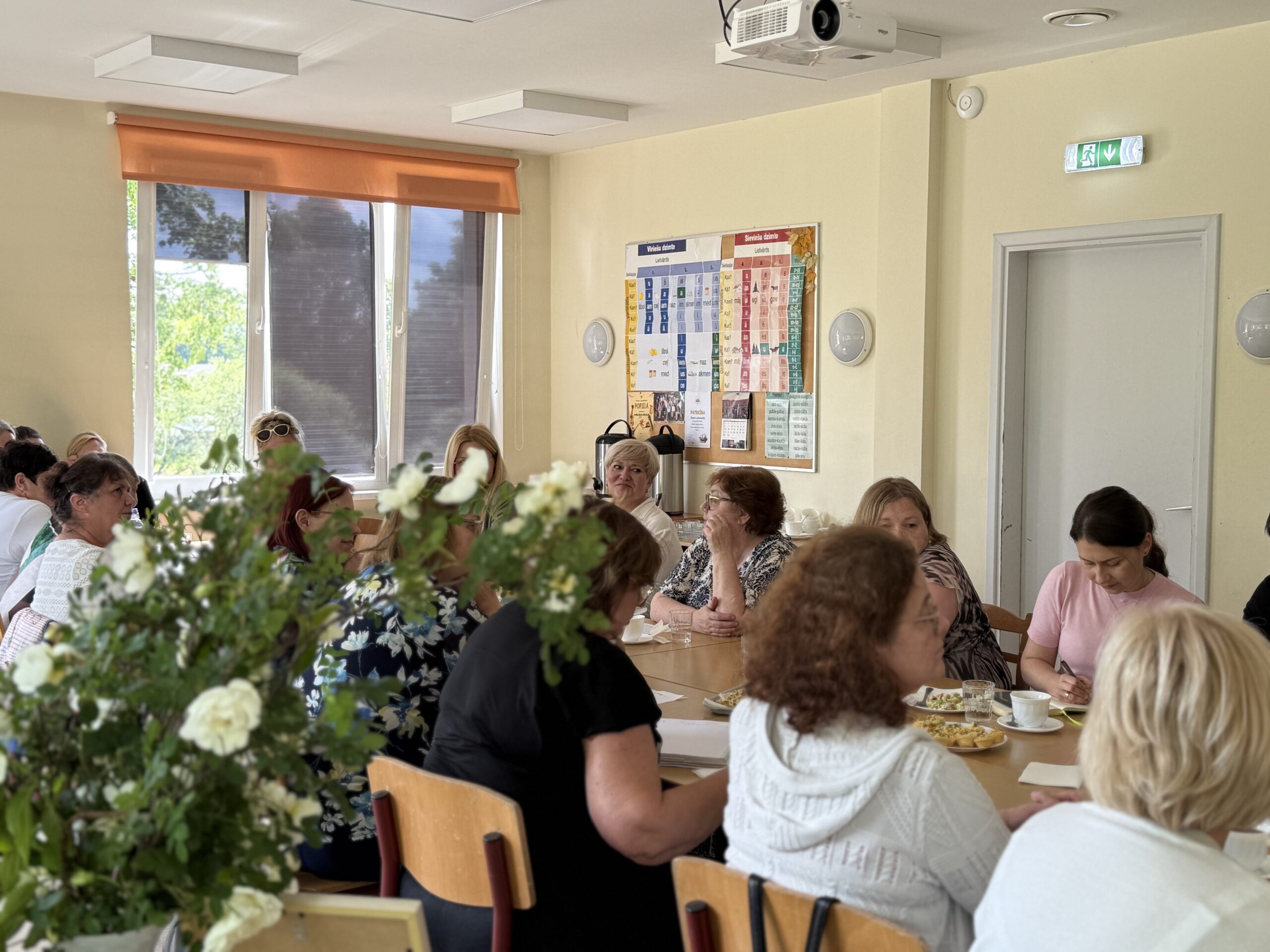
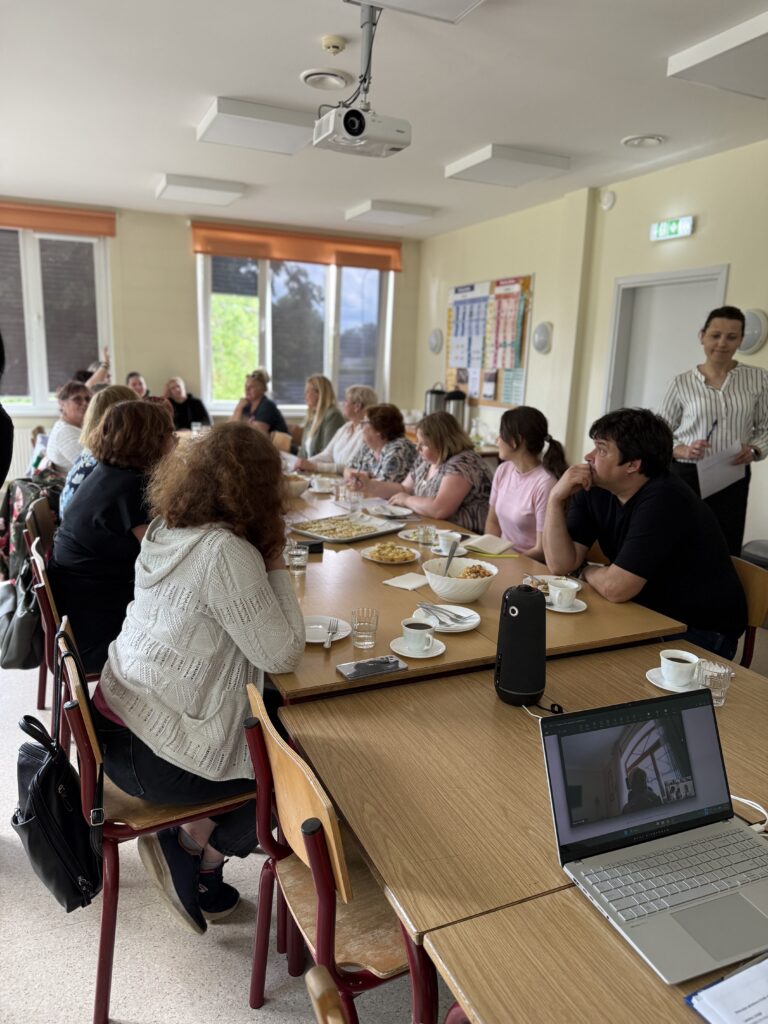
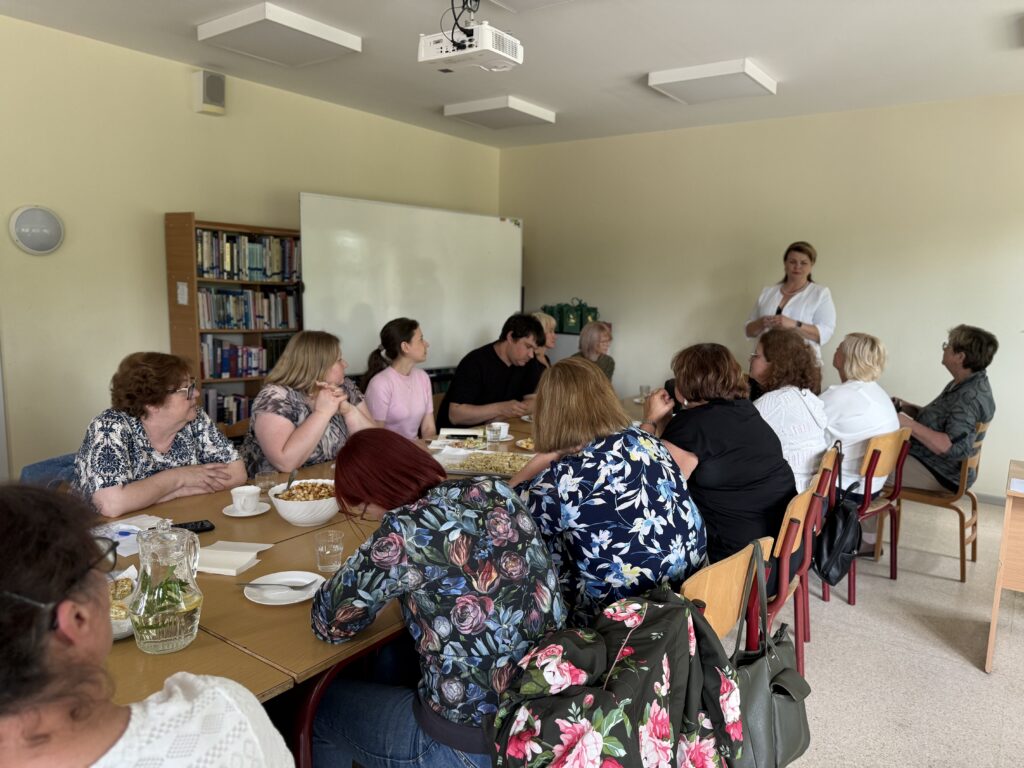
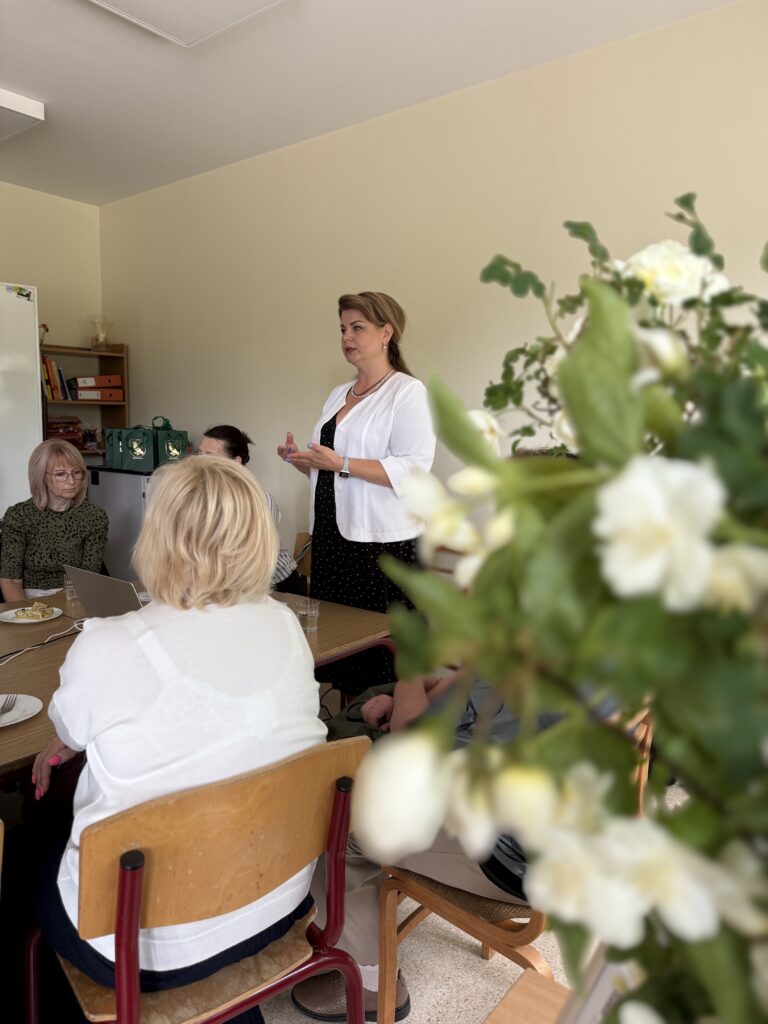
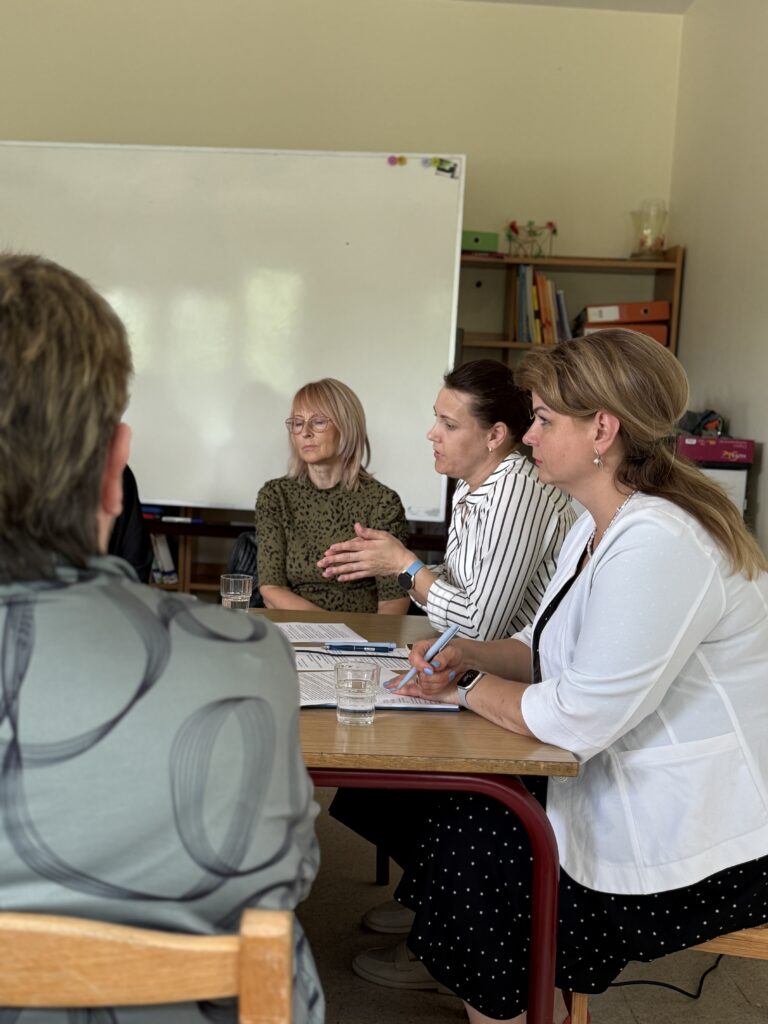
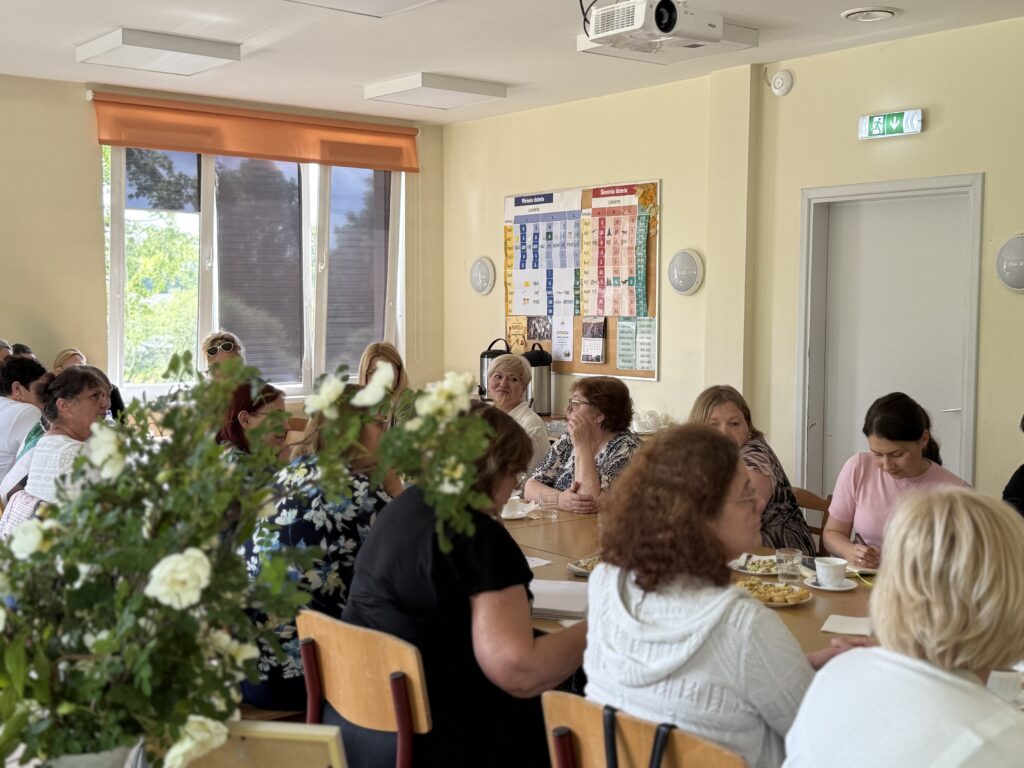
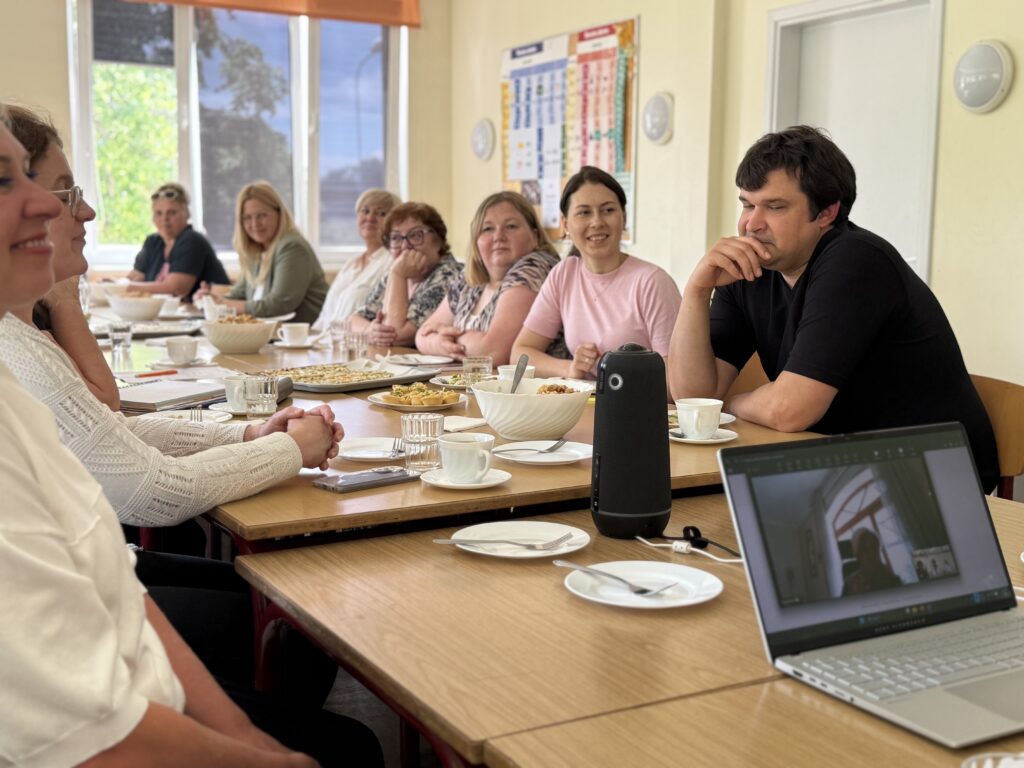
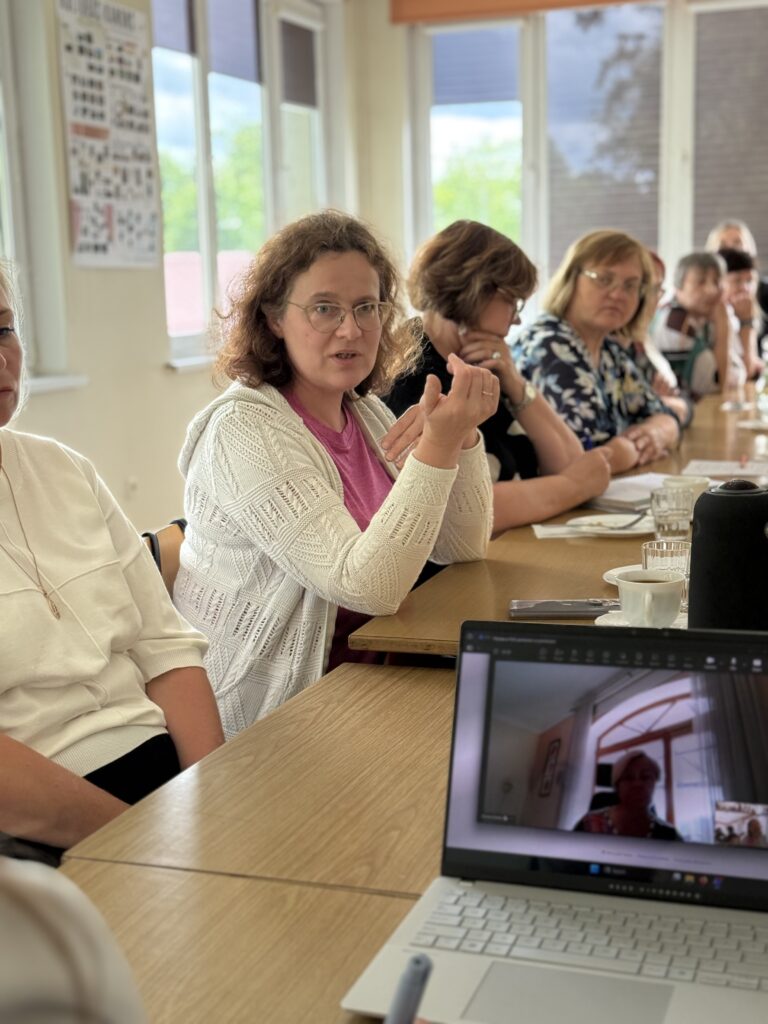
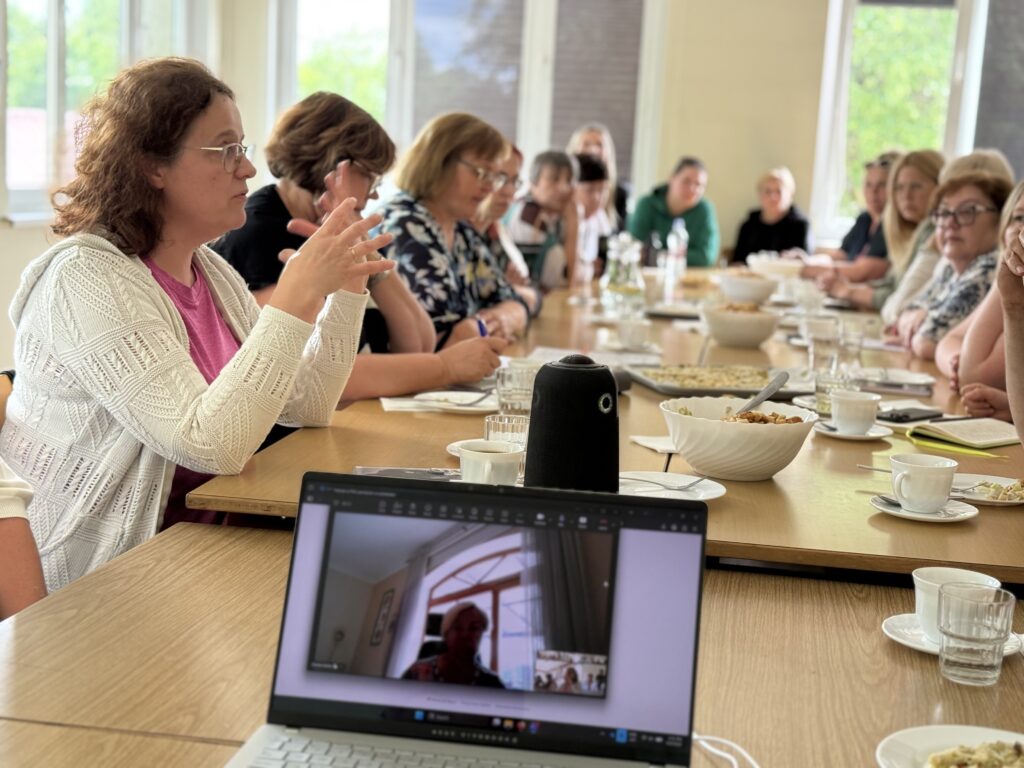
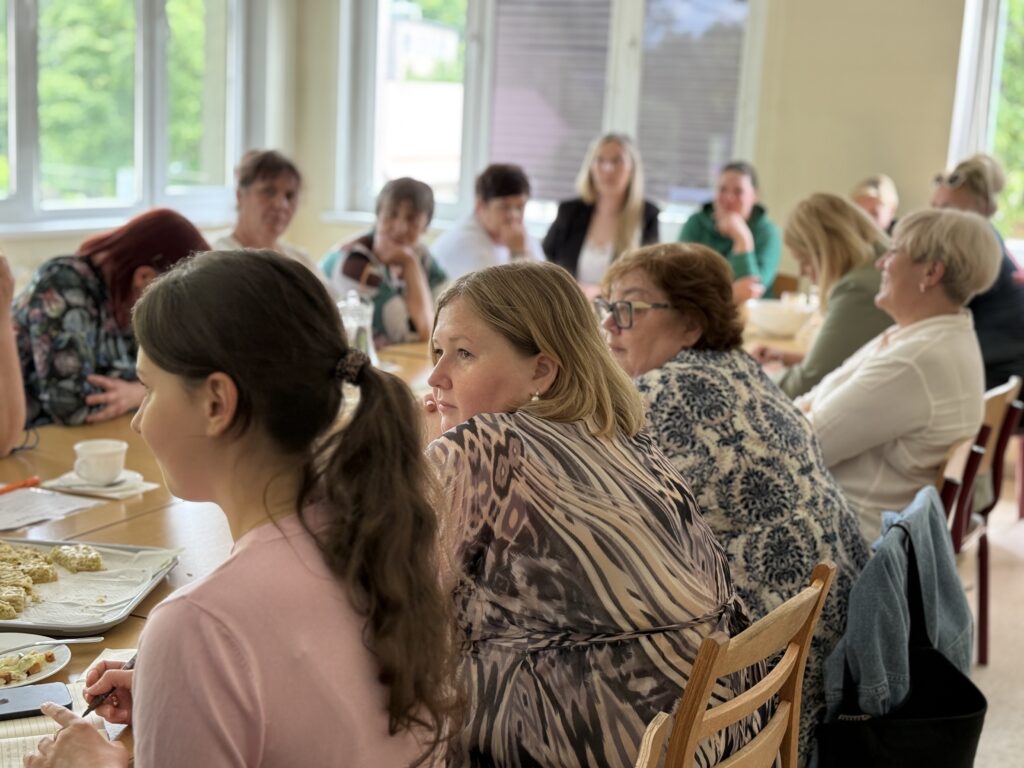
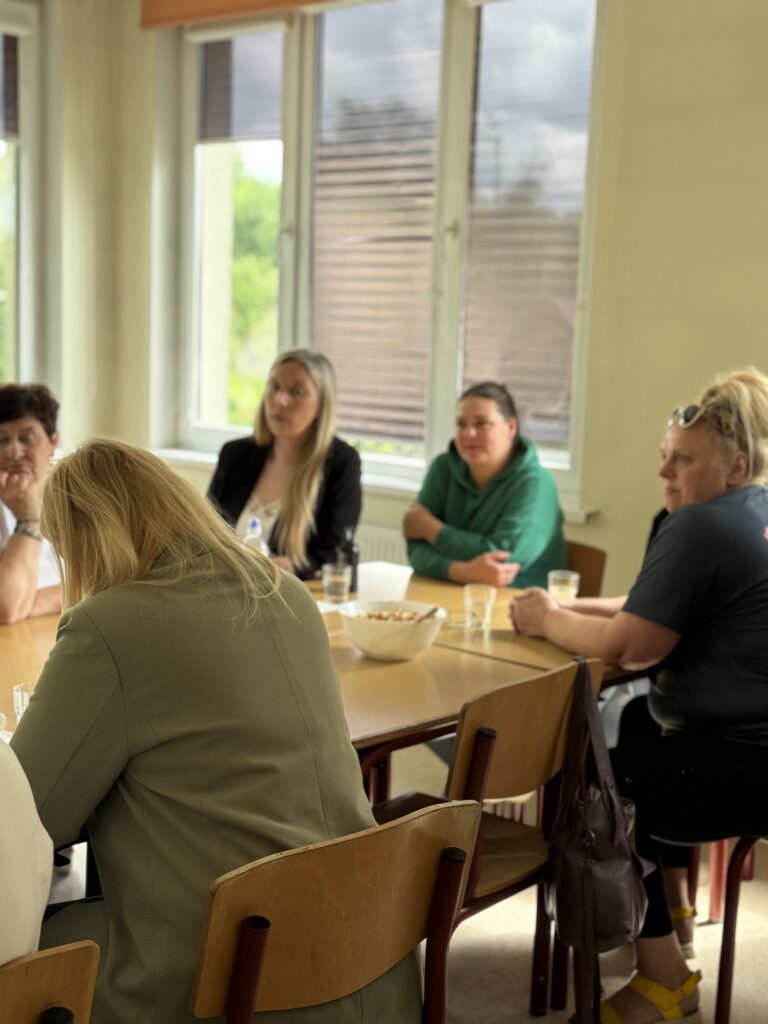
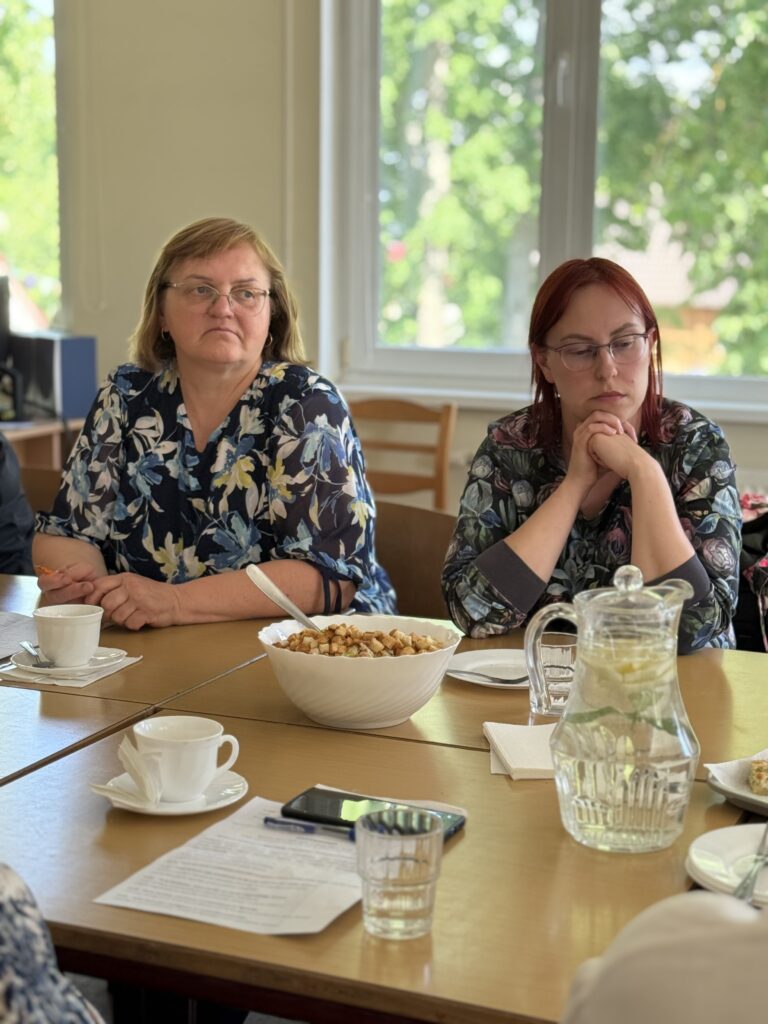
On 9 June 2026, a roundtable discussion titled “Solutions for Reducing Food Waste in School Canteens” took place at Preiļi Primary School No. 1 as part of the Interreg Central Baltic Programme project “SchoolFood WasteSolutions.” The event was moderated by Ruta Priede, Project Manager at the Latgale Planning Region.
The discussion brought together representatives from Daugavpils University, the Latgale Planning Region, the municipalities of Preiļi and Ludza, the project’s pilot schools, as well as the South Latgale and North Latgale divisions of the Food and Veterinary Service. The aim of the meeting was to evaluate the experience gained during the project, identify challenges, and explore practical solutions for reducing food waste in school canteens.
Particular attention was paid to recipe testing in the project’s pilot schools, the analysis of students’ feedback, and plans to introduce buffet-style lunch service in the upcoming school year. School representatives shared their experiences regarding students’ acceptance of new dishes, the main challenges faced in kitchen operations, and ways to gradually promote healthier eating habits.
One of the central topics of the discussion was the introduction of buffet-style catering. Participants acknowledged that the self-service principle allows students to choose both their meals and portion sizes, thereby reducing food leftovers on plates. At the same time, it was emphasized that implementing such changes requires careful work organization, appropriate equipment, well-planned menus, and student education.
Representatives of the Food and Veterinary Service provided clarifications on food safety requirements, nutritional standards, and opportunities to organize catering services more flexibly without compromising quality and safety standards. The discussion also addressed the use of seasonings, the frequency of fish dishes on menus, the provision of additional side dishes in buffet settings, and potential improvements to the regulatory framework.
Ruta Priede, Project Manager of the Latgale Planning Region, emphasized:
“We strongly believe that the role of the Food and Veterinary Service should not be limited to supervision alone. It is important to act as a cooperation partner for schools and municipalities, helping to identify safe and practical solutions. The earlier schools engage in dialogue and cooperation with the Food and Veterinary Service, the easier it becomes to implement changes that are both child-friendly and compliant with regulatory requirements.”
A separate part of the discussion was dedicated to food waste monitoring. Project partners presented experiences from other European countries, where regular measurement of food waste supports data-driven decision-making and helps adapt menus more accurately to students’ needs. Participants agreed that measuring food waste is one of the most effective tools for reducing the amount of uneaten food in the long term.
At the conclusion of the discussion, participants agreed that reducing food waste in schools is not possible without the active involvement of students and education on sustainable nutrition and responsible food consumption. It was recognized that buffet-style catering can become an effective tool for reducing food waste, provided that schools ensure appropriate work organization, the necessary infrastructure, and adequately trained staff.
At the same time, participants emphasized the need to strengthen cooperation among schools, municipalities, researchers, and the Food and Veterinary Service to ensure that decisions are based on both practical experience and scientific evidence.
Participants also acknowledged that regular monitoring and analysis of food waste are essential prerequisites for making informed decisions regarding menu improvements and more efficient use of resources. A shared position was expressed that the regulatory framework should evolve alongside modern approaches to school catering while maintaining high standards of food safety, quality, and child health protection.
The participants concluded that sustainable school catering is not only about food; it is also about children’s health, the development of healthy habits, efficient use of resources, and society’s overall attitude towards food.
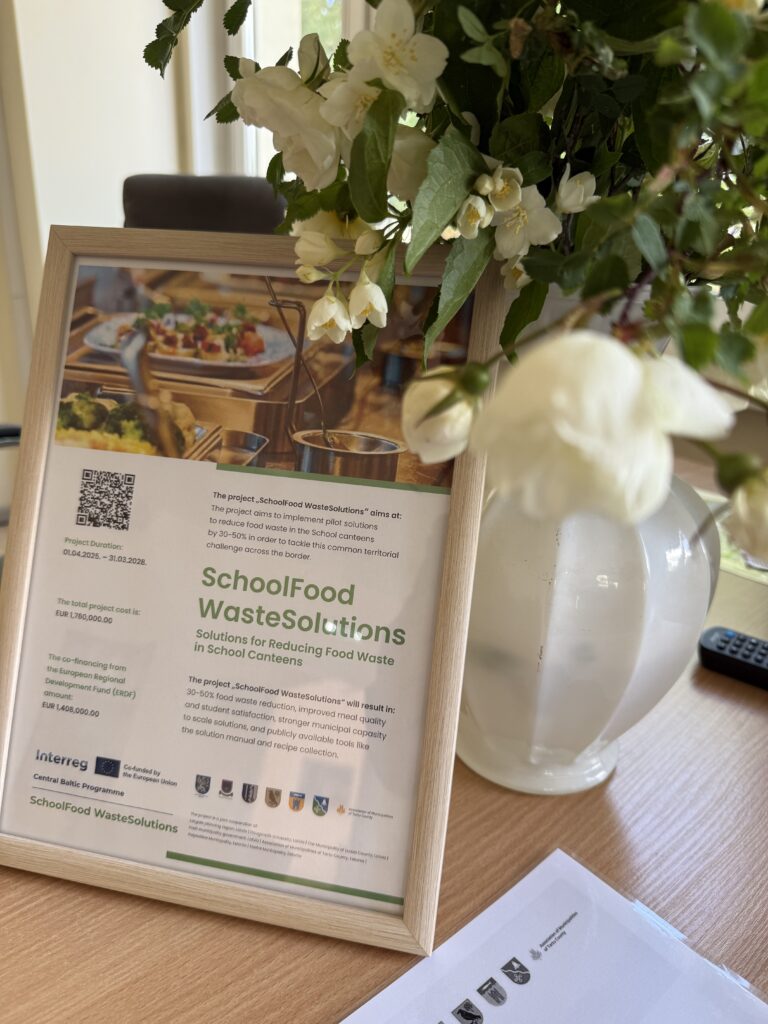
The event was implemented within the framework of the “SchoolFood WasteSolutions” project, which aims to reduce food waste in schools by improving catering processes and strengthening students’ understanding of sustainable food consumption.