Stakeholder workshop of the BalticPFASResolve project held in Zemgale region, Latvia
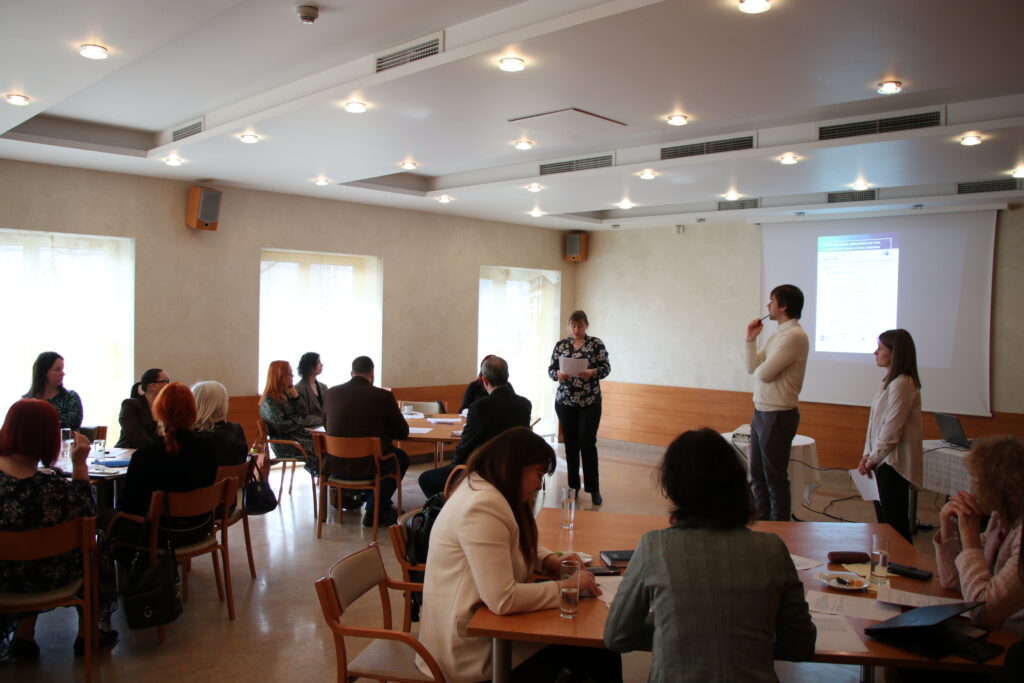
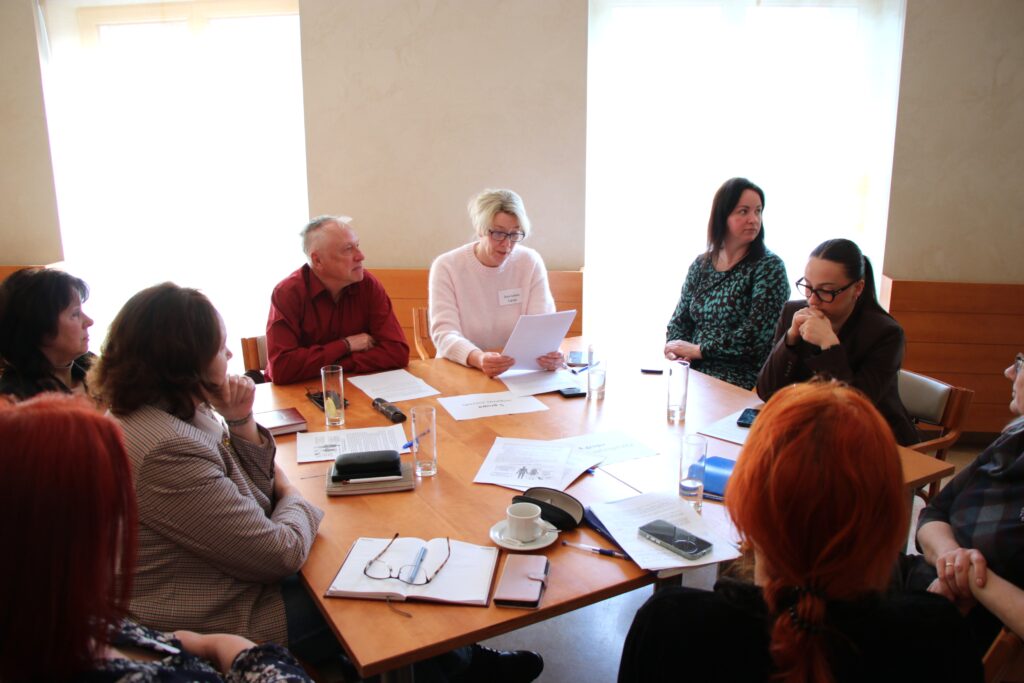
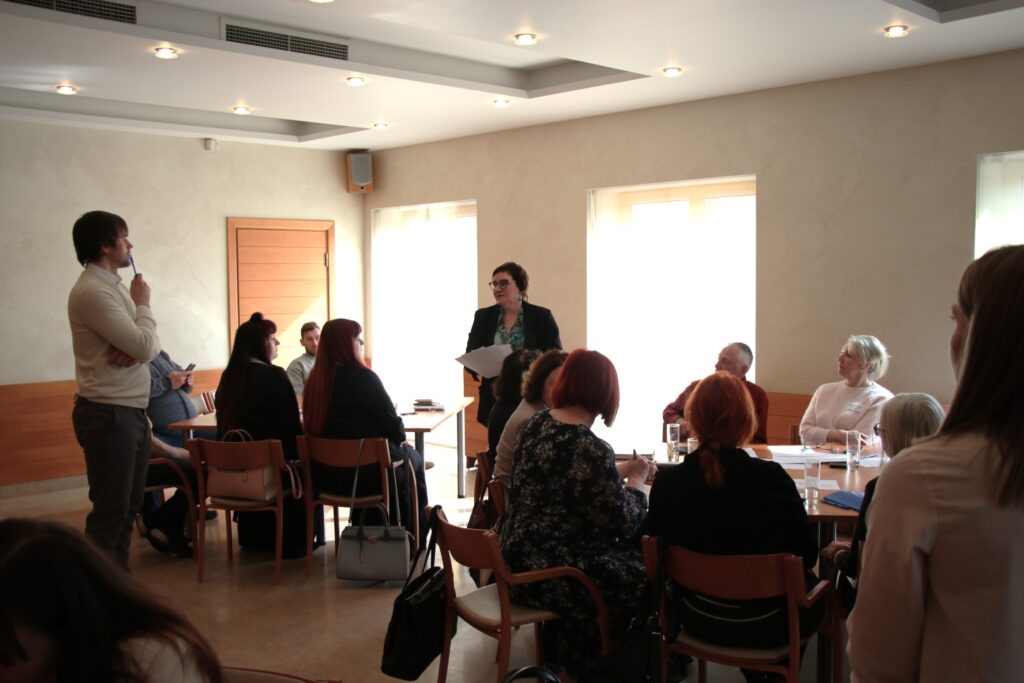
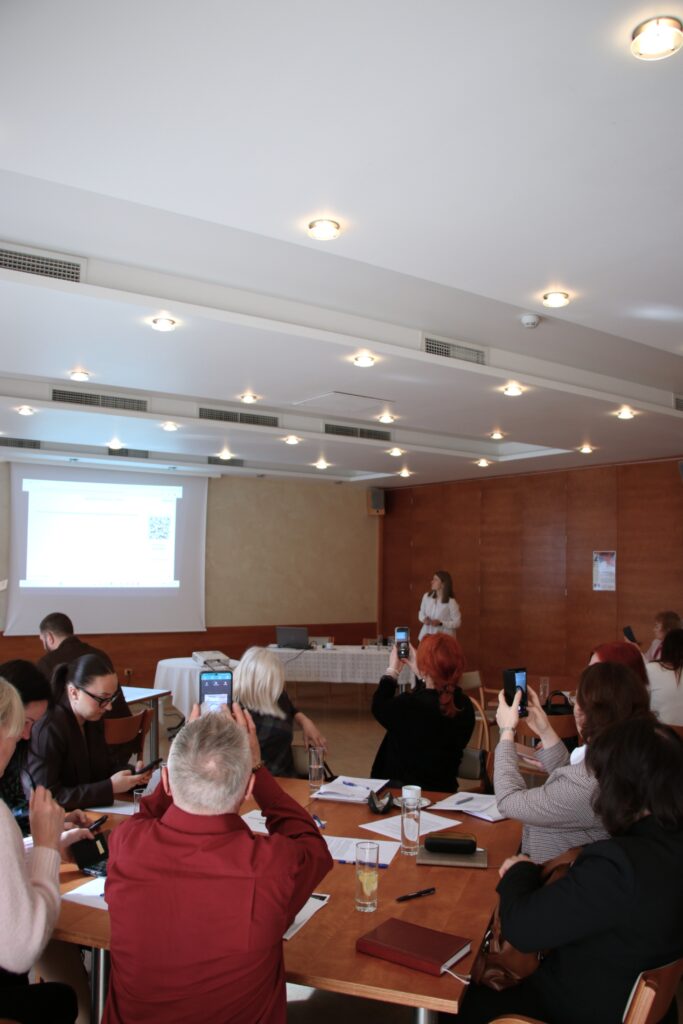
On 24 March, the first stakeholder workshop in Latvia was successfully held. The event was organized by the Zemgale Planning Region within the BalticPFASResolve project and brought together representatives from municipalities across the Zemgale region.
The meeting focused on practical steps to better understand and address PFAS pollution risks. During the workshop, participants explored common sources of PFAS pollution and discussed how these substances can affect local environments and communities.
As part of the interactive programme, participants also took part in a self-assessment exercise designed to help identify areas where pollution risks may be higher. The insights gathered during the workshop will support the planning of further research and targeted mitigation measures in the region.
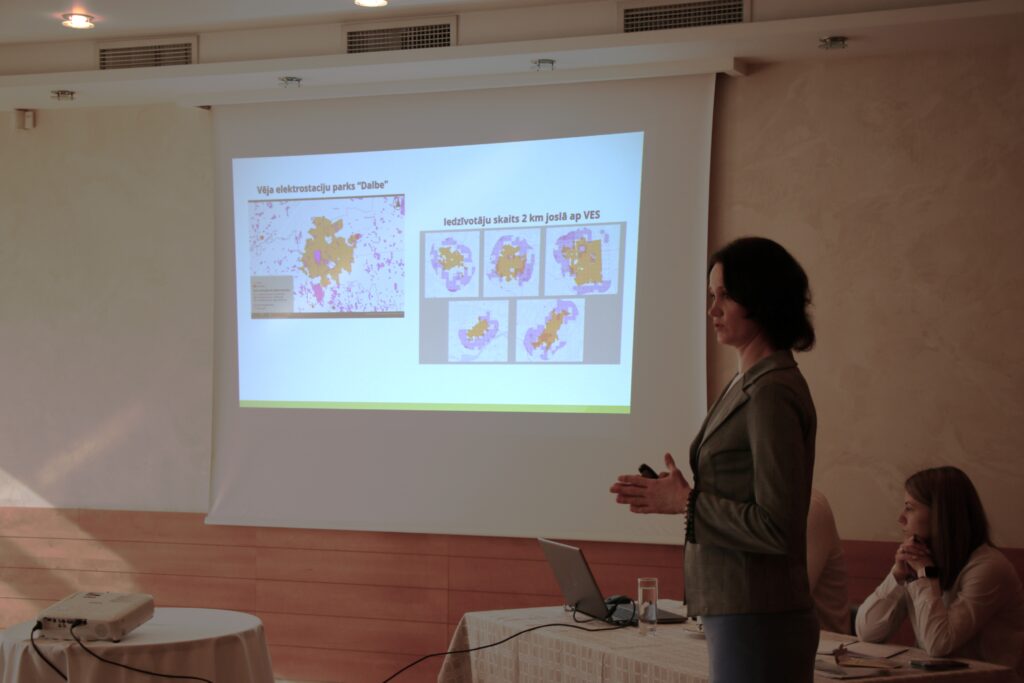
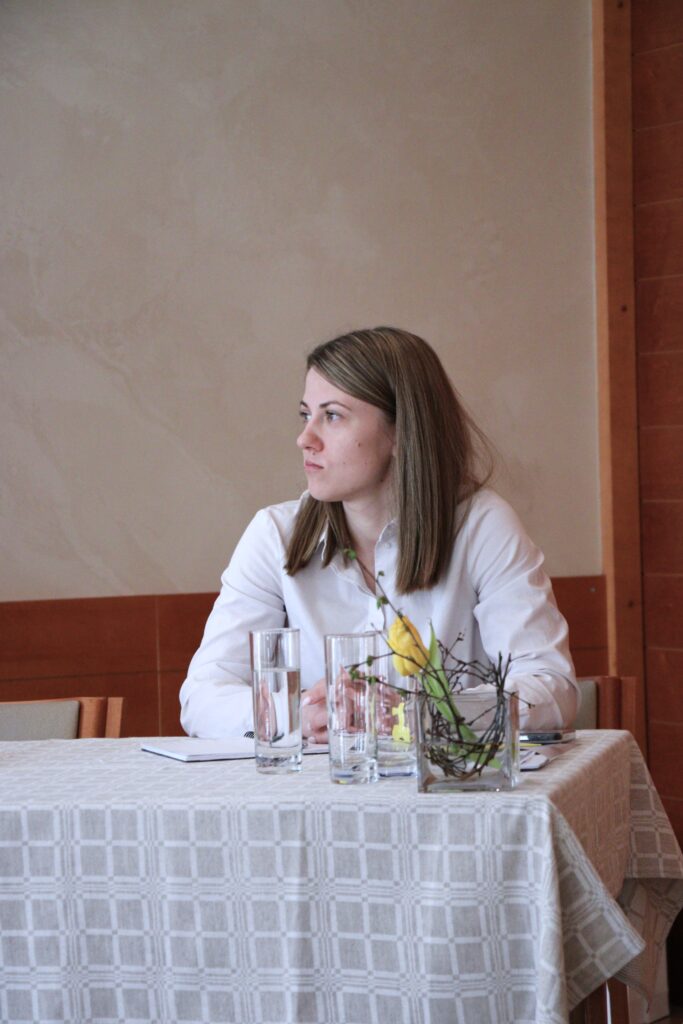
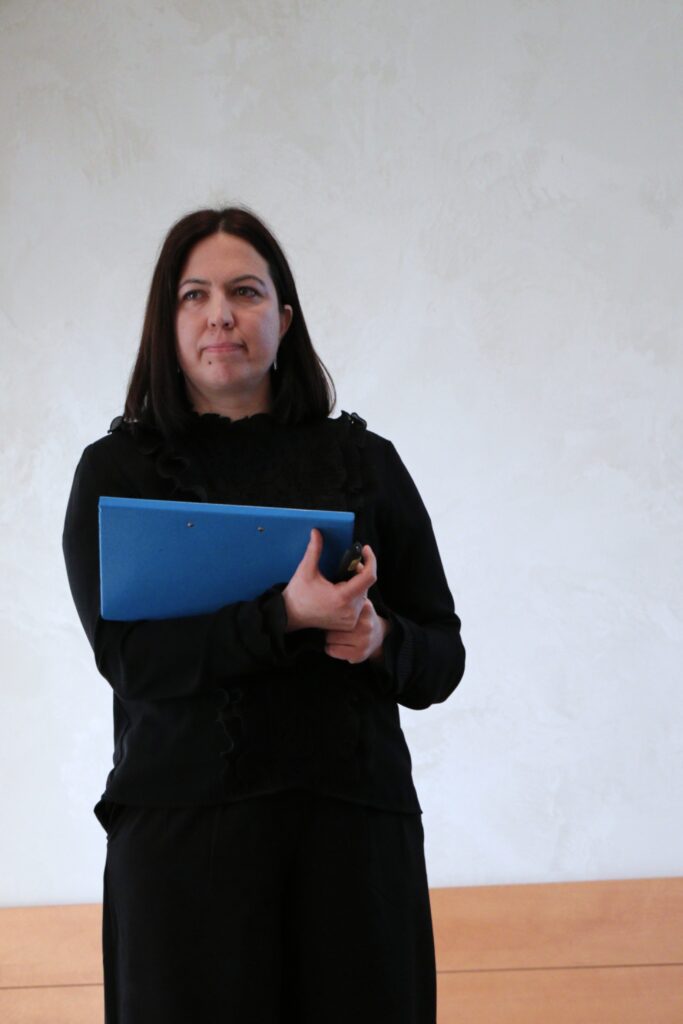
Speakers at the workshop included: Raitis Madžulis, Project Manager, Zemgale Planning Region, Evija Ērkšķe, Project Manager, Zemgale Planning Region, Artūrs Penčura, Project Manager, Zemgale Planning Region, Kamila Gruškeviča, Leading Researcher, Riga Technical University, and Anete Kubliņa, Head of Inland Waters Division, Latvian Environment, Geology and Meteorology Centre.
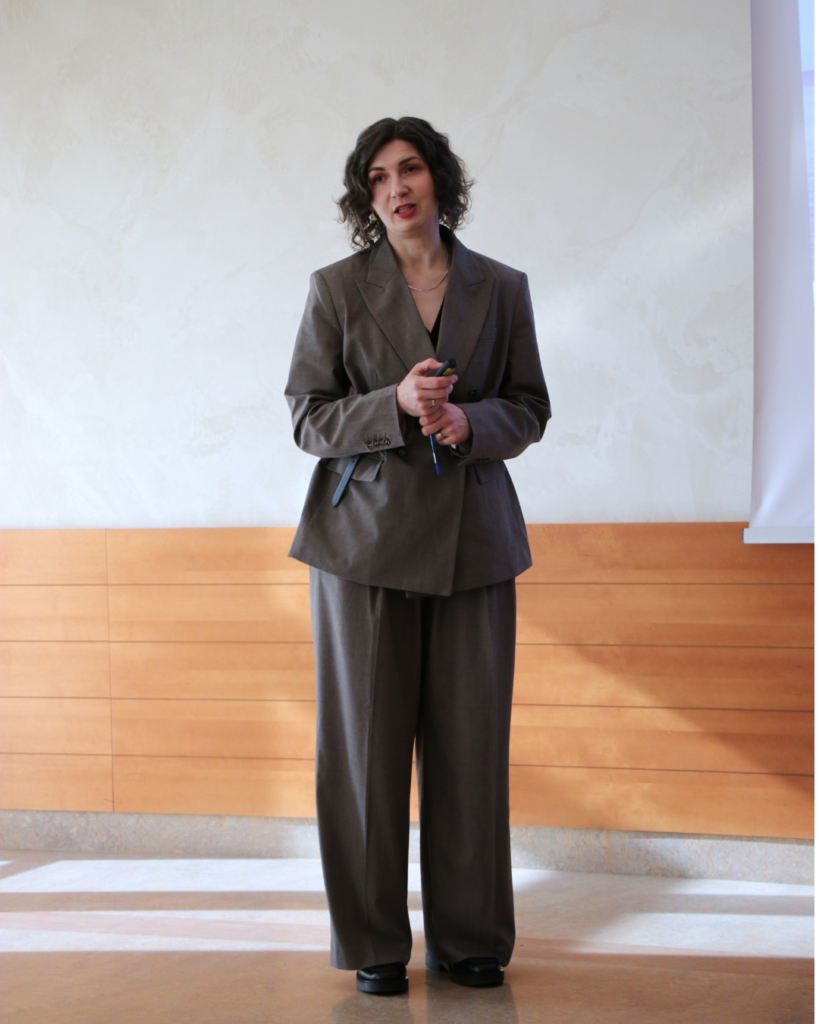
PFAS are persistent chemicals that pose risks to ecosystems, drinking water, and human health. As noted by leading researcher Kamila Gruškeviča from Riga Technical University, the persistence of these substances in the environment promotes their accumulation in the food chain, creating long-term risks. At the same time, information on PFAS contamination in Latvia remains limited. These substances are found in many everyday products, including non-stick cookware with Teflon coatings, waterproof clothing, water-resistant cosmetics, food packaging, household textiles, even toilet paper and paper towels, and various surface cleaning products designed to repel water. For example, treating shoes with water-repellent sprays can contribute to PFAS entering rainwater, which then flows into the environment. Although such products make daily life more convenient, they can also create long-term pollution.
The situation is further complicated by the fact that PFAS accumulate in living organisms, while their removal is technologically complex and costly. Although regulations to restrict these substances are being introduced at the European level, some contamination continues to enter waters in Latvia. To date, PFAS screening studies in Latvia have been carried out by the Latvian Environment, Geology and Meteorology Centre (LEGMC). According to Anete Kubliņa, Head of the Inland Waters Department at LEGMC, available data indicate that the highest levels of contamination are concentrated in areas with active industrial activity or in locations where firefighting foam has been used, such as firefighter training sites.
The relevance of the project is reinforced by the European Union Drinking Water Directive, which entered into force in January this year and requires municipalities to conduct risk assessments of water supply systems. As a result, the project activities are not only important but also help municipalities comply with regulatory requirements while strengthening environmental and public health protection. Municipalities play a crucial role in reducing PFAS contamination by improving treatment facilities, identifying and remediating contaminated areas, and enhancing waste management systems. Within the project, these activities will be supported by new tools and data that will help identify and reduce risks more effectively.
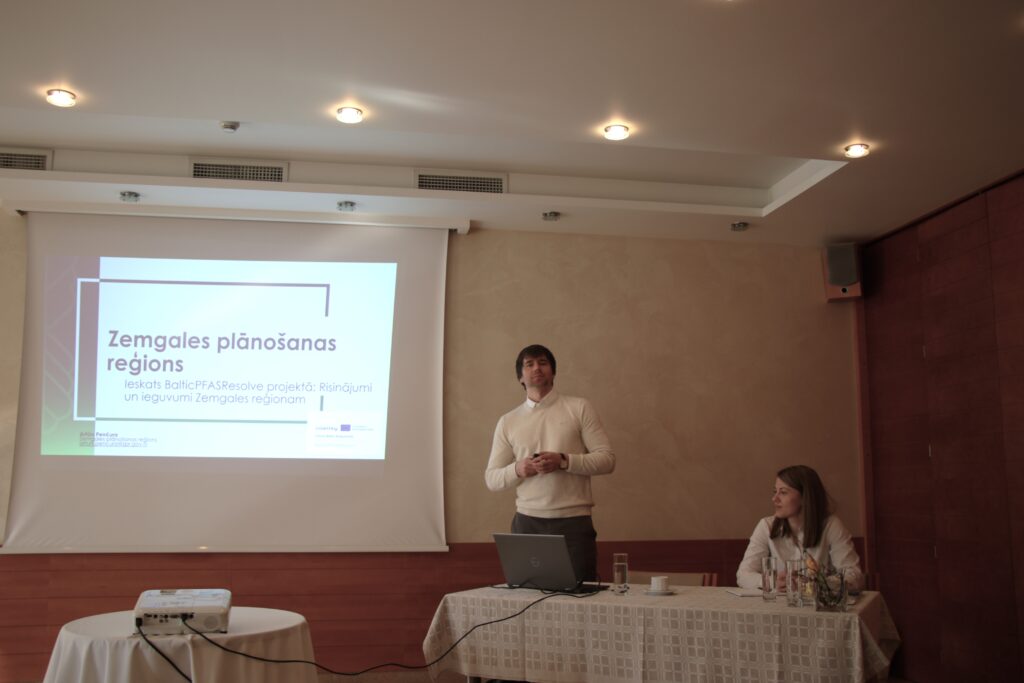
The Zemgale Planning Region participates in the project as a partner whose main task is to implement the developed PFAS tracking tool in a real-world environment. Project manager Artūrs Penčura explains that three municipalities in the region will be selected to implement strategic pollution tracking measures, identify critical areas, carry out measurements, and receive recommendations from experts at Riga Technical University. “A key benefit for municipalities is the opportunity to conduct scientifically based environmental risk assessments free of charge, which at the same time helps protect residents and ensure compliance with national and European Union requirements,” notes Penčura.
The first step has already been taken. During the workshop, participants preliminarily concluded that higher contamination risks may be present in the city of Jelgava and in Jēkabpils and Jelgava municipalities, while the lowest risk was observed in Bauska municipality.
The selection of municipalities for further studies will be based not only on the questionnaire results but also on the researchers’ analysis and an assessment of potential pollution sources. Future measurements will help evaluate risks to residents, particularly in areas where groundwater contamination may occur, and will enable timely measures to improve environmental quality.
This event was supported as part of BalticPFASResolve, an Interreg Central Baltic Programme 2021-2027 project co-funded by the European Union.
BalticPFASResolve is an Interreg Central Baltic Programme 2021-2027 project co-funded by the European Union. The content of this material does not necessarily represent the official position of the European Union.