Students at Ludza Secondary School Taste New Recipes and Assess Improvements to School Catering in the New Academic Year
As the new school year begins, school catering activities are once again in full swing, with increasing attention being paid to ensuring that the food offered to students is not only high-quality and nutritious, but also appealing to children and actually eaten.
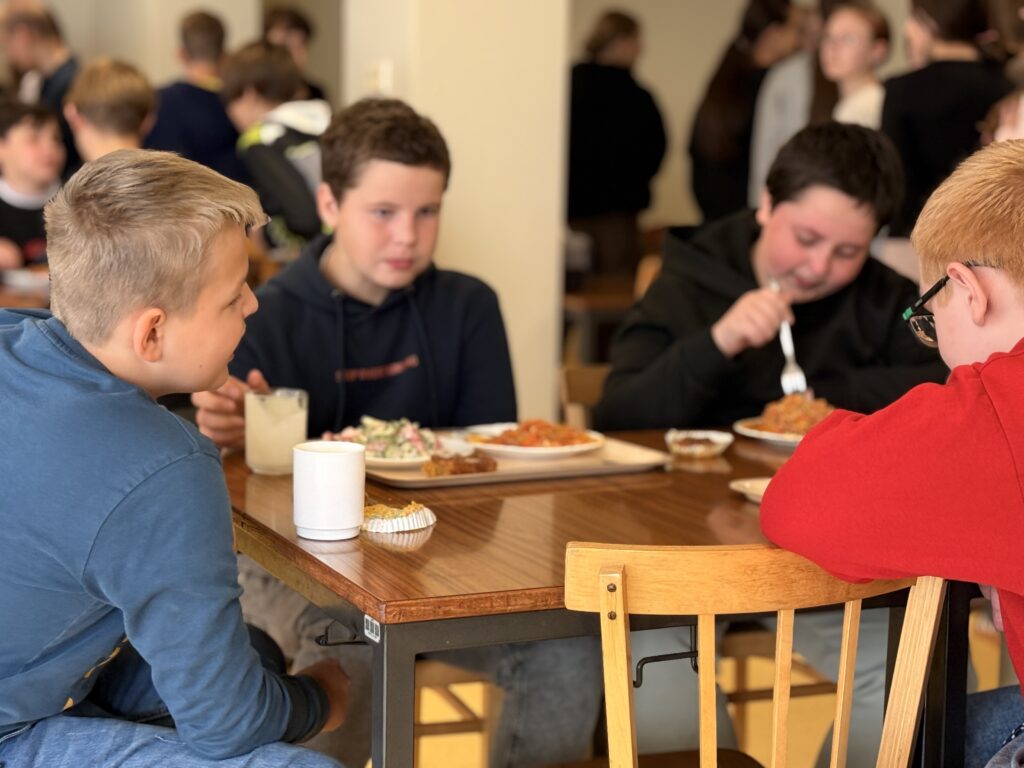
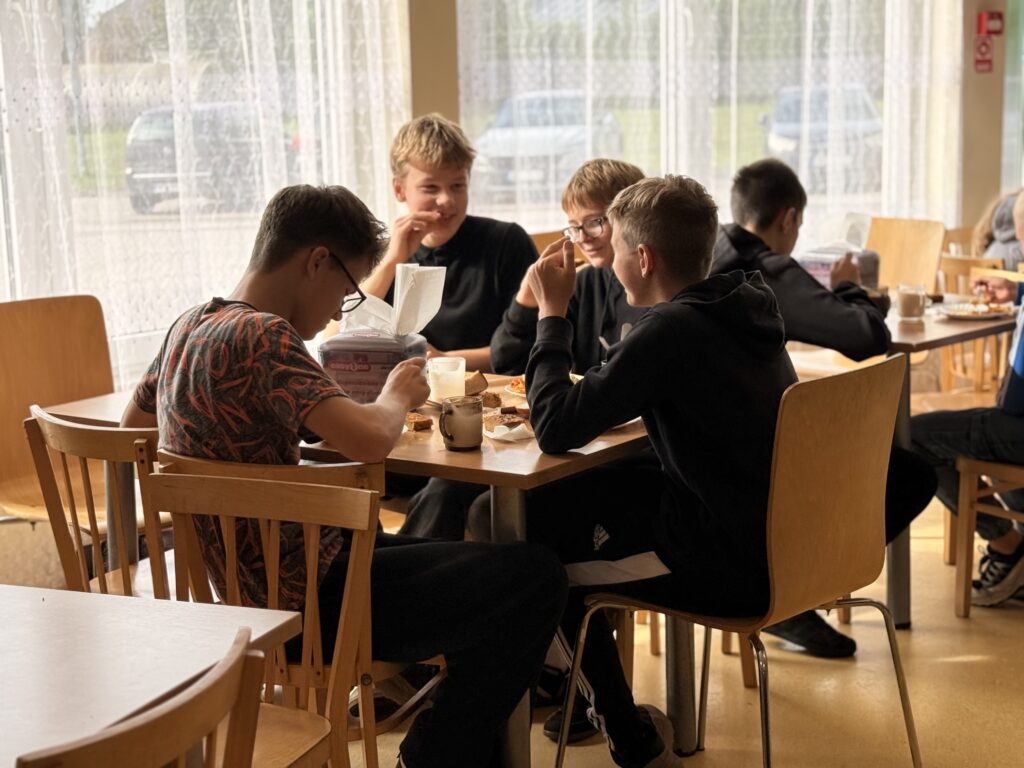
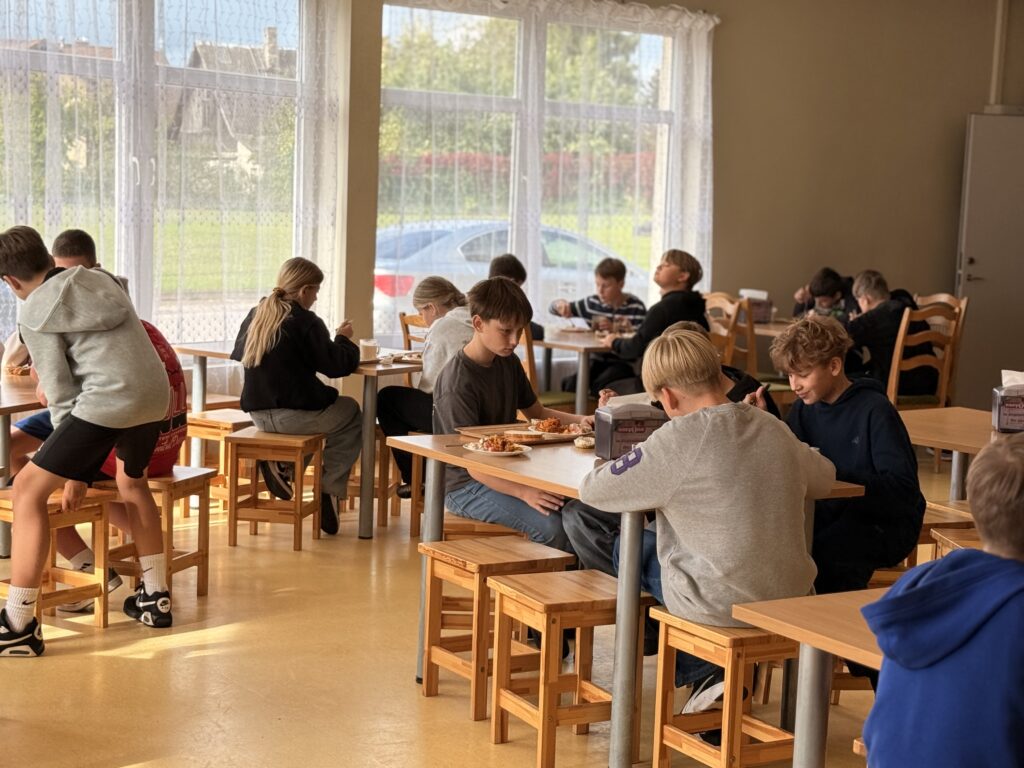
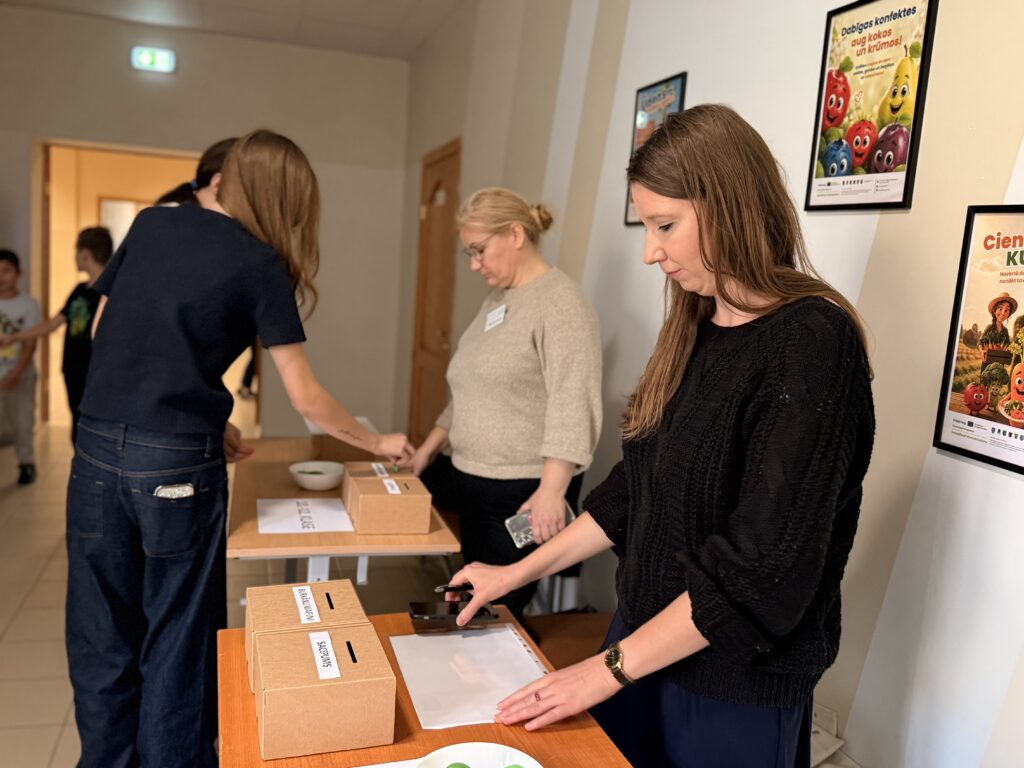
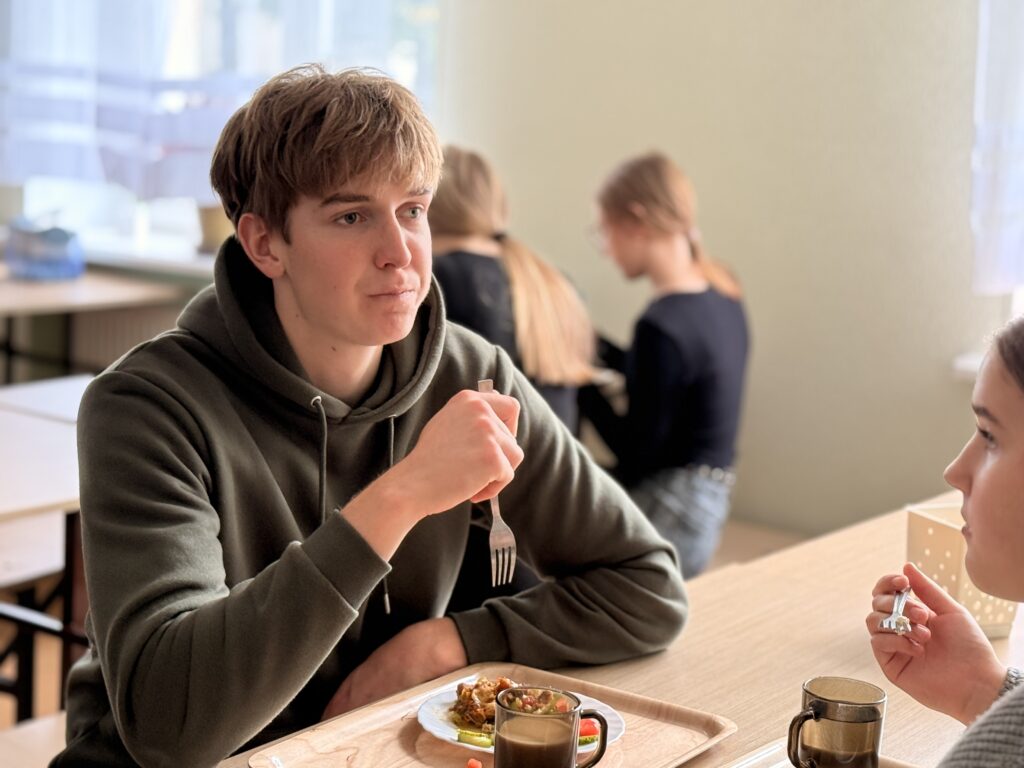
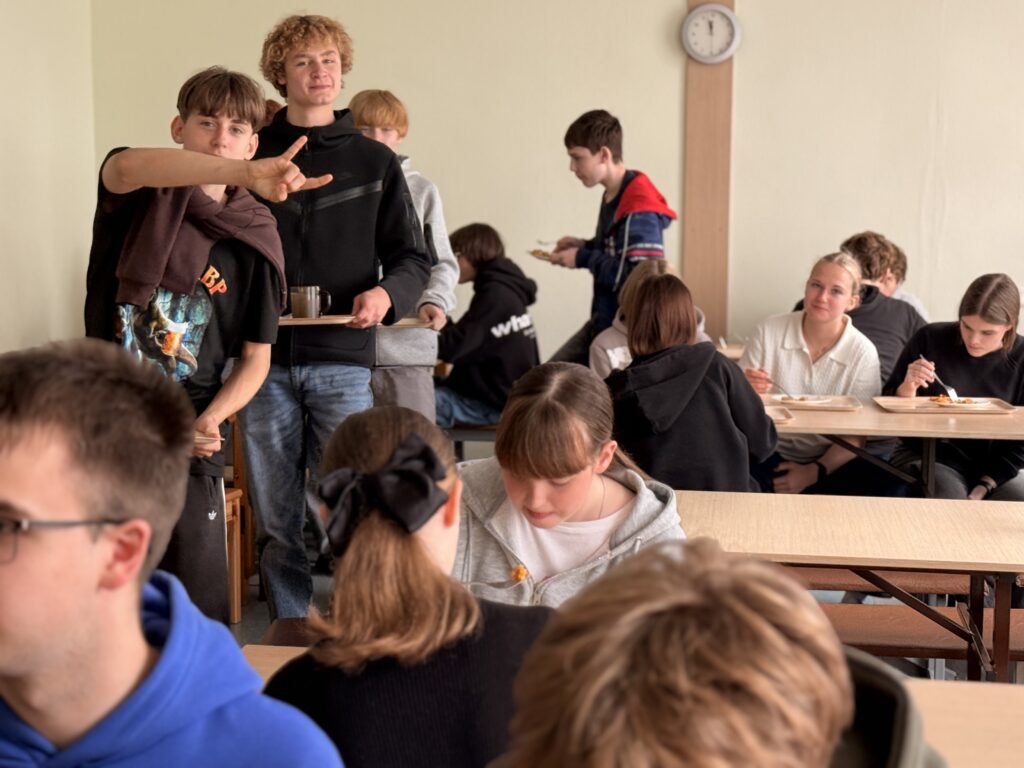
On 23 September 2026, the “SchoolFood WasteSolutions” project team visited one of the project’s pilot schools – Ludza Secondary School – to discuss the experience gained so far, assess the improvements introduced, and taste new food recipes together with specialists from Daugavpils University, school catering staff and students.
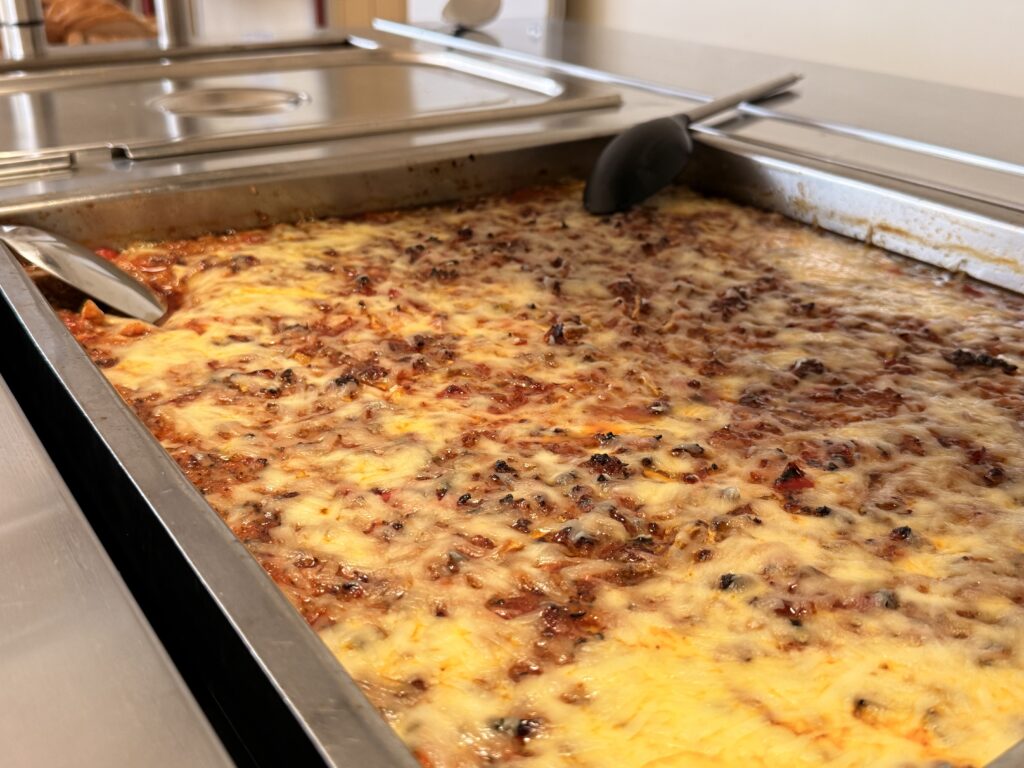
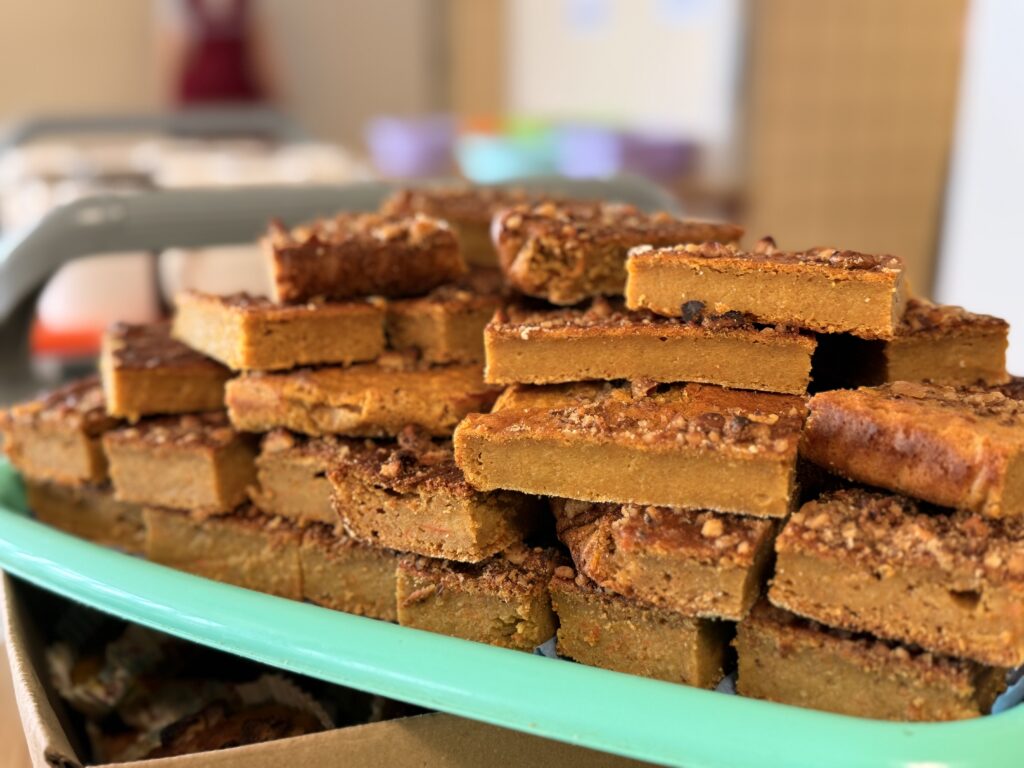
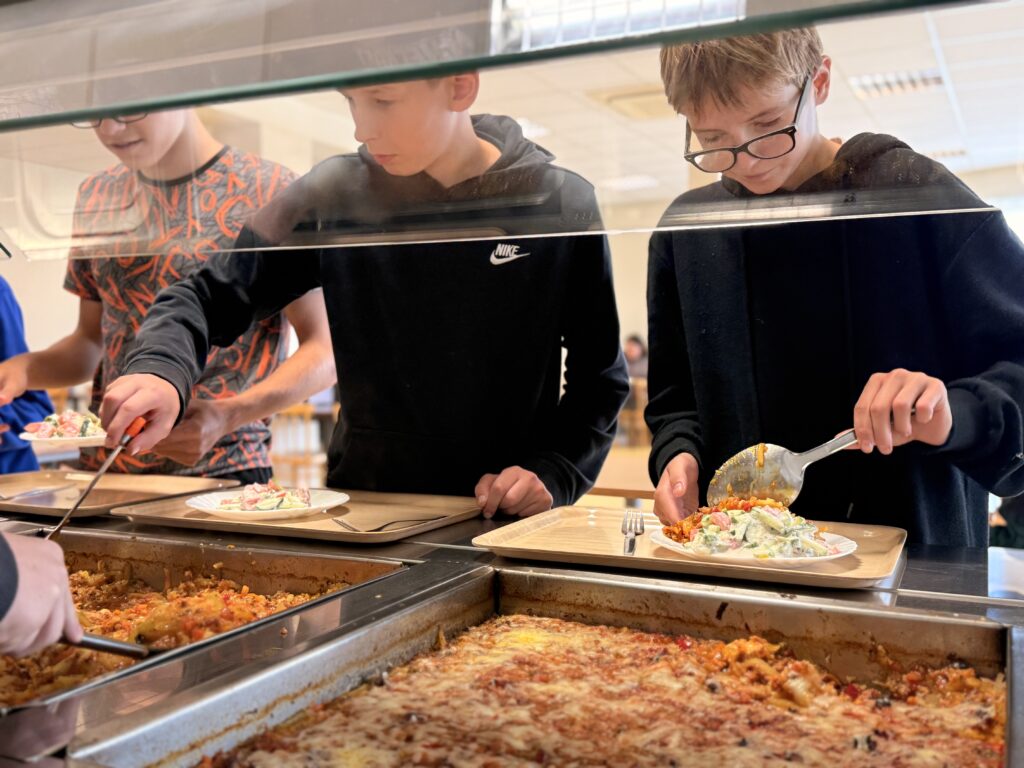
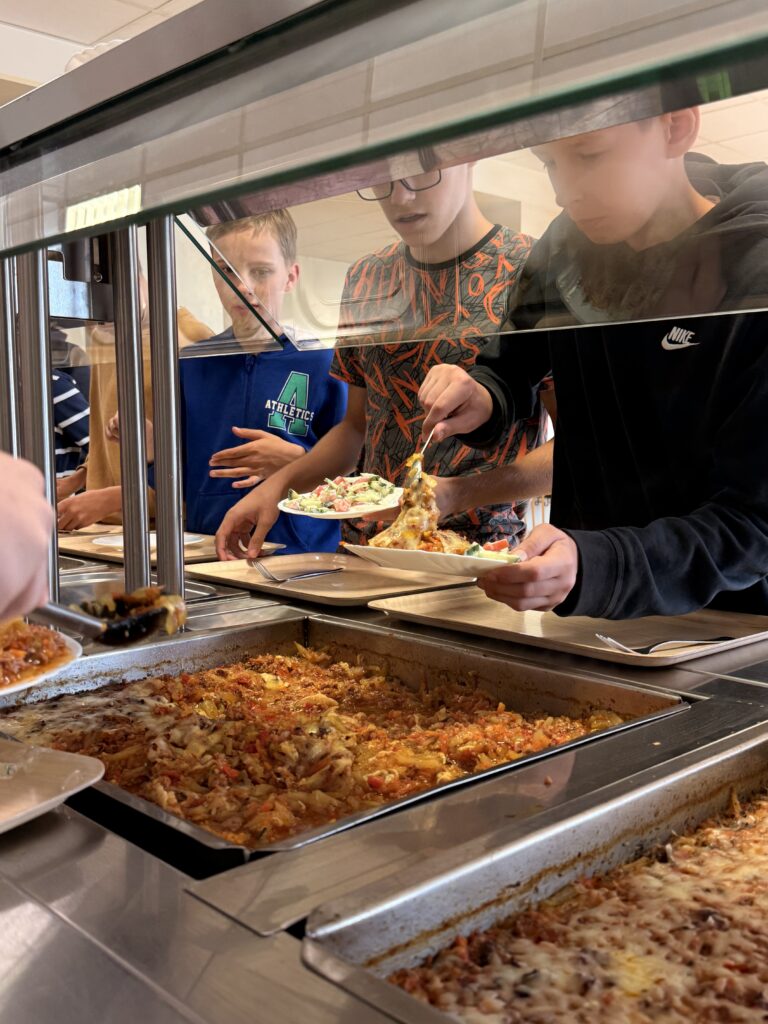
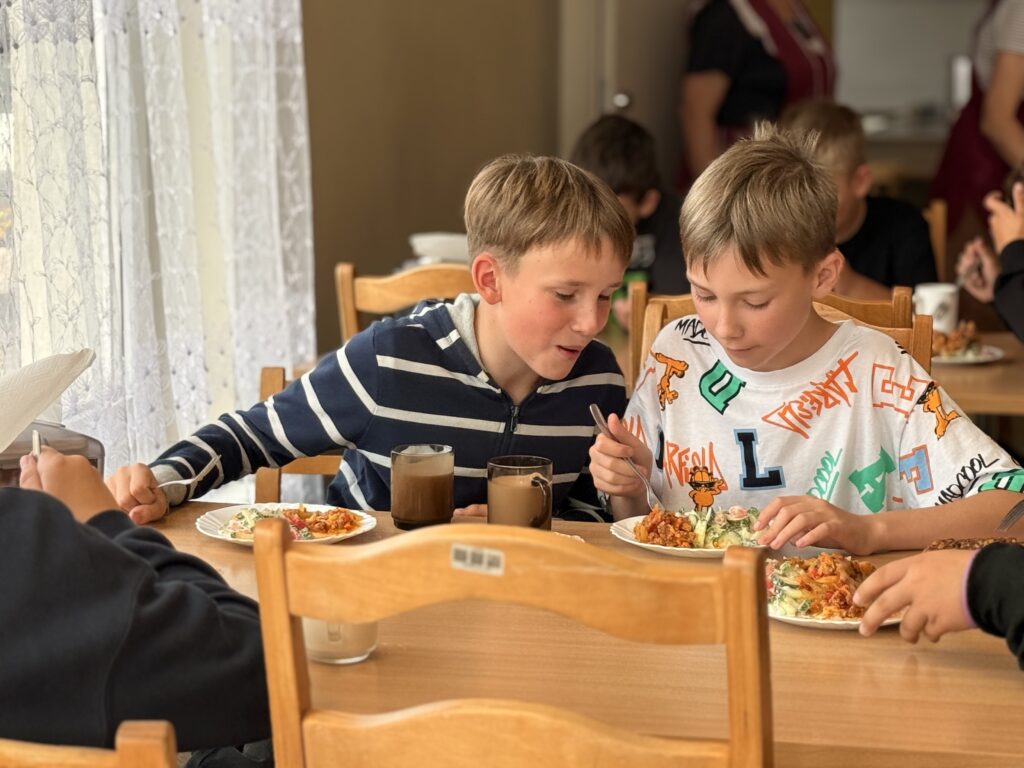
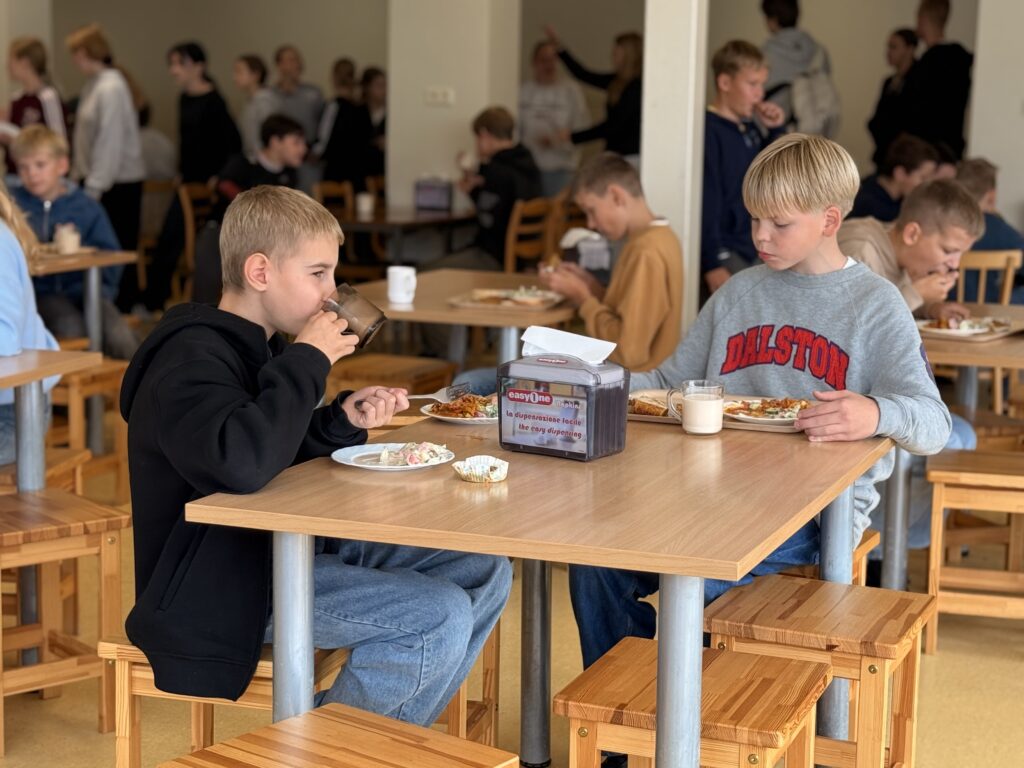
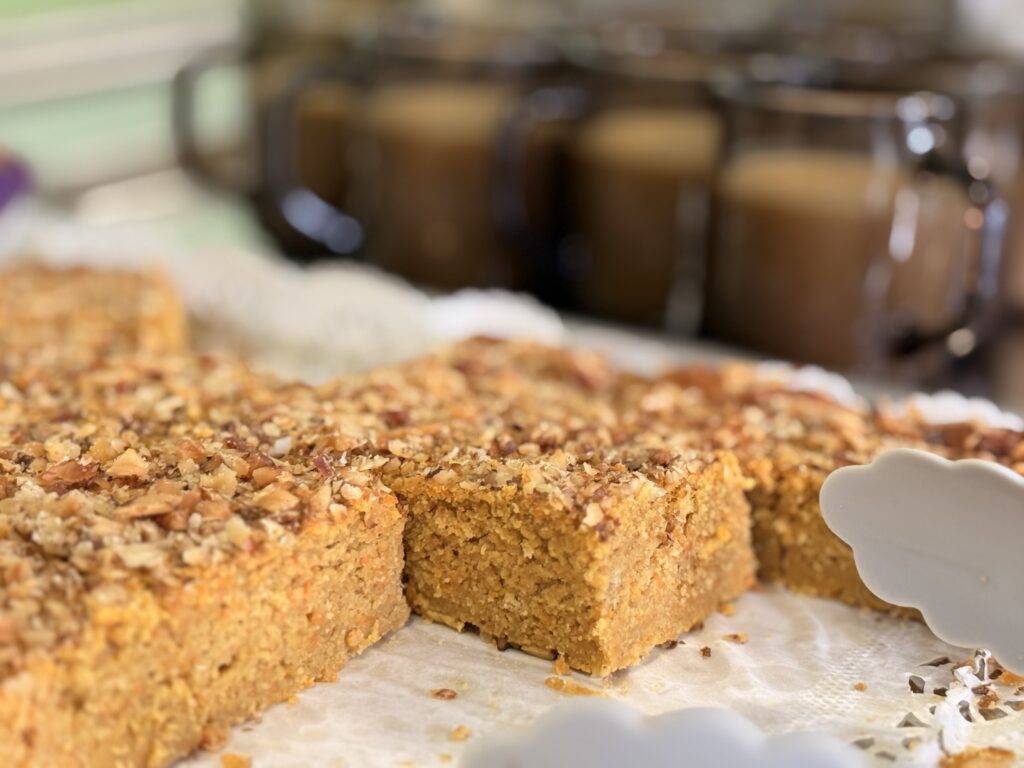
This time, students at Ludza Secondary School had the opportunity to taste two new dishes – a baked casserole and muffins. Both recipes were developed by specialists from Daugavpils University as part of the “SchoolFood WasteSolutions” project. When developing the recipes, students’ nutritional needs, the nutritional value, taste and visual appeal of the dishes, as well as the possibility of preparing them practically and efficiently in a school kitchen for a larger number of students, were taken into account.
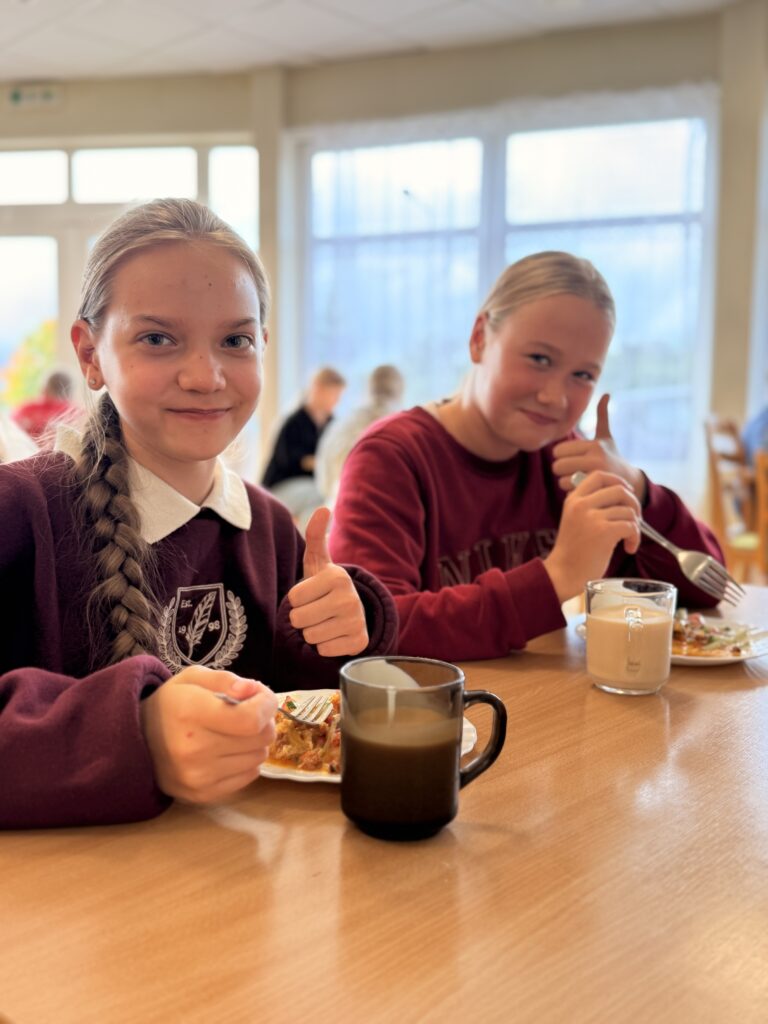
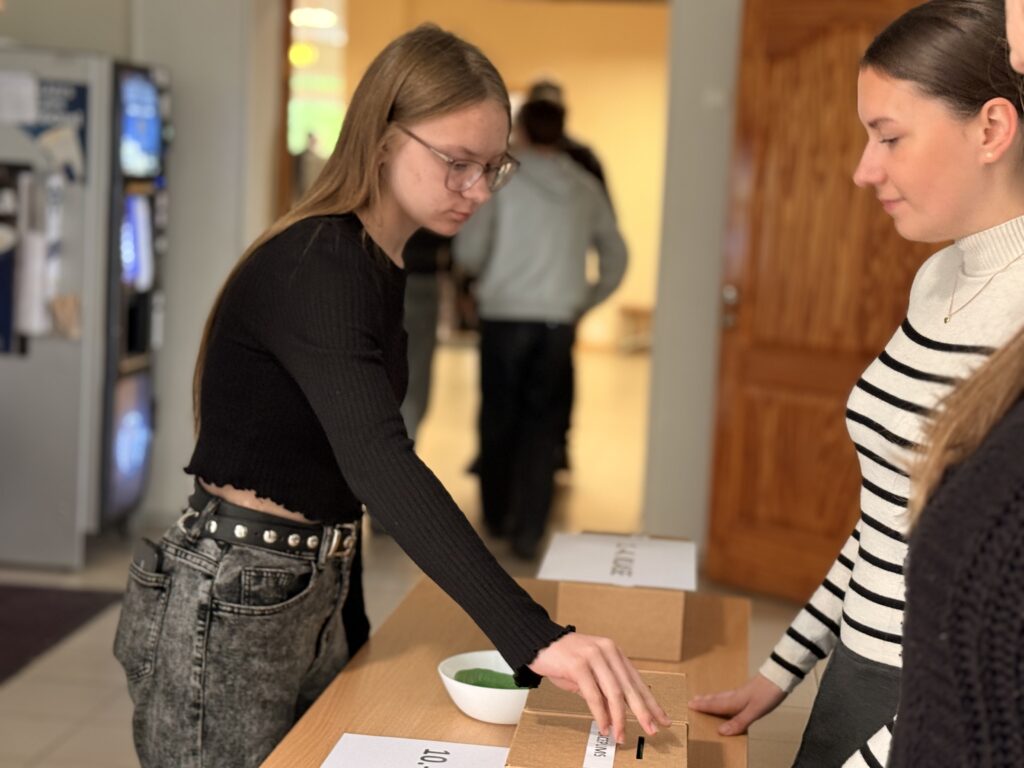
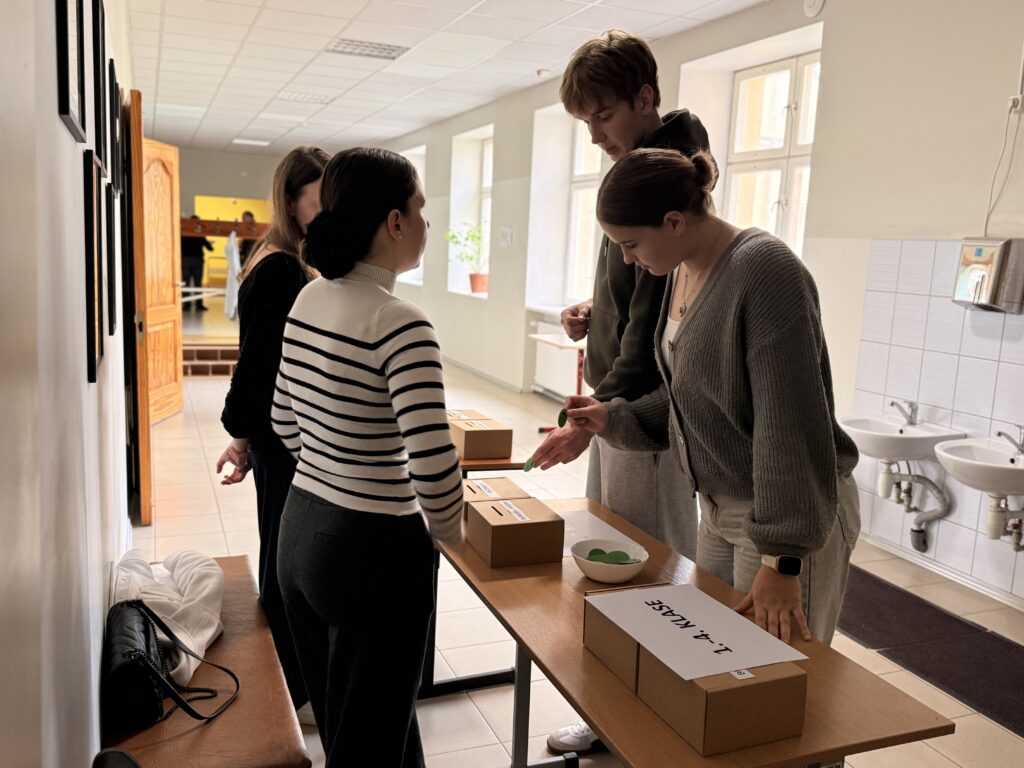
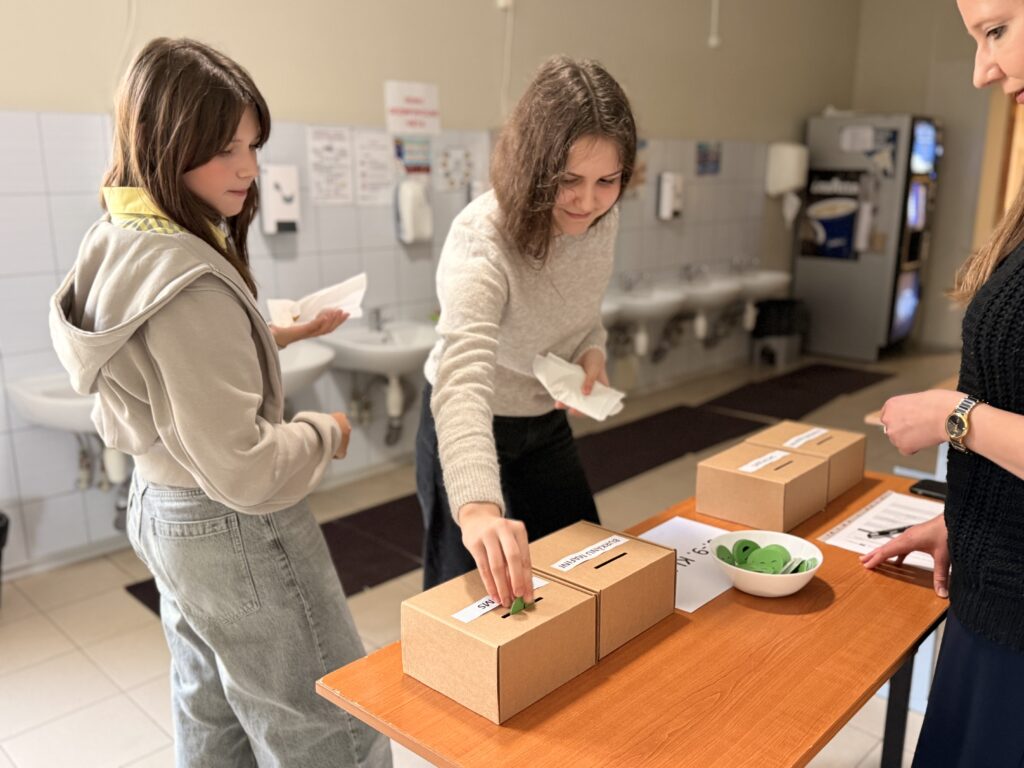
An important part of testing the recipes is the involvement of the students themselves. Their reactions, choices and feedback help determine whether a new dish is suitable for the school menu and how it can be further improved. If children enjoy the food, they are more likely to choose and eat it, thereby reducing the likelihood that prepared food will end up as waste.
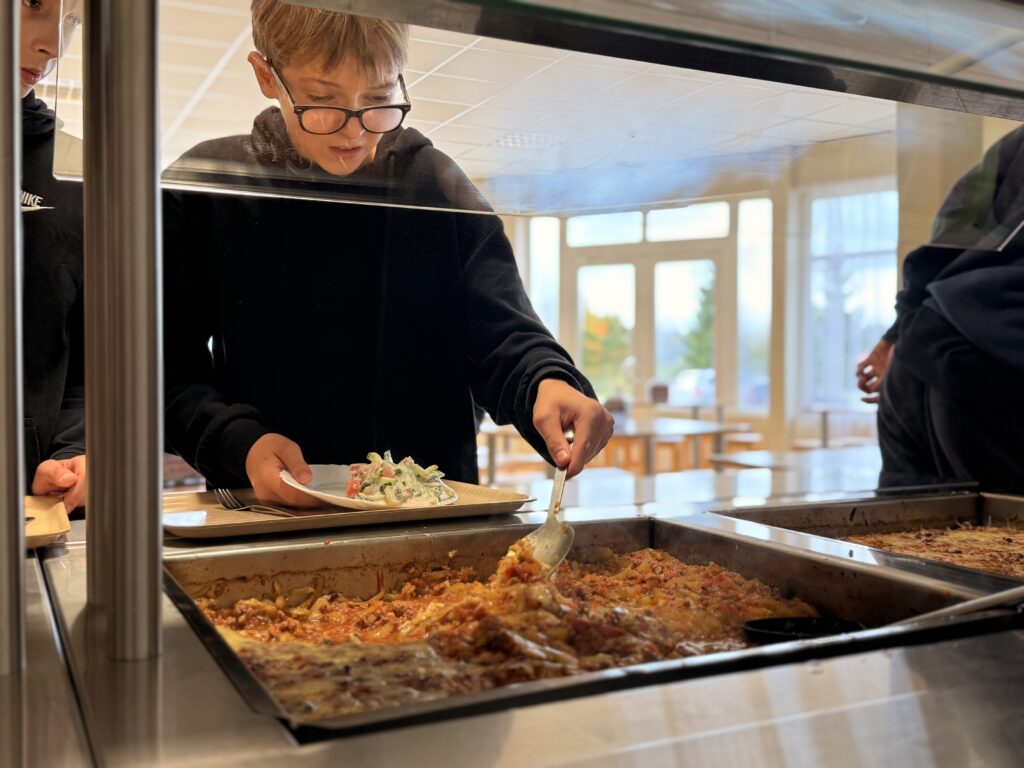
The students’ reaction to the casserole was particularly interesting during the tasting. The children not only tasted it, but also tried to come up with the most suitable name for the dish – some thought it reminded them of pizza, while others associated it with lasagne. Such spontaneous associations are valuable because they provide insight into how children perceive a new dish and which familiar flavours and foods they associate it with.
The muffins were also tasted with interest. At the same time, the participants discussed how the recipe could be adapted to the everyday needs of school catering. If a large number of portions need to be prepared at the same time, the same recipe can also be made as a tray bake. This makes it possible to preserve the essence of the recipe while making the preparation process more efficient and better suited to the organisation of work in a school kitchen.
New Buffet Equipment Makes the Catering Process More Convenient
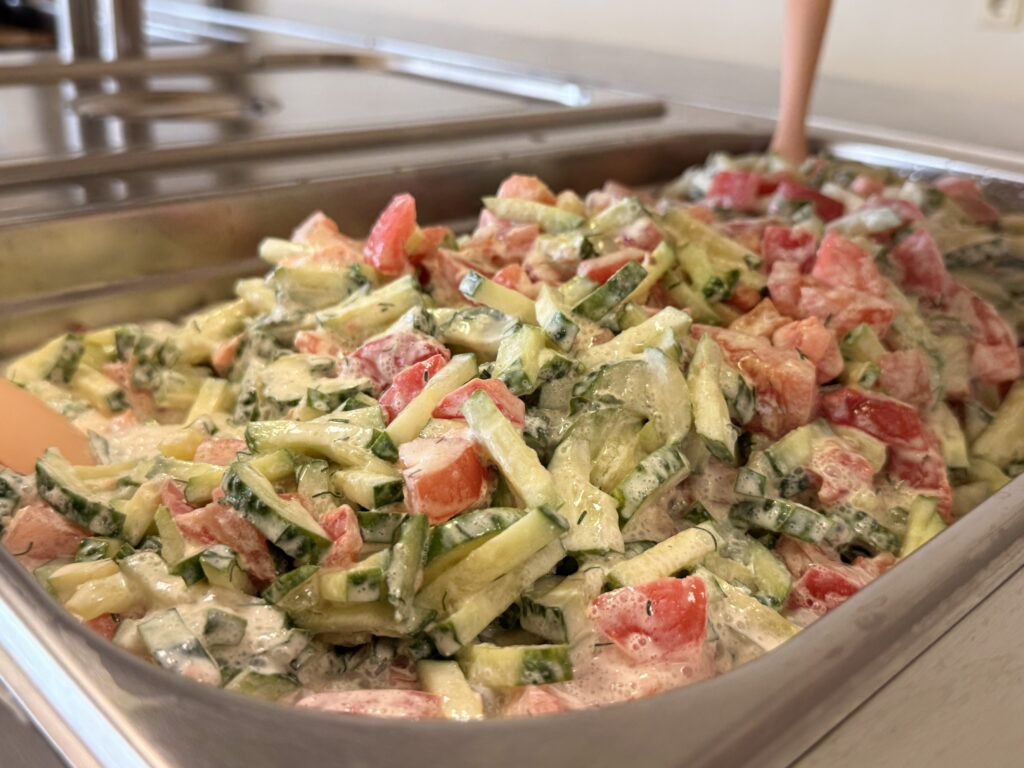
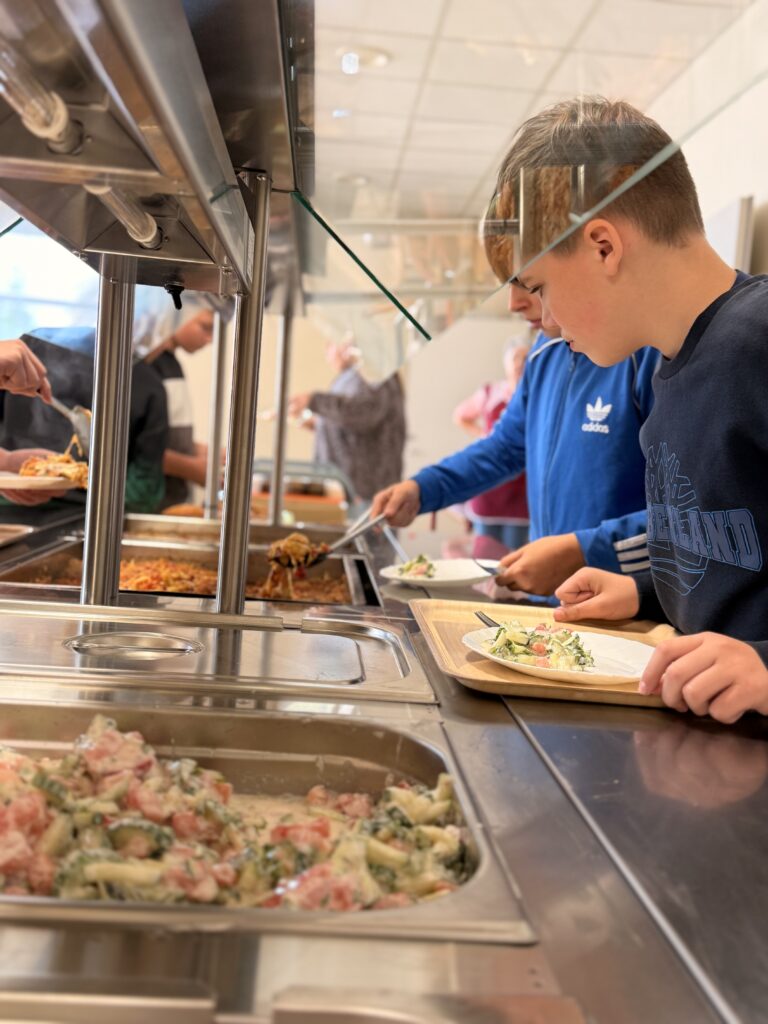
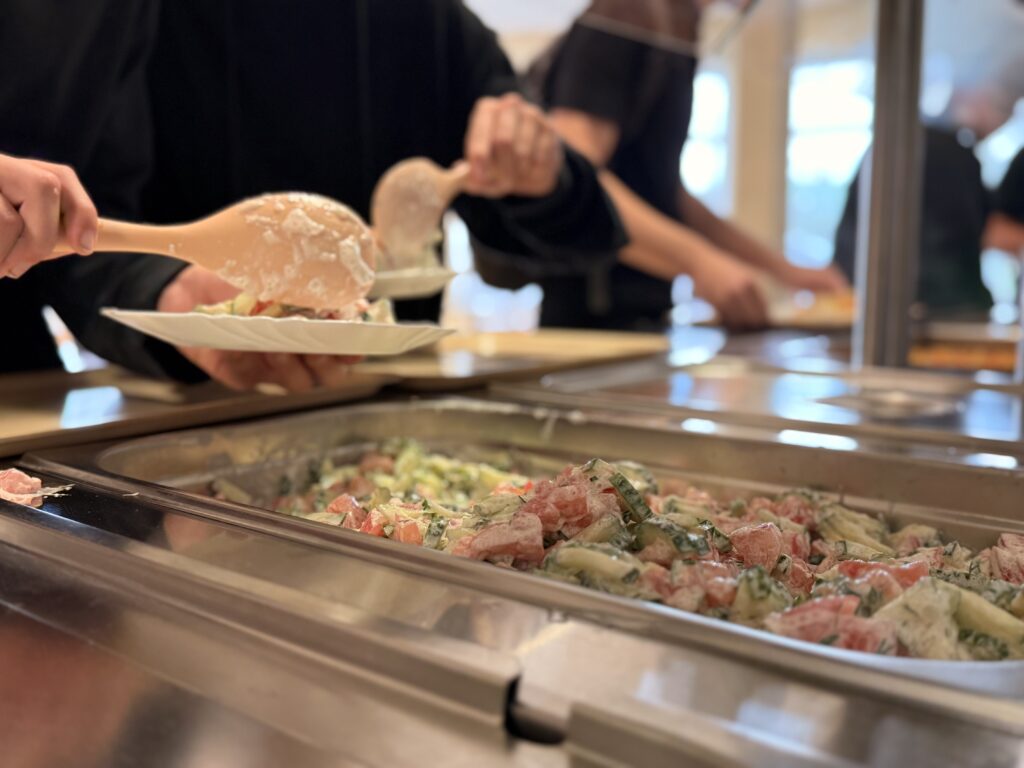
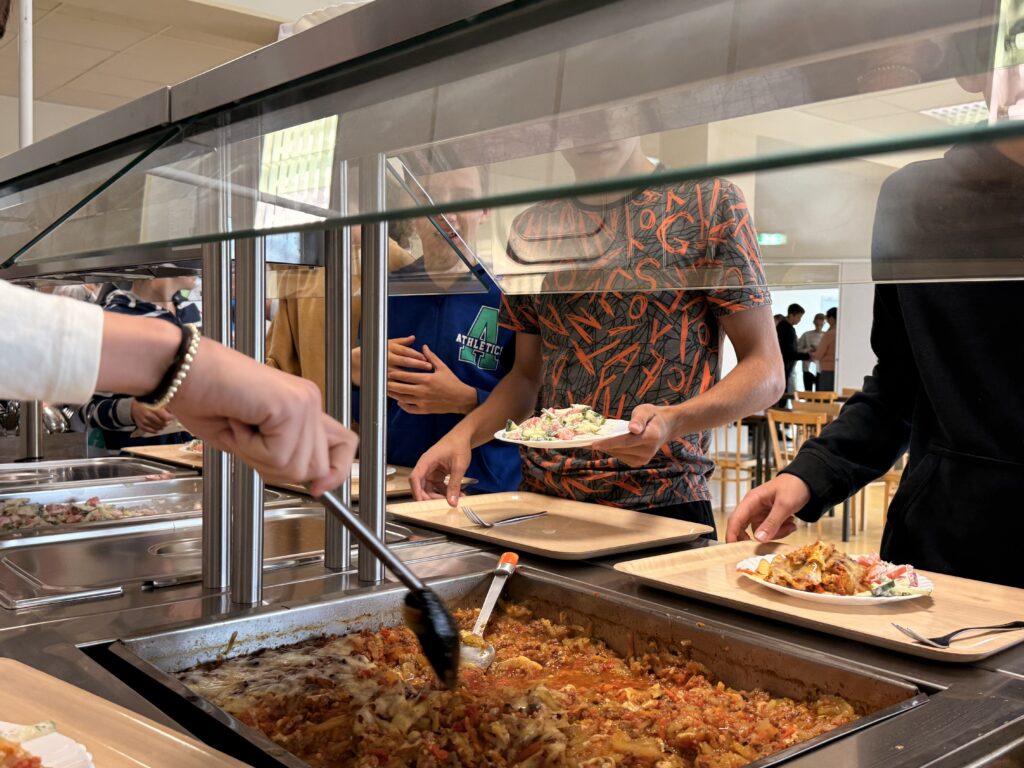
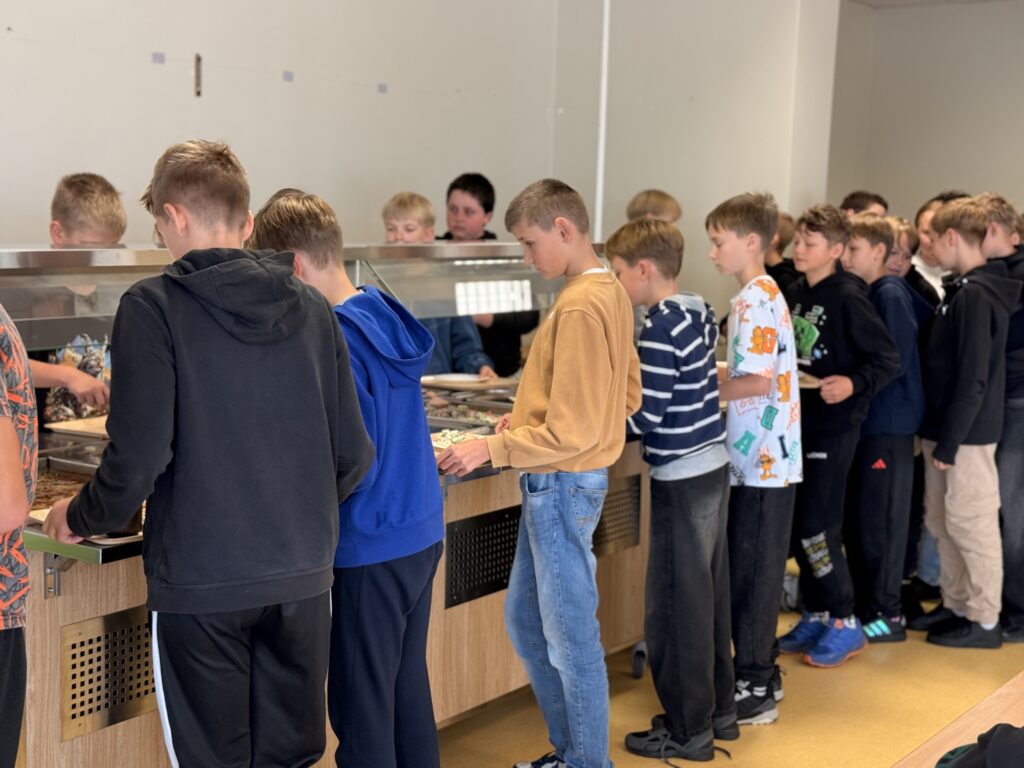
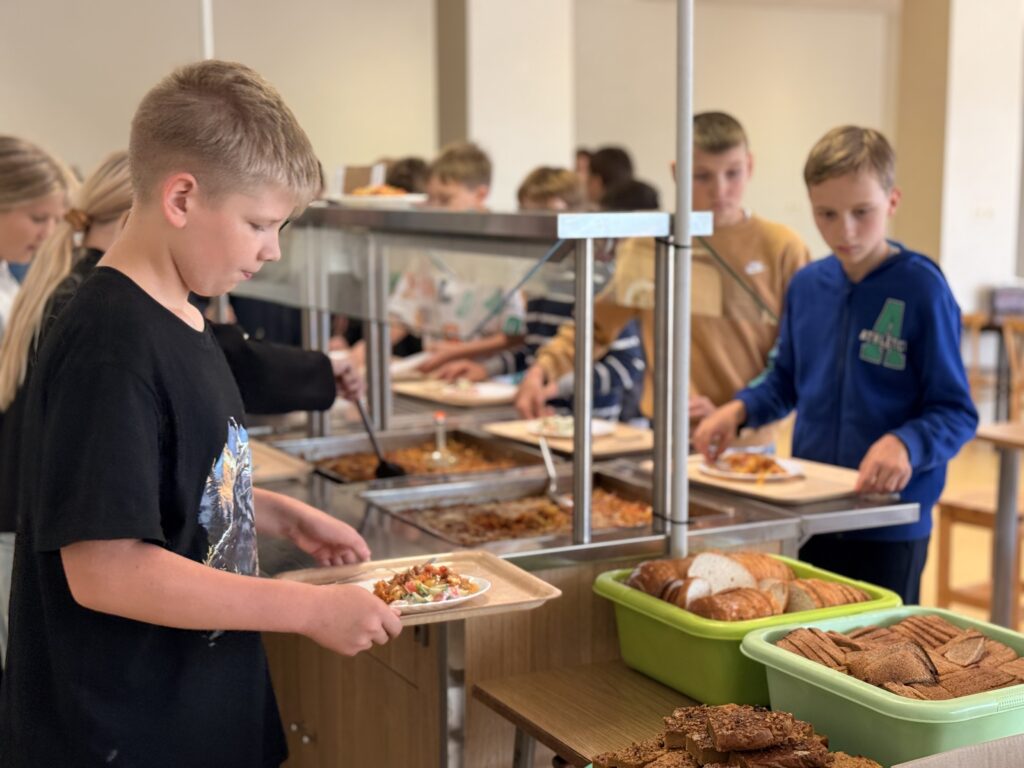
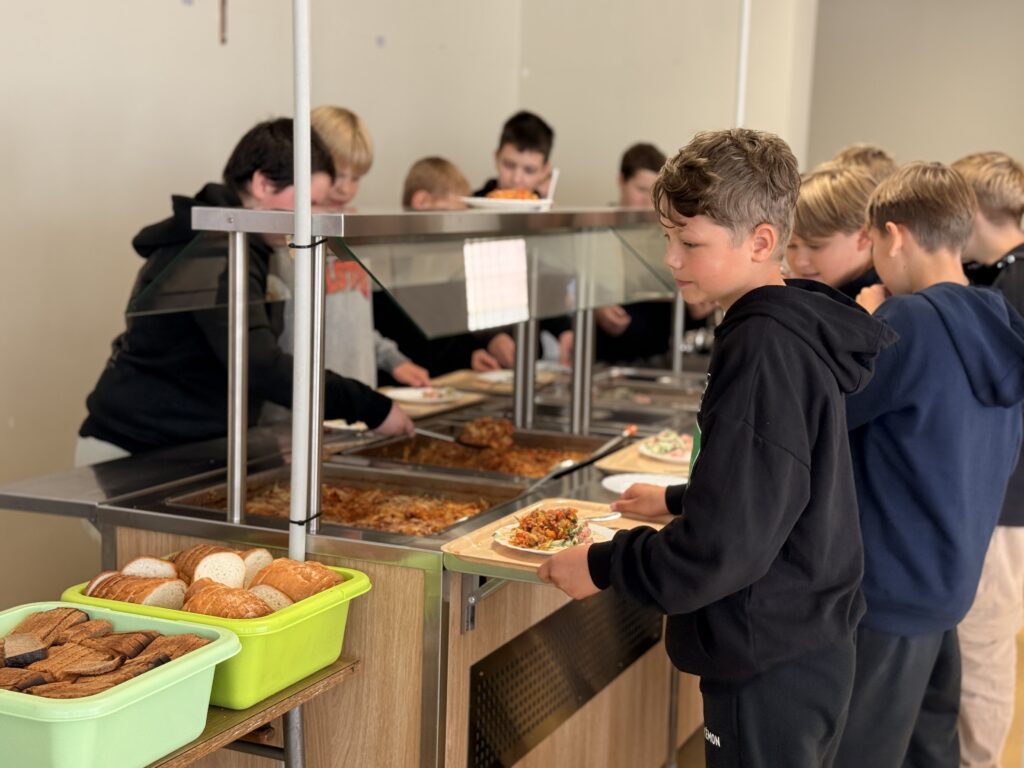
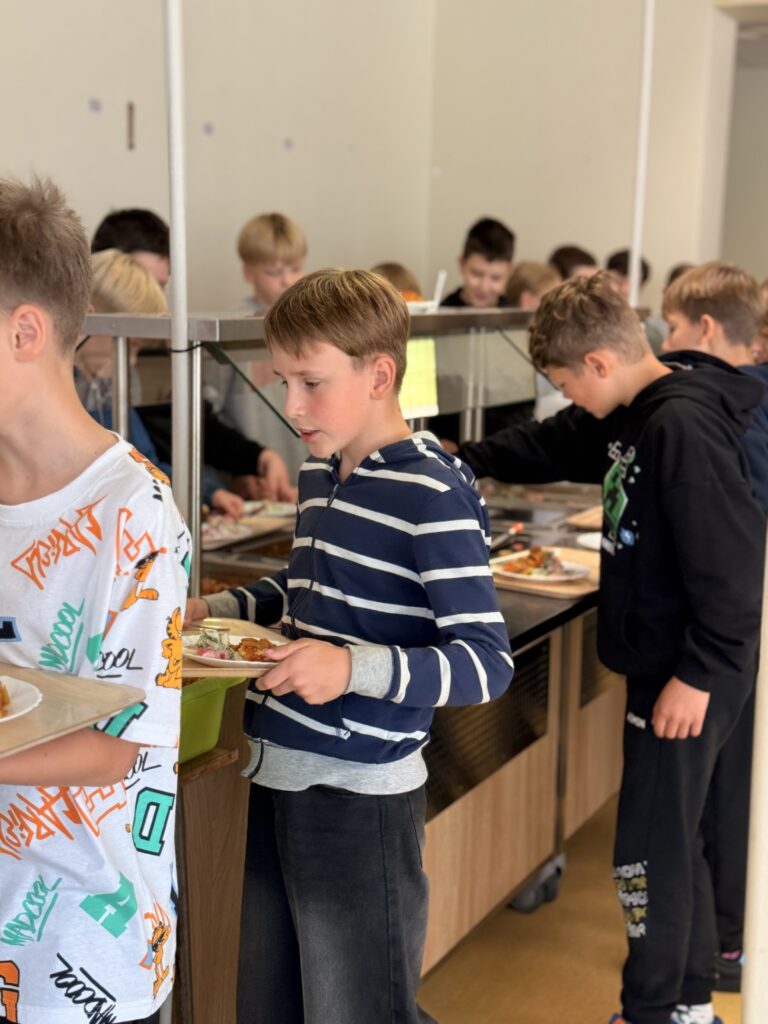
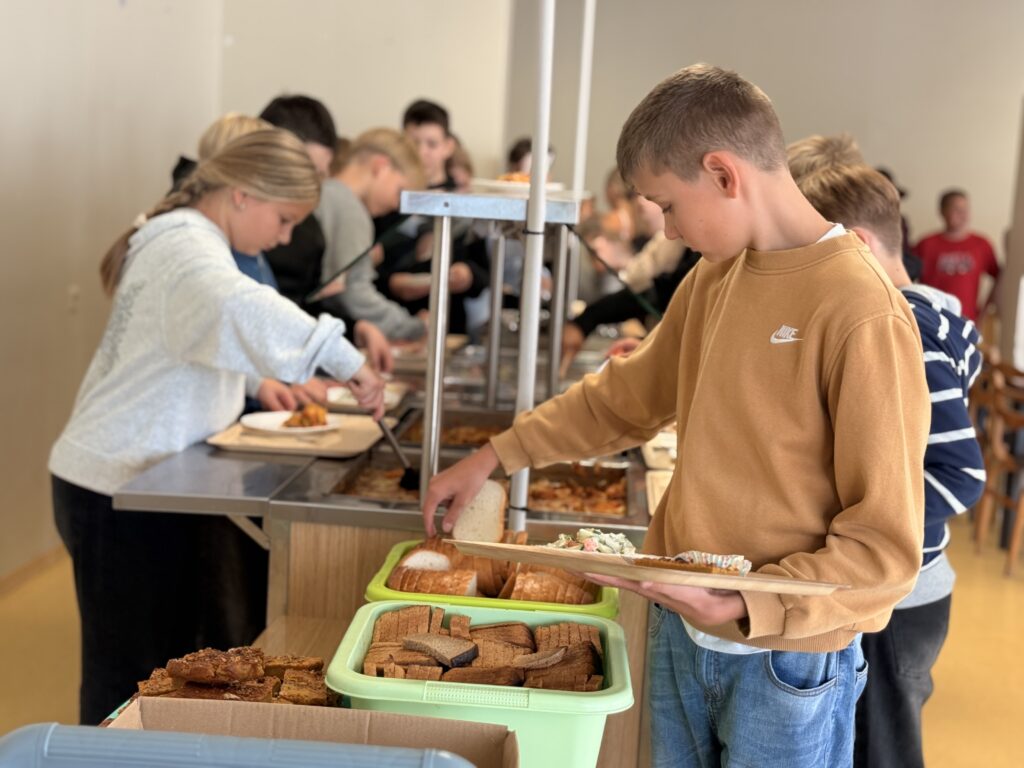
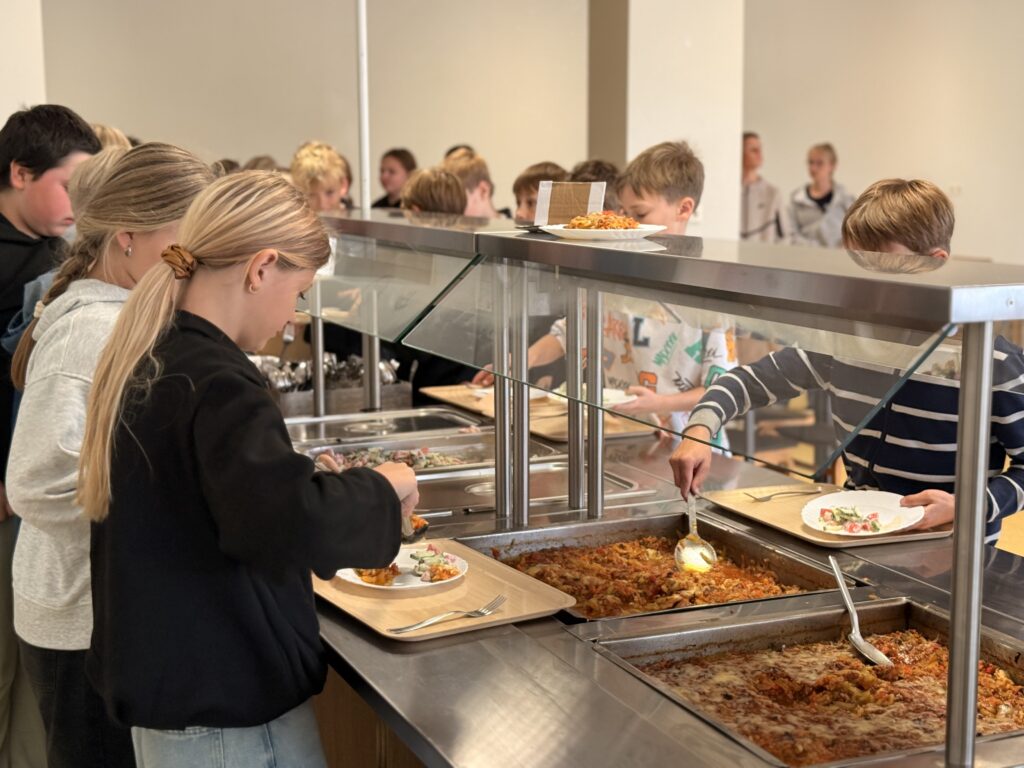
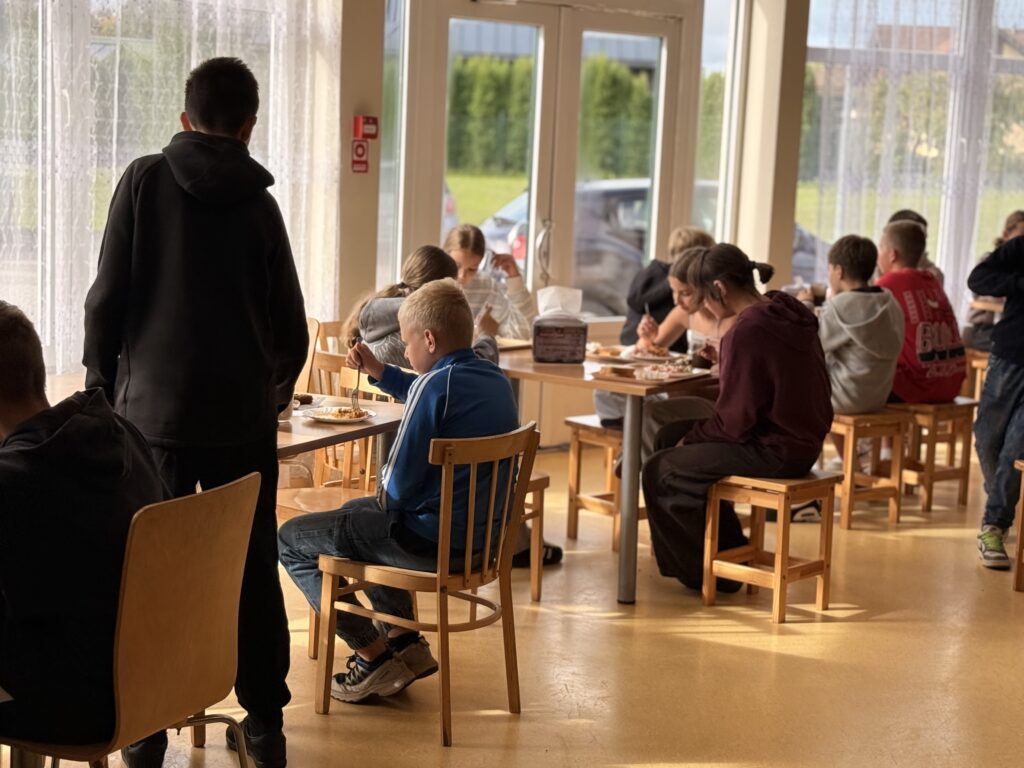
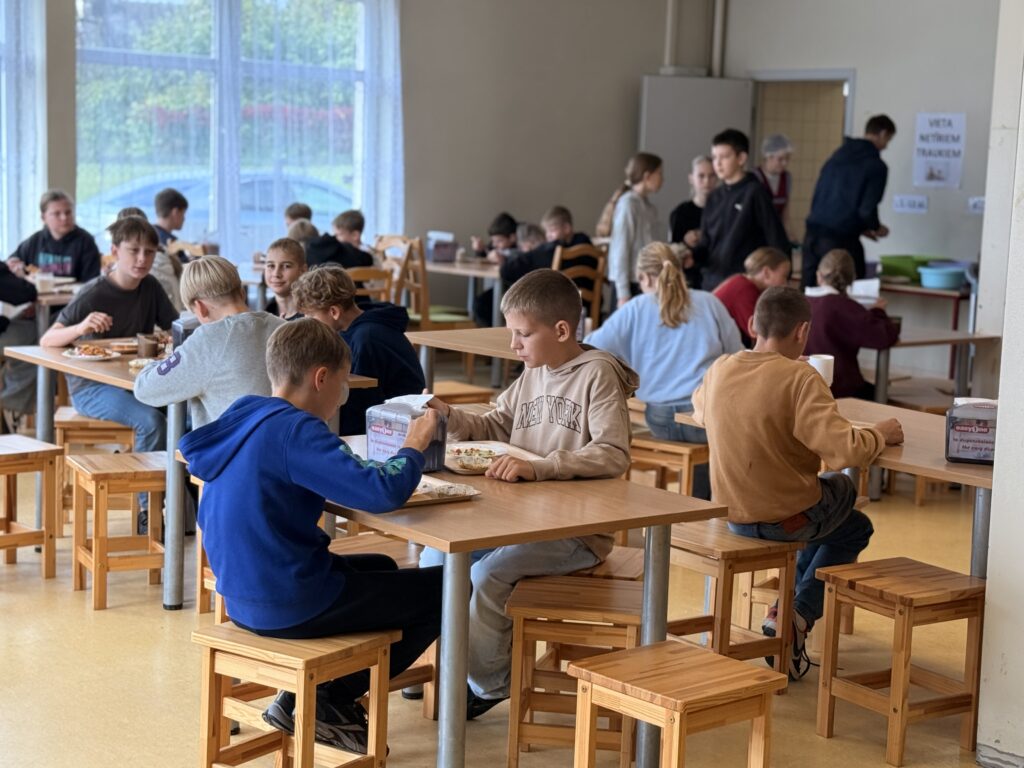
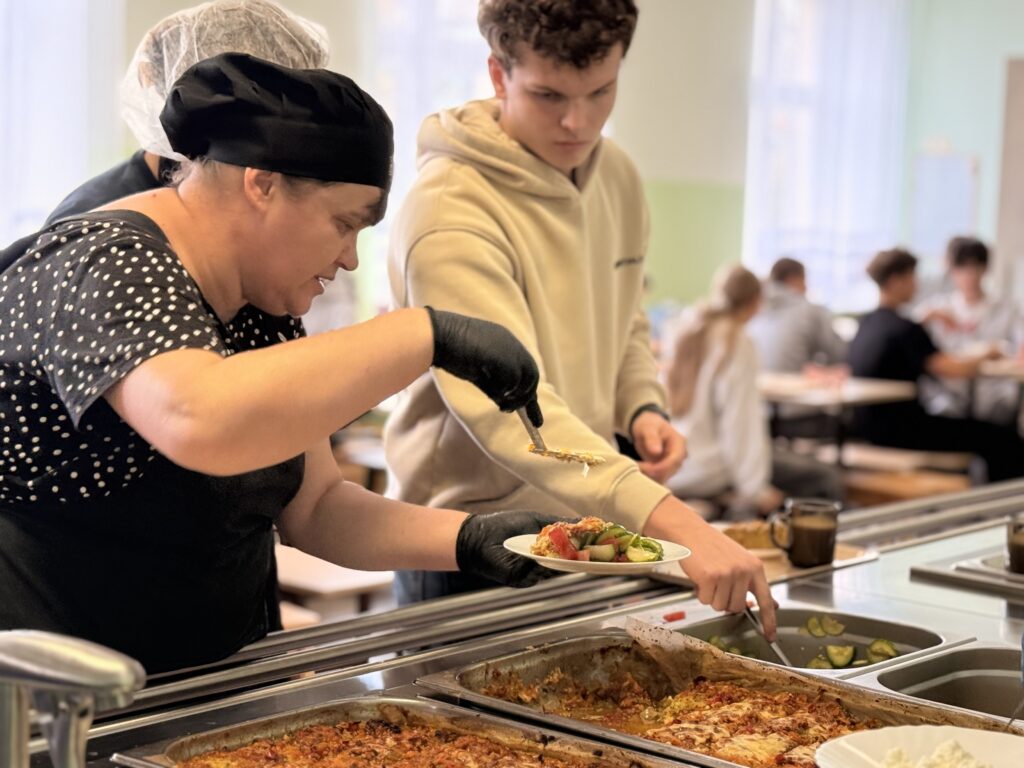
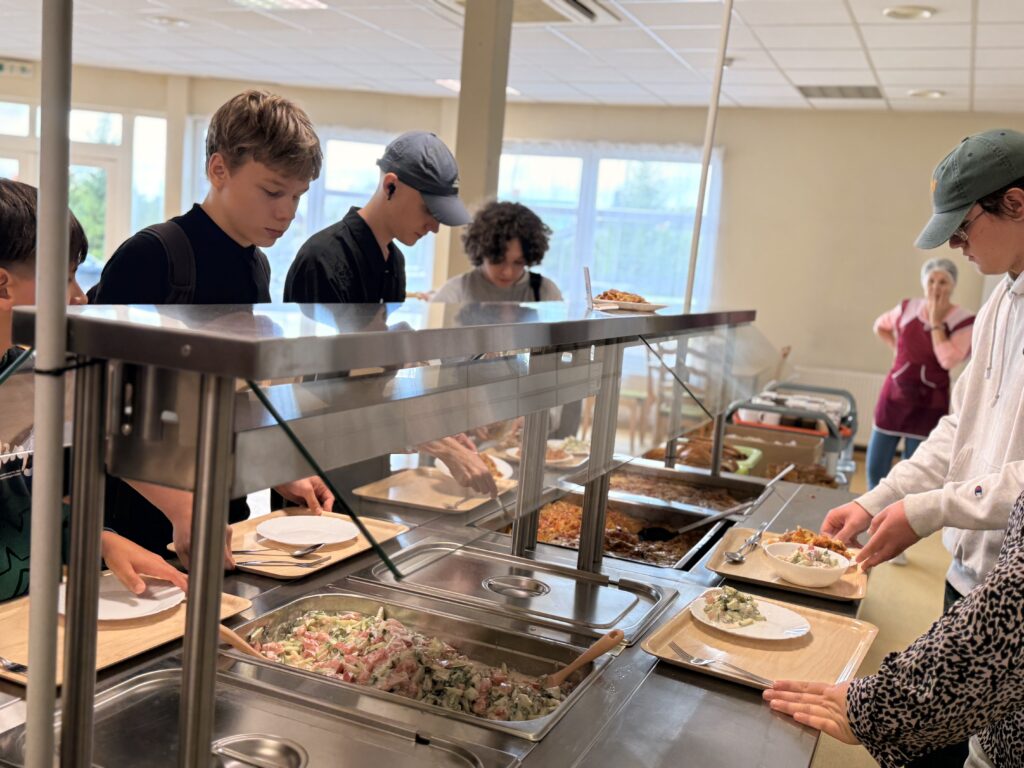
At Ludza Secondary School, the changes introduced as part of the project concern not only the menu but also the organisation of the catering process itself. For almost a month, the school has been using new buffet-style equipment for serving hot and cold food. This allows food to be displayed in a clearer and more convenient way, while also helping to organise the flow of students in the canteen more effectively.
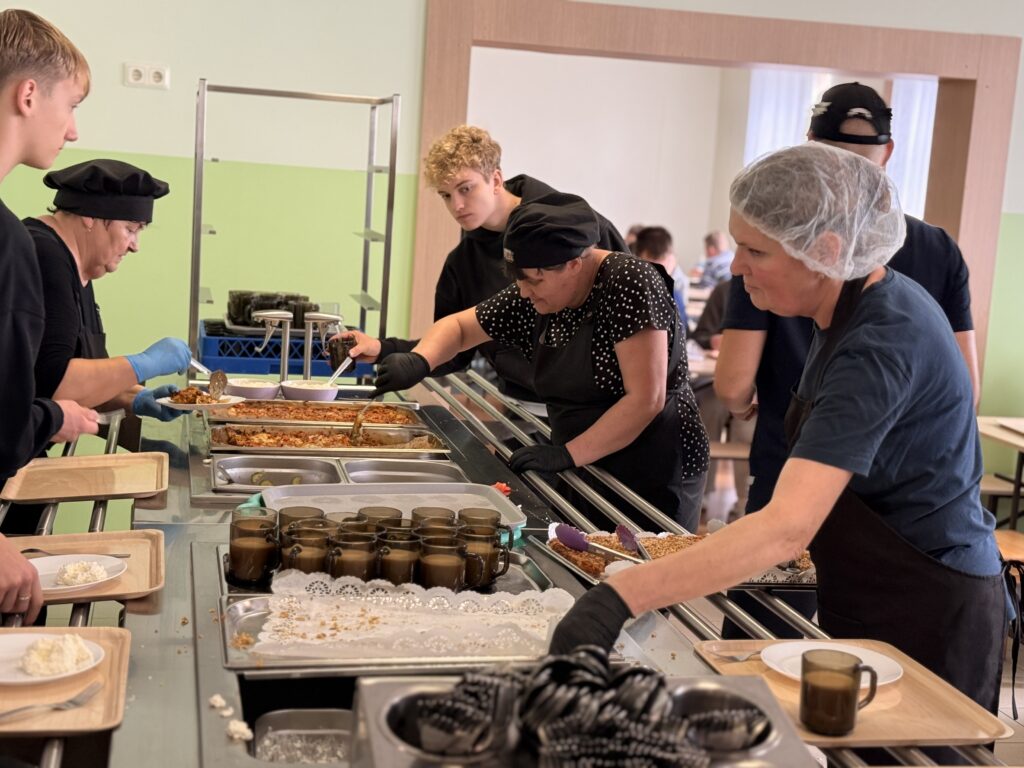
Initially, both the school catering staff and students needed some time to get used to the new system. The cooks explained to students how to use the buffet, in what order to choose the dishes and how to move through the catering area in an organised manner. The children adapted to the new system very quickly, and after a short time it became a regular part of everyday school life.
“At first, the new equipment was unfamiliar to us, so we needed some time to get used to it. However, the children learned very quickly how to use the buffet, and we also adapted the way we organised our work. Now we are happy that the catering process runs quickly and smoothly – students do not have to wait for long, and everything is much more convenient,” say the cooks at Ludza Secondary School.
The new buffet solution is particularly important during lunchtime, when a large number of students arrive at the canteen at the same time. Clearly displayed food and a well-organised flow of students help reduce waiting times and make the catering process more convenient for both students and kitchen staff.
An additional challenge in implementing the project was the merger of two schools during the course of the project. As a result, the second school building has effectively also become involved in the project. Its students and kitchen staff have had to familiarise themselves with the project approach, acquire new working principles and skills, and implement activities that had already been initiated – all within a relatively short period of time.
This requires both adaptation and close cooperation between the staff of the two buildings. At the same time, these changes bring an important benefit: the project activities, new solutions and practical benefits will reach a wider group of students and school staff. This makes it possible to test and strengthen the project experience in an even broader school environment.
Practical Solutions for Reducing Food Waste
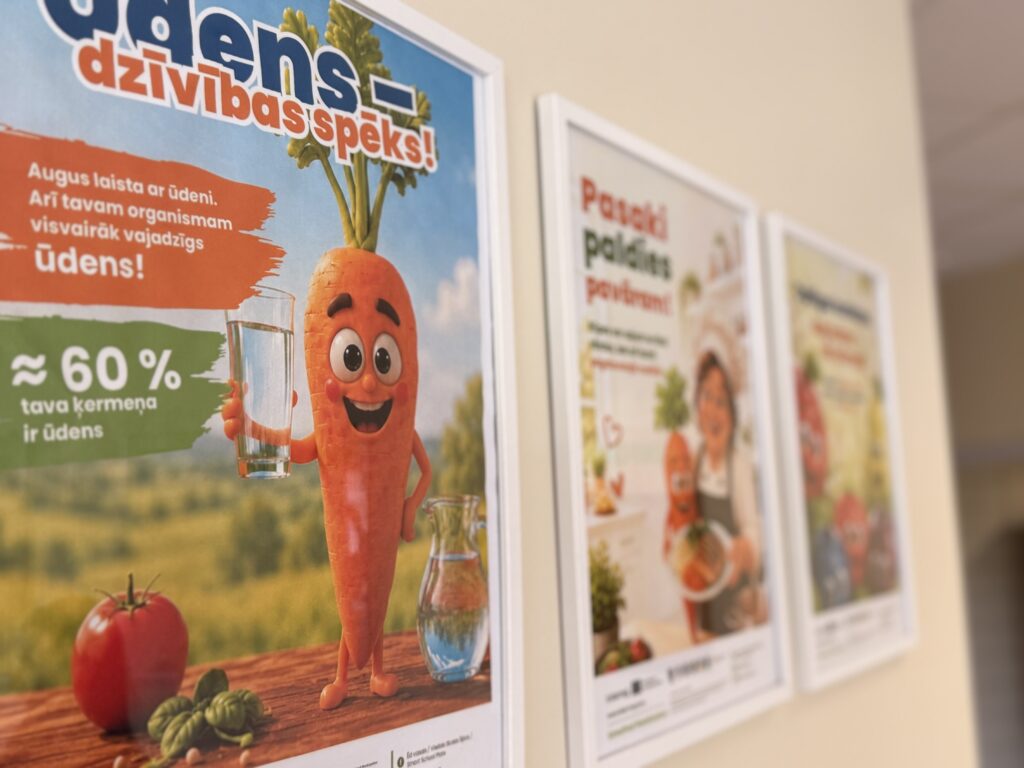
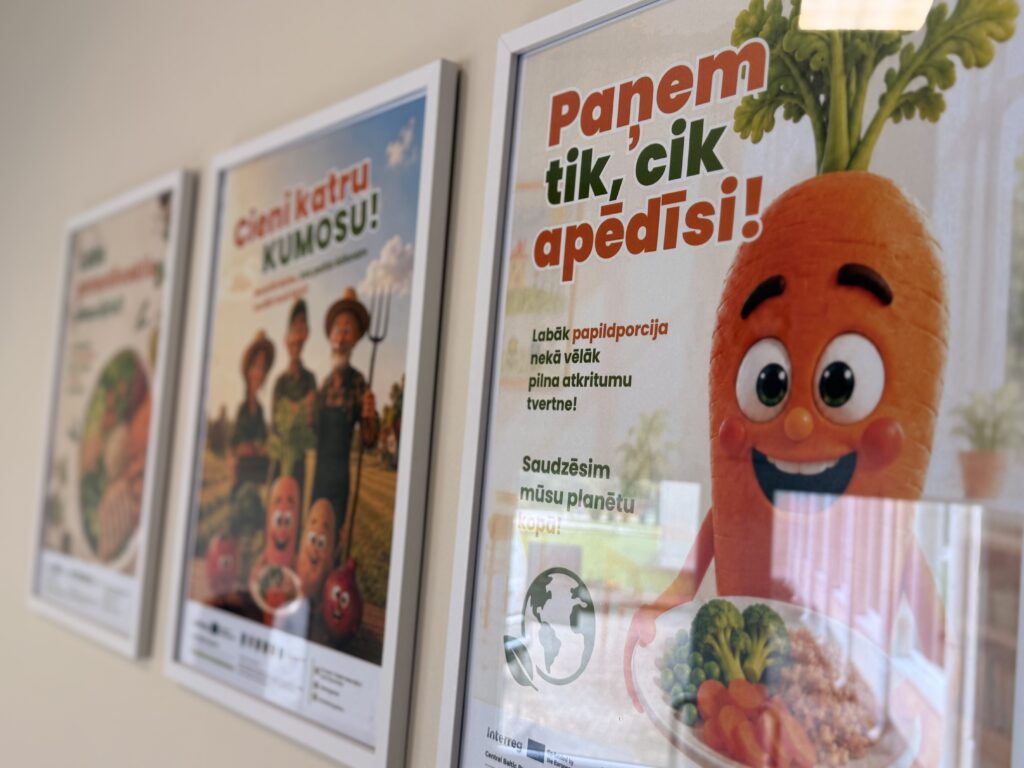
The experience of Ludza Secondary School demonstrates that reducing food waste at school is not only about the amount of food prepared or the size of portions. It is equally important that the food is tasty, appealing and understandable to children, that it can be obtained conveniently and quickly, and that students themselves have an opportunity to participate in the process of change.
For this reason, several practical solutions are being tested simultaneously in the pilot schools in Latvia and Estonia as part of the “SchoolFood WasteSolutions” project. These include testing new recipes, improving catering organisation, enhancing food presentation, introducing new equipment, and regularly gathering the views of students, cooks and school staff.
This approach makes it possible to assess the entire school catering process as a whole – from recipe development and food preparation to serving, students’ choices and the amount of food left uneaten after the meal.
The project team will continue to collect and analyse the experiences of the pilot schools and assess which solutions are most effective and could be applied more widely. The aim of the project is to contribute to the development of school catering systems in which high-quality, student-friendly food is combined with efficient work organisation, thoughtful use of resources and a responsible approach to food.
The experience of the project’s pilot schools shows that change can begin with very practical steps – a new recipe that students are eager to taste, a buffet that children quickly learn to use, and a willingness to listen to their opinions. These everyday improvements help create a catering process in which more food is enjoyed and eaten, while less food ends up as waste.
The “SchoolFood WasteSolutions” project (CB0600301) is implemented within the framework of the Interreg Central Baltic Programme 2021–2027. The lead partner of the project is the Latgale Planning Region.