
SuRuMo Project Partners Meet in Sweden to Review Rural Mobility Pilot Results
On 14–15 October 2026, partners of the “SuRuMo” (Sustainable Rural Mobility) project, implemented under the Interreg Central Baltic Programme 2021–2027, gathered in Linköping, Sweden, for their final partner meeting. Representatives from Latvia and Sweden reviewed the results of mobility pilot activities, shared experiences and discussed opportunities for developing sustainable and accessible transport solutions in rural areas.
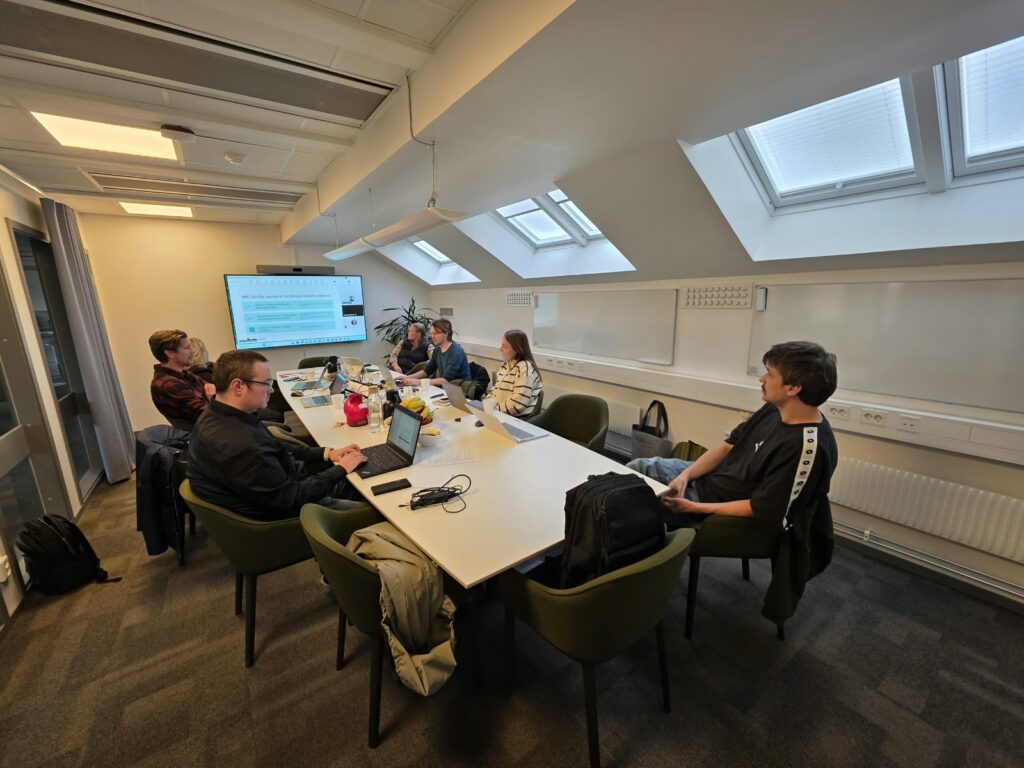
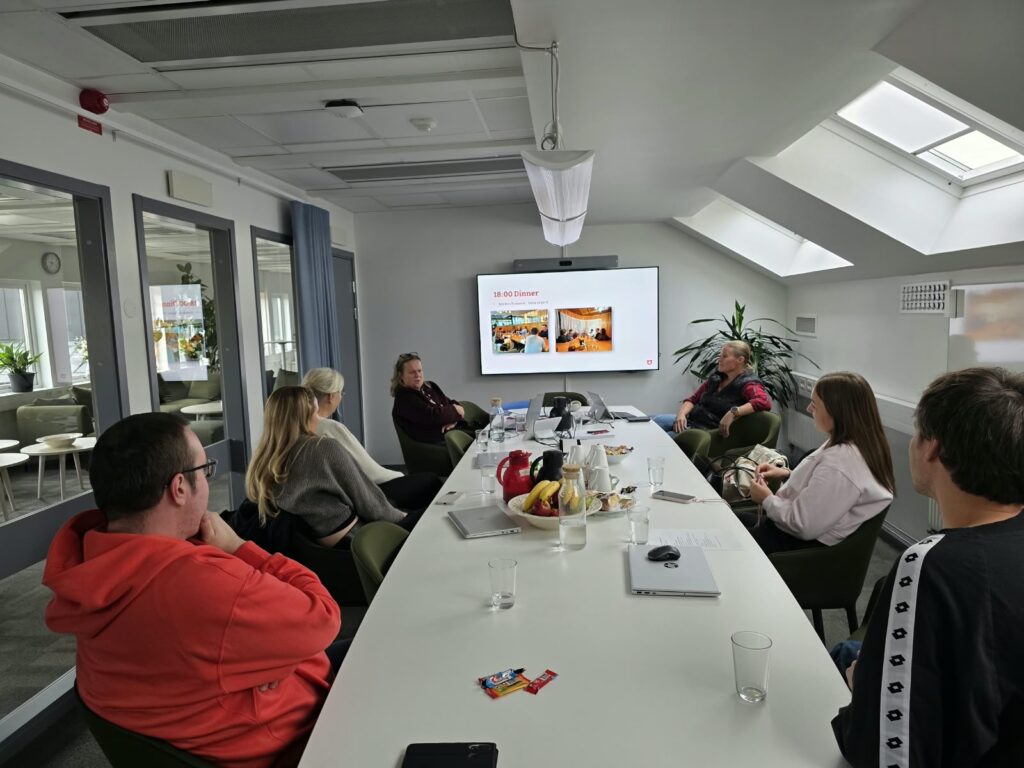
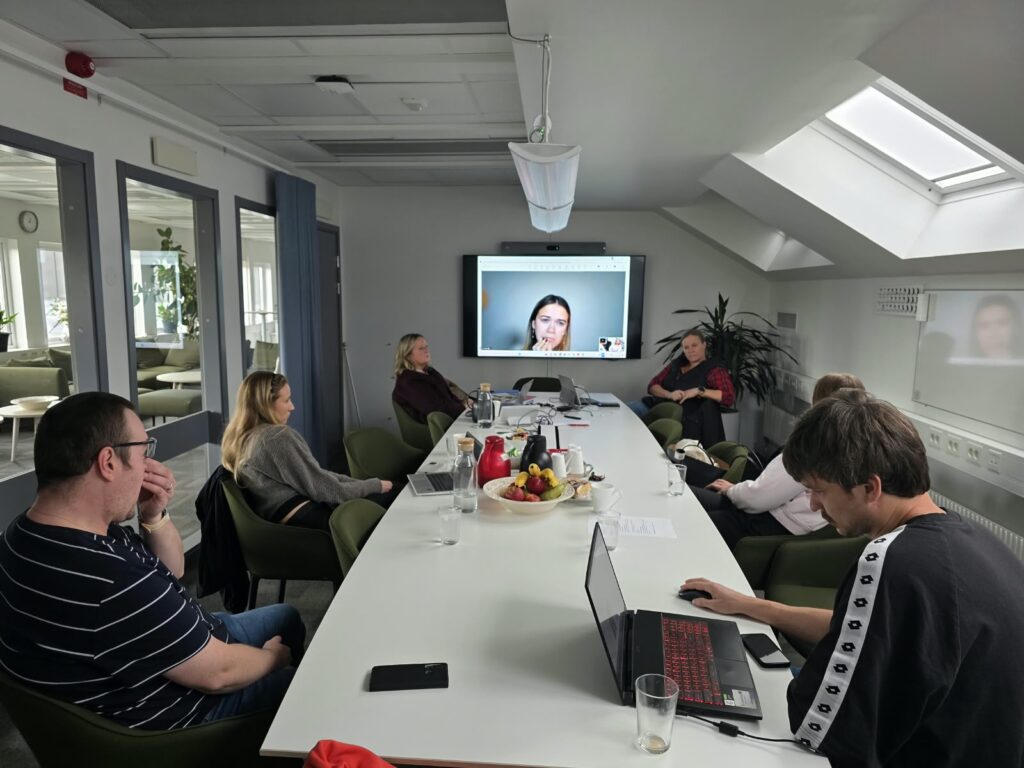
During the meeting, partners were introduced to a transport planning tool developed by Linköping University, which integrates mobility data to support the planning of transport services. They also evaluated the performance of the Freelway digital platform and discussed lessons learned from the pilot activities implemented in Kurzeme, the Riga region and Östergötland.
During the meeting, partners also shared good practice examples and recommendations developed throughout the project to support the introduction of shared mobility solutions in rural areas.
Kurzeme, Latvia – on-demand transport connecting rural communities
In Kurzeme, on-demand transport was piloted in Alsunga and Vāne from November 2025 to April 2026, offering residents free transport adapted to their travel needs. Unlike conventional public transport, journeys were arranged through advance bookings using the Freelway mobile application or by contacting the Kurzeme Planning Region Mobility Centre by phone.
The service helped residents reach medical appointments, shops, markets and public transport connections. Over the five-month pilot period, 1,413 passengers were transported, 526 journeys were completed and nearly 17,000 kilometres were travelled.
The high demand and positive feedback from residents demonstrated the importance of flexible transport services in rural communities, particularly for people with limited access to regular public transport.
Riga region, Latvia – different mobility needs in suburban and rural areas
Riga Planning Region tested two mobility solutions: carpooling, introduced in December 2025, and on-demand transport, launched in April 2026. The on-demand transport pilot operated in two areas – Lapsas in Mārupe Municipality and Dzērumi in Ķekava Municipality.
In Lapsas, the service proved particularly popular, with residents mainly travelling to Piņķi to access services and onward transport connections. Between 20 April and 31 July 2026, the service covered 9,772.88 kilometres, with an average of ten trips requested per day in July. Most residents booked their journeys through the Freelway application.
In Dzērumi, where the service began on 27 May, demand was lower. A total of 211.75 kilometres were travelled by the end of July, with an average of one requested trip per day during that month. Residents mainly used the service to reach Ķekava.
The pilot highlighted significant differences between areas and demonstrated that mobility solutions need to be tailored to local conditions, existing public transport networks and residents’ travel patterns.
Östergötland, Sweden – carpooling and shared school transport
In Sweden, Östgötatrafiken implemented pilot activities in Hannäs, Karlsby and Nykil/Gammalkil between September 2025 and June 2026. Unlike the Latvian on-demand transport pilots, the Swedish activities focused on carpooling, connecting residents travelling in similar directions through the Freelway application. In two pilot areas, residents could also book places on existing school transport services.
During the pilot, 277 people joined the application, 836 travel suggestions were created, 91 carpooling trips were completed and 53 school transport trips were booked.
The school transport option proved particularly valuable for rural families, while Hannäs recorded the highest overall activity in the application.
The pilot also revealed challenges related to attracting sufficient numbers of users and maintaining their engagement. Nevertheless, the experience demonstrated the potential of shared transport services, and Östgötatrafiken will continue operating the Freelway service independently after the pilot.
Shared lessons and future opportunities
Although the pilot activities differed across Latvia and Sweden, they highlighted several common lessons. Digital platforms can help connect people with mobility services, but technology alone is not enough. Successful implementation also requires local engagement, clear communication, practical user support and solutions adapted to the specific needs of each area.
The project demonstrated that flexible mobility services can complement existing public transport networks, improve access to essential services and provide new travel opportunities for residents in areas where conventional public transport is limited.
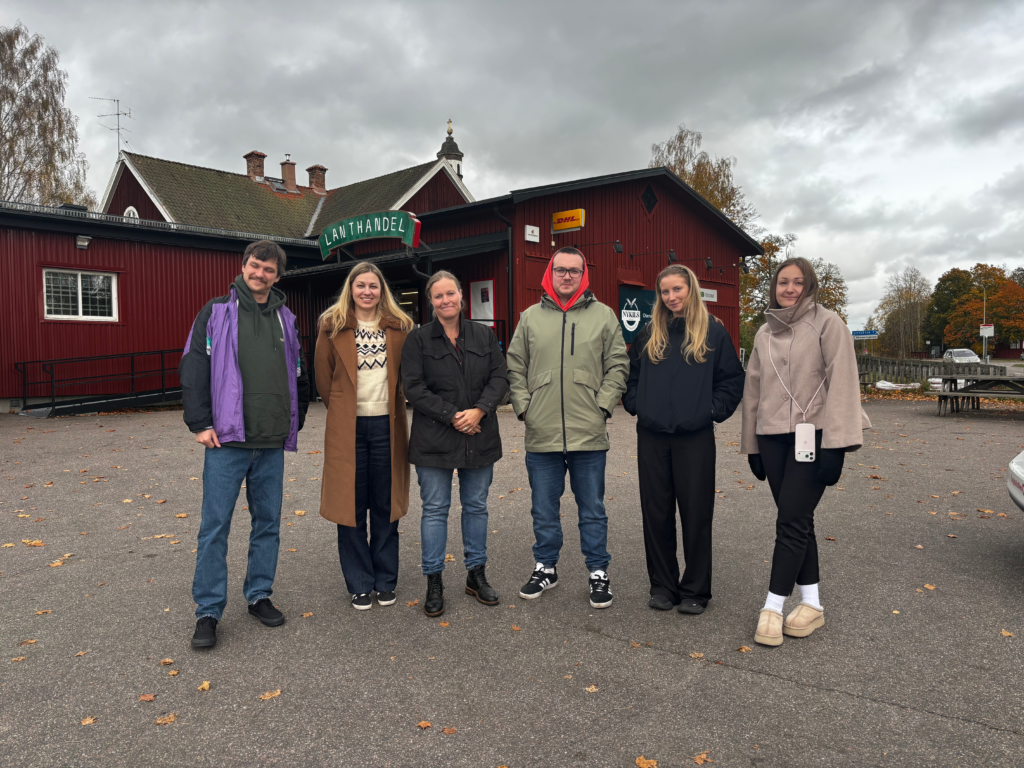
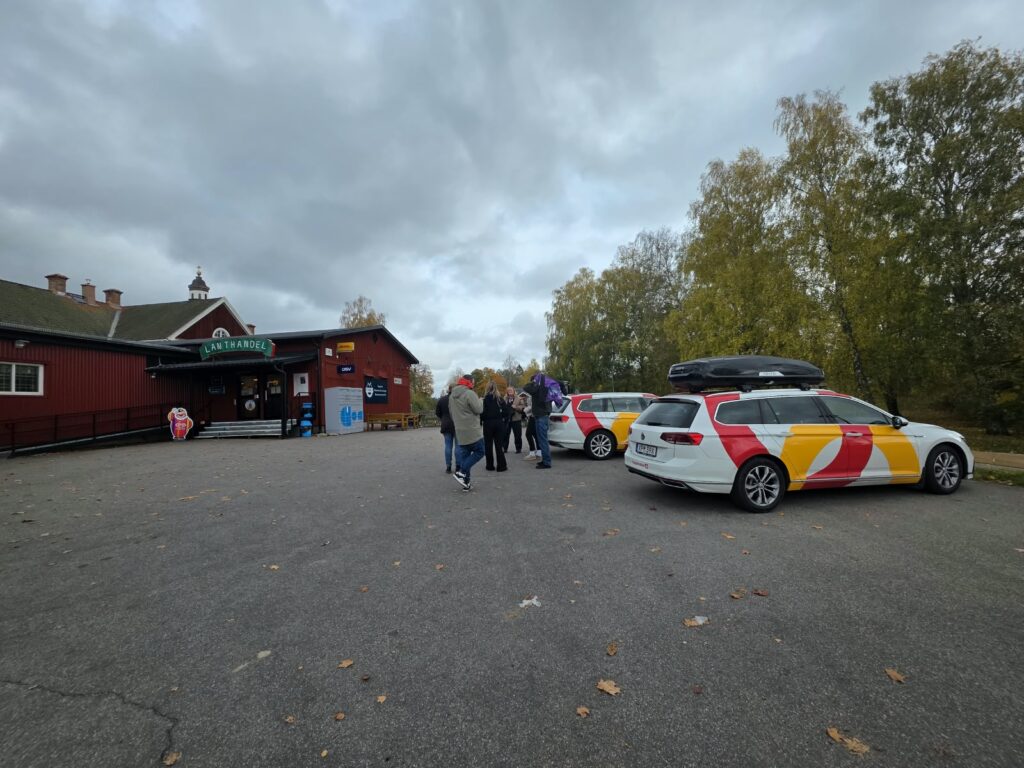
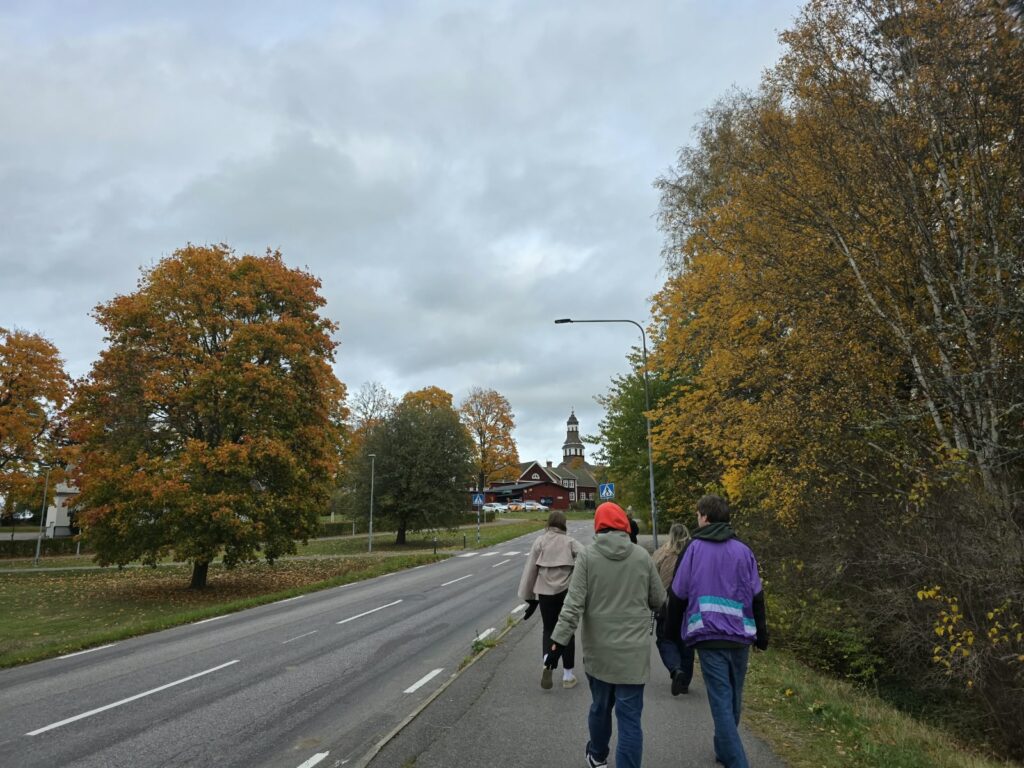
On the second day of the final partner meeting, participants visited the Swedish pilot area of Nykil to learn more about the local mobility solution and exchange practical experiences.
As the SuRuMo project approaches its conclusion, the results, good practices and recommendations developed through the Latvian and Swedish pilots provide a valuable foundation for future rural mobility planning and cooperation.
About the project
The “SuRuMo” (Sustainable Rural Mobility) project aims to identify and develop sustainable mobility solutions for rural areas through research, data analysis, digital tools and practical pilot activities.
The project is implemented with the support of the Interreg Central Baltic Programme 2021–2027.