
Watch the Webinar: Transitioning from PFAS Firefighting Foams to Safer Alternatives
On 12 May 2026, the BalticPFASResolve project hosted a webinar addressing one of the most pressing PFAS challenges: transitioning away from PFAS-containing firefighting foams. The webinar highlighted the experiences of the Swedish municipality of Katrineholm and the Västra Sörmland Rescue Service, with a particular focus on their efforts to phase out PFAS-containing foams.
The speakers included Kamila Gruskevica from Riga Technical University, Patrik Johansson from City of Katrineholm, and Filip Lindvall and Marcus Asplund from Västra Sörmland Rescue Service.
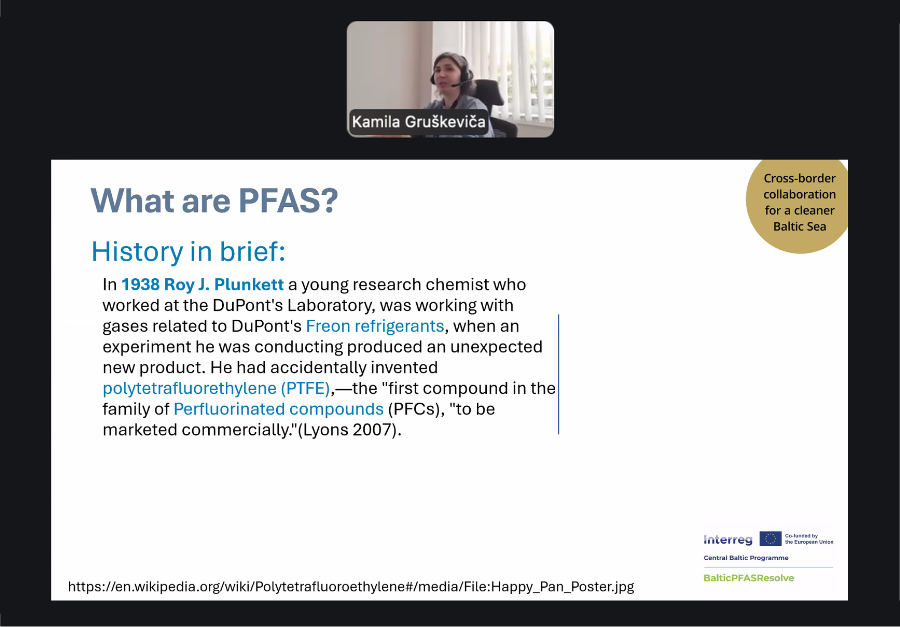
The webinar started with an overview of per- and polyfluoroalkyl substances (PFAS) and the current regulatory framework around the PFAS firefighting foams. PFAS are a large group of highly persistent chemicals known for their resistance to heat, water and oil. Because of these properties, they have been widely used in industrial applications and consumer products, including firefighting foams.
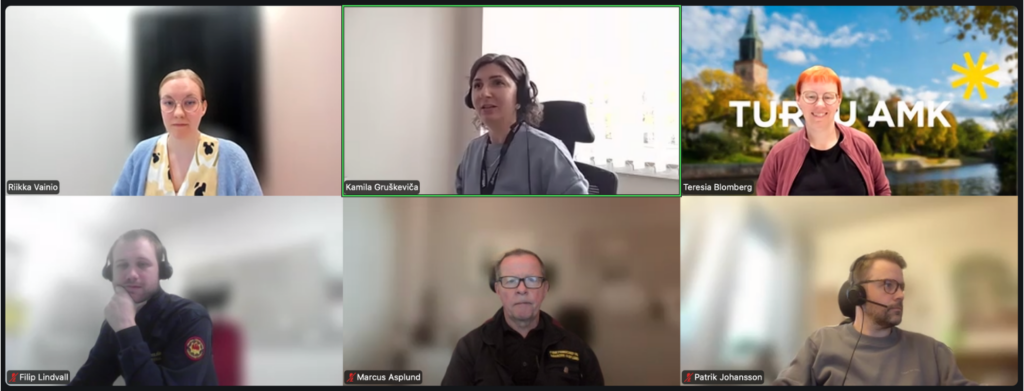
However, their durability comes with a downside: PFAS do not easily break down in the environment. They can accumulate in water, soil and living organisms, posing long-term risks to both ecosystems and human health.
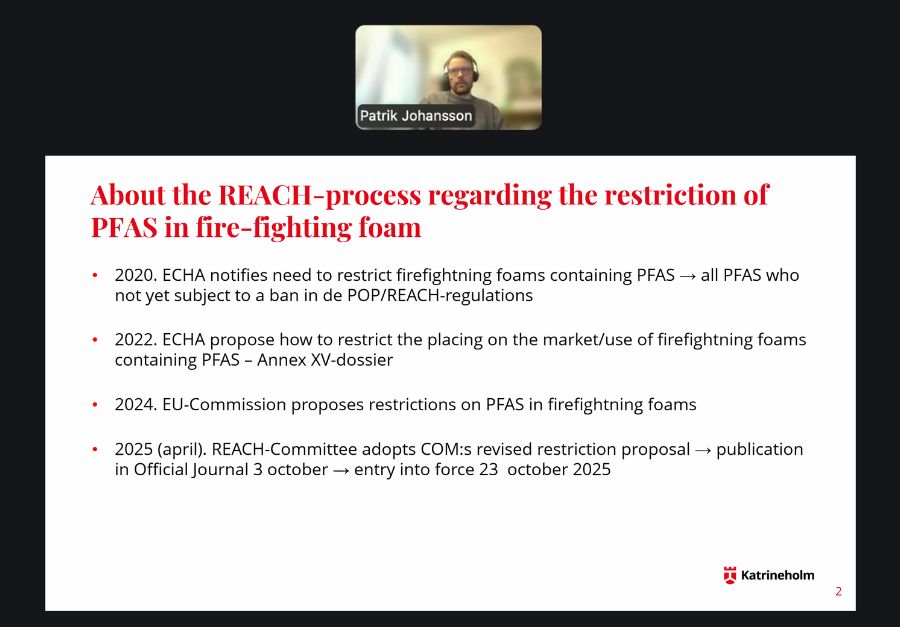
Due to the persistence of PFAS and health and environmental concerns, a restriction on PFAS-containing firefighting foams was adopted in the EU in 2025. Under the new rules, PFAS-containing firefighting foams will be largely banned from the market and use by October 2030, with a concentration limit of 1 mg/L for total PFAS content. Transitional periods and specific exemptions apply, but the overall direction is clear: a gradual but definitive phase-out.
Lessons from Katrineholm: Real-world experience
The main topic of the webinar was the experiences of phasing out PFAS foams in Katrineholm, presented by Filip Lindvall and Marcus Asplund from Västra Sörmland Rescue Service. Their experience highlights both the environmental consequences of PFAS use and the practical steps needed for change.
In 2014, during a vehicle fire involving gas canisters, PFAS-containing foam was used without full awareness of its composition. The incident led to significant local contamination, including polluted soil and risks to nearby groundwater resources.
Subsequent investigations revealed PFAS contamination not only in the environment but also in firefighting equipment. Fire trucks required repeated cleaning, with wash water treated as hazardous waste. The cleanup process was costly, and even relatively small incidents resulted in notable financial and environmental impacts.
Following the incident, the rescue service rapidly changed its practices. PFAS-based foams were replaced with fluorine-free alternatives, and stricter operational guidelines were introduced. Today, foam use is limited only to situations where it is necessary for saving lives, while training exercises avoid foam altogether.
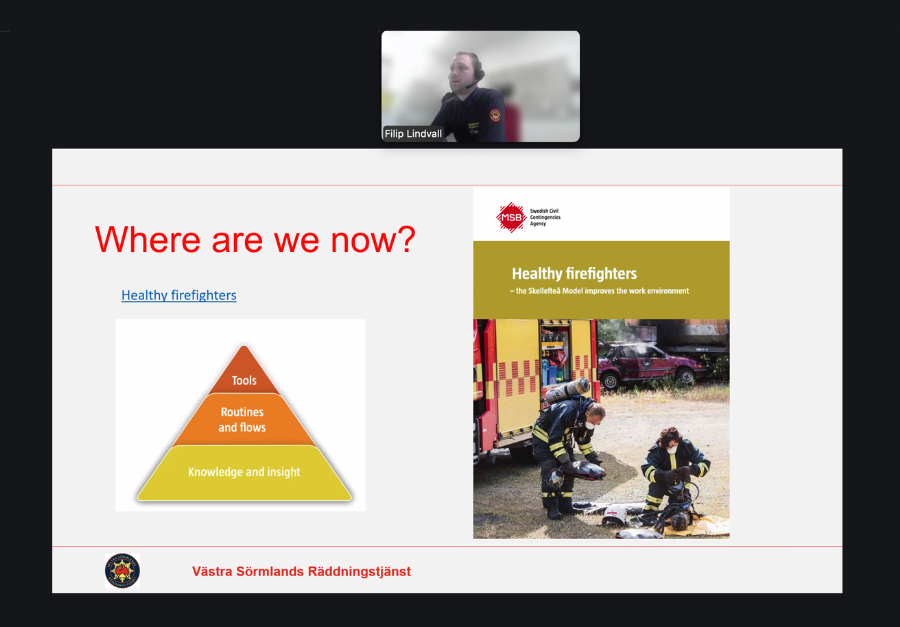
The transition has also required accepting some trade-offs, such as potentially lower performance of alternative foams. At the same time, new technologies and methods, such as improved equipment cleaning, alternative extinguishing agents, and revised operational procedures, help mitigate these challenges.
The webinar underscored that the shift away from PFAS is both inevitable and complex. It requires coordinated action across regulation, research and practice. While the upcoming EU restrictions provide a strong framework, real-world experiences such as Katrineholm’s demonstrate that early action and knowledge sharing are essential.
BalticPFASResolve continues to support stakeholders across the region by sharing best practices and fostering collaboration. As the transition progresses, initiatives like this webinar help ensure that environmental protection, safety and operational effectiveness go hand in hand.
BalticPFASResolve is an Interreg Central Baltic Programme 2021-2027 project co-funded by the European Union. BalticPFASResolve will empower municipalities and water utilities to identify PFAS hotspots and implement targeted remediation programmes. The content of this material does not necessarily represent the official position of the European Union.