


Waste to Value
Because Waste Deserves A Second Chance!

The project aims at achieving concrete results with the sustainability work on Åland and in Eskilstuna.
We’ll establish two model reuse facilities to demonstrate that it is possible to reuse goods instead of recycling them or sending them to landfill. We will make it convenient and easy to contribute to a better environment through reuse.
We will also ensure that regulations and legislation facilitate reuse.
We will build new structures to save building materials for reuse. This requires new knowledge about, among other things knowledge of materials and safety issues as well as new methods for upcycling discarded products and discarded materials. New structures mean establishing new flows of goods and a new cross-border competence platform that ensures continued development and knowledge sharing.
During the project’s 36 months, we will save 108 000 kilos of building material and bring it back into circulation. This benefits both do-it-yourselfers and building contractors. And it provides great circular value for the Baltic Sea Region.
Today, we see at recycling centres mainly large quantities of mixed materials such as wood metal products that could very well be reused if logistical and physical structures for it are created. 
The sorting process for bulky mixed waste remains a time-consuming and resource-intensive task. At present, only metal fractions are prioritised for sorting and partially separated from the waste stream for recycling. The remaining materials, which often include fully functional wooden components, are currently classified as combustible waste and sent for energy recovery.
The wood material currently received as a separately sorted fraction is processed by shredding and sent for energy recovery. This includes all types of wooden waste, even fully functional wooden products that could otherwise be reused. Although the material is collected as clean, source-separated wood, it is presently treated as combustible waste and utilised for incineration with energy recovery due to the absence of established systems for reuse or material recycling.
The project will show that it is possible, easy and cost-effective to reuse materials that would otherwise become waste. The project will lead to a new mindset among both individuals and businesses. Instead of buying new materials, it should be natural to first look for second-hand alternatives.
Reuse inspiration


Main activities and results
We meet the challenge by creating new conditions and methods for reuse of building materials. By developing reuse facilities, we make it easy to hand in materials that can be reused. We focus on wood, metallic, glass, plastic, discarded equipment and mineral waste from construction and demolition.
Legal Pathways to Reuse
Minimising structural obstacles to creating smooth reuse systems in Sweden and Åland. This will be done through mapping of the current situation and recommendations for improvement.
Result: Better conditions for increased reuse.
Target group: Authorities

Scaling Up Circular Construction
Development of a new function at recycling centres, where visitors come before dropping off their waste. Here, usable material is sorted out. Visitors are informed about what can be reused both beforehand and on site. Through existing life cycle assessment methods, we’ll measure the environmental benefits of recycling. Through an ecopoints system, we make it attractive to work towards increased reuse. The aim is to include the ecopoint system in the official sustainability strategies of both Åland and Eskilstuna.
Result: Increased reuse, decreased amount of waste.
Target group: Public and business

Improving Competence for Reuse
The development of a competence platform is crucial to succeed in the transition to a more circular construction. Here, dialogues, training and knowledge sharing take place with one common goal: to increase the amount of reused building materials. Stakeholders involved will aid in identifying obstacles in legislation and goal conflicts. They will also aid with suggestions and solutions to bridge obstacles. The costs for the competence platform consist primarily of a process manager (staff) in Eskilstuna.
Result: Online knowledge bank accessible to everyone. Printable material available in Swedish and English.
Target group: Private and public actors in the construction value chain, academia and waste management. Students in building programs, existing staff of project partners.


Project locations
The project aims at achieving concrete results with the sustainability work on Åland and in Eskilstuna.

In the municipality of Jomala, at the Svinryggen site in Åland, a new reuse facility is being established. Here, both private individuals and businesses will be able to drop off items and materials that can be reused and given new purpose. Materials that are not suitable for reuse will be directed to appropriate waste management areas located nearby on the same site. This initiative supports a more sustainable future by encouraging circular use of resources and reducing unnecessary waste.

In the municipality of Eskilstuna, Sweden, the existing ReTuna Reuse Mall – the world’s first of its kind – will be further developed to enhance its role in the circular economy. As part of this expansion, it will become easier and more accessible for individuals and businesses to drop off reusable construction materials. At ReTuna, we will establish a new operation dedicated to construction material reuse, to be managed by an external partner. This initiative will include both a depot for receiving materials and a retail space for giving them a new life.
Building a better future.
A visual timeline showing the construction of the new reuse facility at the Svinryggen site in the Åland Islands.


The project has seven partners who complement and learn from each other.
Together, we will train recycling experts to help make the project permanent and scalable across the Baltic Sea Region.

Emmaus Åland
Lead Partner
Emmaus Åland serves as the lead partner, overseeing the overall coordination and communication within the project. With extensive experience in recycling, upcycling, and training, Emmaus Åland is also responsible for the practical implementation of material reuse at the Svinryggen recycling centre. As with all partners, Emmaus Åland holds full decision-making authority in matters concerning its own operations.

Svinryggen Recycling Center

Government of Åland

Municipality of Eskilstuna
Project Partner

Eskilstuna Strängnäs Energy and Environment

Eskilstuna Energy and Environment
Project Partner

Municipal Properties Eskilstuna
Exploring New Ideas
A selection of moments from our recent field trips, capturing learning, collaboration and new insights on site.


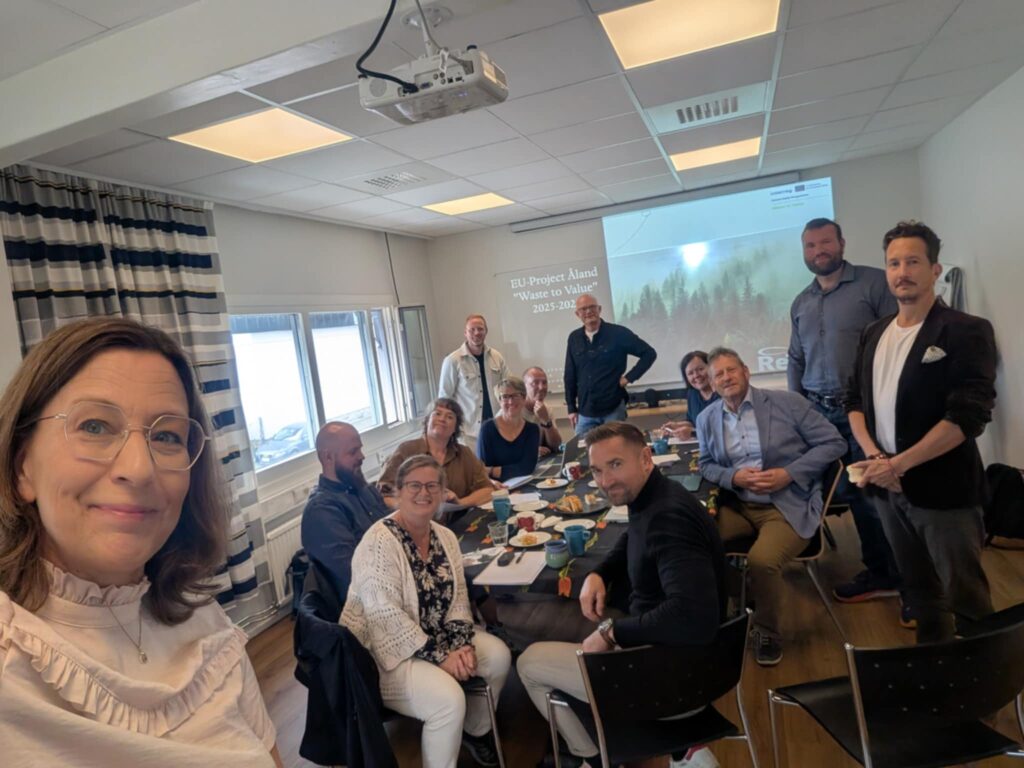
September marked a strong and inspiring start for the Waste to Value project. Project partners came together for a dedicated kick-off, creating an open and collaborative space to exchange experiences, build relationships, and align on shared ambitions. Clear roles, responsibilities, and resource needs were established, laying a solid foundation for the work ahead.
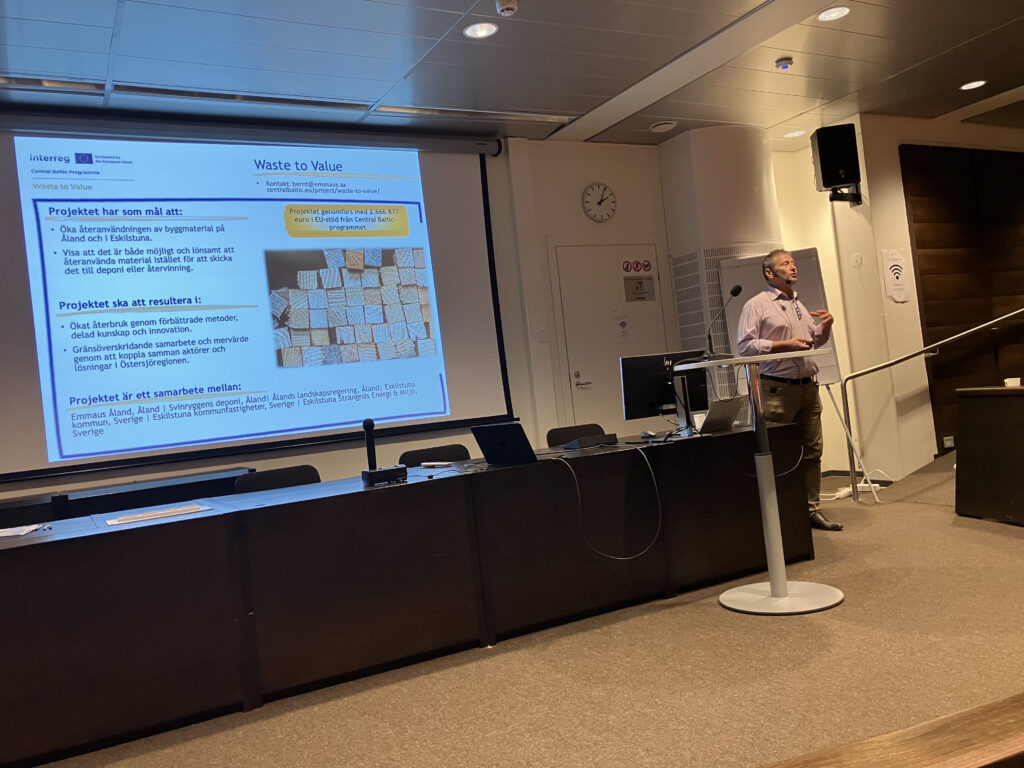
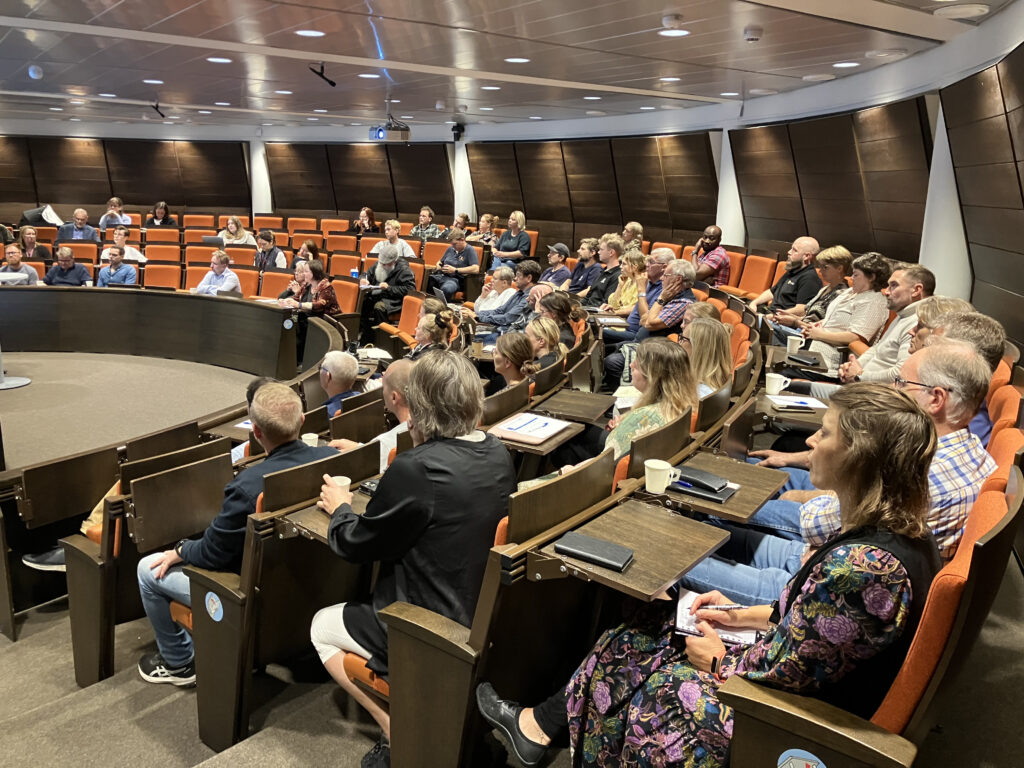
On 9 September 2025, the project was introduced to the public through an open inspiration seminar held in the Åland Islands. The event welcomed a diverse audience without the need for registration, encouraging spontaneous participation and dialogue. The response was overwhelmingly positive, with engaging discussions highlighting both interest and belief in the project’s potential impact.
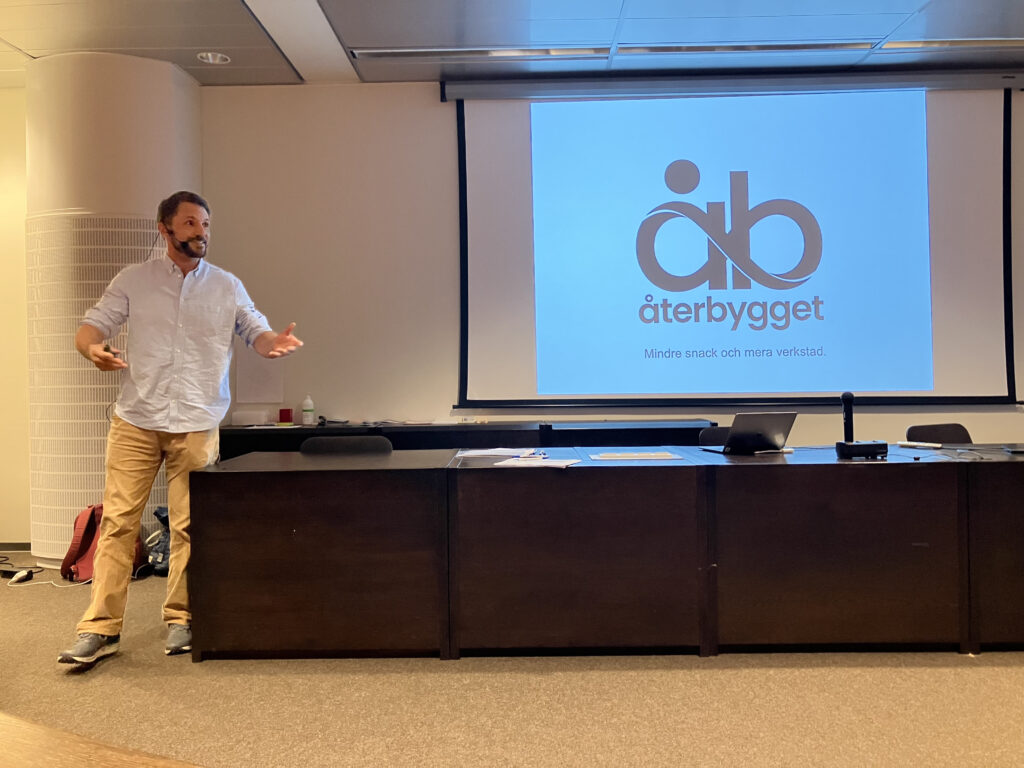
As part of the seminar, Återbygget—a social enterprise working across all Agenda 2030 goals through the reuse of construction materials, with its primary focus in the Mälardalen region in Sweden—also presented its operations. Their hands-on experience and practical insights provided valuable inspiration, and several of their ideas are now helping to shape how the project will be implemented in practice.
Initial ideas have begun to take shape around how to engage construction entrepreneurs, companies, and the wider building industry. The focus is on creating meaningful partnerships and identifying practical methods to increase the reuse of materials—supported by economic incentives that make participation valuable for all actors involved. In parallel, a dedicated brainstorming session was planned to bring together experience and perspectives from contractors, builders, logistics and transport companies, housing associations, and other key stakeholders.
Several key meetings have been held with providers of digital sales platforms, with the aim of developing an accessible online marketplace where reclaimed materials can be presented and sold. This approach will make it easier for customers and visitors to discover available resources and follow the project’s progress.
Altogether, September has set a promising tone—defined by collaboration, visibility, and a shared drive to turn waste into value.
October has been marked by strong engagement and several important milestones for the Waste to Value initiative. A key highlight was the successful delivery of the brainstorming session that had been prepared during September. The event brought together a broad range of stakeholders, including representatives from the construction sector, logistics companies, large housing providers, small craft businesses, and committed individuals—all contributing with ideas and perspectives that continue to shape the project.
At the same time, active networking with peer organisations has provided valuable insights into practical logistics. Focus areas have included how materials can be prepared for transport, stored according to type and intended use, and carefully dismantled during renovation projects to ensure they can be recovered and reused rather than discarded.
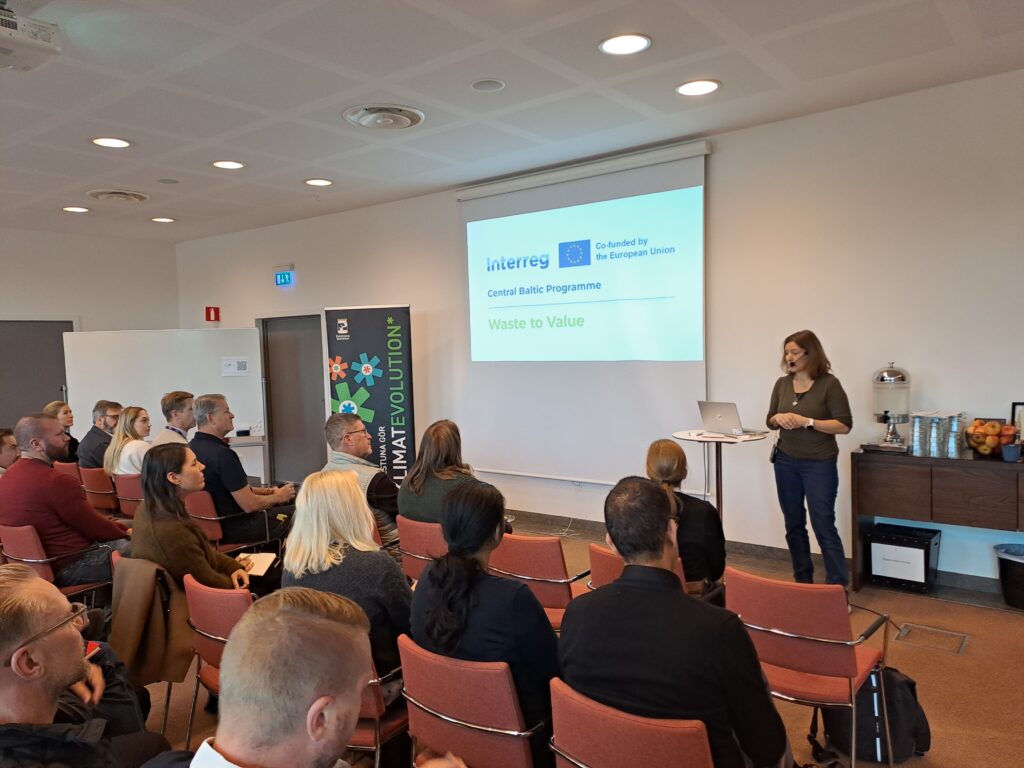
Progress within the Waste to Value project continues through close collaboration and shared learning across regions. Study visits in Finland and Sweden, carried out together with project partners from Åland and Eskilstuna, have strengthened knowledge of effective material intake and criteria for reuse. This work was further enriched through participation in Eskilstuna’s event “Build a Sustainable Future – Make Waste a Resource,” where Åland, Eskilstuna Municipality, Kfast, and ReTuna gathered a wide range of stakeholders—from construction companies and municipalities to legal experts, HVAC professionals, and students. The strong turnout and diverse perspectives generated valuable discussions and new ideas, reinforcing the potential to scale up reuse and move the construction sector toward a more circular future.

Another important step forward is the launch of the procurement process for the new reuse facility at Svinryggen, where construction bids have now been received and are under evaluation.
Collaboration has also been strengthened through a new partnership with Åland University of Applied Sciences through the 7 Bridges & Solve programme, an international group of students is contributing fresh perspectives and global examples of how reuse facilities have been successfully established, adding further depth and inspiration to the project.
The strong engagement at the event in Eskilstuna continued to generate momentum throughout November. Viable Cities research students reached out after discovering the project, leading to in-depth discussions where our methods and ideas for creating economically viable reuse solutions—while delivering clear environmental benefits—were shared. These exchanges not only strengthened the project’s visibility but also contributed valuable input to ongoing academic research.
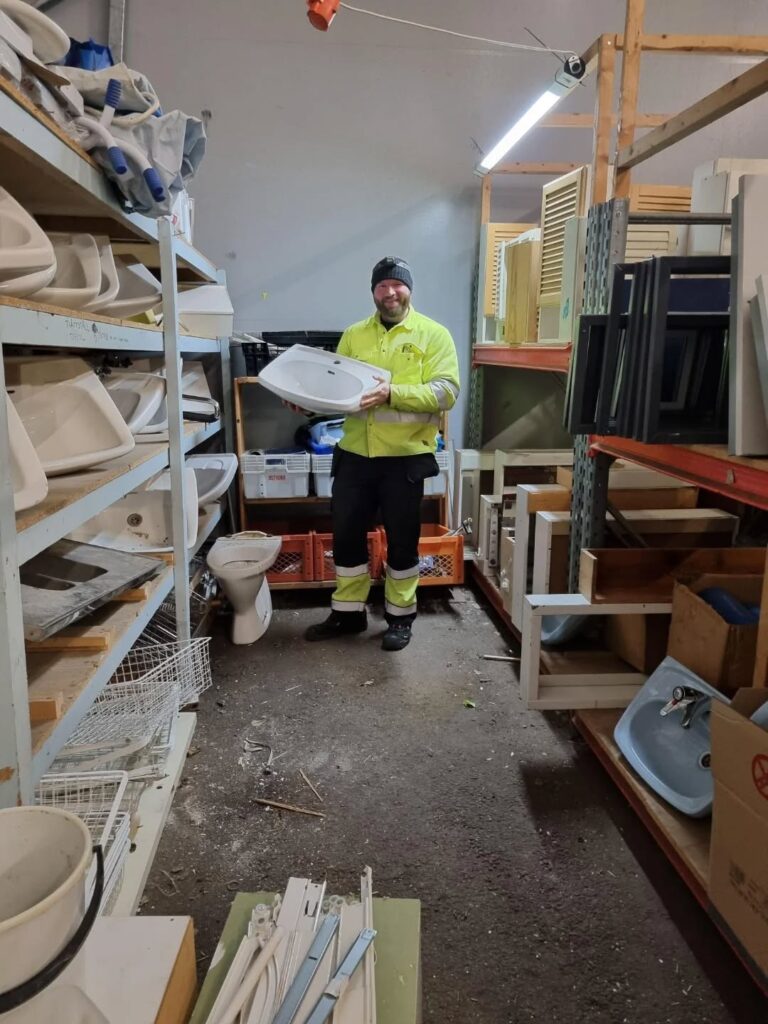
To gain hands-on insight into reuse practices on the Åland market, on-site work was carried out within the Emmaus Åland operations. This provided a detailed understanding of which materials generate the highest turnover and value, as well as the full journey of items—from intake and initial sorting into categories such as tools and workwear, through finer classification, pricing, distribution to retail, and finally optimal in-store placement to support sales and financial sustainability.
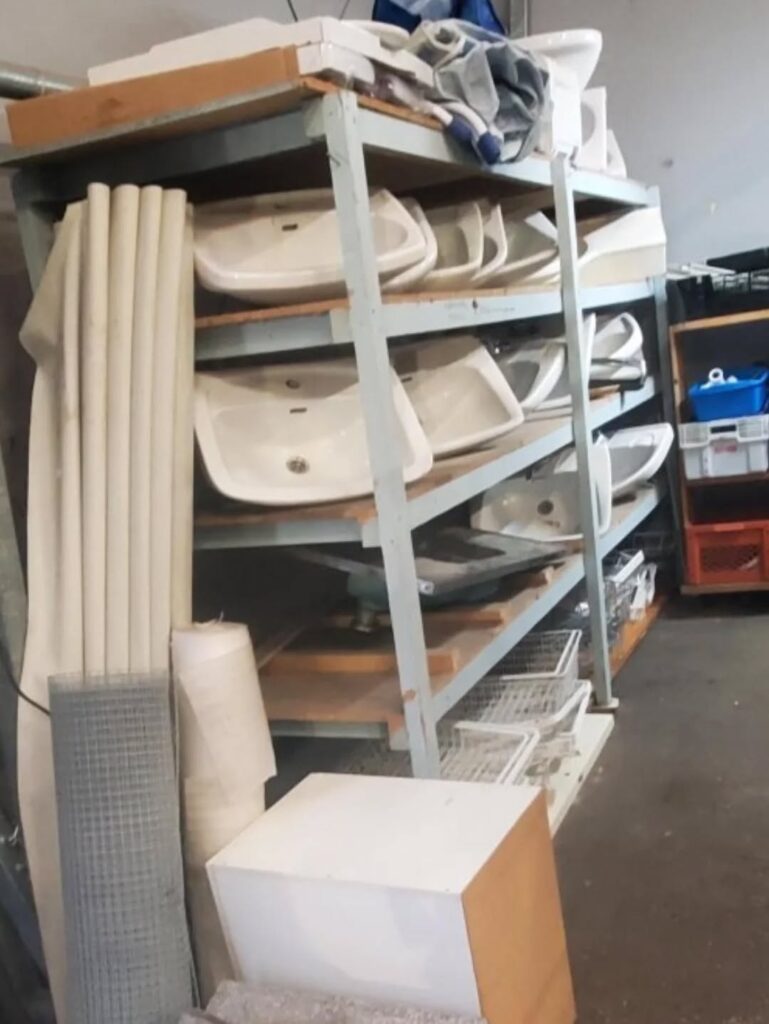
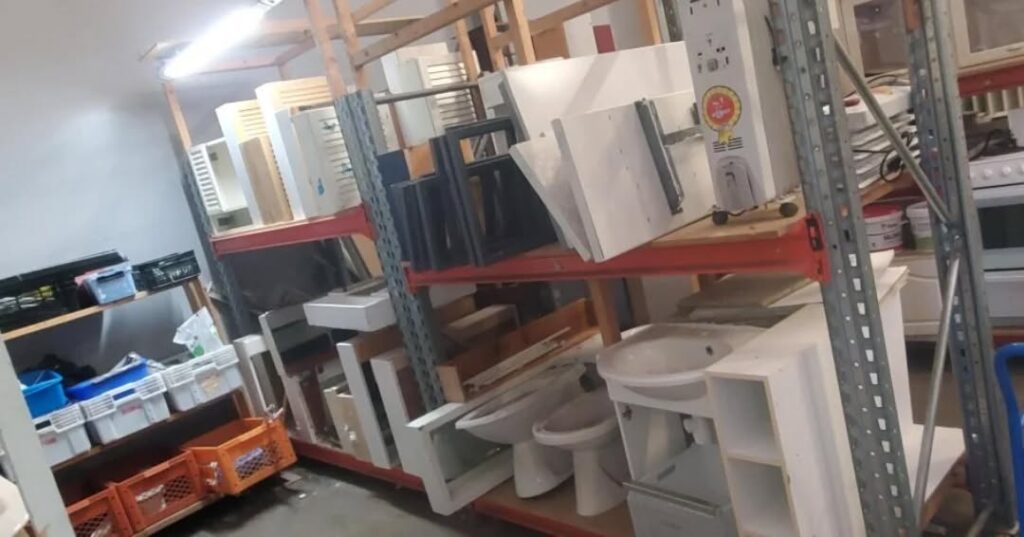
Efforts have also continued at the main partner’s building reuse facility in Norrböle, where construction materials have been organized and structured. New routines and merchandising principles have been introduced to improve accessibility and presentation. This remains an ongoing process aimed at strengthening both operational efficiency and customer experience.
Study visits with project partners remained a key activity. Among others, the team visited Återbruksfabriken, gaining insight into their upcoming launch for external customers and their newly developed digital sales platform. A visit to Wiklunds Åkeri highlighted the critical role of logistics in the circular transition, showcasing solutions for transport, storage, and redistribution of construction materials. Their work demonstrates how resource efficiency and climate responsibility can be integrated into practical services that help shift the sector from linear to circular flows. An agreement was also reached to procure pallet racking for the new facility at Svinryggen through their reuse offering.
Dialogue with construction actors and public stakeholders has further clarified both challenges and opportunities. There is clear interest in developing models where surplus construction materials can be redirected to the upcoming reuse facility, creating shared economic value instead of waste. Discussions with public sector representatives also pointed to the potential of integrating reuse requirements into procurement processes, enabling more systematic recovery of materials in future projects.
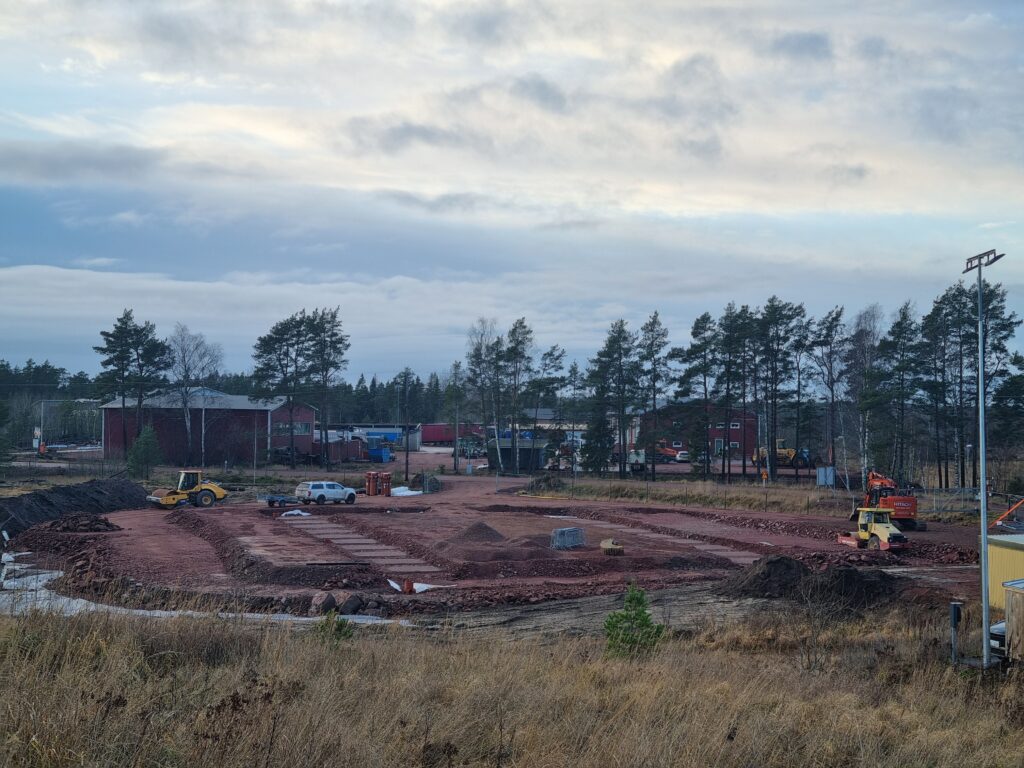
Another important milestone has now been reached at Svinryggen. A contractor has been selected, and groundwork has begun for the new reuse facility, which is planned to open its doors in summer 2026.
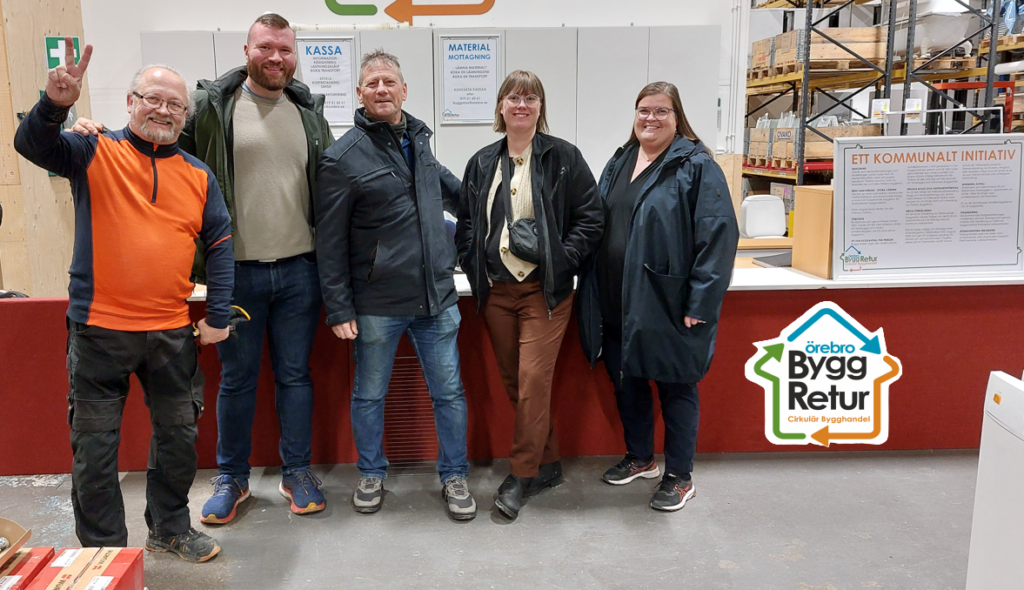
December was marked by continued learning and knowledge exchange through a series of study visits, this time joined by team leaders from Emmaus Åland, representing both retail and goods reception. The visit to Örebro Byggretur provided valuable insight into a well-structured municipal setup, combining retail, buffer storage, and material handling processes—from inspection and cleaning to organized storage across indoor and outdoor areas. This was followed by Linköping Bygghubben, a collaborative initiative where multiple actors jointly manage the collection and resale of construction materials through both a physical store and an online platform.
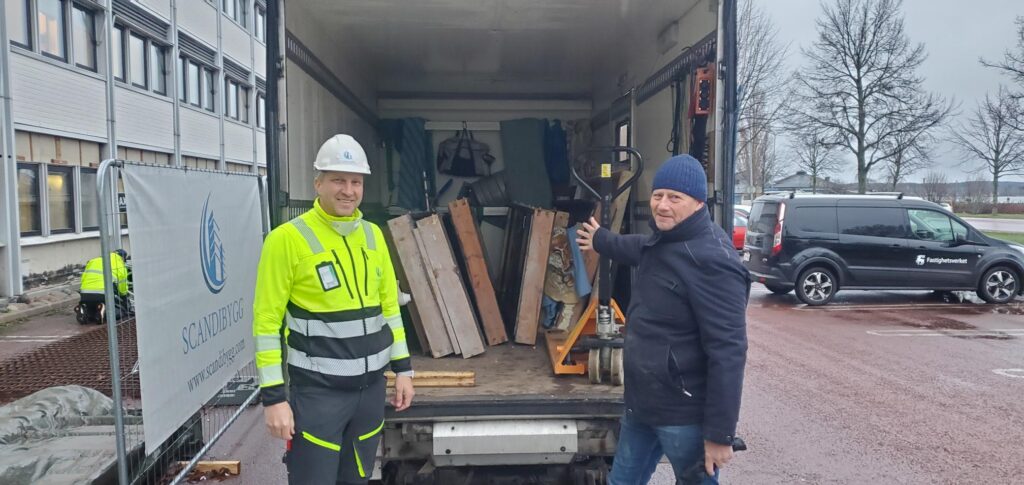
A significant milestone was reached as the lead partner Emmaus secured a major donation of high-quality reclaimed building materials, including a large number of solid oak doors complete with frames, sourced from the Åland Government’s administrative building. Additional items such as bathroom countertops and radiators were also received. Beyond the value of the materials themselves, the delivery offered a timely opportunity to test and refine handling processes for large volumes—an important step in preparing operations ahead of the opening of the Svinryggen Reuse facility in summer 2026.
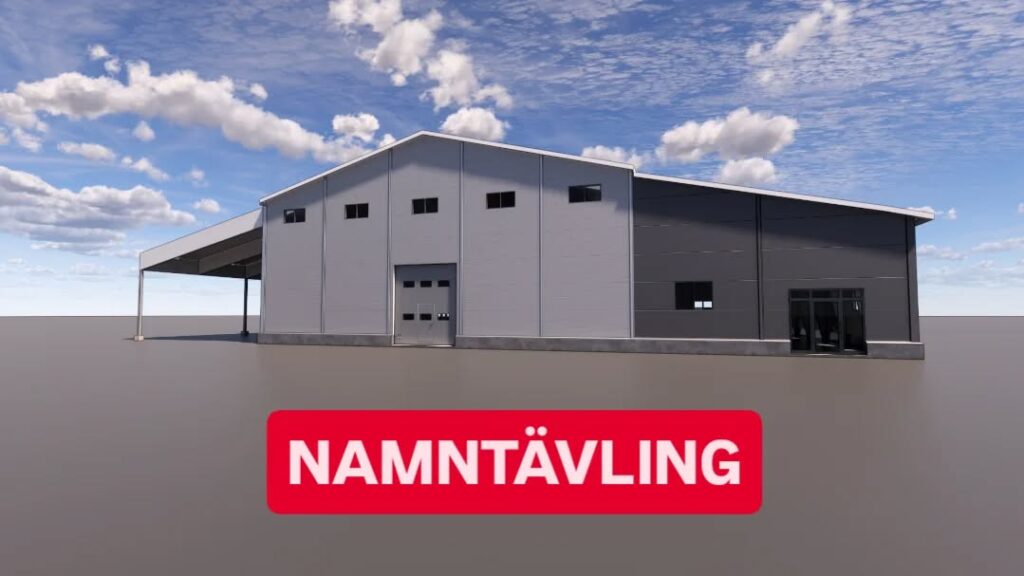
Public engagement has also been a priority. A naming competition for the upcoming reuse facility was launched via social media, attracting strong interest with over 200 participants. The winning entry, “Svinryggens Återbruk,” reflects both local identity and the project’s purpose, and the overall response highlighted a growing public interest and positive sentiment to reuse initiatives.
To document progress and maintain transparency, a camera has been installed on-site to capture the construction of the new facility. The material will be used to create a timelapse film for the grand opening, while shorter video updates are already being shared to give the public a continuous view of how the project is taking shape.
January marked the start of an outreach initiative across Åland, with individual meetings held with municipal building technicians and property managers. The aim has been to strengthen collaboration and identify practical pathways to increase reuse within both municipal operations and among residents. All municipalities have expressed clear interest and offered to support the project by distributing information material alongside building permit applications and through municipal newsletters—an important step in raising awareness at an early stage of construction and renovation processes.
Materials from a local mussel farming installation were initially delivered to Svinryggen as waste. However, an initiative was taken to recover and repurpose these resources, giving them a second life. Components such as buoys have been dismantled and prepared for further processing, with potential new uses including mooring buoys for recreational boats or as elements in self-constructed floating docks—demonstrating how discarded materials can be transformed into valuable assets through reuse.
Media attention has further highlighted the project’s progress, as Ålands Radio visited Svinryggen to cover ongoing developments and share insights with the wider public. Read and listen to the news story here: https://alandsradio.ax/nyheter/projektet-waste-to-value-bygger-upp-sin-verksamhet-1.
Engagement at the community level has remained strong. The association Intresseföreningen Vårt Hjärta reached out in need of timber for a community activity focused on building birdhouses—materials that could be supplied directly from the site, turning waste into value with local initiatives.
February continues with a focus on digital development. After a series of meetings between the lead partner Emmaus Åland and international platform developers, it was concluded that no existing solution fully meets the project’s needs. The decision has therefore been made to develop an in-house IT solution, including a digital marketplace for materials at Svinryggen, while also allowing municipalities and organizations to list reusable resources. A knowledge platform will also be integrated, with key insights and materials shared via the Central Baltic Programme website to support transparency, learning, and wider awareness.
The municipal visits carried out across Åland—aimed at advancing the reuse agenda and exploring how to promote reuse within both municipal operations and among residents—have also generated tangible results. In collaboration with Jomala kommun, materials from a recently demolished municipal housing unit were recovered, including bricks from a chimney. Nearly 10,000 kilograms have been collected—already representing a significant contribution toward the project’s overall target. Following visibility on Emmaus Åland social channels, strong public interest has emerged, and the materials are planned for resale at the upcoming Svinryggen facility.
The collaboration with Åland University of Applied Sciences through the 7 Bridges & Solve programme continues, and the international student team has now presented its mid-term report. Bringing together participants from Portugal, the Netherlands, Romania, Finland, France, and the United States, the group was tasked with identifying examples across Europe where environmental sustainability and economic viability are successfully combined in operations comparable to the planned reuse facility at Svinryggen. The result is a well-executed and insightful report, contributing valuable perspectives and concrete cases to support the project’s ongoing development.
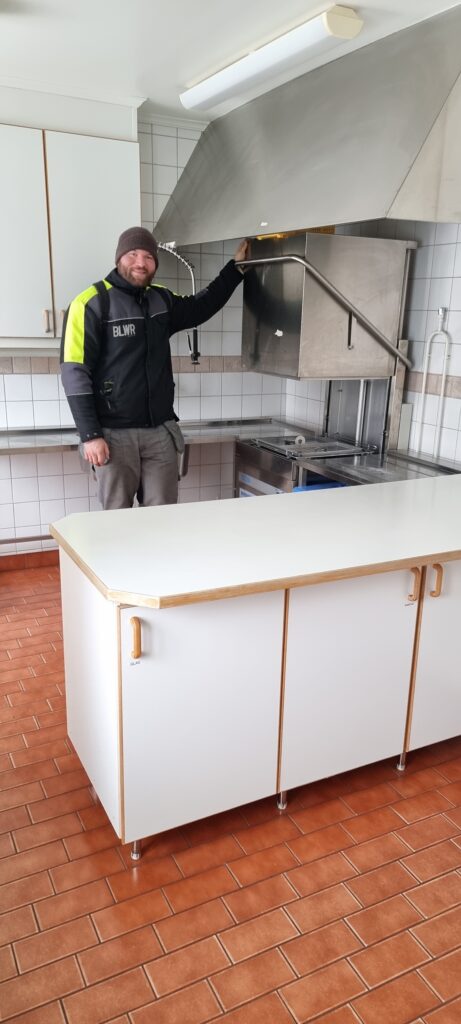
Jomala Församling contacted the lead partner regarding the planned demolition of part of their parish hall, giving us the opportunity to recover materials for reuse. We began with a kickoff meeting with Investigo, who had been commissioned to assess the condition of the building section scheduled for demolition, to prepare for the inventory. Following this meeting, the reuse inventory was conducted, and the documentation was submitted to Investigo for review, ensuring that all materials identified for recovery are safe, free from hazardous waste, and suitable for reuse.
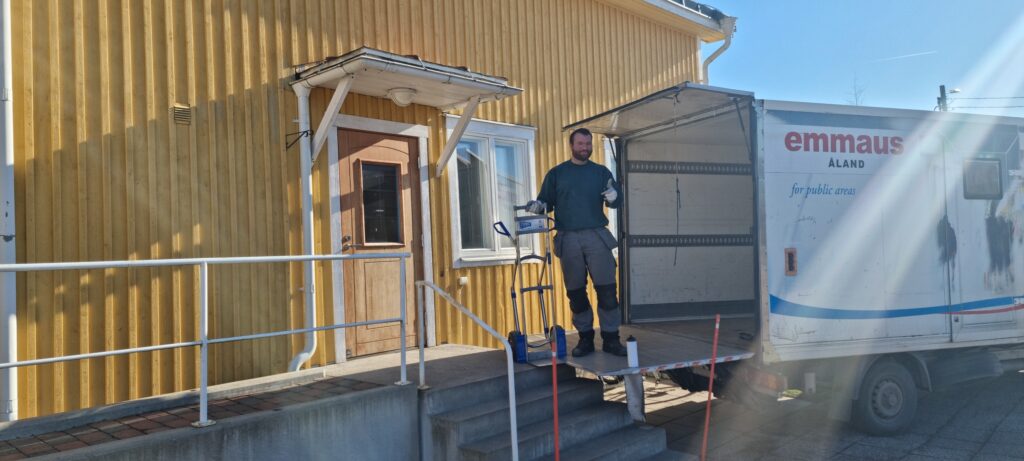
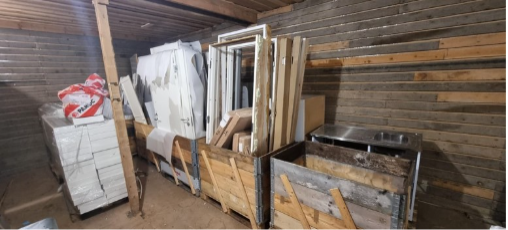
March has been a busy and inspiring month for the Waste to Value project. Following the reuse inventory at Jomala Församling and Investigo’s review, we began dismantling materials such as kitchen cabinets, doors with frames, floors, sinks, appliances, bathroom fixtures, and wardrobes. These items were transported to an external storage facility, awaiting sale at the new Svinryggen reuse facility opening this summer.
The 7 Bridges & Solve students presented their report on creating material flows to a reuse facility, drawing on research from Portugal, the Netherlands, Romania, Finland, France, and the USA—a fantastic effort by all involved.
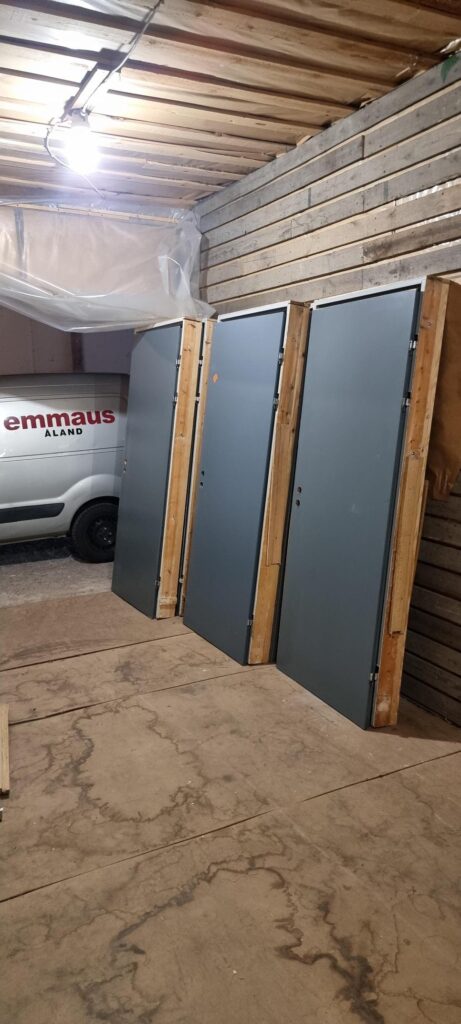
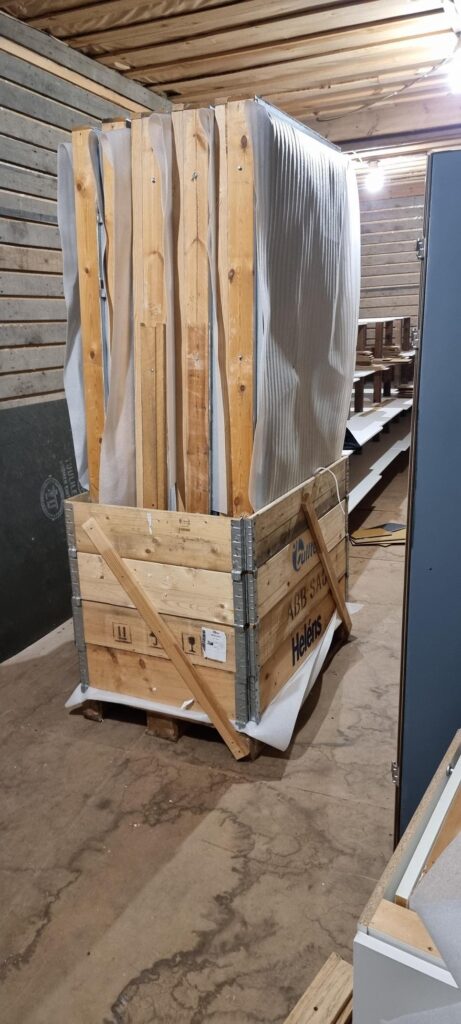
Our ongoing collaboration with Åland’s construction companies continues to deliver results. This month, Allbygg, currently renovating the Åland Government Offices, donated a set of robust doors with frames, now stored externally until they can be sold at Svinryggen.
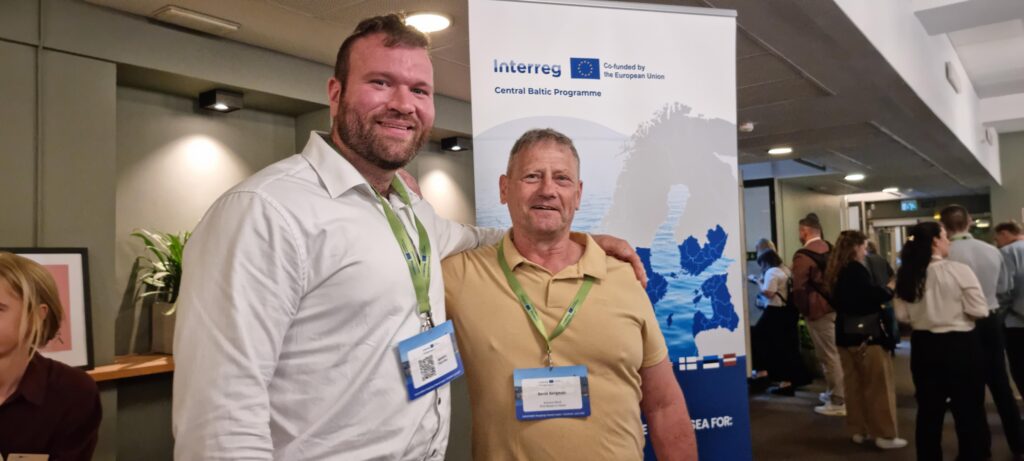
Last but not least, all project partners gathered in Eskilstuna for several action-packed days. Activities included a project and steering group meeting, a tour of ReTuna’s expansion and the rebuilt Återbygget reuse gallery, participation in the Viable Cities forum on climate transition and circular construction, and events on hazardous materials. Study visits covered Urban Furniture’s public dance floor made from reused materials, Eskilstuna Municipality’s transformation of Trumslagargården into offices, the Karin Larsson Pavilion at Hammarby Church, Wäsby Magasin, Skogstorp care home with sustainable construction, and Kfast’s reuse depot.
This month reinforced both hands-on reuse activities and knowledge exchange, strengthening the project’s progress and partner collaboration ahead of the Svinryggen facility opening and in preparation for Återbygget’s operations and reception of construction materials at ReTuna.
Momentum continues to grow within the Waste to Value project. Strong external networking is starting to show real results, as more companies who have heard about the initiative are now reaching out with materials they would like to contribute. This growing interest reflects both increased visibility and a genuine belief in the project’s purpose.
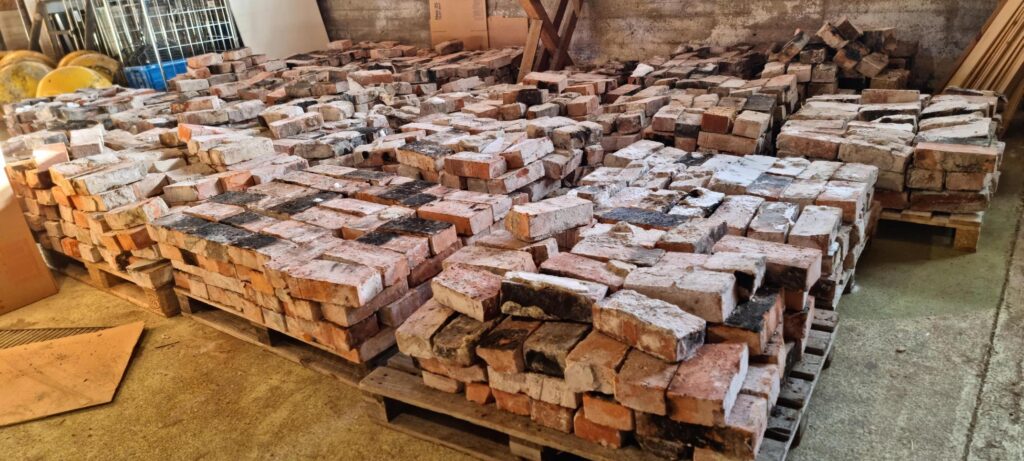
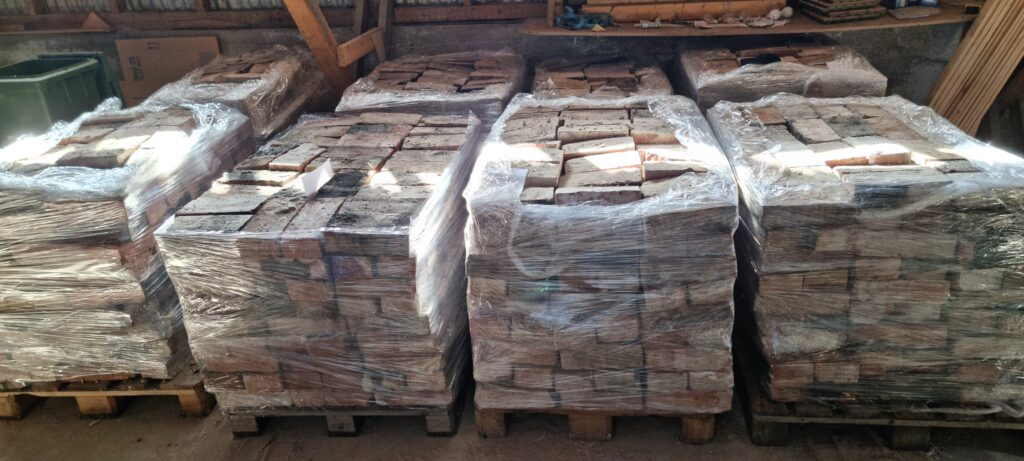
To meet this increasing interest, work has also been done to optimise storage capacity. The ten tonnes of bricks collected in February from Jomala kommun have now been repacked at Emmaus’ external storage facility, creating additional space for incoming materials. This step is important as more and more actors get in touch with potential contributions that can be directed towards reuse.
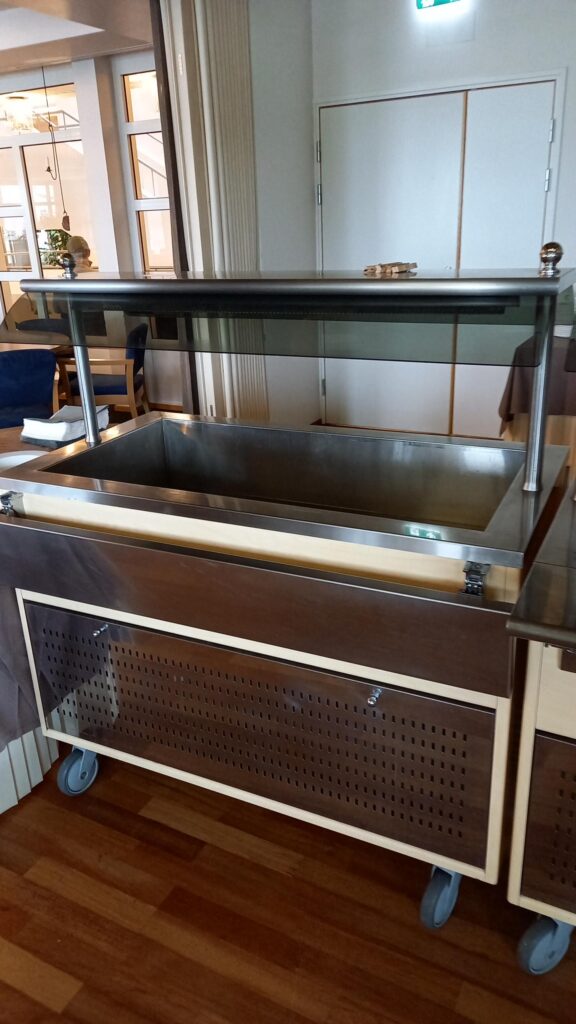
During April, we also received a unique contribution in the form of stylish restaurant service trolleys. These are designed to keep food warm, salads fresh, and bread neatly handled, including a built in cutting surface where crumbs are collected underneath, keeping both the workspace and the floor clean.
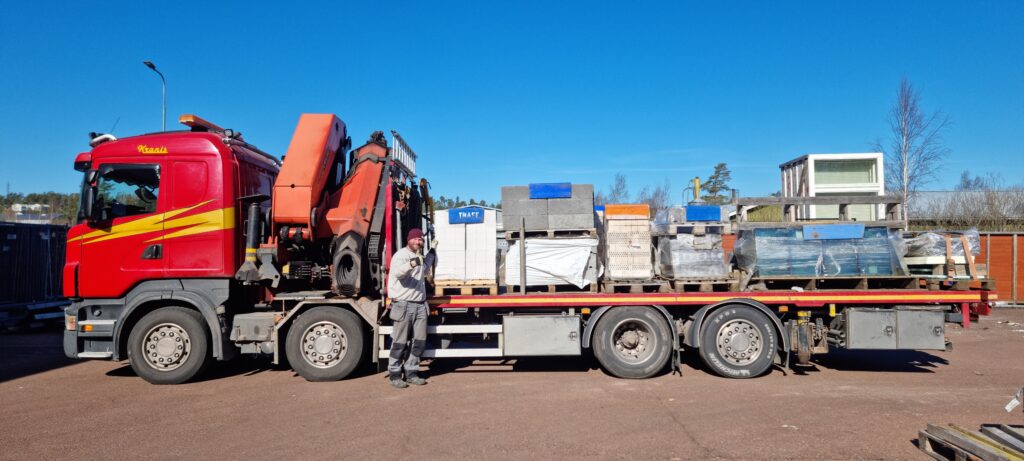
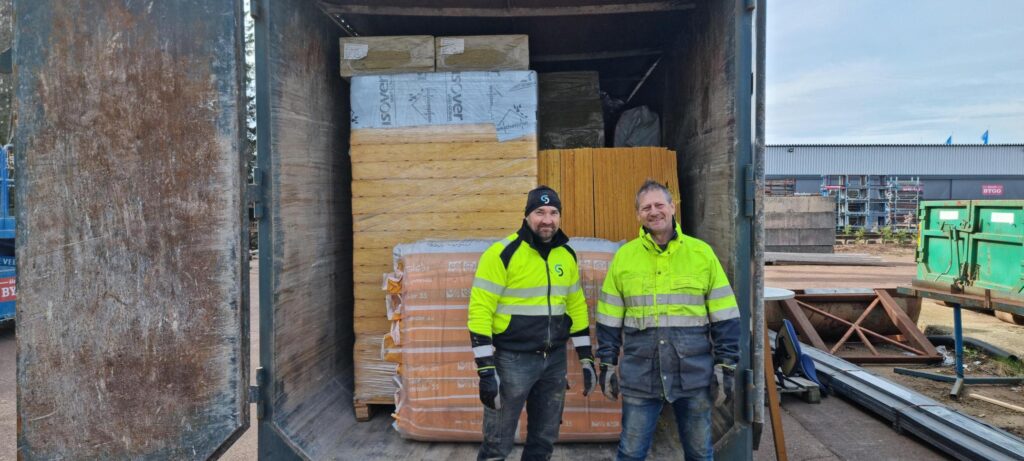
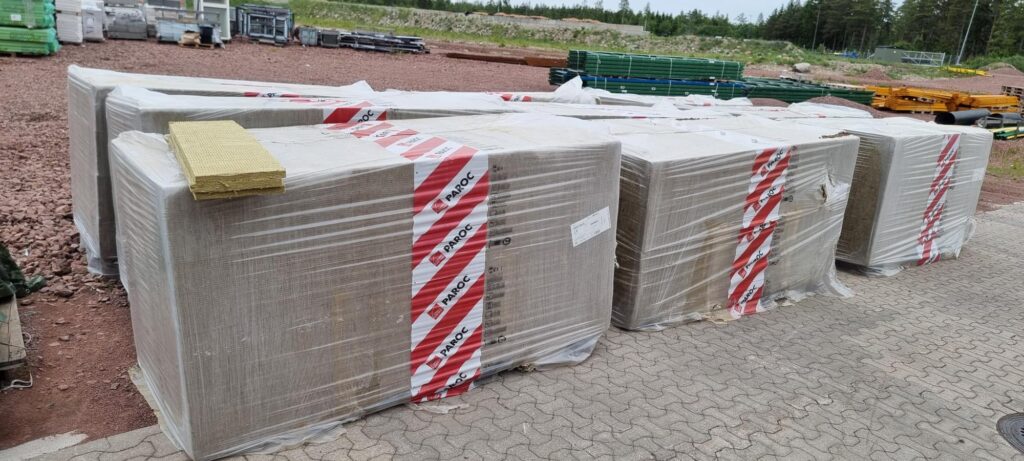
This month also marked a significant milestone thanks to the support of Ålands Bygg, who provided the largest donation to the project so far, amounting to several tens of tonnes. In connection with relocating materials between storage sites, they identified a large volume of new and unused materials that were no longer practical for their needs. Instead of discarding them, they chose to donate them to the project, allowing these resources to come into use where they are truly needed.
At the same time, the facility at Svinryggen continues to take shape. The main structure is now in place, bringing the project an important step closer to completion, which is planned for June 2026. In the video above, you can already see how the site is beginning to come together.

Find Waste to Value on social media