
TwinReg Final Event Looked Beyond the Project and Towards a Shared Cross-Border Future
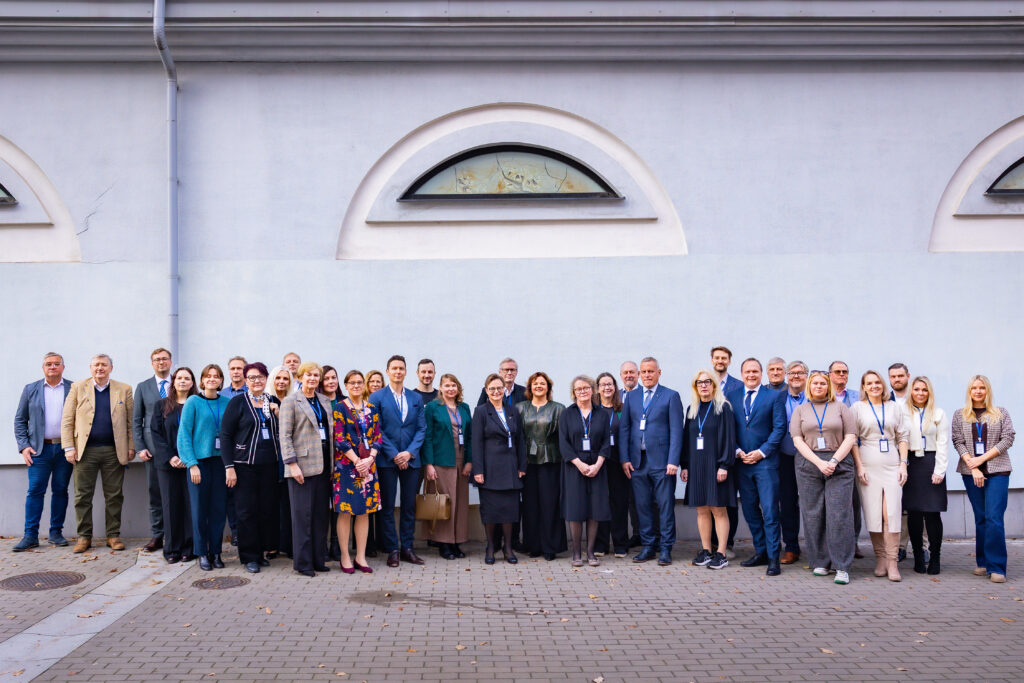
How can two neighbouring regions move from cooperation through individual projects to a truly shared vision for the future? This question was at the heart of the TwinReg final event on 22 November in Tallinn, which brought together policymakers, regional authorities, researchers, businesses and cross-border cooperation practitioners from both sides of the Gulf of Finland.
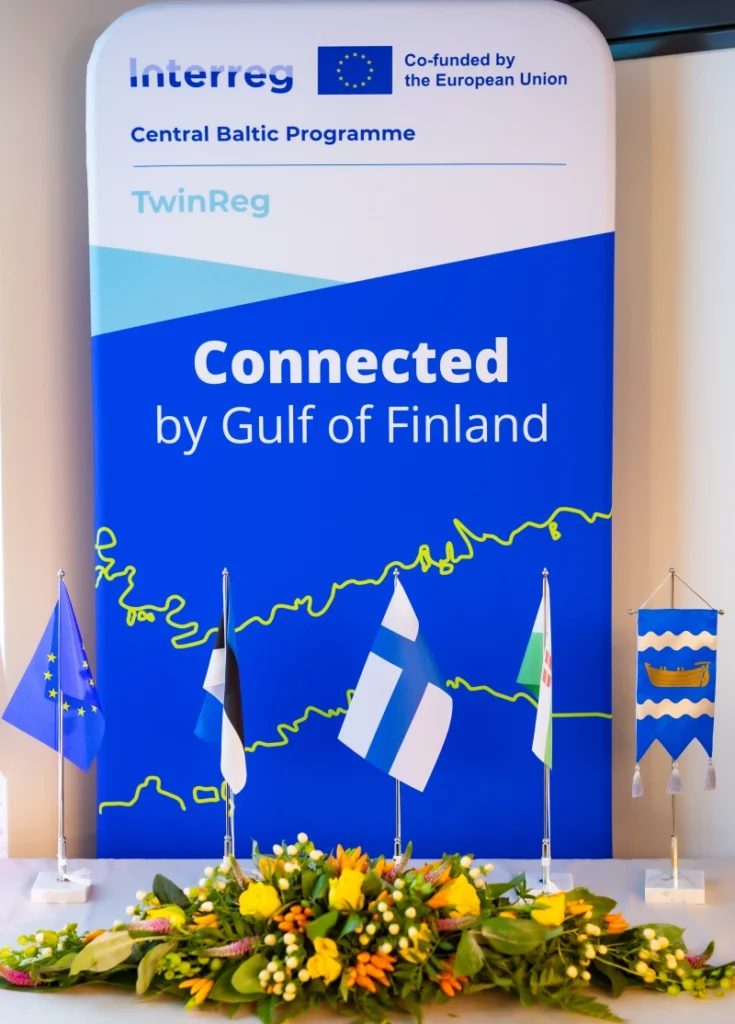
Funded by the Interreg Central Baltic Programme, for the past 18 months TwinReg has been exploring how Helsinki-Uusimaa and Harju County can strengthen strategic planning, improve services for people living and working across borders, and establish a long-term framework for cooperation. Implemented by the Union of Harju County Municipalities and the Helsinki-Uusimaa Region, the project builds on a Memorandum of Understanding signed by the two organisations in 2022. The final seminar considered how this cooperation could develop beyond the project, which concludes at the end of November 2026.
A recurring message was that closer Finnish-Estonian cooperation does not depend solely on a future tunnel. Alongside major infrastructure investments, participants highlighted less visible obstacles affecting cross-border mobility, public services and regional development. What decisions are needed, and who should take responsibility for moving cooperation forward?
From Two Regions to One Shared Functional Area
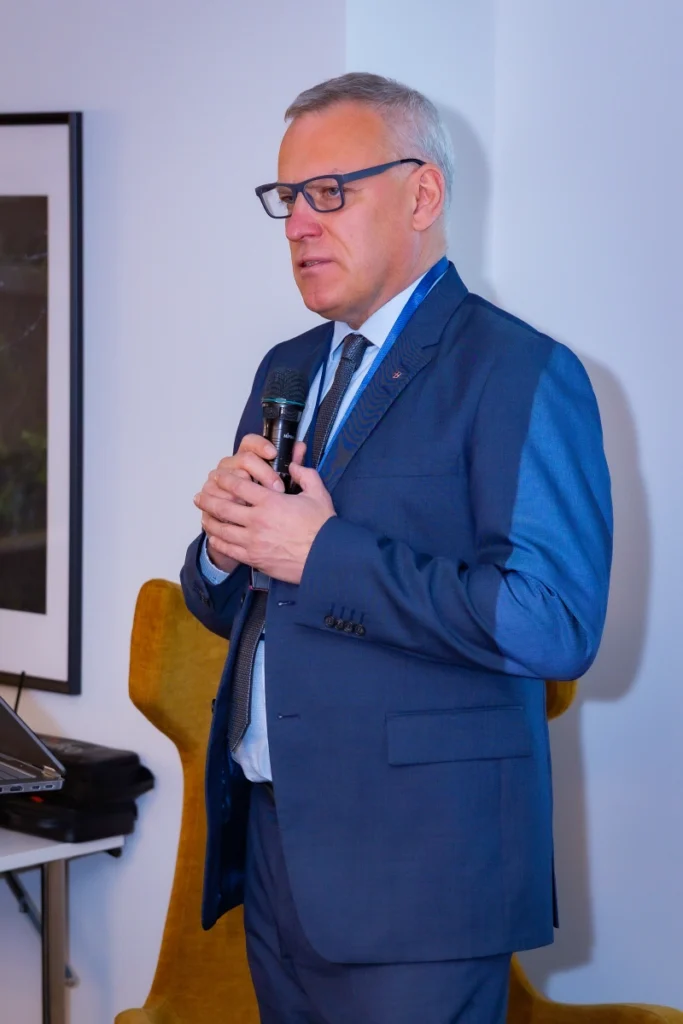
Opening the event, Andre Sepp, Managing Director of the Union of Harju County Municipalities, highlighted how Helsinki and Tallinn have become increasingly interconnected over time. “As our regions become more intertwined, our hopes and challenges become shared,” he said. “We need stronger cooperation than ever before.”
Connectivity remained a recurring theme throughout the day. Speakers stressed that projects such as Rail Baltica and potential future Helsinki-Tallinn fixed links should not be viewed merely as infrastructure investments, but as catalysts for deeper cooperation, coordinated planning and shared development.
Esko Aura, Chairman of the Finnish-Estonian Chamber of Commerce, encouraged participants to rethink the relationship between the two countries. “We should no longer speak about travelling to a distant foreign country,” he said. “Together, our relatively small economies can become more than the sum of their parts, attracting new investment, talent and innovation.”
Cross-Border Regions as Laboratories of European Integration
Several speakers placed TwinReg within a broader European context. Journalist and a former Estonian diplomat Harri Tiido emphasised the importance of regions in addressing shared challenges and the value of learning from experiences across borders. Strong local and regional governance, he argued, remains a cornerstone of resilient and democratic societies. Discussions connected resilience with economic competitiveness, public services and security. Finland and Estonia share opportunities and vulnerabilities in these areas, giving the two countries further reasons to strengthen their cooperation.
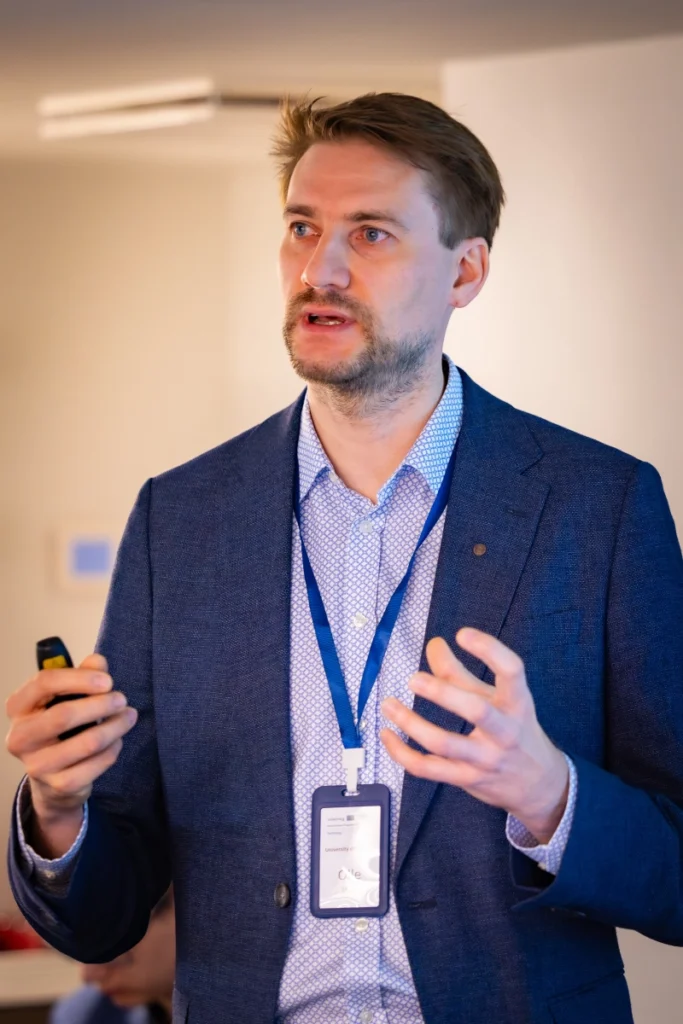
Olle Järv from the University of Helsinki brought research perspective to the discussion and described border regions as “living laboratories of European integration”. Alongside economic indicators and institutional arrangements, he highlighted the importance of understanding the people whose everyday activities connect the regions.
Concurrently with TwinReg, the ESPON-funded CROSSGOV research project on governance mechanisms for cross-border functional areas analyzed Helsinki-Tallinn twin capital region as one of its case studies. As the lessons from the case study, Järv provided further insights into how cooperation structures can support more effective multi-level governance and why this cross-border region should aim towards permanent cooperation structure.
For many residents, the Gulf of Finland already forms part of a shared living space. People commute, study, shop, visit family and use services on both sides of the border. These connections create a functional cross-border region extending beyond administrative boundaries.
Building the Foundations for Long-Term Cooperation
According to TwinReg project manager Tiina Beldsinsky from the Union of Harju County Municipalities, the project itself should be seen as a tool rather than an objective. “The project is a means to achieve a goal, not a goal in itself,” she noted.
The work has focused on three key pillars:
- Strategic cross-border planning.
- Improving services for cross-border citizens.
- Developing a long-term cooperation model.
One important finding was that structured consultation across the Gulf of Finland has often been limited. Regional planning processes have typically been conducted separately, despite their increasing interdependence.
Building on this work, project manager Sakari Saarinen from the Helsinki-Uusimaa Region presented recommendations for the future. TwinReg has benchmarked several European cross-border governance models and concluded that cooperation should be strengthened through a phased approach. Initially, a lighter and more flexible cooperation network should be established to deepen collaboration and build institutional trust.
The long-term ambition is more far-reaching: the establishment of a European Grouping of Territorial Cooperation (EGTC), a legal instrument used across Europe to facilitate permanent cross-border cooperation. Such a model could provide a stronger foundation for sustainable development, coordinated planning and joint strategic action in the Helsinki-Tallinn metropolitan area.
“The project has laid the ground for intensifying our cross-border cooperation, with the aim of strengthening our advocacy efforts at both the European and national levels and serving as a platform for development work. The next steps involve organizing a regular cooperation forum and developing a shared vision and action plan. There is currently momentum for deepening this collaboration—an opportunity that must be seized,” said Saarinen.
Looking Ahead
A common message emerged throughout the event: the Helsinki-Uusimaa and Harju County regions already share many characteristics of a functional cross-border region. The challenge now is to create governance structures and cooperation mechanisms that match the realities of how people, businesses and institutions already operate.
As TwinReg approaches its conclusion, its most significant legacy may be the roadmap it has created for future cooperation. Rather than marking the end of a project, the final event highlighted the beginning of a longer journey towards a more integrated and resilient cross-border metropolitan region.
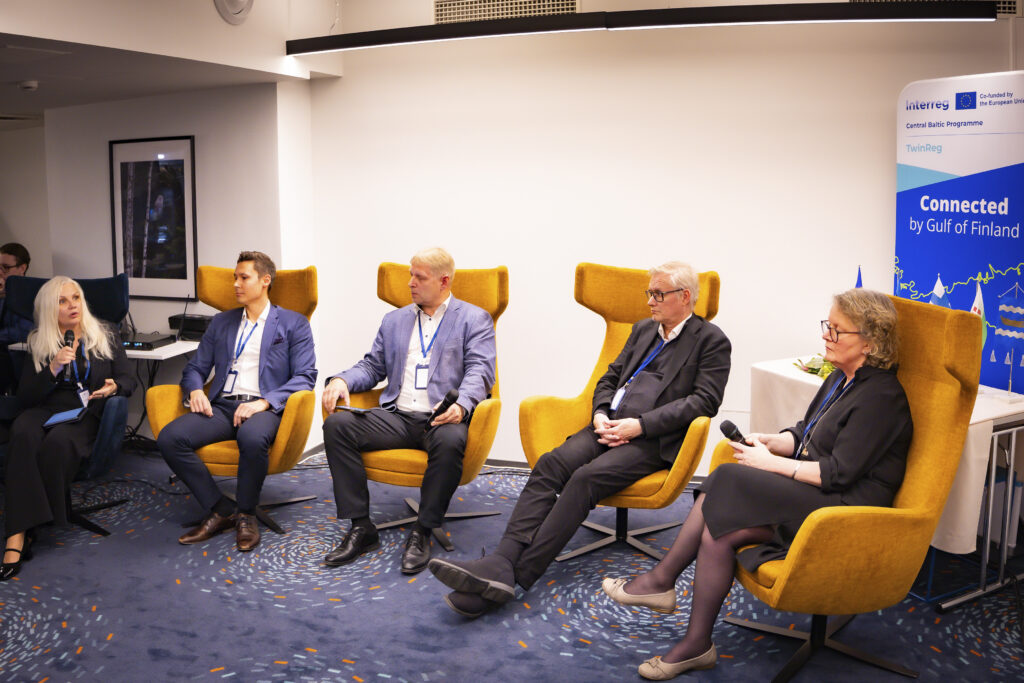
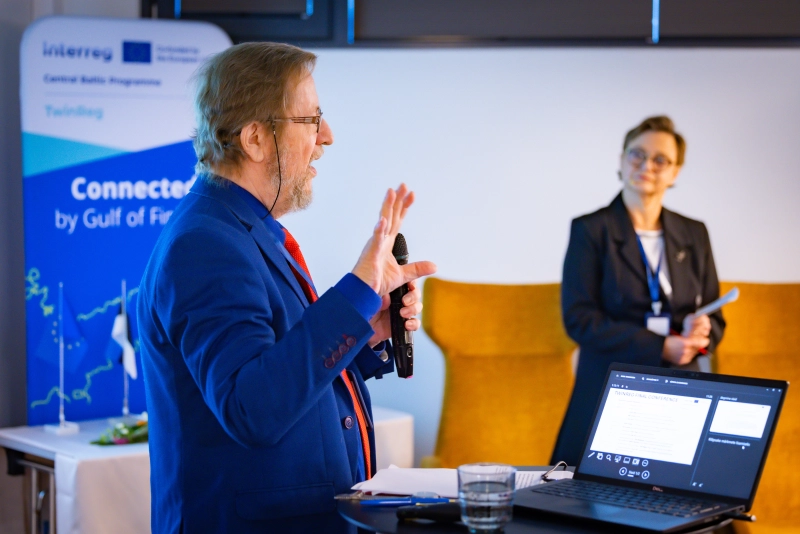
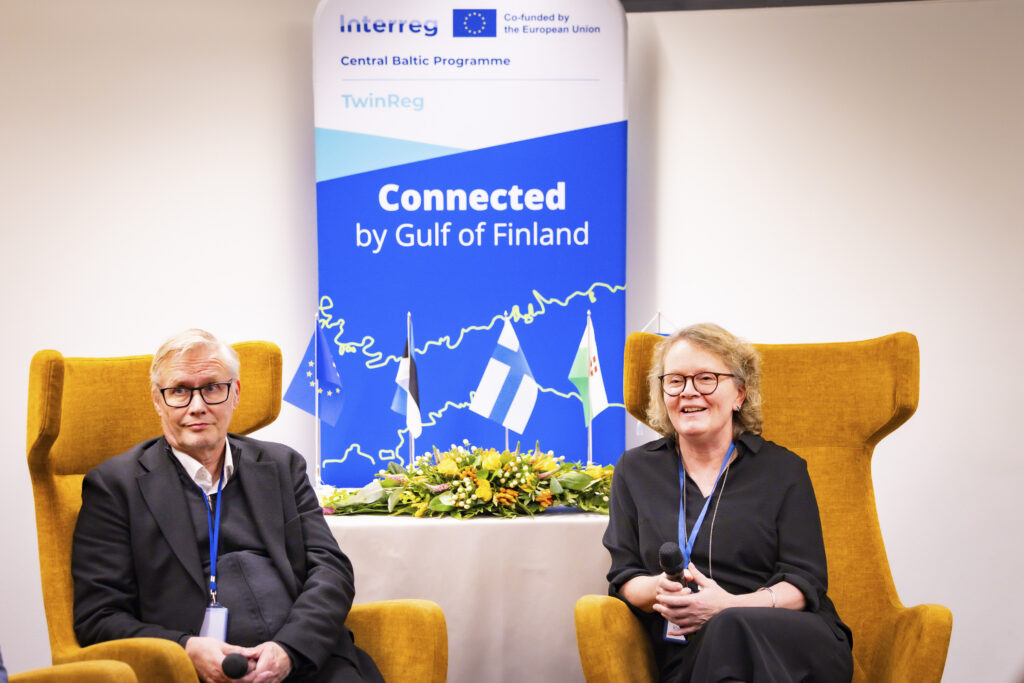
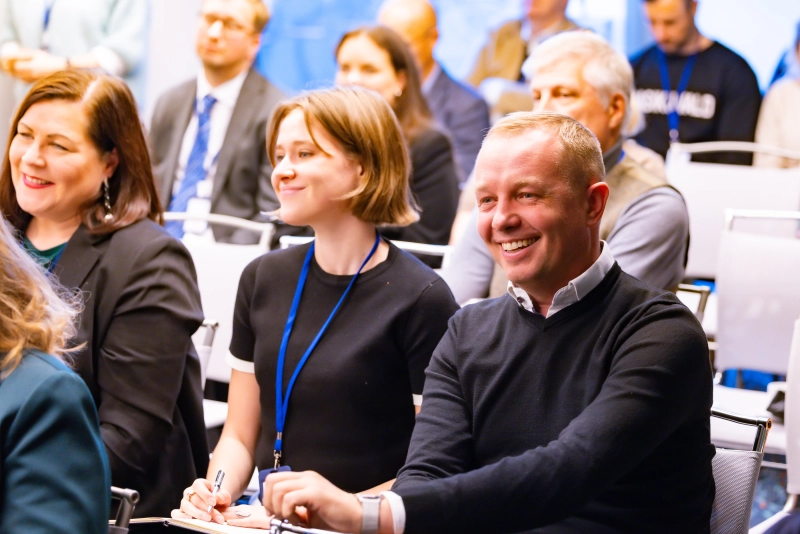
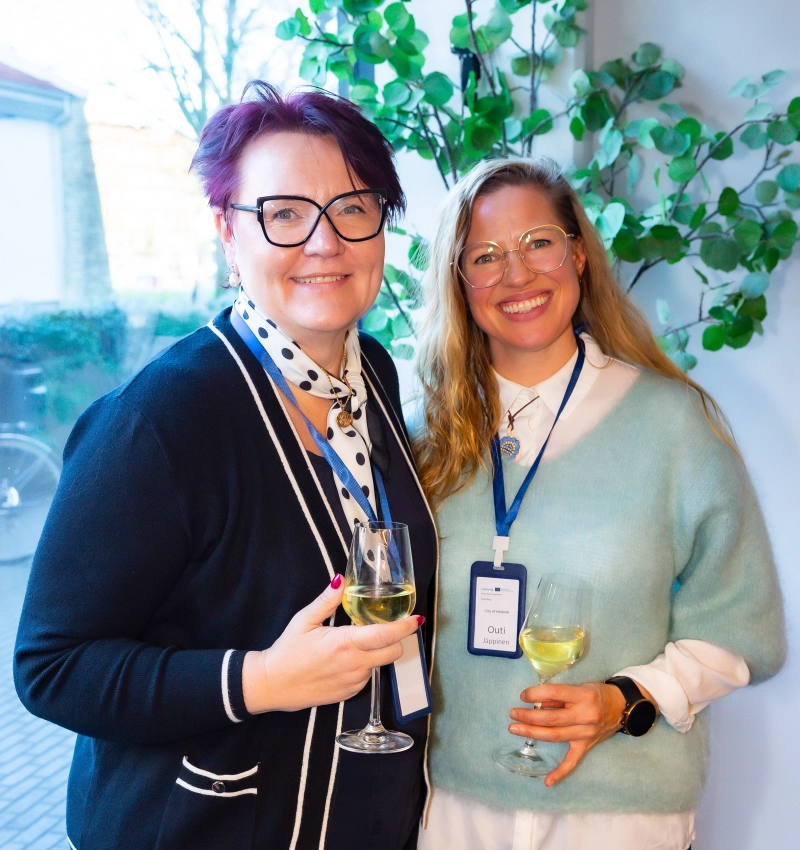
Text: Liisa Liivamets, national Contact Point Estonia and Anne Jylhä, national Contact Point Finland. Photos: Tiit Mõtus. 26.10.2026.