
From a festival and family activities to a royal inauguration: Central Baltic celebrated Baltic Sea Day
On Baltic Sea Day, 27 August 2026, people across the Central Baltic region came together to celebrate our shared sea and highlight the ways we can contribute to its future. This year, National Contact Points were taking part in events around the programme area, bringing EU-funded cooperation and concrete solutions for the Baltic Sea closer to the public.
The Baltic Sea connects our countries and many of the challenges we face. From protecting biodiversity to reducing pollution and nutrient loads, these challenges do not stop at national borders. This is why across Finland, Åland, Sweden, Estonia and Latvia, Interreg Central Baltic projects are developing practical solutions through cross-border cooperation.
Here are some highlights from this year’s Baltic Sea Day activities around the Central Baltic region.
Finland: Exploring the future of the Baltic Sea at Baltic Sea Festival in Helsinki
On 27 August, Baltic Sea Day was celebrated in the heart of Helsinki with Baltic Sea Festival, a free public event spreading across Kansalaistori Square, Helsinki Music Centre, Oodi Central Library and Finlandia Hall.
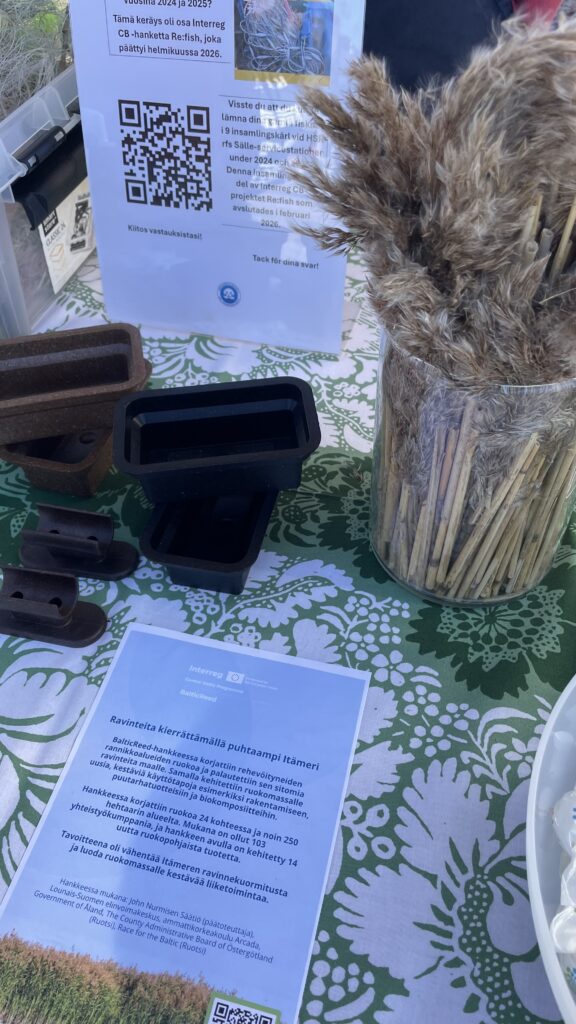
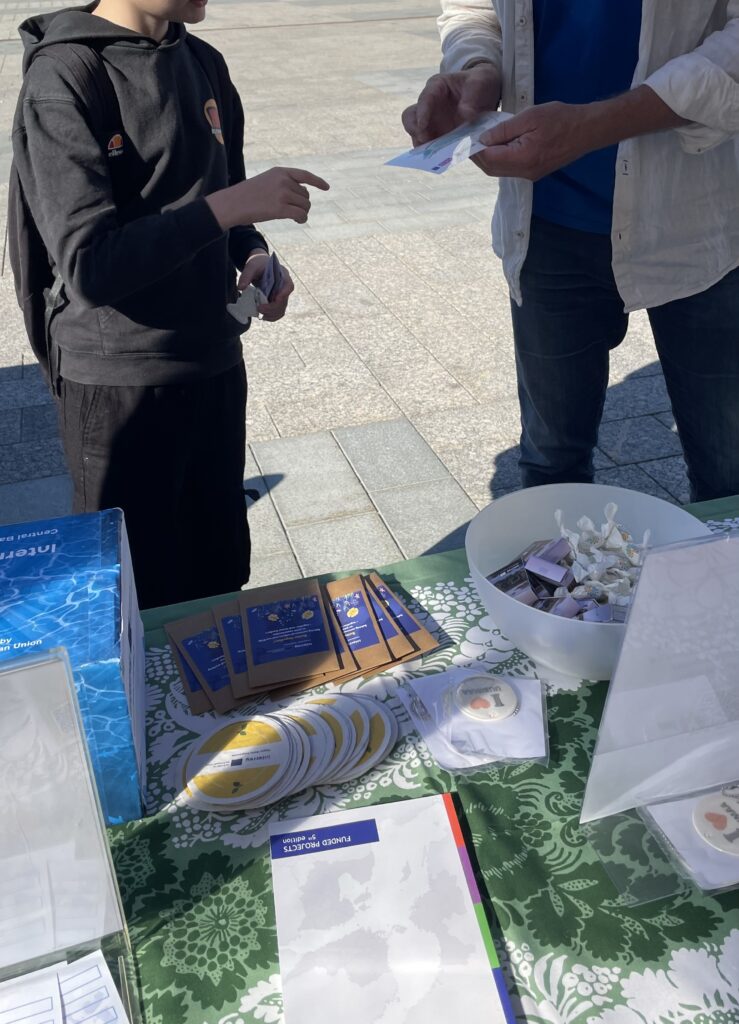
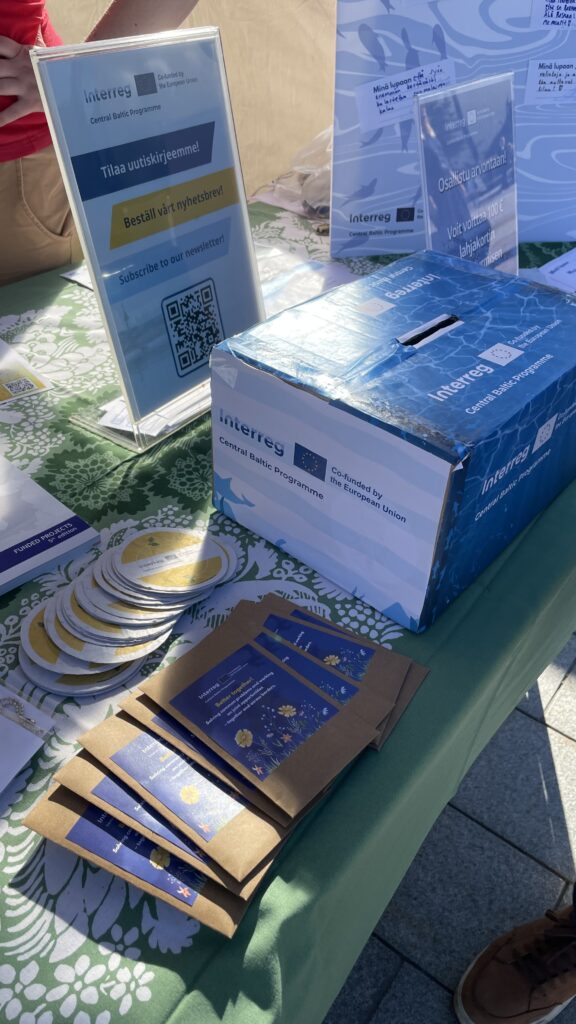
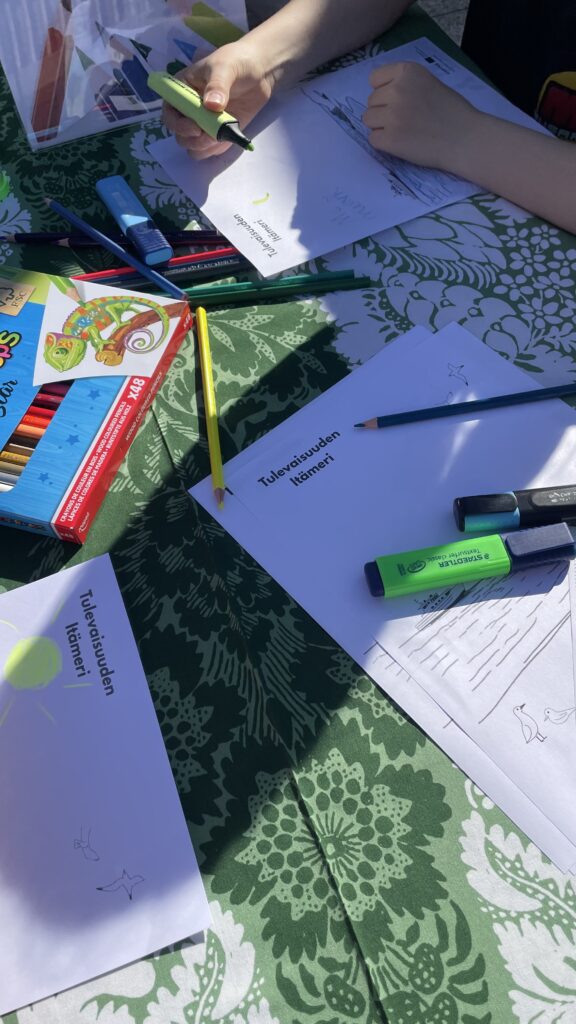
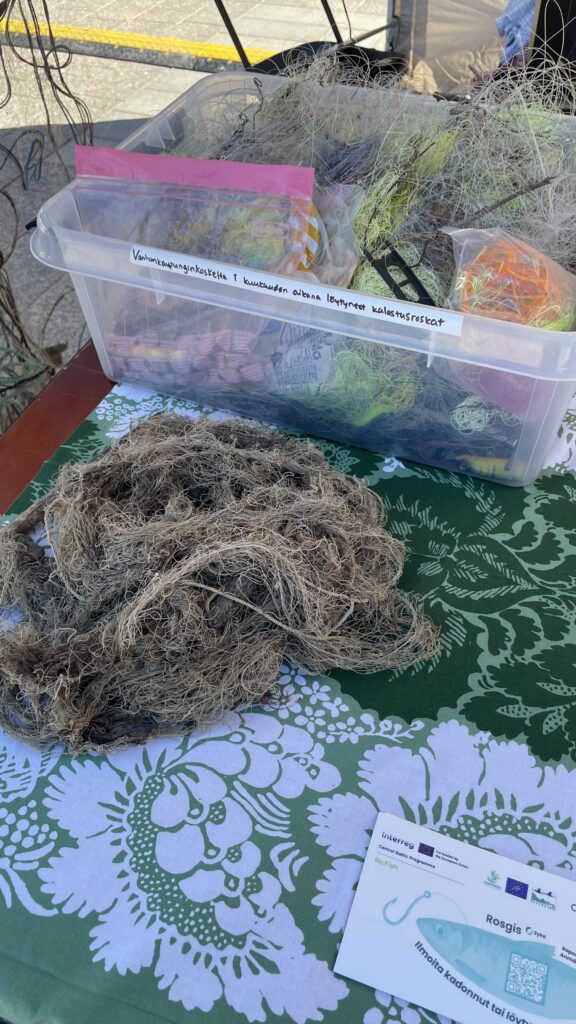
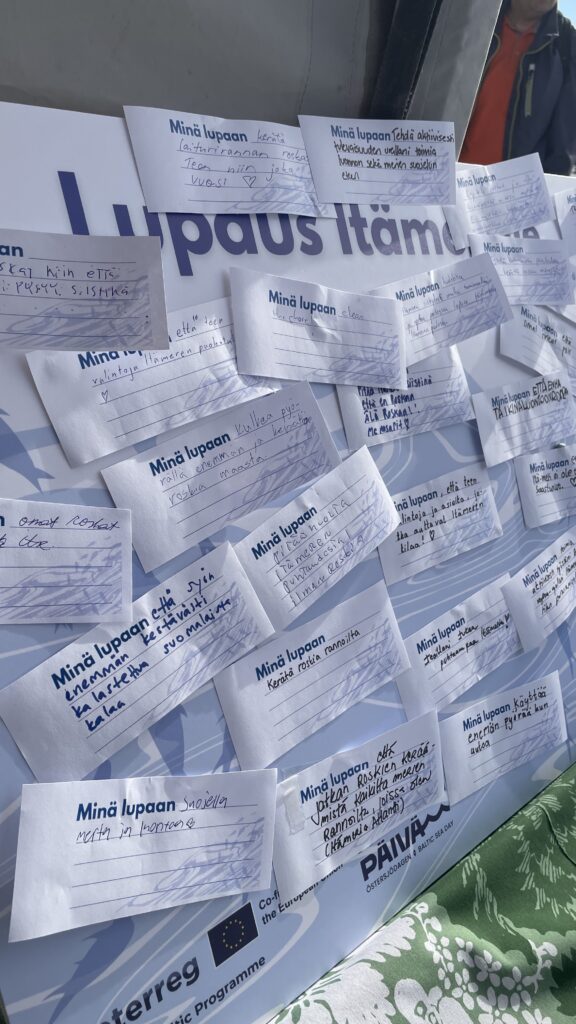
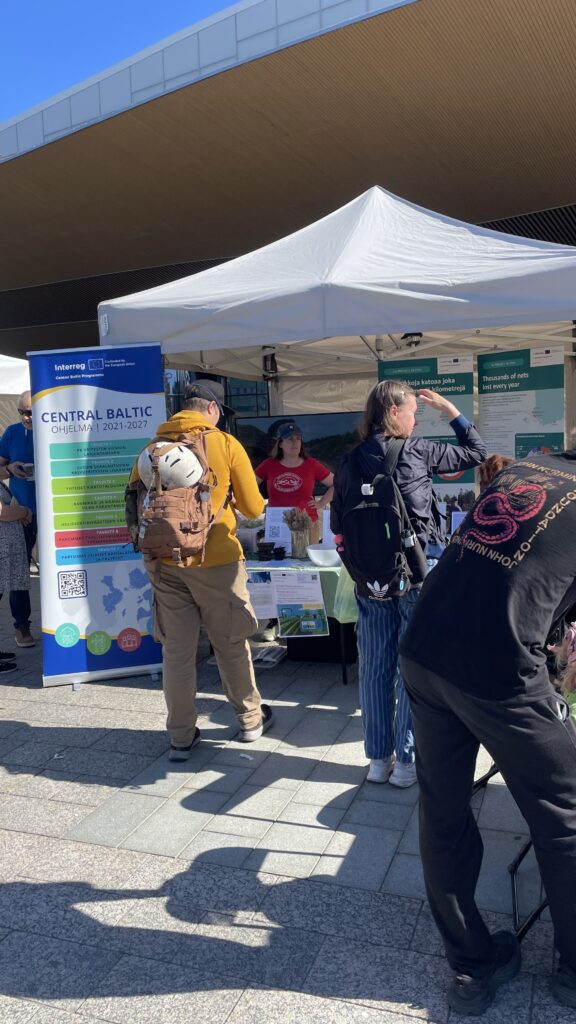
At the Interreg Central Baltic stand, visitors could discover how Central Baltic projects are working for a healthier Baltic Sea – from the results of completed projects such as Re:Fish and BalticReed to ongoing work in projects like Balt-Plast-Free and ReCreateBioBased. Visitors could also draw and colour their vision of the future Baltic Sea and make their own promise for the sea on a shared promise wall.
The sunny weather brought a lively atmosphere to the stand throughout the day, with many visitors stopping by to learn more about the Baltic Sea-related projects and chat with us about the programme and its work.
Åland: Baltic Sea Day celebrations attracted visitors of all ages
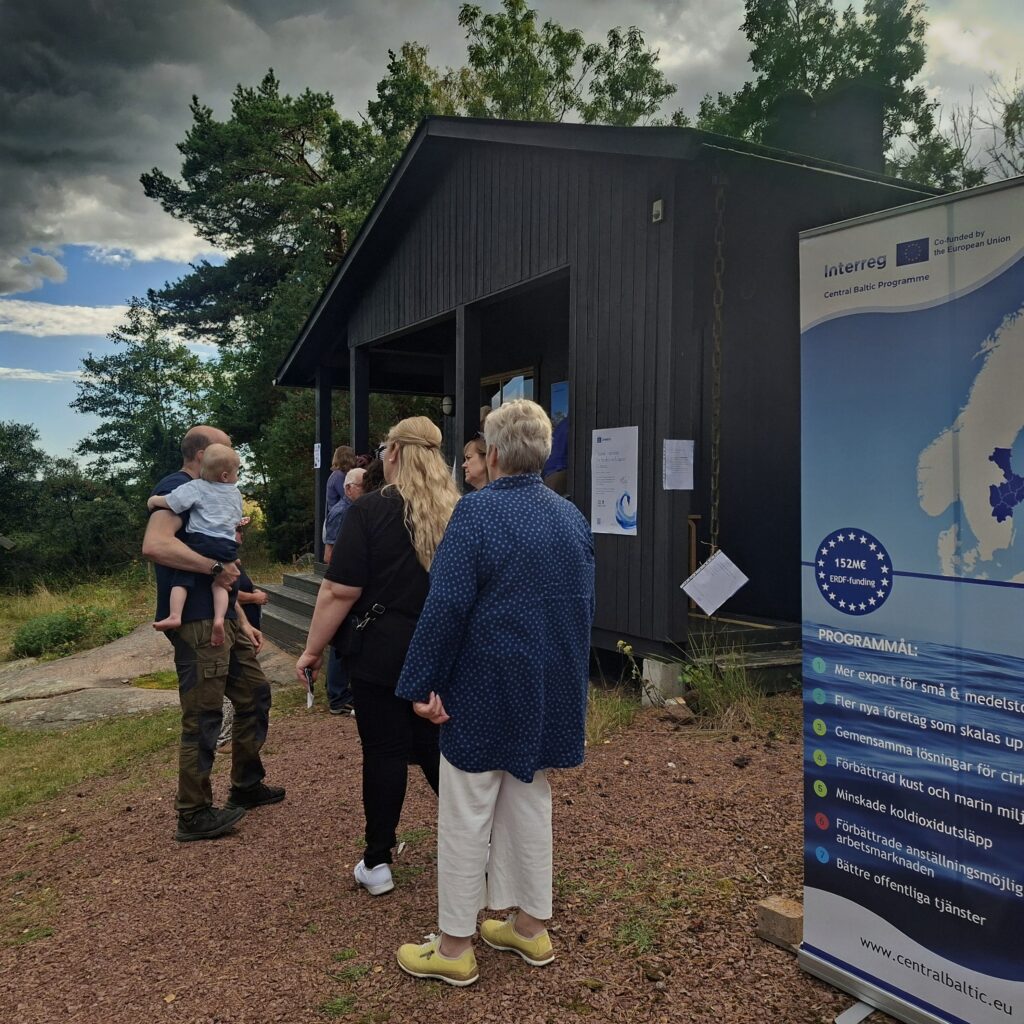
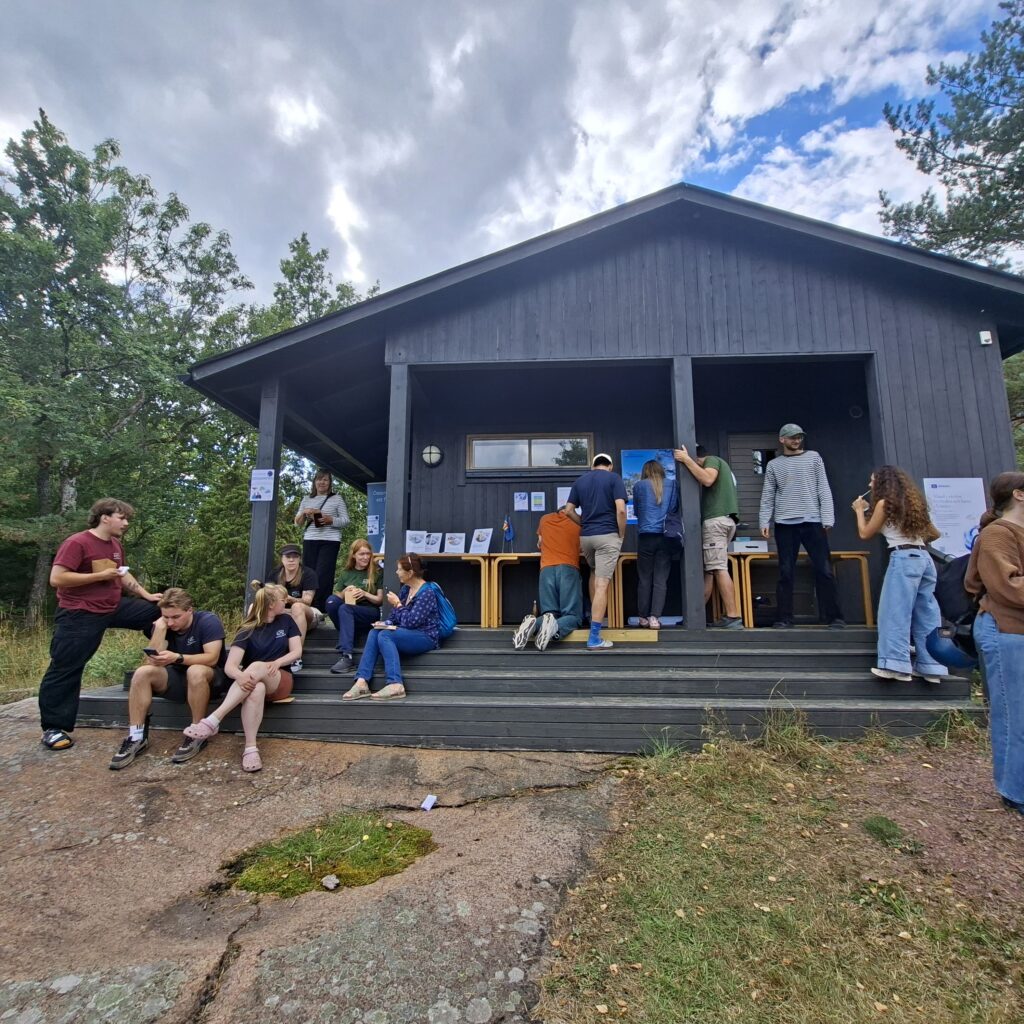
On Åland, this year’s Baltic Sea Day was celebrated big with an open house event at Husö Biological Station, where 12 organizations and projects welcomed the public and offered a wide range of family-friendly activities and refreshments by the beautiful Baltic Sea.
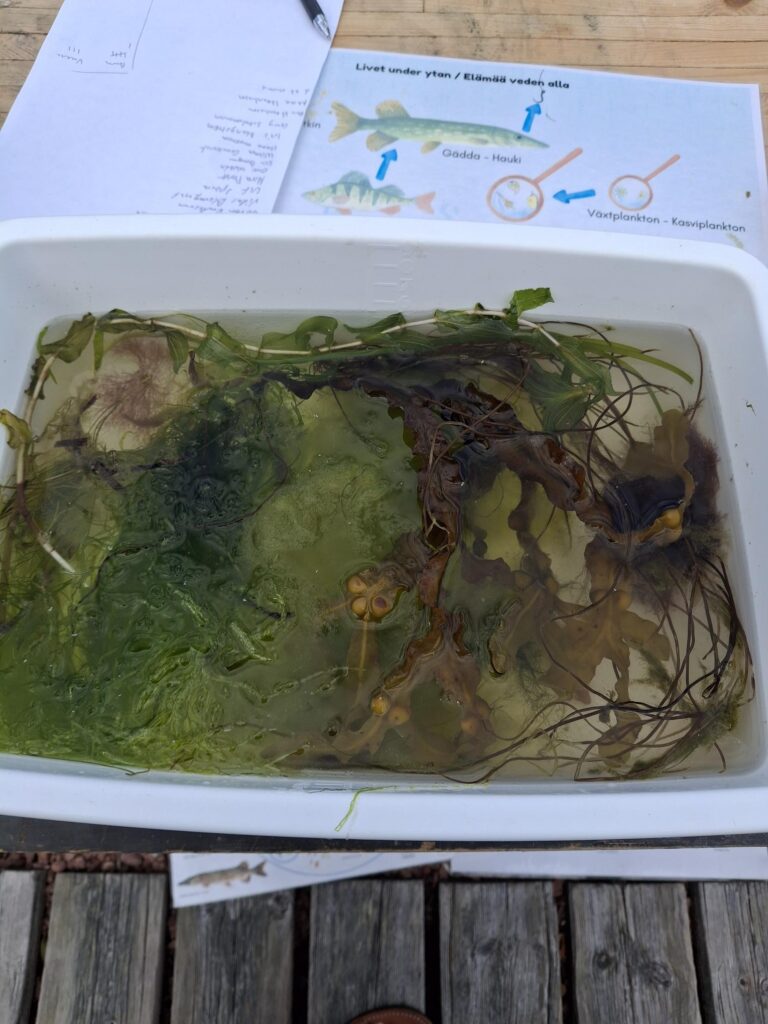
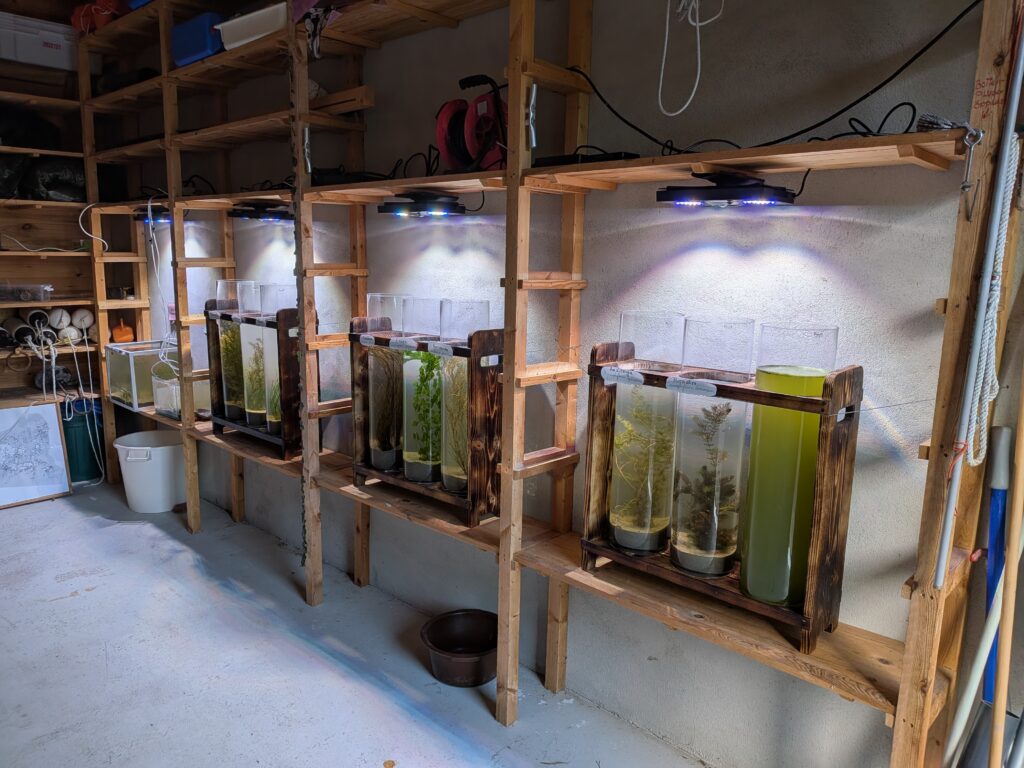
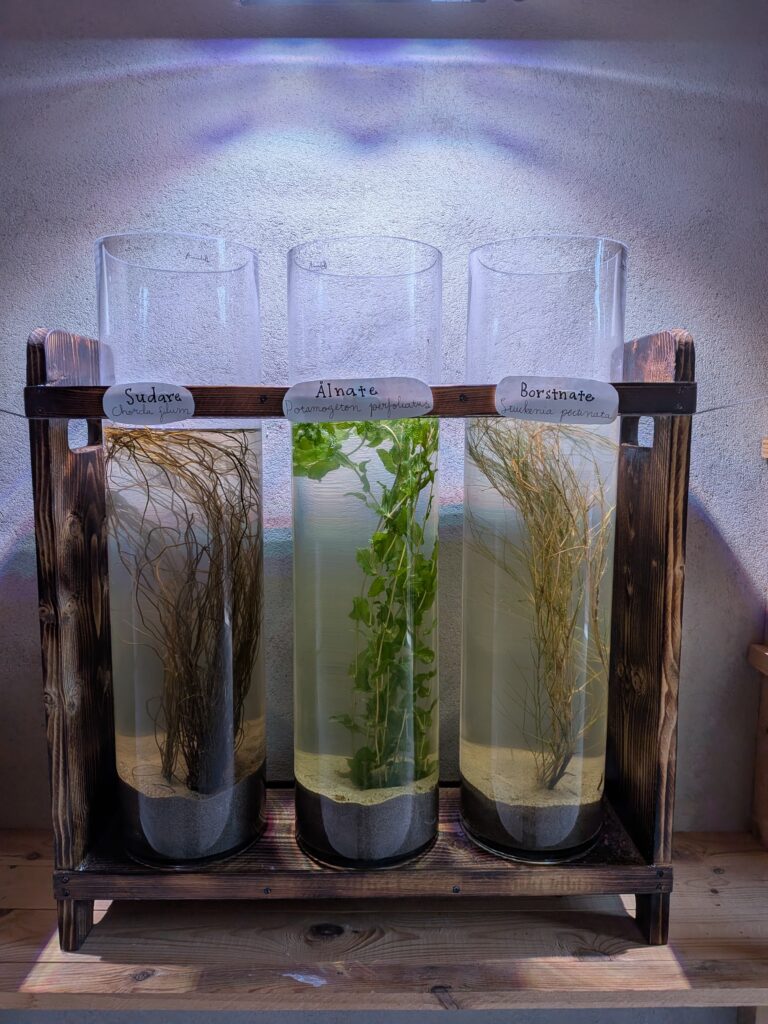
Visitors could take part in a nature school and explore important underwater habitats in the Baltic Sea while learning about the plants and animals that inhabit Åland’s coastal waters. The programme also provided numerous opportunities to discover practical actions that contribute to improved water quality, learn about local water protection initiatives, and explore measures aimed at restoring lakes, bays, and coastal waters.
Participants were also invited to share their favourite natural areas in Åland and contribute ideas for future green infrastructure planning. Another popular activity was the cinema screening short films about the Baltic Sea, complete with popcorn for the audience.
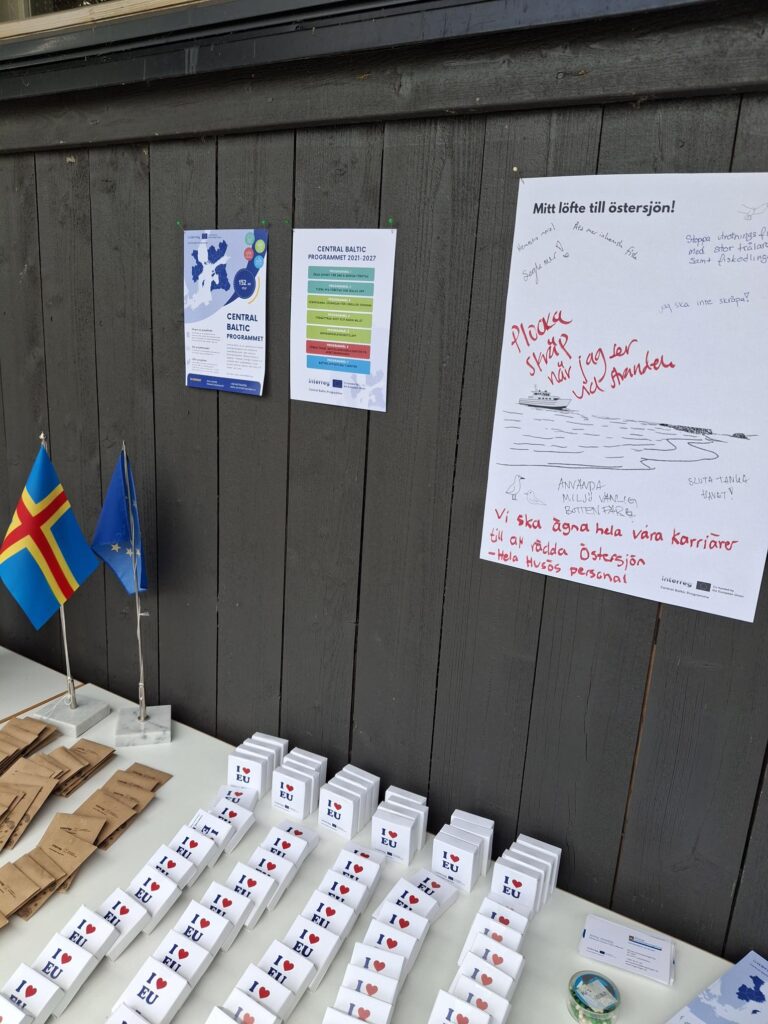
At the Interreg Central Baltic stand, younger visitors could colour fish and underwater landscapes, while older participants received information about the programme, its funding opportunities, and ongoing projects working to improve the state of the Baltic Sea. The 5th call project Resilient Sea was also present, showcasing its important work in building resilience in the Baltic Sea region. In addition, both children and adults took the opportunity to make their own pledges to the Baltic Sea at the Interreg Central Baltic stand, demonstrating their commitment to protecting this unique and valuable environment.
The open house was organized by Husö Biological Station, the Central Baltic Programme, Åbo Akademi University, Resilient Sea, Clean Water 2030, Marine Waterways, Åland Nature School, the Baltic Sea Fund, Åland Water, Åland Nature & Environment, the Government of Åland, and the Åland Fisheries Management Centre Guttorp.
Sweden: Victoria, Crown Princess of Sweden, inaugurates project BaltCOP:s new wetland in Katrineholm
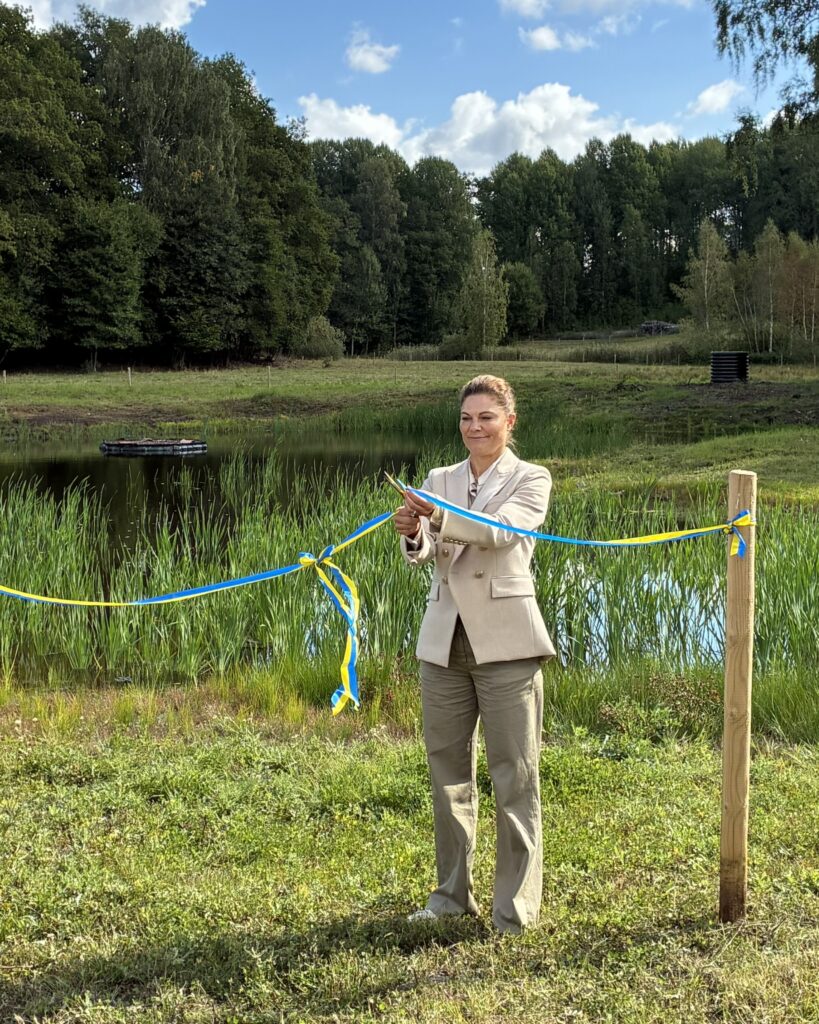
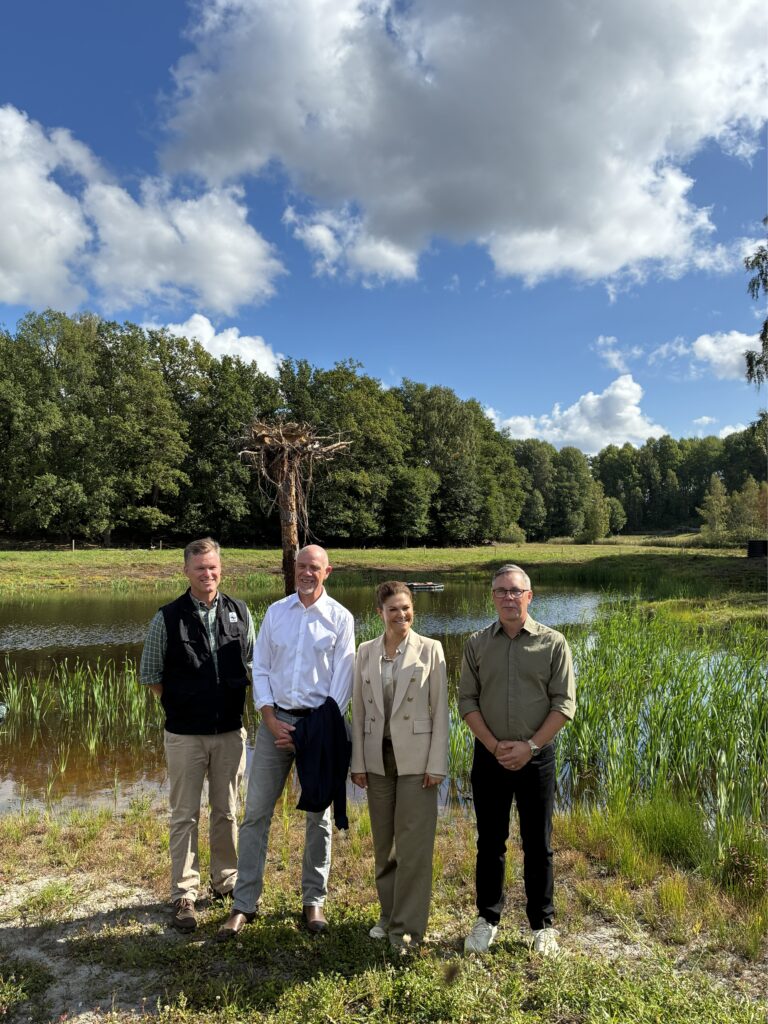
Is there a better occasion to inaugurate a new wetland than Baltic Sea Day? And is there a better ambassador for the fight for a cleaner Baltic Sea than HRH Victoria, the Crown Princess of Sweden? Central Baltic-project BaltCOP succeeded in combining both.
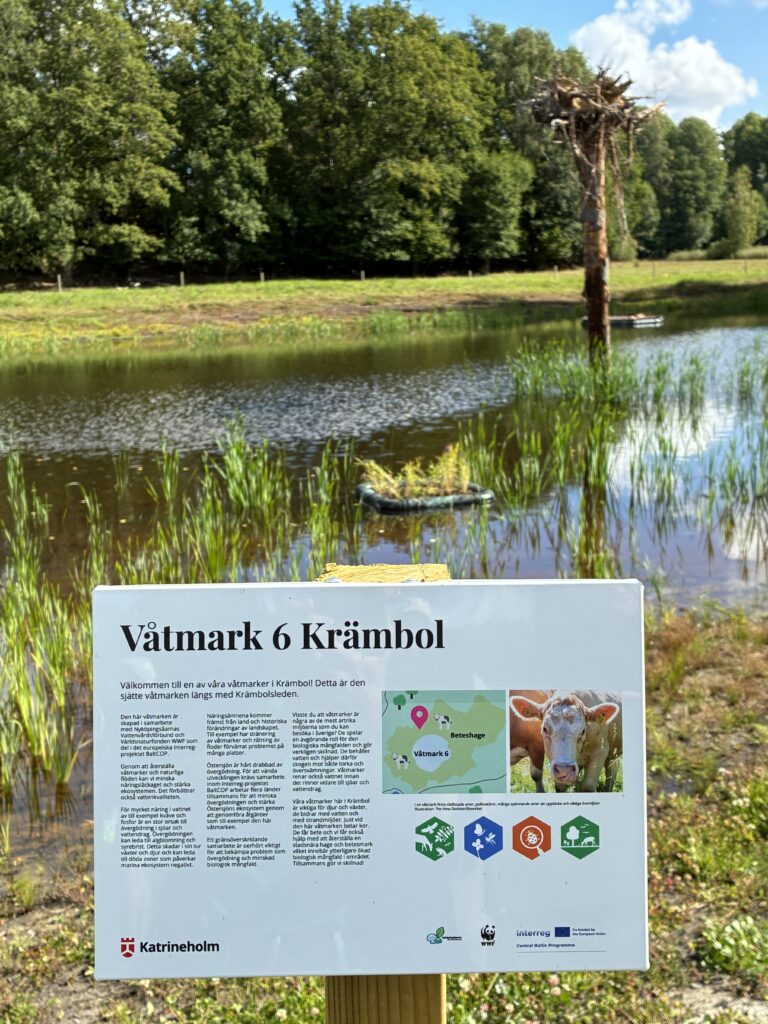
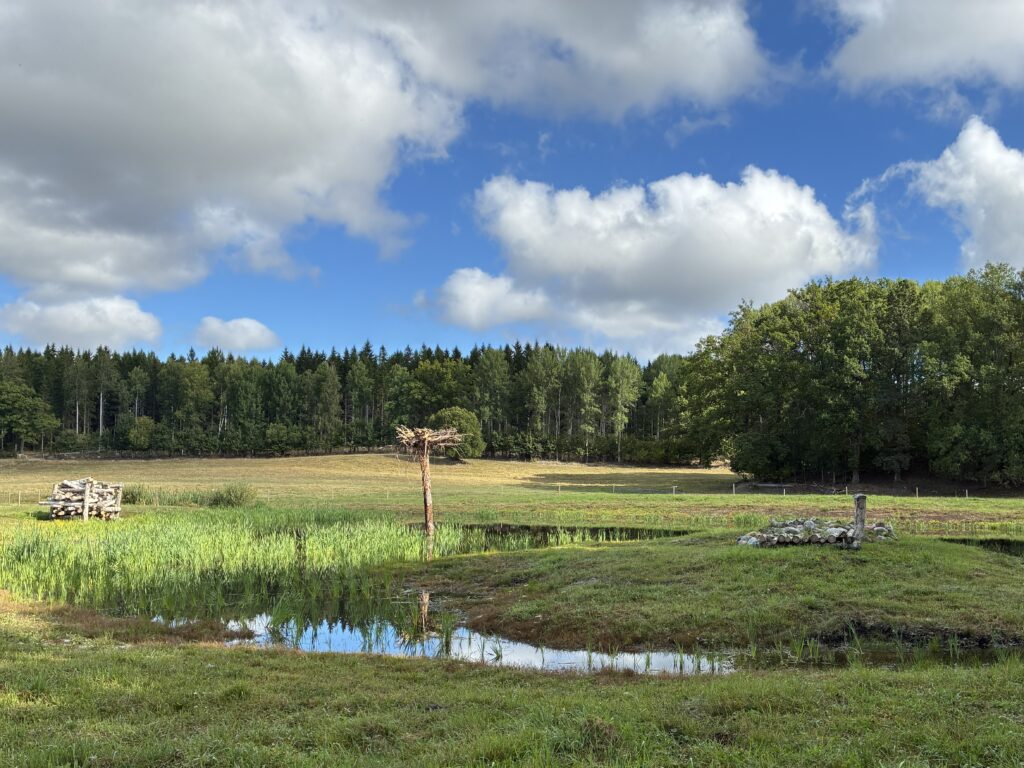
And so it happened that, on August 27, a cheerful Crown Princess cut the blue-and-yellow ribbon, thereby officially inaugurating the Storängen wetland in Kramböl, close to the city of Katrineholm. Robert Andrén (County Governor of Södermanland), Gustaf Lind (Secretary General of WWF Sweden), and representatives from Katrineholm Municipality also attended the ceremony.
The Central Baltic-project, led by WWF Sweden in collaboration with Nyköpingsåarnas Vattenvårdsförbund (the Nyköping River Basin Water Conservation Association) and three partners in Estonian and Latvia, aims to tackle the eutrophication of the Baltic Sea through a range of measures. Wetland restoration is one of these. It contributes to more stable water flows, thereby reducing flooding, drought and nutrient runoff, and boosting a richer flora and fauna. Many frogs, salamanders, birds, and dragonflies have already found their way to the new wetland in Krämbol.
BaltCOP is also developing new working methods involving so-called local coordinators. Those experts work closely with landowners and help them turn ideas into concrete environmental projects that promote biodiversity.
More information about the project: Central Baltic | Project | BaltCOP
Text and photos: Anne Jylhä (National Contact Point Finland), Jenny Jonstoij (National Contact Point Åland) and Ingrid Meissl Årebo (National Contact Point Sweden)