

Resilient Sea
ongoing
Resilient Sea
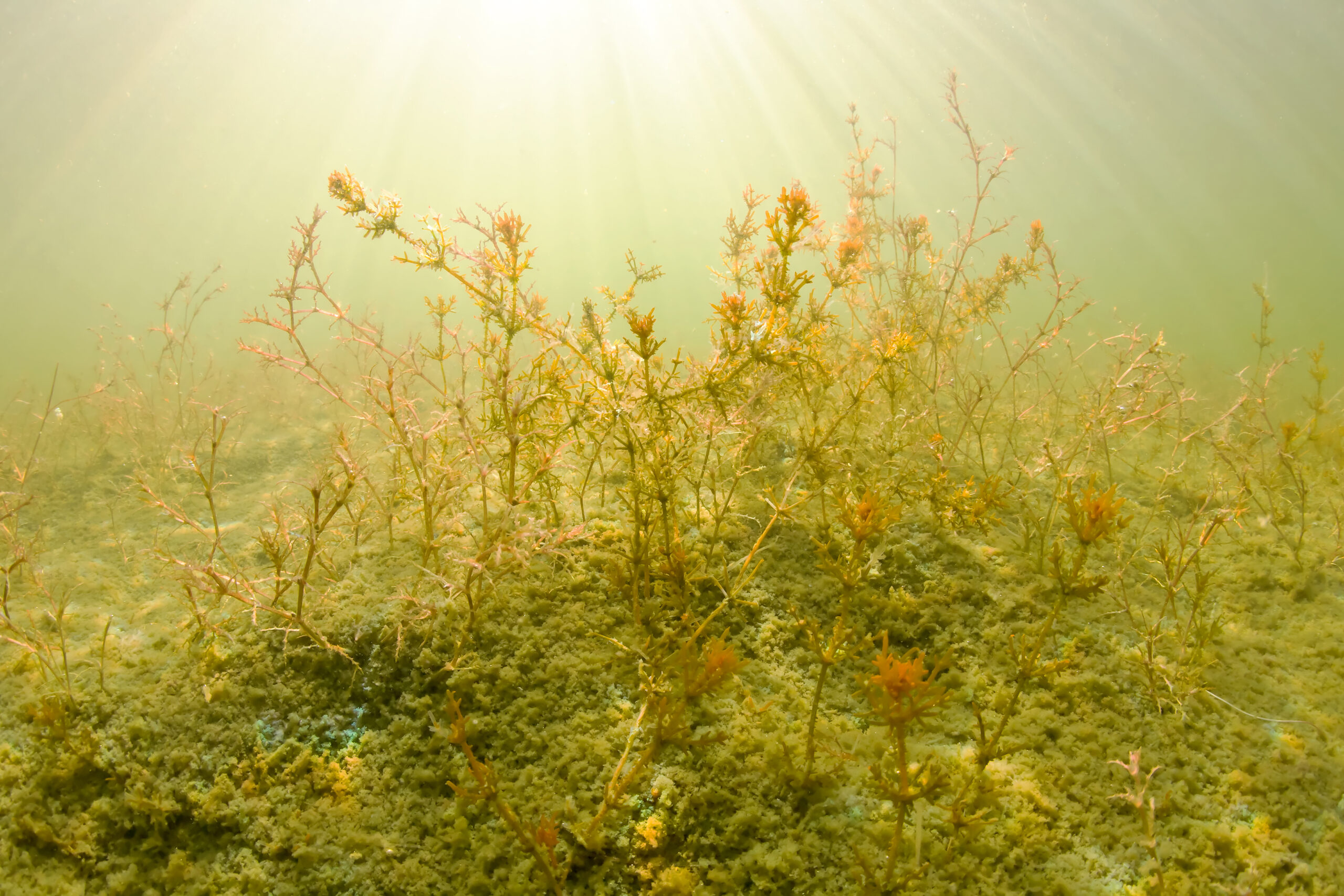
The Baltic Sea’s underwater biodiversity is declining, while climate change and eutrophication are further weakening coastal ecosystems and important fish habitats. Coastal bays and lagoons play a crucial role in retaining nutrients, storing carbon, and supporting marine species, but many of these habitats have been degraded by human activity. The project addresses this challenge by rehabilitating ecologically valuable coastal bays and strengthening marine conservation practices in municipalities across Finland, Sweden, and Åland. Through habitat restoration, nutrient reduction measures, and improved marine planning, the project aims to restore biodiversity and improve the resilience of coastal ecosystems. In parallel, the project supports municipalities in identifying and protecting valuable underwater nature areas through data, training, and practical guidance.
Expected results
The project will restore degraded coastal bays and lagoons, improve marine biodiversity, and strengthen the ecological functioning of coastal ecosystems in the Baltic Sea region. Rehabilitation measures will help coastal habitats retain nutrients more effectively, increase carbon sequestration, and support the recovery of predatory fish populations. Municipalities in Finland, Sweden, and Åland will gain tools and expertise to integrate marine conservation into land- and sea-use planning and local decision-making. The project will also produce practical guidance and cross-border cooperation models that can be applied more widely in the region. As a result, the project will contribute to healthier coastal waters, stronger climate resilience, and more effective long-term marine conservation across borders.
Expected results
The project will restore degraded coastal bays and lagoons, improve marine biodiversity, and strengthen the ecological functioning of coastal ecosystems in the Baltic Sea region. Rehabilitation measures will help coastal habitats retain nutrients more effectively, increase carbon sequestration, and support the recovery of predatory fish populations. Municipalities in Finland, Sweden, and Åland will gain tools and expertise to integrate marine conservation into land- and sea-use planning and local decision-making. The project will also produce practical guidance and cross-border cooperation models that can be applied more widely in the region. As a result, the project will contribute to healthier coastal waters, stronger climate resilience, and more effective long-term marine conservation across borders.
Duration 01.05.2026 - 30.04.2029
Total budget
Programme priority
Improved environment and resource useProgramme objective
PO4 - Improved coastal and marine environmentLead partner
John Nurminen FoundationProject News
Project Events
Project Stories
Gallery


Managing Authority
Joint Secretariat
c/o Regional Council
of Southwest Finland
Visiting address: Linnankatu 52 B, Turku, Finland
Mailing address:
P.O. Box 273,
20101 Turku, Finland
E-mail: info@centralbaltic.eu
Phone: +358 40 550 8408
Find Resilient Sea on social media