BaltCOP partners meet in Latvia: Knowledge, nature and collaboration for the Baltic Sea
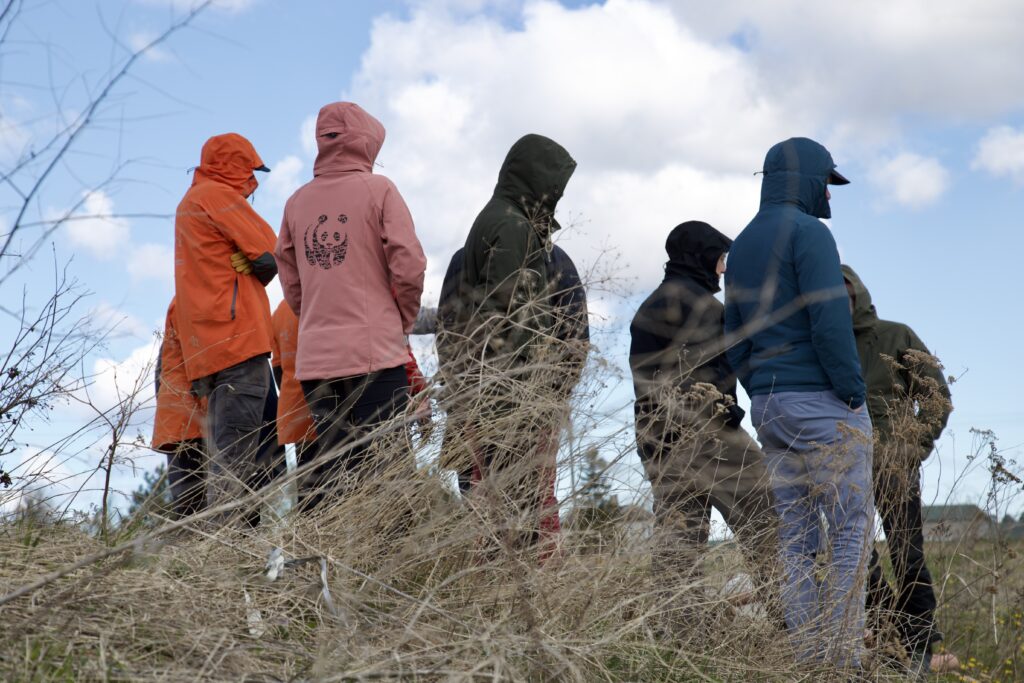
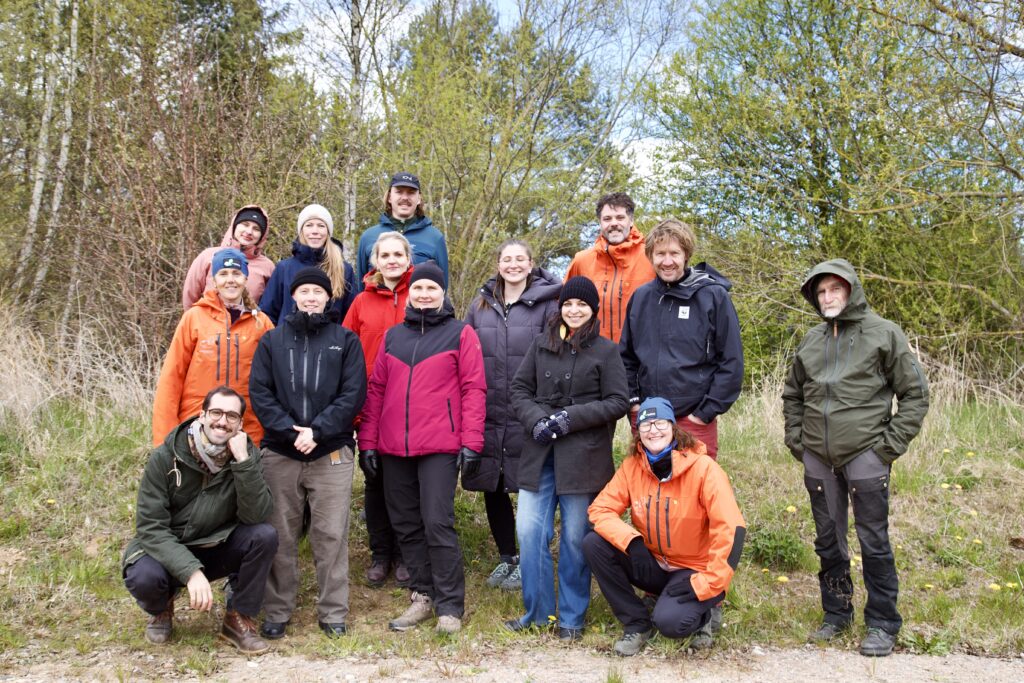
Over two days, BaltCOP partners, WWF Sweden, Estonian Fund for Nature, Pasaules Dabas Fonds, Nyköpingsåarnas Vattenvårdsförbund, gathered to share experiences, deepen their knowledge of wetland restoration and strengthen cooperation for a healthier Baltic Sea. The workshops, hosted at Riga Technical University and Latvia University of Life Sciences and Technologies (LBTU), included field visits to the Mežacīruļi, Nākotne and Kaņiera wetlands.
A Guidebook for the Wetlands of the Future
One of the workshop’s key focus areas was the development of the Catchment Officer Guidebook – a handbook intended to become a practical support tool for building wetlands, intended to be used by catchment officers, landowners and decision-makers throughout the region. During sessions at LBTU, participants discussed how to make the guide even more user-friendly, with clear guidance on everything from permit processes to motivating landowners to engage in restoration projects.
“The guide is more than just a manual – it is a tool for scaling up wetland restoration across the Baltic Sea region,” said John Lund, Water Strategist at Nyköpingsåarnas Vattenvårdsförbund. “By sharing experiences from different countries, we can avoid mistakes and achieve results faster.”
Field Visits Showing the Way Forward
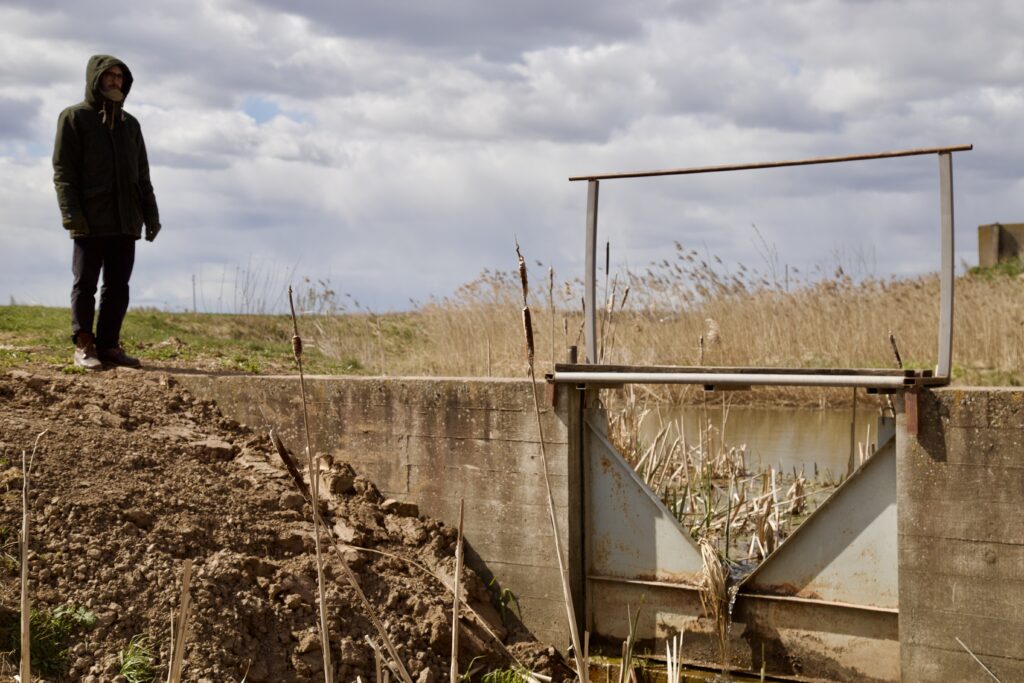
At the Mežacīruļi wetland, located on the land of the 2014 Latvian winner of the WWF Baltic Sea Farmer Award, is the location for the first restored wetland in Latvia ever established. A testing ground for solutions to deal with excess phosphorus flowing from nearby farmland, participants saw how sustainable farming and wetland restoration can go hand in hand.
Next stop was a visit to the Nākotne, which was a constructed wetland for additional wastewater treatment, where more phosphorus filters were put in place as an extra step to deal with excess phosphorus running into local rivers.
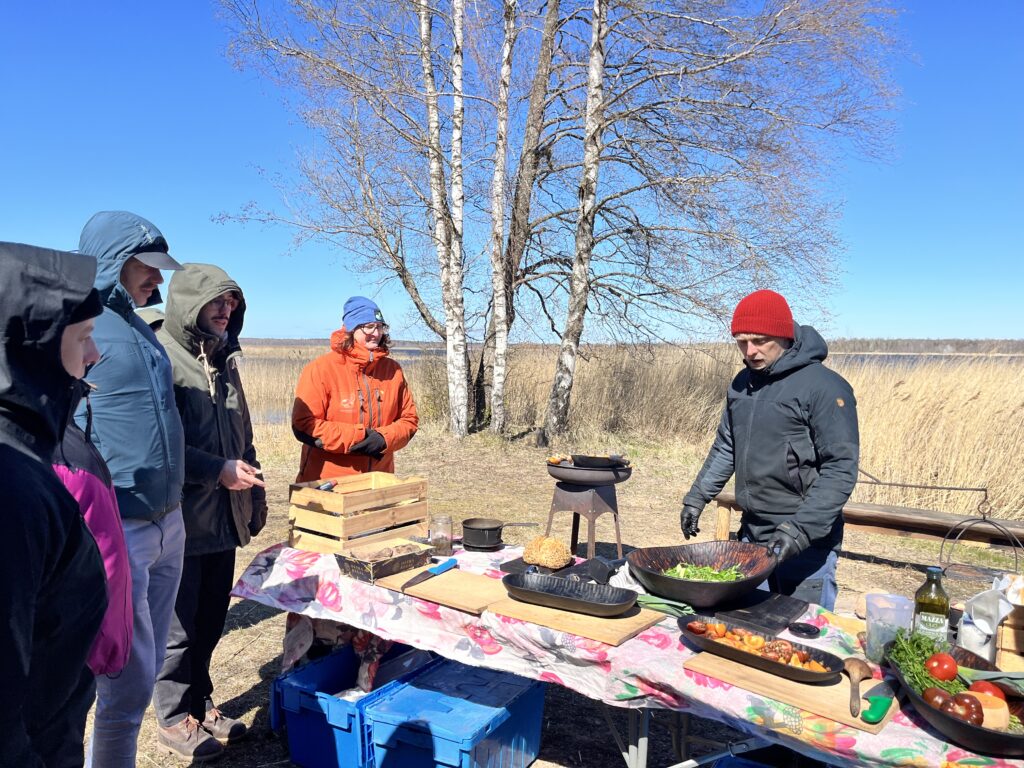
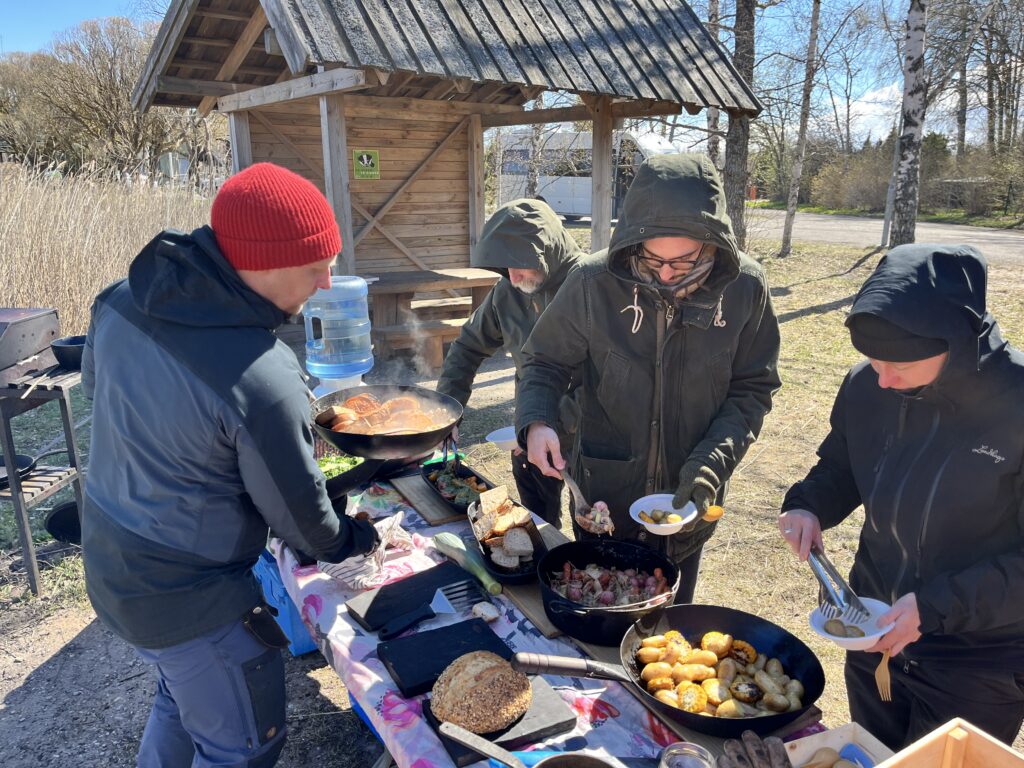
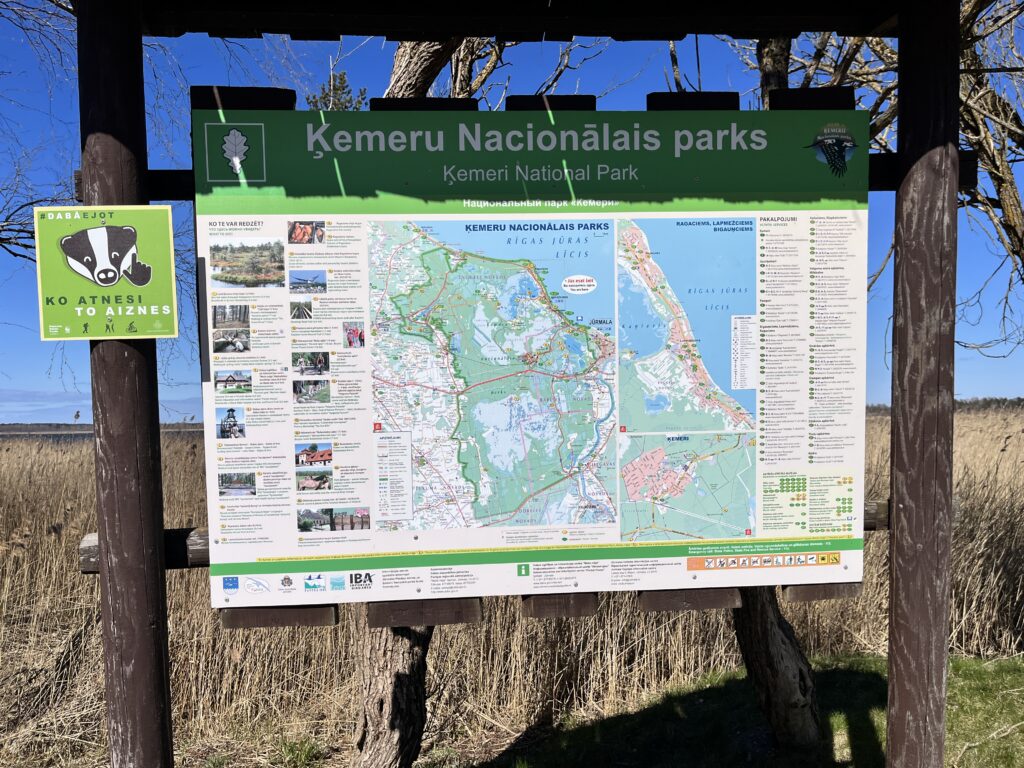
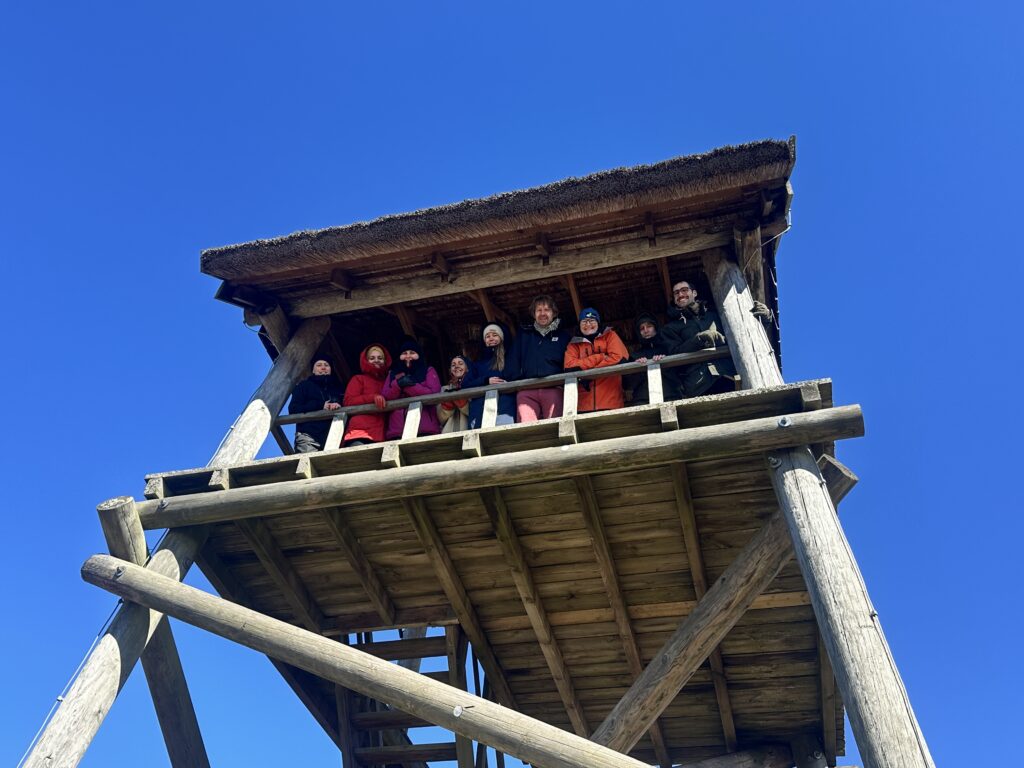
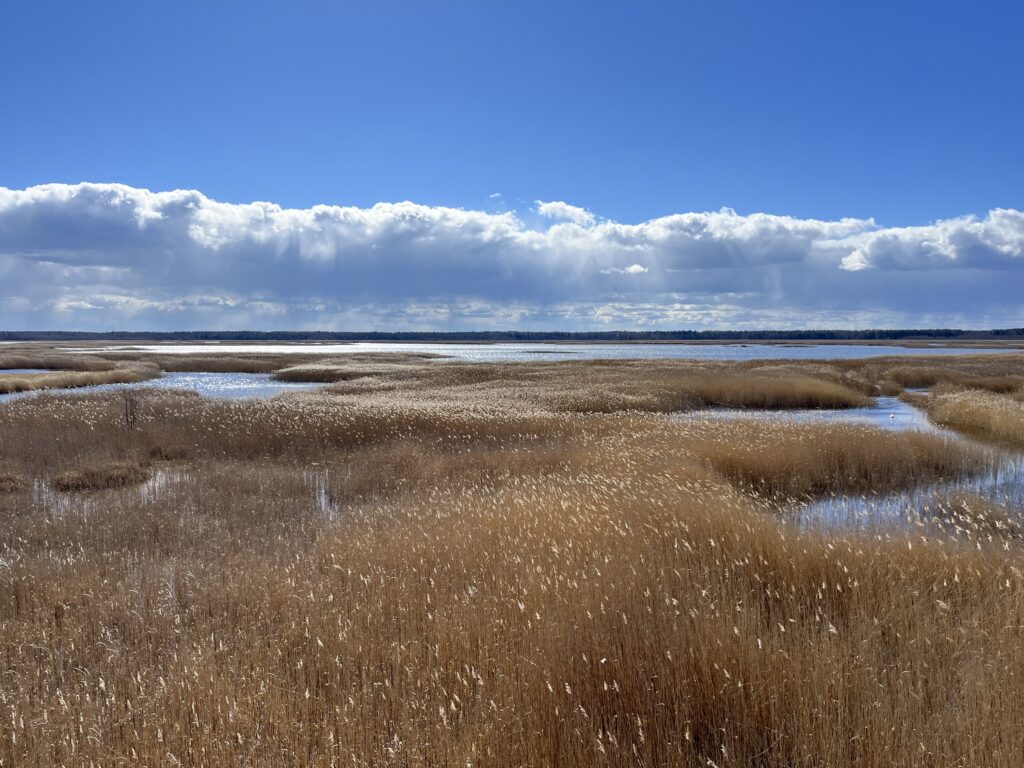
At the Kaņiera wetland, participants also observed how natural wetlands function to support birdlife, improve water quality and increase climate resilience in the landscape. A highlight was the visit to the birdwatching tower, where the group could overlook the vast wetland area – and enjoy beside the wetland a wind-swept yet inspiring lunch prepared with local ingredients by chef Renārs Purmalis.
The field visits underscored the connection between nature, agriculture and local communities – and how ecosystem restoration can generate multiple benefits.
Building connections and capacity
The workshop also provided an opportunity to strengthen ties between BaltCOP partners and Latvian authorities, with several ministry representatives joining the discussion, building relationships to help ensure that restoration projects receive the long-term support they need. Participants also helped to test an early version of a digital tool that may help catchment officers make decisions around wetland size and cost. Discussions also explored how the BaltCOP model of catchment officers can be further strengthened. By building trust and long-term relationships with landowners and authorities, the project can scale up its efforts – something that is essential to achieving the goal of a healthier Baltic Sea.
The workshop also offered capacity building for communicators. In a session on mobile storytelling, communicators learned how simple tools, such as a smartphone, can be used to create engaging films and stories about restoration projects.
“Field visits and bringing partners together in workshops are essential because they turn abstract plans into shared understanding. Seeing challenges firsthand and collaborating face-to-face builds trust, sparks innovation, and ensures our solutions are grounded in reality—not just theory,” Mats Johansson, Project Manager for BaltCOP, WWF Baltic Sea Programme.