
Crown Princess Inaugurates WWF Restored Wetlands to Protect the Baltic Sea
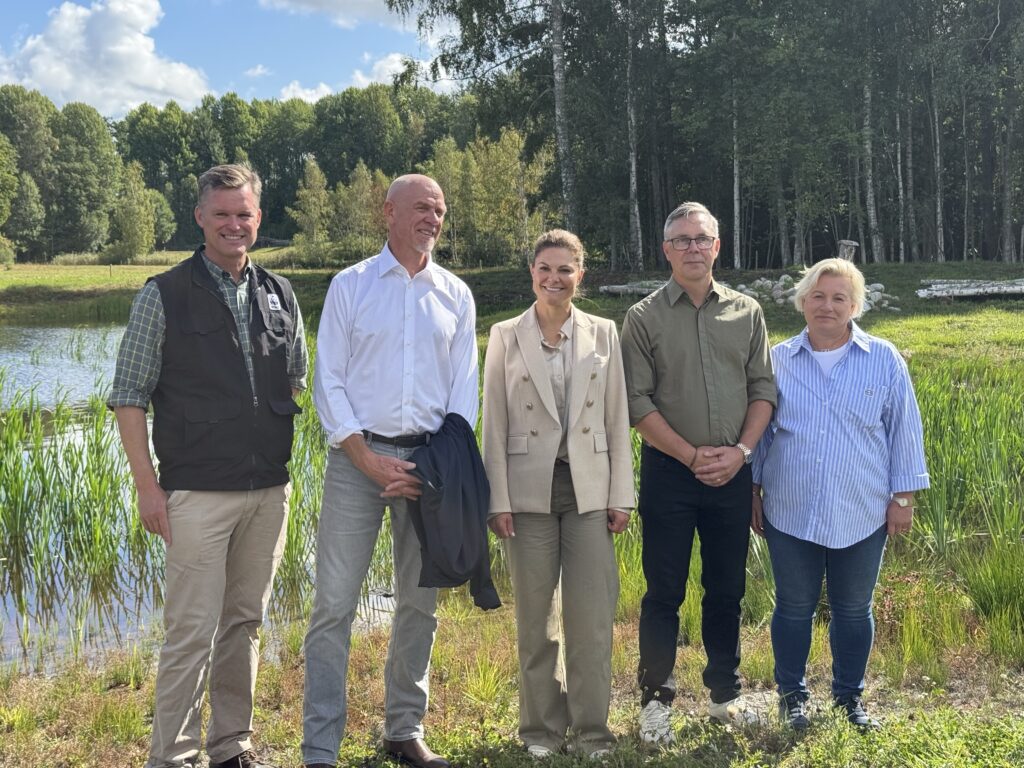
By restoring wetlands on land, we can tackle the eutrophication of the Baltic Sea. Today, HRH Crown Princess Victoria joined local leaders and WWF to officially inaugurate the Storängen wetlands in Krämbol, Katrineholm – a key milestone in the regional effort to improve water quality and biodiversity.
Today the Storängen wetlands in Krämbol were officially inaugurated in a ceremony attended by HRH Crown Princess Victoria, Robert Andrén (County Governor of Södermanland), Gustaf Lind (Secretary General of WWF Sweden), Johan Söderberg (Chairman of the Municipal Board), and representatives from Katrineholm Municipality and the Nyköpingsåarnas Water Conservation Association.
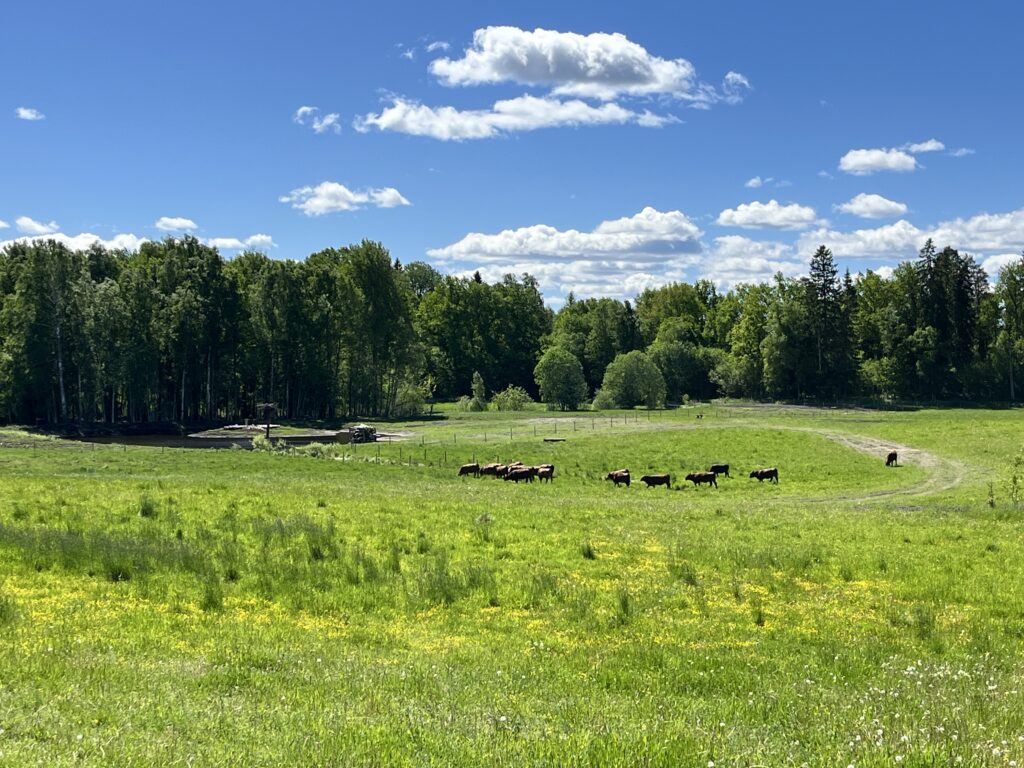
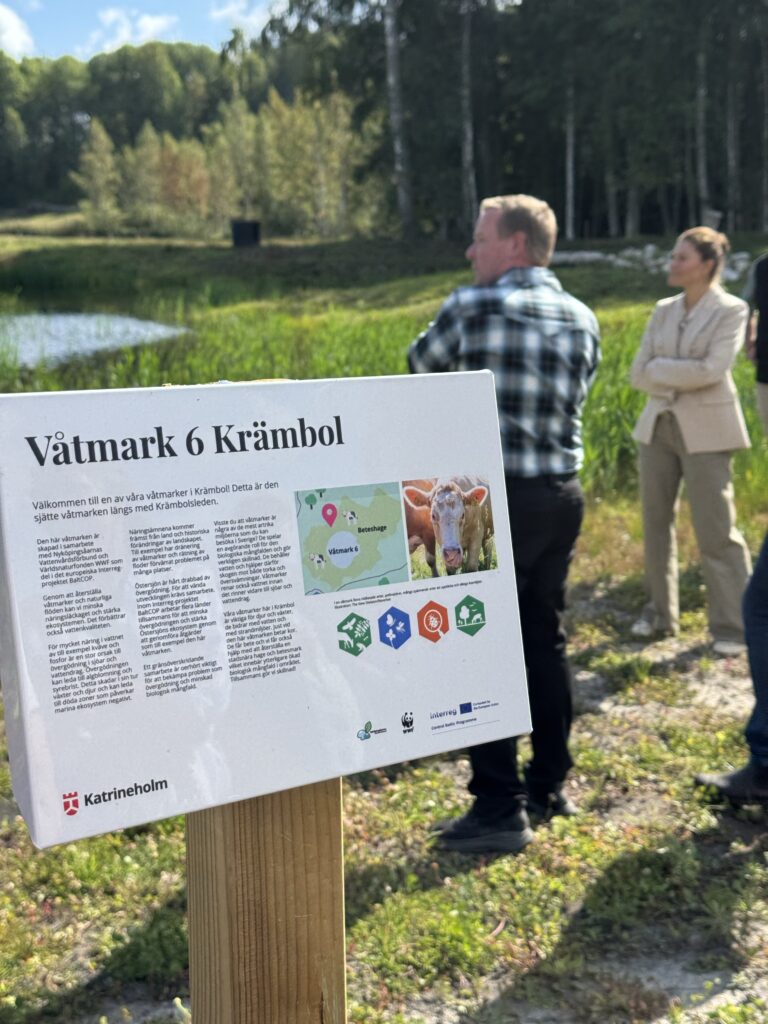
Storängen is the second wetland identified and restored as part of the EU-funded BaltCOP project led by WWF and in collaboration with Katrineholm Municipality and the Nyköpingsåarnas Water Conservation Association. In 2023, work began on developing parts of the Krämbol forest into an accessible, safe, and sustainable outdoor recreation area by, among other things, recreating old wetlands and grazing lands in the area.
“If we want to see changes in the Baltic Sea, we must work on land to restore our wetlands. In doing so, we can reduce nutrient leakage to the sea and strengthen biodiversity. This is exactly what the Storängen wetland and this project aim to achieve,” said Gustaf Lind, Secretary General of WWF.
The Vital Benefits of Wetlands
Wetlands provide essential “ecosystem services” that benefit both nature and humans:
- Water Regulation: They regulate water flow during both heavy rainfall and droughts, reducing the risk of floods and forest fires.
- Nutrient Capture: They act as natural filters, trapping leaking nutrients and reducing the pressure on lakes and the Baltic Sea.
- Biodiversity Support: They provide habitats for a rich variety of plants and animals, allowing new species to establish themselves in these moist environments.
- Carbon Storage: Wetlands store carbon, preventing it from entering the atmosphere. In contrast, dry, drained wetlands release large amounts of carbon dioxide.
The Challenge of Eutrophication
The Baltic Sea is in a critical state, primarily due to eutrophication—an overabundance of nutrients in the water. This leads to visible issues like massive annual algal blooms and invisible threats like “dead zones” on the seabed where marine life cannot survive.
Most eutrophication is caused by nutrient runoff from land. While healthy freshwater ecosystems act as a buffer, many have been drained or straightened over the years. The BaltCOP project focuses on testing innovative catchment methods to motivate and support restoration work to close this gap in Estonia, Latvia, and Sweden.
What is BaltCOP?
The BaltCOP (Baltic Catchment Officer Project) is an EU-funded initiative running from 2024 to 2027. Working alongside partners in Sweden, Estonia, and Latvia, WWF aims to restore more wetlands and spread innovative management methods throughout the entire Baltic Sea region.
Anneli Carlén, Operations Manager at the Nyköpingsåarnas Water Conservation Association, highlighted the importance of local engagement: “Our investment in local action coordinators is highly effective and is greatly appreciated by farmers and landowners. The BaltCOP project and our collaboration with WWF allow us to spread these successful methods to other countries around the Baltic Sea.”
The BaltCOP project will continue to implement wetlands and other restorative measures across various catchment areas throughout the region, culminating in an international conference in Nyköping in 2027.