
Restoring wetlands, reviving the Baltic Sea: Regional gathering for cross-border restoration and water management
olicymakers, catchment officers, environmental practitioners, and agricultural advisors from across the Baltic Sea region gathered in Tallinn, Estonia, last month for a landmark seminar dedicated to strengthening catchment-based water management and accelerating wetland restoration across the region.
Hosted at Estonia’s Ministry of Climate and organised in collaboration with the LIFE SIP WetEST, LIFE IP CleanEST, and Interreg Central Baltic BaltCOP projects, the seminar brought together a diverse group of stakeholders united by a shared goal: cleaner water and a healthier Baltic Sea.
Why Wetlands Matter for the Baltic Sea
The Baltic Sea is one of the world’s most pressured marine environments, struggling with decades of nutrient pollution, habitat loss, and reduced biodiversity. Wetlands — nature’s own water filters — play a critical role in intercepting nutrient run-off from agricultural land before it reaches rivers and, ultimately, the sea. Their degradation has significantly worsened the Baltic’s eutrophication crisis, leading to oxygen-depleted dead zones, toxic algal blooms, and collapsing fish stocks.
Restoring wetlands and improving water management at the catchment level is therefore not simply a local environmental concern — it is a Baltic Sea-wide imperative. Every stream rehabilitated, every floodplain meadow restored, and every nutrient load reduced contributes to the collective recovery of this shared sea.
Collaboration Across Borders: A Key Theme
A central message of the seminar was that no single country, organisation, or project can solve the Baltic Sea’s water challenges alone. Effective catchment management demands coordinated, cross-border action — from national policy frameworks down to local waterways and farm fields.
Countries such as Finland and Sweden have demonstrated the value of dedicated catchment officer systems, where trained local coordinators work directly with landowners, farmers, and communities to implement water-friendly practices on the ground. This seminar provided a vital platform for sharing those lessons with Estonia, Latvia and beyond — helping to translate proven approaches into new national and regional contexts.
The BaltCOP Project: Examples from the field
A key part of this regional effort is the Baltic Catchment Officer Project (BaltCOP) — an EU Interreg Central Baltic-funded initiative led by the WWF Baltic Sea Programme. BaltCOP is working to scale up the catchment officer approach across Sweden, Estonia, and Latvia, supporting these countries in building the local coordination capacity needed to drive real, on-the-ground change.
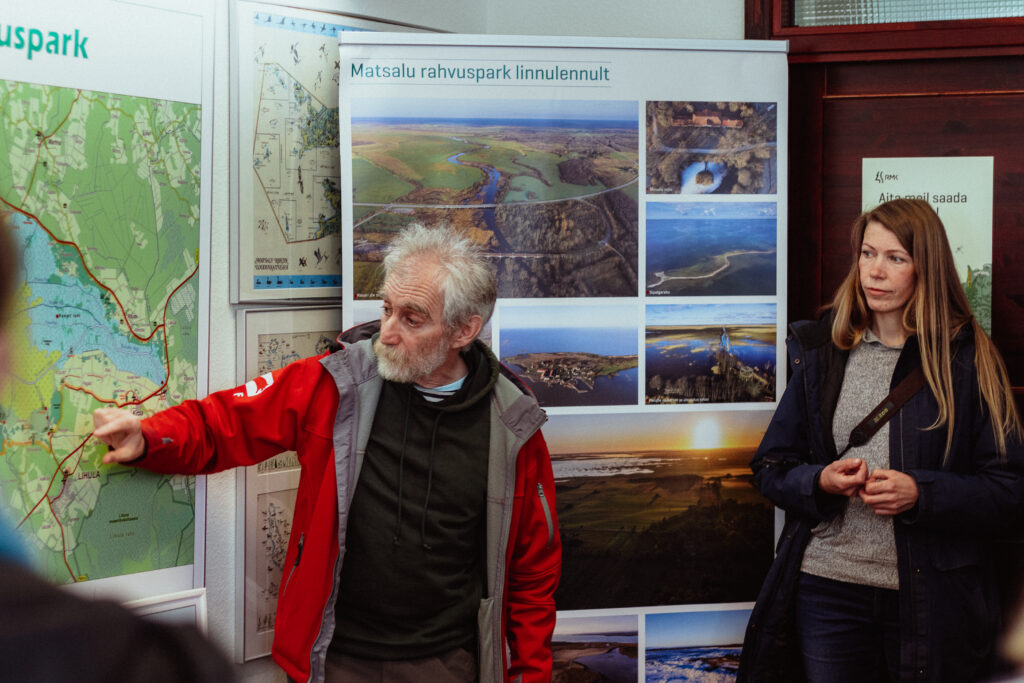
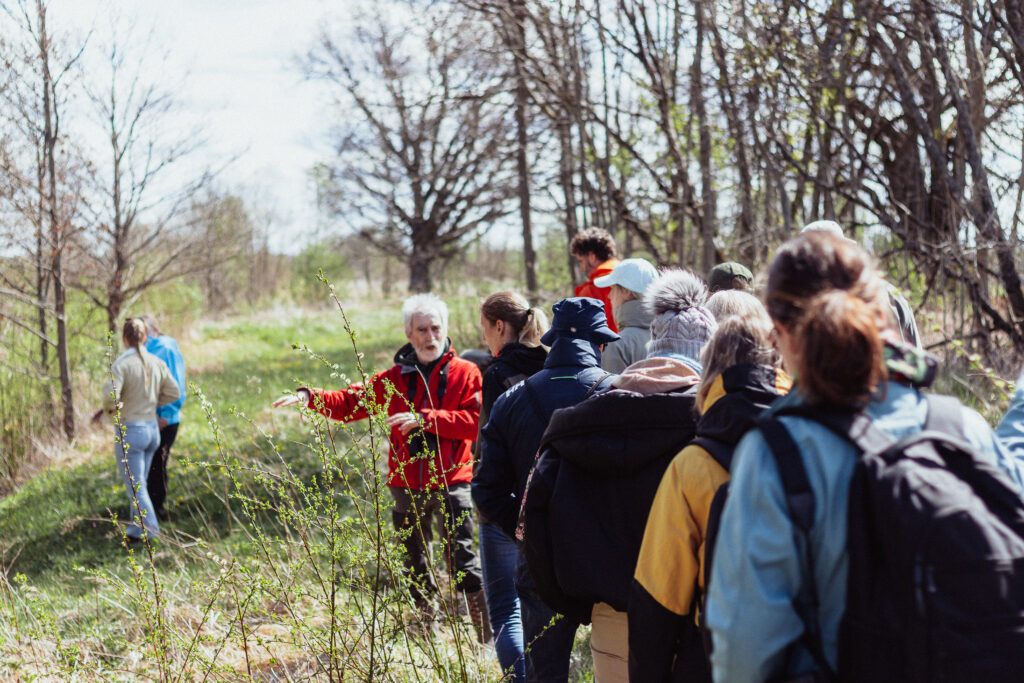
The project is not only facilitating the transfer of best practices across borders — it is actively implementing pilot restoration measures in key catchment areas. During a field visit, conference participants travelled to Matsalu National Park, an internationally important wetland under significant pressure from nutrient run-off. At the Penijõgi stream — heavily modified by historic dredging — BaltCOP has implemented pilot measures to rehabilitate biodiversity and deliver nature-based solutions to reduce nutrient loading. Participants also visited the Asupi stream, where restoration efforts are improving water retention and creating favourable habitat for local bird populations.
These on-the-ground interventions exemplify BaltCOP’s approach: combining local action with regional knowledge exchange to build a scalable model for catchment restoration across the Baltic Sea region.
Building Towards Permanent Systems
A key ambition emerging from the seminar is the development of permanent, nationwide catchment coordinator systems — moving beyond time-limited project funding towards institutionalised, long-term water management capacity. Estonia’s two integrated LIFE water projects have already established a catchment coordinator initiative in their project areas, with the explicit aim of scaling this into a nationwide permanent system — a model that could inspire similar developments across the region.
The seminar’s second day brought together participants for plenary discussions and sessions covering topics ranging from controlling hazardous substances and pollution to aligning agricultural business with environmental goals — reinforcing that healthy water systems are as much an economic and social priority as an environmental one.
Looking Ahead
With strengthened regional networks, new project ideas on the table, and renewed momentum behind the catchment officer approach, the Tallinn seminar marks an important step forward in the long-term mission to restore the Baltic Sea. Initiatives like BaltCOP demonstrate that when countries collaborate, share knowledge, and invest in local capacity, meaningful change is possible — one catchment at a time.