

CircElTex
ongoing
CircElTex
New EU rules, including the revised Waste Framework Directive and Ecodesign for Sustainable Products Regulation (ESPR), require separate textile collection and ban destroying unsold goods, driving reuse and circular solutions. In Finland and Estonia, about 5–10% (≈40,000 kg/year) of collected textiles are reusable, but only 1–2% is currently used due to limited knowledge, support, and weak links to reuse solutions. For small appliances, 5–7% (≈103,500 kg/year) are reusable, yet only 1–3% re-enter use.
CircElTex aims to extend the lifespan of textiles and small appliances by increasing reuse rates up to 10% through improved reuse, repair, sharing, and rental services.
Expected results
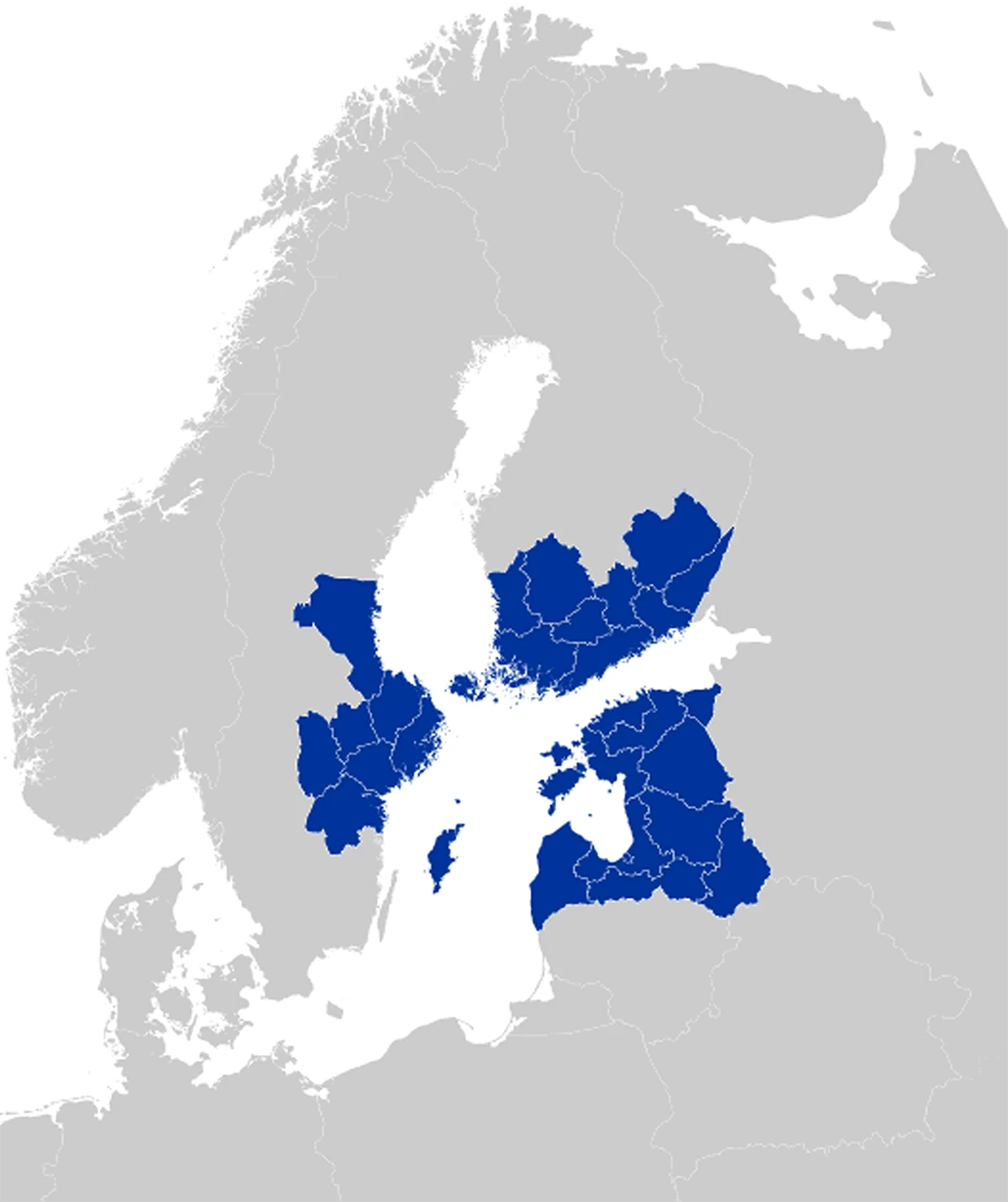
The project will increase the reuse of textiles and small household appliances by establishing efficient systems for collection, repair, sharing, and redistribution. It will strengthen cooperation between public actors, SMEs, and consumers, ensuring that reusable materials are effectively processed and returned to the economic cycle. The implementation in two cities—Lahti (Finland) and Tallinn (Estonia)—provides a cross-border dimension, enabling the testing and replication of solutions in different national contexts. As a result, reuse rates are expected to increase by up to 10%, extending product lifespans and reducing waste generation. The project will also enhance consumer awareness and access to reuse services, contributing to scalable models that support the broader transition towards a circular economy.
Expected results
The project will increase the reuse of textiles and small household appliances by establishing efficient systems for collection, repair, sharing, and redistribution. It will strengthen cooperation between public actors, SMEs, and consumers, ensuring that reusable materials are effectively processed and returned to the economic cycle. The implementation in two cities—Lahti (Finland) and Tallinn (Estonia)—provides a cross-border dimension, enabling the testing and replication of solutions in different national contexts. As a result, reuse rates are expected to increase by up to 10%, extending product lifespans and reducing waste generation. The project will also enhance consumer awareness and access to reuse services, contributing to scalable models that support the broader transition towards a circular economy.
Duration 01.06.2026 - 31.05.2029
Total budget
Programme priority
Improved environment and resource useProgramme objective
PO3 - Joint circular economy solutionsLead partner
LAB University of Applied SciencesProject News
Project Events
Project Stories
Gallery

Managing Authority
Joint Secretariat
c/o Regional Council
of Southwest Finland
Visiting address: Linnankatu 52 B, Turku, Finland
Mailing address:
P.O. Box 273,
20101 Turku, Finland
E-mail: info@centralbaltic.eu
Phone: +358 40 550 8408
Find CircElTex on social media