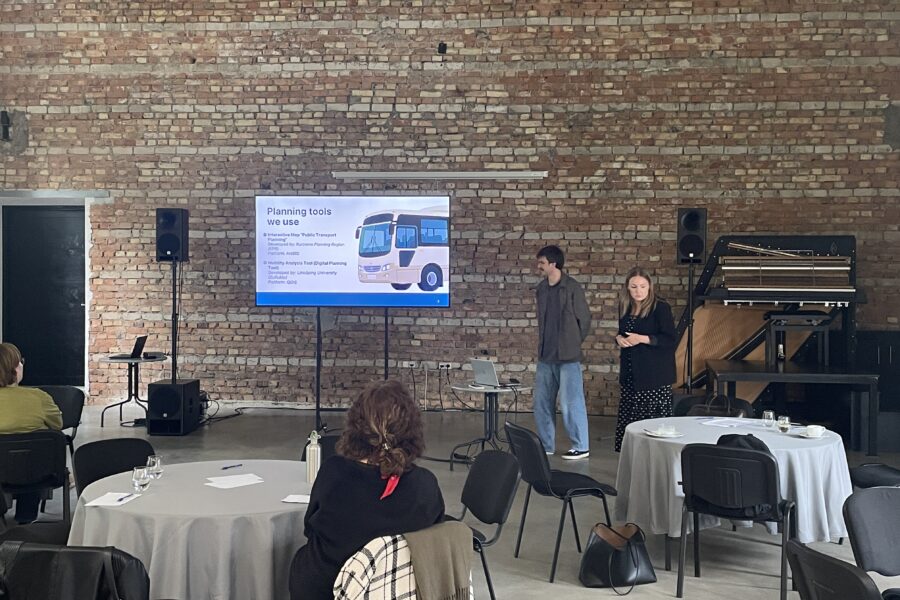
How can a project result become a lasting improvement in people’s everyday lives? Insights from PO7 networking event
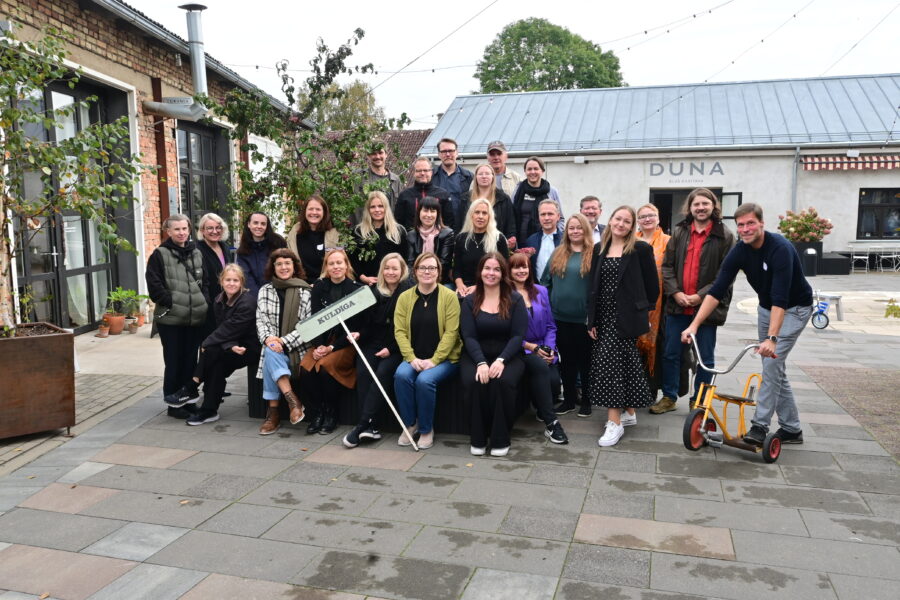
This question brought Programme Objective 7 projects to Kuldīga, Latvia, on 29 and 30 September 2026 for the workshop and networking event From Project to Practice – Making Public Service Improvements Last. Participants shared experiences, discussed common challenges and explored how project results can continue benefiting people after projects end.
The event combined peer learning, practical demonstrations and group work. The focus was not only on success stories, but also on lessons learned from challenges and setbacks.
Learning by doing
Project demonstrations showed what lasting public service improvements can look like in practice.
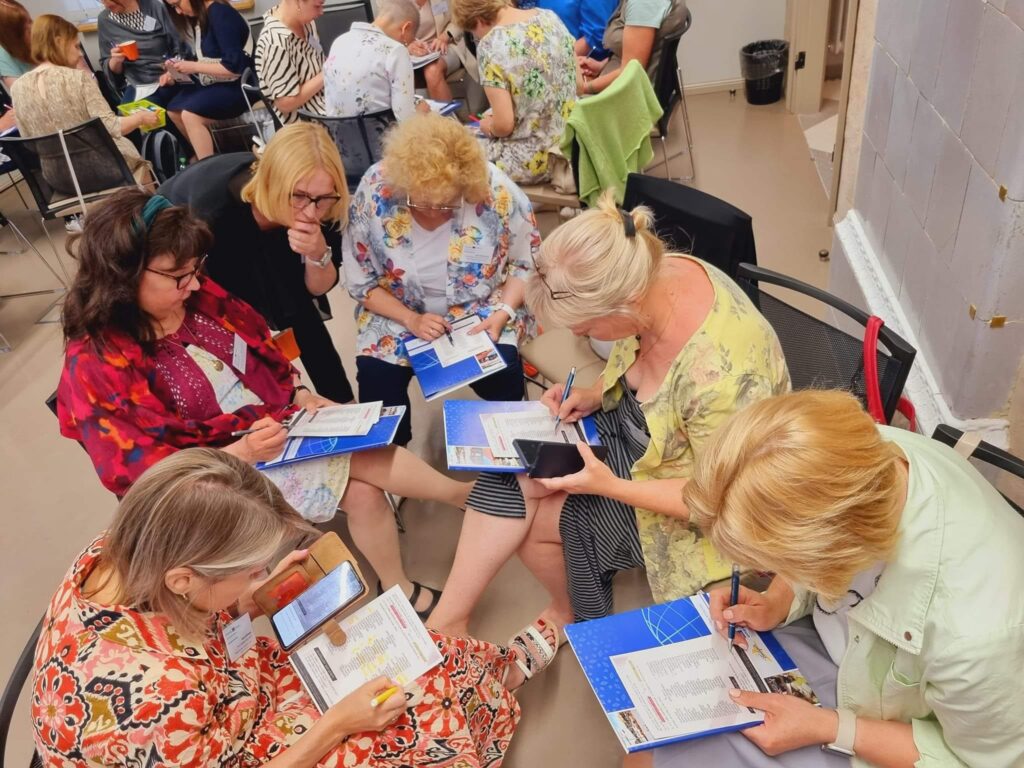
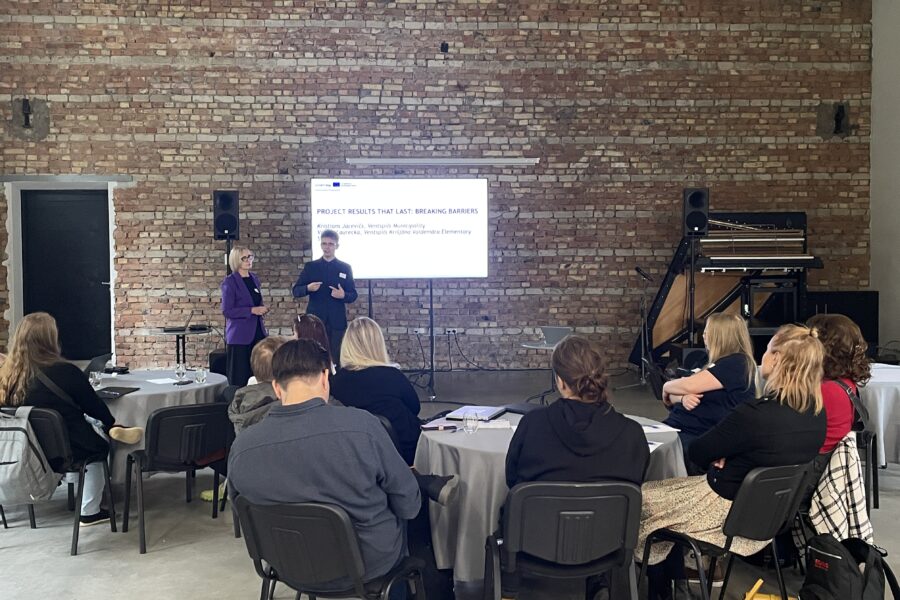
The small project BREAKING BARRIERS presented a result that continues to support inclusive education in Ventspils and beyond. Its jointly developed guidance for teachers and parents remains in use several years after the project ended.
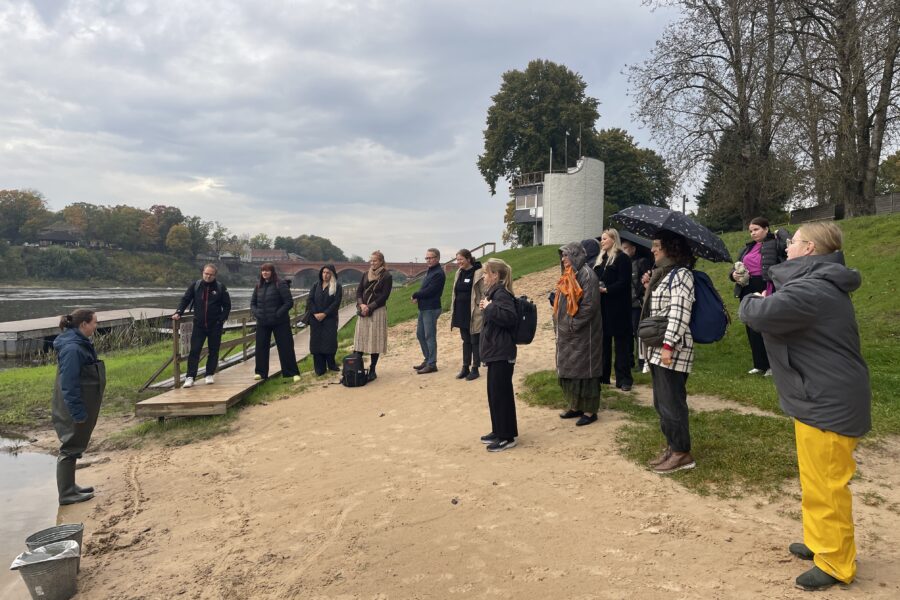
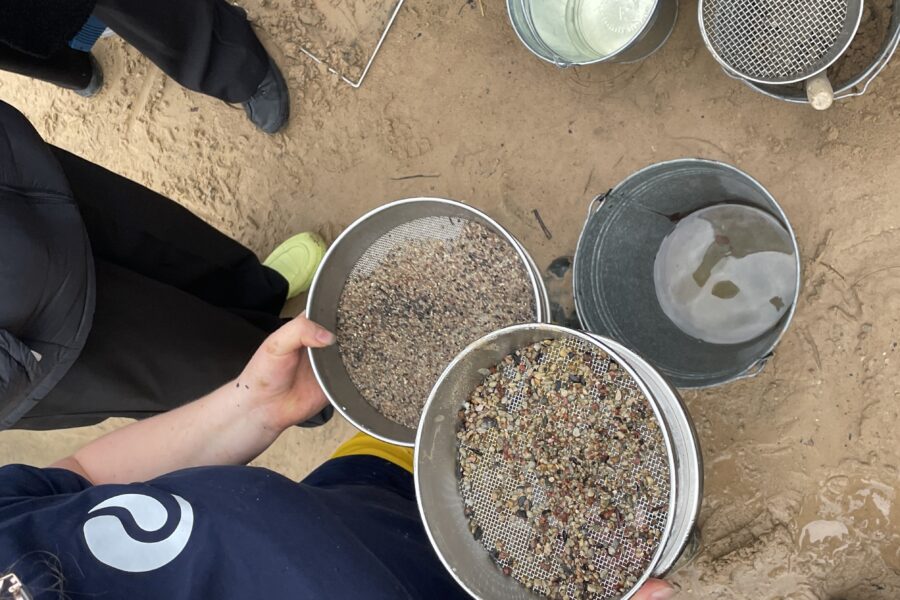
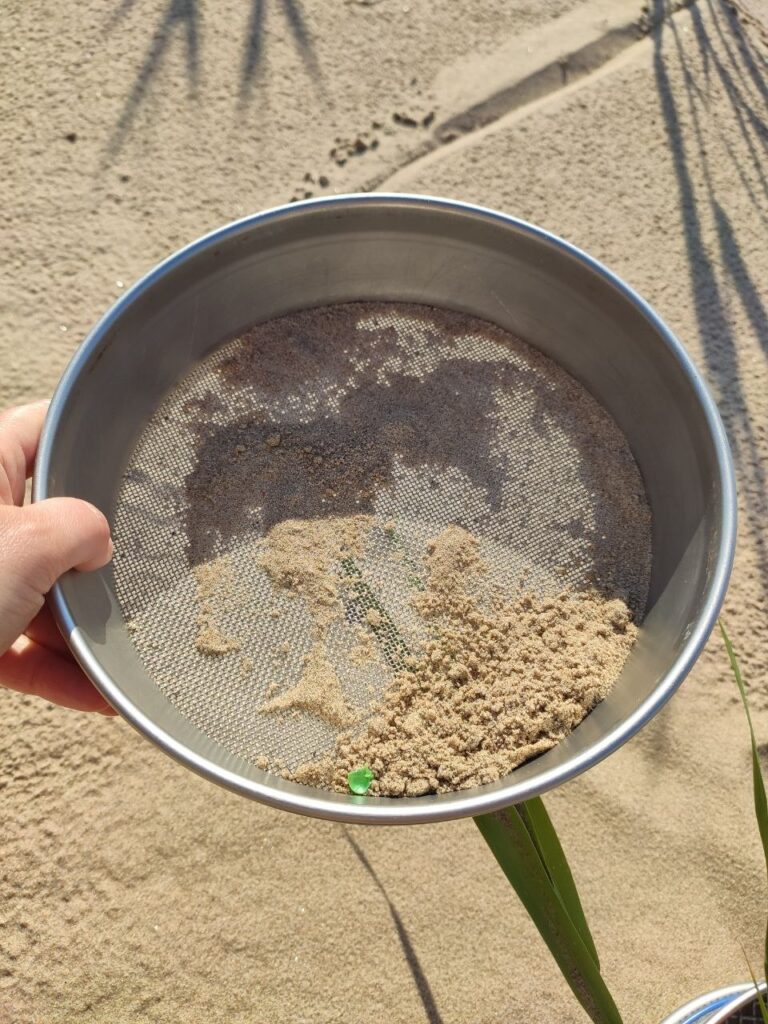
CLEAN BEACH introduced participants to an easy method for collecting microplastic samples. The project’s sampling kits combine citizen participation and digital tools, making environmental monitoring more accessible.
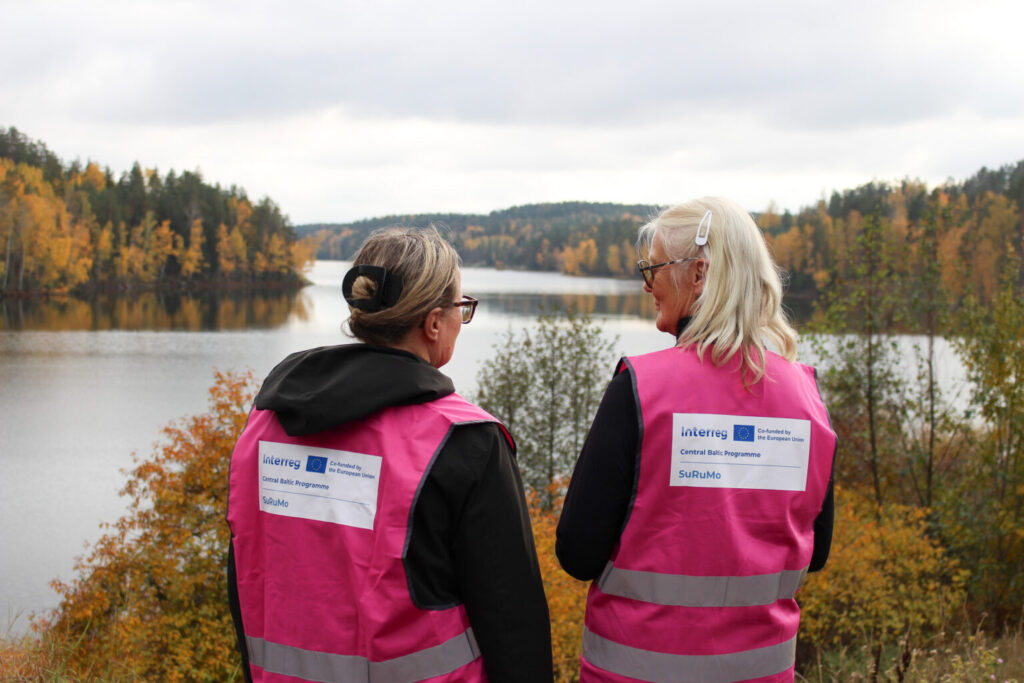
SuRuMo (Sustainable Urban Mobility) demonstrated its on demand transport service developed in Latvia’s Kurzeme region. Participants tested the service themselves and experienced how flexible transport can respond to local needs.
These examples highlighted a shared lesson: project results create lasting value when organisations continue using them and people benefit from them in practice
Involve people from the start
A recurring message throughout the workshop was the importance of engaging users and stakeholders early.
Participants highlighted that direct contact, personal invitations and face to face meetings often work better than broad communication campaigns. Involving people during planning helps projects understand real needs and build ownership from the beginning.
The group exercise “Walk in Their Shoes” encouraged participants to view services from the user’s perspective. Different groups need different ways to get involved, and projects should make participation as accessible as possible. This includes considering language needs, interpretation and communication support from the outset.
Plan for the long term
Participants also reflected on what helps project results continue after funding ends.
Strong partnerships, trusted local networks and committed individuals help projects reach users and maintain momentum. Clear roles, agreed responsibilities and regular communication make cooperation easier and reduce misunderstandings.
The discussions also highlighted the importance of continuity. Staff changes and shifting priorities are common in long projects, which is why knowledge should be documented, shared and accessible within partner organisations. Long term success depends on making sure expertise does not depend on a single person.
Lasting improvements depend on people
A clear message emerged from the discussions was that lasting public service improvements are built with people, not only for them. When users are involved early, partnerships remain strong and responsibility for results is clear, project solutions are more likely to continue making a difference long after the project has ended.