
AI use is widespread in companies, but few see significant business benefits. What makes the difference?
Around 90% of organisations use artificial intelligence in at least one business function, yet only 6% have seen an impact of more than 5% on operating profit. Why do so many AI initiatives fail to progress beyond experimentation, and how can companies identify ideas that are genuinely worth developing?
These were among the questions addressed by Mika Aho, CEO and co founder of the Finnish company Data Design, at the RAISE AI Idea Day held at Tehnopol (Estonia) on 3 November 2026.
The hybrid international event brought together companies and experts from Estonia, Latvia, Finland and Sweden to explore the practical use of AI in business and, in particular, what it takes to turn AI development into measurable business results.
In his keynote, Where AI Really Is in 2026 and How to Spot the Use Cases Worth Building, Aho looked at the current state of artificial intelligence, the main challenges companies face when developing AI solutions, and how to turn a promising idea into a workable and commercially viable solution.
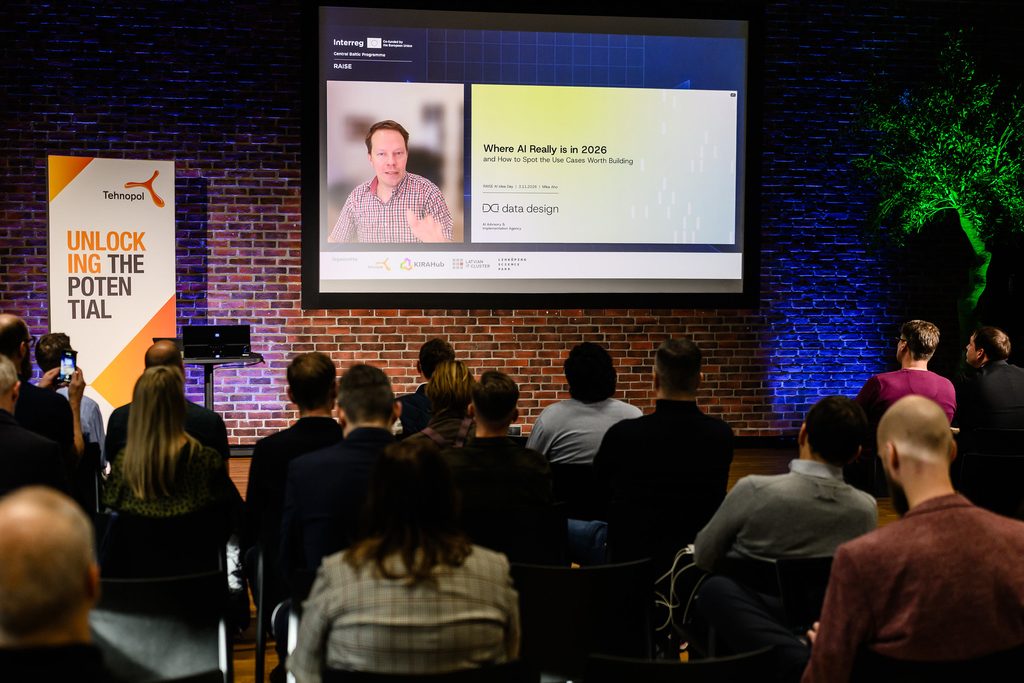
Using AI does not automatically lead to business success
According to McKinsey research presented by Aho, around 90% of organisations use artificial intelligence in at least one business function. However, only 37% have seen an impact on operating profit, and just 6% have achieved an impact of more than 5%. According to Aho, AI projects often run into difficulties before development even begins because companies have not defined the problem they want to solve precisely enough. Without clear objectives and metrics, it is difficult to assess whether the resulting solution actually delivers value.
“Everybody can be a product manager these days. The question is not whether we can build it, but whether we should build it,” Aho emphasised.
Another common challenge is the quality and availability of data. An initial prototype may work well, but integrating it into a company’s existing systems can prove more difficult than expected. Companies may also discover that the data they need is incomplete or fragmented.
“Many AI projects are data projects in disguise,” Aho noted.
A third challenge emerges during implementation. A technically functioning AI solution may not make business sense if it is expensive to operate, its outputs require constant checking, or employees do not adopt the new way of working. The success of an AI project therefore needs to be assessed across the whole business process, not simply by whether the technology works.
How can companies identify AI ideas worth developing?
An analysis of around 150 AI ideas presented by Aho showed that more than half focused on making existing work processes more efficient. A common aim was to automate repetitive tasks, such as preparing quotations. While such solutions can save time and reduce costs, they may not provide a lasting competitive advantage.
Aho saw greater potential in solutions that help companies make better use of their existing data, understand the causes of problems and make better informed business decisions. Here, however, poor data quality or limited access to the necessary data can become a major barrier. He also emphasised that rapid technological development does not mean AI can already manage every complex workflow independently. For example, if an AI agent has to complete ten consecutive actions and each has a 95% probability of success, the probability of completing the whole sequence without error falls to around 60%.
More complex AI solutions therefore need checkpoints, validation and the possibility of human intervention. Similarly, time saved through AI does not necessarily translate into actual savings. If AI produces a document in a few minutes but an employee then spends as much time reviewing it as they would have spent preparing it themselves, much of the expected benefit disappears.
Aho recommended assessing AI ideas by asking three questions:
- Does the solution address a real and measurable problem?
- Is it commercially viable to develop?
- Does the company have the necessary data and technical capabilities?
Based on his analysis, AI projects that successfully reach practical implementation tend to share four characteristics: a clearly defined business problem, accessible data, a clearly identified person responsible within the company, and a clear understanding of who will use the solution and what value it will create.
The greatest potential, however, may lie beyond automating existing activities. Aho pointed out that AI can enable companies to develop entirely new services and business models. For example, AI may allow a company to sell customers a specific outcome rather than working hours, with its pricing model redesigned accordingly. Companies looking for a lasting competitive advantage should therefore consider what new value they could create by combining their own data, industry expertise and artificial intelligence.
Companies from four countries shared their AI experiences
Alongside Aho’s keynote, company representatives from four countries shared their experiences at the AI Idea Day.
- Andris Voitkans from Latvian company Groglass, which develops and manufactures anti reflective glass coatings, shared the company’s experience of using AI.
- Mark Sorsa-Leslie from Finnish company Auttaa AI presented how AI can automate property management processes and support data informed decision making.
- Mattias Engström from Swedish company Augurium discussed using AI to accelerate product development, including the use of local language models and the importance of data protection and information security.
- Ralf Ellervee from Estonian company Ethos presented how the company uses AI to interview people about their lives and turn their stories into personalised books.
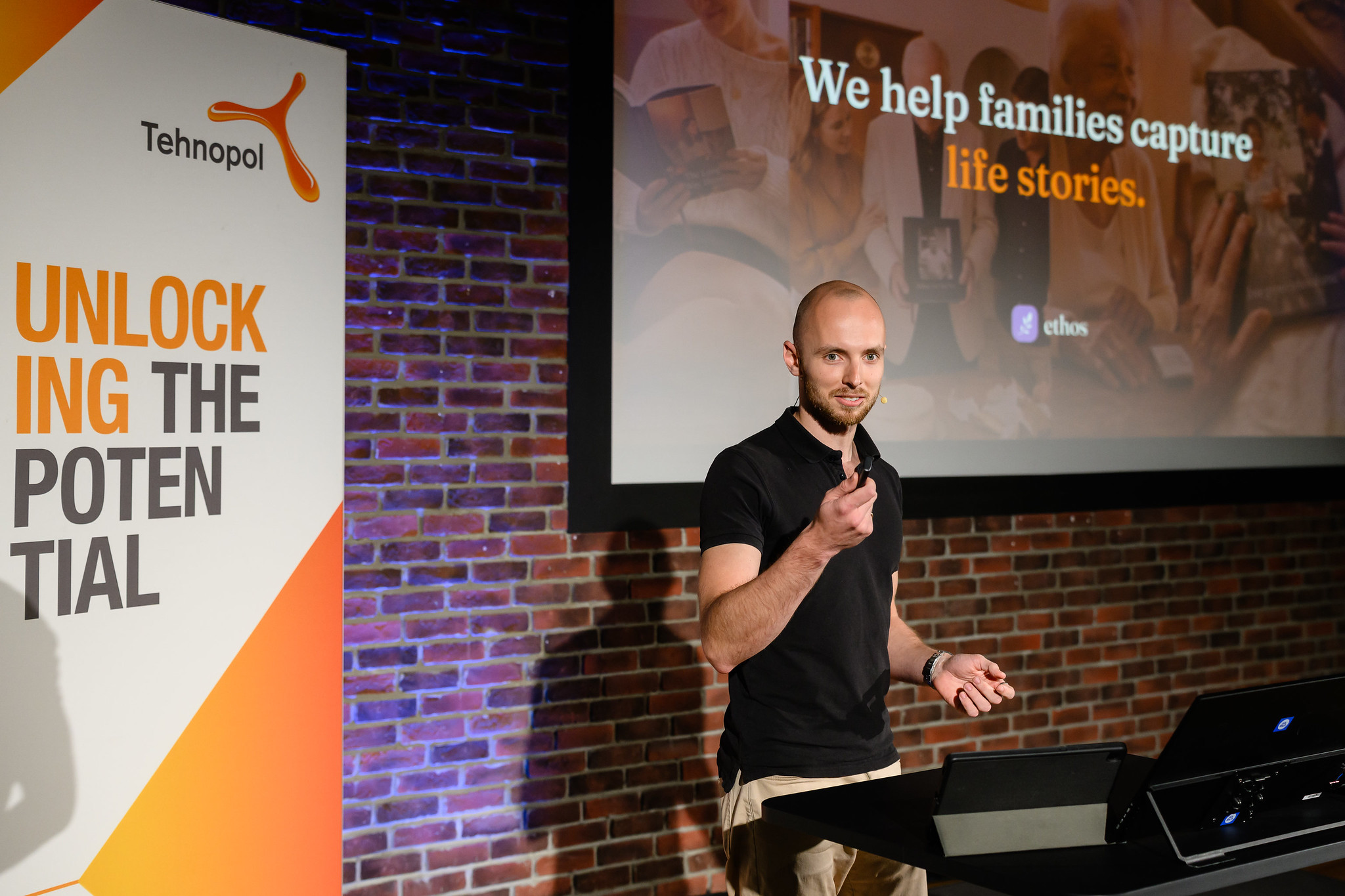
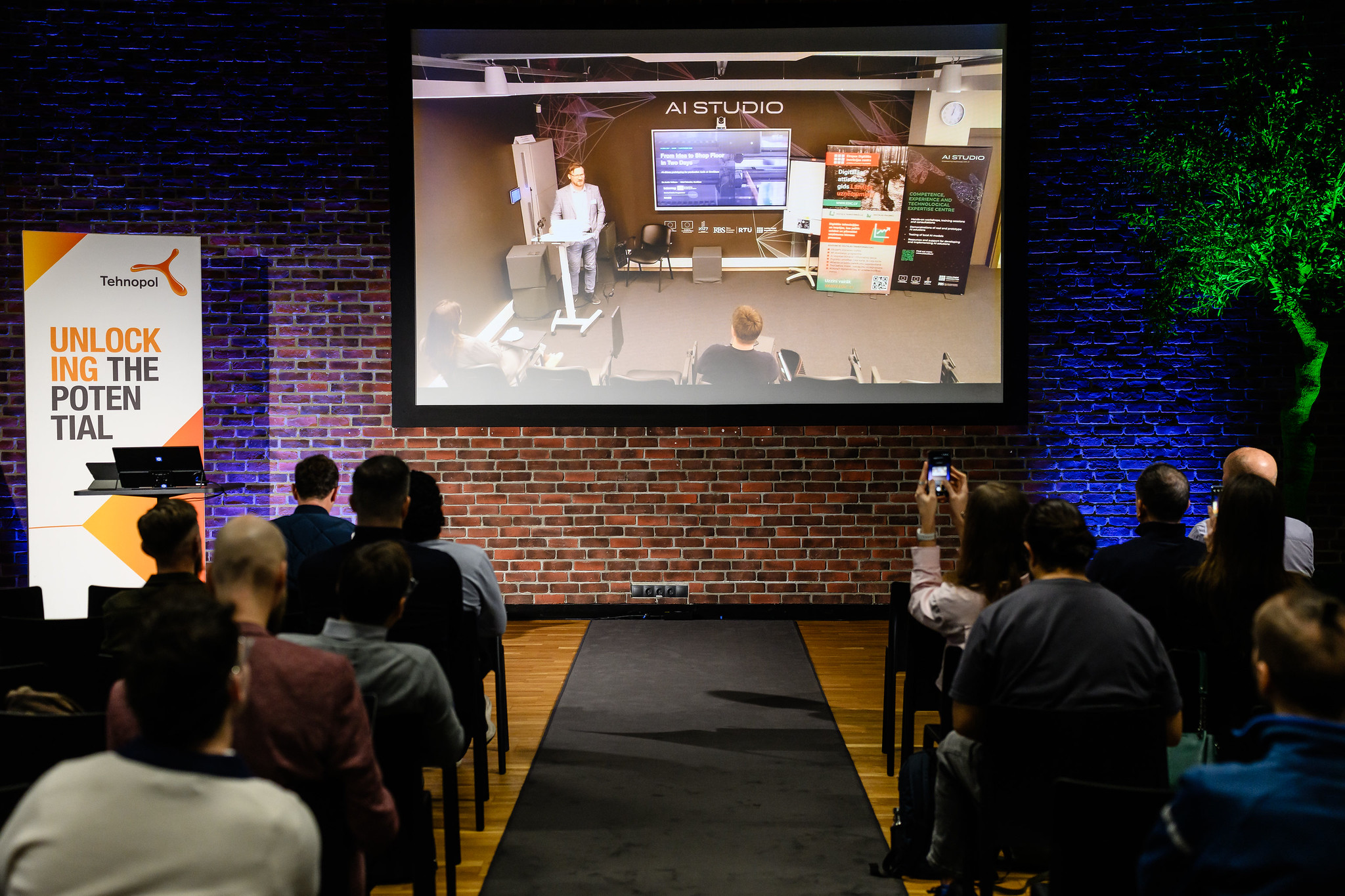
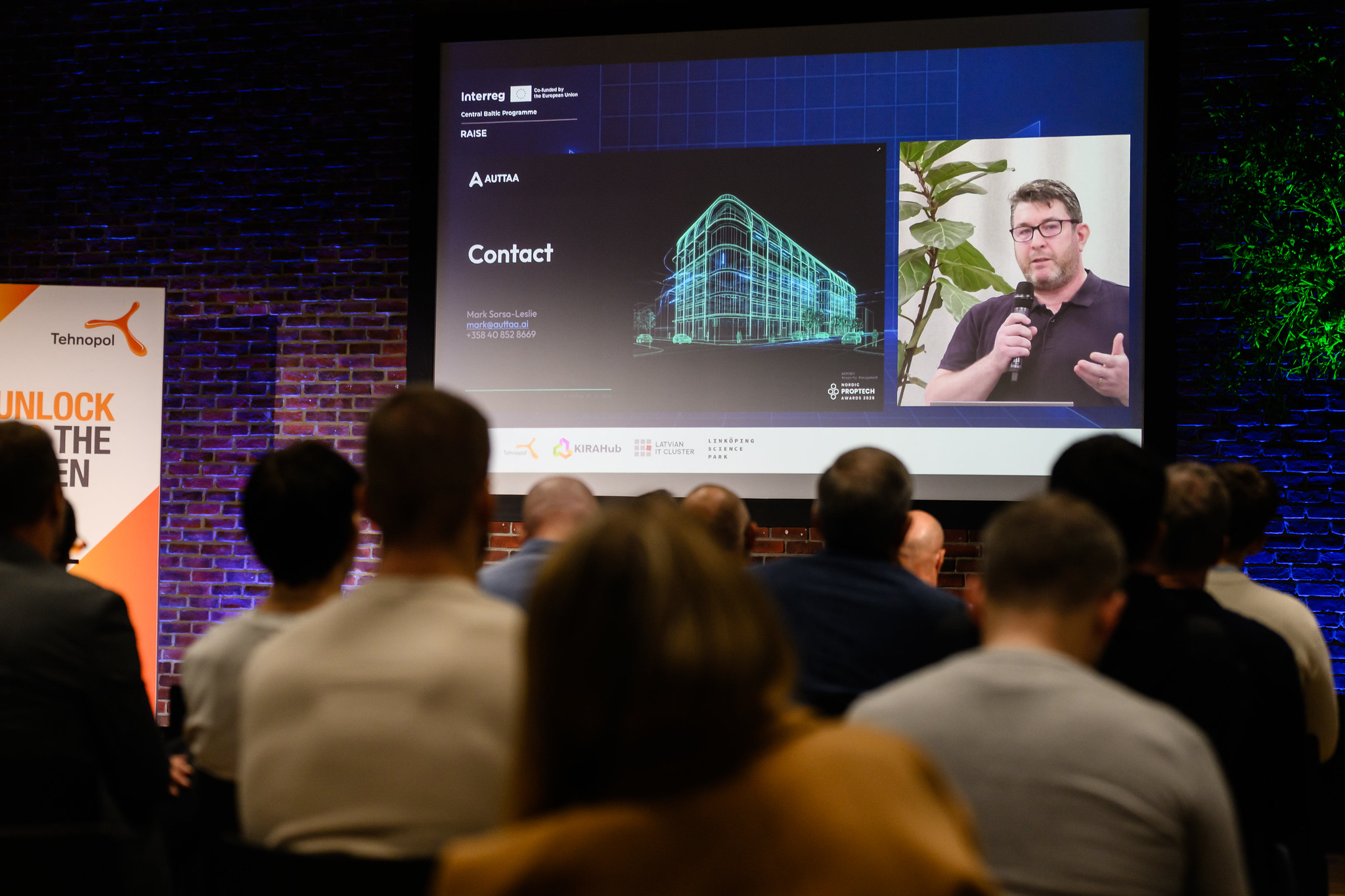
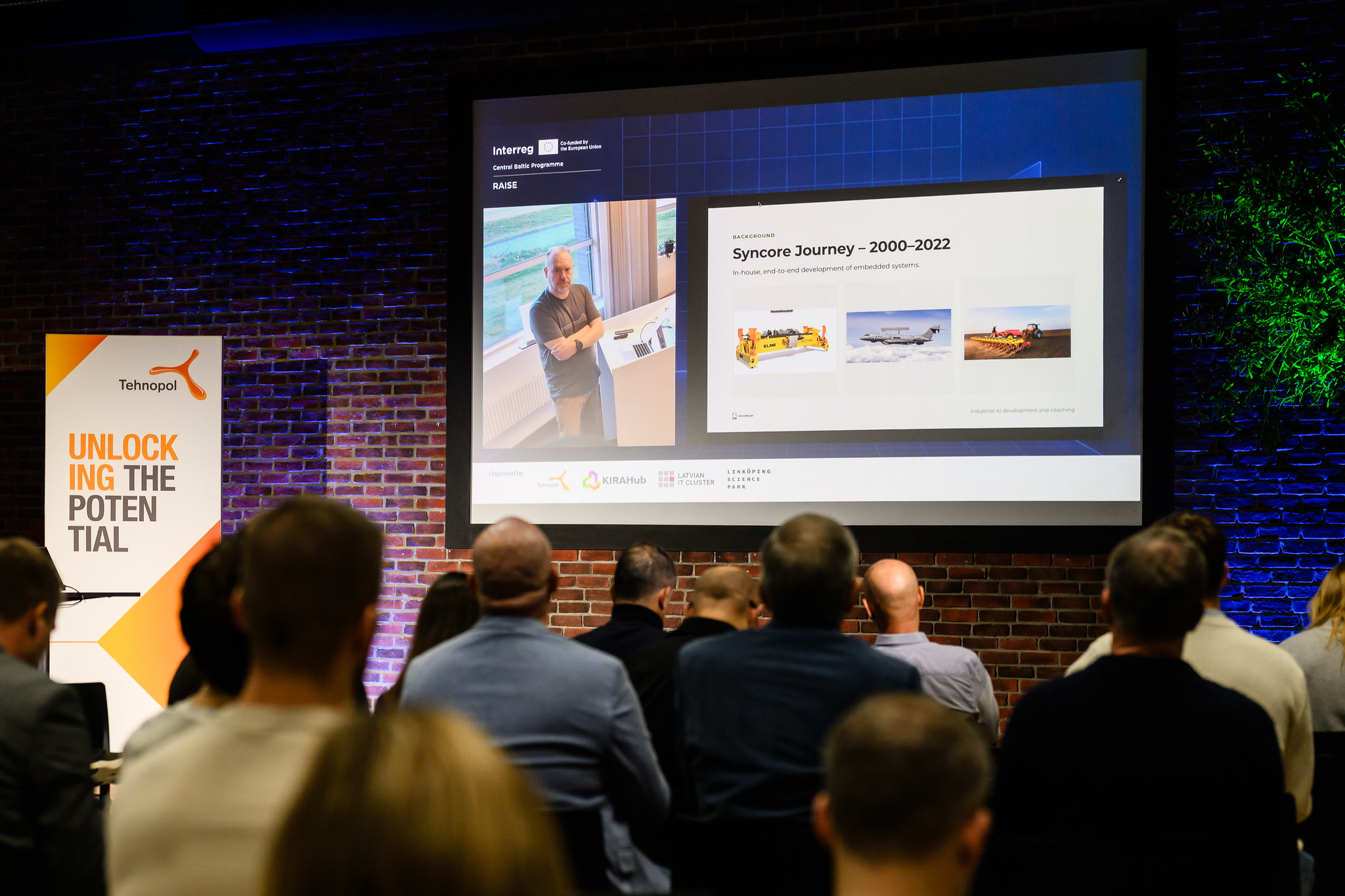
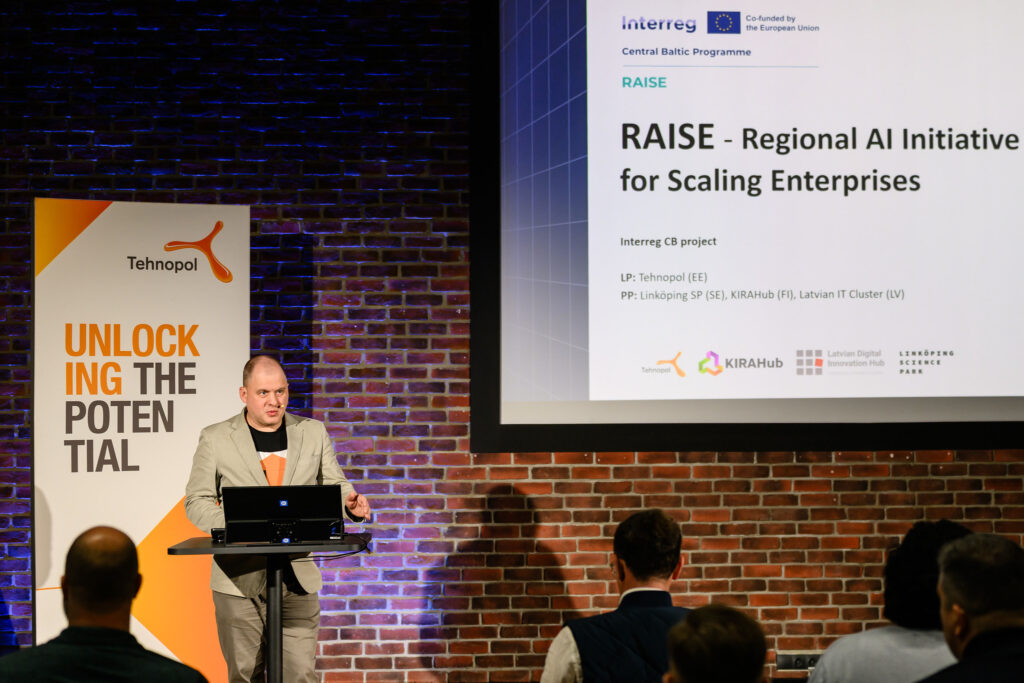
The RAISE growth programme was also presented during the event. Participants had the opportunity to discuss the technical feasibility and business potential of their AI ideas, as well as possible next steps, in individual mentoring sessions.
RAISE helps companies turn AI ideas into practice
It was particularly encouraging to see so many participants taking the opportunity to book individual mentoring sessions to discuss their AI ideas, explore their potential and consider applying to the RAISE programme for scaling enterprises. RAISE combines mentoring, practical workshops and collaboration with AI solution providers. Companies selected for the scaling programme work with mentors and AI providers to develop and test their AI ideas and assess progress against defined business goals. The project runs two cohorts, with 16 SMEs selected for each cohort.
The AI Idea Day was organised as part of RAISE, the Regional AI Initiative for Scaling Enterprises. The project supports growth oriented SMEs in developing and implementing AI solutions that can contribute to business growth.
RAISE is implemented by Tallinn Science Park Tehnopol Foundation in Estonia, Linköping Science Park in Sweden, Latvian IT Cluster in Latvia and KIRAHub in Finland.
The project is co funded by the European Union through the Interreg Central Baltic Programme 2021–2027.
Applications are open until 20 November 2026. Explore the RAISE programme and submit your company’s AI idea.
Disclaimer: This article includes editorial input and observations from Kersti Valde-Komp, based on notes taken while attending the event. It also draws on information available on the Tehnopol website as of 5 November 2026.