Swedish project partners gathered in Stockholm for the 2nd networking meeting
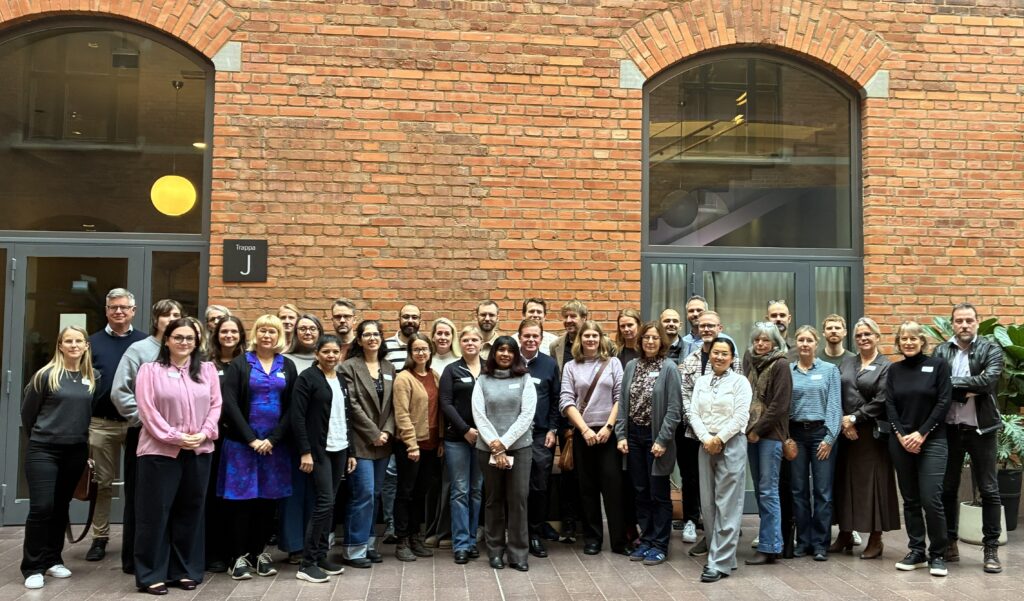
Discussions, new ideas, inspiration, and plenty of positive energy – these were the ingredients of the second networking meeting for Swedish partner organisations involved in Central Baltic projects. At the invitation of the National Contact Points, around 40 people met in Stockholm on a sunny day in October.
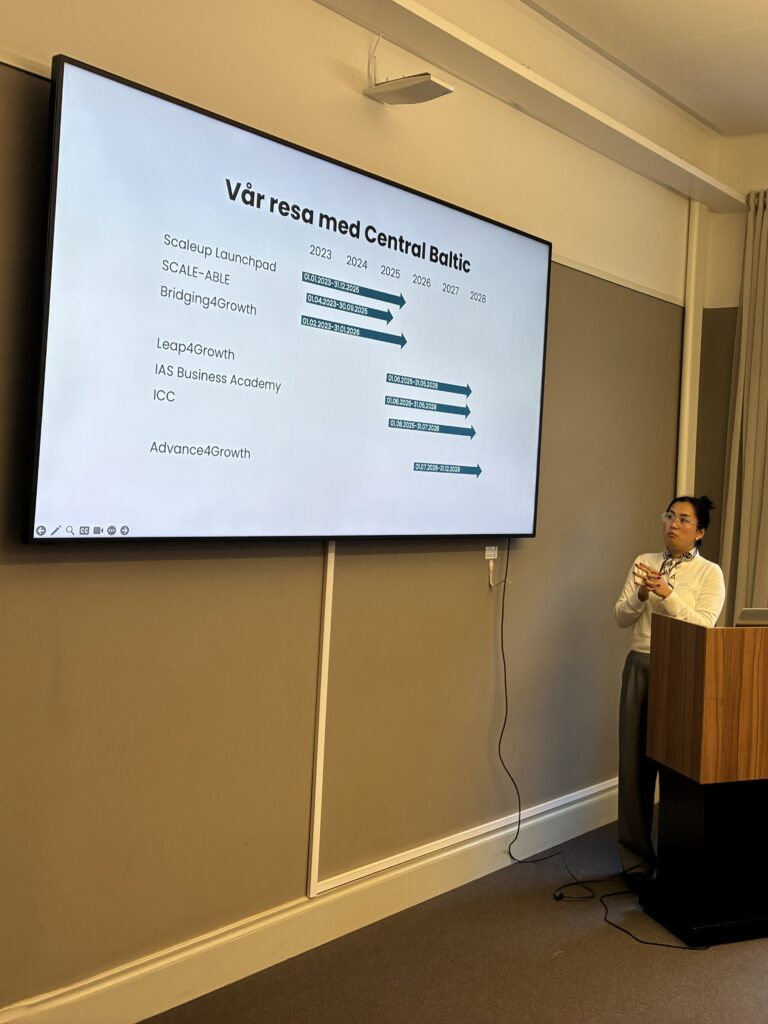
To set the stage for the day, three project partners offered insights into their work. Having been involved in a record seven CB projects since 2023, Norrköping Science Park has gained extensive experience in cross-border cooperation. Project Manager Klara Ewald explained how the Business Development projects enrich her organisation´s activities while complementing each other. While three projects have ended, Leap4Growth, IAS Business Academy, IAS Business Academy and Advance4Growth are currently running in parallel.
The journey has not always been straightforward. Klara openly shared some of the challenges that encountered along the way and the lessons learned for future projects. Some of her advice was to:
- be clear about strategies, activities and objectives,
- meet partners regularly,
- delegate tasks within the partnership,
- involve regions, municipalities and other relevant stakeholders in one’s projects.
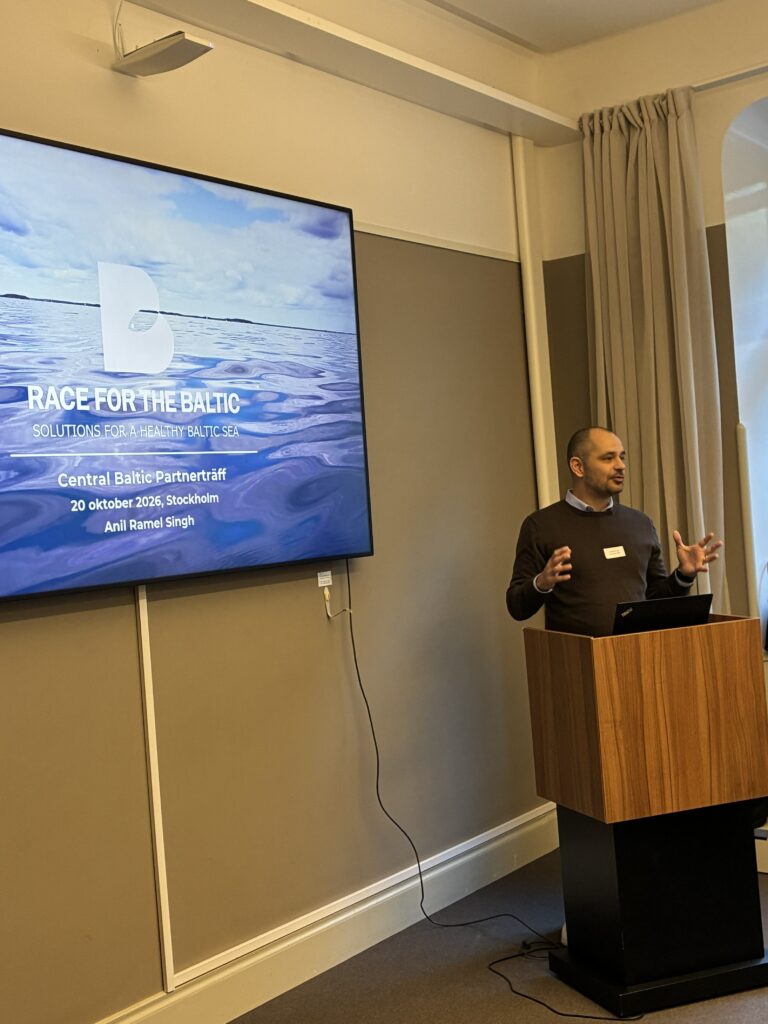
Anil Ramel Singh presented Race for the Baltic´s three projects. BalticReed and the follow-up ReCreateBiobased focus on reed – from harvesting reed beds to remove nutrients from eutrophicated coastal areas to developing and commercialising innovative reed-based products. The third project, Resilient Sea, aims to scale up coastal restoration and restore shallow marine bays to strengthen ecosystems. Key to all three projects are strong, experienced partnerships with a clear vision.
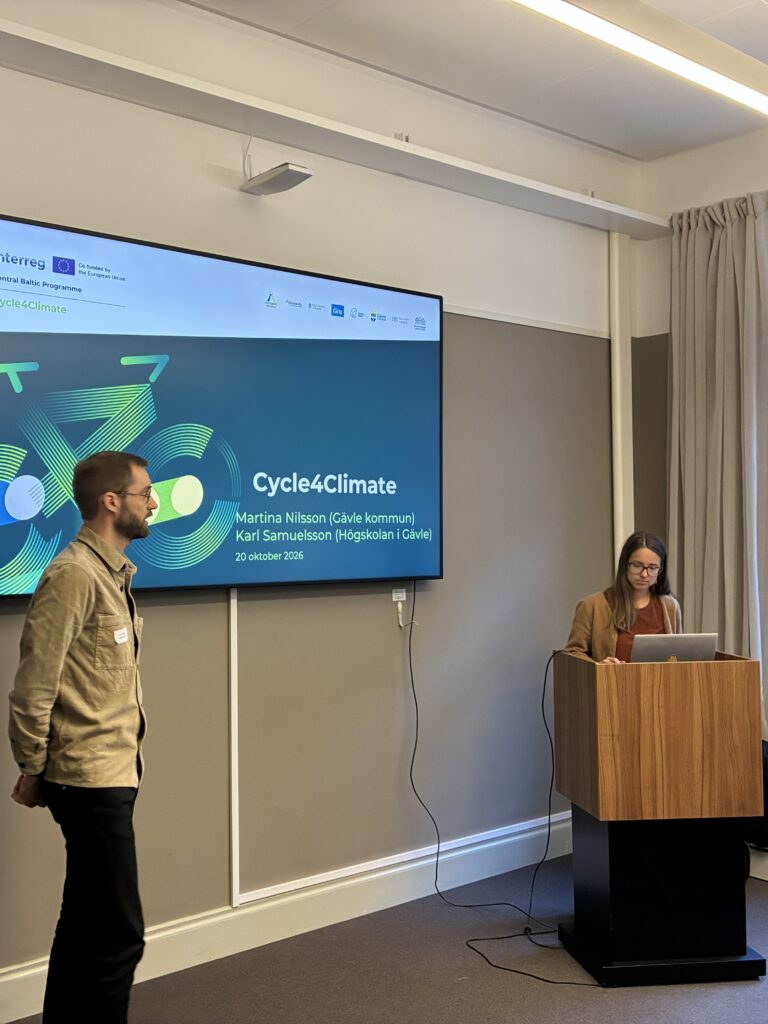
Karl Samuelsson (University of Gävle) and Martina Nilsson (Gävle Municipality) provided an overview of Cycle4Climate. The project aims to reduce CO2 emissions by encouraging people to cycle more and leave the car at home, with activities focusing on four cities in Sweden, Finland, Estonia, and Latvia. To ensure effective collaboration between all eight partners, Karl and Martina highlighted the importance of clearly defined roles, regular meetings, and the involvement of all partners in all parts of the project.
Following these inspiring presentations, participants had the opportunity to exchange experiences and best practices, explore new ideas and even discuss potential new partnerships. Ultimately, the real value of EU-funded projects lies in the lasting change they can bring about. Participants therefore reflected on how their project results can generate positive, long-term and sustainable impacts and benefits.
As the current programming period 2021-2027 gradually draws to a close, and no further calls for proposals area planned, attention is turning towards future funding opportunities. Preparations for the 2028-2034 period have just begun.
Maria M. Eriksson, representing the Ministry of Rural Affairs and Infrastructure and serving as a member of the Joint Programming Committee, outlined the key principles and the timeline for this process. If all goes according to plan, we will have a clearer picture of the future direction of Central Baltic by this time next year. Following Maria´s presentation, participants reflected on the current programming period and discussed ideas and suggestions for the 2028-2034 programme.
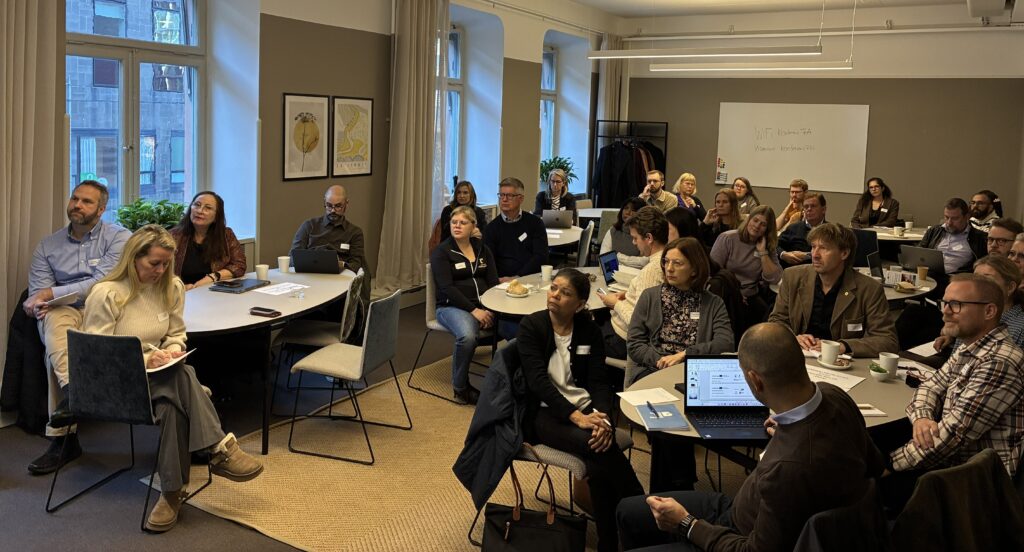
A big thank you to all the participants for your commitment, insightful contributions, and rewarding conversations! We follow your projects with great interest and look forward to meeting you again soon.
Presentation materials from the event
Text and photos: Ingrid Meissl Årebo, National Contact Point Sweden, 4.11.2026