

VINCE
The aim of VINCE is to develop and improve public integration services for migrants. We want to transfer the services into the virtual, digital world.
Project activities:
The project will develop among other things:
- Create a virtual platform.
- Integrate various digital services into the platform.
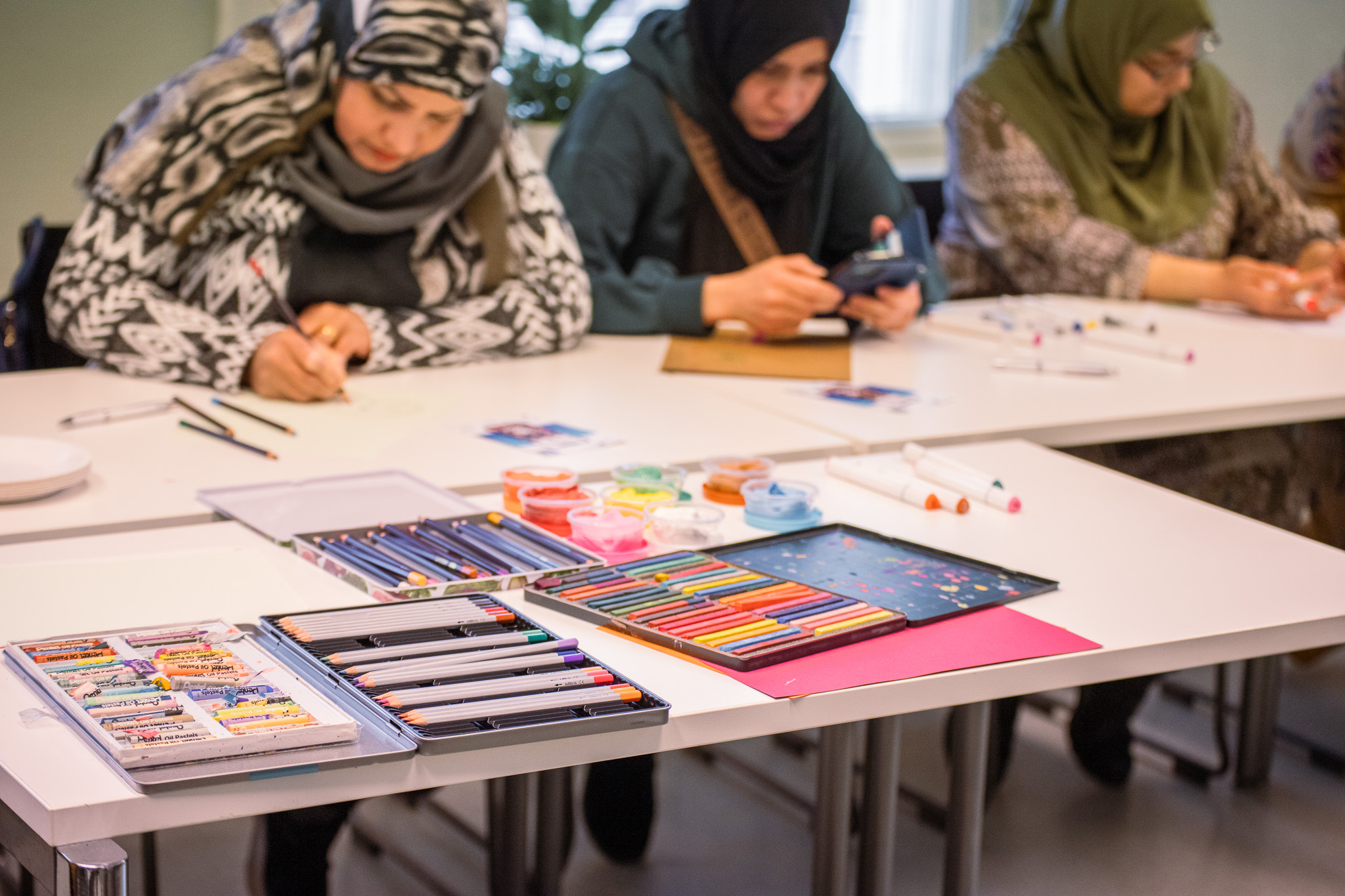
- Involve migrants in the development activities.
- Improve cooperation between partners.
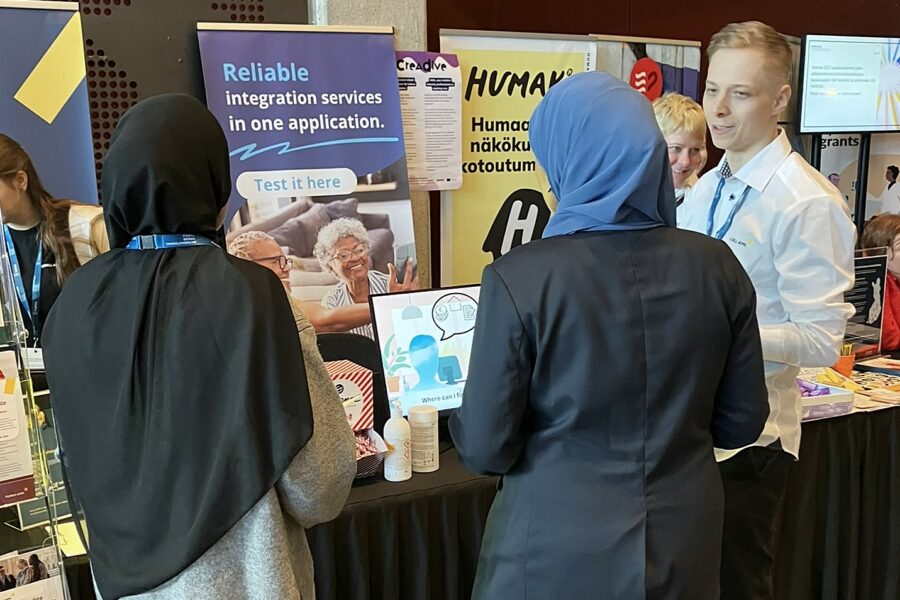
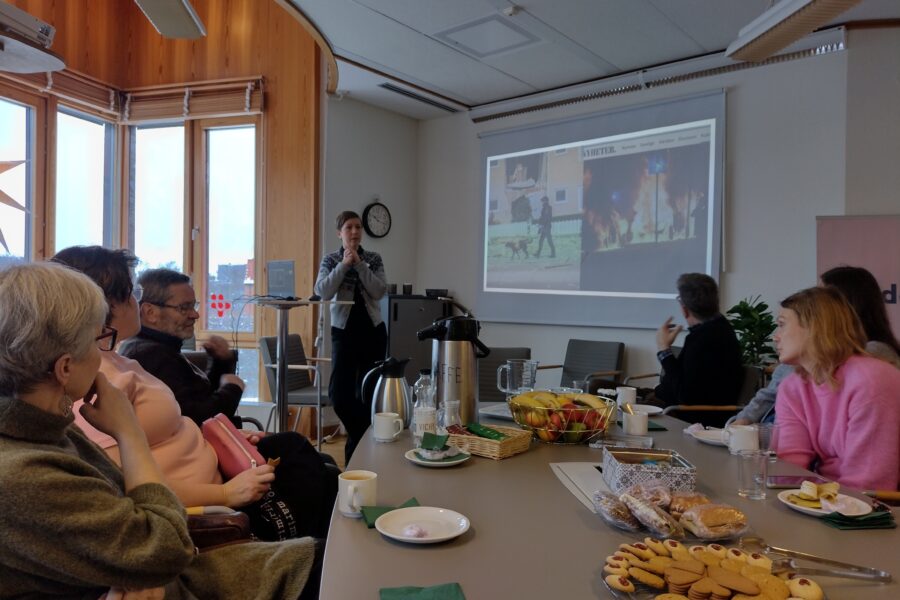
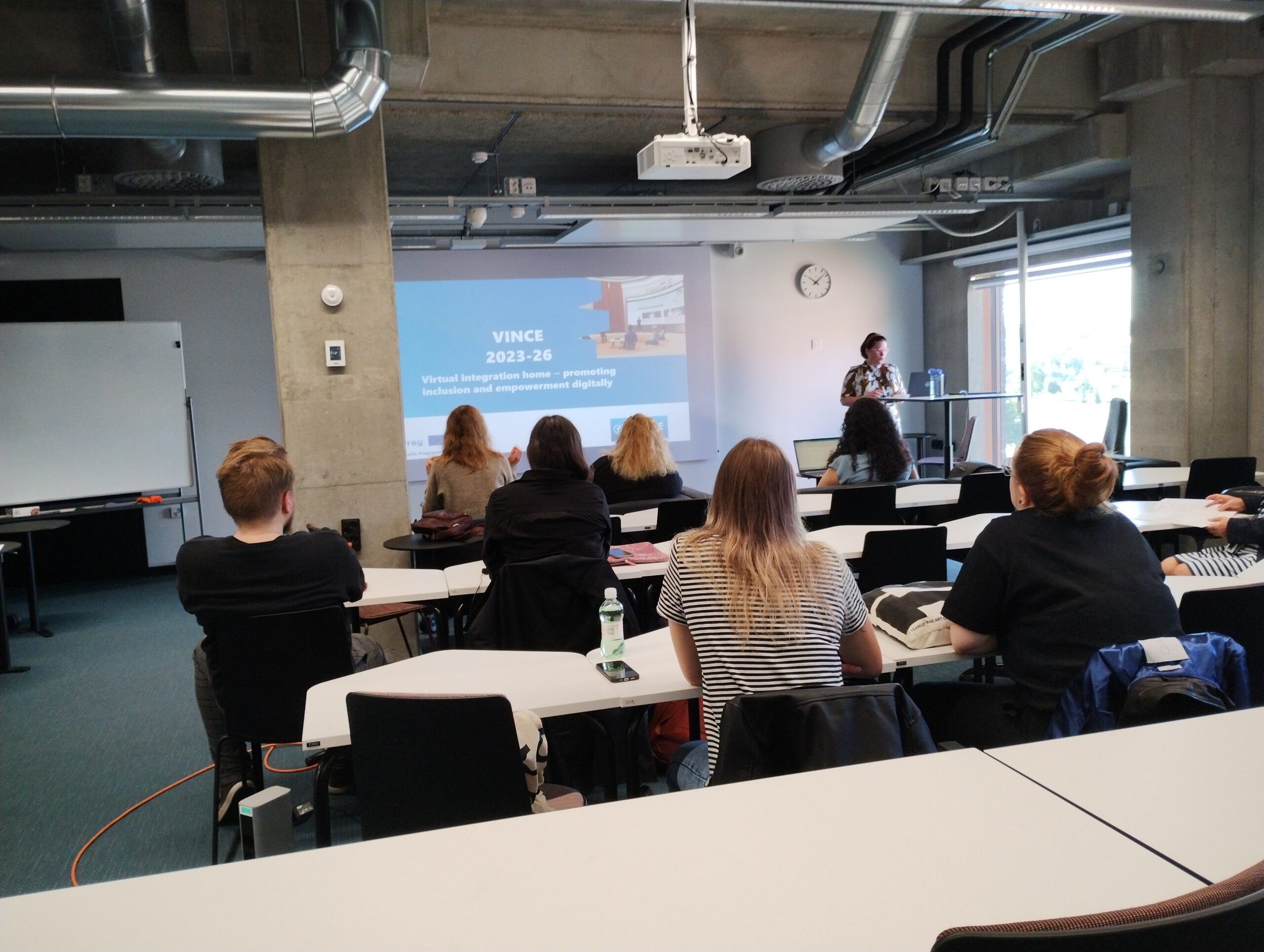
The project implements seminars and events that reach out to organisations that serve migrants. Service providers are informed about the possibilities of digital services in both Finland and Sweden.
Results
From shared challenges to a common vision
Initiated in March 2021 by Swedish and Finnish partners, the VINCE project responded to the accelerated digitalization during the covid pandemic and the growing digital accessibility gaps it exposed. Migrants were particularly affected, facing structural barriers that limited their participation in an increasingly digital society.
In response, the project set out to create a digital “home” for migrants: a simple, accessible, and welcoming platform designed to support empowerment, learning, and participation while strengthening digital skills and confidence in a new country.
Regional context and emerging needs
In both Sweden and Finland, increasing migration following the European refugee crisis intensified the demand for flexible and modern integration services. At the same time, the pandemic disrupted traditional face‑to‑face support, making it difficult for organizations to reach migrants who relied on in‑person guidance.
This situation revealed two key challenges: limited access to integration services under pandemic conditions and a lack of digital solutions tailored to migrants’ diverse needs, languages, and experiences. VINCE emerged as a response: a digital arena aimed at fostering participation, interaction, and a sense of belonging while ensuring reliable access to integration‑related information.
User‑centred development through cooperation
VINCE developed a multilingual digital platform offering guidance, practical tools, and remote support. Functioning as both an information hub and a low‑threshold support channel, the platform enables migrants to access information about essential services regardless of language skills, location, or personal circumstances.
Cross‑border cooperation was central to the project. Through co‑creation, partners shared expertise, adapted solutions to regional contexts, and ensured that the platform remained genuinely user‑centered and effective in both countries.
Impact to migrants and integration services
The project generated an impact for both migrants and integration service providers. Migrants gained improved access to trustworthy information, increased digital literacy, and a stronger sense of inclusion and participation.
For municipalities and NGOs, VINCE demonstrated how digital channels can complement existing services, extend their reach, and provide continuity of support, particularly when traditional face‑to‑face services are limited or unavailable.
Looking beyond the project
Although the VINCE project has formally ended, its results and lessons continue to resonate. The project showed that participatory, human‑centered digital solutions can meaningfully strengthen inclusion and integration work, offering valuable foundations for future projects, services, and development efforts at both national and international levels.
The VINCE app prototype is finished and ready to be taken into wider use. However, it is not currently offered as a freely downloadable public app. The final delivery package consists of a Windows version, an Android APK installation package, installation instructions, and supporting documentation. The application is distributed directly to organizations rather than through public application stores.
App-store distribution would require compliance procedures, and technical resources beyond the scope of the project. Therefore, the application is made available through a controlled distribution model managed by Turku UAS.
The app prototype can be incorporated into integration services delivered by organizations, but access must primarily be arranged and supervised by the organization providing the service. Organizations that want to take the app into active use need to agree on the costs with Turku UAS before they can start using it.
If you are interested in finding out more about the project and the application, please contact Riina Riihimäki at Turku University of Applied Sciences at riina.riihimaki@turkuamk.fi.
Virtual home
The project used service design as a method to develop the virtual home.
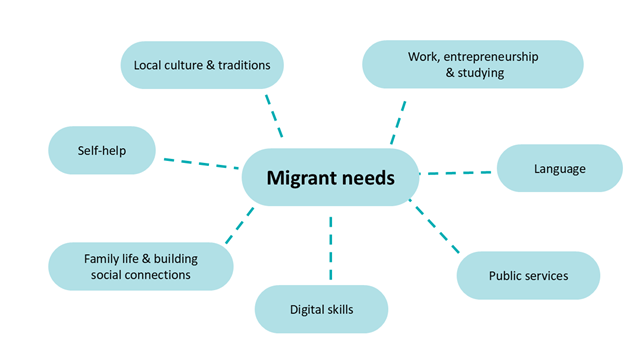
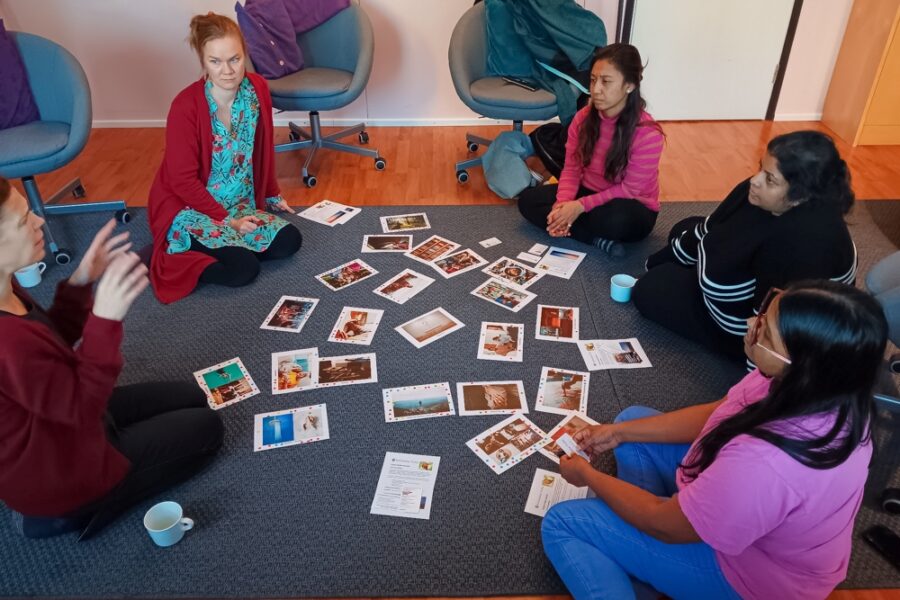
The service design process consisted of five major phases (figure 1). In the first phase, the end-user needs were explored. Based on the screening carried out by the partner organisations, the target group’s needs consisted of topics such as language, digital skills, public services, family life & building social connections, among others (figure 2).
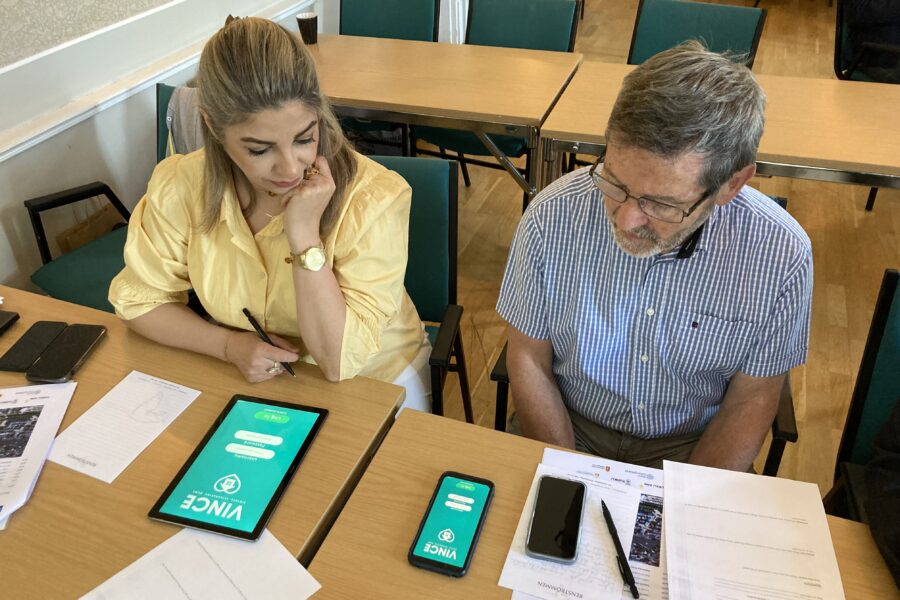
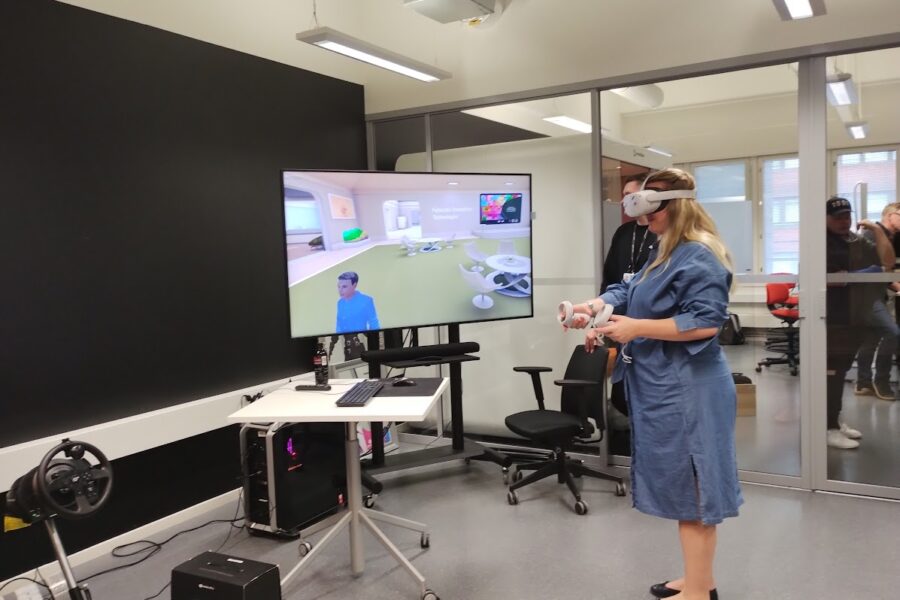
The second phase started with the creation of a virtual model concept. At this point, the vision of developing a joint platform emerged. The third phase then focused on starting the development process of the virtual platform. Initially, the platform was mainly designed for laptop and VR headset use. However, based on the needs and usability requirements of the target group, the consortium decided to abandon this concept. Instead, a user-friendly and cost-efficient mobile application was developed and launched at the prototype stage.
At this point, the testing and gathering feedback from the migrants of the prototype began within the partner organisations. These phases (3-4) continued as an iterative process throughout the project.
Finally, in phase five, the final version of the application (version 0.8.2.) was launched for use by the partner organisations’ users. Overall, the service design process proceeded alongside the technical development, making the development process unique by highlighting a user-centred experience.

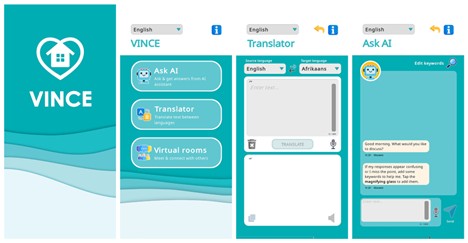
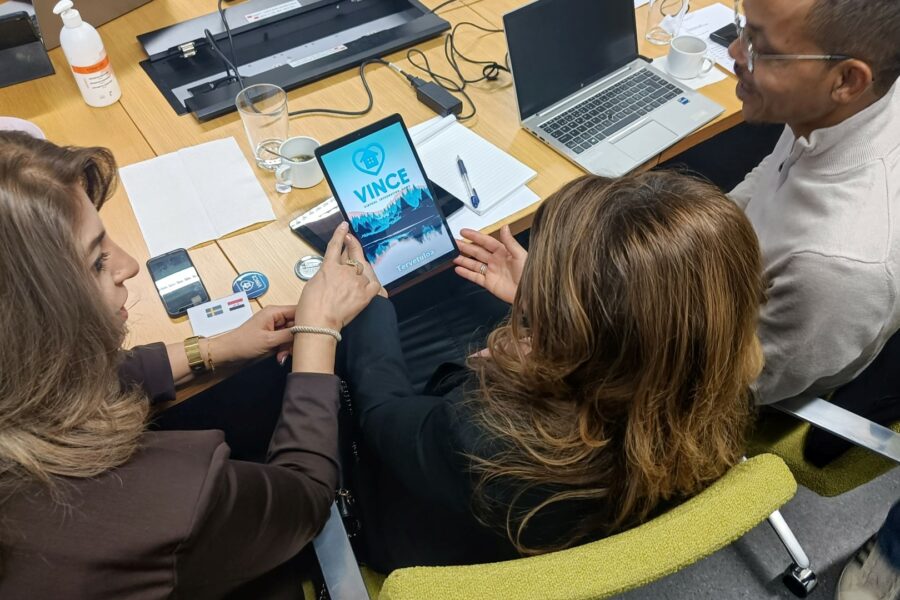
The virtual home that was developed during the project is a mobile application that is designed to provide migrants with easy access to reliable information and language support during their integration.
Its purpose is to offer a safe digital space that complements face-to-face services by enabling users to ask questions, access language tools, and connect with professional counselors in a secure environment.
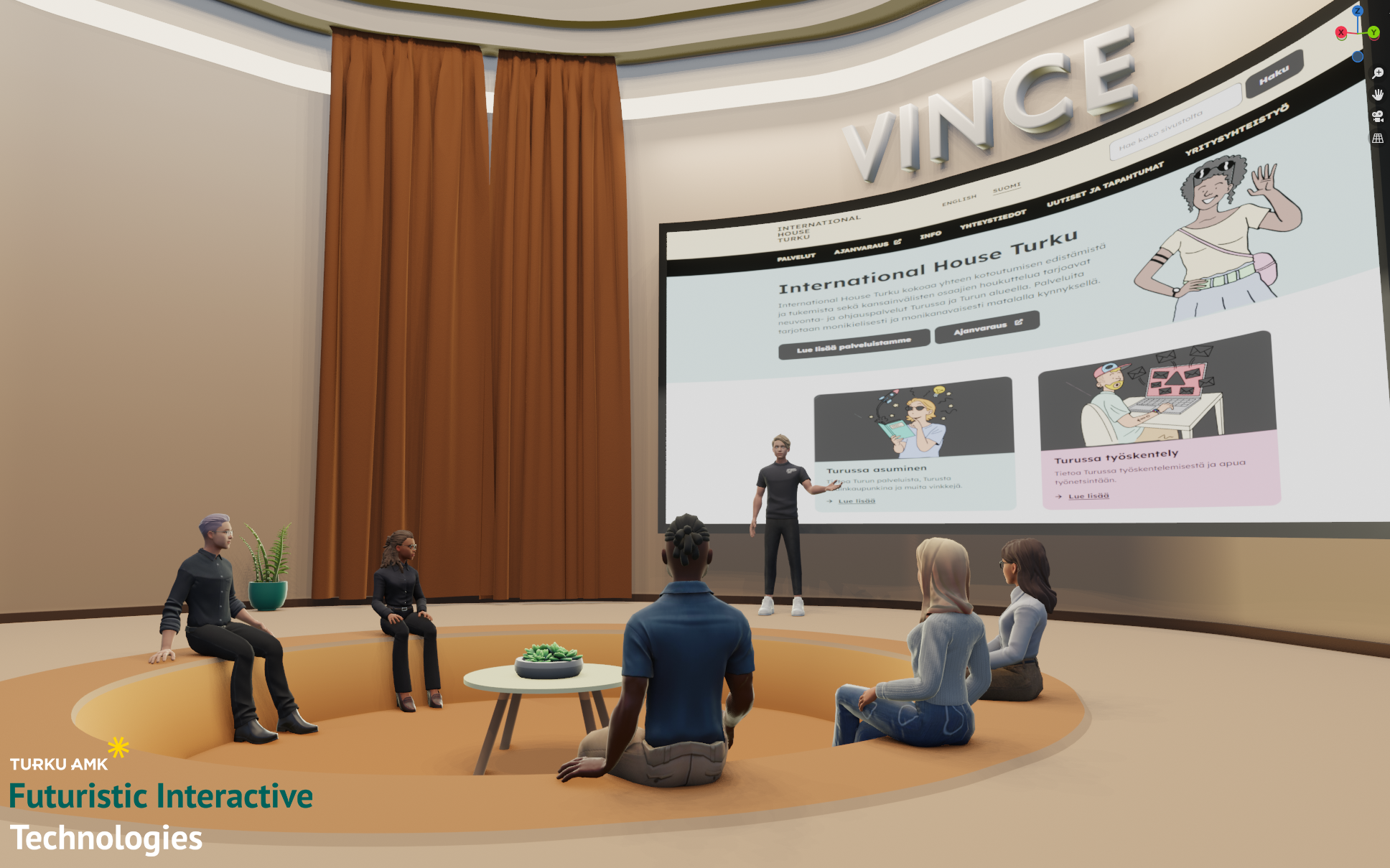
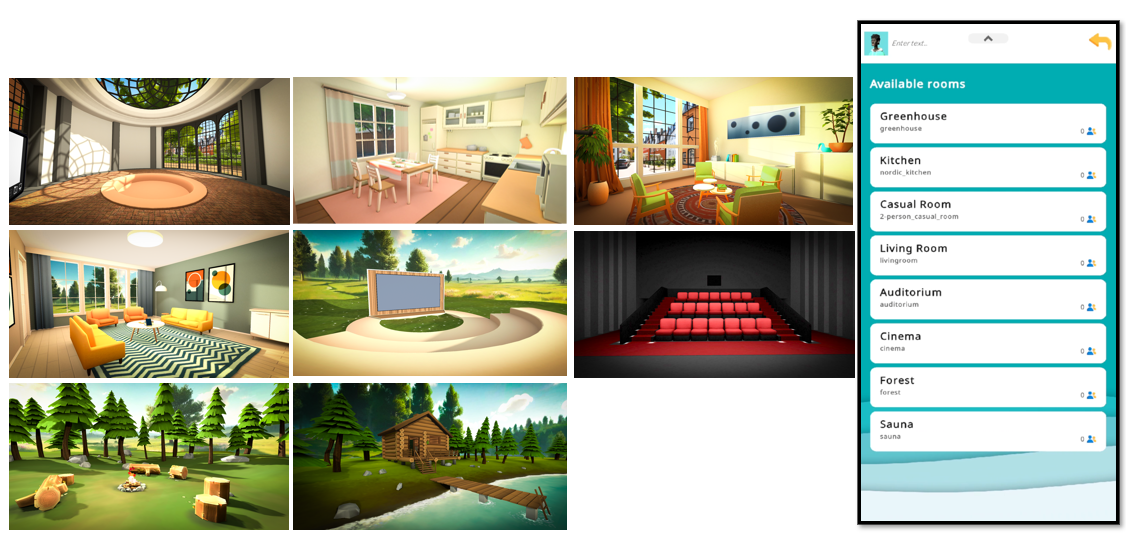
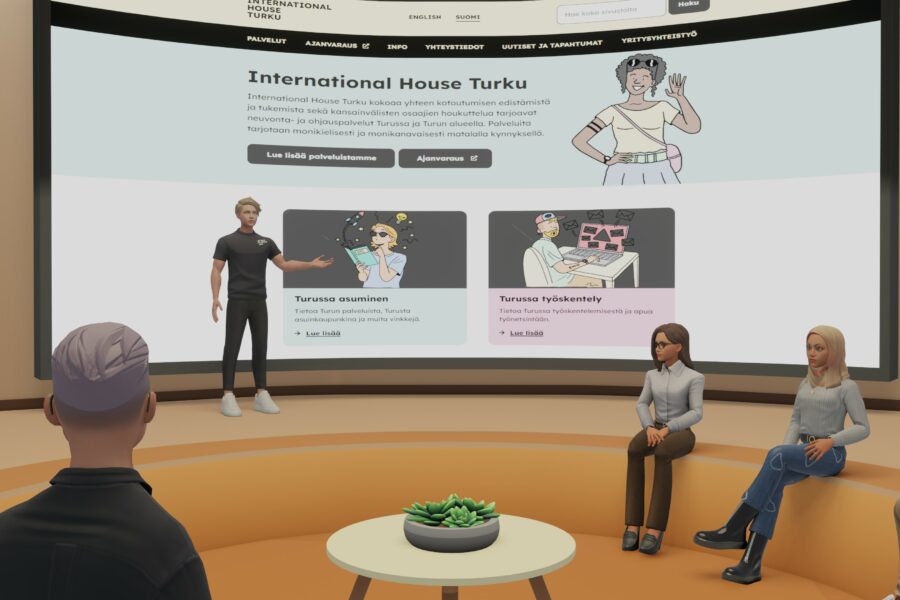
The virtual rooms are digital meeting environments within the VINCE application. It consists of virtual rooms integrated into the platform, designed to support different types of activities related to integration, guidance, and community building.
Rooms for different purposes
The application contains eight rooms, with different sizes and designs. They can be used for different purposes such as group discussions, larger information events, one-to-one, pair, or family counselling sessions. In some rooms, it is possible to display PowerPoint presentations, making them suitable for structured guidance sessions, workshops, or presentations by service providers.
Flexible interaction
Participants can interact with each other either by speaking or by using the chat function, which enables inclusive participation also for those who may feel more comfortable communicating in writing. This flexibility supports different communication preferences and language skills.
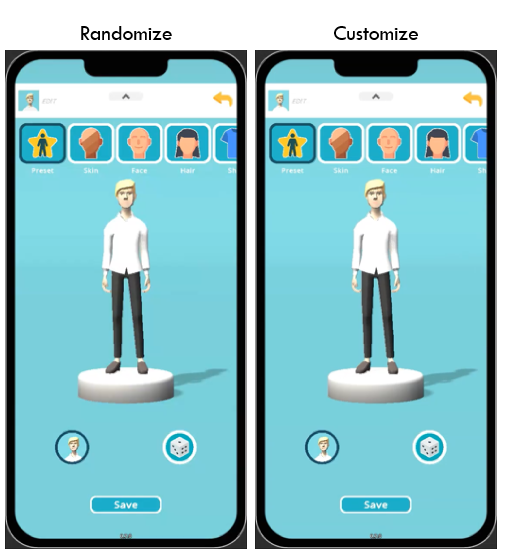
The virtual rooms allow users to look around in first- or third person, move using teleportation or an optional virtual joystick, and interact with grabbable or interactive objects. Communication tools include real-time voice chat and text chat. The user can customize his/her own avatar, which allows for a personalized user experience.
Privacy as a foundation for trust
The application was developed with privacy and full anonymity at its core. It does not collect, store, or transmit any personal user data to its servers. Users are not required to create accounts, share personal details, or identify themselves in any way. The app actively discourages users from entering personal information. Basic preferences, like language settings, are stored locally on the user’s device, without backup or sync to external servers. This means that if the app is uninstalled or the device is reset, this data is permanently lost.
Virtual counselling
Virtual counselling
Counselling on living in Finland
The smaller virtual rooms can be used to support migrants in topics related to everyday life in Finland. Counselling situations may include:
- Guidance on housing, services, and daily practices in Finnish society.
- Information about residence permits, public services, and integration paths.
- Discussions on participation in society, rights and responsibilities, and accessing local support networks.
- Safe-space counselling for LGBTIQ+ migrants, focusing on identity, well-being, and inclusion.
The virtual setting enables confidential, low-threshold counselling regardless of location, and allows for the use of multilingual support and visual materials.

Health-related counselling
The virtual rooms can also be used for health-related counselling sessions provided by professionals. Typical counselling situations include:
- Preventive health guidance and lifestyle counselling.
- Support related to physical or mental well-being.
- Follow-up discussions related to ongoing care processes.
- Information sessions on navigating the Finnish healthcare system.
The virtual environment supports one-to-one counselling as well as small group sessions, enabling interaction, visual explanations, and a calm, private setting for sensitive topics.

Student training counselling situations
Finally, the virtual rooms can be used as a learning and training environment for students of social services. Example counselling situations include:
- Simulated individual counselling sessions for study and career guidance
- Group counselling scenarios focusing on peer support and facilitation skills
- Practice of online interaction, professional communication, and ethical counselling principles
- Reflection and feedback sessions between students and supervisors
The virtual rooms allow for to practice counselling in an online environment that reflects real working-life situations

Ask AI
Ask AI
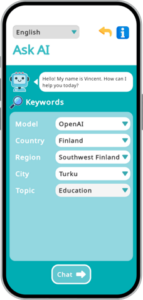 The rapid development of artificial intelligence (AI) that took place after VINCE had started, made it possible for us to include AI powered solutions into the application.
While AI in general can provide helpful and quick answers, it can also make mistakes, misunderstand context, or present outdated or incomplete information. This was a problem that we tried to find a solution for.
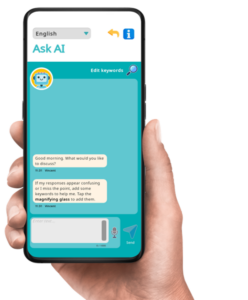
In the Ask AI feature in the VINCE application, users can ask questions using everyday language, supported by relevant keywords. The AI behind the application has been trained using carefully selected and trusted sources, such as reliable websites and materials related to migration and integration.
To help users assess the reliability of the information, each response includes a list of sources. Users are encouraged to check these sources, especially when the information is important or will be used for decision-making.
 How the process works in simple terms:
- The application first receives keywords that are relevant to the topic and uses them to prepare the user interface.
- When a user submits a question, the system combines the question with the selected keywords.
- This combined request is sent to a backend service, which checks that the request is valid and forwards it to the most suitable AI model.
- The AI model generates a response based on the question and keywords.
The response is then sent back through the system to the user, along with a list of sources used to create the answer.
This process is designed to balance ease of use with transparency, helping users both get answers quickly and understand where the information comes from.
Translation service
Translation service
An AI powered translation service is also included in the application.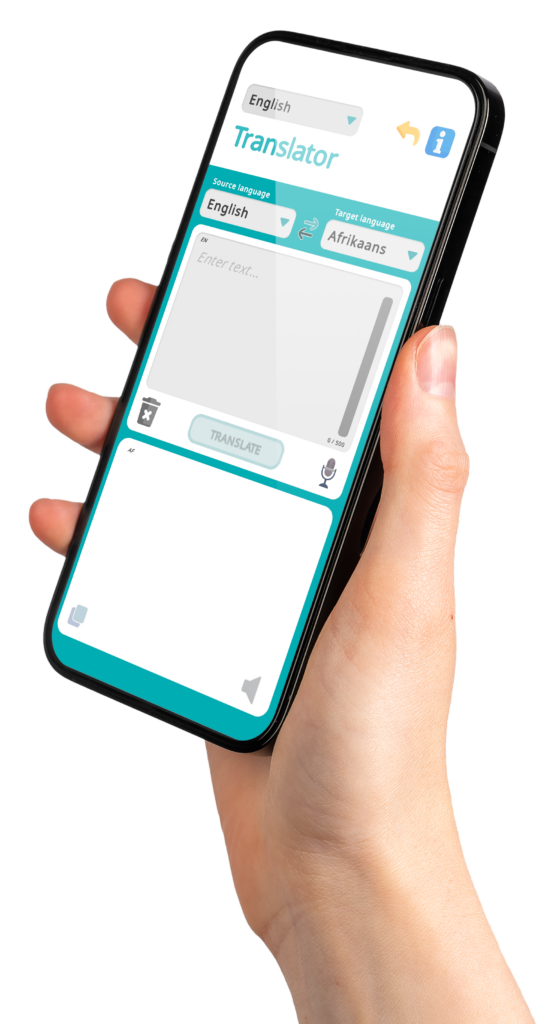
The application uses speech-to-text, translation, and text-to-speech capabilities, currently powered by OpenAI’s language services. Users can access these capabilities through the Translator feature, with entry and exit points integrated into the mobile user interface.
Language services support accessibility by enabling spoken input and output, and the app currently provides user interface localization in English, Finnish, Swedish, and Ukrainian.
A language request follows a simple flow: the app converts speech to text, translates the text when needed, and can read the result aloud using text-to-speech.
OpenAI’s models handle different accents and general speech variability, while the app performs basic preprocessing such as silence trimming and light noise reduction.
All language features require internet connectivity, but the user interface localization is stored locally and remains translated even without a network connection.
Expected results
During VINCE, a joint virtual platform will be created, and different kinds of virtual integration services will be integrated into the platform. The project will use service design as a method, which means that the migrants themselves will be involved in creating content for the platform.
As a result of the project, migrants will have access to cross-border, high-quality integration services that are provided on the virtual platform by the partner organisations.
Duration 01.04.2023 - 31.03.2026
Total budget
Programme priority
Improved public servicesProgramme objective
PO7 - Improved public services and solutions for the citizensLead partner
Turku University of Applied SciencesProject News









Project Events


Project Stories


Gallery







Managing Authority
Joint Secretariat
c/o Regional Council
of Southwest Finland
Visiting address: Linnankatu 52 B, Turku, Finland
Mailing address:
P.O. Box 273,
20101 Turku, Finland
E-mail: info@centralbaltic.eu
Phone: +358 40 550 8408
Find VINCE on social media