Less Waste, More Value: How Central Baltic Projects Are Making Resources Last Longer
What happens to a wooden door when a building is renovated? Or to the water used to grow vegetables in a greenhouse? Across the Central Baltic region, projects are finding ways to keep materials and resources in use instead of letting them go to waste.
The need for such solutions is clear. According to Eurostat, only 12.2% of the materials used in the European Union in 2024 came from recycled sources. This means that most materials entering the economy still come from newly extracted resources.
Four projects show how this situation can improve further. CIRRIWATER develops ways to reuse water and nutrients in greenhouse farming, Waste to Value gives building materials a second life, SustainaCycle improves the collection and recovery of household waste, and ReSolutions helps communities develop and share practical solutions for reuse and repair.
These are four of the 19 circular economy projects supported by the Interreg Central Baltic Programme, which bring together partners from Estonia, Finland (including Åland), Latvia and Sweden. Together, they are putting the principles of the circular economy into practice by helping communities reduce waste and make better use of existing resources.
Four Projects, Four Ways to Reduce Waste
CIRRIWATER – Giving water a second chance
Growing vegetables and other crops in greenhouses requires large amounts of water and fertilisers. Yet some of that water, along with the nutrients it contains, can be lost after irrigation.
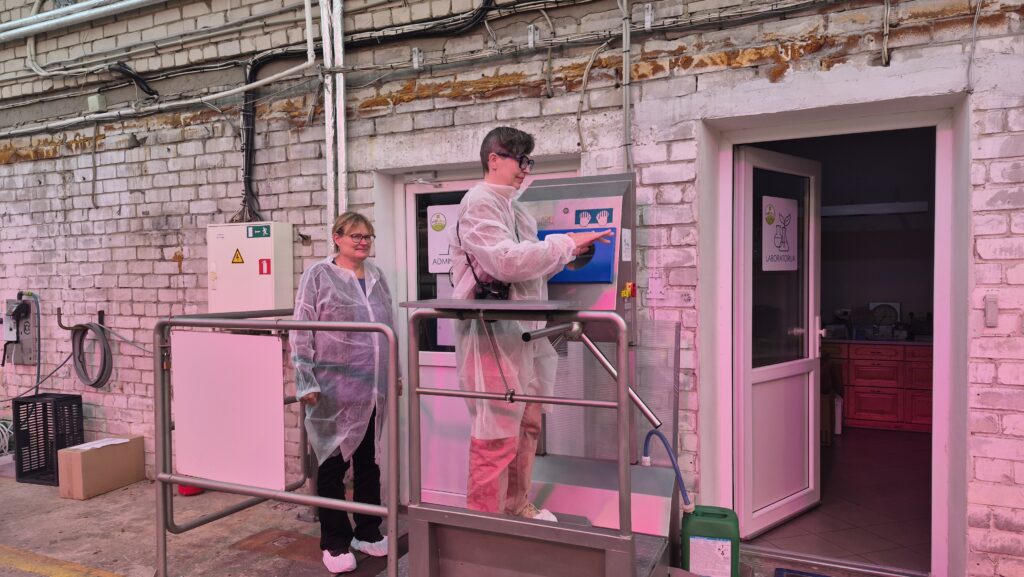
Working with partners in Finland, Estonia and Latvia, CIRRIWATER is developing affordable ways for greenhouse growers to recover and reuse irrigation water and the nutrients it contains. By circulating water and nutrients back into greenhouse production, growers can reduce their need for fresh water and fertilisers while also limiting nutrient losses into the environment.
ReSolutions – Helping Good Ideas Cross Borders
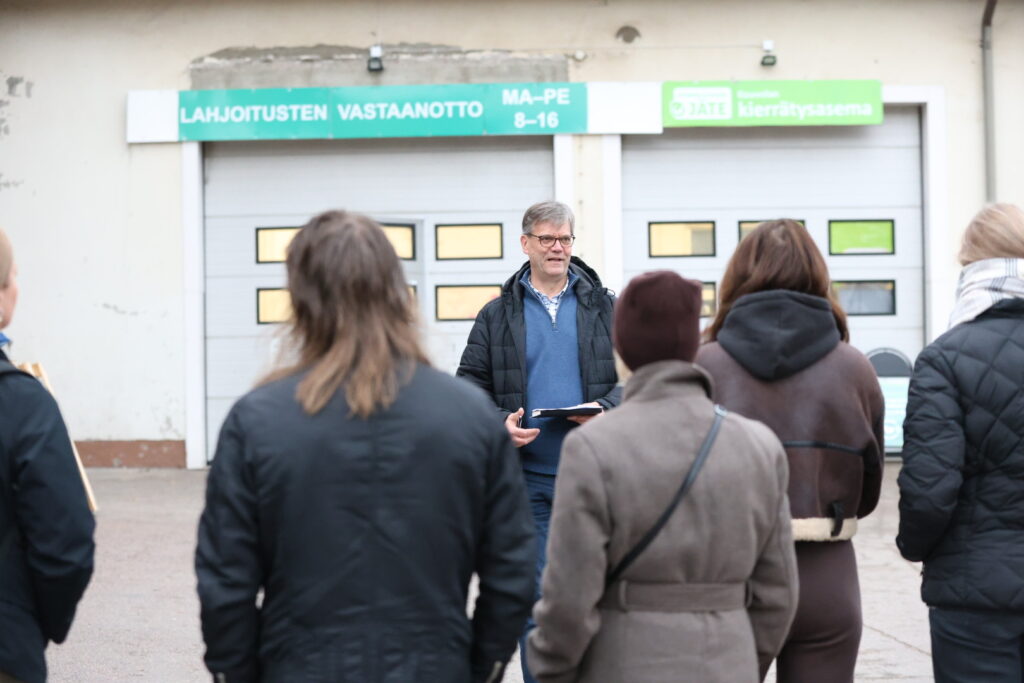
ReSolutions brings together partners from Finland, Sweden and Latvia to make it easier for people to borrow, repair and reuse everyday goods. The project supports Libraries of Things, where people can borrow items such as tools instead of buying them, and develops better ways to collect reusable goods at waste stations.
Partners also exchange practical experience through workshops and field visits, including a recent meeting in Kouvola, Finland, where they explored local reuse services and developed ideas for new solutions.
Waste to Value – Giving Building Materials a New Purpose
Construction and demolition account for more than a third of all waste generated in the EU, according to Eurostat. Yet many materials removed during renovation, including doors, windows and fittings, can still be used. Giving them a second life can help reduce waste and the need for new building products. Doors, for example, may be perfectly usable but are discarded simply because a building is being updated.
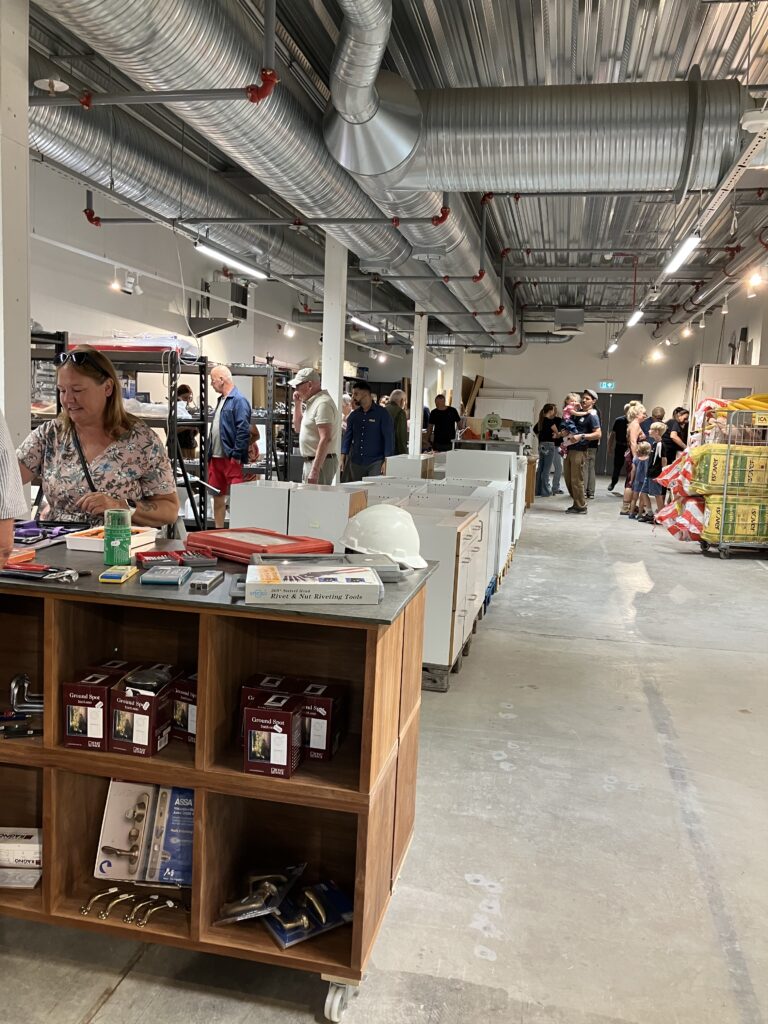
Waste to Value is helping change this in Åland and Sweden. In 2026, two new reuse facilities opened in Jomala, Åland, and Eskilstuna, Sweden. They collect, sort and resell building materials such as doors, windows and fittings, making it easier for households and construction companies to choose reusable materials instead of buying new ones.
The project aims to return 108,000 kilograms of building materials to use over its three-year duration, while developing solutions to make construction material reuse more common.
SustainaCycle – Making It Easier to Reuse Household Goods
Many households have clothes, electronics and other items they no longer need. According to the European Environment Agency, 85% of household textile waste in the EU was not collected separately in 2022, leaving much of it outside systems designed for reuse and recycling.
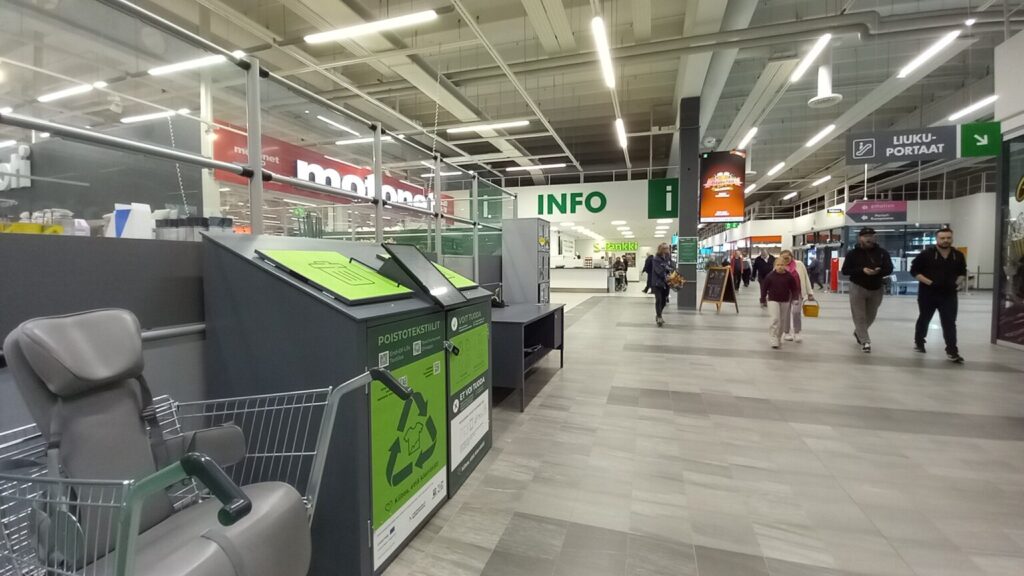
Projects such as SustainaCycle aim to help change that by testing new ways to collect plastics, textiles and electronic waste across Estonia, Finland and Latvia. In Imatra, Finland, a digital textile collection point has already opened to help residents sort worn-out textiles correctly. In Latvia, the project is developing mobile collection solutions, while Viimsi, Estonia, is preparing to introduce up to three smart collection points.
By making waste collection more convenient and improving sorting, the project aims to recover more valuable materials and reduce the amount of waste that goes unused.
Why Working Across Borders Matters
Although these projects focus on different challenges, they demonstrate how circular economy solutions can be applied across sectors and communities. They also show the value of international cooperation. Countries around the Baltic Sea face many similar environmental and resource challenges, but their experiences and approaches are not always the same.
When partners test solutions together and share what they learn, successful approaches can be adapted and introduced elsewhere. A method developed for greenhouse water reuse in one country, for example, may offer useful lessons for growers in another. The same applies to construction material reuse and household waste collection. Cross-border cooperation helps spread practical knowledge, avoid repeating the same mistakes and make better use of the resources invested in developing new solutions.
Less Waste, Better Use of Resources
Together, these four projects contribute to one of the Central Baltic Programme’s key goals of reducing material use and waste by keeping valuable resources in circulation for longer. The benefits can extend beyond waste reduction. Reusing building materials can reduce demand for new raw materials, while recovering water and nutrients in agriculture can help limit losses into the environment. This is particularly relevant in the Baltic Sea region, where excess nutrients remain a serious environmental challenge.
Although the projects work in different sectors, they share a practical approach to change. By developing solutions, testing them in local communities and sharing the lessons across borders, partners can help make more sustainable choices accessible to businesses and residents. The transition to a circular economy does not depend on a single breakthrough. It involves many improvements in how resources are used, collected and managed. Across the Central Baltic region, these projects are helping put that approach into practice.
Explore projects
Discover all 166 cross-border projects supported by the Central Baltic Programme 2021-2027