

Bio-CCU
ongoing
Bio-CCU
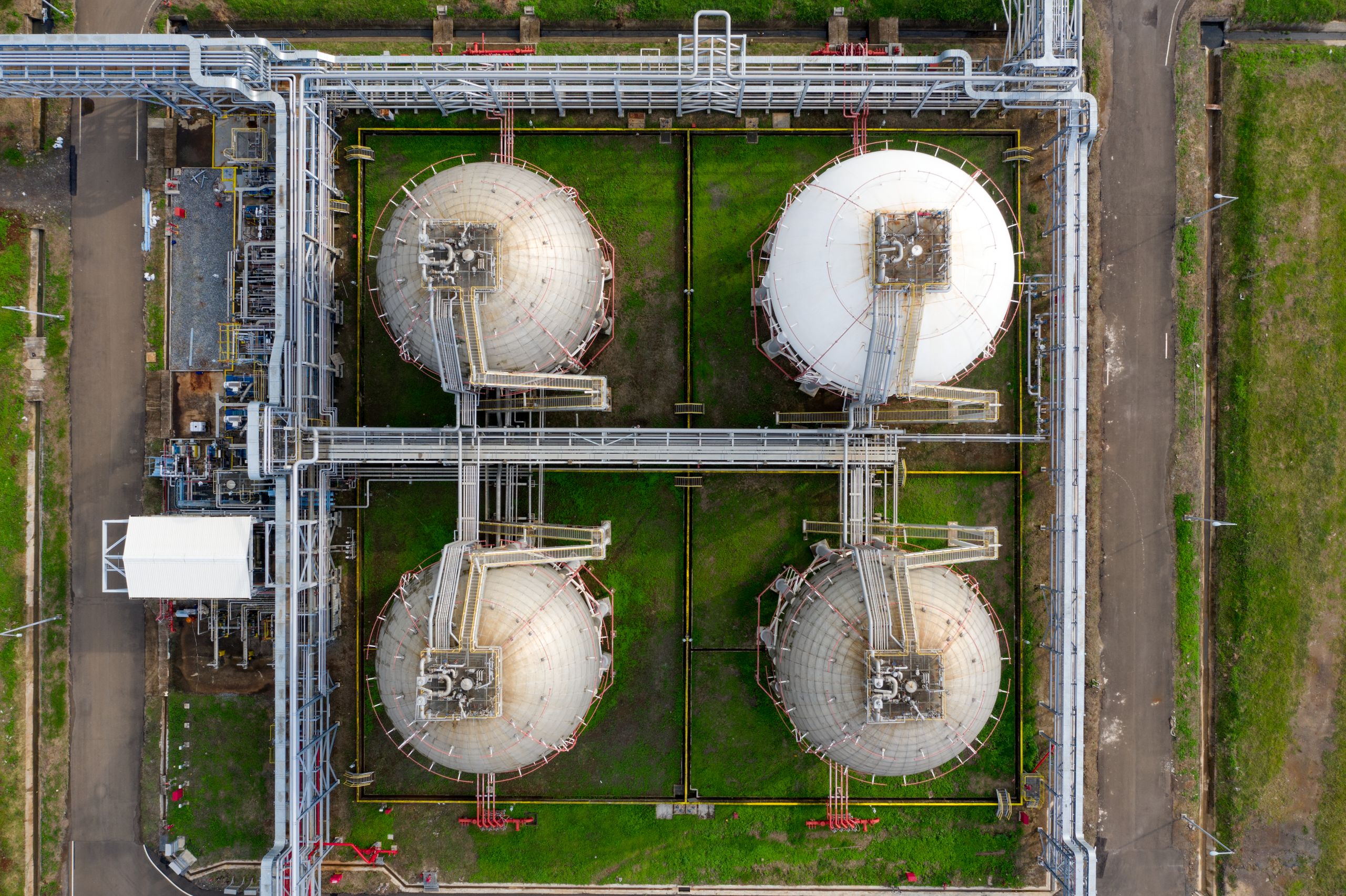
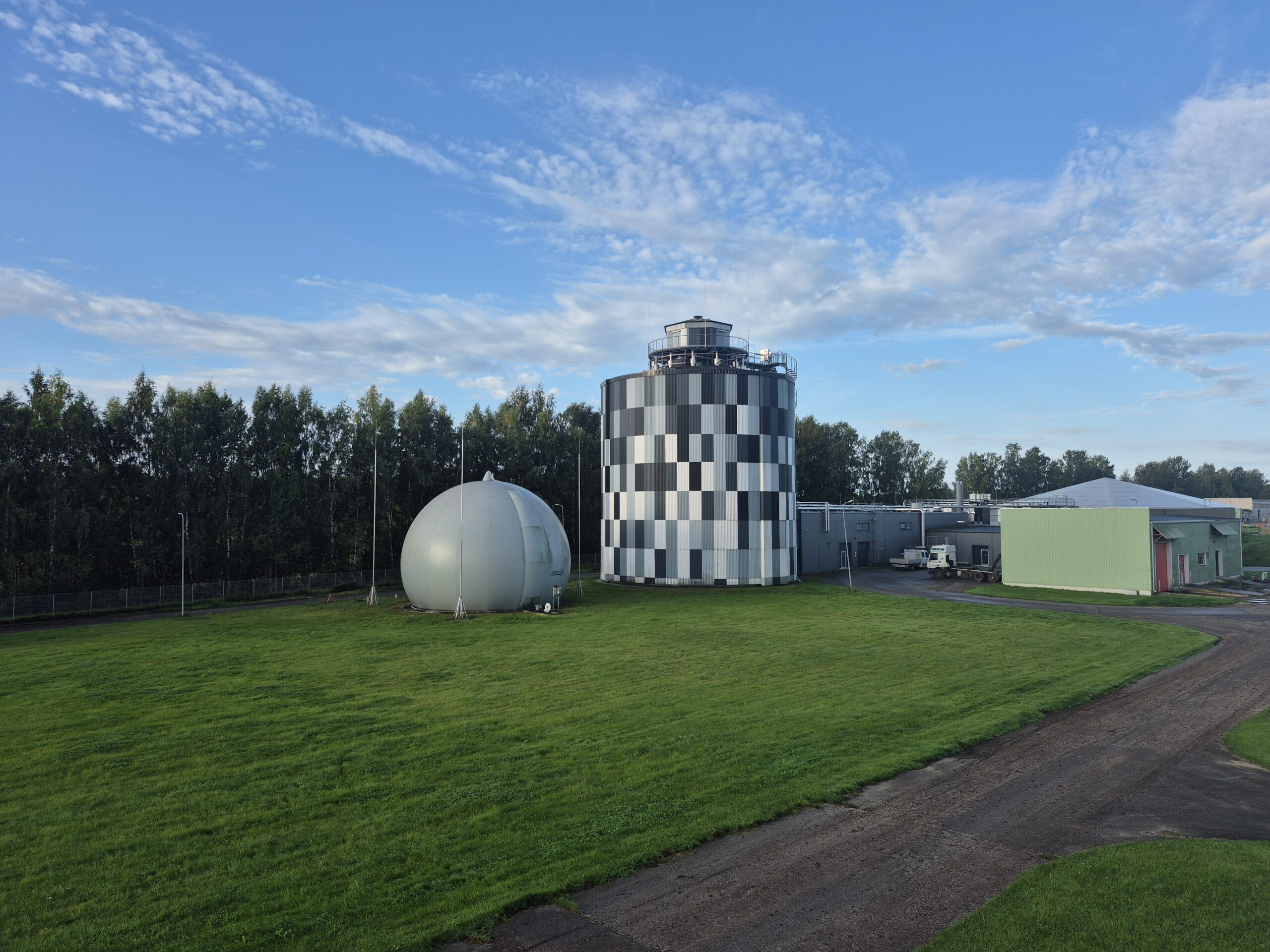
Industries across the Central Baltic region depend on imported fossil-based CO₂, even though large amounts of biogenic CO₂ are already being produced locally and released into the air as waste. BIO-ccu will map where biogenic CO₂ is produced and where it can be used, build a shared database of value chain solutions, and develop an online decision tool that helps businesses and operators design their own bio-CO₂ value chain. At the same time, the project tests it for real by capturing, purifying and bottling biogenic CO₂ at a biogas plant in Sweden, and using it to grow microalgae at a wastewater treatment plant in Estonia.
Expected results
It is expected to result in an improved CO2 value chain based on biogenic CO2 rather than fossil CO2, thereby turning a waste gas into a resource for greenhouses and soil improvement.
By the end of the project, Bio-CCU will have delivered four concrete outputs:
An interactive map showing where biogenic CO₂ is produced and where it can be used across the Central Baltic region, giving a clear picture of supply and demand for the first time.
A shared database of existing and potential bio-CO₂ value chains, built together with businesses, operators and researchers across the region.
An online decision tool that helps any company or operator design their own bio-CO₂ value chain and get a recommendation based on technical, economic and environmental factors.
A demonstrated value chain that proves in practice that biogenic CO₂ can be captured, purified and put to use, from a biogas plant in Sweden to a wastewater treatment plant in Estonia.
Together, these outputs give businesses and policymakers across the region the knowledge and tools they need to replace imported fossil CO₂ with locally produced biogenic CO₂.
Expected results
It is expected to result in an improved CO2 value chain based on biogenic CO2 rather than fossil CO2, thereby turning a waste gas into a resource for greenhouses and soil improvement.
By the end of the project, Bio-CCU will have delivered four concrete outputs:
An interactive map showing where biogenic CO₂ is produced and where it can be used across the Central Baltic region, giving a clear picture of supply and demand for the first time.
A shared database of existing and potential bio-CO₂ value chains, built together with businesses, operators and researchers across the region.
An online decision tool that helps any company or operator design their own bio-CO₂ value chain and get a recommendation based on technical, economic and environmental factors.
A demonstrated value chain that proves in practice that biogenic CO₂ can be captured, purified and put to use, from a biogas plant in Sweden to a wastewater treatment plant in Estonia.
Together, these outputs give businesses and policymakers across the region the knowledge and tools they need to replace imported fossil CO₂ with locally produced biogenic CO₂.
Duration 01.07.2026 - 30.06.2029
Total budget
Programme priority
Improved environment and resource useProgramme objective
PO3 - Joint circular economy solutionsLead partner
University of GävleProject News

Project Stories
Gallery







Managing Authority
Joint Secretariat
c/o Regional Council
of Southwest Finland
Visiting address: Linnankatu 52 B, Turku, Finland
Mailing address:
P.O. Box 273,
20101 Turku, Finland
E-mail: info@centralbaltic.eu
Phone: +358 40 550 8408
Find Bio-CCU on social media