

Sustainable Silage
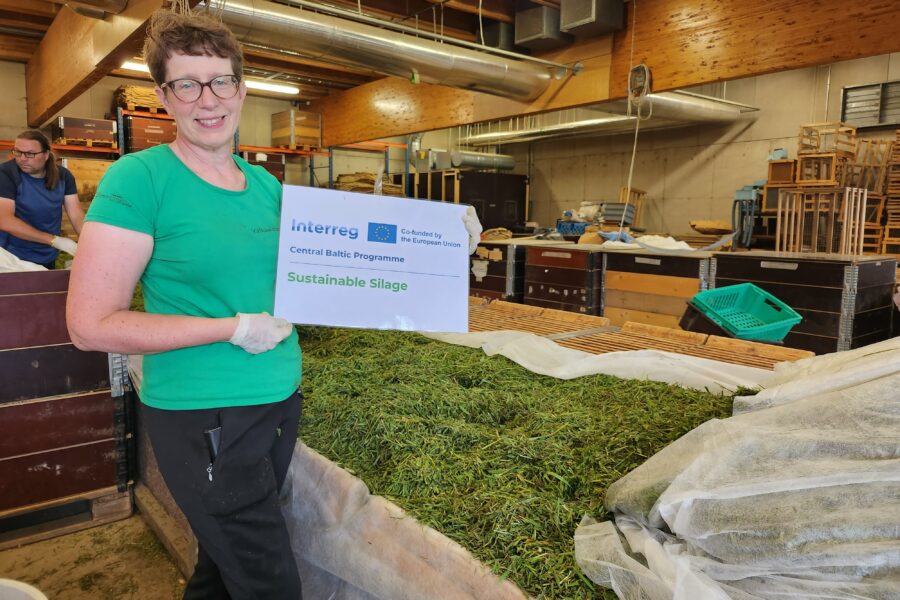
The „Sustainable Silage“ project will focus on reducing silage effluents and nutrient leakages in a full cycle of silage production.
Thanks to international cooperation between 3 countries, the project will be able to test and introduce to farmers new and innovative agri-environmental methods and farming practices. The project plans: 1) to conduct silage management analysis on a farm level covering the environmental, economic and quality aspects, 2) to evaluate and recommend most relevant silage production technologies and 3) to analyse possible solutions for re-using silage plastic and effluents.
Results
Modern silage production must be viewed in the context of environmental goals and regulatory obligations. Efficient resource use, reduced losses, and high forage quality are essential for both economic viability and environmental sustainability. As agriculture faces increasing scrutiny for its environmental impacts, silage production has an important role in limiting nutrient losses, reducing greenhouse gas emissions, and lowering dependence on purchased feed. Achieving these aims requires careful attention at every stage of the production chain—from crop selection and mowing time to feed removal and waste management.
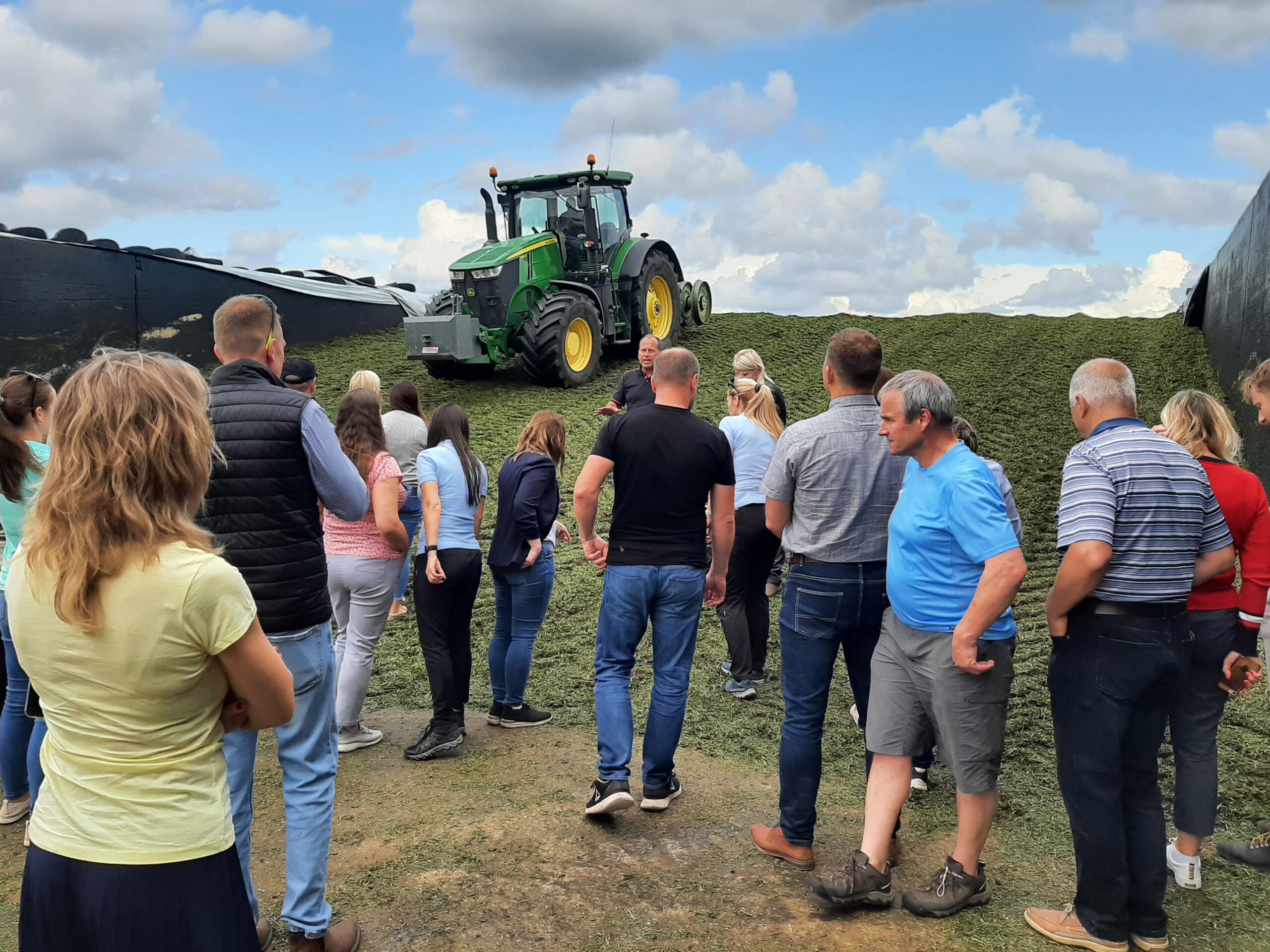
Yet, current silage production technologies have not been thoroughly studied in terms of nutrient leakage, highlighting the need to identify and address potential environmental risks. Within the Sustainable Silage project, partners assessed the entire silage chain—from crop cultivation to storage and use—as well as the management of waste silage plastics.
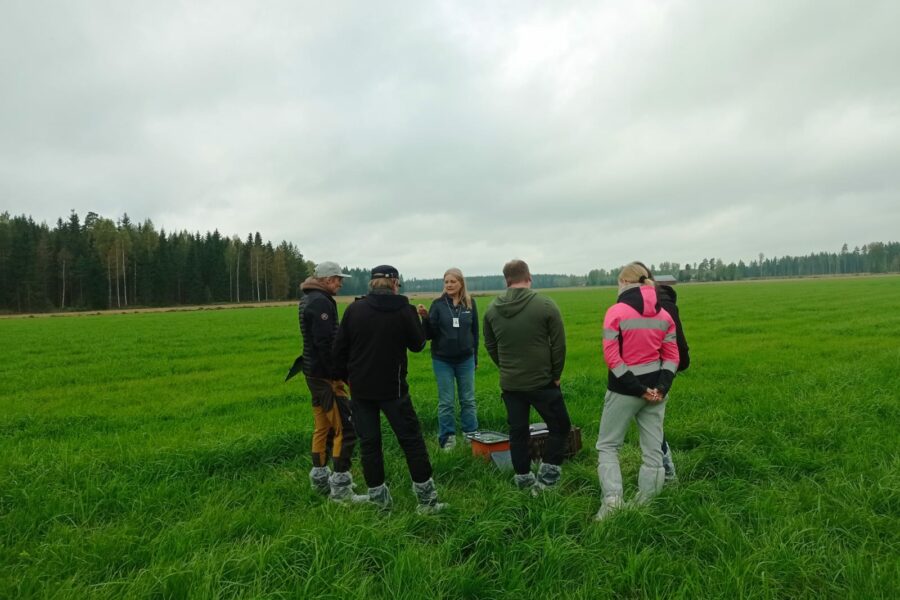
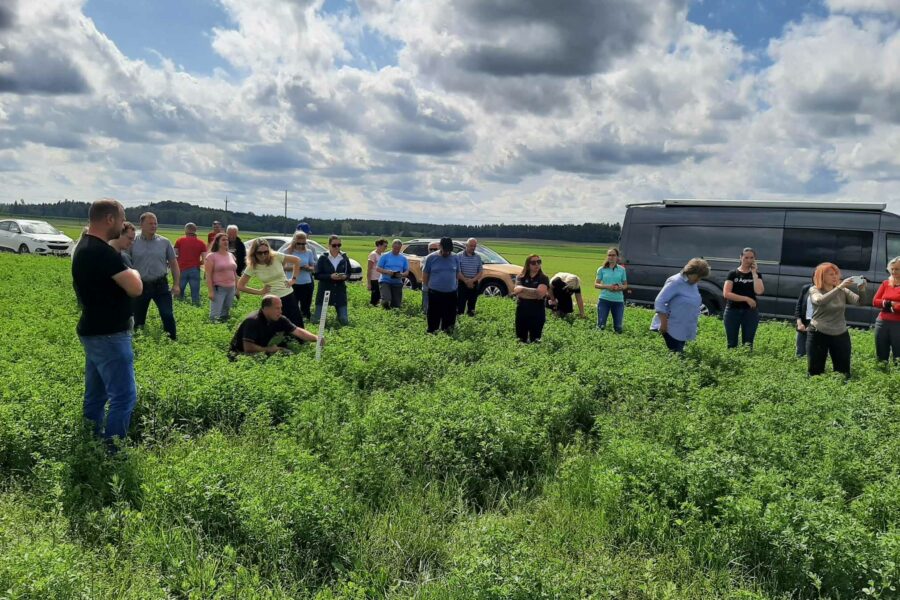
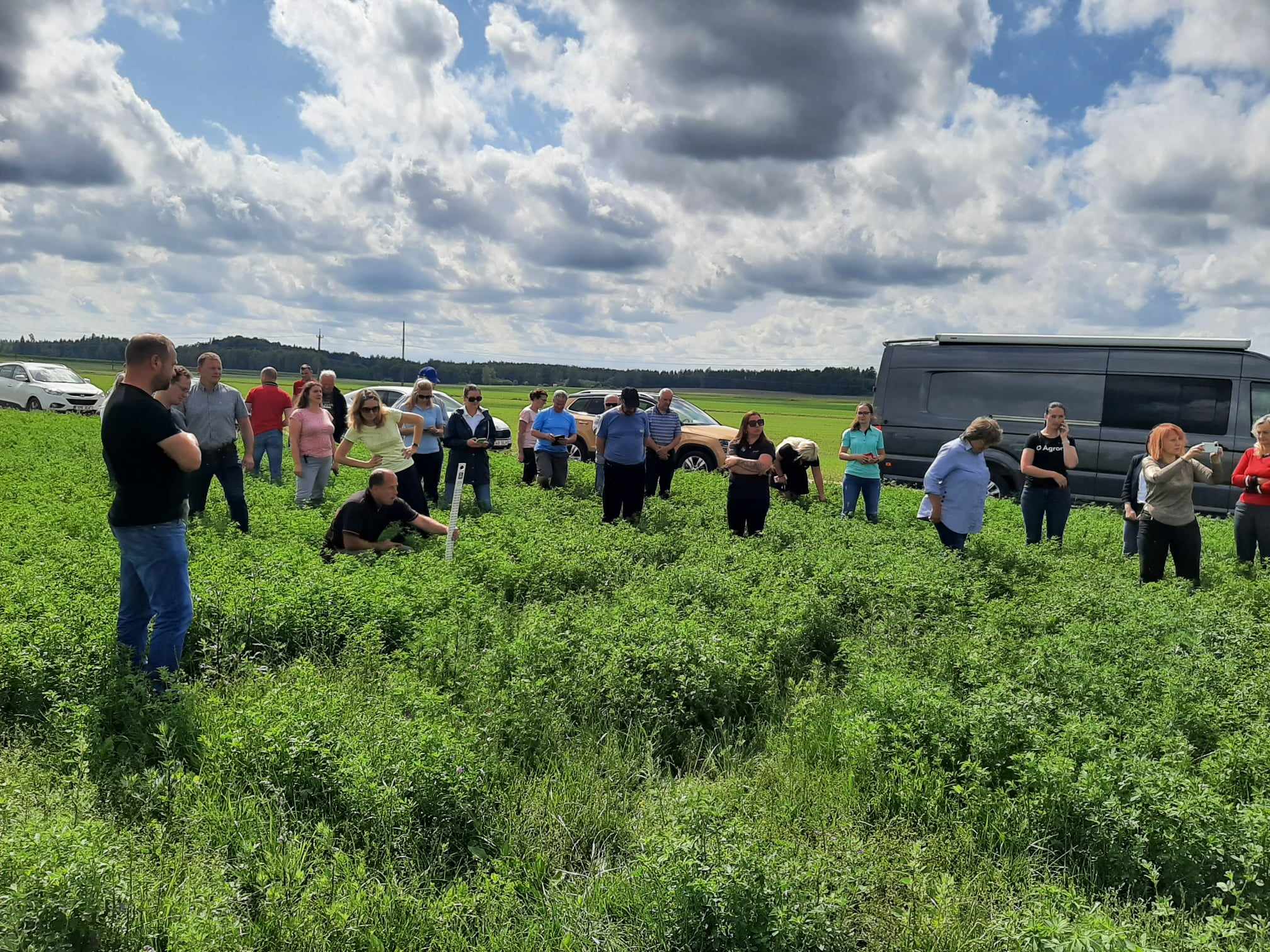
26 pilot farms from Estonia, Finland and Latvia conducted different types of pilot actions and demonstrated real results in reducing nutrient runoffs from silage production cycle. The results of pilot actions and related environmental impacts are explained along with practical recommendations in consolidated report of pilot programme.
Consolidated report of Sustainable Silage pilot programme
The current Common Agricultural Policy (CAP) of the European Union places strong emphasis on environmental protection, biodiversity enhancement, nature conservation, and climate change mitigation. This report summarizes the results of pilot actions and trials carried out by 26 cattle farms that participated in the “Sustainable Silage” pilot programme implemented in 2023–2024. It reflects a collaborative effort that brings together the practical experience and expertise of farmers, advisers, and specialists from neighbouring countries—Finland, Latvia, and Estonia.
Silage management manual for farmers
In this manual, the Sustainable Silage partners mainly focus on forage production for cattle farmers. The authors remind time-tested principles and enhance them with recent insights to ensure forage production that is as environmentally friendly and competitive as possible. The central theme throughout the chapters
is close cooperation between researchers, advisors, and practitioners. Many of the practices described are trial-and-error based, and have been over time further developed in the fields. The aim is not only to inform, but also to promote learning and dialogue among farmers, advisors, and scientists.
Expected results
The pilot actions will be implemented in ca 25 pilot farms. As a result it is expected that ca 20 of them can demonstrate real results in reducing nutrient runoffs from full silage production cycle. The main stakeholders from public sector achieve common understanding in environmental issues related to the silage production.
By 2025 ca 200 farmers gain new information and knowledge for mitigating the environmental risks from leakage of silage effluents to water bodies.
Duration 01.01.2023 - 31.12.2025
Total budget
Programme priority
Improved environment and resource useProgramme objective
PO4 - Improved coastal and marine environmentLead partner
The Estonian Chamber of Agriculture and CommerceProject News


Project Stories


Gallery

Managing Authority
Joint Secretariat
c/o Regional Council
of Southwest Finland
Visiting address: Linnankatu 52 B, Turku, Finland
Mailing address:
P.O. Box 273,
20101 Turku, Finland
E-mail: info@centralbaltic.eu
Phone: +358 40 550 8408
Find Sustainable Silage on social media