
HERO
ended


HERO
In Latvia, unemployment among the Roma population is alarmingly high, with only a small fraction having completed education beyond the basic level. Roma communities in both Latvia and Finland face persistent barriers to employment, including discrimination, low literacy, and lack of digital skills. The HERO project was launched by Fida International and the Valmiera Development Agency in May 2025 to address these challenges. It offers a tailored training and work placement programme for Roma individuals, aiming to improve their employability and social inclusion. By applying the same model in both countries, HERO also fosters cross-border cooperation and shared learning.
Results
HERO – Project Results and Outputs
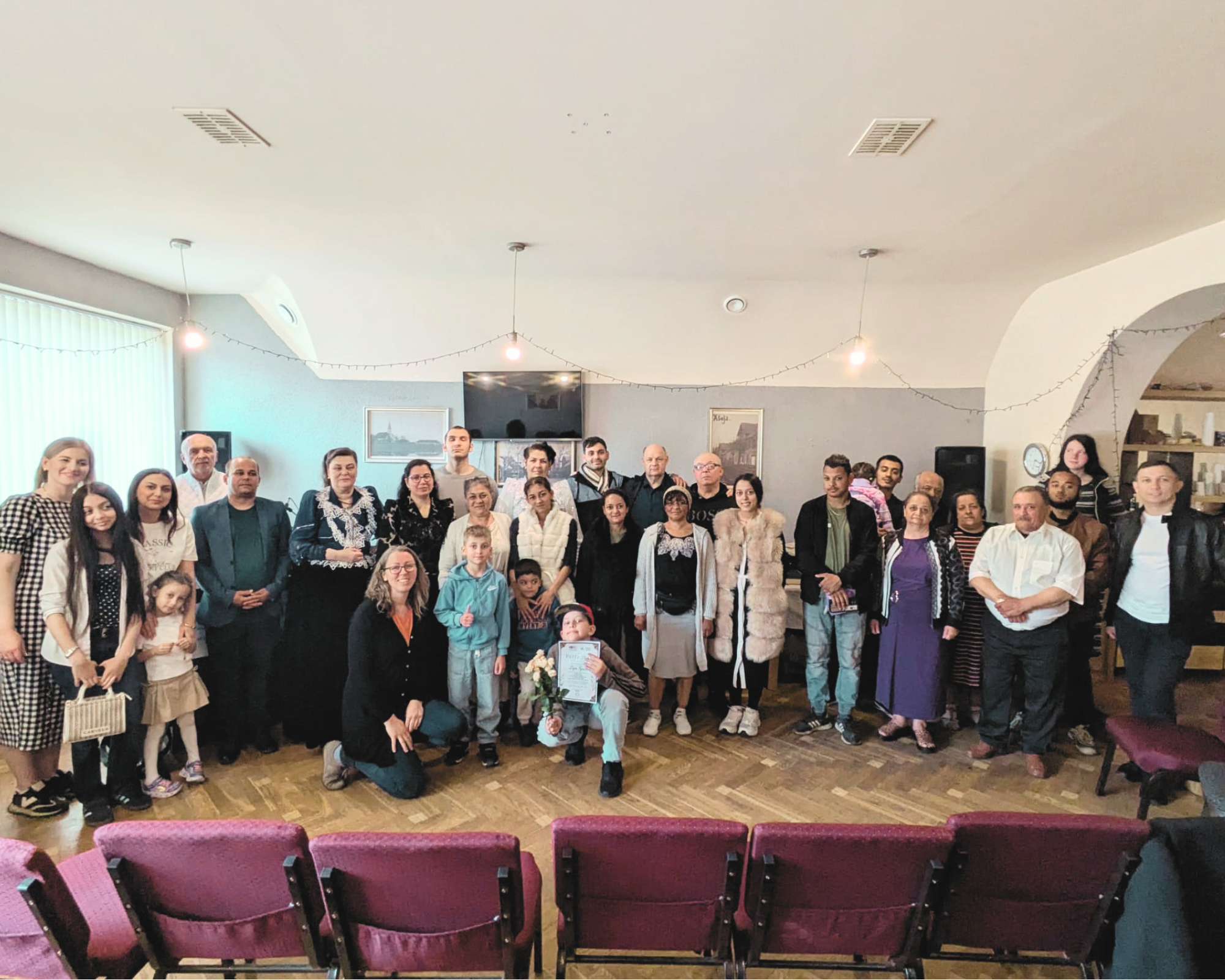
The HERO (Empowerment for Roma) project, implemented in Finland and Latvia under the Interreg Central Baltic Programme 2021–2027, contributed to improving the social inclusion, personal empowerment and employment opportunities of Roma community members. Through cooperation between Fida International (Finland) and Valmiera Development Agency (Latvia), the project developed and implemented a culturally sensitive training and employment support approach addressing the specific needs and challenges faced by Roma communities. The project combined personal development, practical skills training, individual guidance and support for entering the labour market, while also strengthening cooperation between Roma communities, local organisations and employment support services.
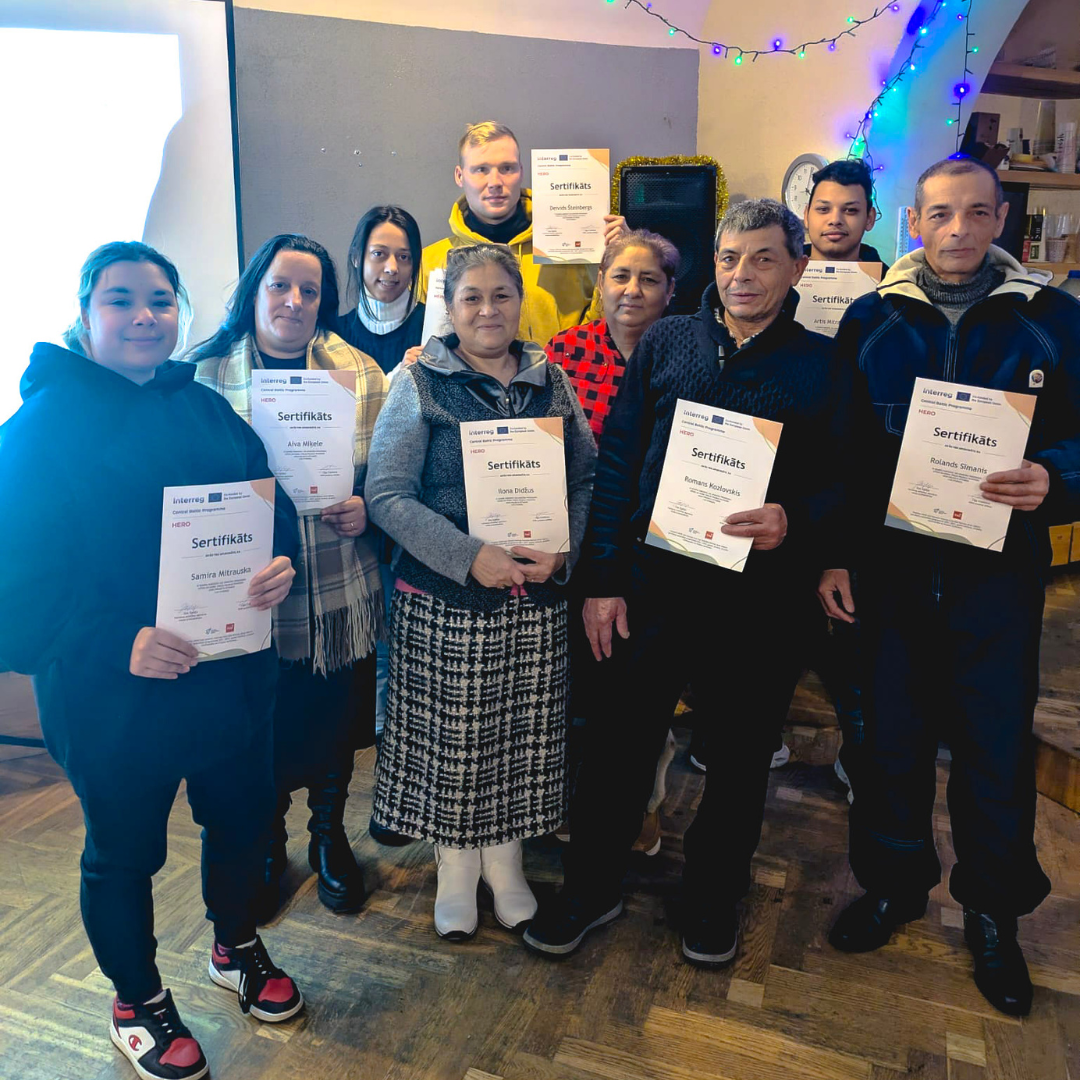
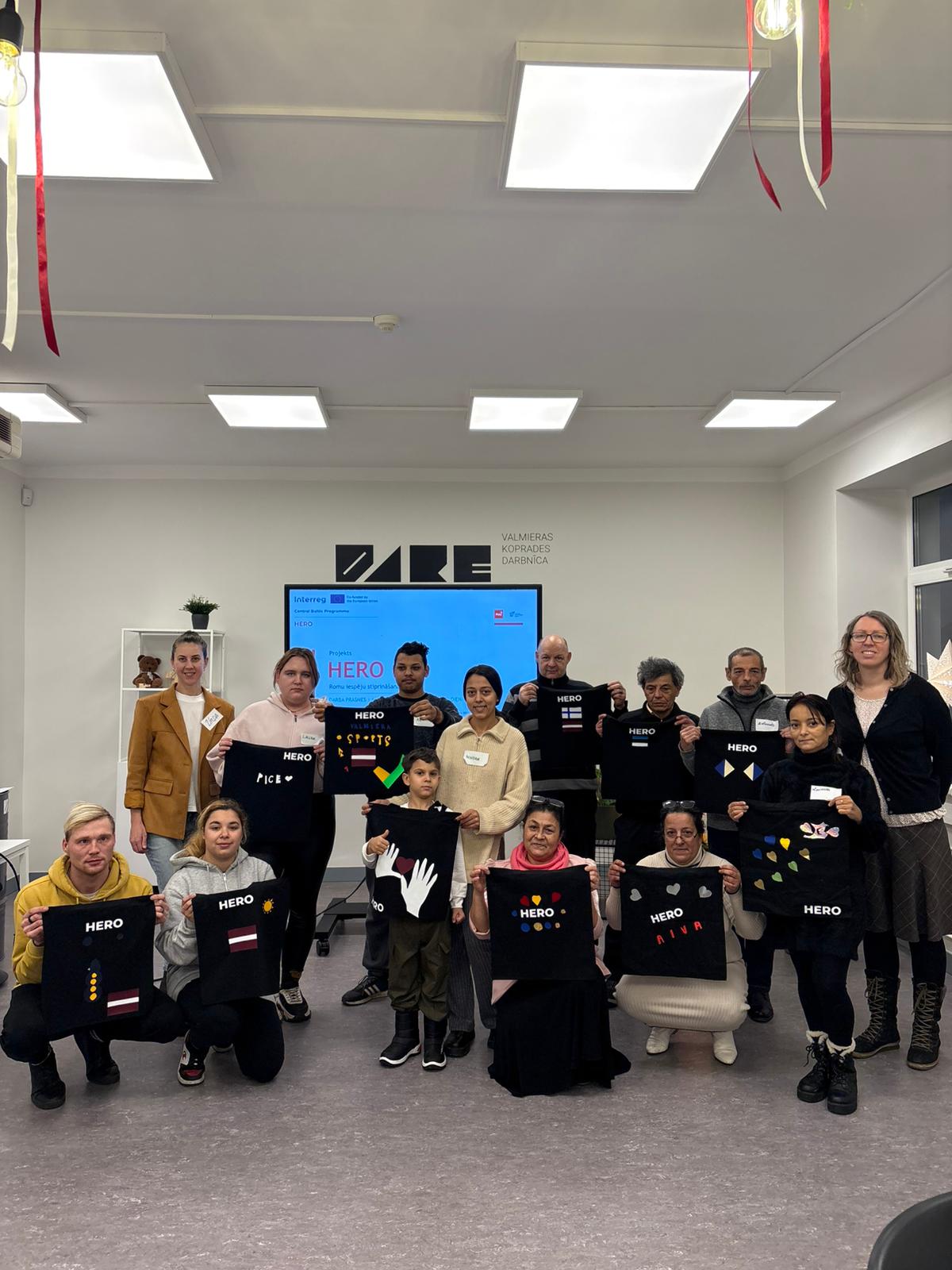
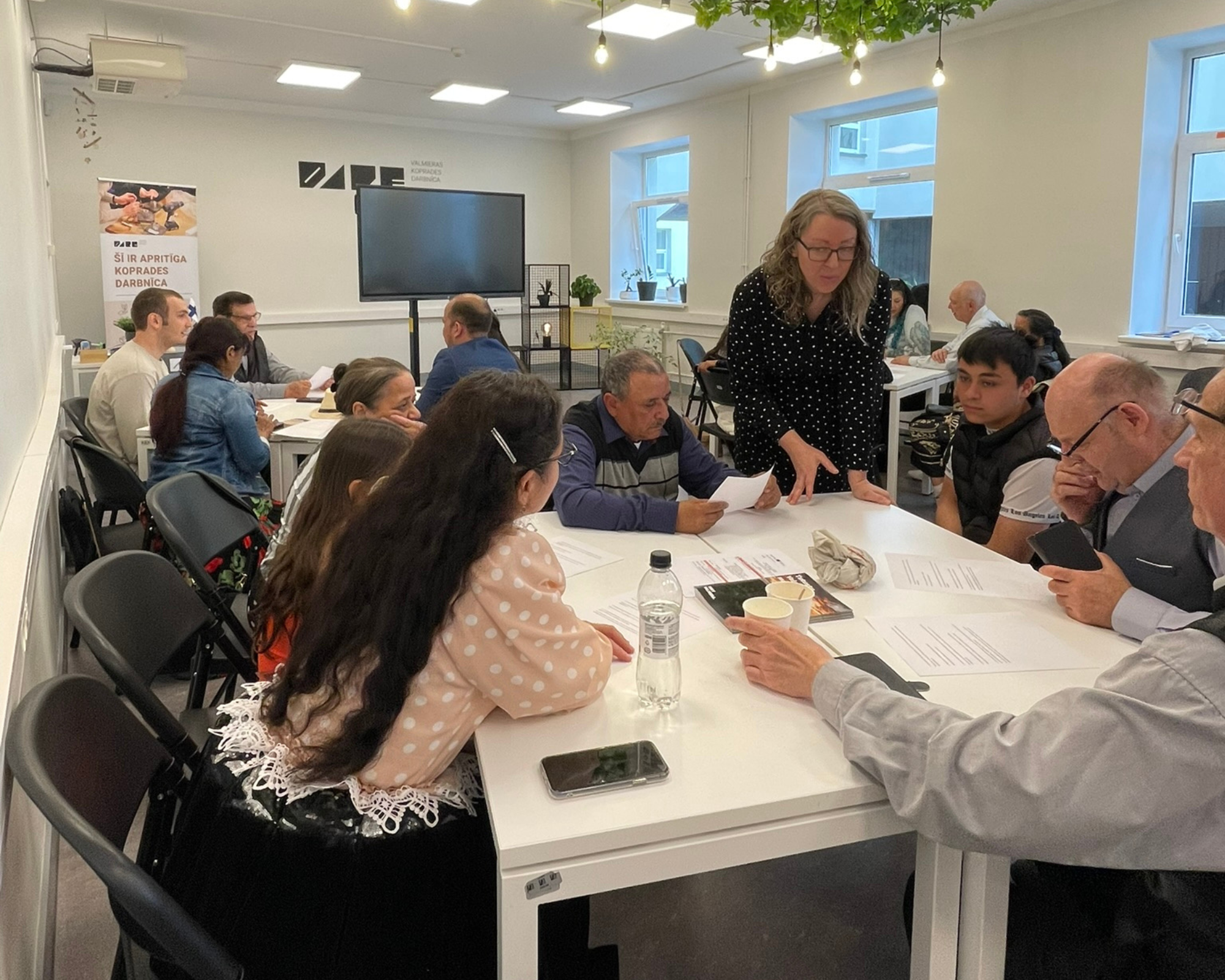
One of the main project outputs is a comprehensive training programme consisting of 10 modules, covering five life-skills and five labour-market skills topics. The programme addresses personal well-being, identity and values, motivation, parenting, career development, digital literacy, financial literacy, job applications and workplace competencies. The training programme was implemented in two cycles in both countries, reaching 38 Roma participants in total – 19 in Finland and 19 in Latvia. The programme was continuously evaluated and adapted based on participant feedback, with particular emphasis on interactive learning, practical exercises and a supportive learning environment. The resulting Training Programme Manual provides a transferable educational resource that can be adapted by NGOs, municipalities and other organisations working with Roma communities and socially vulnerable groups.
A further tangible project output is a series of five educational videos, developed to complement the training programme and support the continued dissemination and application of its content. The videos provide additional learning resources and help make the project’s educational approach accessible beyond the original training participants. Together, the Training Programme Manual and the five videos form a practical resource package that can be used by trainers, social workers, community organisations and other stakeholders interested in strengthening personal competencies, employability and social inclusion.
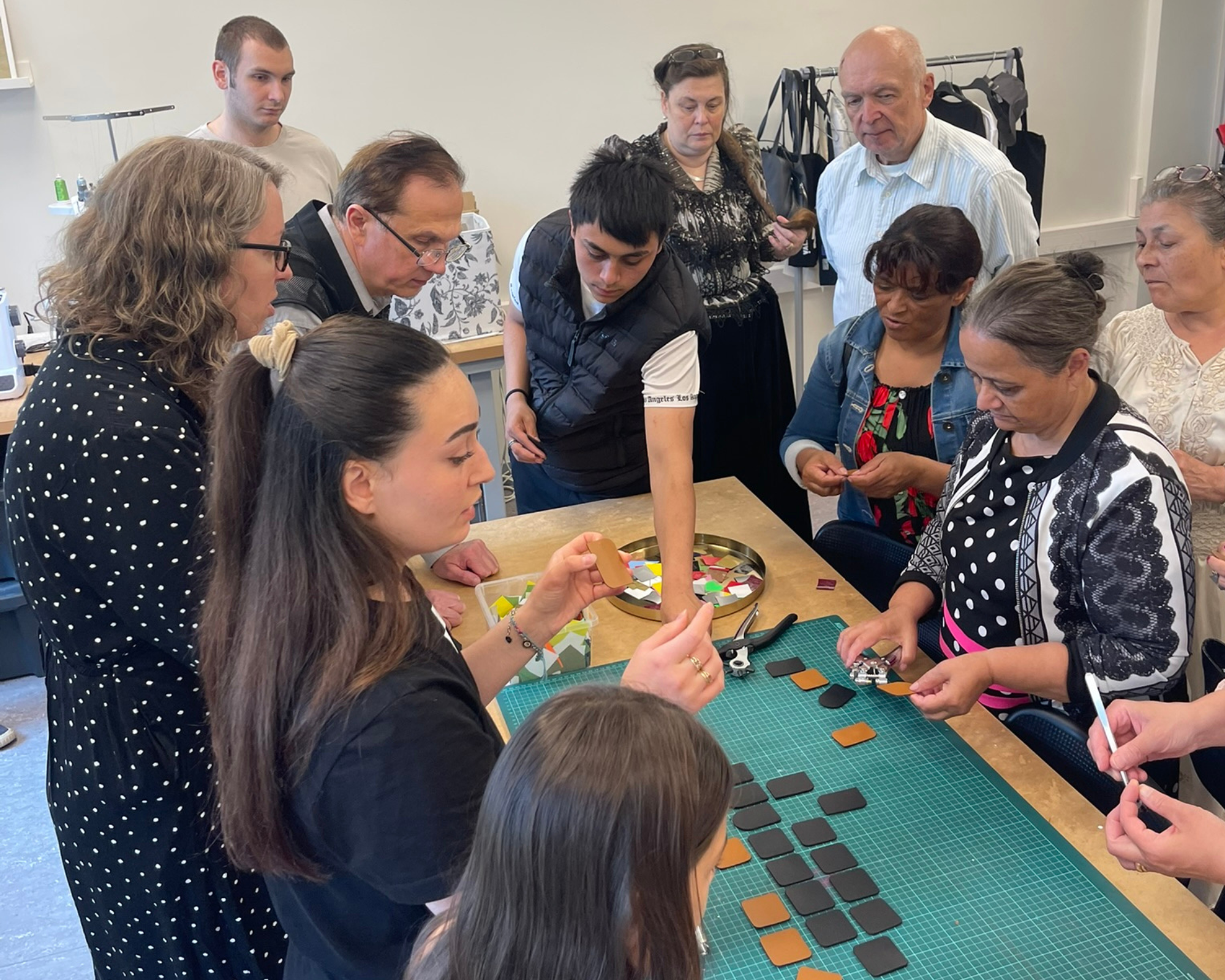
The project also achieved concrete results in supporting participants’ transition towards employment and further education. Individual mentoring, cooperation with local employers and organisations, and practical work experience opportunities helped participants explore career pathways and take steps towards the labour market. A total of 19 participants gained work-related experience. Beyond these measurable outcomes, participant evaluations highlighted improvements in self-confidence, motivation, communication and digital competencies, as well as a stronger sense of identity and belonging. These achievements demonstrate the value of combining labour-market preparation with broader personal empowerment and culturally responsive support.
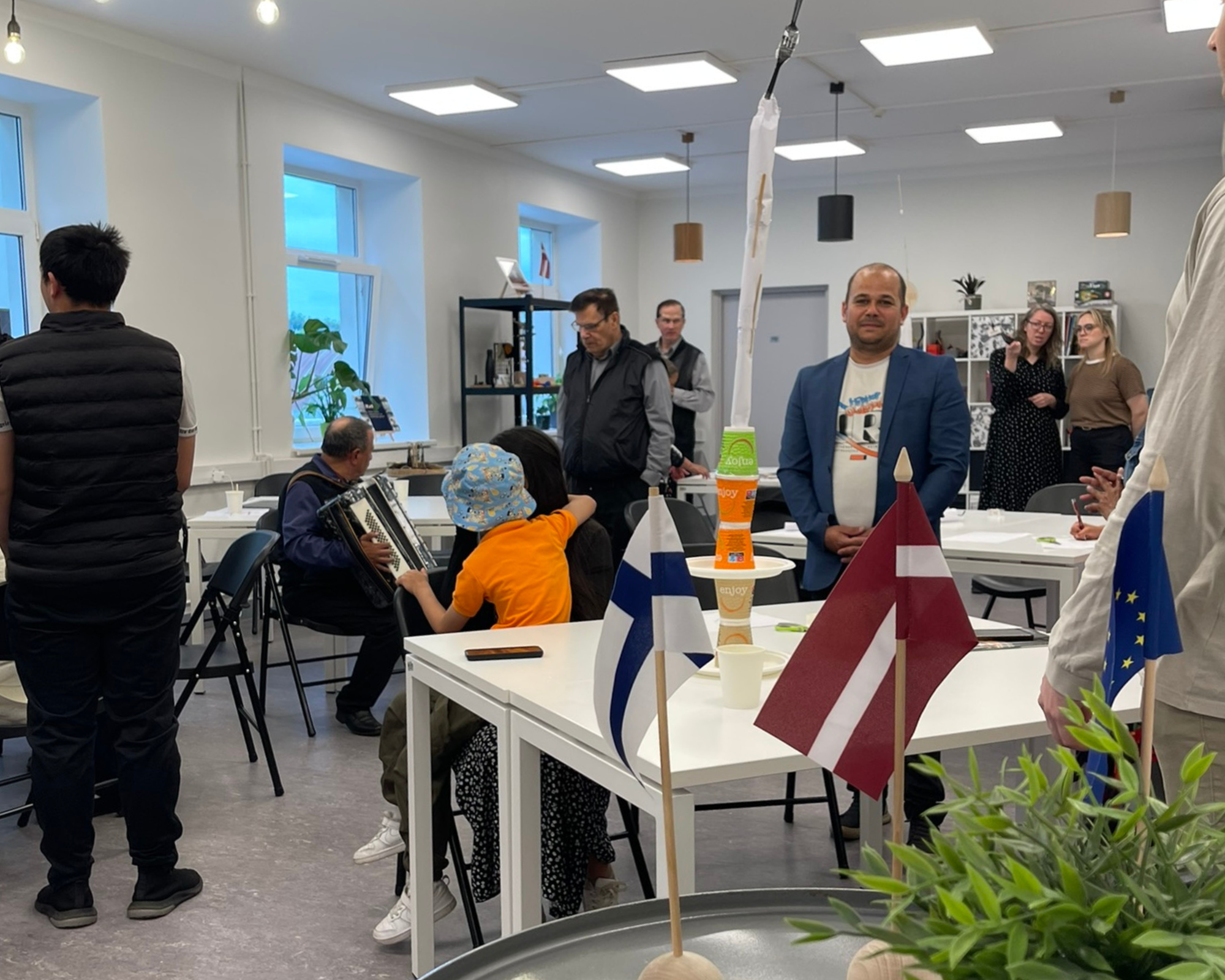
An important long-term result of HERO is the strengthened cooperation between project partners, Roma communities and relevant stakeholders in Finland and Latvia. The project highlighted the importance of trust-based engagement, individual support and practical learning in promoting Roma inclusion and employment. The developed training materials, educational videos and lessons learned provide a foundation for replicating the HERO approach in future social inclusion initiatives across the Central Baltic region.
Training videos
Developed as part of the Interreg Central Baltic HERO project, these videos complement a training programme tailored to Roma learners in Latvia and Finland. They cover practical life and labour market skills, from well-being and financial literacy to digital skills, CV writing and job interview preparation. The videos can be used to revisit key topics after training and support future training sessions.
Training Programme to Support Roma Inclusion in the Labour Market
Within the framework of the HERO project, co-funded by the Interreg Central Baltic Programme 2021–2027, partners from Latvia and Finland have developed a comprehensive training programme aimed at improving the employment opportunities of Roma communities. The HERO training programme consists of 10 interactive modules combining life skills – such as holistic health, identity, and parenting – with labour market competences including career planning, digital and financial literacy, and workplace culture.
Developed jointly by FIDA International (Finland) and the Valmiera Development Agency (Latvia), the programme provides a practical and inclusive learning framework tailored to the specific needs of the Roma community. It empowers participants with the confidence, knowledge, and motivation to re-enter the labour market after a period of long-term unemployment. The material also serves as a valuable resource for trainers, educators, and municipalities across the Central Baltic region who are committed to promoting equal opportunities and social inclusion.
Expected results
The HERO project will equip Roma participants in Latvia and Finland with life skills, basic education, job readiness, and hands-on work experience through local internships. The project aims to significantly improve participants’ access to employment and help them build confidence and independence. By working closely with local partners and adapting the programme to each context, HERO also contributes to stronger, more inclusive communities. On a broader scale, the cross-border cooperation between Latvia and Finland will result in a shared model of best practices for Roma inclusion in the labour market. The project’s impact extends beyond employment, fostering dignity, hope, and social cohesion.
Duration 01.05.2025 - 31.10.2026
Total budget
Programme priority
Improved employment opportunitiesProgramme objective
PO6 - Improved employment opportunities on labour marketLead partner
Fida InternationalProject News


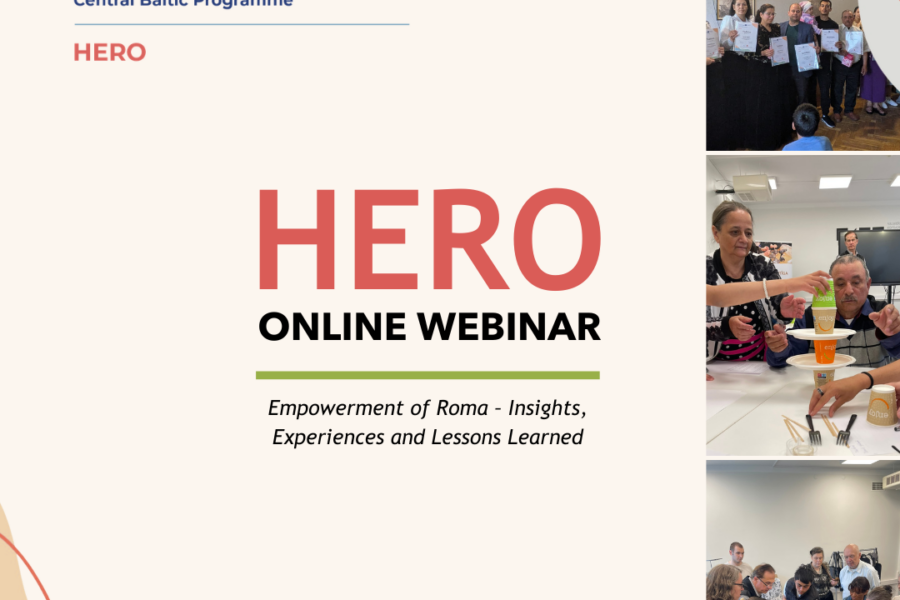

Project Stories
Gallery



Managing Authority
Joint Secretariat
c/o Regional Council
of Southwest Finland
Visiting address: Linnankatu 52 B, Turku, Finland
Mailing address:
P.O. Box 273,
20101 Turku, Finland
E-mail: info@centralbaltic.eu
Phone: +358 40 550 8408
Find HERO on social media