

CulDif
ended
CulDif
While the gender wage gap is widely discussed, the disparities faced by national minorities with different linguistic and cultural backgrounds receive less attention. In Estonia, the wage gap for people with diverse cultural backgrounds is up to 30%, and while smaller in Finland, it remains notable. This group also faces higher unemployment and crime rates. Despite these challenges, their multilingual abilities and cultural insights offer significant potential for professional success.
The CulDif project supports young people from diverse linguistic and cultural backgrounds in Estonia and Finland, aiming to turn their disadvantages into advantages in the labor market.
Results
CulDif addressed the need for more inclusive and practical entrepreneurship education for young people with diverse linguistic and cultural backgrounds in Estonia and Finland. Many young people lacked confidence, international exposure, and hands-on experience in developing business ideas.
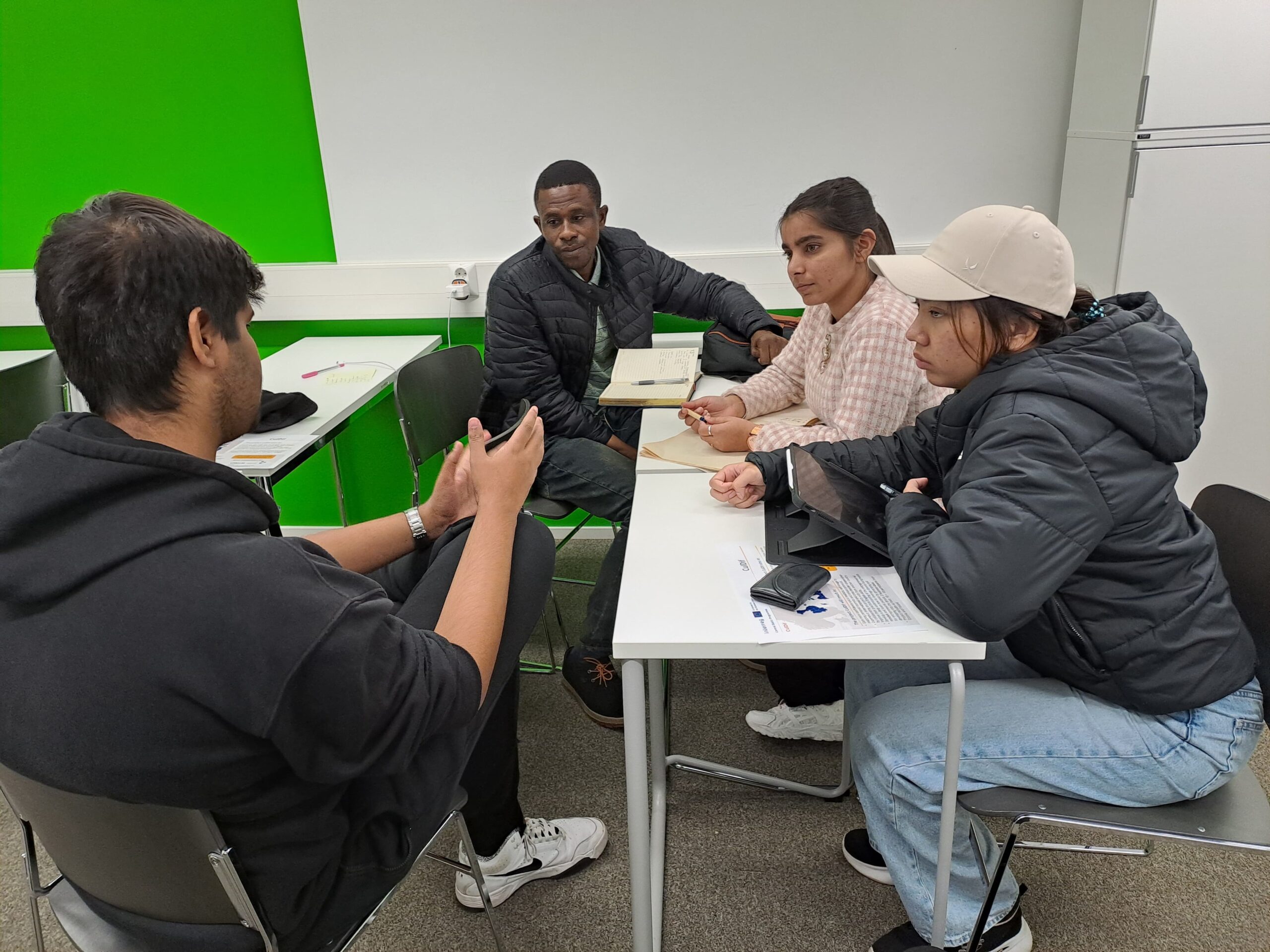
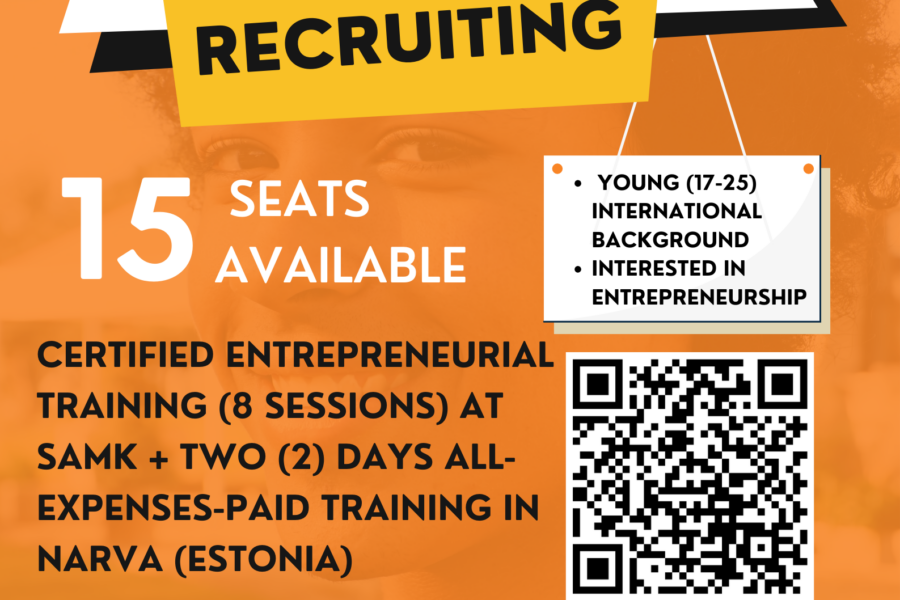
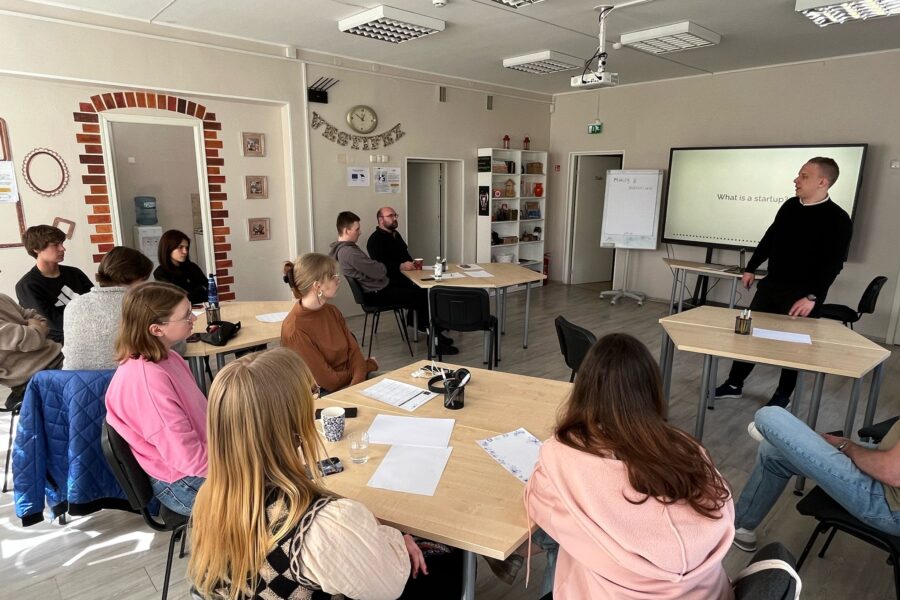
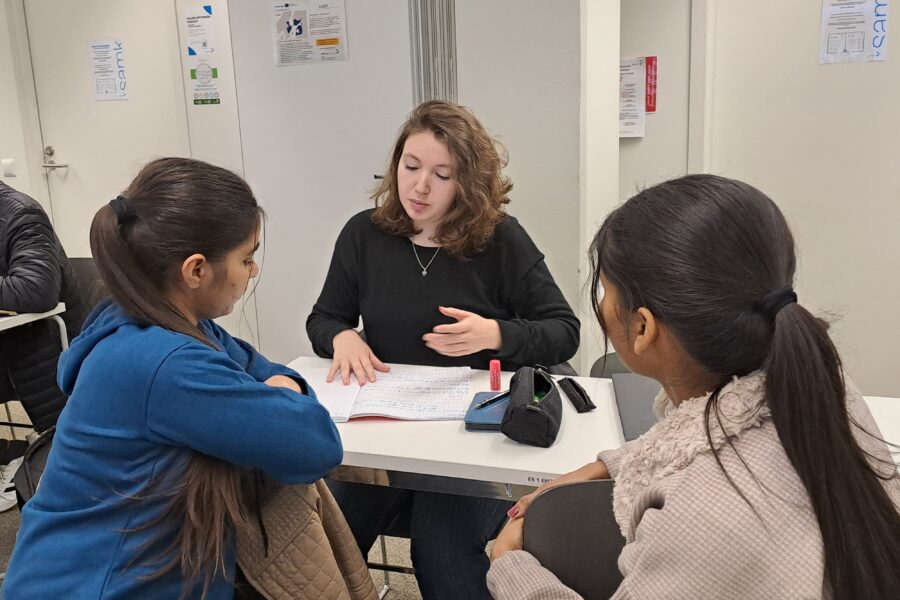
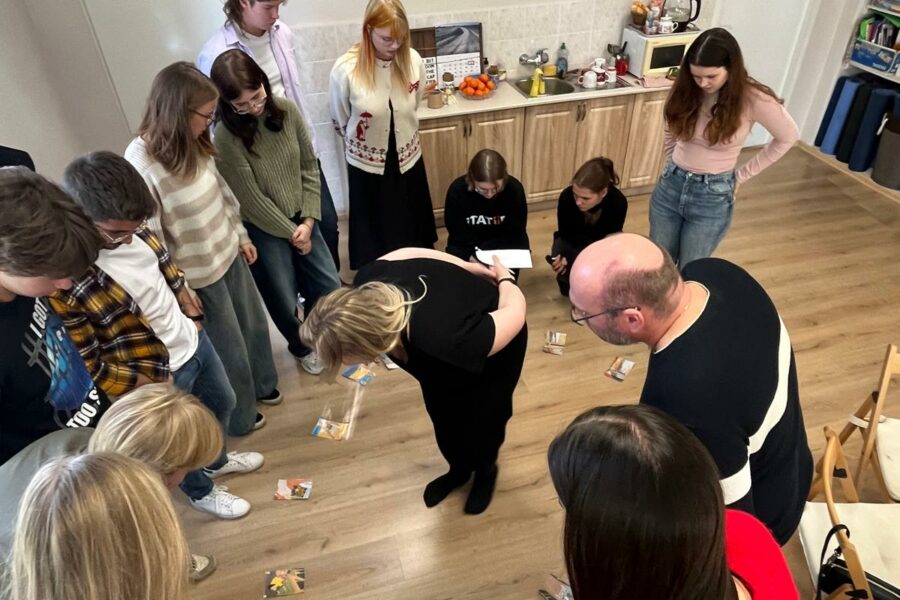
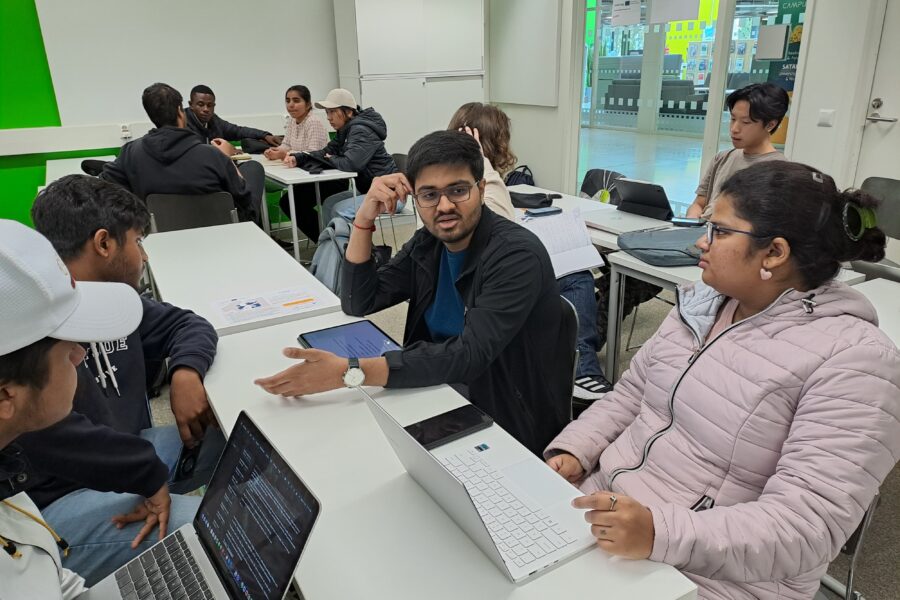
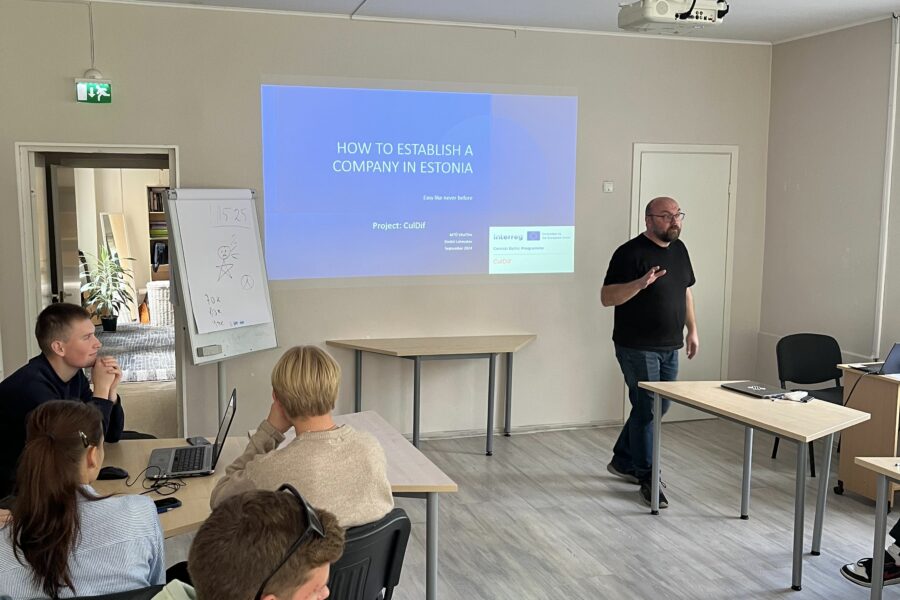
To respond to this, the project introduced a cross-border learning programme combining entrepreneurship education, practical workshops, and international collaboration. Participants followed a structured learning journey, from self-mapping and idea development to market research, pitching, and a final hackathon, where they worked in international teams and developed their own business ideas.
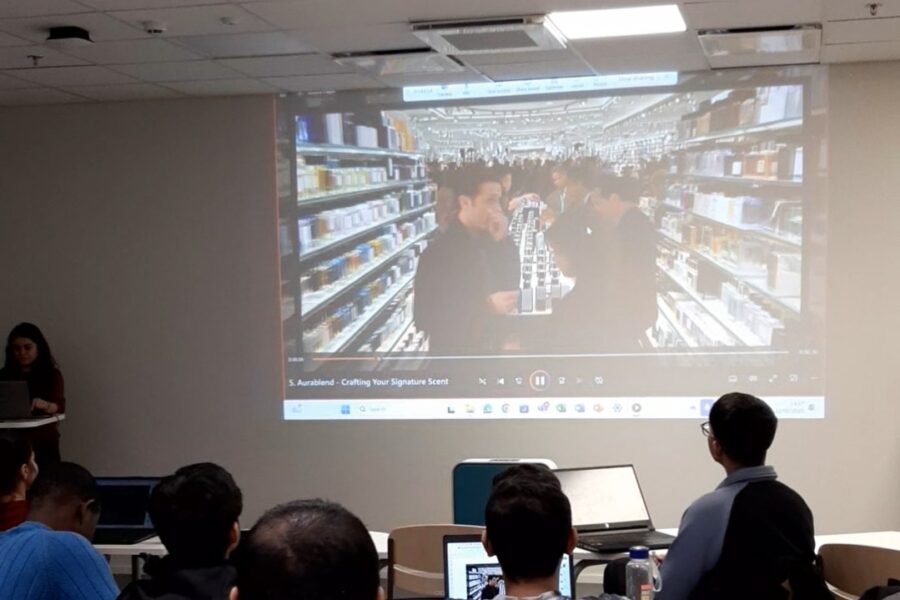
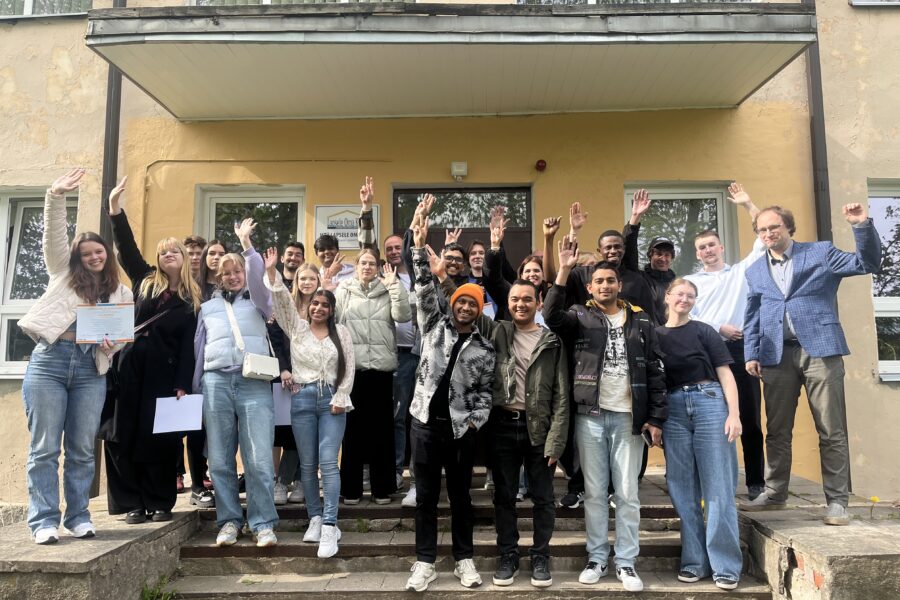
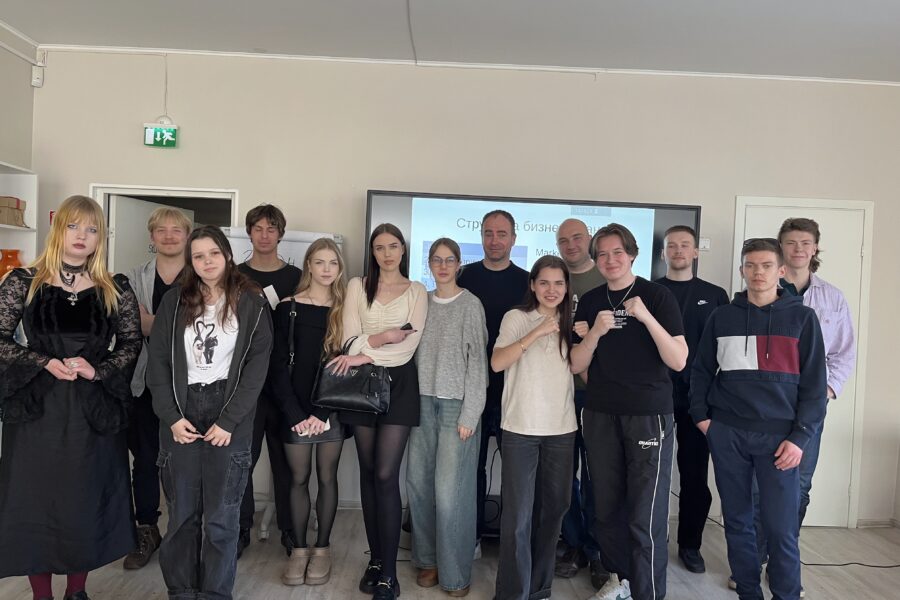
A total of 37 young people from Narva (Estonia) and Pori (Finland) participated in the project. They gained practical business skills, improved communication and teamwork, and increased their confidence. Participants presented their ideas through video pitches and live sessions. At least 20 participants showed strong progress, and many expressed motivation to continue their studies in entrepreneurship or economics, including at international level.
The project also created lasting impact beyond the participants. CulDif methods and tools, such as the self-mapping template, entrepreneurship workshop formats, and hackathon model are now reused by partner organisations. In Narva Gymnasium, these approaches have been integrated into an Economics and Entrepreneurship module, while in Finland they support ongoing entrepreneurship education activities.
Through cooperation between VitaTiim and SAMK, the project strengthened cross-border collaboration and created a transferable model for youth entrepreneurship education. CulDif demonstrated that combining diversity, practical learning, and international teamwork can support youth employability and entrepreneurial thinking.
CulDif Project Video and Visual Outputs
Visual materials documenting project activities, teamwork, and results. These include videos and media content used for dissemination and showcasing project impact.
CulDif Hackathon Methodology
A structured learning format where participants worked in international teams to develop and present business ideas. The methodology includes teamwork, problem-solving, pitching, and feedback sessions.
CulDif Entrepreneurship Workshop Materials
A set of educational materials and workshop formats covering key entrepreneurship topics such as idea development, target groups, market understanding, and business basics. These materials can be reused by youth workers and educators.
CulDif Self-Mapping Tool
A structured self-reflection tool that helps young people identify their skills, interests, and strengths. It supports participants in understanding their personal development path and entrepreneurial potential.
Expected results
CulDif successfully improved the entrepreneurial competences, confidence, and international cooperation experience of young people in Estonia and Finland. Participants developed and presented their own business ideas, strengthened their communication and teamwork skills, and gained practical experience through workshops, cross-border collaboration, and a final hackathon.
The project also produced concrete educational tools and methods, including self-mapping, workshop formats, and a hackathon model, which are now reused by partner organisations. In addition, CulDif contributed to lasting impact by supporting the integration of entrepreneurship education into school programmes and encouraging young people to continue their studies in this field.
Duration 01.05.2024 - 31.10.2025
Total budget
Programme priority
Improved employment opportunitiesProgramme objective
PO6 - Improved employment opportunities on labour marketLead partner
VitaTiim (Non-formal learning centre)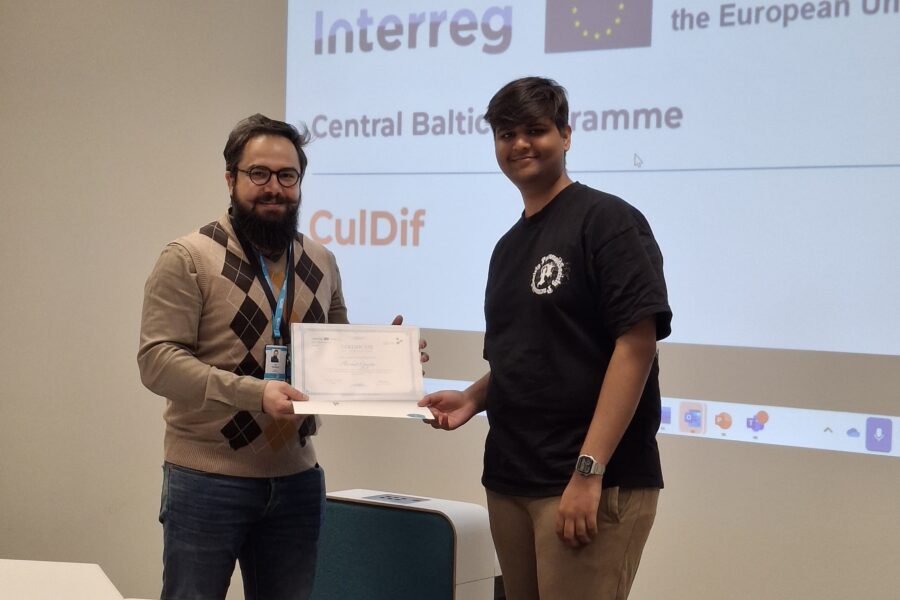
Project Events
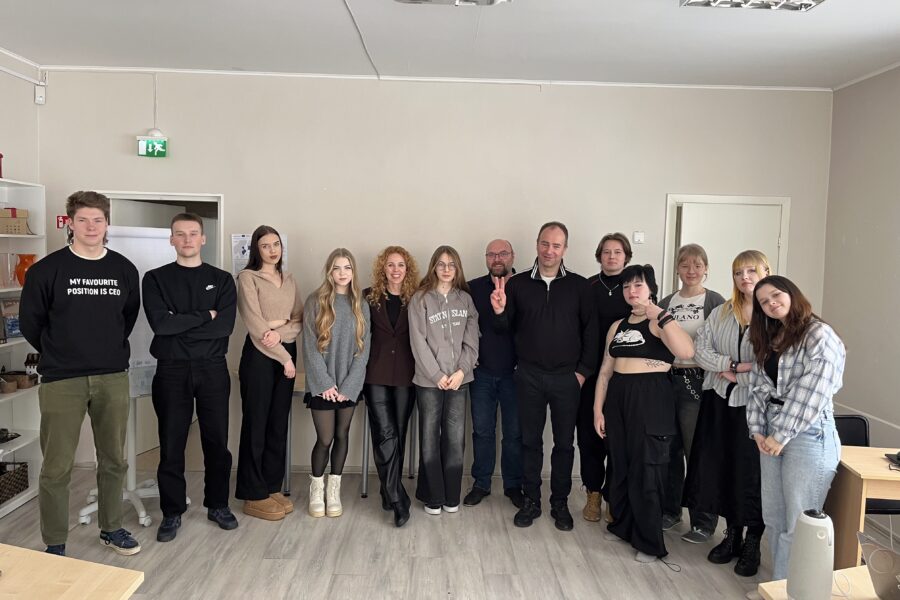
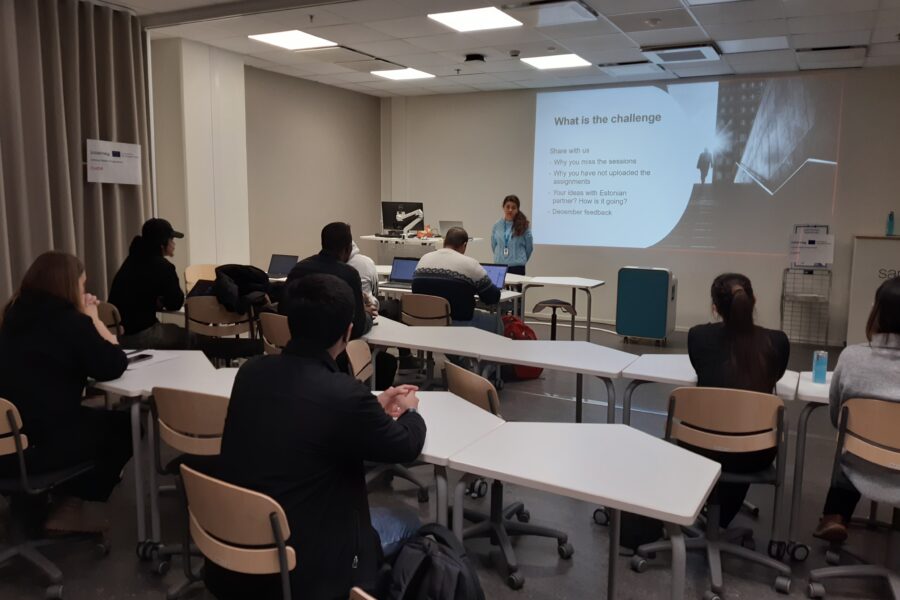
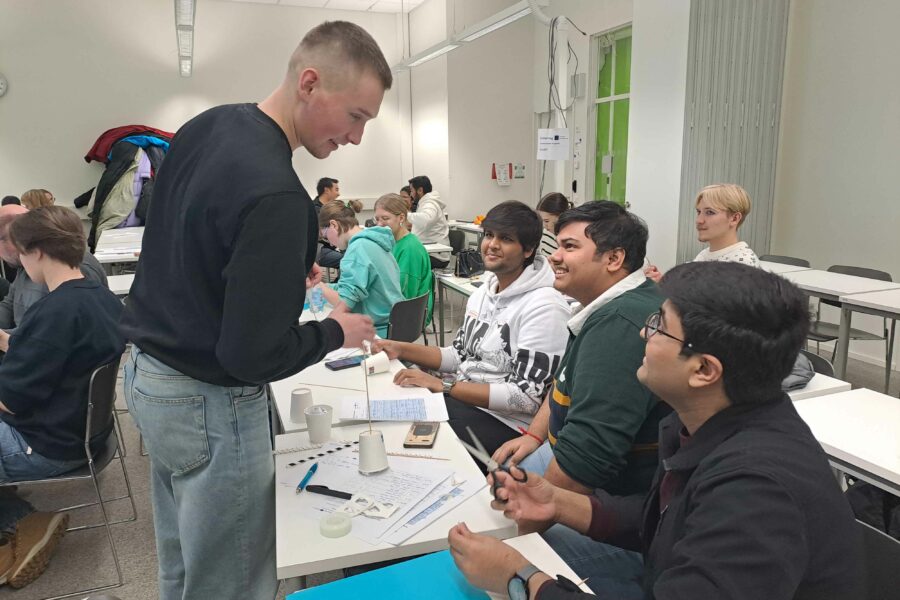
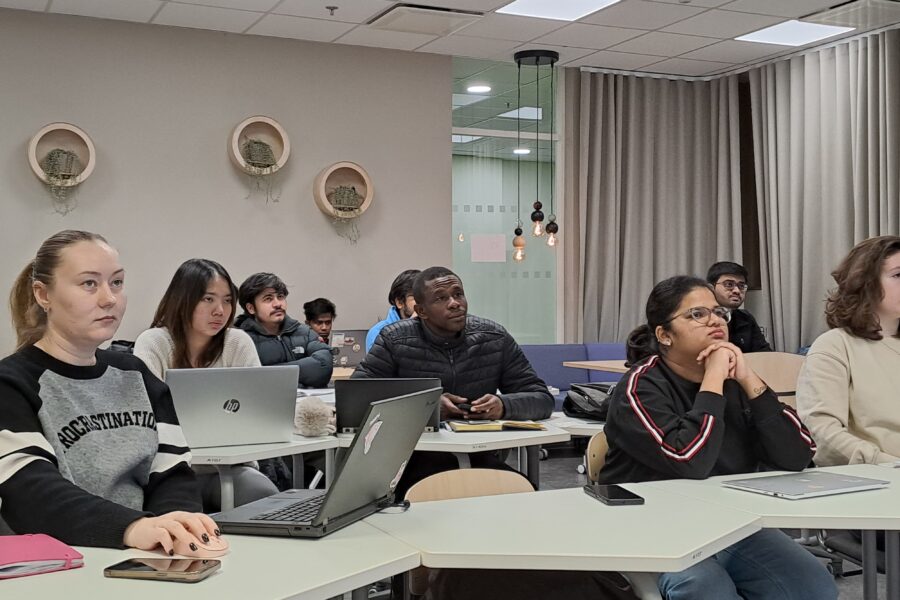
Project Stories
Gallery

Managing Authority
Joint Secretariat
c/o Regional Council
of Southwest Finland
Visiting address: Linnankatu 52 B, Turku, Finland
Mailing address:
P.O. Box 273,
20101 Turku, Finland
E-mail: info@centralbaltic.eu
Phone: +358 40 550 8408
Find CulDif on social media